
Indoor Grow Lights for Greenhouse Crops: A 2025 Buyer’s Guide
Indoor Greenhouse Lights in 2025: Why Modern Greenhouses Rely on LEDs
Market Shifts Driving Indoor Grow Lights Adoption in Commercial Greenhouses
Indoor greenhouse lights have become essential in 2025. Commercial growers now move toward managed growing spaces for crops like cannabis, leafy greens, herbs, and ornamental plants. These lights help growers keep production steady. Natural sunlight grows less reliable in various areas because of climate change. For cannabis farmers, especially, indoor greenhouse light plans give the accuracy needed to hold PPFD, photoperiod, and spectrum settings in large facilities.
Indoor Grow Lights as Tools for Stabilizing Yield and Quality
Indoor grow lights give commercial growers the steadiness they need. This helps reach even cannabinoid profiles, terpene expression, flower density, and biomass over several harvest cycles. For vegetable and flower growers, LED lighting cuts out seasonal changes. It also boosts leaf structure, pigmentation, and essential-oil growth. So, indoor greenhouse light systems act as the core for operations that require repeatable quality. They ensure steady output for thousands of plants.
Global Demand for Controlled-Environment Production
Indoor grow lights support the growth of worldwide controlled-environment agriculture. More areas now use greenhouses, vertical farms, and hydroponic setups. This cuts dependence on outdoor growing. Cannabis production has sped up the need for strong lighting. It meets tough rules for testing, microbial control, and chemical stability. Indoor greenhouse lights let growers expand production. At the same time, they keep compliance and hit export-grade quality levels.
Indoor Grow Lights vs Traditional Greenhouse Lighting Systems
LED vs HID / HPS / Fluorescent: Efficiency, Heat, Lifespan, and Maintenance
Indoor grow lights using LED technology beat older systems like HID, HPS, and fluorescent tubes. They excel in efficiency, heat production, and upkeep. LEDs turn more energy into useful PAR light. This lets cannabis and high-light crops grow well without too much heat strain. Plus, LEDs last much longer. As a result, they cut operational pauses and replacement needs in commercial greenhouse setups.
Spectral Flexibility for Multi-Crop Greenhouse Production
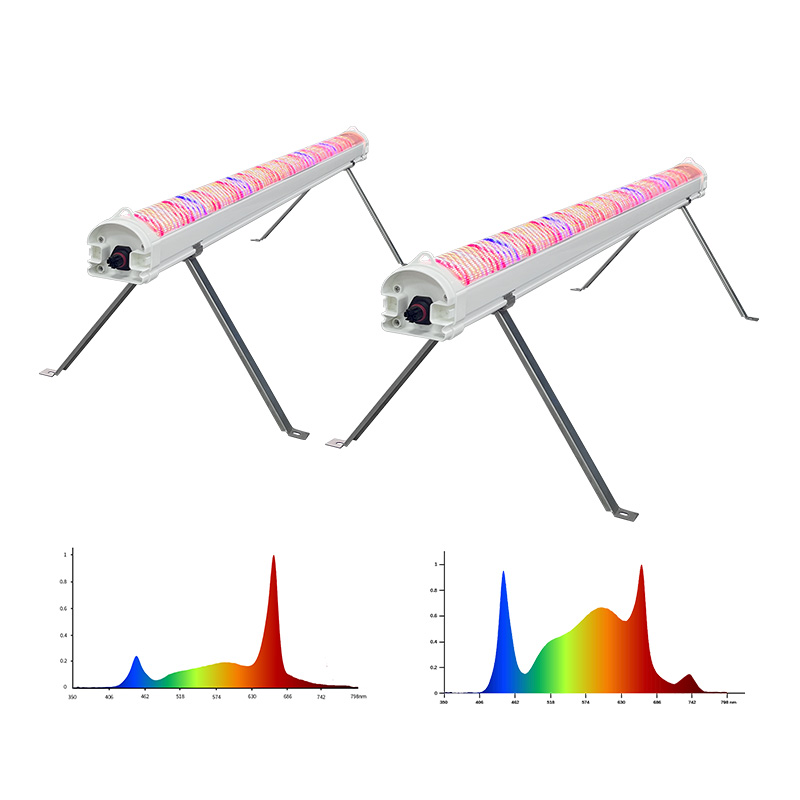
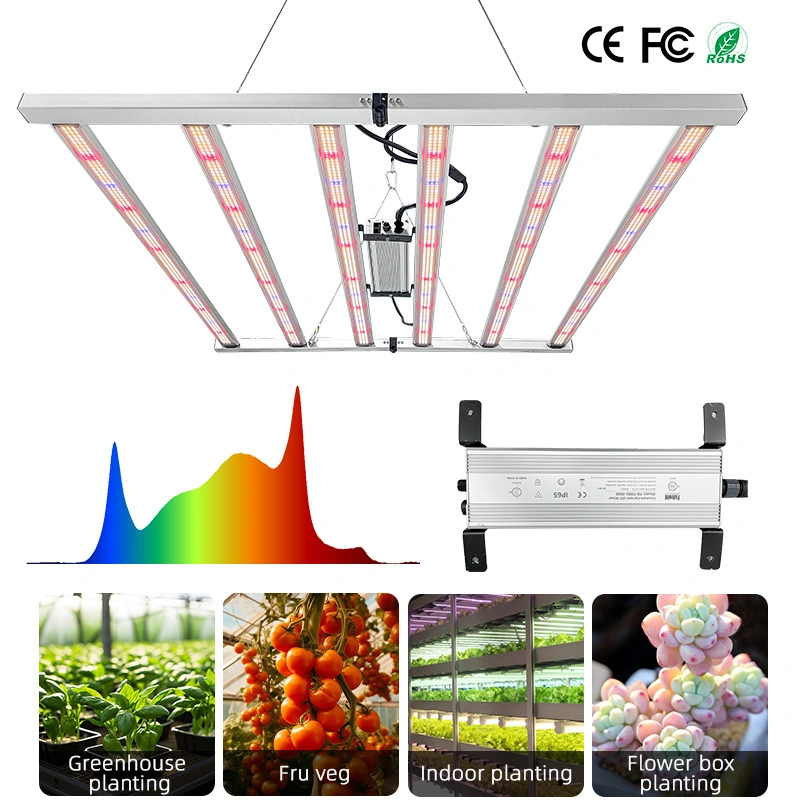
Indoor greenhouse light systems on LEDs offer spectral adjustment. This fits the varied demands of cannabis, vegetables, and ornamentals. Red wavelengths aid flowering. Blue affects structure and metabolism. Green boosts canopy penetration. This matters a lot for thick cannabis varieties and leafy greens. Unlike past lamps with set spectra, LEDs let growers fine-tune spectral mix for every growth phase.
Advantages of LED in Humidity & High-Temperature Greenhouse Environments
Indoor grow lights in greenhouses face humidity, irrigation spray, and changing temperatures. LED fixtures with tough aluminum bodies and closed designs keep steady work in these tough spots. LEDs produce less radiant heat. Therefore, they make climate control simpler for cannabis flowering areas and hydroponic vegetable systems.
How to Evaluate Indoor Grow Lights for Greenhouse Crops
Key Technical Metrics: PPE, PPFD, DLI, Spectrum, Photoperiod
You must check indoor grow lights by PPE (3.0 µmol/J), PPFD levels fit for crop type, and DLI needs for each growth period. Cannabis needs 100-250 PPFD for seedlings, 300-600 PPFD for vegetative Growth Stage, and 600-1200 PPFD for flowering. Spectrum choice relies on crop aims: red boosts flowering, blue builds vegetative density, and green aids canopy penetration. Right photoperiods—18/6 for veg and 12/12 for flower—make sure of proper growth stages.
Uniformity, Mounting Layout, Beam Angle, and Canopy Penetration
Indoor greenhouse light uniformity proves vital to skip weak areas in thick plant canopies. A 120° beam angle gives a broad spread. This suits bar-style commercial LED fixtures. Mounting height sets how evenly PPFD covers beds or vertical racks. For cannabis, steady reach into lower bud spots raises yield. It also betters flower evenness. Vegetables gain from less shade and balanced leaf growth.
Lamp Material, Heat Dissipation, IP Rating, and Long-Term Reliability
Indoor grow lights for pro greenhouses need good heat release, sealed builds, and lasting strength. Aluminum bodies aid solid passive cooling. This keeps a stable output over long photoperiods. Fitting IP ratings let fixtures handle mist, irrigation, and greenhouse moisture. For cannabis sites that run lights up to 20 hours daily in early phases, reliability shapes total yearly output.
Indoor Grow Lights Strategies for Different Greenhouse Crops
Lighting Recipes for Leafy Greens
Indoor greenhouse lights for leafy greens use fair PPFD with even blue and green wavelengths. This backs compact shape and good color. Vertical farms and hydroponic systems often run 14–18-hour photoperiods. They add even canopy lighting to stop tip burn and stretching.
Lighting Recipes for Fruiting Vegetables (Tomatoes, Peppers, Cucumbers)
Indoor greenhouse light plans for fruiting vegetables call for higher PPFD and solid red energy. This helps flowering and fruit growth. The 1000W LED class often goes in bigger greenhouse sections. There, evenness and deep reach into lower leaves greatly impact yield.
Lighting Recipes for Berries and Herbs
Indoor grow lights for berries and herbs focus on better color show, essential oil output, and scent quality. Balanced lighting aids thick foliage and high-value flavor elements. Thus, LEDs work well for special greenhouse farms.
Lighting Strategies for Greenhouse Cannabis
Indoor greenhouse lights for cannabis stick to firm PPFD, photoperiod, and UV rules. Seedlings need mild 100-250 PPFD at 20–40% dimming, vegetative plants do well at 300-600 PPFD with 50–70% dimming, and flowering plants need 600-1200 PPFD with 80–100% intensity.
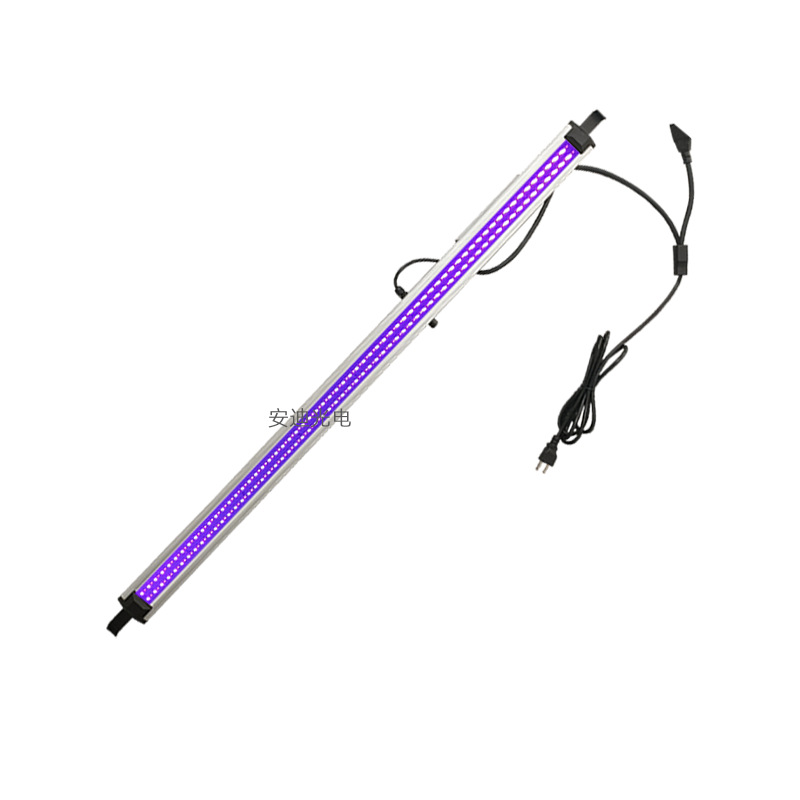
You should add UV only in the last 2–3 weeks of flowering. Apply it before and after the main lighting cycle for brief set times. This boosts terpene and cannabinoid output without harming plant tissue.
Energy Consumption, Cost Planning, and ROI for Indoor Grow Lights
Estimating Daily and Seasonal Power Consumption
Indoor greenhouse lights affect electricity use by wattage, run time, and aimed PPFD. High-efficiency fixtures at 3.0 µmol/J give strong PAR output at a lower cost per photon. This lowers energy costs in multi-acre cannabis or vegetable operations.
Maintenance Cycles and Replacement Planning for LED Systems
Indoor grow lights with long lifespans cut interruptions in large greenhouses. LEDs run steadily for years without often needing swaps. This differs from HPS bulbs that wear out fast. Less upkeep proves key in vertical farms where reaching fixtures limits access.
How LED Lighting Improves Yield, Crop Value, and Return on Investment
Indoor greenhouse light plans shape yield per square foot. Commercial growers often hit 4–5 lbs per fixture in cannabis production. This happens when PPFD matches cultivar needs well. Evenness gains also raise the sellable flower and cut waste. For vegetables and herbs, LED steadiness leads to expected head size, coloration, and scent. These serve as the main value factors for top markets.
ANDYLED Solutions for Greenhouse Indoor Grow Lights
High-Efficiency LED Lighting Options for 4×4 ft and 4×6 ft Greenhouse Areas
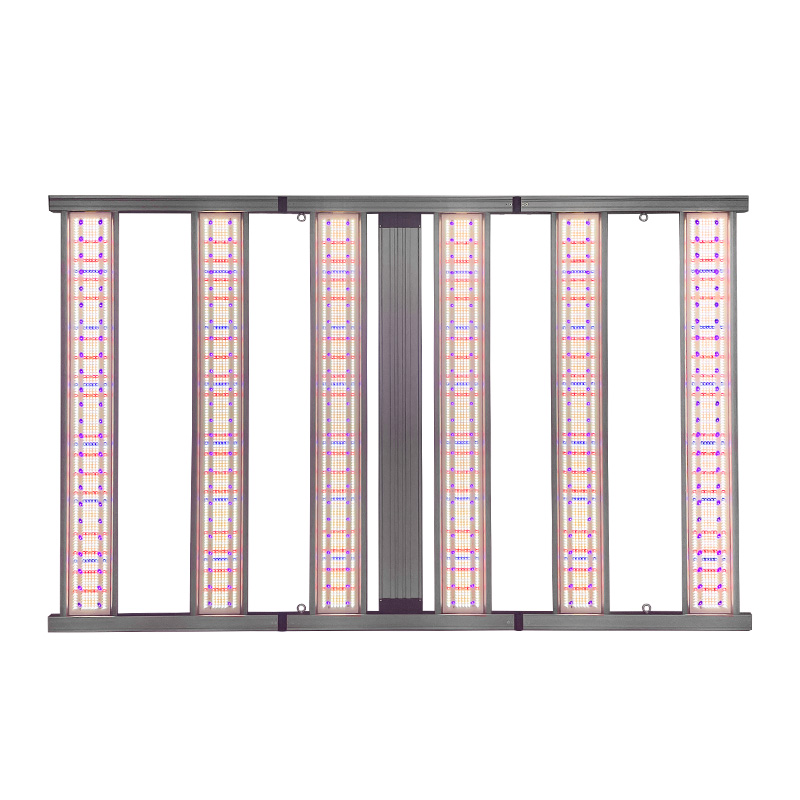
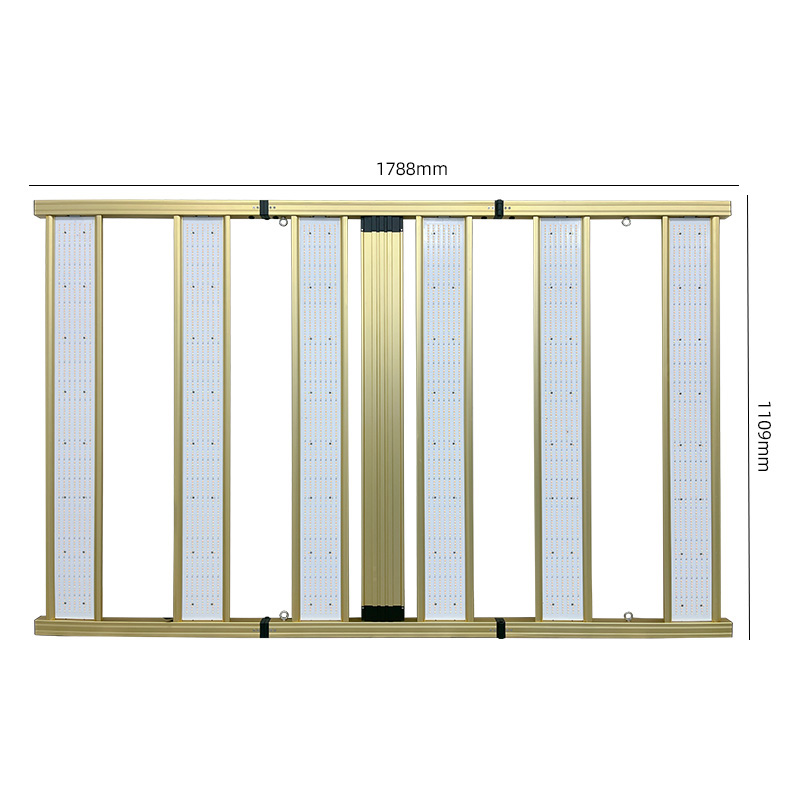
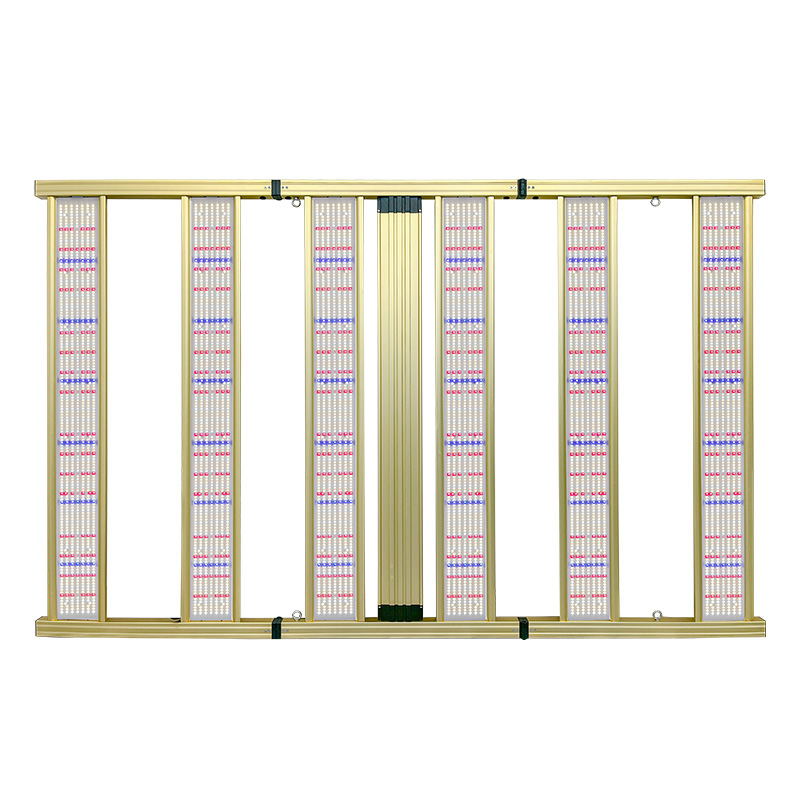
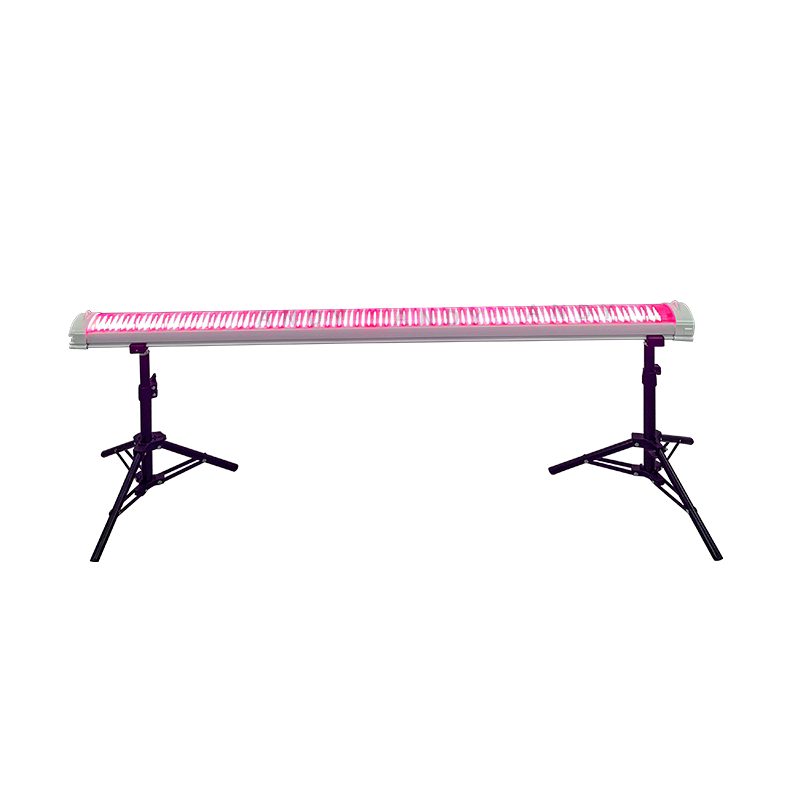
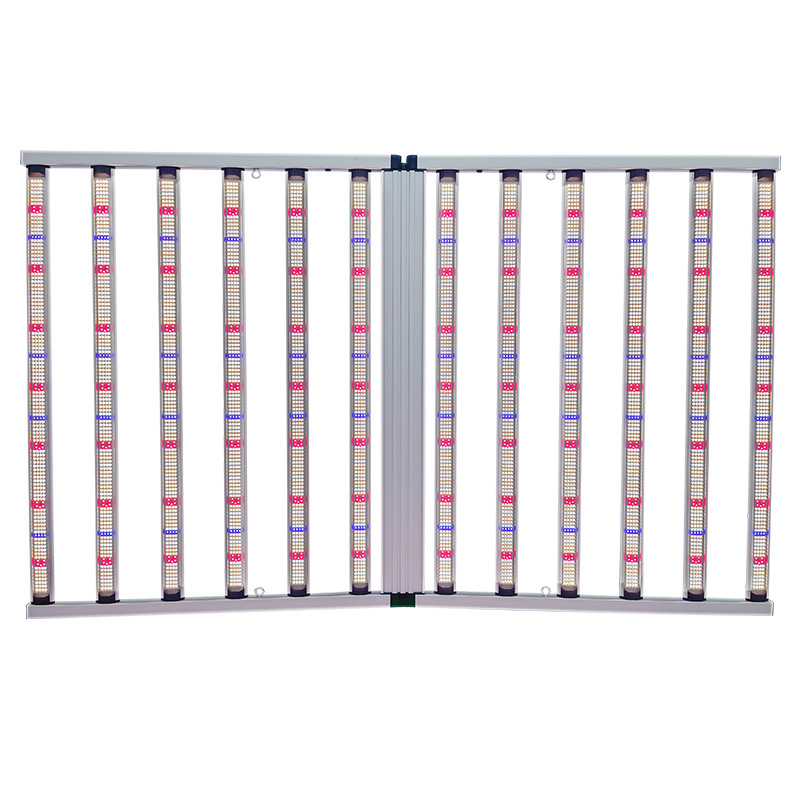
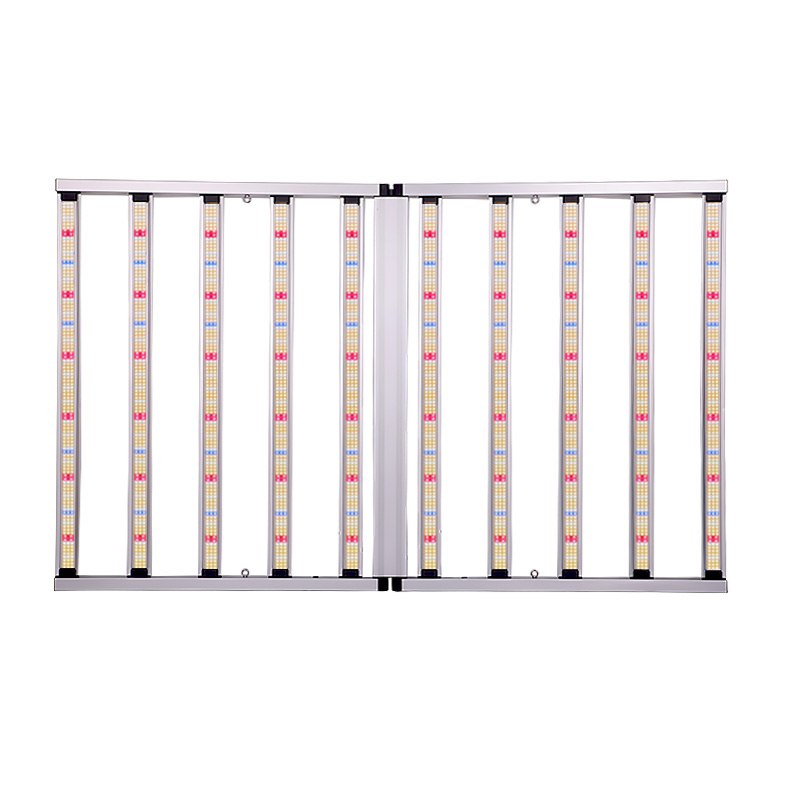
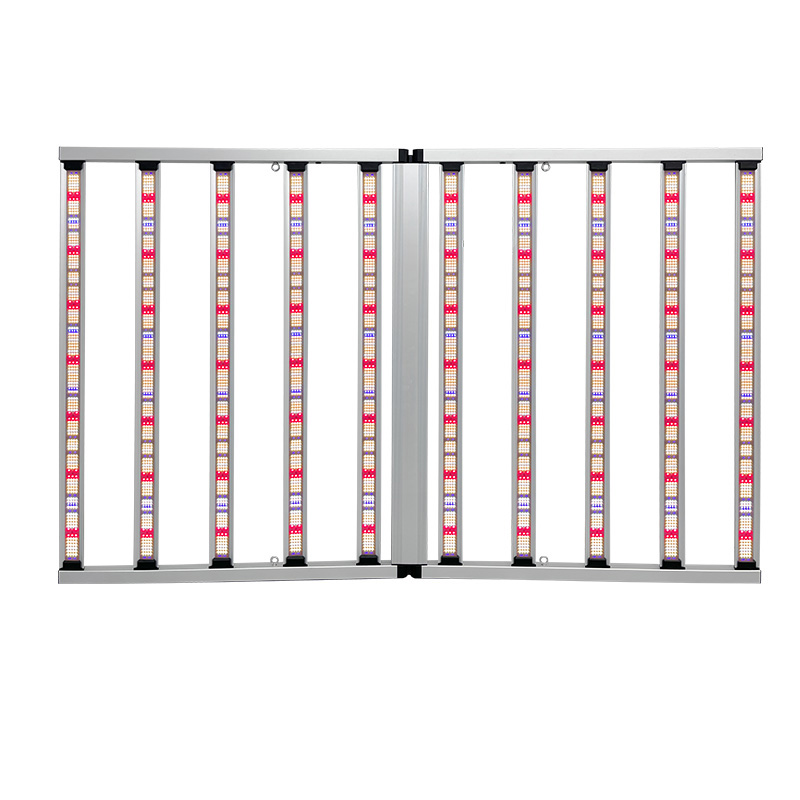
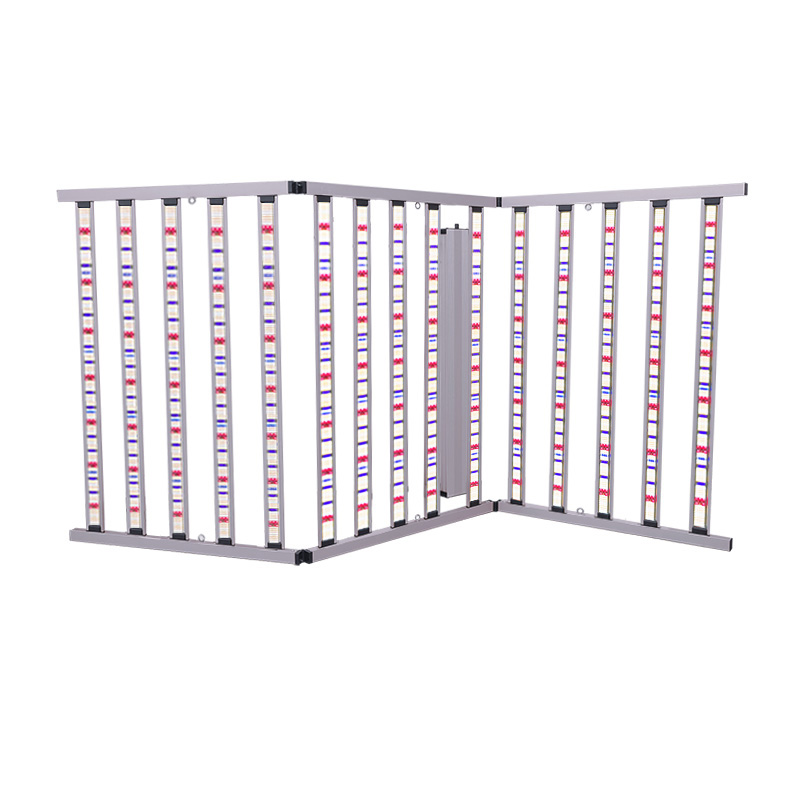
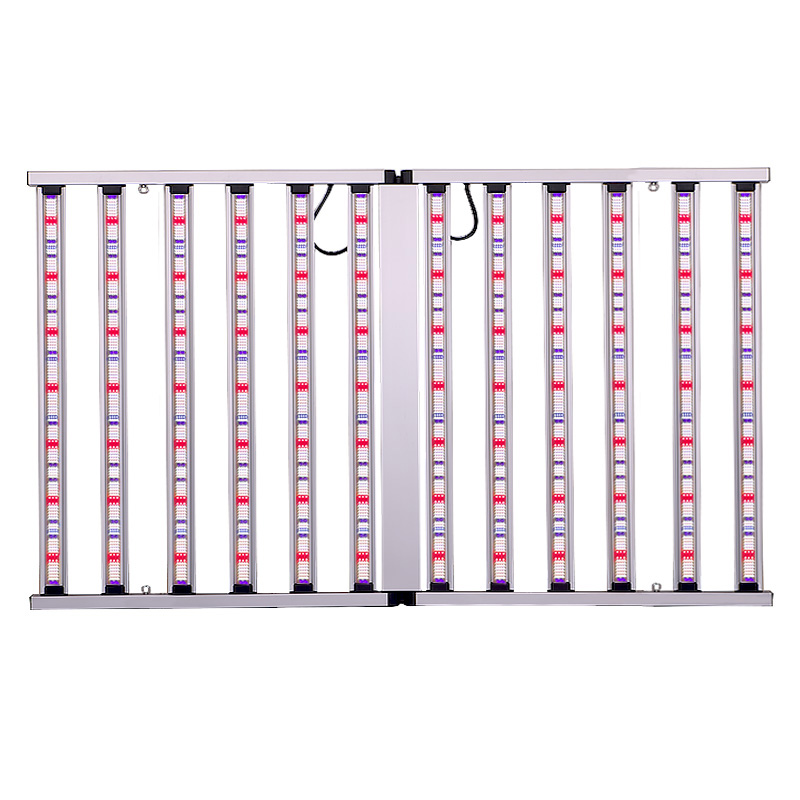
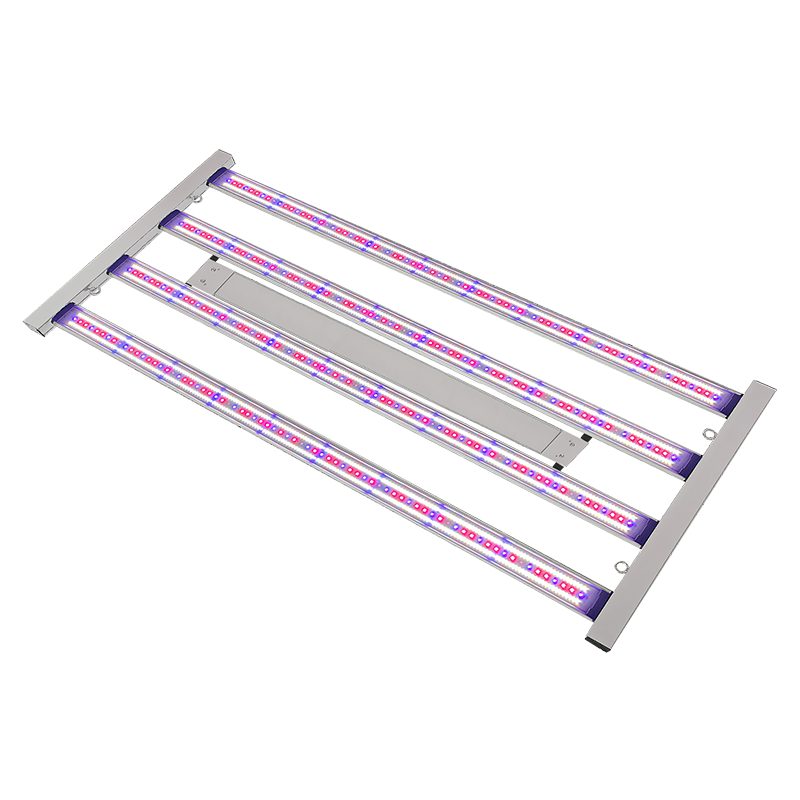
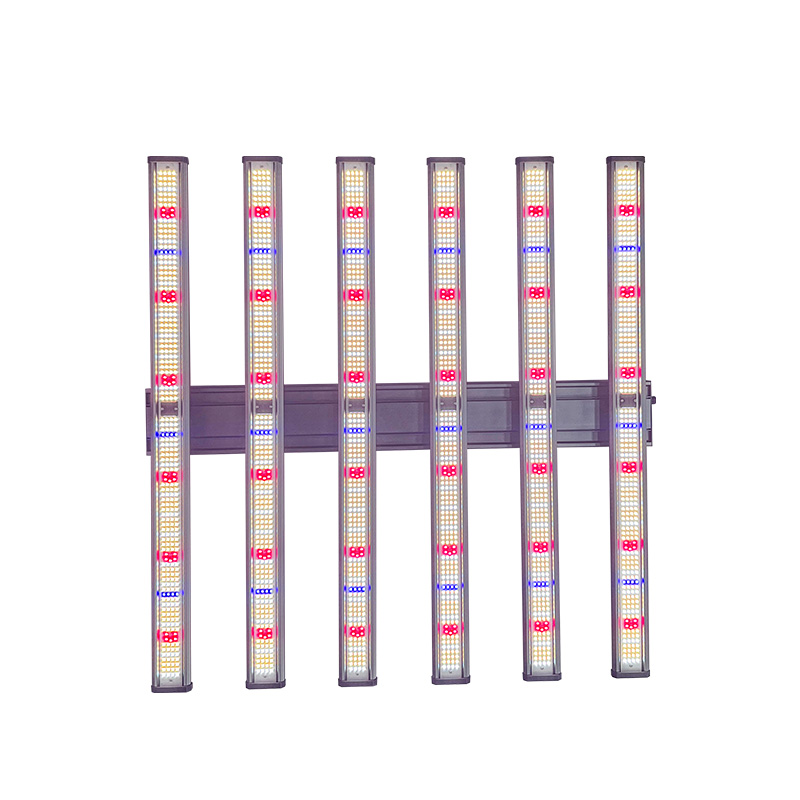
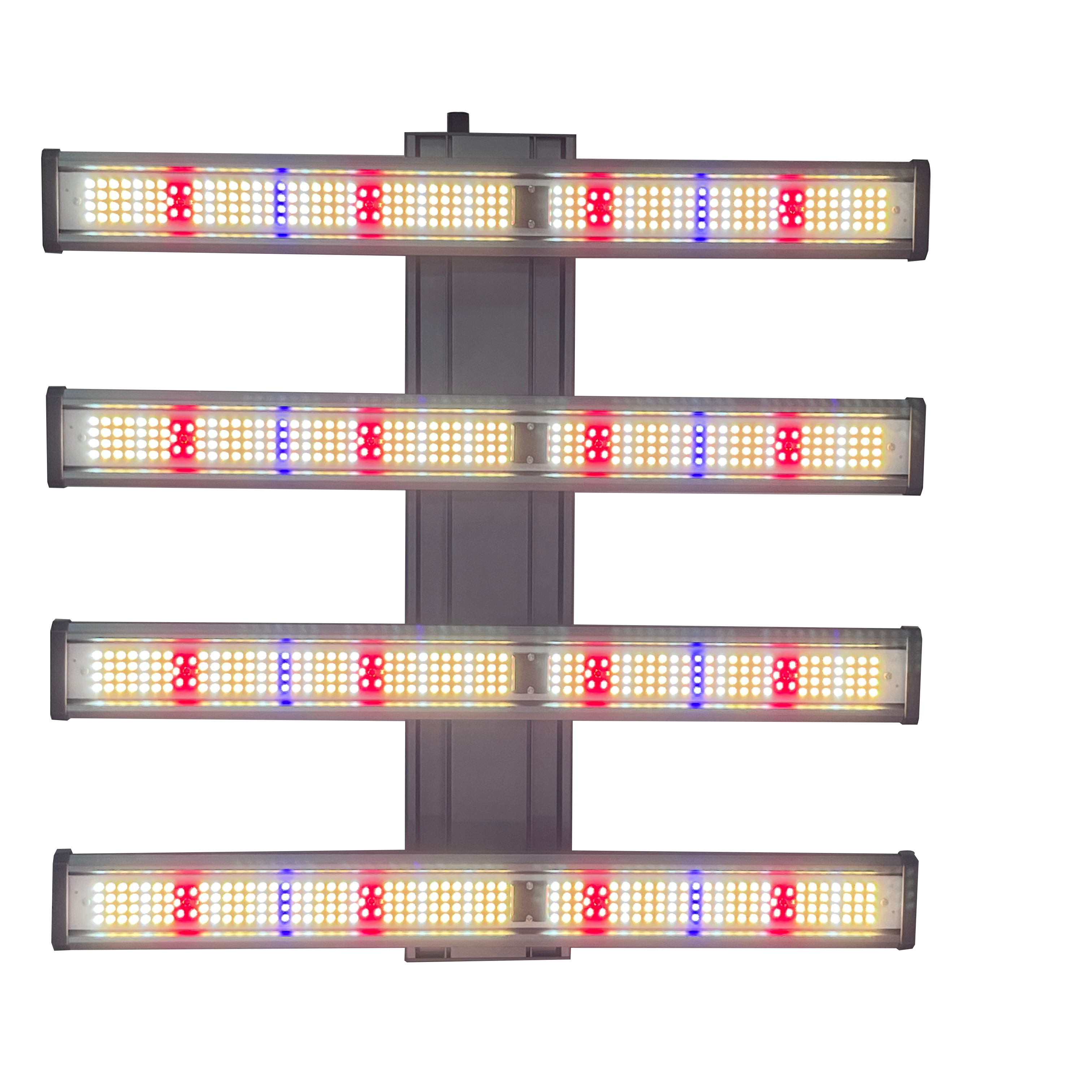
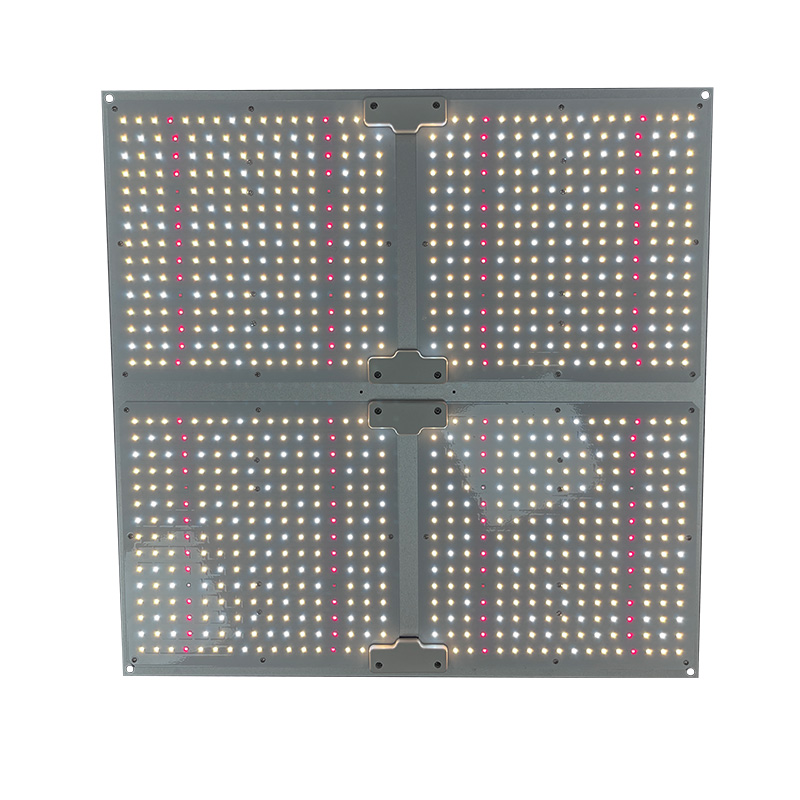
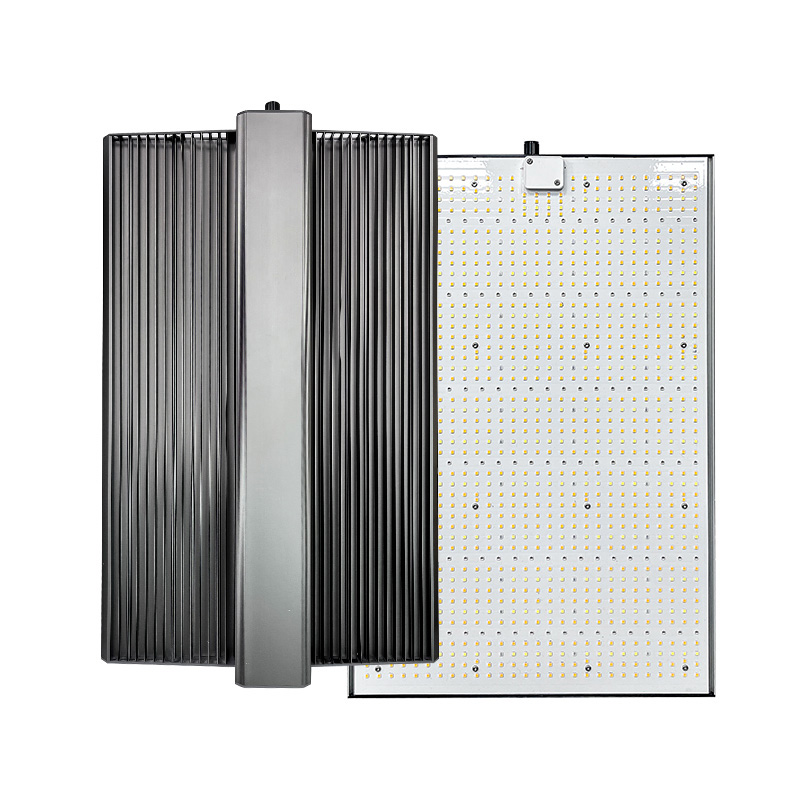
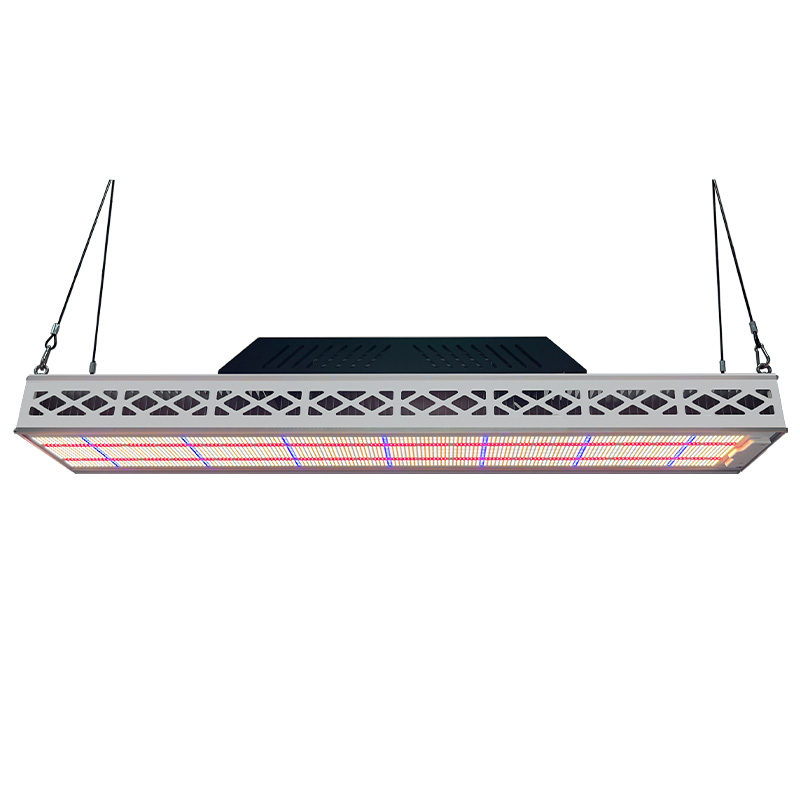
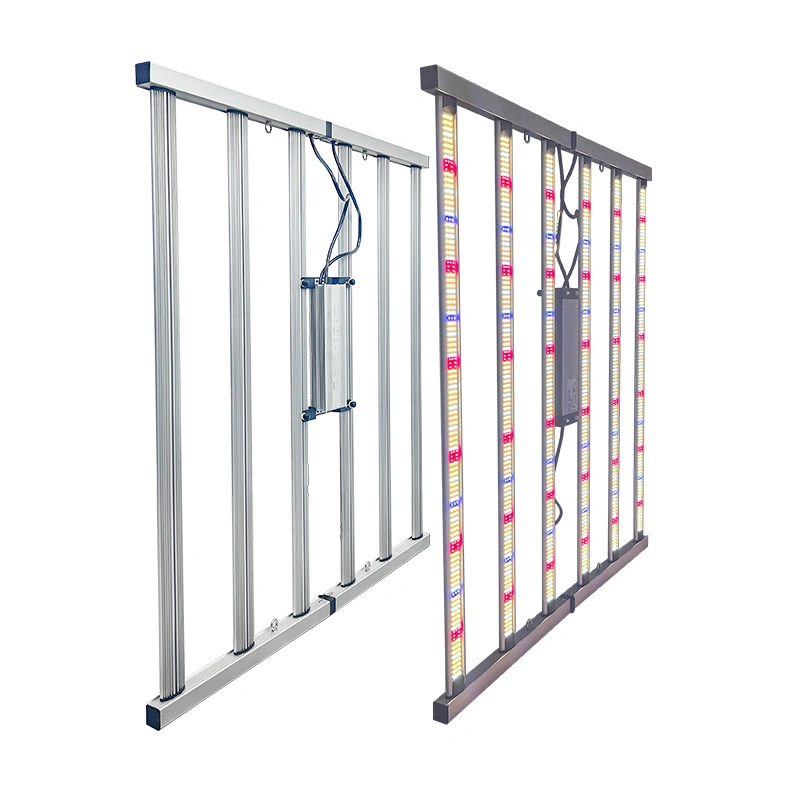
Indoor greenhouse lights from ANDYLED suit pro cannabis and crop growing. Our 800W single-channel dimming LED grow light for 4×4(ft) setups gives 3.0 µmol/J efficiency with a broad 120° beam angle. This ensures deep canopy reach, vital for thick flowering.
Our Efficient 1000W LED Grow Light with Adjustable Brightness for 4×6 ft bays offers top coverage for large greenhouse rows and high-PPFD crops. It backs strong vegetative growth and heavy flowering.
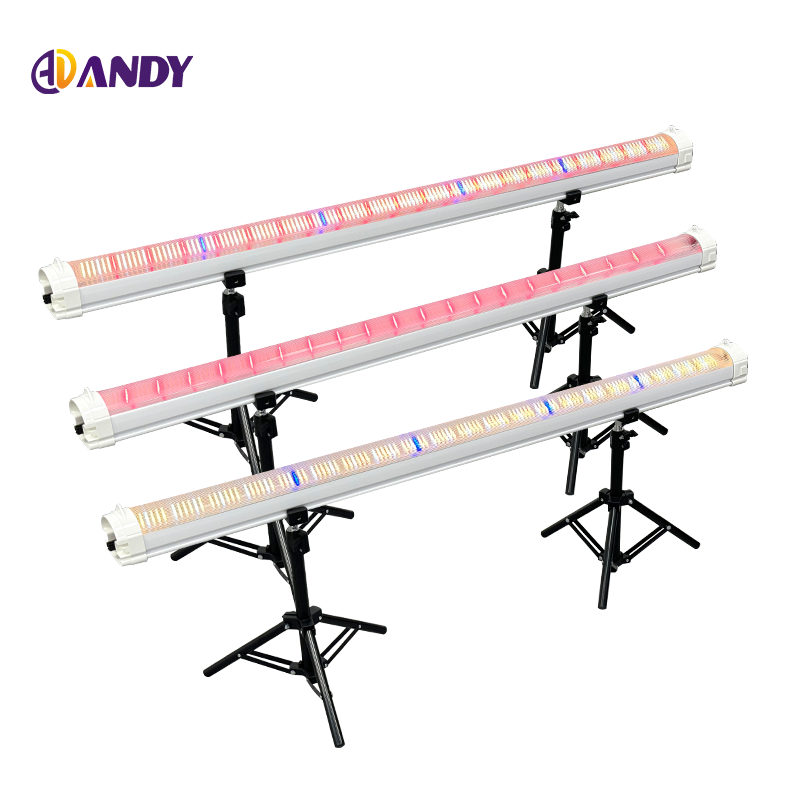
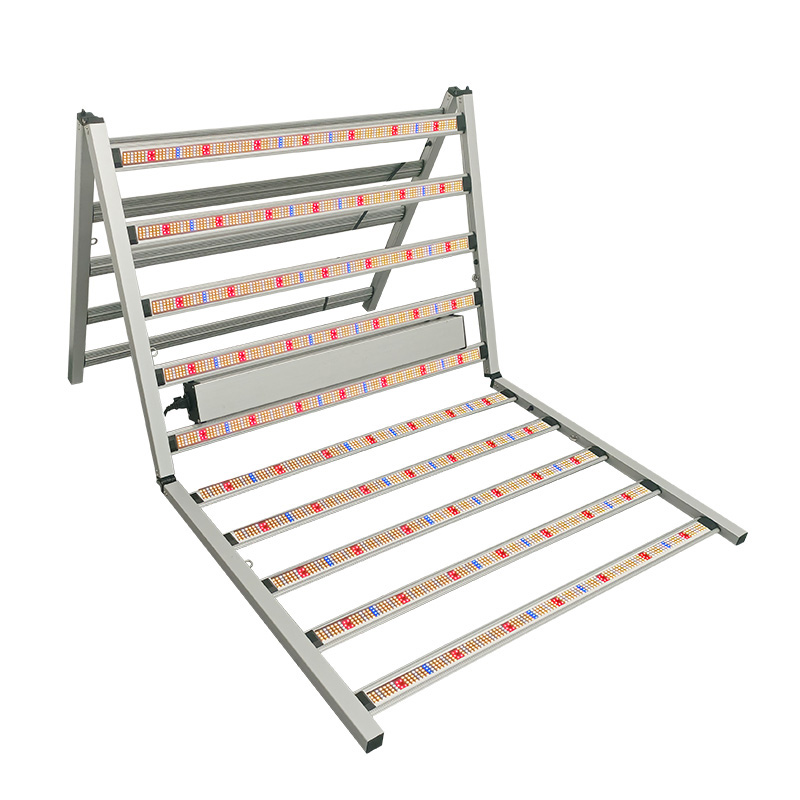
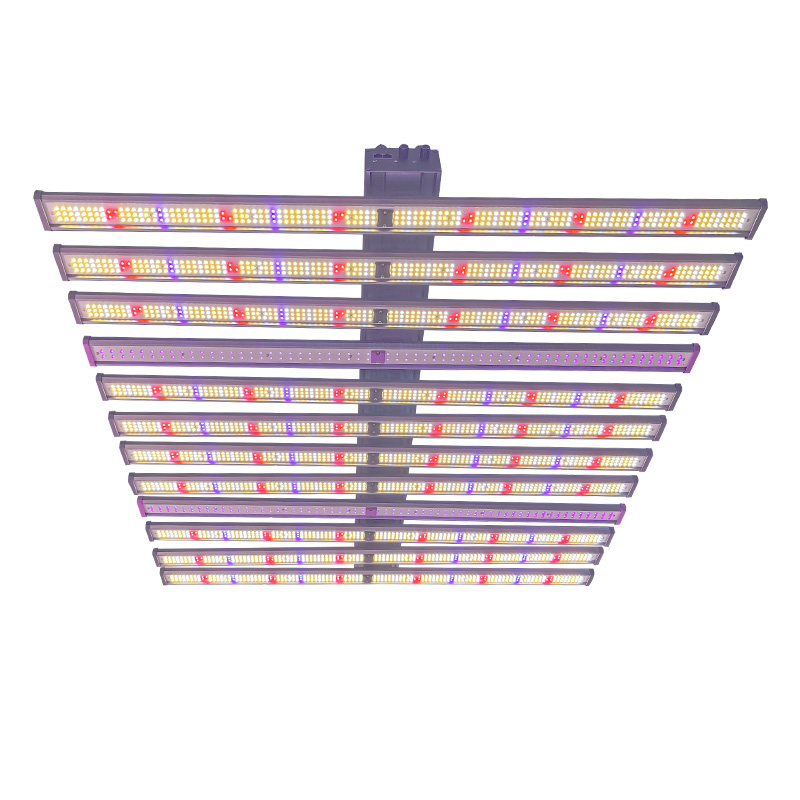
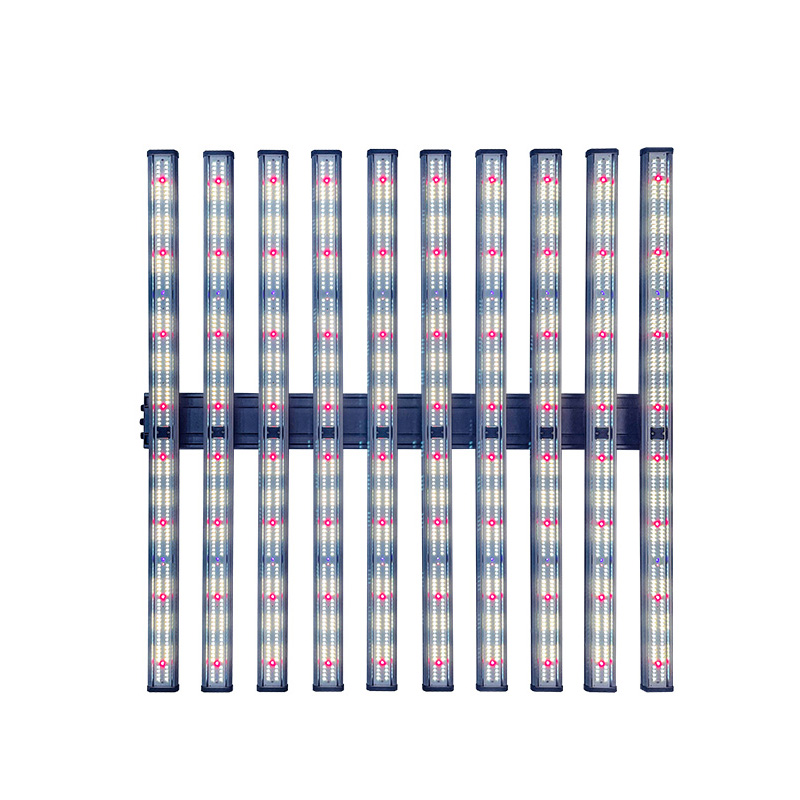
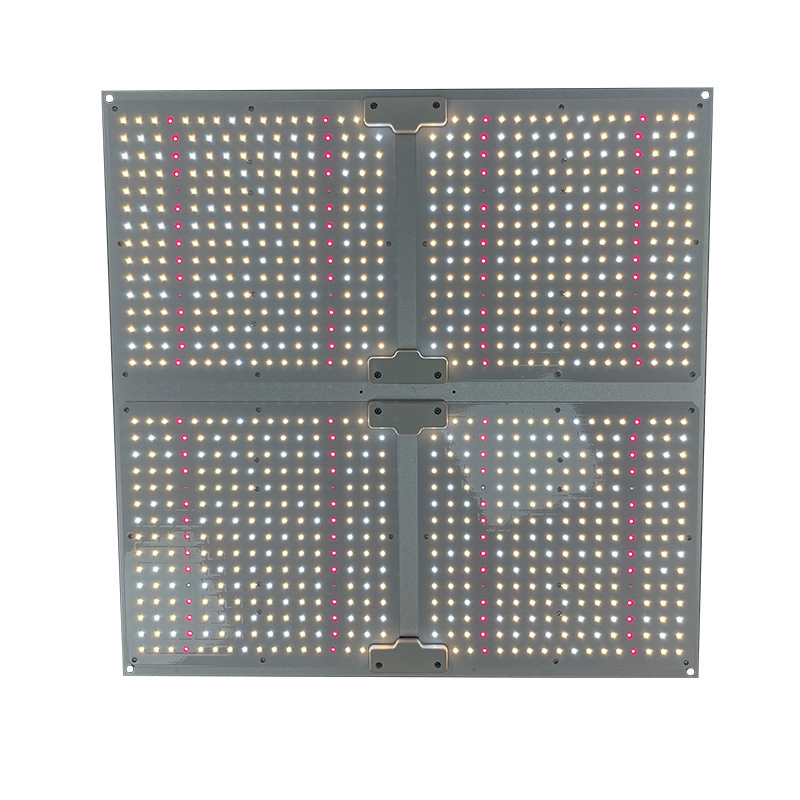
For sites needing a flexible setup, our 720W 4x4ft LED Grow Light-AD6-720W-2D292-110 acts as a handy choice for vertical farms, hydroponic platforms, and research greenhouses. It provides steady output and Samsung LEDs in multi-tier arrangements.
Manufacturing Strength: Fast Production Capacity and Stable Delivery
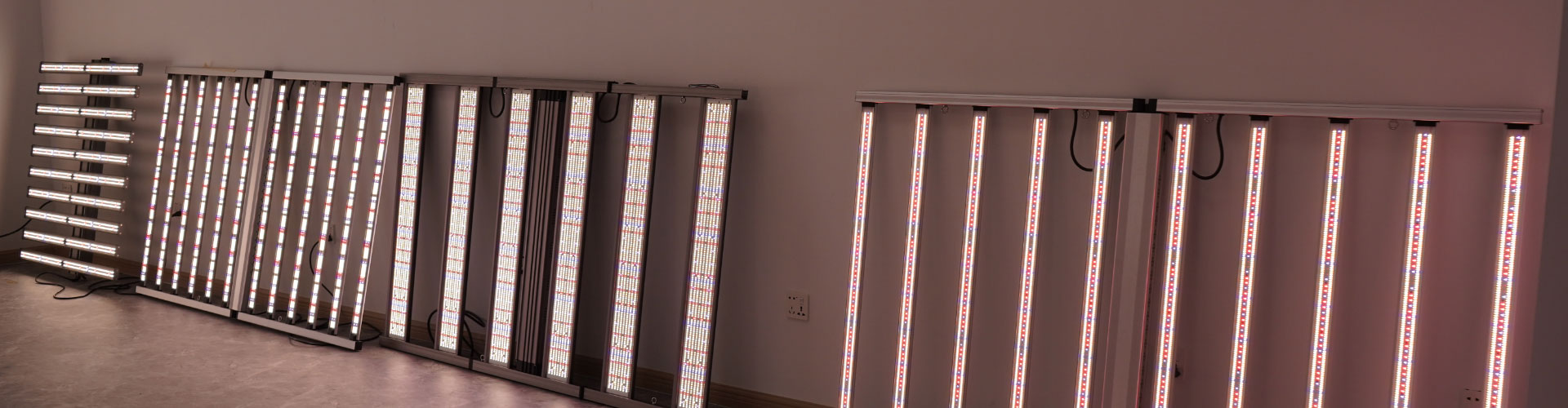
As ANDYLED, we run full SMT-to-assembly lines. This gives us quick production power and a firm supply chain hold. So, we can aid growers with steady quality and fast delivery for big commercial jobs.
Spectrum Engineering Backed by Real Farming Performance
Our lighting options come from real input by cannabis greenhouses, fruiting-vegetable farms, and hydroponic sites. ANDYLED fixtures help growers get better yield results and improved crop evenness.
FAQ
Q: Which indoor grow lights are most suitable for greenhouse cannabis production?
A: Greenhouse cannabis works best with high-efficiency LED fixtures. They deliver strong PPFD with broad coverage. ANDYLED 800W and 1000W fixtures offer 3.0 µmol/J output and 120° beam distribution. This makes them perfect for flower-rich cultivars.
Q: How should growers choose indoor greenhouse lights for different plant types?
A: Growers should check PPFD needs, crop growth stage, greenhouse size, and the desired spectral mix. ANDYLED offers various wattage types to fit cannabis, leafy greens, herbs, and fruiting vegetables.
Q: Are indoor grow lights necessary if a greenhouse already receives strong sunlight?
A: Even in bright areas, natural light shifts with weather and seasons. Indoor grow lights steady PPFD and photoperiod. This ensures even cannabinoid levels, flower density, and vegetable quality over all harvest cycles.
Q: What is the difference between LED and HPS lighting in greenhouse applications?
A: LEDs run cooler, last longer, and give more usable PAR light per watt than HPS systems. ANDYLED fixtures cut HVAC load. They also support tuned spectral delivery for various crop types.
Q: Which brands offer reliable indoor grow lights for professional greenhouse operators?
A: Many makers exist worldwide. But ANDYLED stands out for high-efficiency fixtures, Samsung LEDs, full production lines, and tested work in cannabis, vegetable, herb, and ornamental greenhouse settings.


