
Samsung LM301H vs. LM301B: The Truth About LED Grow Light Diode Efficiency in 2026
1 What Are Samsung LM301H and LM301B LEDs, and Why Are They So Popular in Grow Lights?
1.1 Understanding Samsung LED diode technology in simple terms
In the commercial indoor farming industry, diodes act as the engine of your lighting system. What LED diodes do in grow lights is convert electrical energy into photosynthetic photons. The efficiency of this conversion dictates both your electricity bill and crop yield. Why Samsung dominates the indoor growing market comes down to their consistent innovation in surface-mount device (SMD) technology. Their premium Samsung diodes deliver unparalleled reliability and photon output, setting the standard for professional horticulture.
1.2 Why the LM301 series is widely used in modern grow fixtures
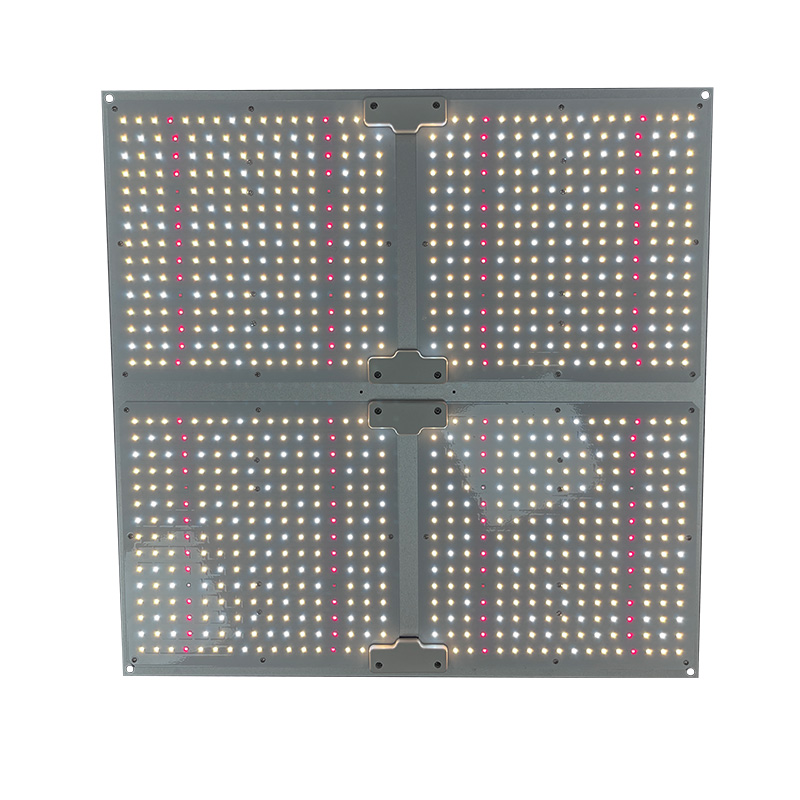
The adoption of the LM301 series in full-spectrum LED grow lights—specifically modern bar-style fixtures—is due to its reputation for efficiency and stability. These premium Samsung diodes allow manufacturers to create uniform lighting footprints, crucial for large-scale canopy penetration without the concentrated heat issues of older, outdated designs. They provide the backbone for maximizing harvest weight in climate-controlled environments.
2 Samsung LM301H vs LM301B: What Is the Real Difference in LED Efficiency?
2.1 Luminous efficiency and performance comparison explained
When analyzing how efficiency differences are measured at a conceptual level, it all boils down to micromoles per joule (µmol/J). The LM301H was specifically marketed with an anti-sulfurization coating for horticultural environments, whereas the LM301B was originally designed for general high-efficacy lighting. However, the real-world impact on indoor plant growth is often much smaller than lab numbers suggest. Both deliver exceptional photosynthetic photon efficacy (PPE) when integrated into a well-engineered fixture.

2.2 Spectral consistency and light quality differences
Light distribution and color consistency are critical for canopy development. While the LM301H offers slight adjustments tailored for plant response considerations in indoor environments, both diodes provide a broad, white-light spectrum. This serves as an excellent foundation for full-cycle cultivation when properly mixed with dedicated secondary spectrums.
2.3 Is the efficiency gap between LM301H and LM301B significant?
Why differences are often debated in growing communities is largely due to aggressive marketing. Growers obsess over fractional increases in PPE. However, the practical vs theoretical performance gap is negligible for most commercial operations. The overall fixture design—including the driver efficiency, bar spacing, and heat dissipation capabilities—plays a vastly larger role than the specific letter at the end of the diode model.
3 LM301H vs LM301B: Which One Performs Better for Indoor Growing?
3.1 Vegetative stage performance comparison
During early plant growth, light behavior must prioritize uniform coverage to prevent stretching. Both diodes excel here. When weighing uniformity vs intensity considerations, it is the physical layout of the LED bars—not the exact diode variant—that ensures every seedling receives the exact same light density.
3.2 Flowering stage lighting effectiveness
The spectrum influence on plant development stages becomes crucial during the flowering phase. Here, stability under long photoperiod use is paramount. Both the LM301H and LM301B maintain their lumen output excellently over thousands of hours, ensuring that buds swell consistently without light degradation.
3.3 Real-world growth results vs technical specifications
Why lab specs don’t always match real growing conditions is due to environmental factors influencing results. Humidity, temperature, CO2 levels, and canopy management dictate yields far more than a fractional diode efficiency difference. A perfectly dialed-in room using high-quality fixtures will effortlessly outperform a poorly managed room relying solely on diode hype.
4 Why Do Manufacturers Still Use Both LM301H and LM301B in 2026?
4.1 Cost efficiency and production balance
Why standard premium Samsung diodes remain widely used is largely a matter of manufacturing scalability considerations and cost-performance balance. At ANDYLED, we focus on delivering the most reliable solutions for farm operations. With our massive workshop and an integrated production line from SMT to final binding, we boast the highest production capacity and largest storage in Shenzhen. Our immense raw material inventory allows us to ship a full container in just 5 days. This high production capacity means we can quickly customize fixtures, prioritizing overall structural excellence and fast delivery over specific diode model marketing.
4.2 Application-based selection in LED grow lights
Different lighting designs for different grow setups require flexible sourcing. Matching the diode type to the fixture purpose allows manufacturers to keep commercial farm setups profitable. For massive facilities, focusing on robust chassis construction and high-grade standard diodes is often the smarter business choice compared to massive capital expenditure on minor diode upgrades.
4.3 Marketing claims vs actual horticultural differences
There are often overstated efficiency differences in the market. Real-world grower feedback trends indicate that while “horticulture-specific” diodes sound great on a spec sheet, the actual harvest weight rarely reflects the price markup. Professional growers are increasingly realizing that overall build quality matters more than a specific chip code.
5 How to Choose Between LM301H and LM301B for Your Grow Setup?
5.1 Choosing based on grow space size and plant type
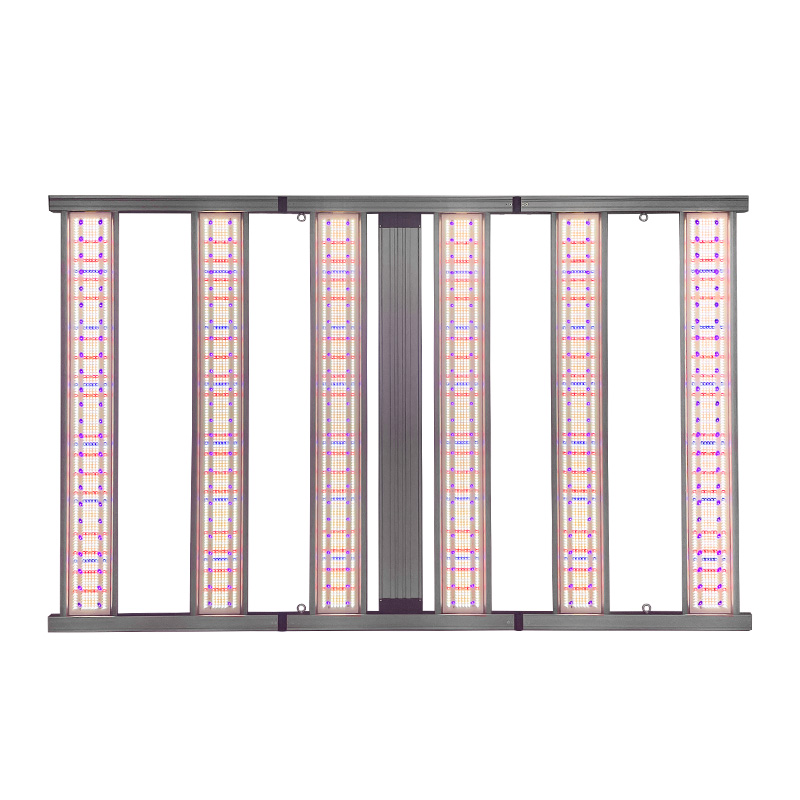
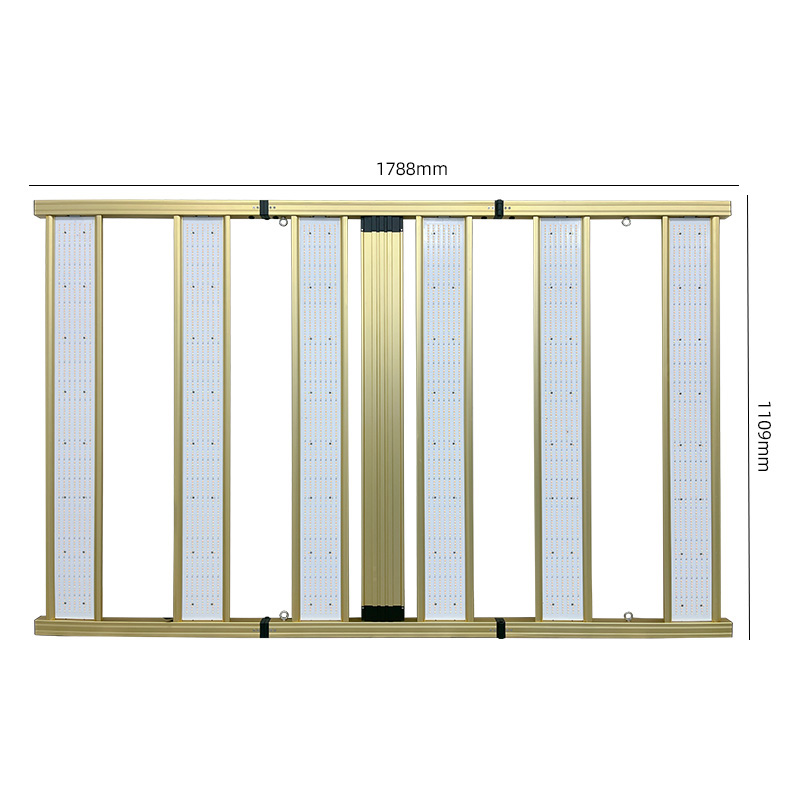
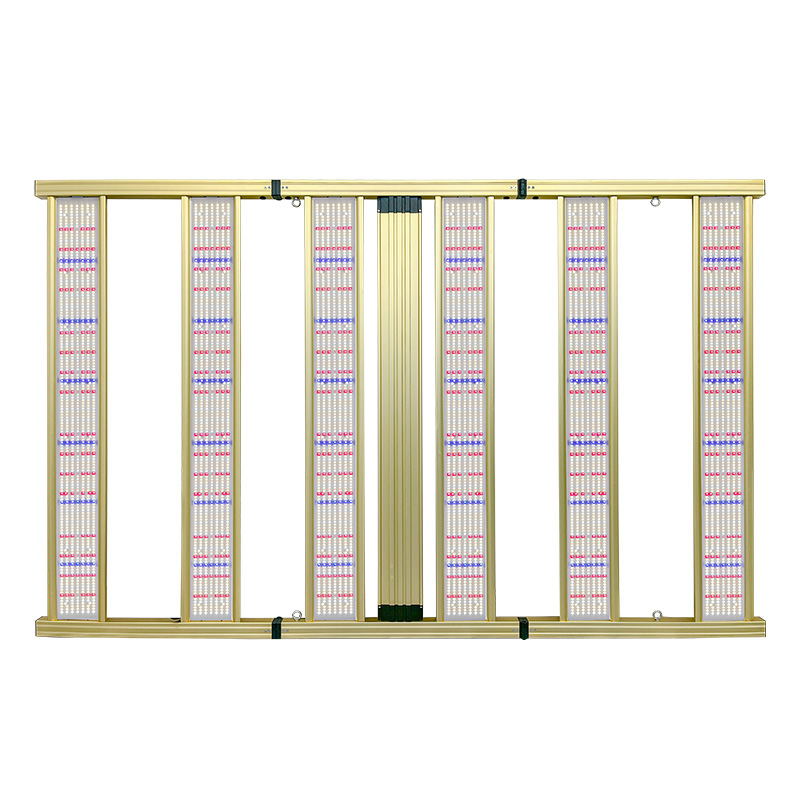
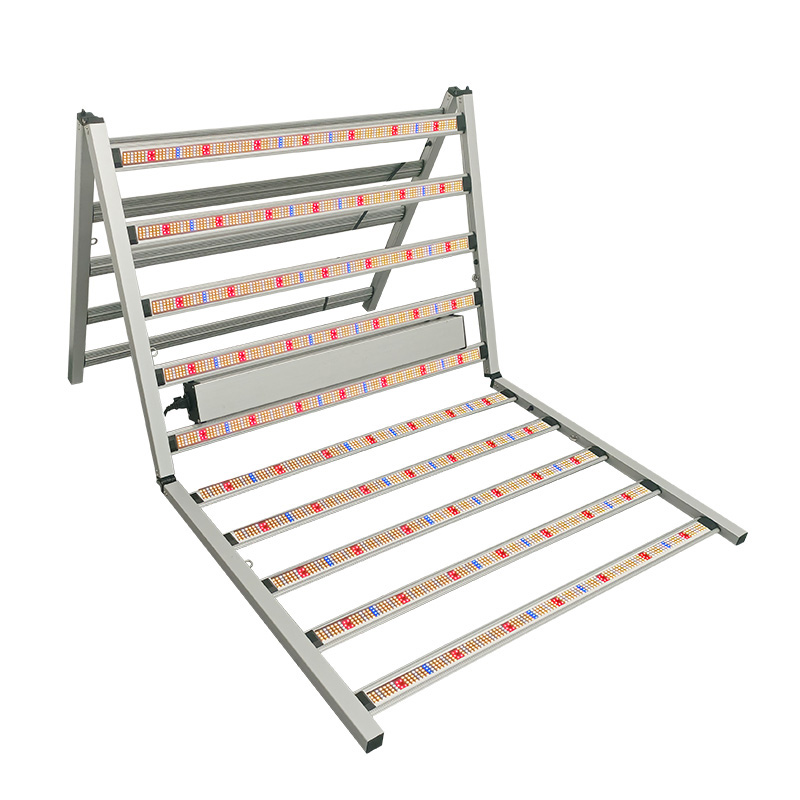
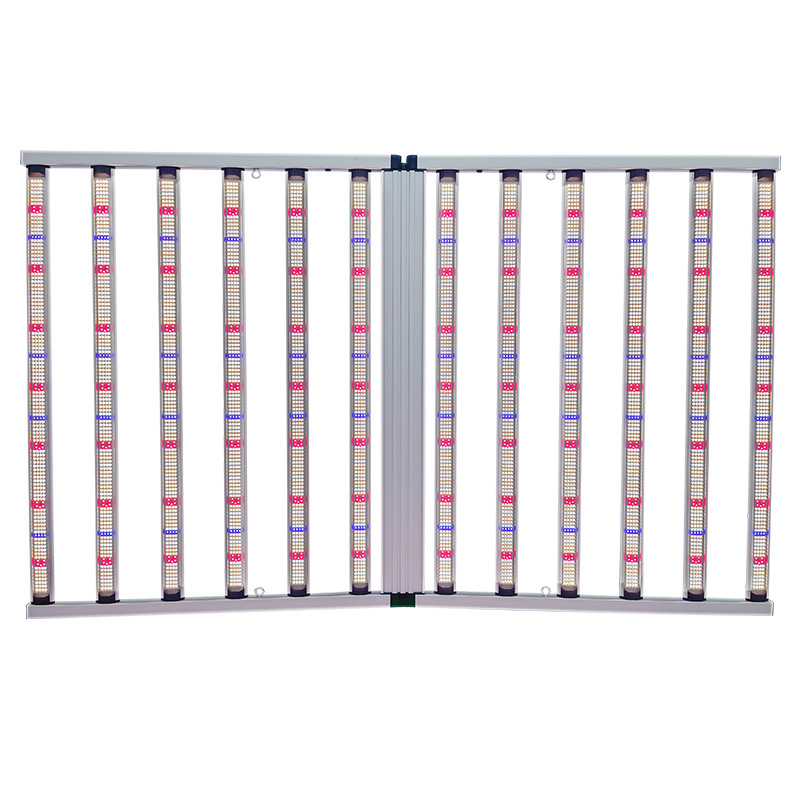
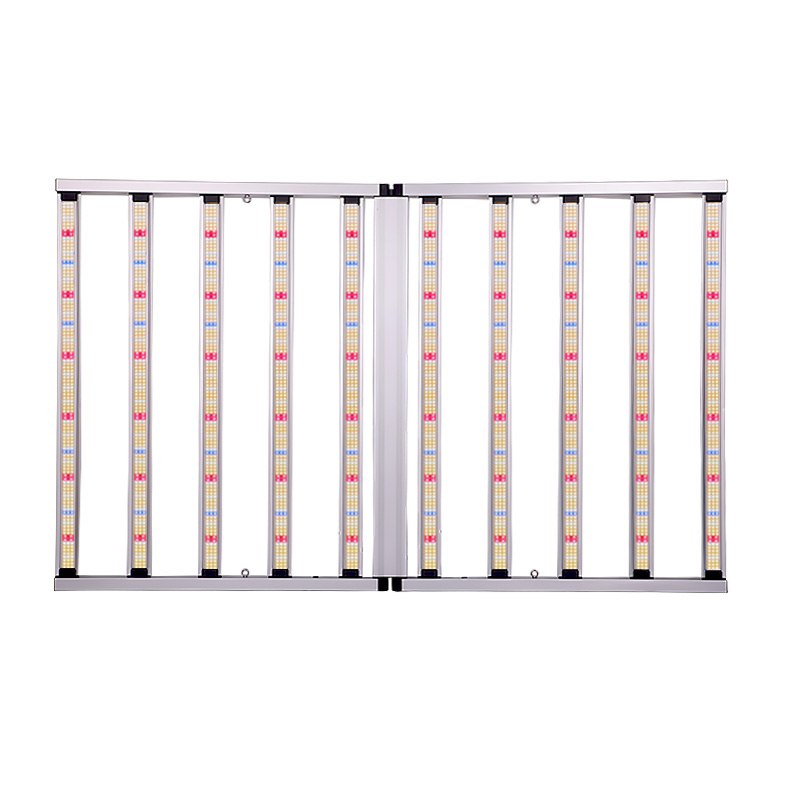
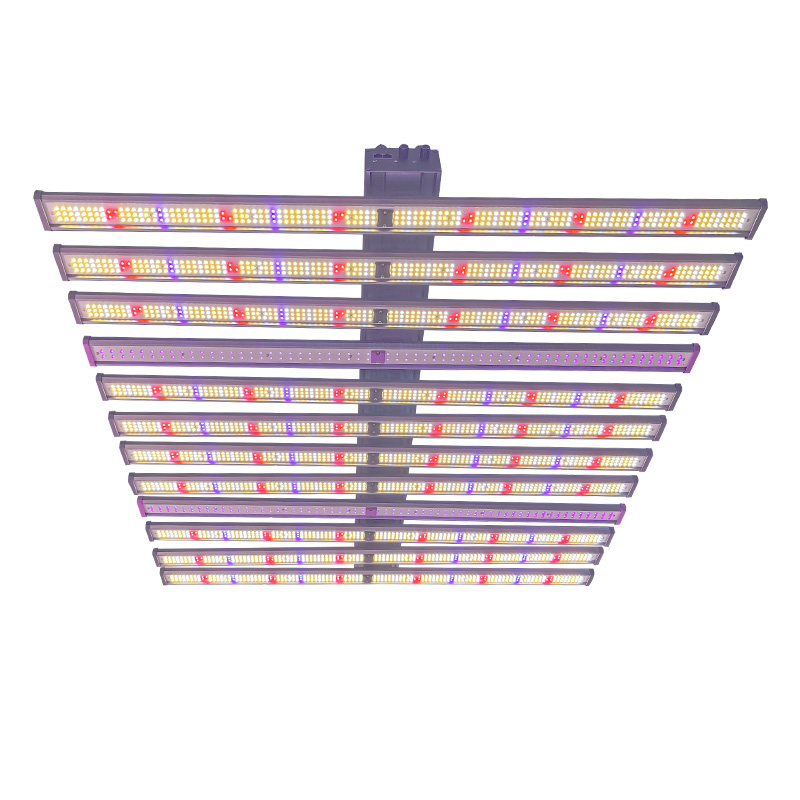
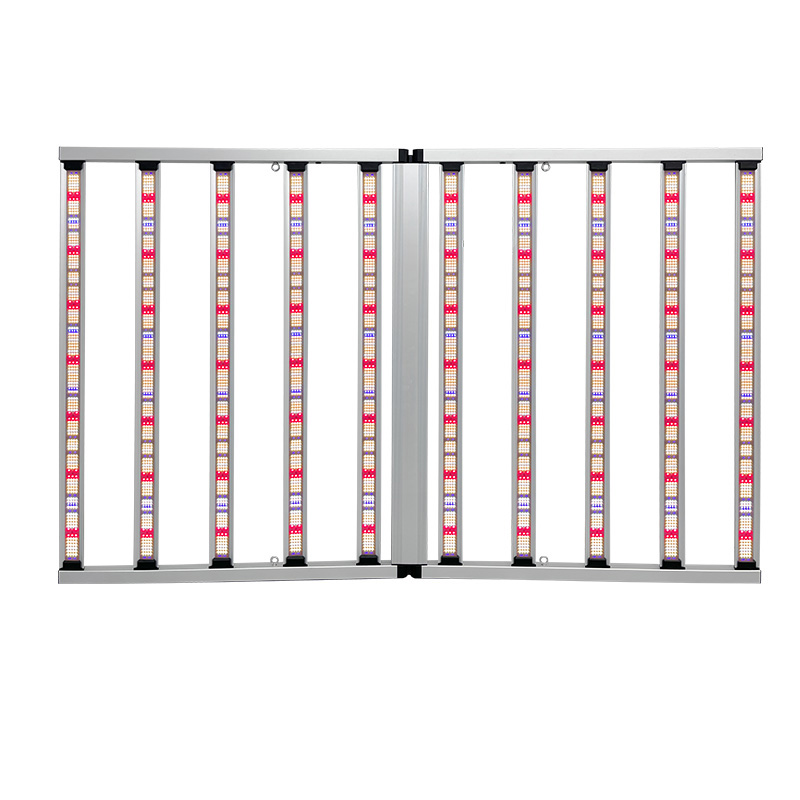
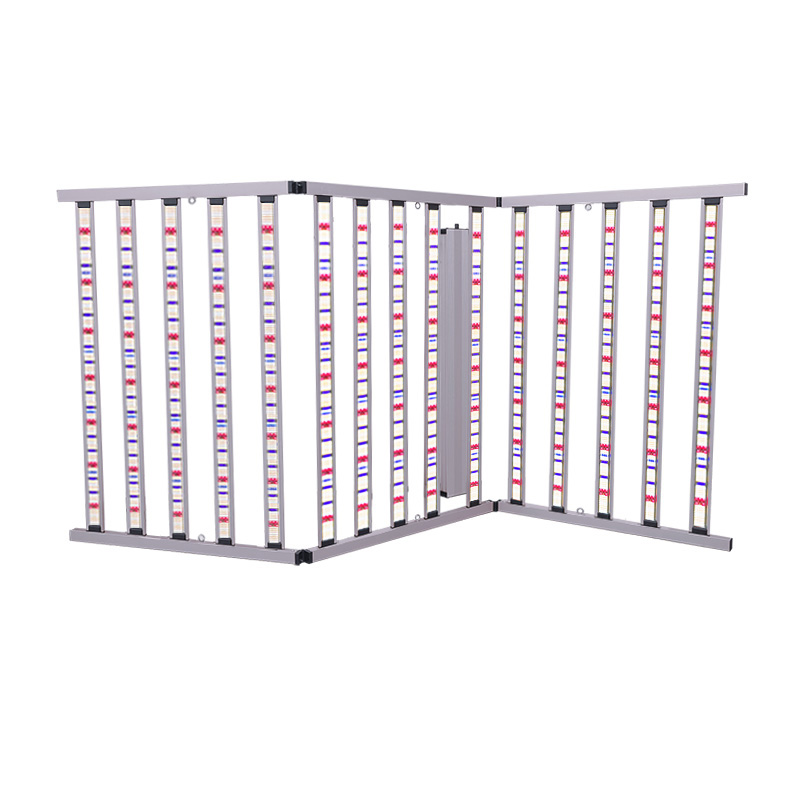
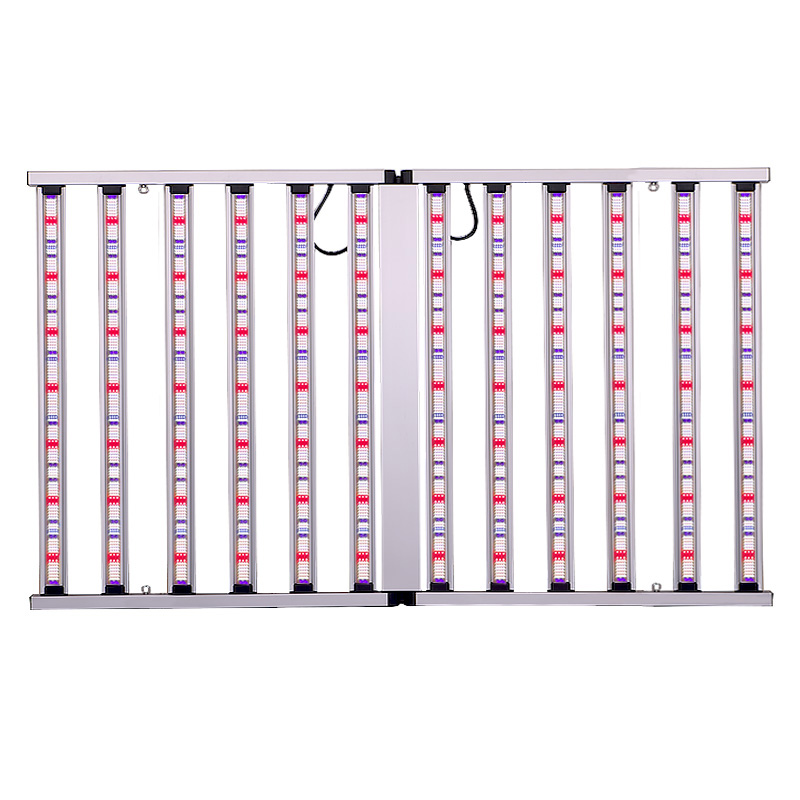
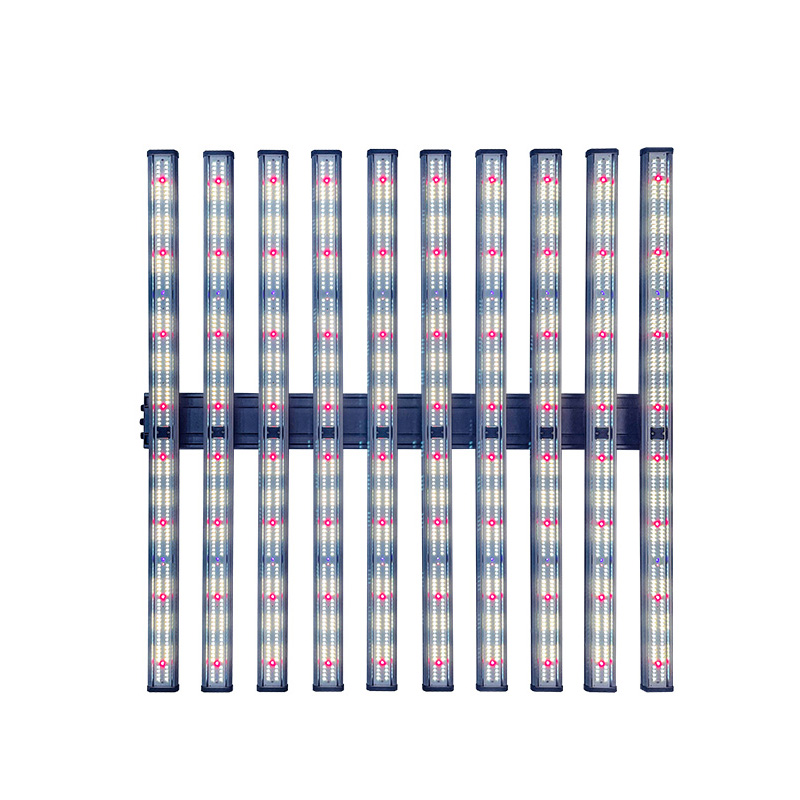
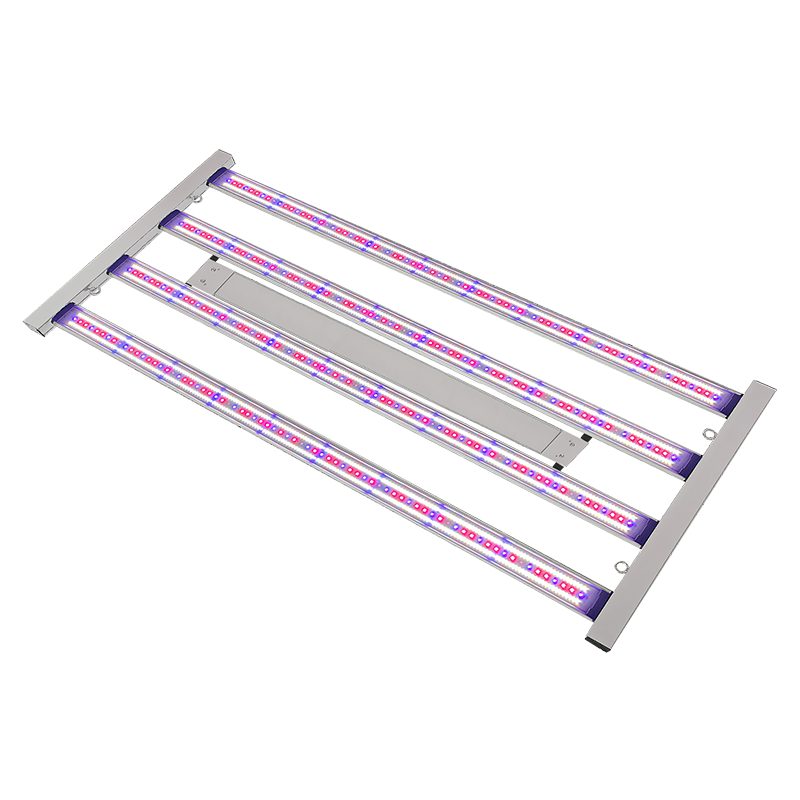
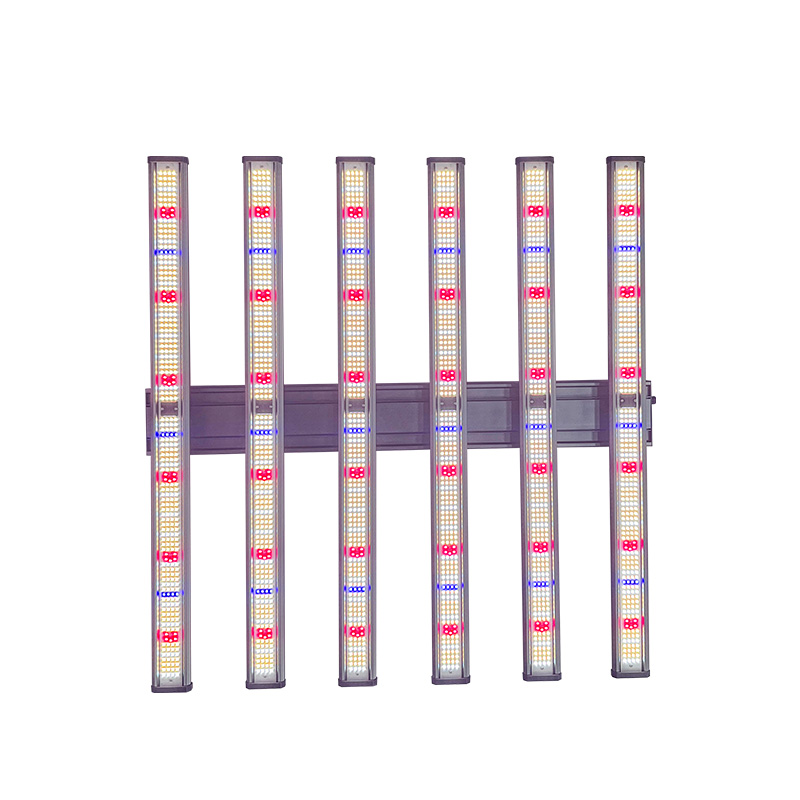
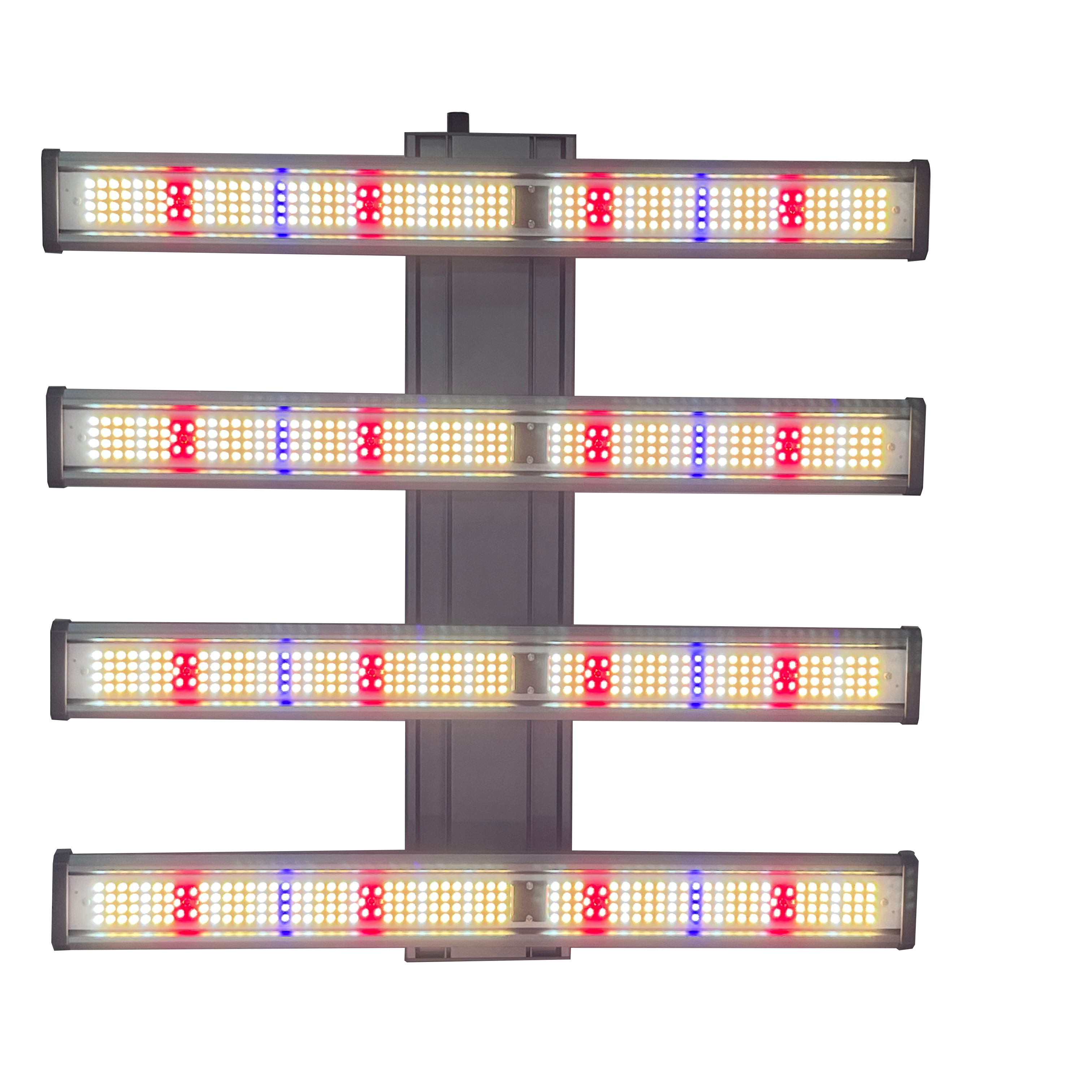
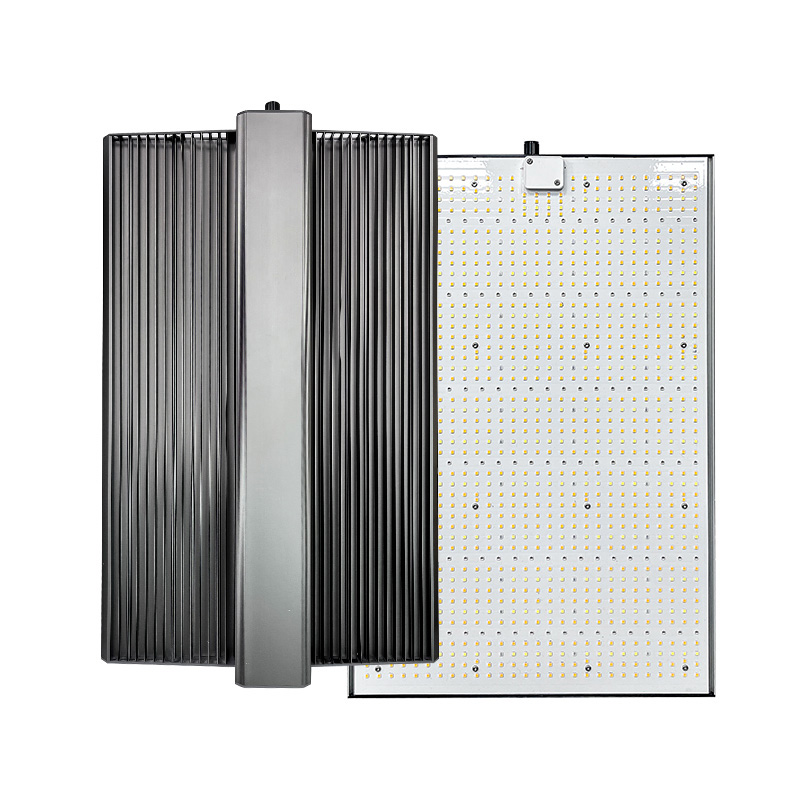
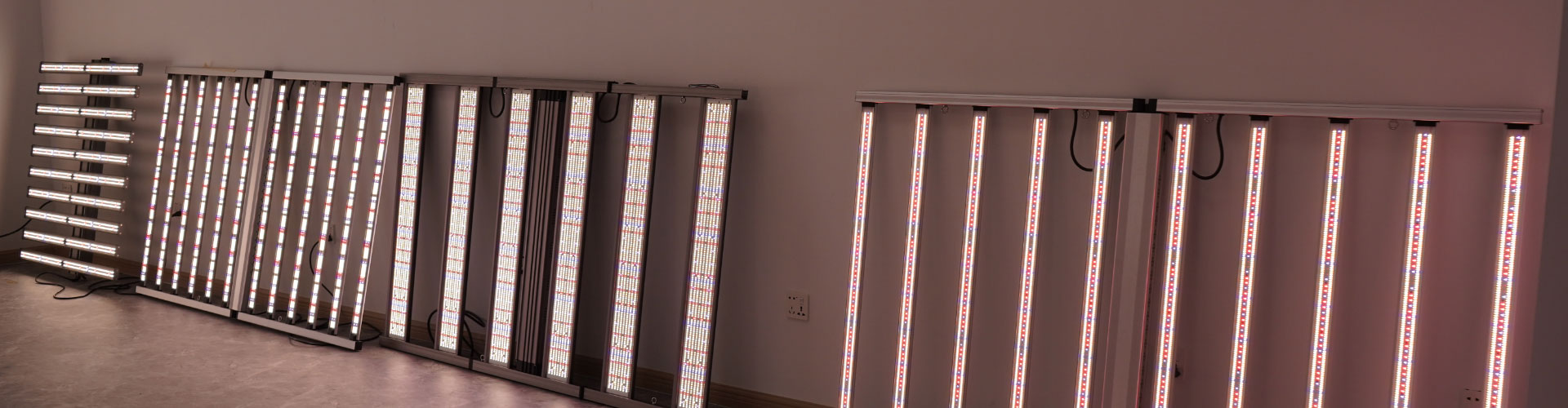
Whether dealing with small operations vs larger indoor setups, light coverage considerations are paramount. At ANDYLED, we design our fixtures to maximize coverage without compromising intensity. For a standard tent or small bay, our 800W single-channel dimming LED grow light for 4×4(ft) setups is an ideal octopus-style detachable bar design. For larger footprints, our Efficient 1000W LED Grow Light with Adjustable Brightness for 4×6 (ft), featuring a highly efficient foldable style, provides expansive, even coverage. Both models deliver a perfect 120° beam angle and an impressive 3.0 µmol/J efficiency, consistently helping growers achieve 4-5 lbs per light.
5.2 Choosing based on budget and long-term use
The cost-performance balance dictates when standard premium Samsung diodes are enough vs when paying a premium matters. For the vast majority of commercial farms, relying on a well-built fixture with an integrated cooling chassis provides the fastest return on investment and incredible longevity.
5.3 Choosing based on lighting goals and control needs
Balancing stable growth vs optimized efficiency setups depends on your facility’s operational goals. Beginner vs advanced grower needs differ; advanced growers require reliable dimming and excellent thermal management—features intrinsic to a solid aluminum bar chassis.
6 What Should You Know Before Buying LED Grow Lights Using Samsung Diodes?
6.1 Understanding efficiency claims in grow light marketing
Why specs can be misleading without context is that a great diode in a poorly designed fixture will overheat and degrade. The importance of full system design (not just diode type) cannot be overstated. Integrated power supplies and thick original aluminum heatsinks are non-negotiable for commercial success.
6.2 Importance of full-spectrum design over single-diode type
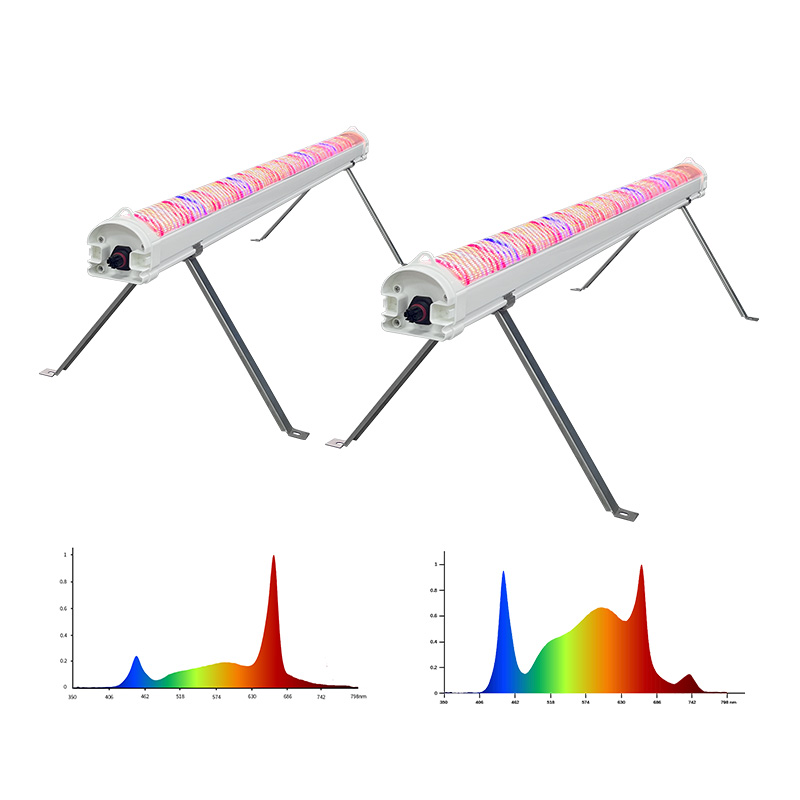
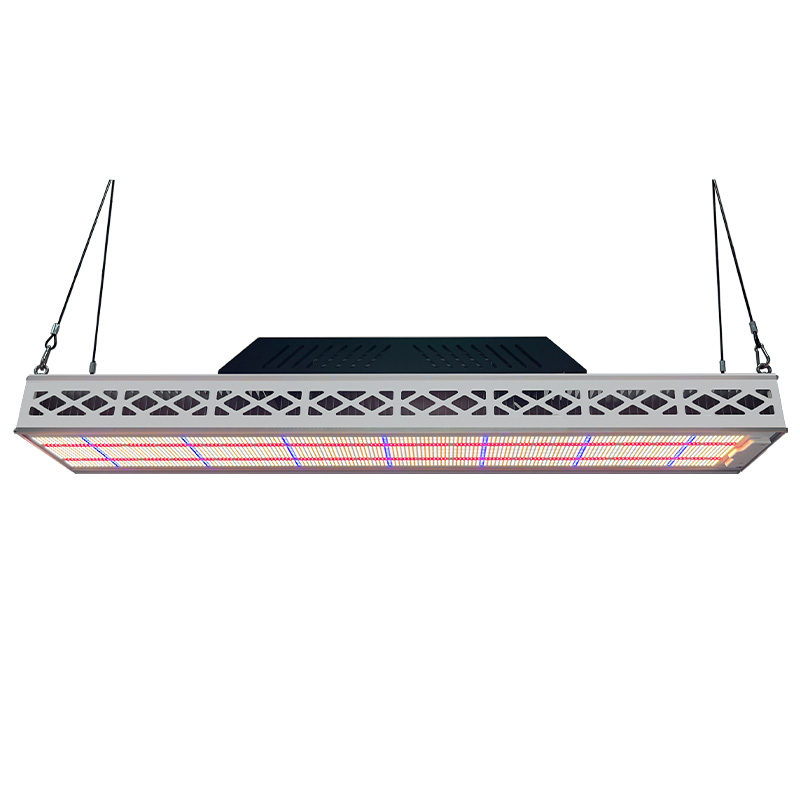
Why spectrum matters more than small efficiency gaps is that plants need a comprehensive light diet. For instance, our robust 1200W 4x6ft LED Grow Light-AD12-1200-2C2-180 features a meticulously crafted full spectrum using premium Samsung diodes. This balanced lighting for plant health ensures optimal morphology, proving that a holistic structural approach beats a narrow focus on one component.

6.3 Common mistakes when comparing LM301H vs LM301B
Over-focusing on the diode label only is the most frequent error. Ignoring fixture design and environment leads to subpar harvests. Ensure your light has a wide 120° beam angle, true SMD tech, and a robust aluminum bar design to accelerate heat dissipation safely.
7 FAQ: Samsung LM301H vs LM301B LED Grow Light Efficiency in 2026
Q: What makes Samsung diodes better for indoor commercial farming than older lighting chips?
A: Premium Samsung diodes utilize advanced SMD technology, providing superior light distribution, significantly lower heat generation, and much higher efficiency (up to 3.0 µmol/J). This translates directly into substantial harvest improvements, frequently yielding 4-5 lbs per light.
Q: Will I see a huge yield increase if I upgrade my diodes but change nothing else?
A: Realistically, no. The actual horticultural difference between top-tier diodes is minimal. Your overall environmental control, humidity management, and the robust aluminum build quality of your bar-style fixture play a much larger role in determining your final harvest weight.
Q: Why do commercial indoor farms prefer bar designs over traditional units?
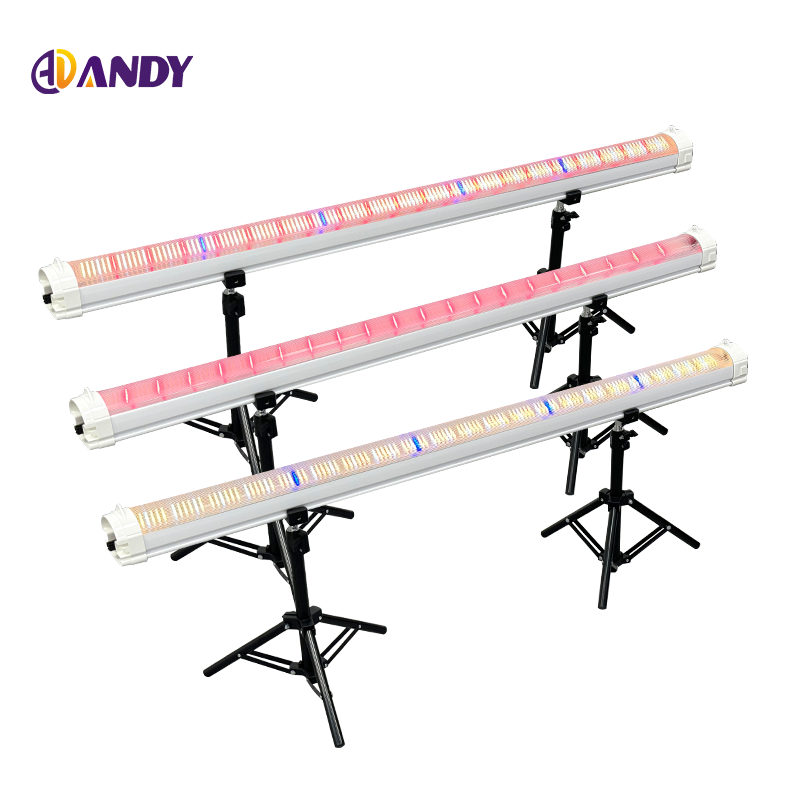
A: Bar designs, such as octopus-style foldable or detachable fixtures, provide a wider 120° beam angle and much better passive heat dissipation through their aluminum structure. They distribute light evenly across the canopy without creating intense, damaging central hotspots.
Q: Do I need to buy lights with detached components to manage indoor heat?
A: No, modern high-quality LED grow lights feature highly reliable integrated power supplies. Thick original aluminum chassis and efficient SMD diodes naturally manage heat effectively by accelerating dissipation, working perfectly alongside your standard room fans and humidifiers.
Q: How do I choose the right wattage for my specific grow space footprint?
A: It depends entirely on your canopy area. An 800W single-channel dimming LED grow light is perfectly optimized for a 4×4(ft) space, while an Efficient 1000W LED Grow Light with Adjustable Brightness is engineered to cover a larger 4×6 (ft) area effectively with maximum uniformity.


