
Single vs Dual Channel Dimming LED Grow Lights Explained Simply
Dimming grow lights let cultivators reduce or increase light output without replacing a fixture or constantly changing its hanging height. The confusing part is the word “channel.” A channel is not a wattage rating, coverage measurement, or brightness step. It is an independently controlled electrical group inside the fixture.
That distinction makes the choice much easier. A single-channel light changes its complete output together. A dual-channel light lets the grower adjust two LED groups separately, often a main full-spectrum group and a supplemental group such as UV. Neither arrangement is automatically better. The right one depends on whether the crop plan needs simple intensity control or genuinely benefits from independent spectrum control.
What Is the Simple Difference Between Single and Dual Channel Dimming?
How one channel controls the complete light output together
A single-channel dimmer acts like one master volume control. Turn it down, and the entire connected spectrum becomes less intense in the designed proportion. Turn it up, and all LEDs assigned to that channel rise together. The spectral recipe remains essentially fixed while photon output changes.
This arrangement suits growers who want one full-spectrum fixture for a complete cycle. They can begin at a lower setting for young plants, increase intensity as the canopy develops, and make later adjustments using canopy response, PPFD readings, and the intended daily light integral.
How do two channels control separate LED groups independently
A dual-channel fixture contains two separately adjustable outputs. The first may power the main white, blue, red, and far-red mix, while the second powers supplemental wavelengths. Each channel can therefore have a different setting or operating period.
Independent control matters only when the second group has a clear job. If a grower never intends to change its timing or output separately, the extra channel may add controls without adding practical value.
Why are wattage, adjustable brightness, and channel count are different specifications
An 800W or 1000W label describes power, not the number of controls. Likewise, a 0–100% dimming knob confirms adjustable intensity but does not prove that two spectrum groups can be controlled separately. Buyers should check the product description, the number of dimming knobs or control inputs, and the manufacturer’s channel assignment before ordering.
How Does Single-Channel Dimming Work in a Grow Room?
What changes when the dimmer raises or lowers overall intensity
With single-channel dimming, the grower adjusts total fixture output while preserving the intended full-spectrum balance. This is useful when the main goal is to match intensity to plant size, canopy condition, hanging height, or a measured light target. It also makes repeated adjustments easier because staff only need to manage one setting per fixture or synchronized group.
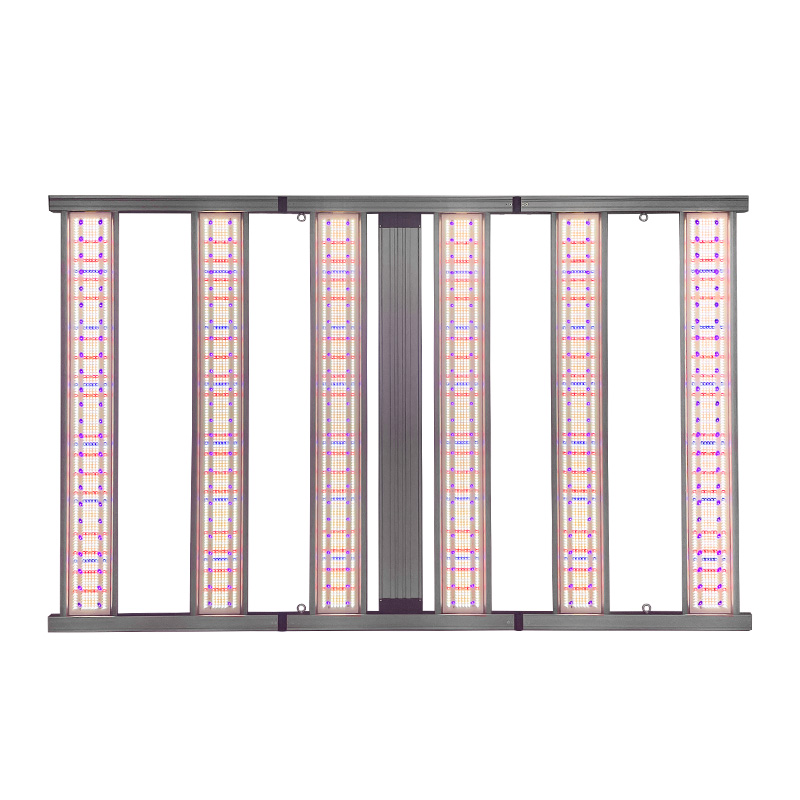
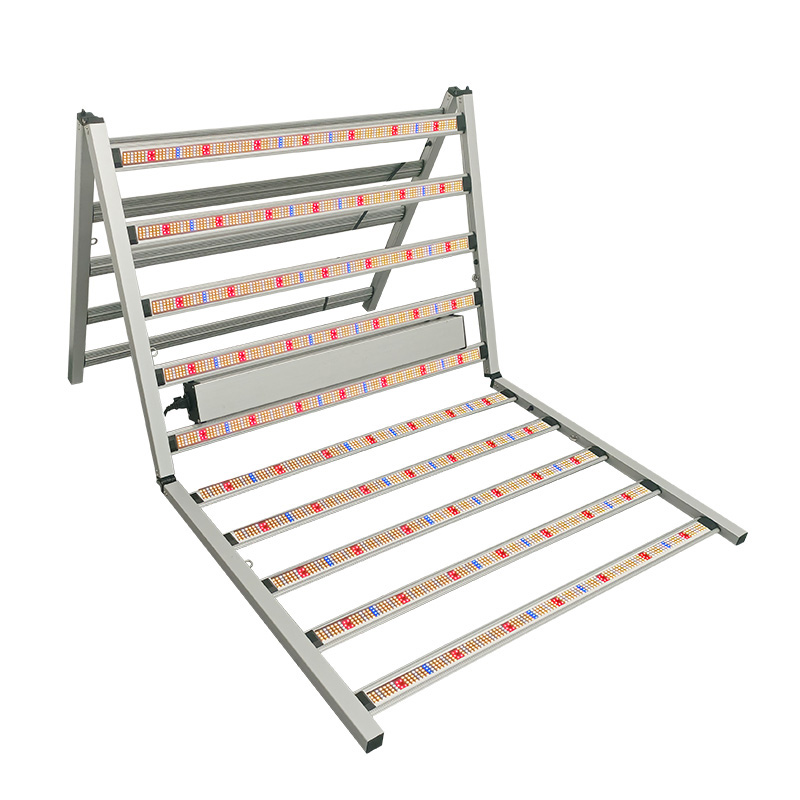
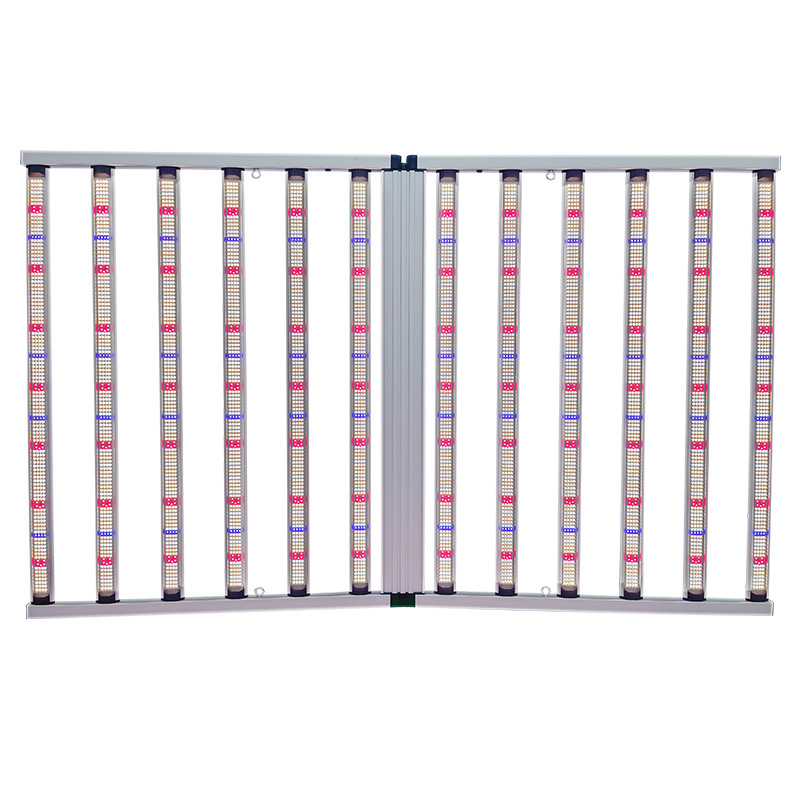
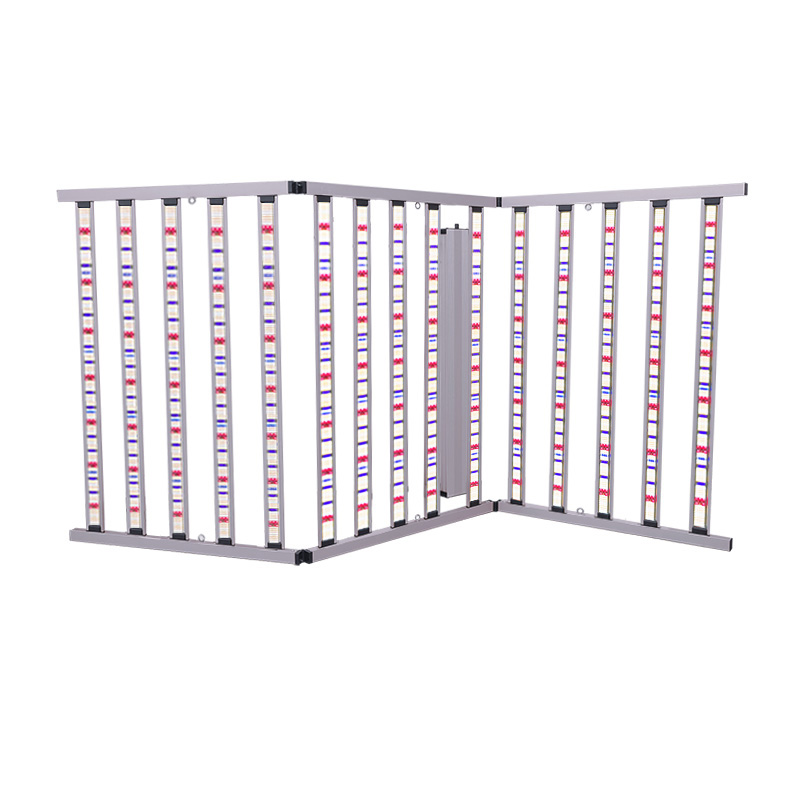
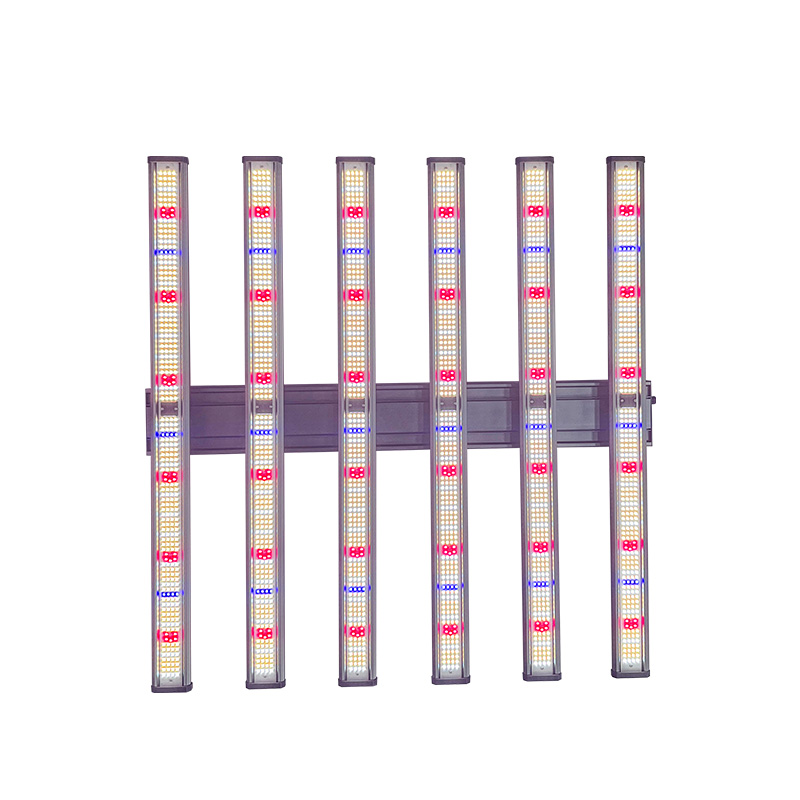
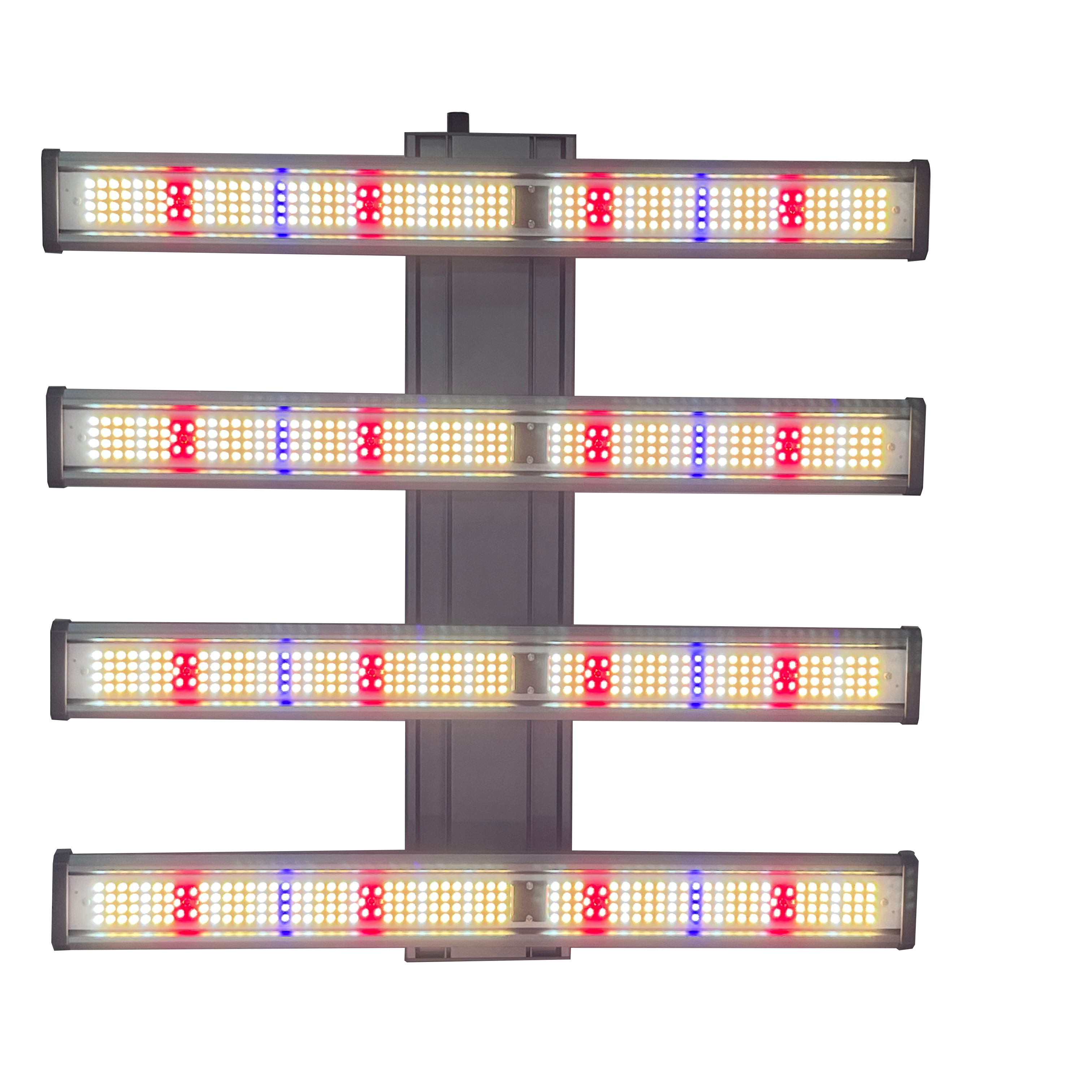
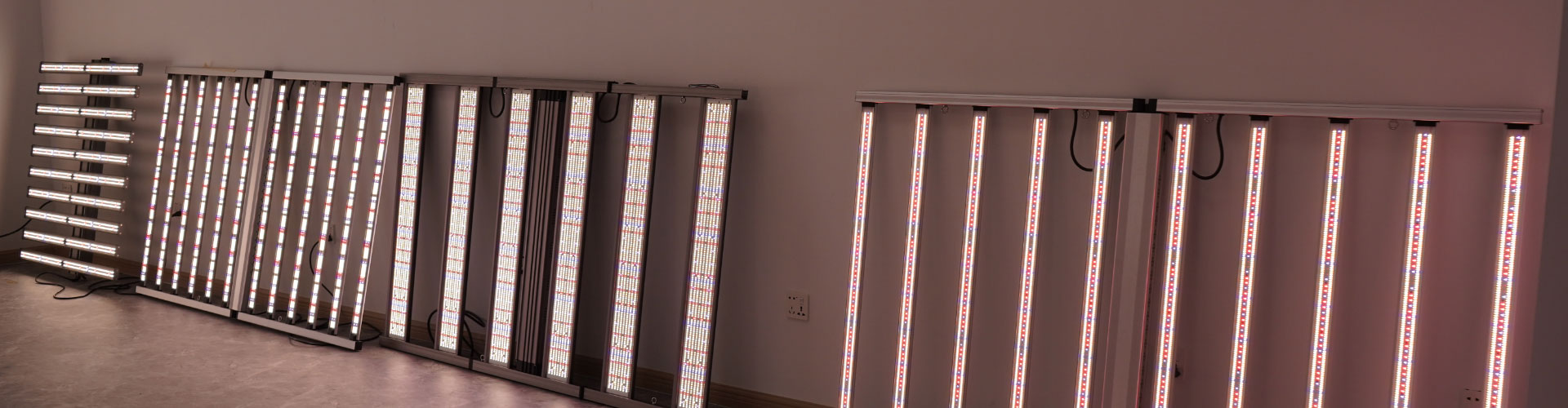
At ANDYLED, our 800W 4x4ft LED Grow Lights-AD8-800W-2C2-110 shows this approach in an octopus-style foldable fixture. Its eight light bars cover a 4×4-foot area, while an integrated dimmer provides 0–100% intensity adjustment. The complete spectrum changes together, so the operator can focus on the canopy’s total light level instead of managing separate wavelength settings.

How growers use one-channel control across different growth stages
Young plants normally need less intensity than an established flowering canopy. A single-channel light can start below full output and be increased gradually as root mass and leaf area expand. The exact setting should come from the crop response and measured canopy light, not from a universal percentage copied from another room.
Dimming also helps when the fixture cannot be raised further or when a temporarily uneven canopy has plants sitting too close to the bars. It provides a quick intensity correction, although good canopy management and proper fixture placement still matter.
What makes single-channel dimming simple and where its limits appear
The main advantages are a short learning curve, fewer settings, and easy group control. The limitation is equally clear: the operator cannot reduce one wavelength group while leaving another unchanged. If a crop plan calls for a separately timed UV treatment, a single-channel fixture cannot create that separation by itself.
How Does Dual-Channel Dimming Change Light Management?
How the main spectrum and supplemental wavelengths are separated
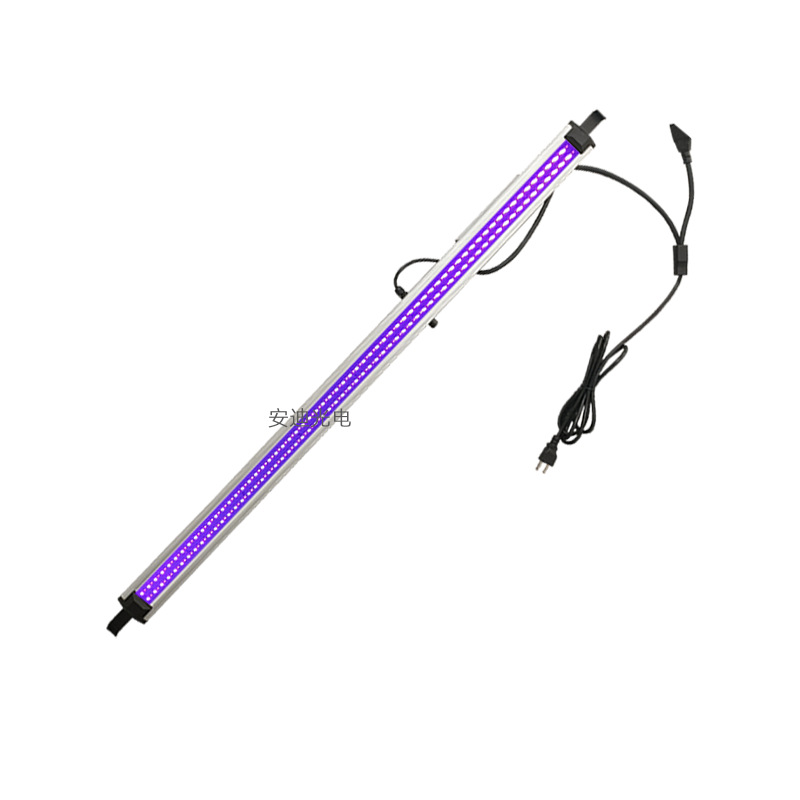
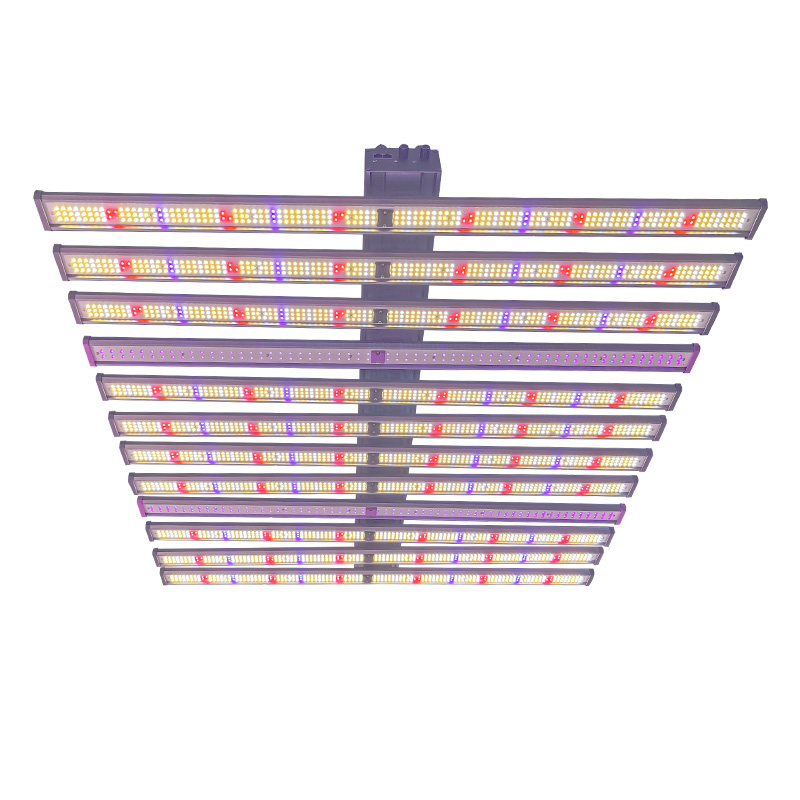
In a typical dual-channel design, the main channel supplies the everyday full-spectrum output. The second channel controls a supplemental group independently. At ANDYLED, our current dual-channel grow light range includes configurations that separate full-spectrum light from UV, allowing the base channel to remain the primary source while UV is managed as a distinct input.
This is different from simply dimming the whole fixture. Lowering the second channel changes the contribution of that assigned group without forcing the main channel down by the same amount.

How independent channels support different timing and intensity settings
Separate channels allow an operator to keep the main spectrum on its normal photoperiod while using the supplemental channel for a shorter window. They also make it possible to test a conservative supplemental setting without changing the baseline light program.
The flexibility should be paired with written operating rules. Staff needs to know which knob controls which LEDs, whether both channels respond to an external controller, and what happens after a power interruption. Without a clear routine, two channels can create inconsistent settings from one room to another.
What additional planning and compatibility may be required
Dual-channel dimming can require extra control outputs, compatible cables, and a controller that truly supports independent channels. Daisy chaining also needs careful confirmation: two ports do not always mean two spectrum channels, because one port may be an input and the other an output for linking fixtures.
Before commissioning a room, test each channel separately at low output. Confirm that the intended LED group responds, label the controls, and record the normal settings. This simple check prevents an operator from assuming that a supplemental channel is off when it is actually following the main output.
Single vs Dual Channel: What Differences Matter in Daily Operation?
Overall intensity control versus independent spectrum control
The core decision is not “basic light versus advanced light.” It is one coordinated output versus two independently managed outputs. Single-channel dimming is often sufficient when a stable full-spectrum recipe is used from start to finish. Dual-channel dimming becomes useful when the cultivation plan includes a supplemental spectrum that needs different timing or intensity.
Setup cost, learning curve, and routine workload
One channel is easier to teach, document, and audit. Two channels introduce another setpoint and more opportunities for mismatched rooms. That added workload may be worthwhile in a carefully measured crop program, but it is unnecessary if staff will always run both controls at the same percentage.
The best system is the one the team can operate consistently. Repeatable settings usually create more value than unused flexibility.
Multi-light synchronization and future expansion
Commercial rooms often connect several fixtures for synchronized dimming. Buyers should verify the supported controller, connector type, maximum linked quantity, and behavior if the controller loses power. Expansion planning should also account for whether future rooms need one lighting zone or separate spectrum zones. A controller with one output cannot provide independent commands to two channels merely because the fixture has two knobs.
How Should Growers Choose the Right Dimming Grow Light?
Match light output and coverage before comparing channels
Start with the actual canopy dimensions, target intensity, hanging clearance, and available electrical capacity. A channel cannot correct a fixture that is too small for the footprint or poorly positioned over the canopy. Review the PPFD map and coverage recommendation before comparing control features.
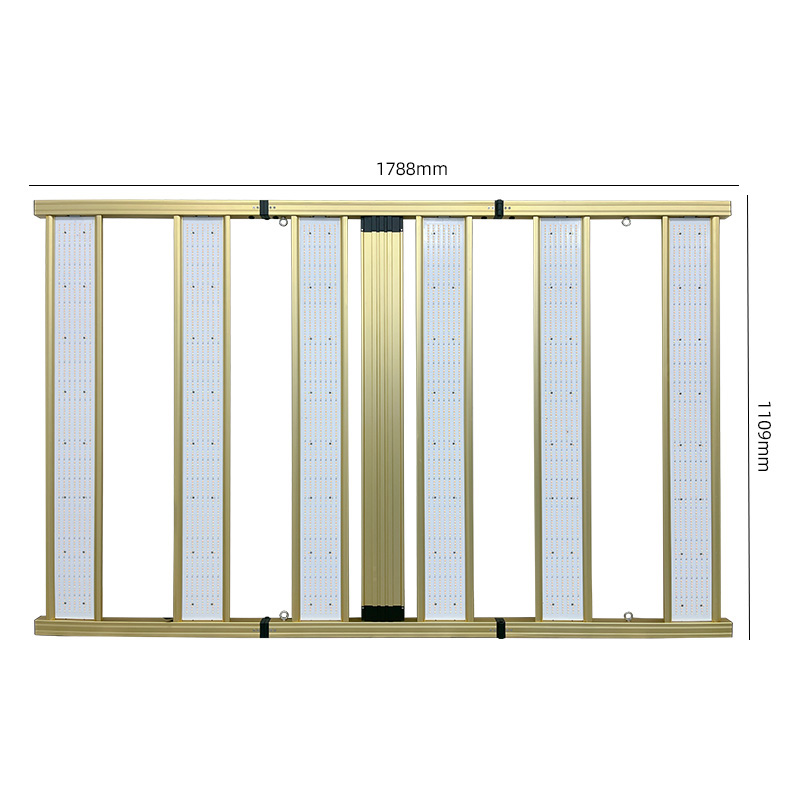
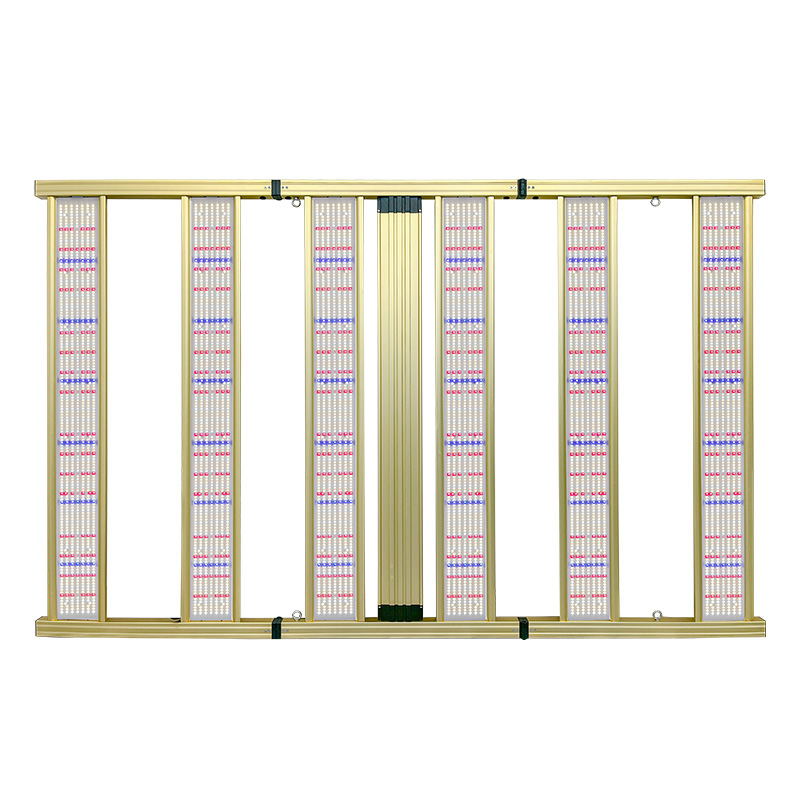
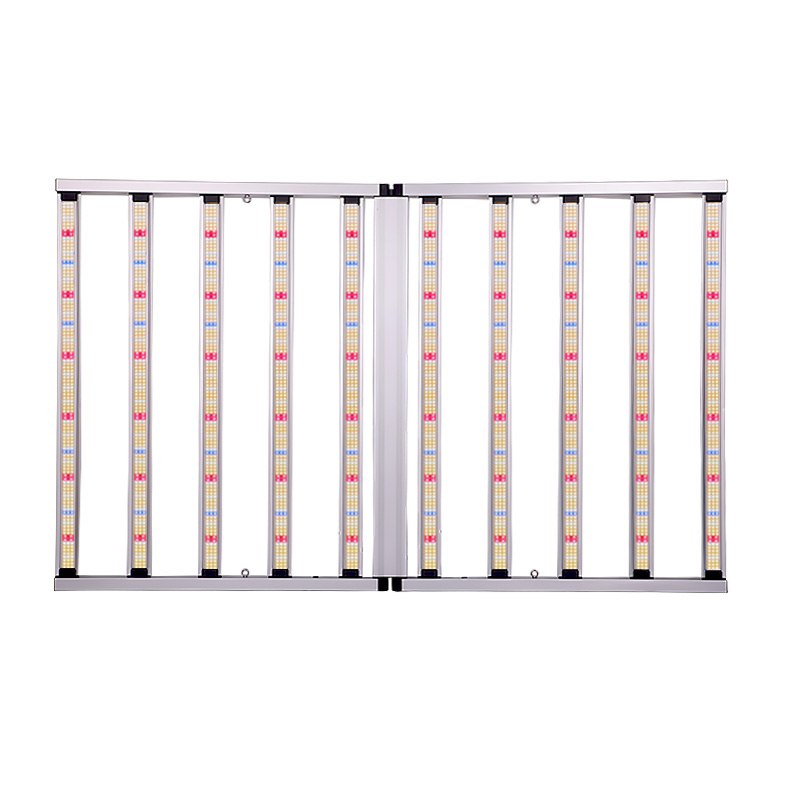
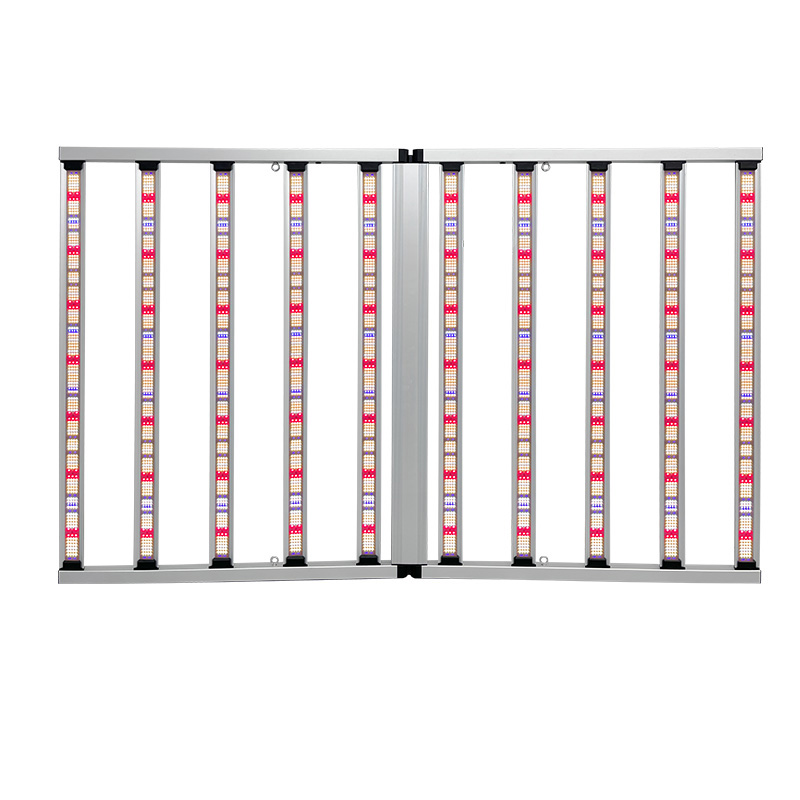
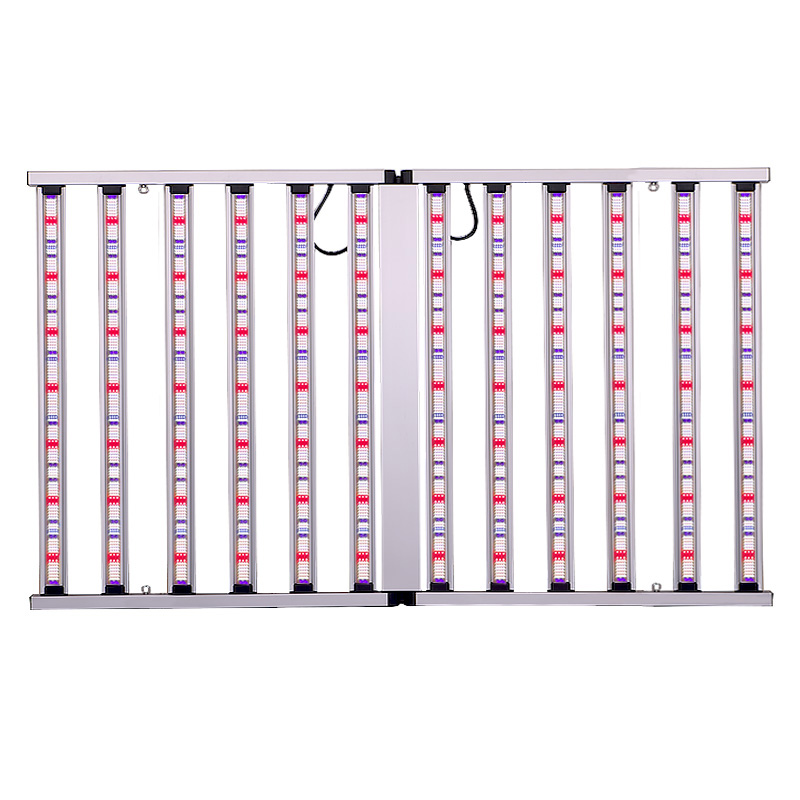
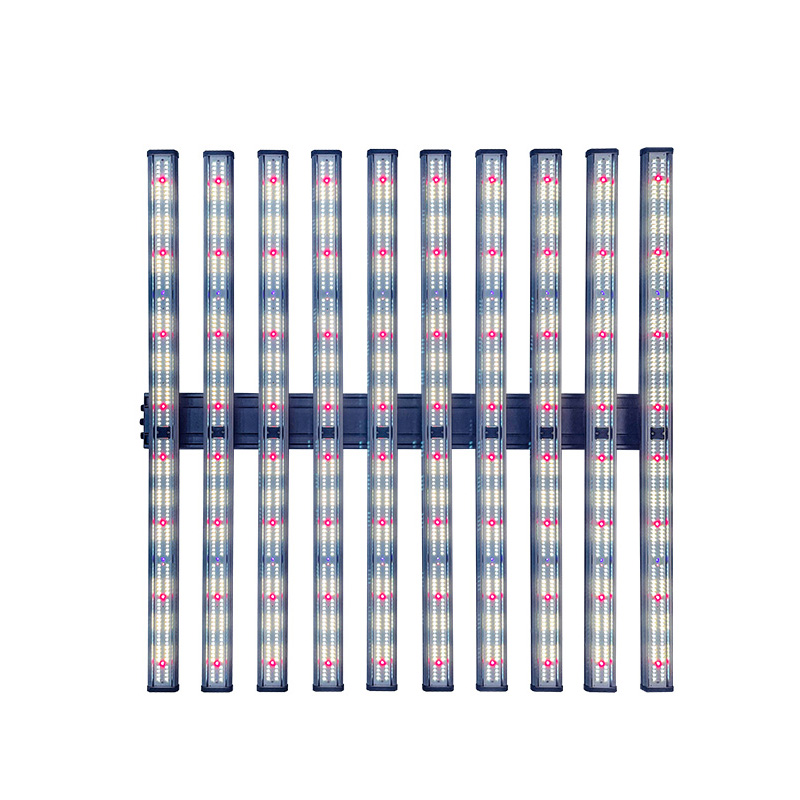
For a wider footprint, the 1000W 4x6ft LED Grow Light-AD10-1000-2C2-180 uses ten foldable bars and provides adjustable 0–100% brightness across a 4×6-foot area. It is an efficient 1000W LED grow light with adjustable brightness, but its dimming feature should not be confused with independent dual-channel spectrum control.
Choose the channel arrangement that matches a real operating need
Choose single-channel dimming when the goal is straightforward full-spectrum intensity control, simple staff training, and synchronized operation across many fixtures. Choose dual-channel dimming when the second LED group has a documented purpose, a separate schedule, and a compatible control method.
If the answer is still unclear, describe the planned lighting routine in plain language. “All wavelengths rise and fall together” points to one channel. “The main spectrum follows one schedule while UV follows another” points to two.
Treat foldable and detachable octopus structures as a separate decision
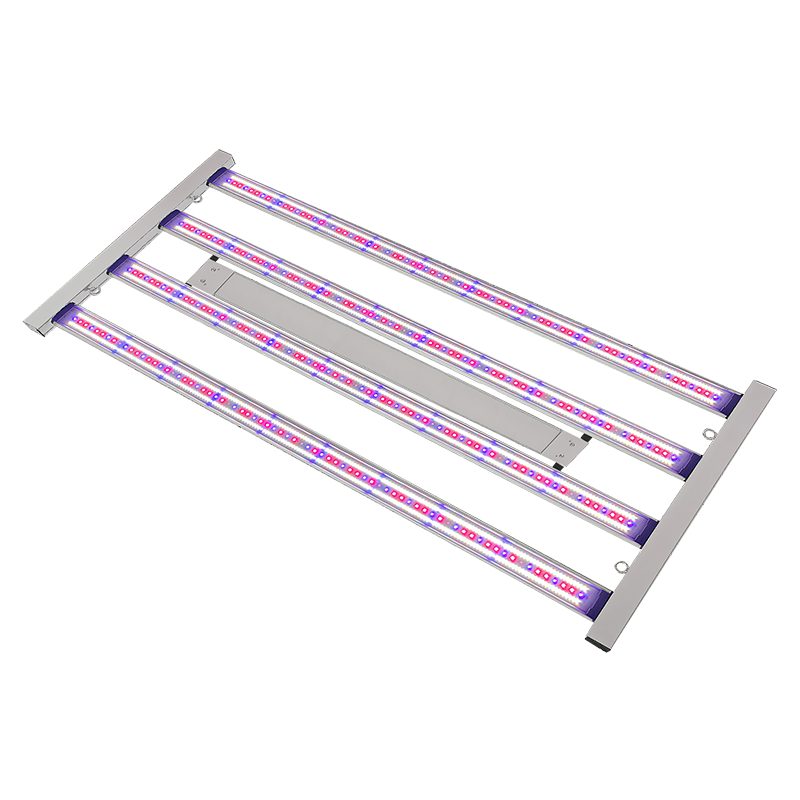
Channel count describes control; foldable or detachable describes construction. A foldable octopus fixture opens around a central hinge, reducing setup work and making storage more convenient. A detachable design separates the light bars for compact shipping and may simplify replacement or servicing, but it requires assembly and careful connection checks.
Either structure can support different channel arrangements. Decide first how the light must be controlled, then choose the frame design that fits installation, shipping, maintenance, and storage requirements.
FAQ
Q: What is the main difference between single and dual channel dimming grow lights?
A: Single-channel dimming adjusts the complete assigned light output together. Dual-channel dimming provides two independently controlled LED groups, allowing different settings or schedules when the fixture is designed for separate spectra.
Q: Are all adjustable dimming grow lights dual channel?
A: No. A grow light can offer 0–100% adjustable brightness through one channel. Dual-channel capability must be confirmed through the channel description, control layout, and assigned LED groups.
Q: Do dual-channel LED grow lights always produce more light?
A: No. Channel count describes control architecture, not total output. Compare wattage, PPF, efficacy, coverage, and PPFD distribution separately from the number of channels.
Q: When are single-channel dimming grow lights the better choice?
A: They are a strong choice when growers use one stable full-spectrum recipe, need simple group control, and do not require independently timed supplemental wavelengths.
Q: Should foldable or detachable dimming grow lights determine the channel choice?
A: No. Foldable and detachable describe the fixture structure. Select the channel arrangement according to the lighting program, then choose the construction style according to installation, transport, storage, and maintenance needs.


