
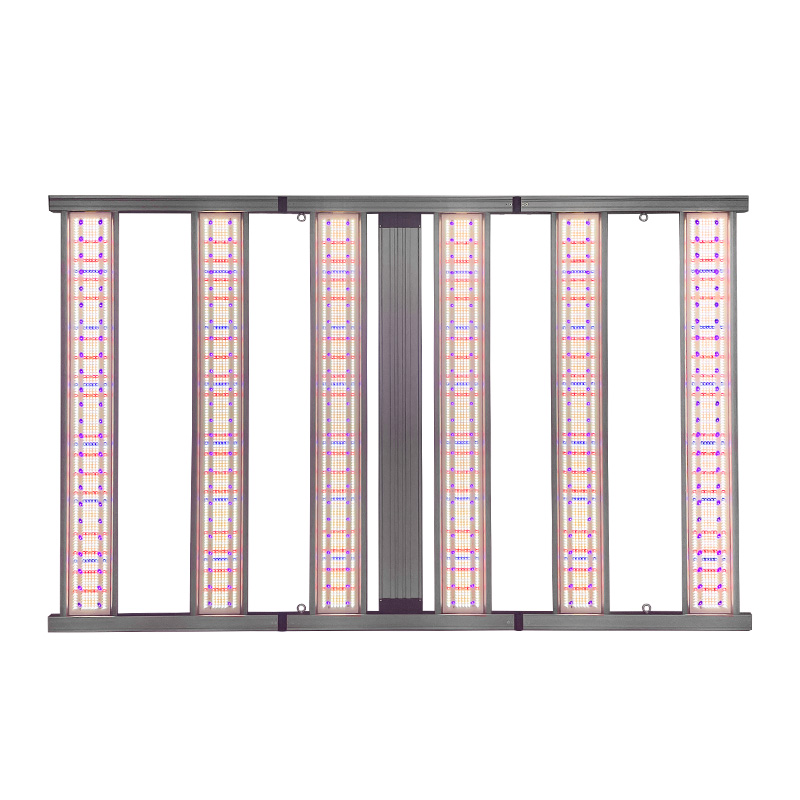
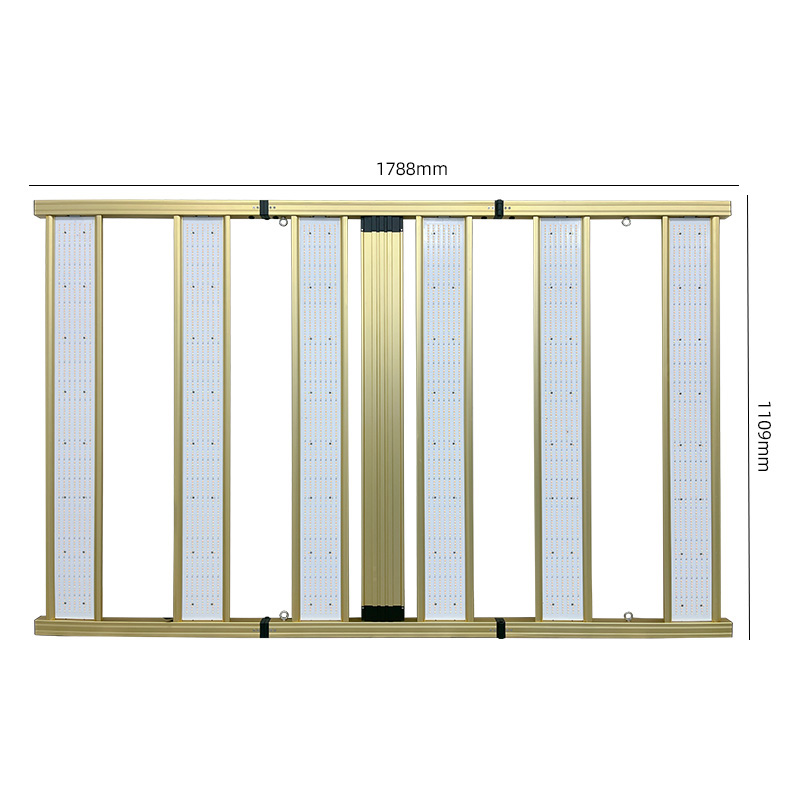
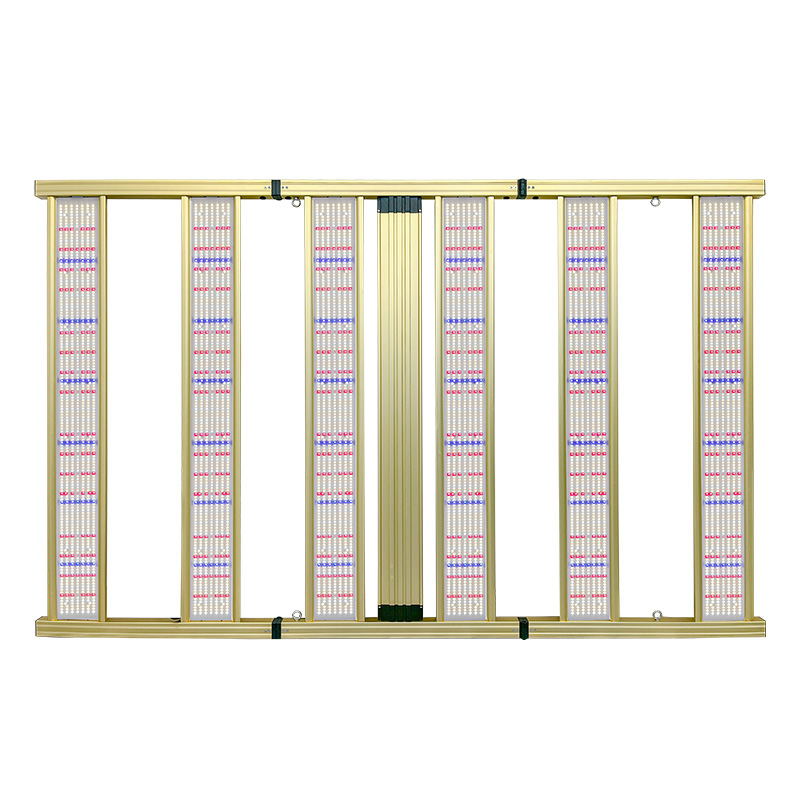
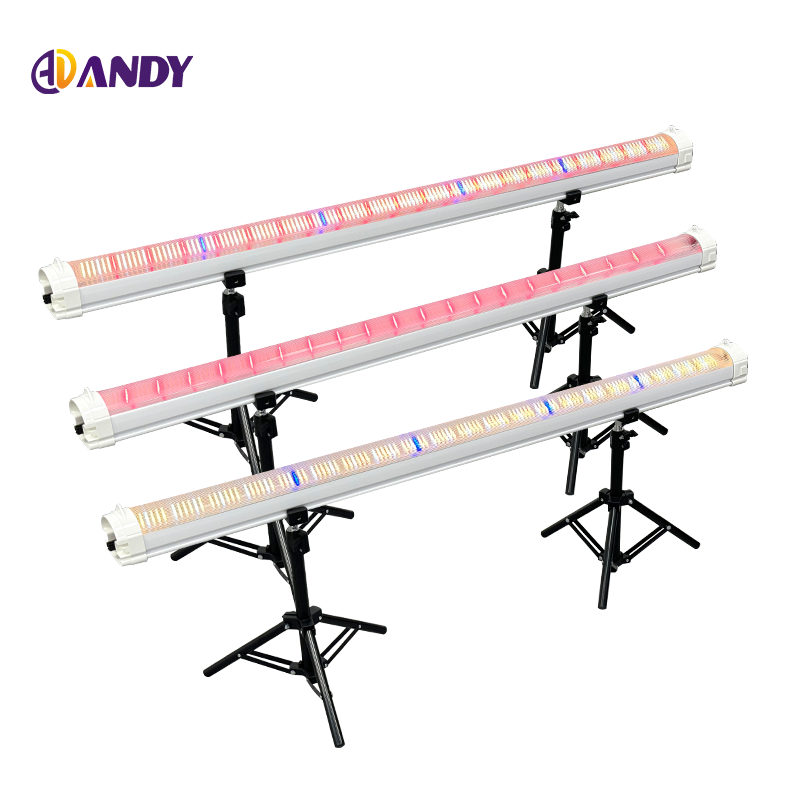
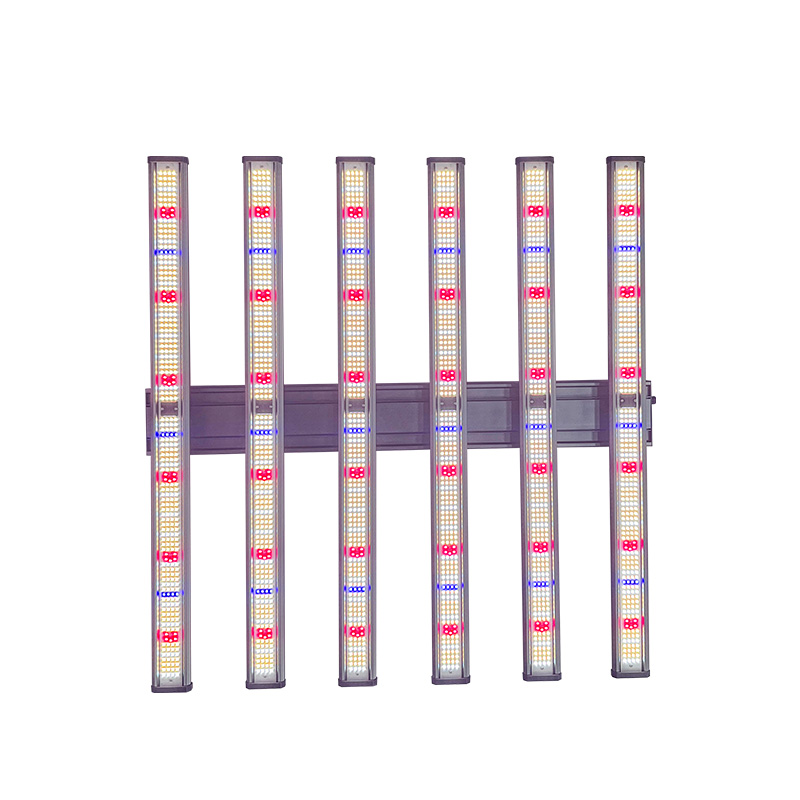
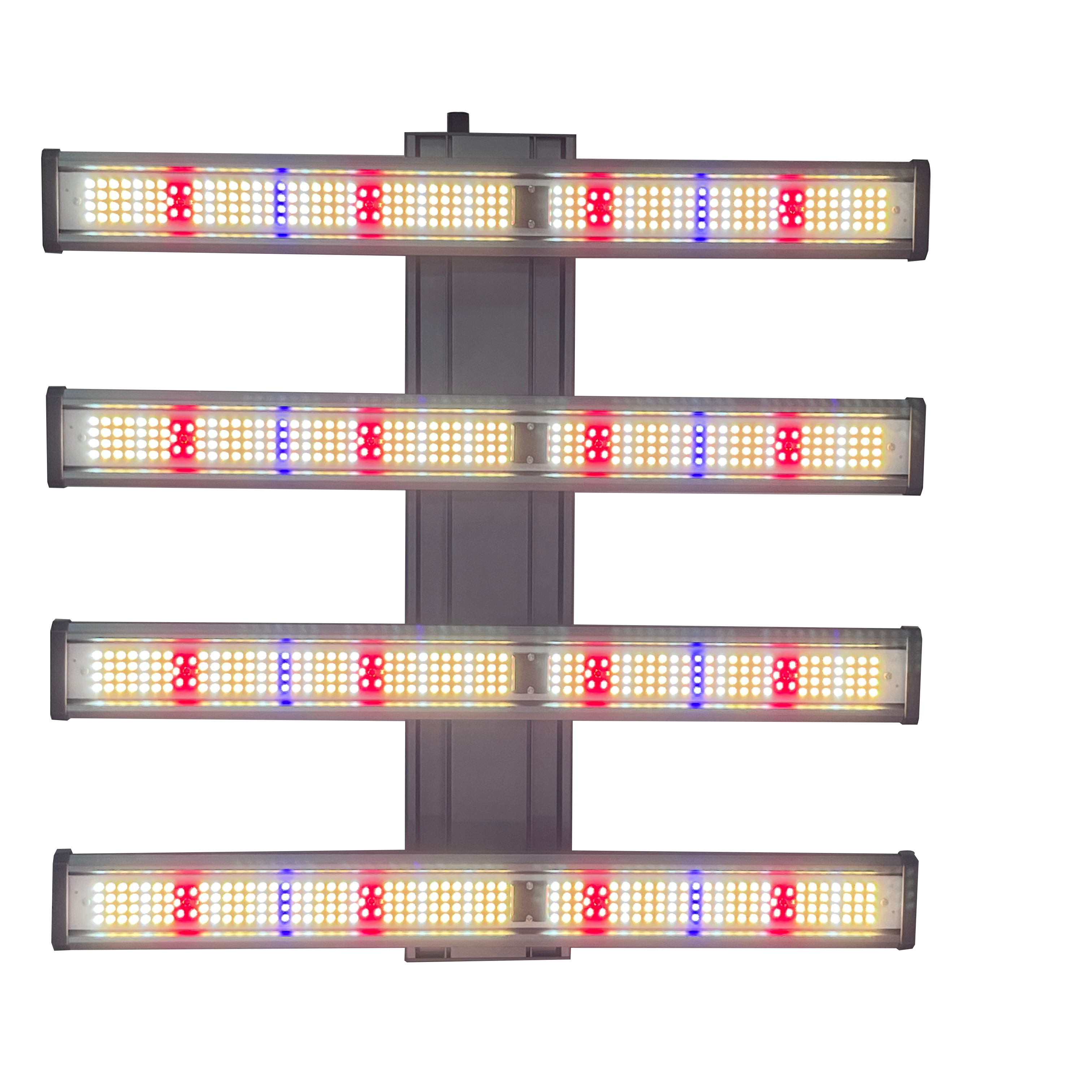
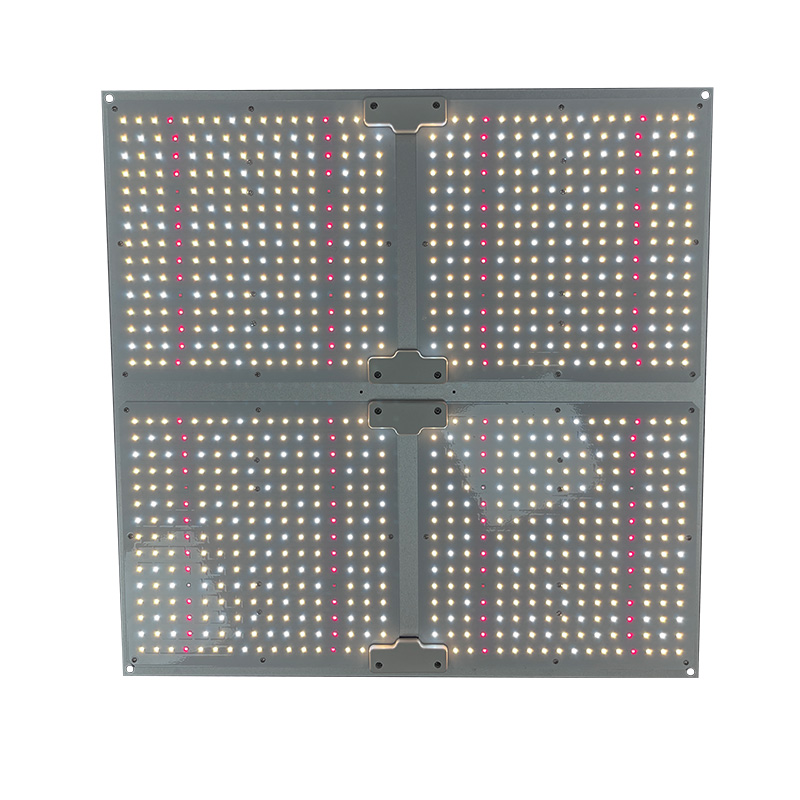
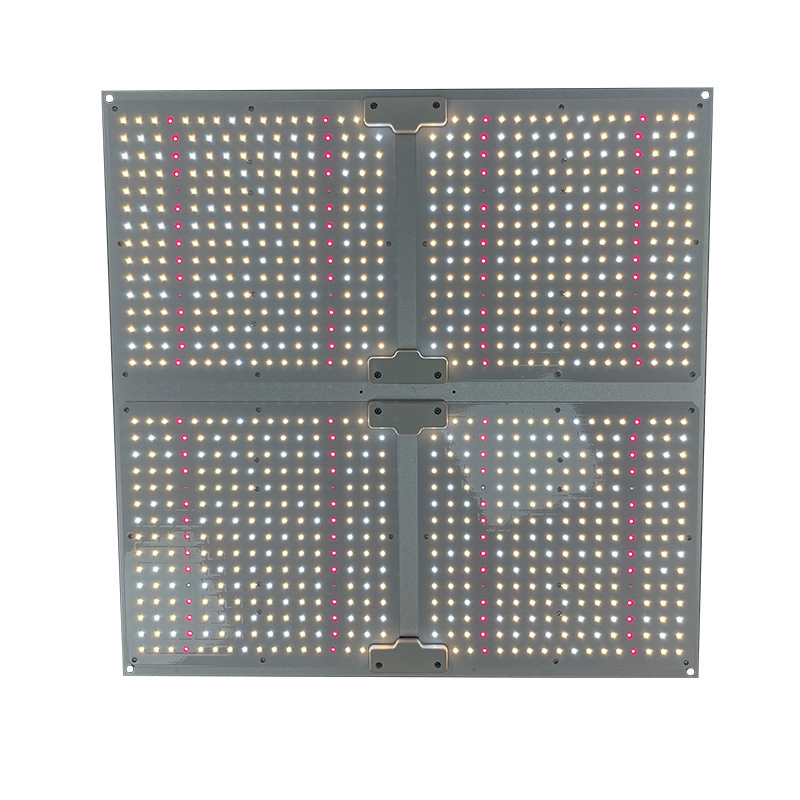
Bar-Style LED Grow Lights for Commercial Cannabis Grow Rooms
Commercial cannabis lighting is not only a matter of installing enough wattage. A room must deliver repeatable light across the canopy while leaving space for airflow, irrigation, workers, sensors, and maintenance. Bar-style LED grow lights address this challenge by spreading many diodes across several linear bars instead of concentrating the output in a small area.
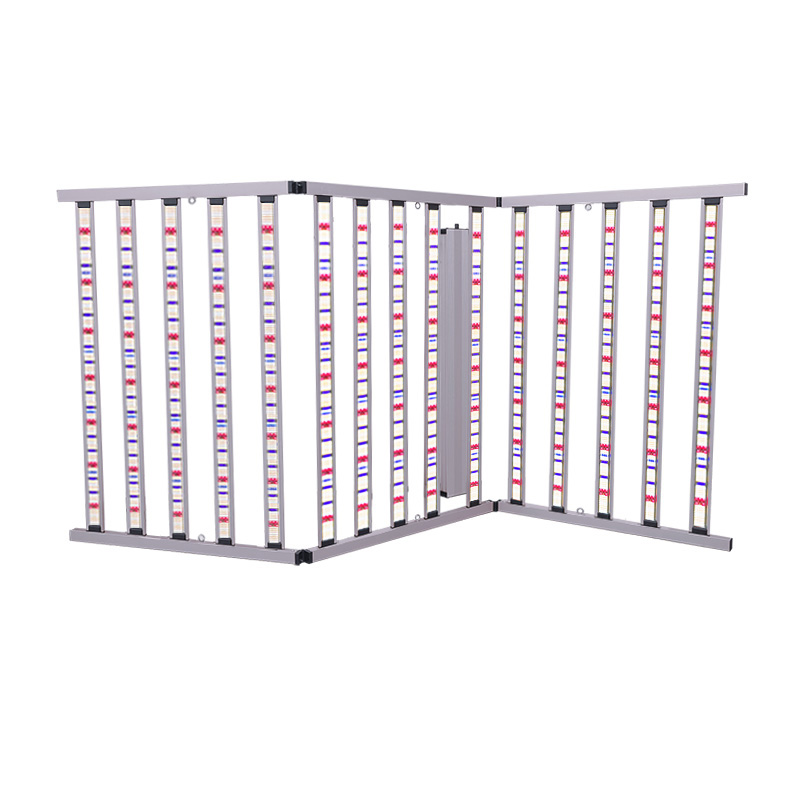
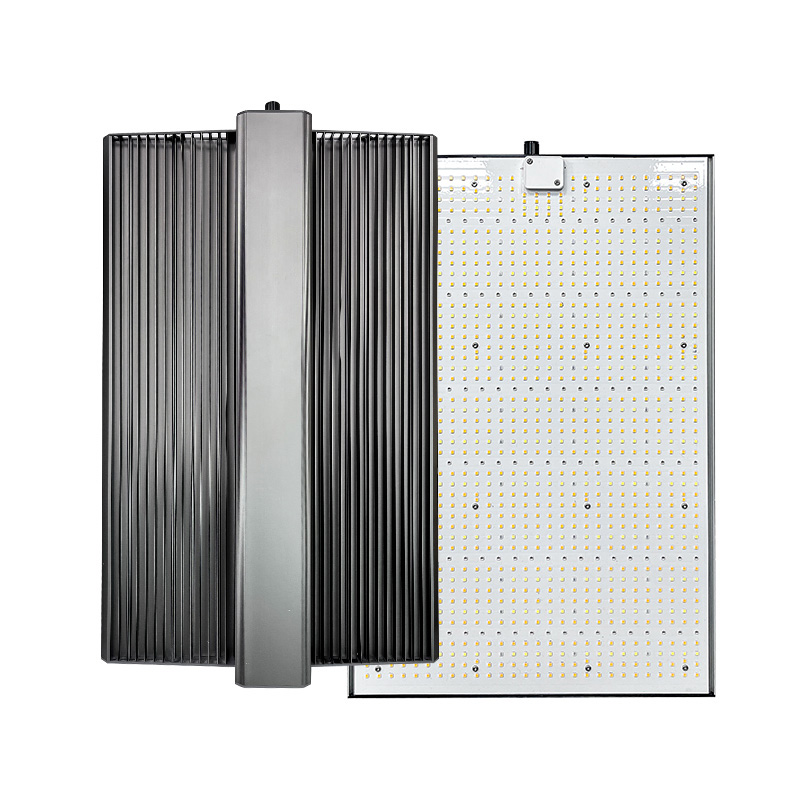
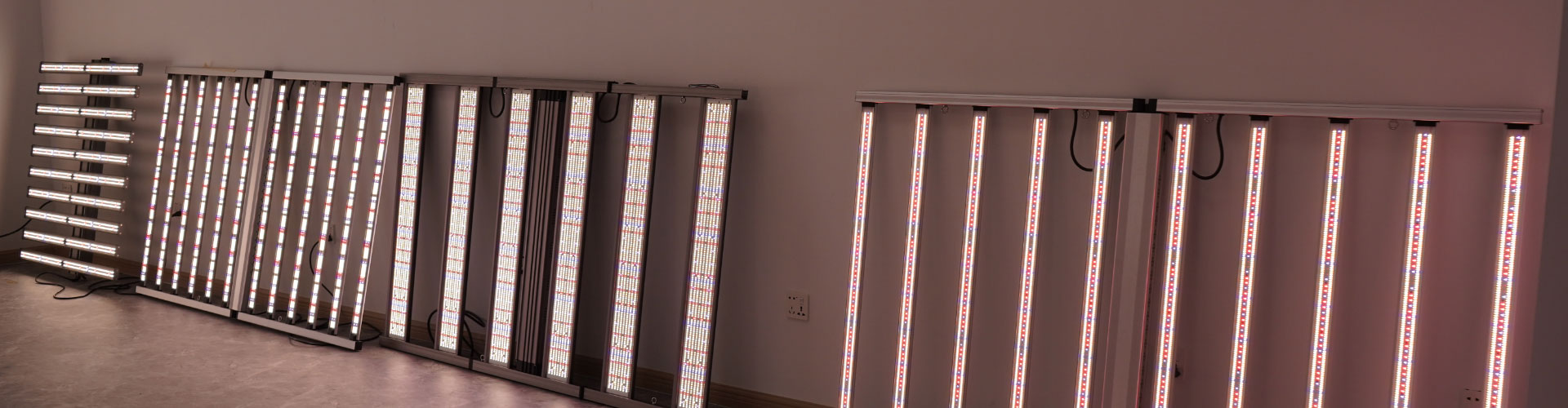
That open, octopus-style structure can support uniform coverage in both compact and wide cultivation zones. It can also be folded for quick deployment or built with detachable bars for serviceability. The right choice depends on the room plan, measured canopy targets, electrical capacity, and the way the cultivation team operates the facility.
What Are Bar-Style LED Grow Lights and How Do They Work?
How multiple light bars distribute photons across the canopy
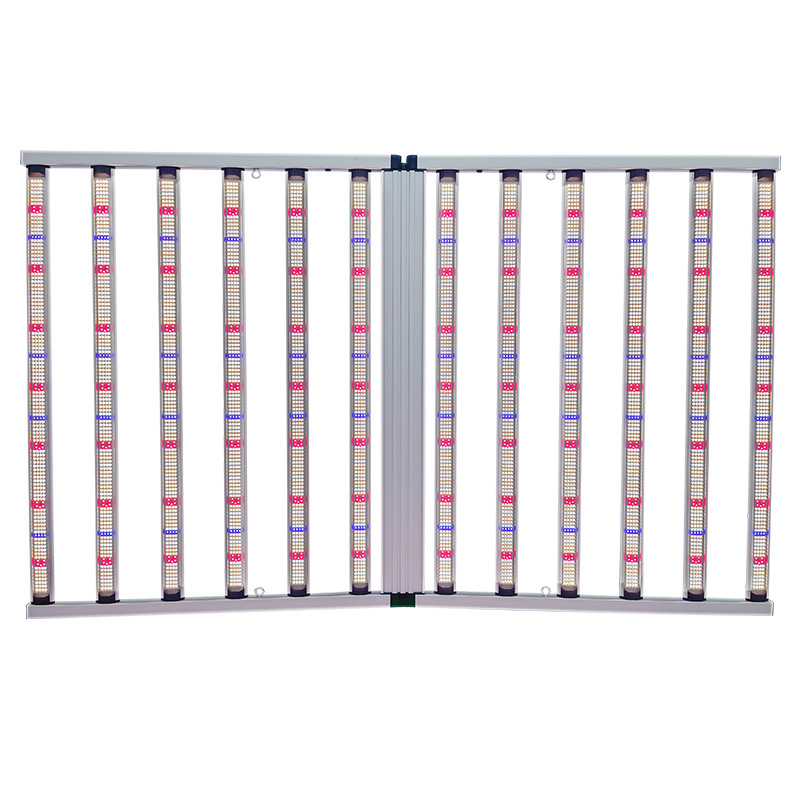
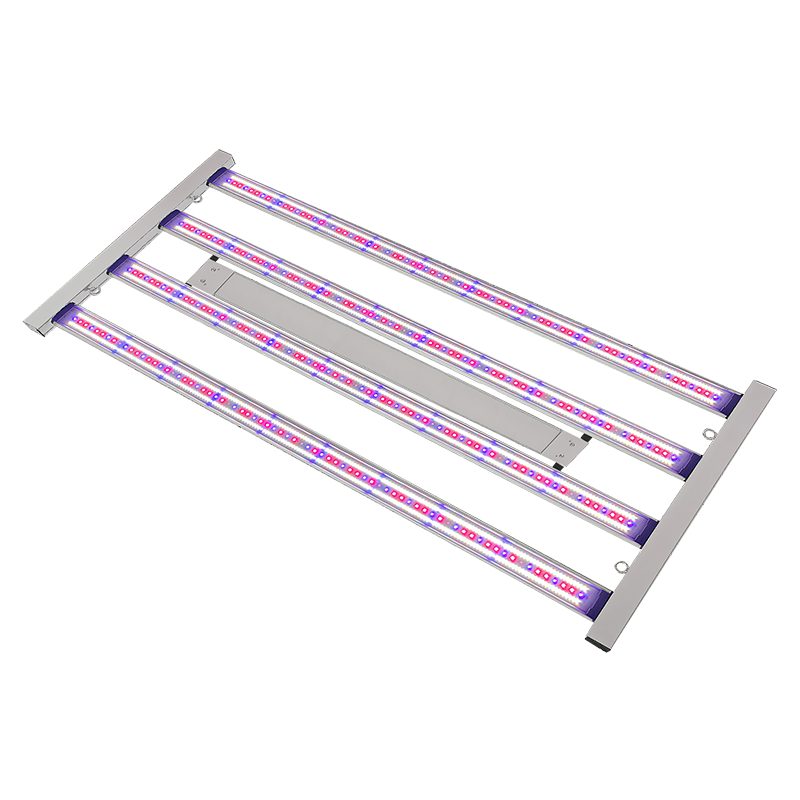
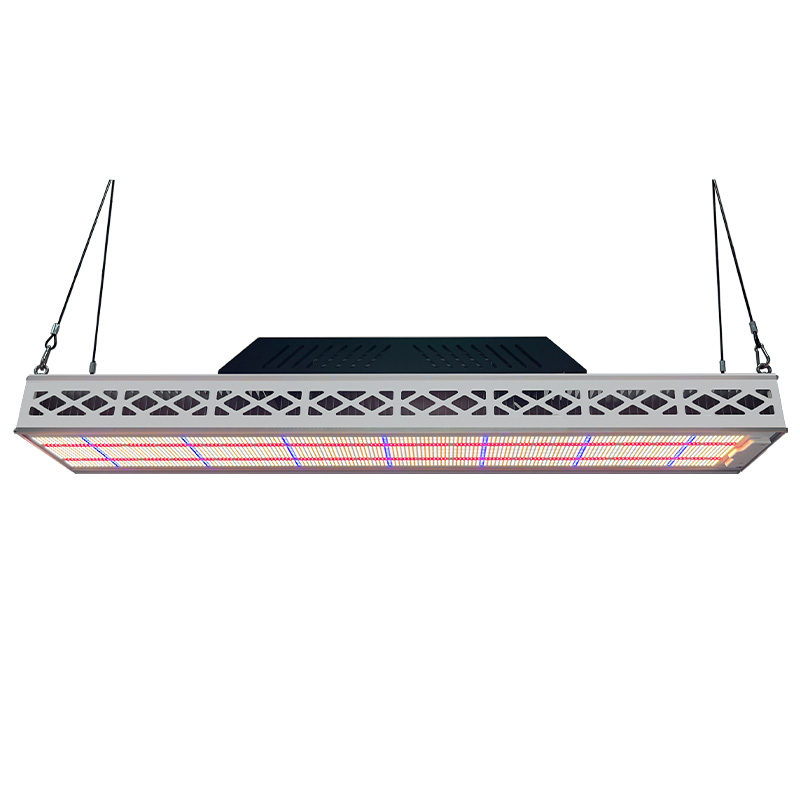
A bar-style fixture places LEDs along several parallel strips. Because the light-producing points are distributed across a broad frame, photons reach the canopy from multiple positions. This helps reduce sharp intensity peaks directly below the center and weak coverage near the edges.
Uniformity still depends on bar spacing, fixture dimensions, hanging height, and overlap with neighboring fixtures. A multi-bar shape is therefore a useful foundation, not a substitute for a PPFD map. Commercial growers should evaluate the complete footprint rather than judge performance from the brightest central reading.
How an open-frame design affects light spread and airflow
Spaces between the bars allow room air to move around the fixture. Aluminum light bars also release heat passively, without relying on a fan inside the light. This does not make the fixture or room temperature constant. The lamps continue to add heat during operation, so circulation fans, dehumidification, and HVAC capacity must be planned for the actual lighting load.
How bar spacing influences coverage uniformity
Bars placed too close together can concentrate output in one section, while excessive spacing can create lower-intensity lanes. The useful question is not simply how many bars a fixture has. Growers should examine whether the bar pattern matches the canopy shape and whether adjacent fixtures create smooth overlap without wasting light in aisles.

Why Are Bar-Style LED Grow Lights Well Suited to Commercial Cannabis Grow Rooms?
More consistent light levels across dense cannabis canopies
Commercial rooms are managed as production systems. When plants at the center and edge receive substantially different light, irrigation demand, stretch, flowering development, and harvest timing can become less consistent. Distributed bar lighting helps teams establish a more even starting point across each cultivation zone.
Our approach to full-spectrum LED grow lights for commercial cultivation combines a broad bar layout with spectra intended for a complete growth cycle. The room team can then manage intensity according to crop stage and measured canopy response instead of replacing the lighting system between vegetative and flowering phases.
Fewer hotspots and dark edges within cultivation zones
An evenly distributed fixture reduces dependence on a single intense center. That matters in rooms with continuous benches, where an edge under one fixture may also receive light from the next. A planned grid can turn this overlap into useful uniformity, but fixtures must be aligned with cultivated area rather than wall dimensions.
Easier replication across rooms, rows, and production cycles
Once a fixture layout has been mapped and verified, the same hanging pattern, dimming procedure, and inspection routine can be repeated in similar rooms. Repeatability reduces commissioning time and makes abnormal readings easier to spot. It also gives cultivation teams a stable lighting baseline when comparing crop results between cycles.
Which Bar-Style Grow Light Specifications Matter Most in Commercial Cultivation?
PPF, PPFD distribution, and photon efficacy
PPF describes the total photosynthetic photon output of a fixture, while PPFD describes how much of that light reaches a particular canopy position. Photon efficacy indicates how efficiently electrical power is converted into useful photons. Commercial selection requires all three: total output, distribution across the target area, and operating efficiency.
Spectrum, dimming range, and growth-stage control
A full-spectrum recipe can support cannabis from vegetative growth through flowering, while dimming changes intensity without forcing staff to change fixtures. Buyers should also verify whether a dimmer controls the complete spectrum together or manages separate groups. Our one-channel grow light range is intended for applications where the complete assigned spectrum rises and falls as one coordinated output.
Coverage area, hanging height, and thermal performance
Coverage claims need to be checked at the planned mounting height. Raising a fixture usually broadens the footprint but lowers intensity; lowering it can increase local intensity while reducing overlap. Test the real room with sensors at multiple points and allow the system to reach normal operating temperature before accepting the layout.
Electrical compatibility and multi-fixture control
Voltage, circuit capacity, driver current, connector type, and controller compatibility must be confirmed before installation. Daisy-chain communication can simplify synchronized dimming, but it does not eliminate electrical planning. Lighting control zones should also match cultivation zones, so staff can adjust one room or crop stage without unintentionally changing another.
How Should Growers Match Bar-Style LED Grow Lights to Different Room Layouts?
Lighting compact square canopy zones
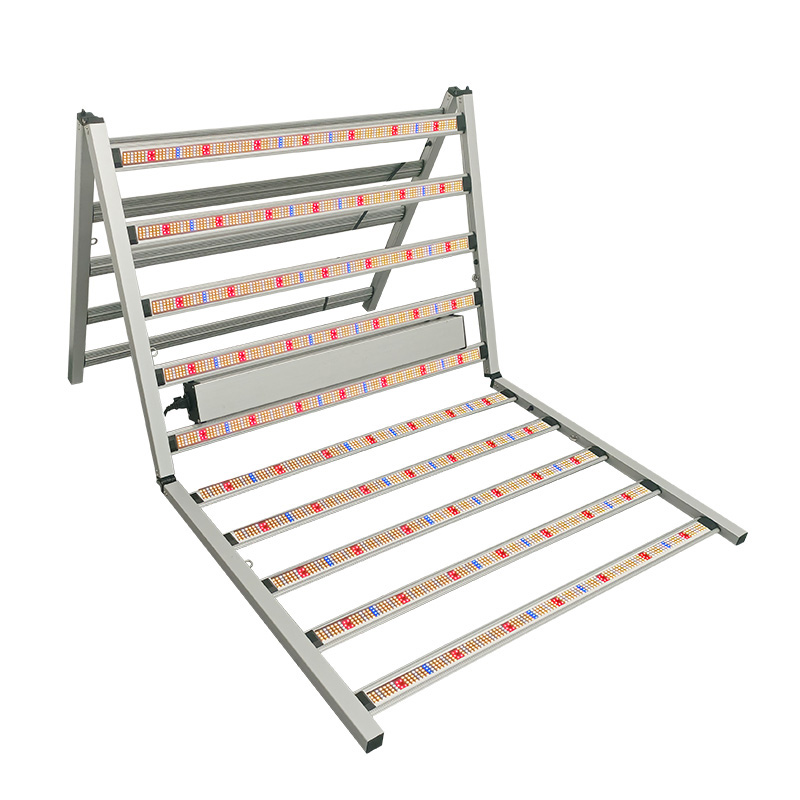
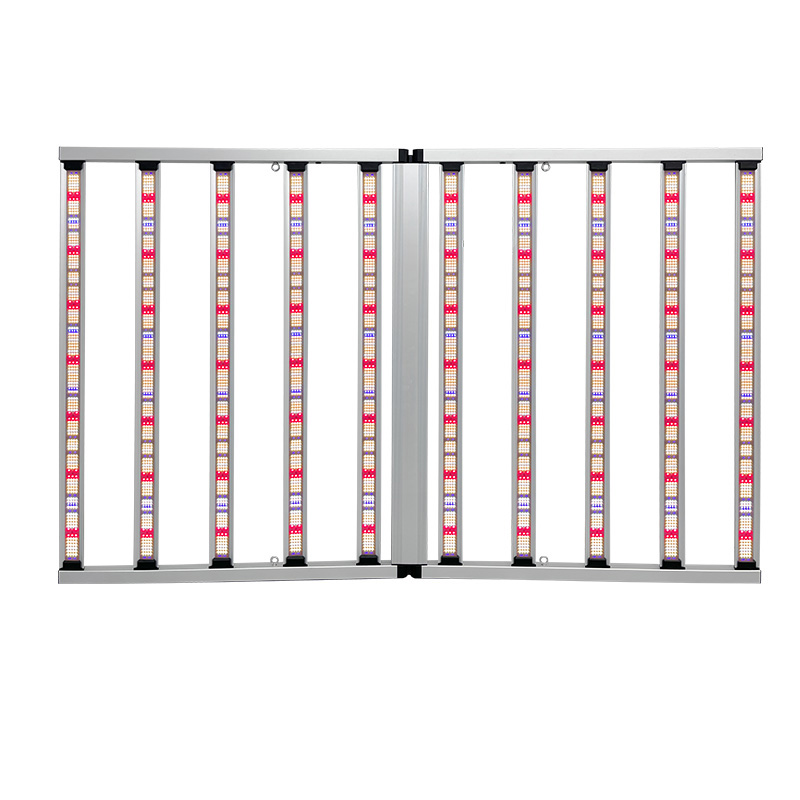
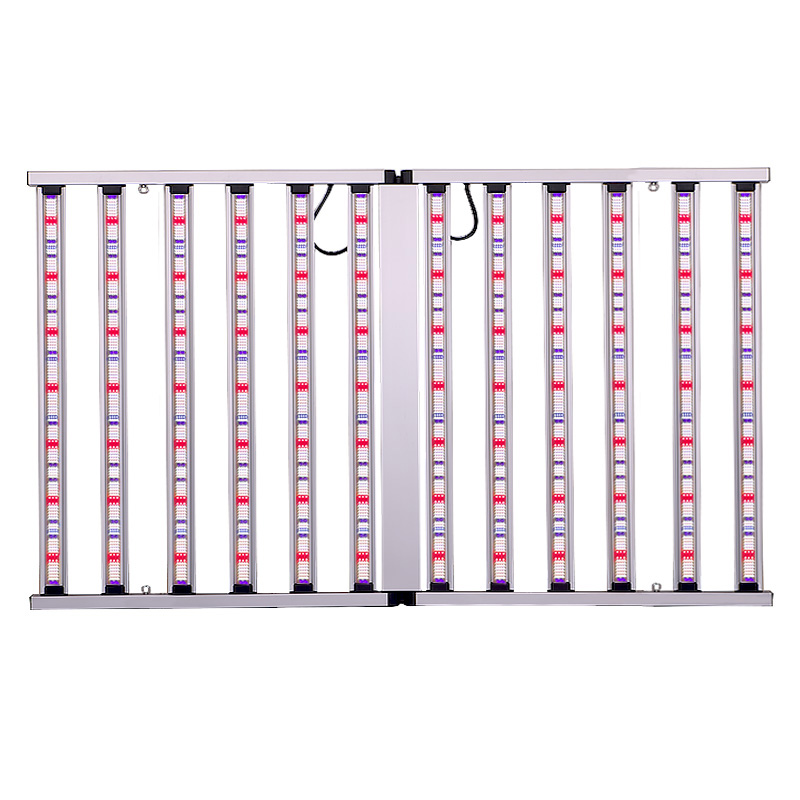
A square cultivation footprint benefits from a fixture whose emitting area reaches the corners without sending excessive light into walkways. At ANDYLED, our 800W 4x4ft LED Grow Lights-AD8-800W-2C2-110 uses eight foldable bars for a 4×4-foot area. Its integrated 0–100% dimmer lets operators reduce total intensity for younger plants and raise it as the canopy develops.
This category is best treated as a complete 4×4 lighting zone. Fixture spacing, hanging points, airflow, and sensor locations should all be standardized around that square footprint before the layout is copied across the room.
Lighting wider rectangular cultivation zones
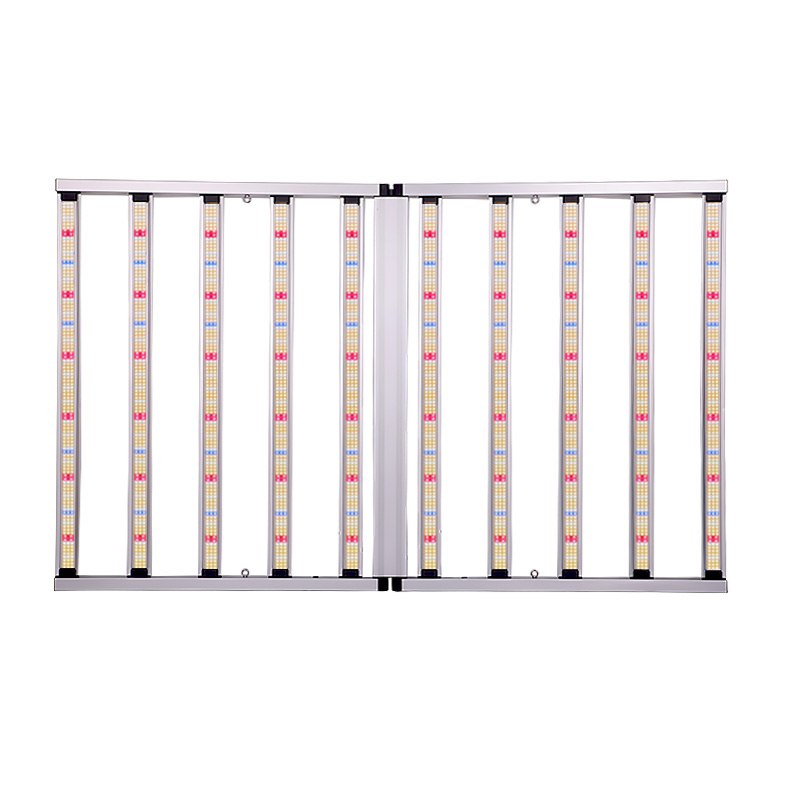
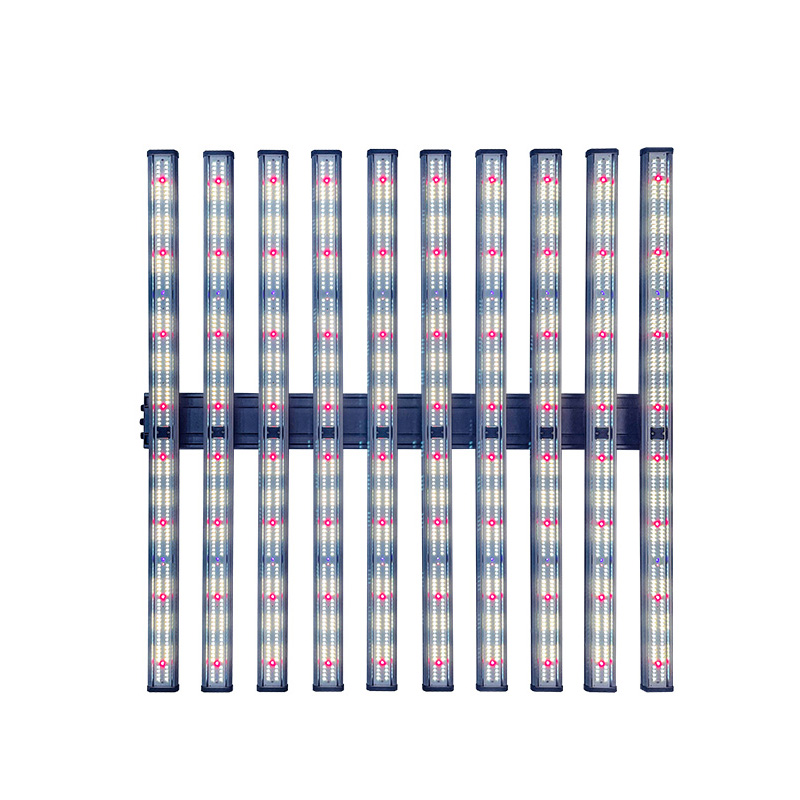
A 4×6-foot bed creates a different distribution problem. The fixture must carry useful light along the longer axis without over-lighting the center. Our 1000W 4x6ft LED Grow Light-AD10-1000-2C2-180 uses ten foldable bars, provides 0–100% brightness adjustment, and is designed for the wider footprint.
The additional width should be considered together with circuit loading and room cooling. A higher-output fixture may fit the canopy well, but the room still needs enough electrical and environmental capacity to run every lighting zone simultaneously.
Coordinating fixture spacing with aisles and room equipment
Map benches, aisles, columns, irrigation lines, ducts, fans, sensors, and fire-safety clearances before setting anchor points. A mathematically even ceiling grid can be wrong if part of the light falls outside the cultivated area or if a fixture blocks service access.
Matching output to canopy targets instead of wattage alone
Wattage is an electrical input, not a canopy result. Final settings should come from a PPFD map, crop response, photoperiod, and the intended daily light integral. Record the accepted hanging height and dimmer position so the room can be restored after cleaning or maintenance.

When Are Foldable Bar-Style Fixtures the Better Structural Choice?
Faster deployment in rooms with repeated fixture layouts
A foldable octopus fixture opens around a central hinge, so the frame arrives largely assembled. This can shorten installation when many identical units must be hung in a limited commissioning window. Fewer loose bars also reduce the number of connections technicians must make on site.
More convenient transport and storage between installations
Folding reduces the stored footprint without requiring the team to remove every light bar. This is useful when fixtures are staged before installation or temporarily removed during room renovation. Staff should still protect the hinge, LEDs, driver, cables, and dimming controls from impact.
Hinge clearance and hanging stability considerations
The frame needs enough clearance to open safely, and both sides must be fully supported after deployment. Before energizing the light, technicians should confirm that the fixture is level, suspension hardware is secure, cables are not pinched, and the hinge is locked in its operating position.
When Are Detachable Bar-Style Fixtures the Better Structural Choice?
Easier replacement and servicing of individual components
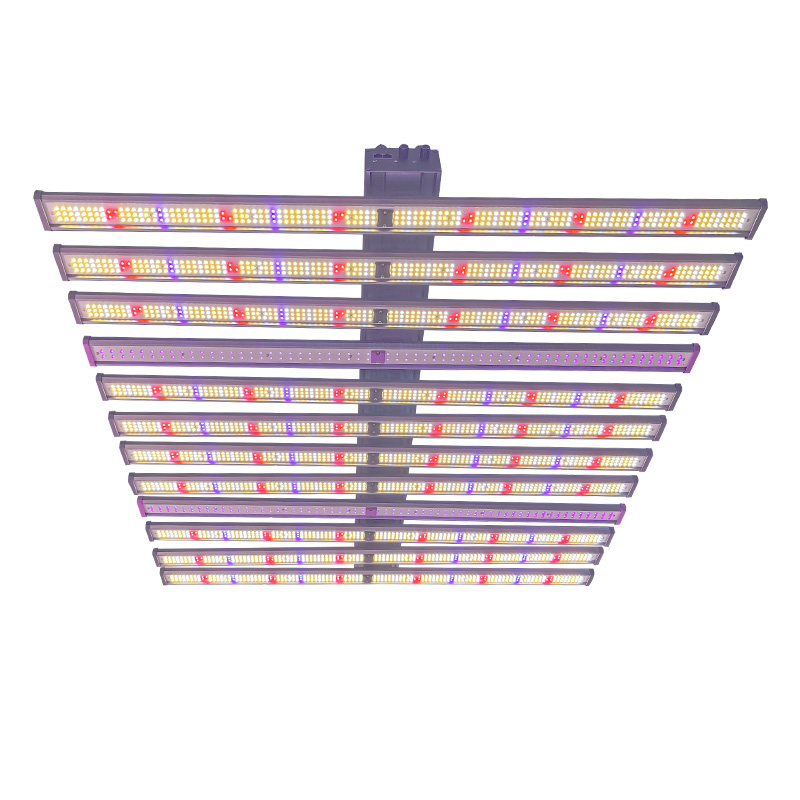
A detachable design separates the bars from the main frame. This can make an individual bar easier to inspect or replace without handling the complete fixture. Our detachable grow light range supports projects that prioritize modular servicing, compact shipping, or flexible assembly.
Assembly time and connection checks during installation
Serviceability comes with more installation steps. Each bar must be seated in the correct position, secured, and connected as specified. Commercial teams should use a written assembly sequence and test every bar at low output before raising the fixture over the canopy.
Spare-part planning, cleaning, and routine maintenance
Keep compatible bars, connectors, fasteners, and cables clearly labeled. During cleaning, disconnect power and inspect for moisture, loose connections, residue, damaged insulation, or uneven illumination. Maintenance records should identify the fixture and bar position so repeated failures can be traced rather than treated as isolated events.
FAQ
Q: What makes bar-style LED grow lights suitable for commercial cannabis grow rooms?
A: Their distributed bars can provide broad, uniform canopy coverage while leaving open space for airflow. They also support repeatable fixture grids, dimming, and centralized operating procedures across multiple rooms.
Q: How many bar-style LED grow lights does a commercial cannabis room need?
A: The quantity depends on cultivated canopy dimensions, fixture coverage, target PPFD, hanging height, and overlap. Calculate from the planted area and confirm the design with a room-level PPFD map.
Q: Should commercial growers choose foldable or detachable bar-style grow lights?
A: Foldable fixtures favor quick deployment and compact storage, while detachable fixtures favor modular service and replacement. The better structure is the one that matches the facility’s installation and maintenance workflow.


