
How Long Should You Leave LED Grow Lights On Each Day
The honest answer is not a neat number of hours. One bench may look hungry for light; the next one may be warm, dry, and already close to its limit. LED Grow Lights set the day length, but plants do not experience the timer by itself. They experience PPFD, heat, humidity, airflow, irrigation, root health, and darkness as one room condition. Extra hours help only when the crop can actually use the extra dose.
Choose a Starting Schedule by Growth Stage
Seedlings and Young Plants
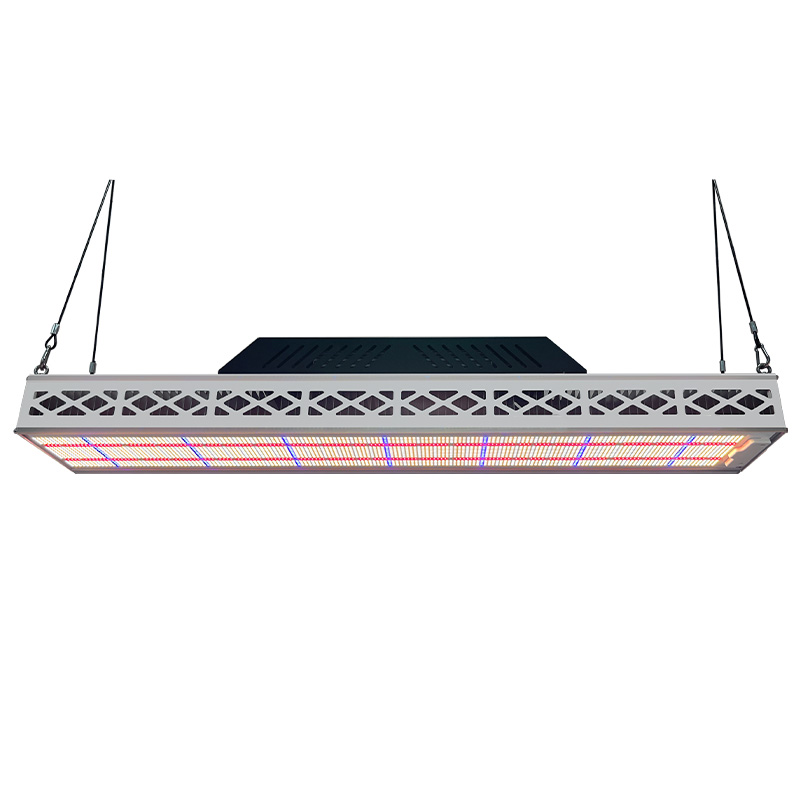
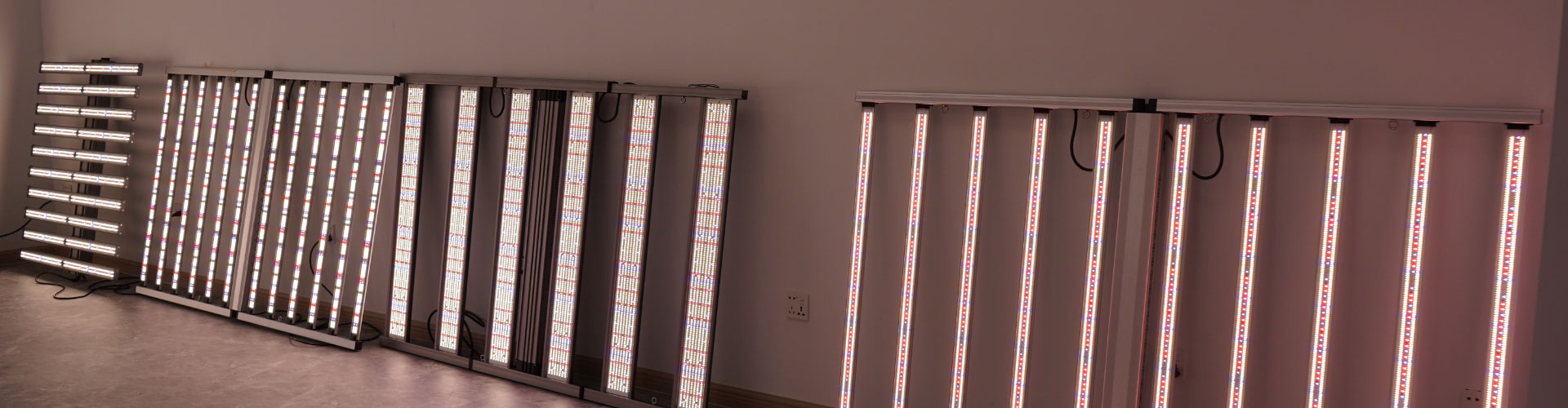
Start gently, then wait long enough to see a real pattern. A stretched seedling may need a lower fixture, not a longer day. A pale or curled seedling may already be carrying too much light. When the fixture choice is still open, the LED grow lights product range helps compare output and coverage before the timer setting becomes the main question.
Vegetative Growth
Vegetative plants usually have more room for a longer day, but the room still sets the limit. As a starting point, many vegetative rooms sit near 16 to 20 hours per day and 400 to 500 µmol/m²/s PPFD. Use that range as a measurement starting point, rather than treating it as a fixed prescription for every cultivar.
A practical stage ladder starts seedlings around 200 to 300 µmol/m²/s with a 20- to 24-hour light cycle, moves vegetative growth toward 400 to 500 µmol/m²/s with 16 to 20 hours, and uses 500 to 1,000 µmol/m²/s with a 12-hour bloom cycle. Those numbers are useful only when they are paired with what the plants are doing: leaf angle, internode length, irrigation demand, and room temperature.
Before touching the timer, write down the fixture height, dimming level, and change date. That note feels fussy until the crop looks different two days later. If stress appears, change one variable at a time. Otherwise a better-looking plant tomorrow may come from less heat, a lower fixture, a shorter day, or simply a cooler afternoon.

Balance Photoperiod, Intensity, and DLI
Daily Light Matters More Than Hours Alone
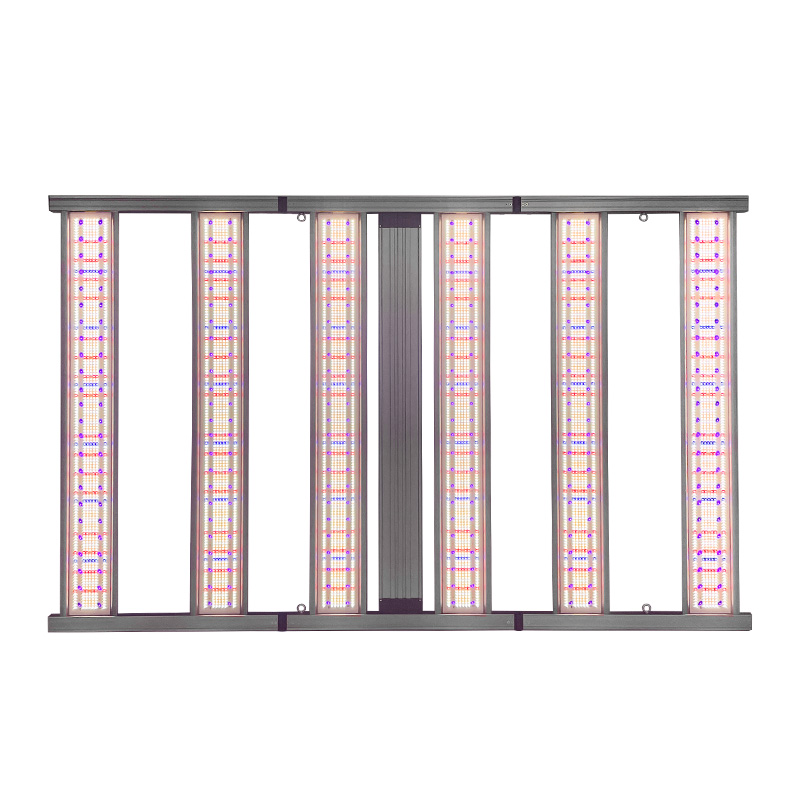
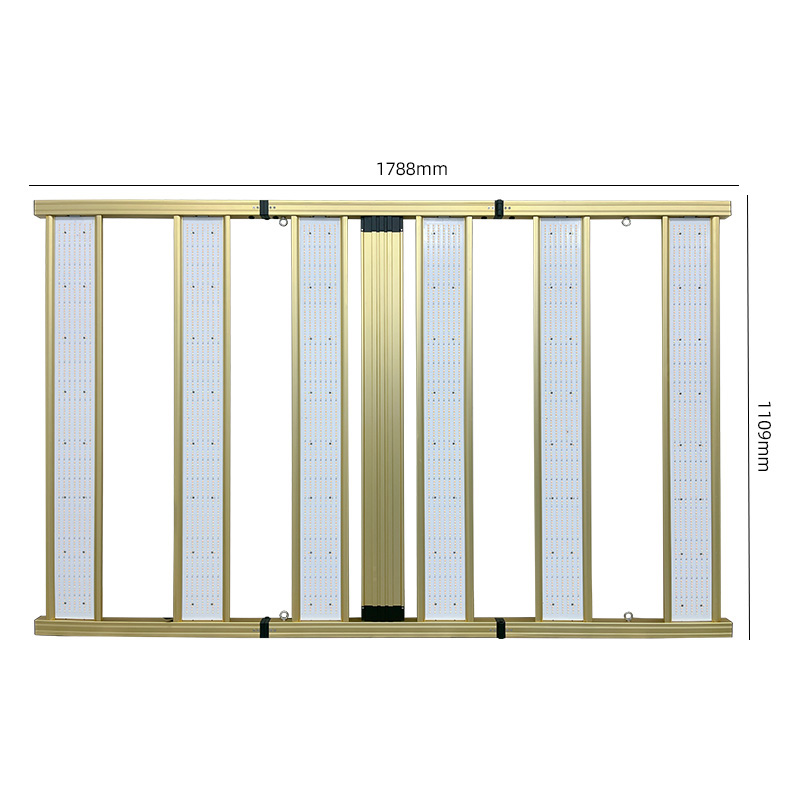
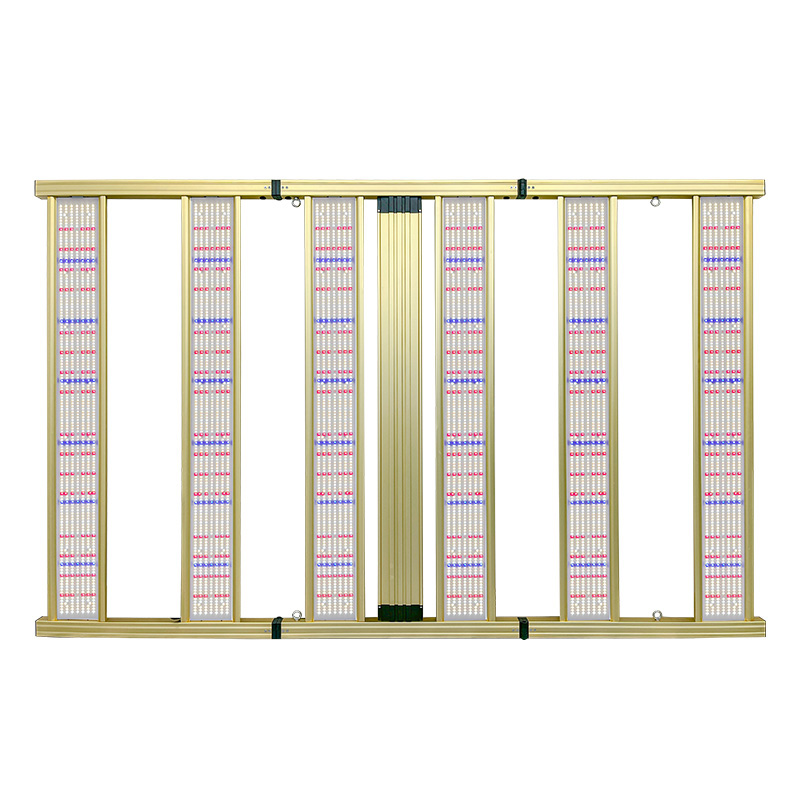
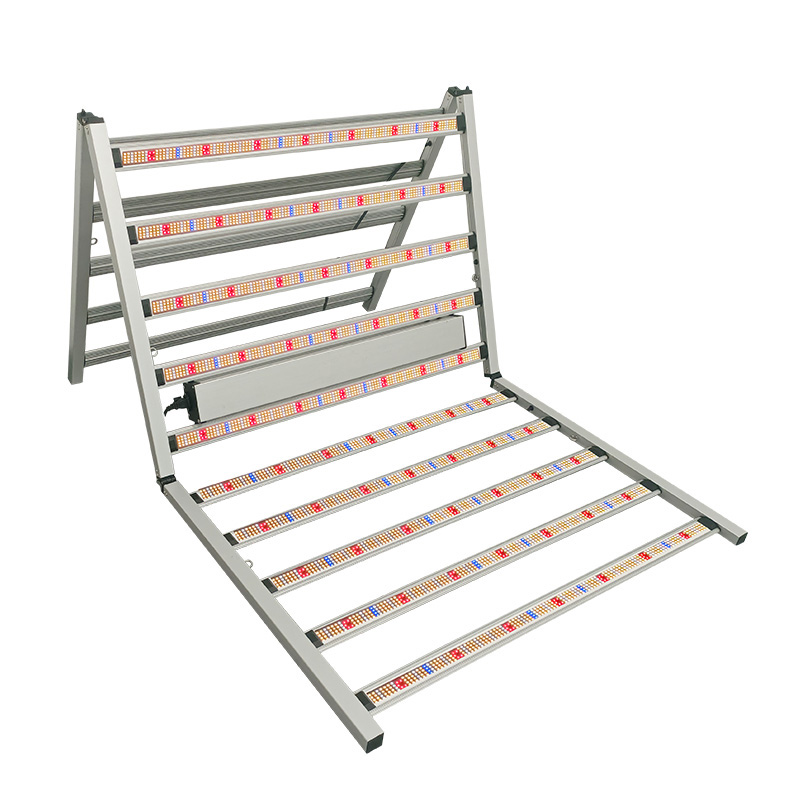
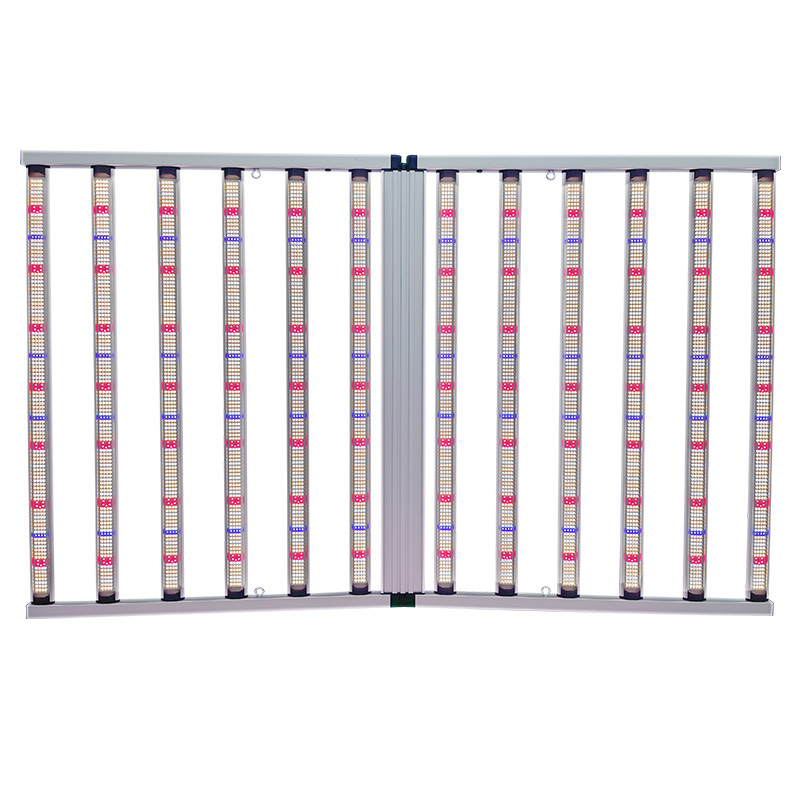
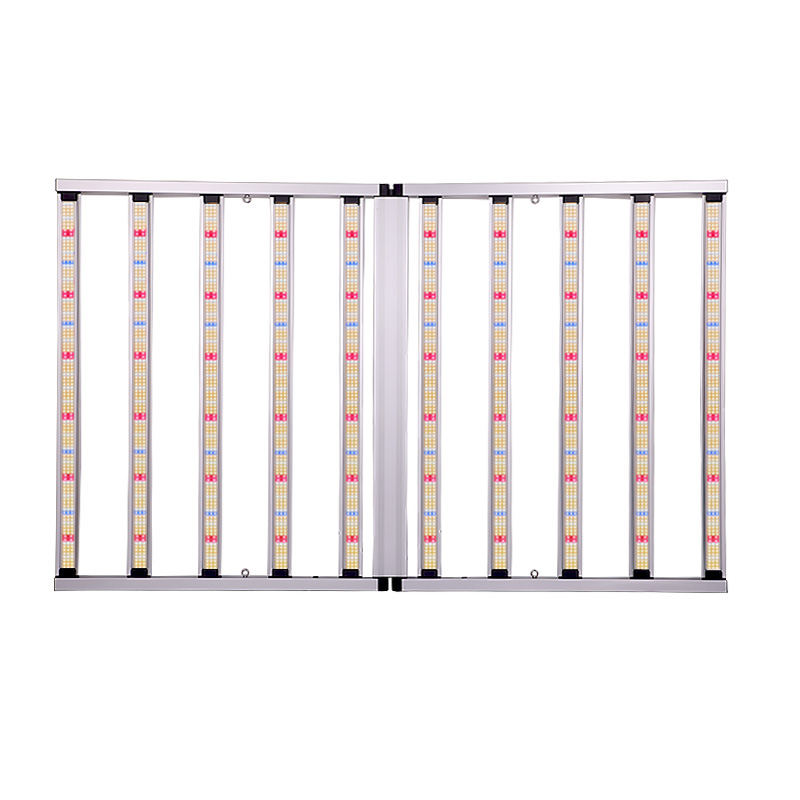
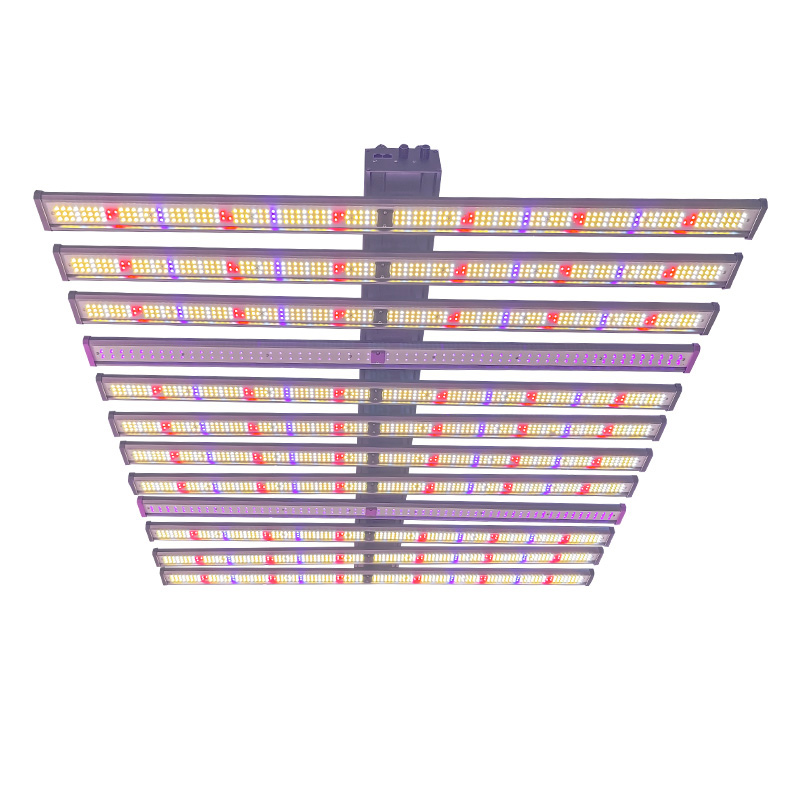
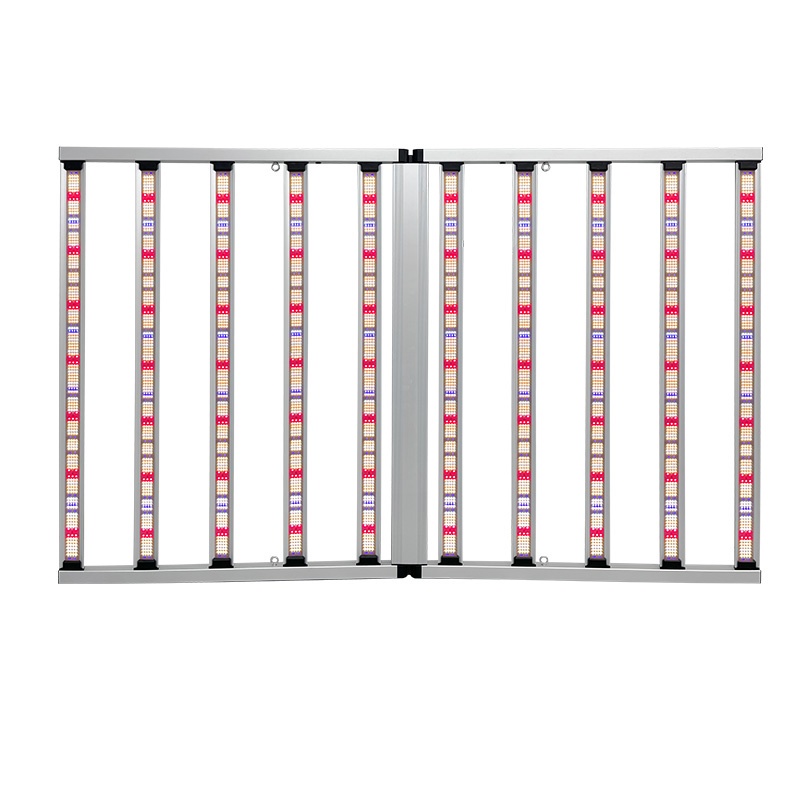
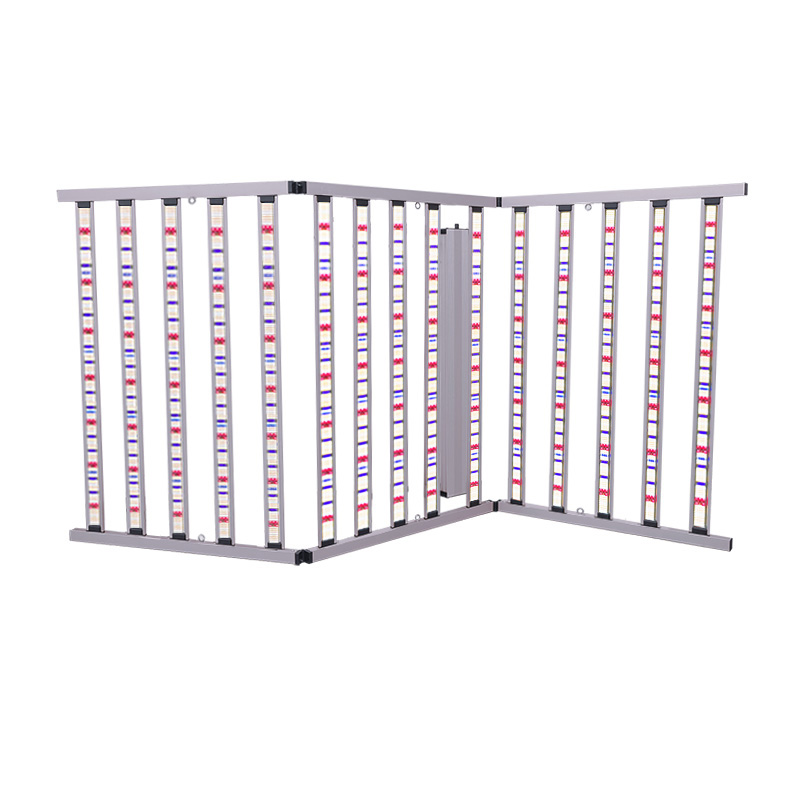
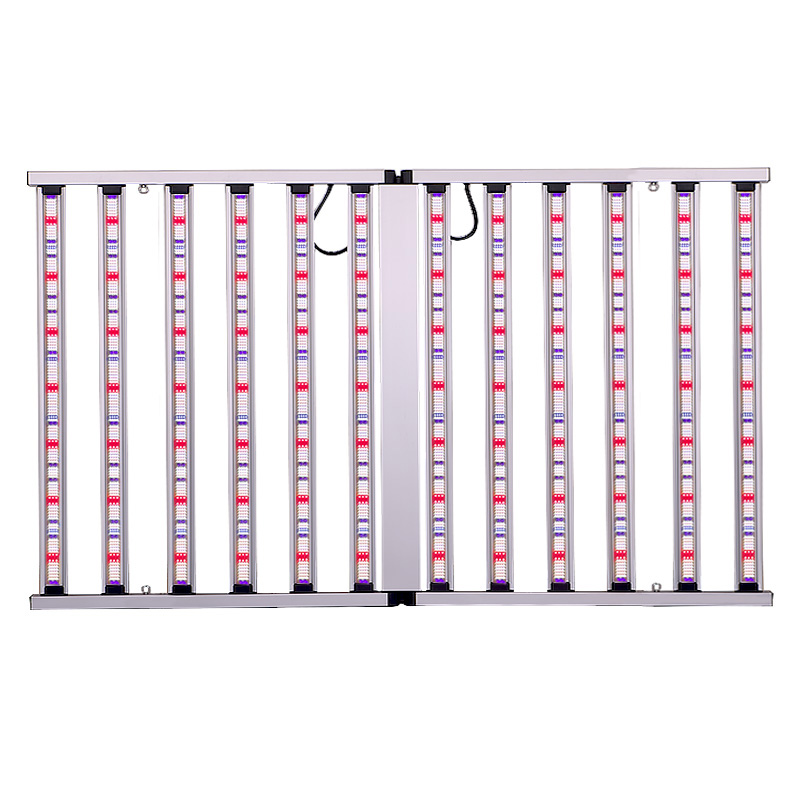
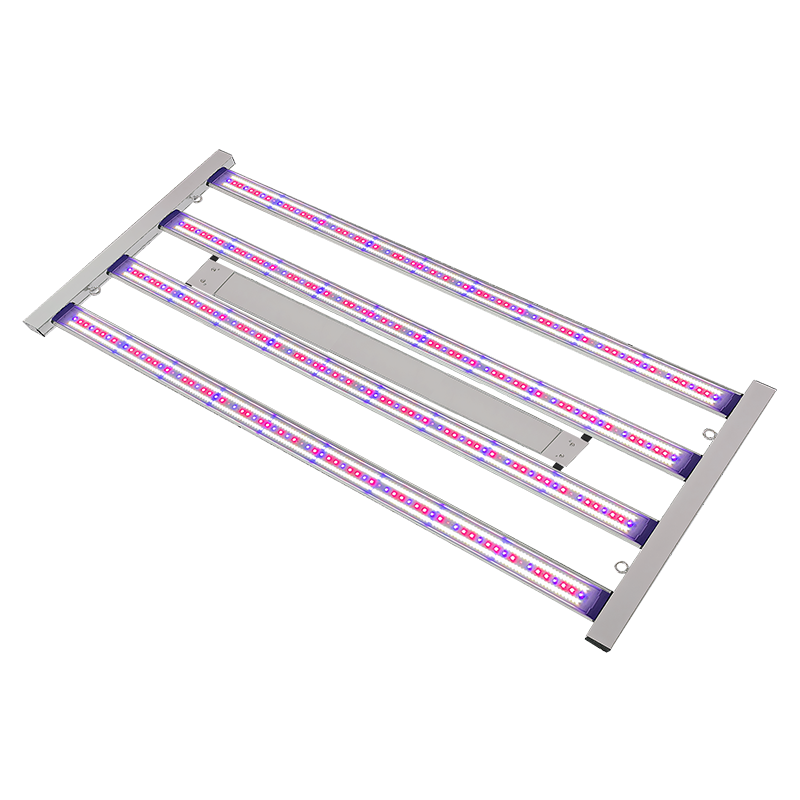
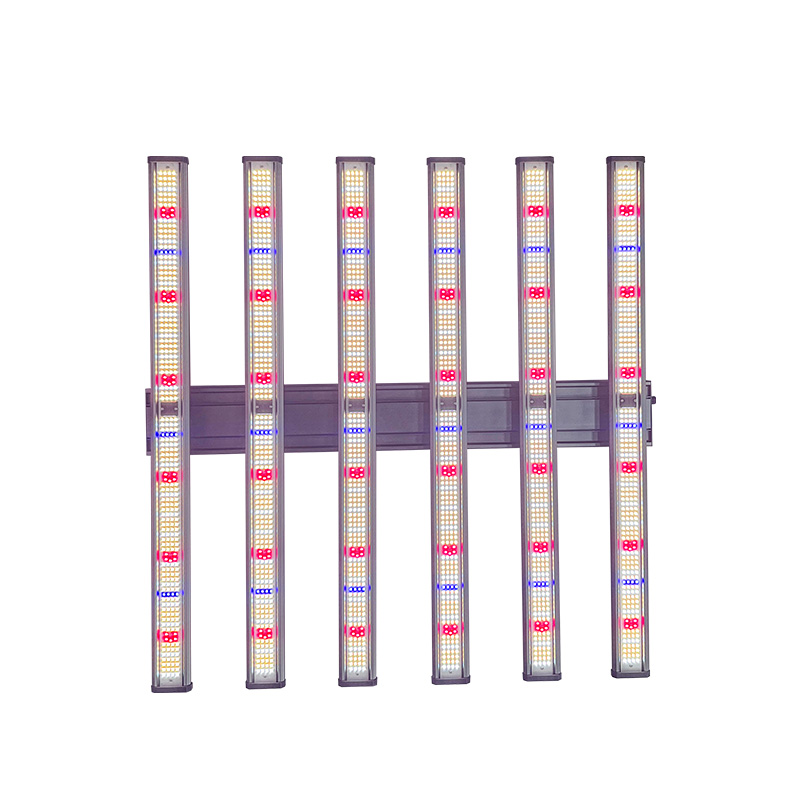
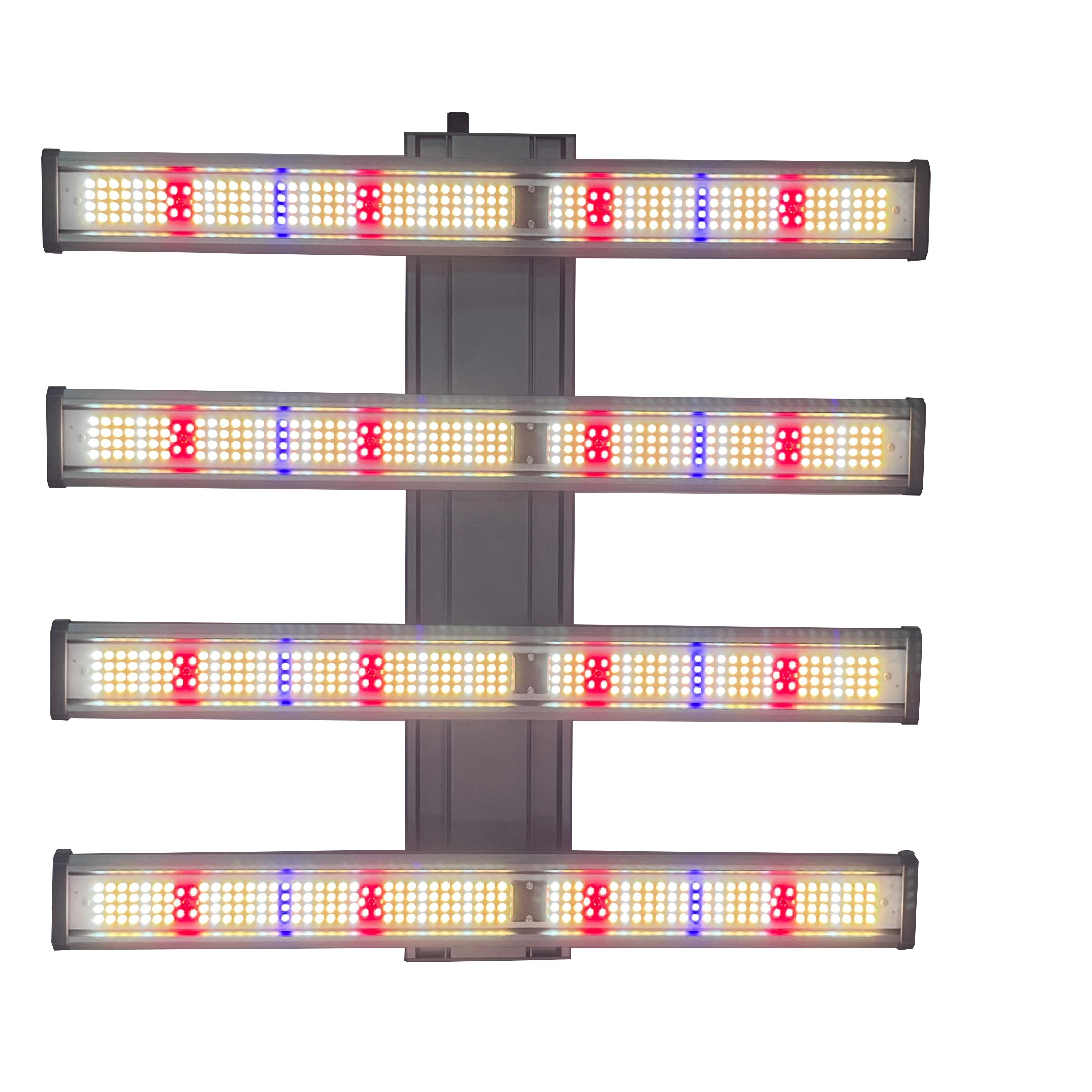
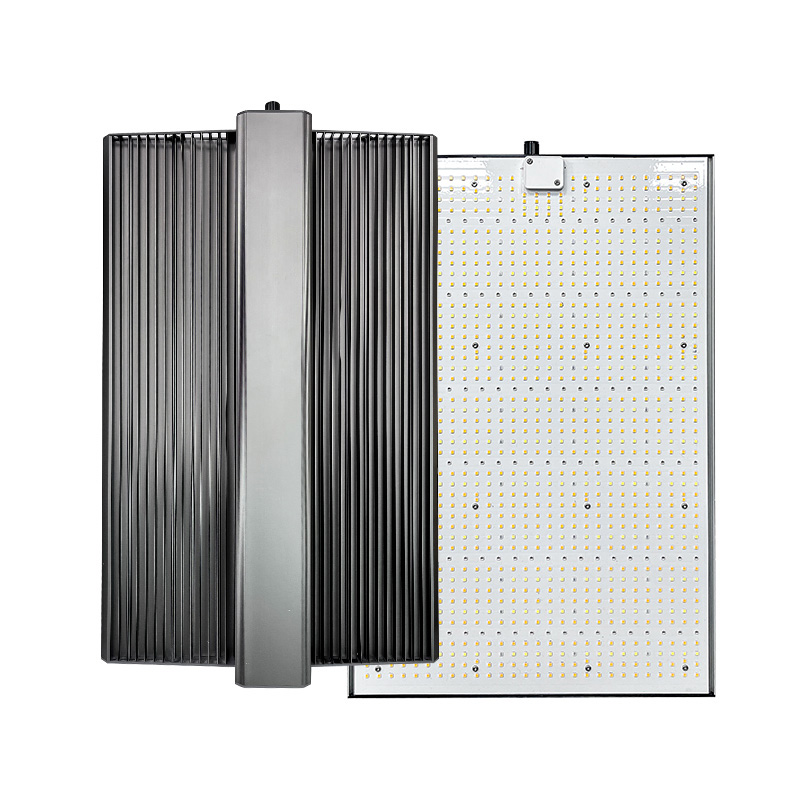
Two rooms can run LED Grow Lights for the same number of hours and still produce different results because their PPFD differs. DLI is the daily total of photosynthetically active light the crop receives, not just the number on the timer. A stronger setting can reach a similar daily total in fewer hours, but only if the canopy receives that light evenly. For a defined 4 x 6 ft footprint, the 1000W 4x6ft LED Grow Light-AD10-1000-2C2-180 should be judged by output, coverage, and run time together.
Check the crop at the same time of day. Leaves can look fine two hours after lights-on and tired near the end of a long photoperiod. That late-day look matters. If temperature climbs, humidity drops, or irrigation falls behind, the schedule may be too aggressive even when the hour count seems ordinary.
Protect the Dark Period
Darkness is not empty time. It is part of the crop recipe, especially in a flowering room. After the main fixtures shut off, stand in the room for a minute and look for indicator lights, inspection lamps, controller screens, or a supplemental channel that stayed on. Small leaks are easy to miss during normal work.
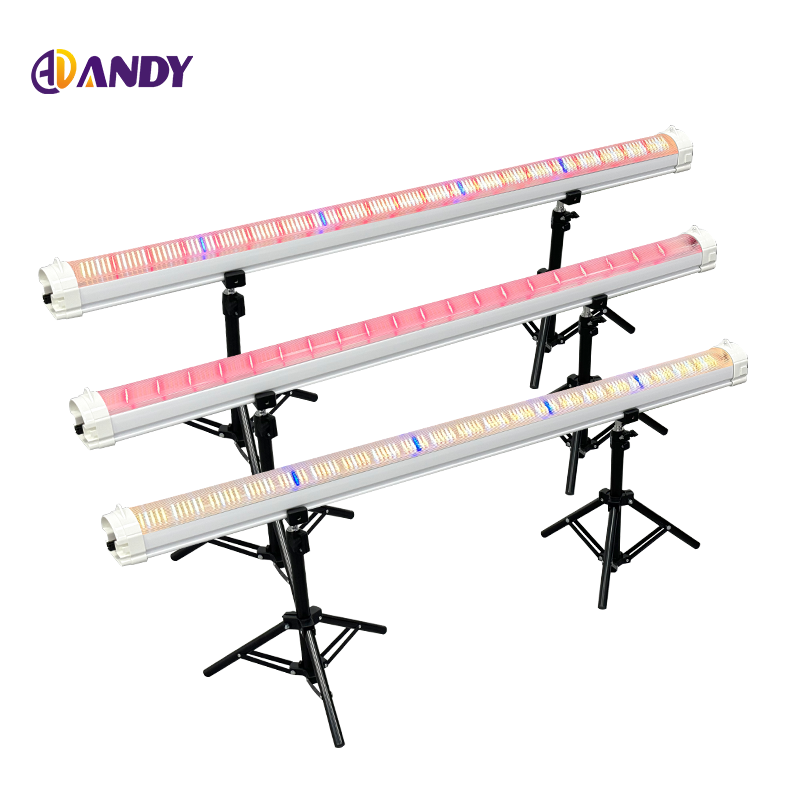
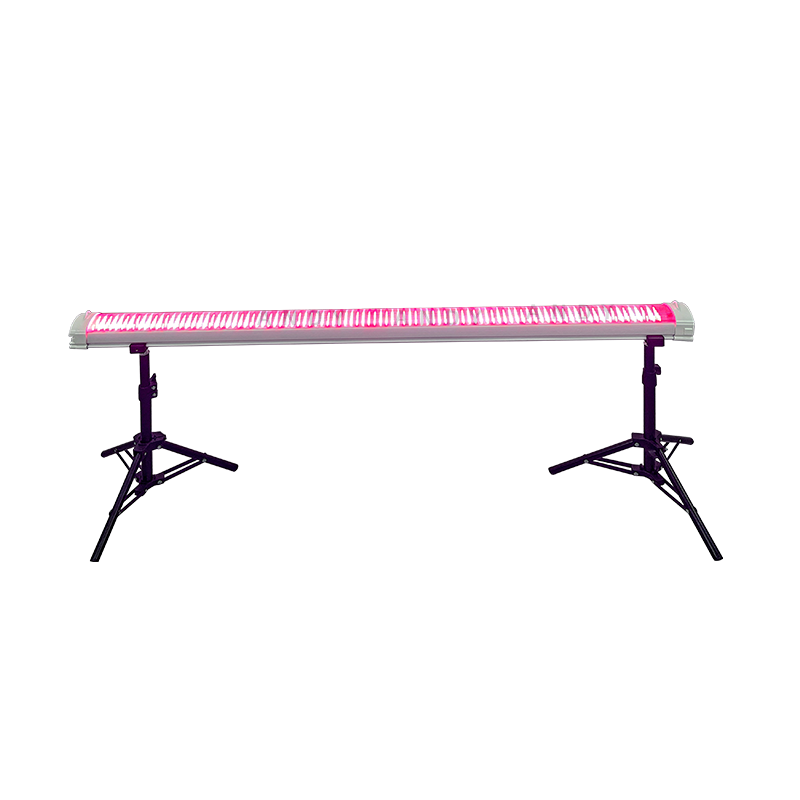
For photoperiod cannabis, 12 hours of light and 12 hours of darkness is the common flowering baseline. Some cultivars may still flower under more than 12 hours of light, with higher flower-head yield but slightly later maturity. For a room that only needs a simple white-light routine, a one-channel grow light category may keep the schedule easier to manage, but every active light source still belongs on the checklist.
Adjust the Schedule as Plants Mature
Flowering Requires More Careful Timing
In one trial, adding one more hour of light raised total flower-head yield by 35 percent, while cannabinoid profiles stayed comparable to the traditional 12-hour treatment. The longer-light treatment matured a little later, with slower stamen browning and less stamen wilting. Useful, yes, but not a free pass to move every room to a longer day.
Before changing a flowering timer, test a small section, monitor maturity, and make sure environmental controls can handle the extra light. Moving intensity and duration at the same time makes the result difficult to attribute. A small comparison area, with the original schedule retained elsewhere, usually teaches more than a whole-room guess.
Longer photoperiods can improve growth and productivity without reducing plant quality, but each cultivar still has to prove that response in the actual room. Record visible inflorescence and final harvest when schedules are compared because maturity may shift. Keep those notes with the crop record instead of relying on memory next cycle.
Use Dimming for Transitional Changes
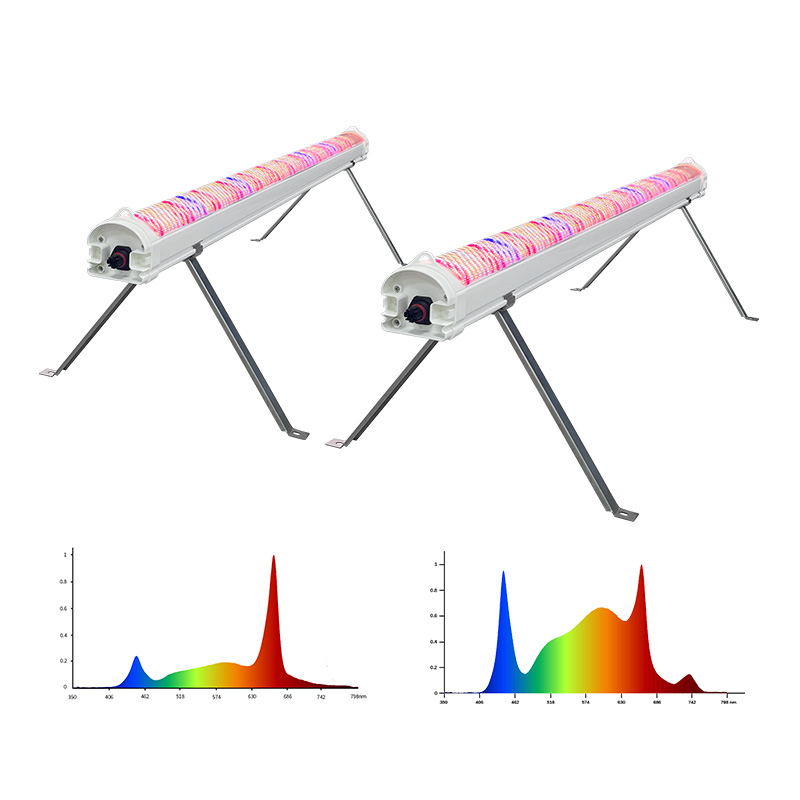
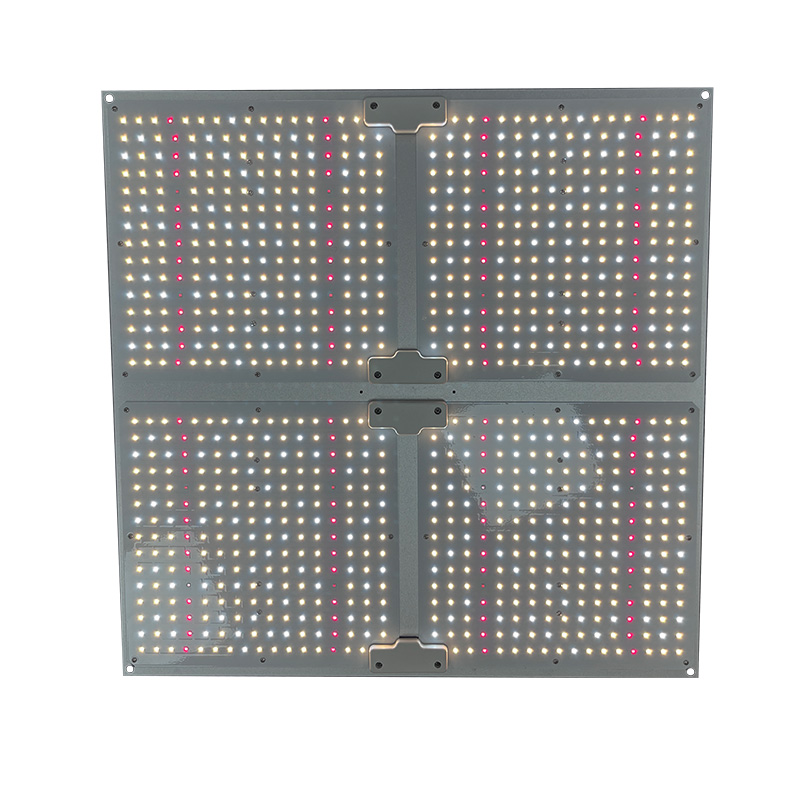
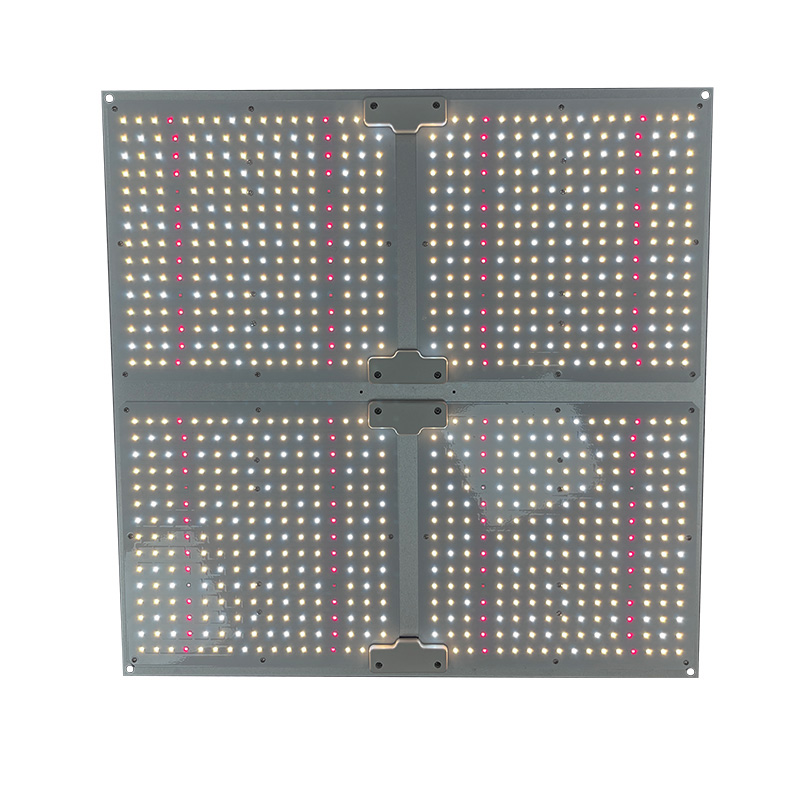
Dimming is often the cleaner adjustment because the timer can stay familiar while the daily dose changes. Try it during the move from vegetative growth into bloom, after pruning, or when a dense canopy begins to shade itself. If the room needs a wider light pattern instead of simply more hours, the wide version grow light category is worth comparing before the schedule is rewritten.

Keep the Room Stable During the Light Period
Longer days keep fixtures, fans, irrigation, and climate controls running for more hours. ANDYLED supplies farm-oriented grow-light options and practical configurations for controlled environments, and the ANDYLED service page supports commissioning work when schedules, channels, and room controls need to be checked together. We help growers match fixture output to a schedule the room can actually support, rather than treating hours as a setting detached from the rest of the system.
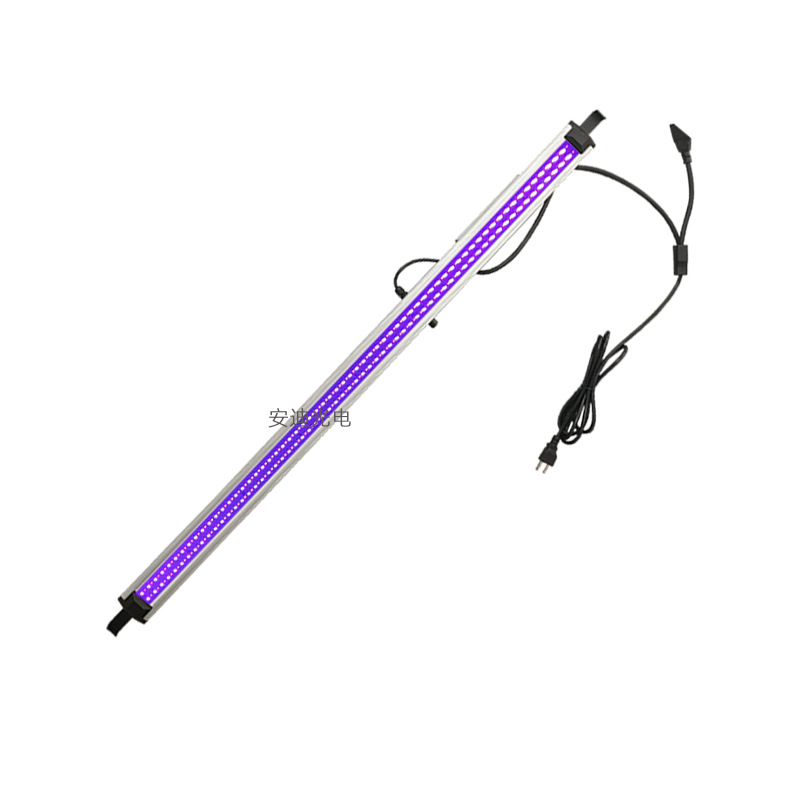
One extra hour can raise leaf temperature, dry the media faster, and change how the room feels at the end of the shift. Check irrigation, dehumidification, and labor, not only the light controller. If a supplemental red or UV channel is present, put that channel on its own line in the schedule record. A late-stage channel should not quietly run all day because nobody noticed the timer.
Make Schedule Changes Methodically
Treat schedule changes like small trials. Keep the timer record, note the dimming level, and watch the crop for several days before judging the result. Stretching, leaf-edge stress, excess heat, unusual water use, delayed flowering, and weak recovery after lights-off all matter, but none should be read alone.
One simple field check is to look at the crop twice: once early in the light period and once near lights-off. If the plants look strong in the morning but tired every evening, the total day may be heavier than the room can support. If the edge plants lag while the center looks fine, the issue may be coverage rather than hours. If only the plants near a fan or doorway look different, the timer is probably not the first thing to change. These small notes keep the schedule from becoming a guess.
The best schedule supplies enough DLI, protects the required dark period, and stays manageable for temperature, humidity, irrigation, and labor. It also has to be clear enough for another operator to run correctly on a busy day. Keep the setting visible in the room: timer, dimming level, channel status, and change date. That small note can save the next shift from guessing.
FAQ
Q: How many hours should LED Grow Lights be on for seedlings?
A: Start with a medium light level. Use a timer that runs on a regular schedule. Include an actual dark period each day. If the seedlings begin to stretch then examine the fixture height first. Only after that step consider adding more hours.
Q: How long should LED Grow Lights run during vegetative growth?
A: A range of 16 to 20 hours often serves as a typical initial period. This range applies during vegetative growth for crops in controlled settings. Yet the actual useful time still depends on several factors. These factors include light intensity. They also include DLI. The specific cultivar matters as well. Room capacity remains another key consideration.
Q: Should LED Grow Lights stay on for 24 hours?
A: No. A nonstop 24-hour schedule does not fit every situation as a standard choice. A regular dark period usually helps instead. It allows crop responses to become clearer and easier to observe.
Q: How long should LED Grow Lights be on during flowering?
A: The usual starting base uses 12 hours of light. This is followed by 12 hours of darkness. Longer periods may suit certain cultivars. These become specific tests for each variety. Growers should try the adjustment carefully. They must watch closely for any delayed maturity.
Q: Does longer lighting always increase plant growth?
A: No. Additional hours only support better growth when conditions stay suitable. Light intensity must remain at proper levels. Plant tolerance needs to match the schedule. The spectrum should fit the requirements. Room conditions have to support the setup too. Beyond that limit the extra amount often creates stress. It does not produce further growth.


