
How UV and IR Grow Light Supplementation Affects Terpene and Resin Production
UV and IR grow light supplementation does not work as an automatic switch. It will not instantly guarantee higher terpene and resin production. Instead, UV exposure activates particular plant defense systems linked to protection and stress adaptation. Far-red light mainly affects photomorphogenesis, canopy structure, and flowering signals. The final effect on harvest quality relies completely on the exact wavelengths, careful dosages, genetic strains, growth stages, and the total microclimate inside the facility. Commercial cultivators need to learn these scientific patterns. They should not treat supplemental spectrums as easy shortcuts.
What Do UV and IR Grow Light Supplements Actually Add to the Spectrum?
How Are UVA, UVB, and UVC Different?
In horticultural lighting, the three UV bands cannot replace one another. Practical attention must stay on horticultural UVA and UVB only. UVA (315–400 nm) and UVB (280–315 nm) create helpful stress reactions. These reactions support secondary metabolite buildup, richer aromas, and better color. On the other hand, UVC (wavelengths below 280 nm) serves only as a tool to disinfect against pathogens. It should never be grouped or sold as a regular supplemental option for better flower quality.

Is Far-Red Light the Same as Infrared Light?
Inside the commercial cultivation industry, people often use the word “IR” when they mean far-red light (700–750 nm). Yet these two spectrums differ at a basic level. Far-red light works directly with plant photoreceptors, especially phytochromes. It drives changes in shape and signals for reproduction. True infrared light uses longer wavelengths. It mainly creates radiant thermal heat. This heat does not carry the specific photomorphogenic signaling power that far-red provides.
Why Is Supplementation Different from a Base Grow Light Spectrum?
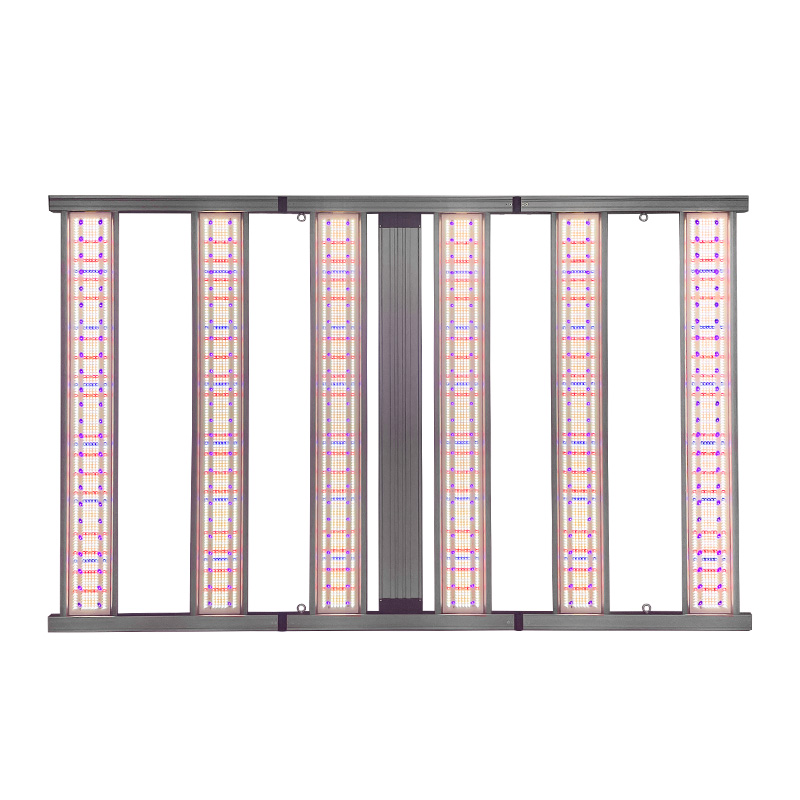
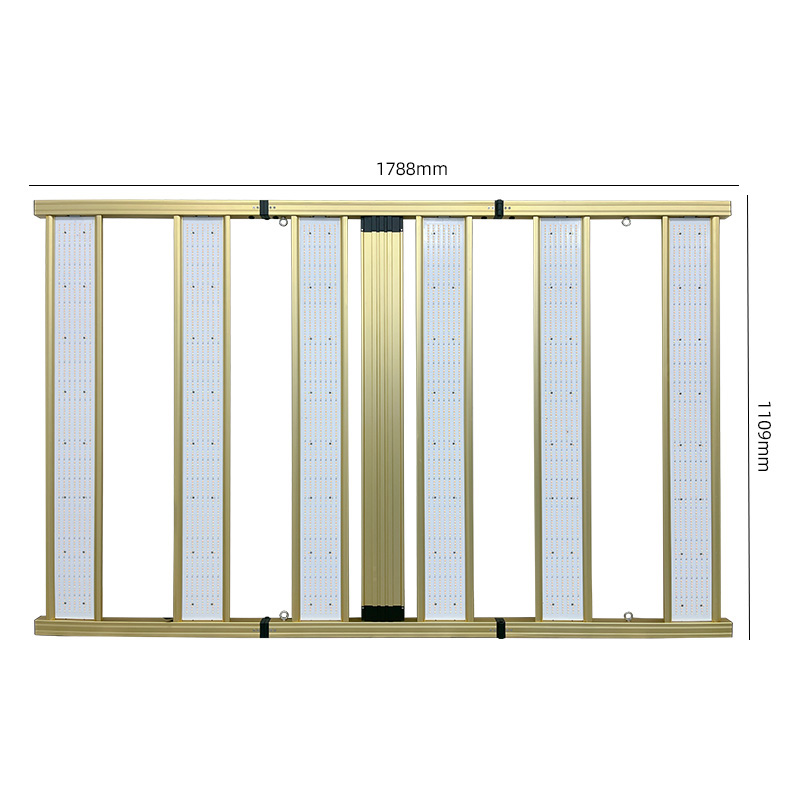
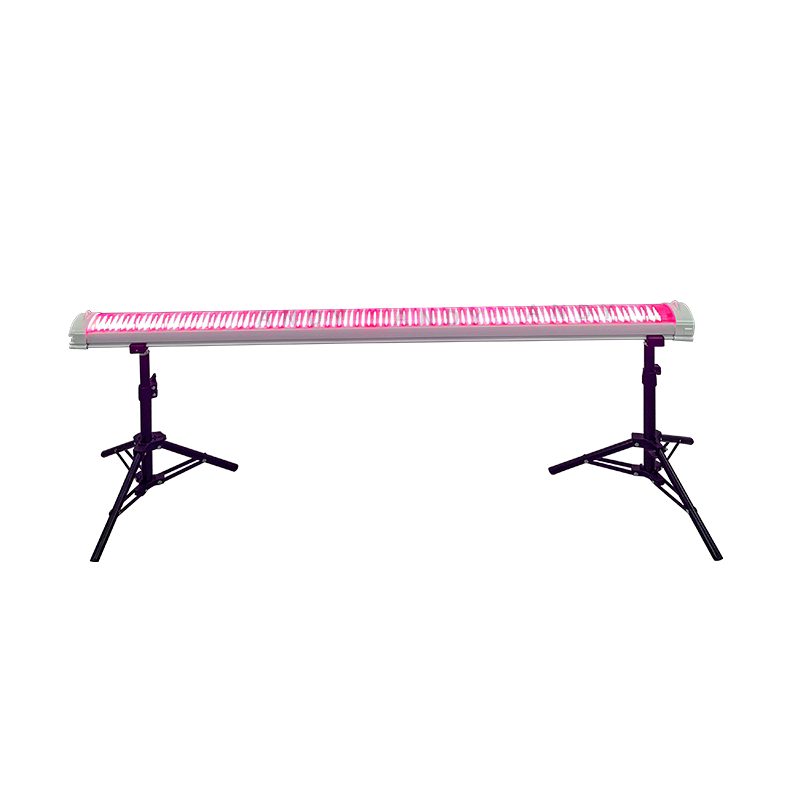
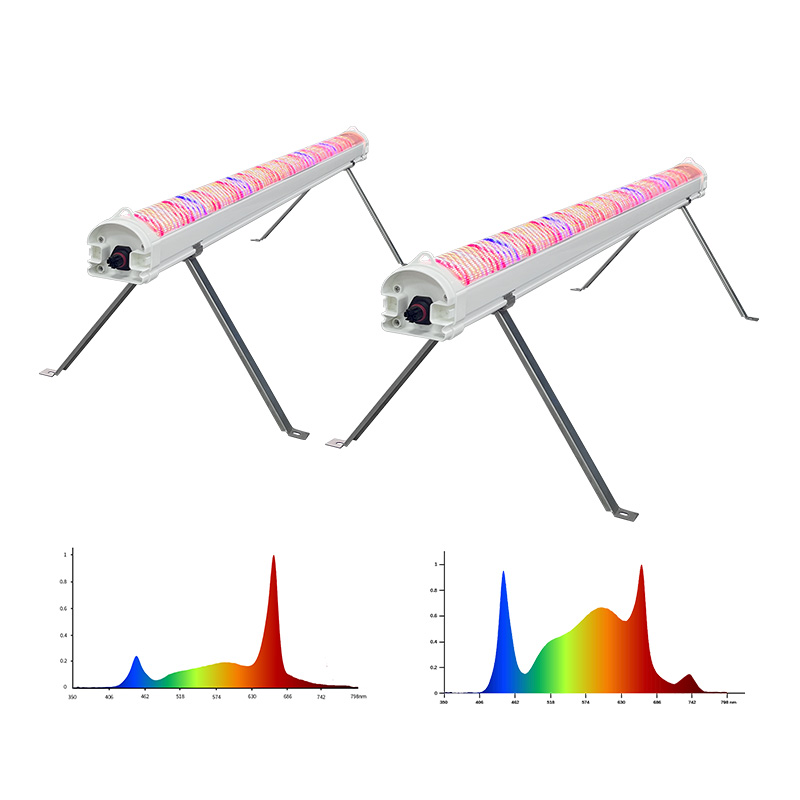
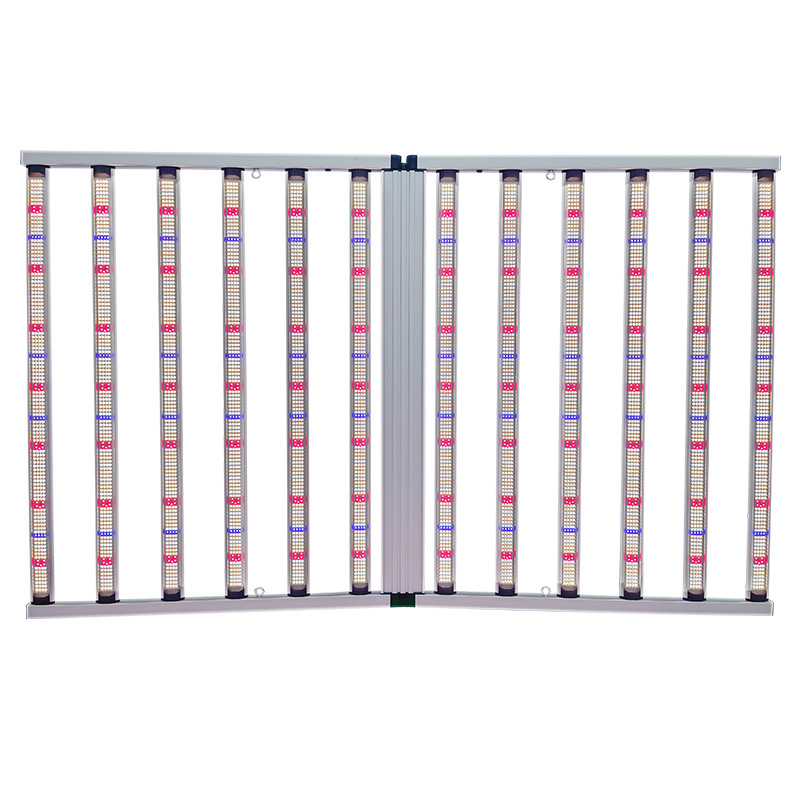
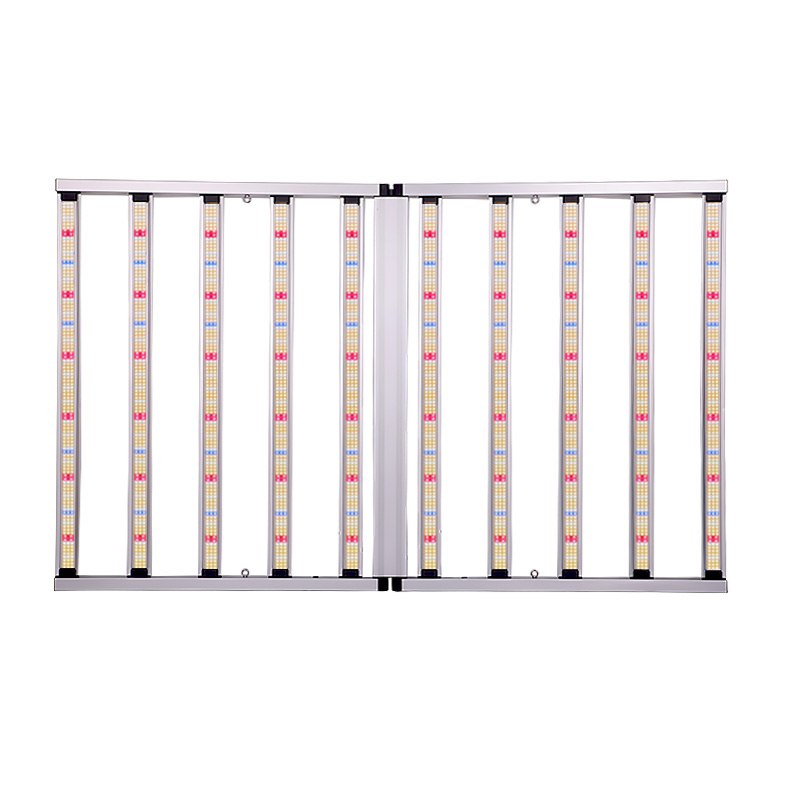
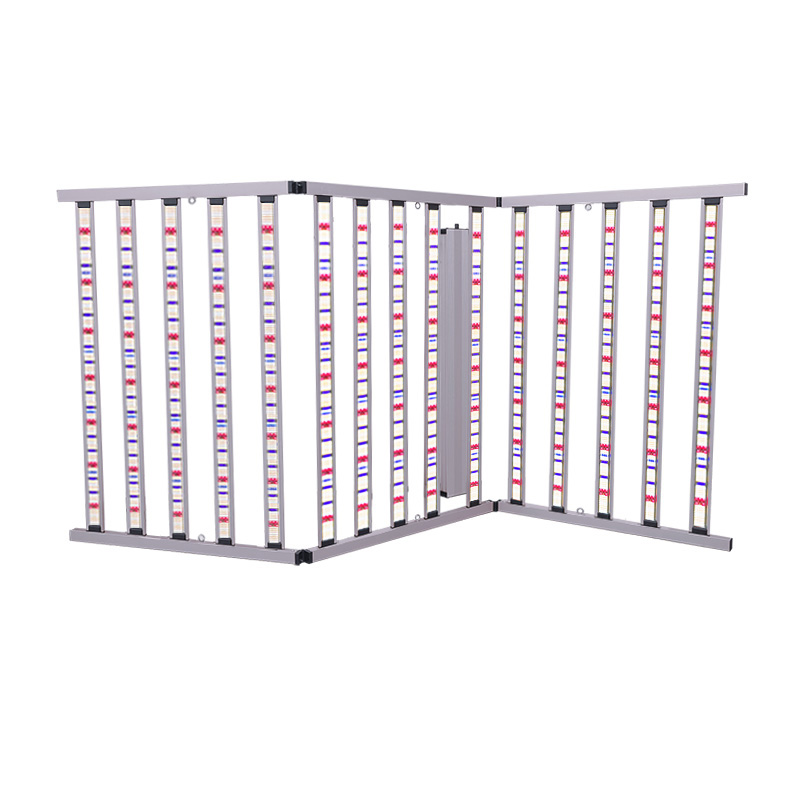
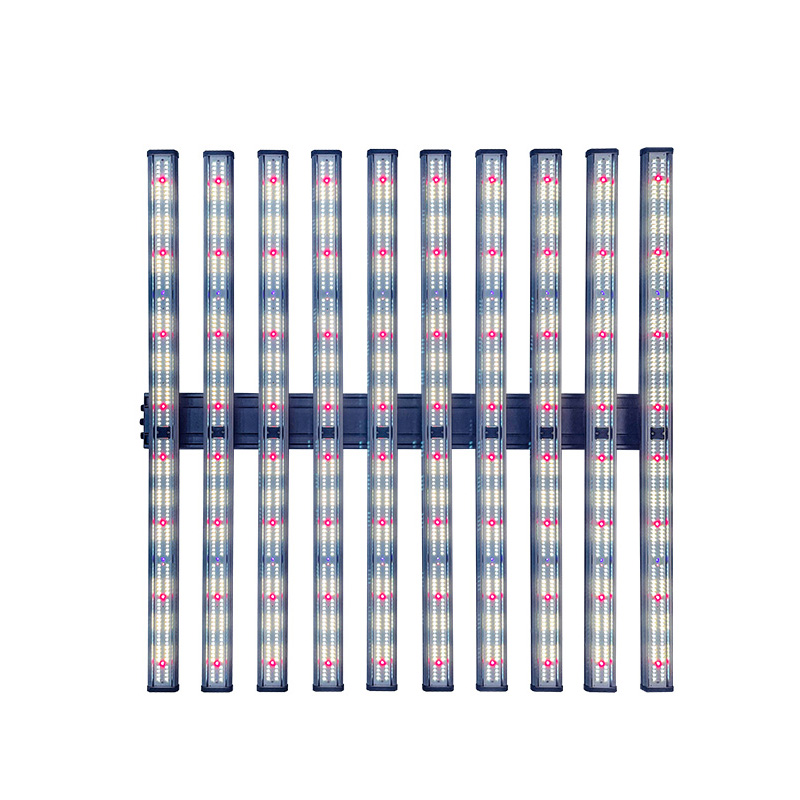
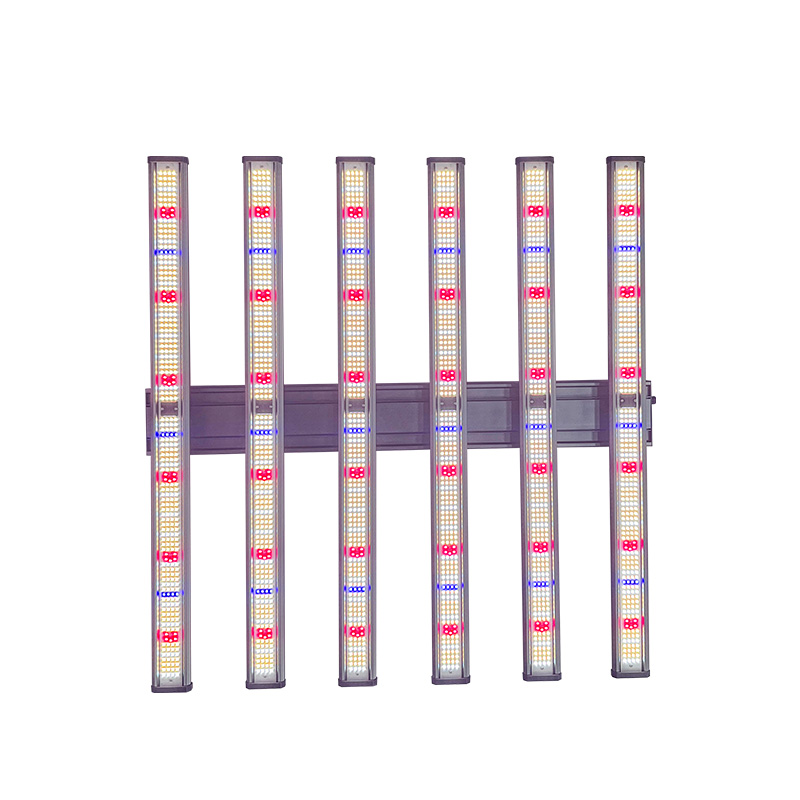
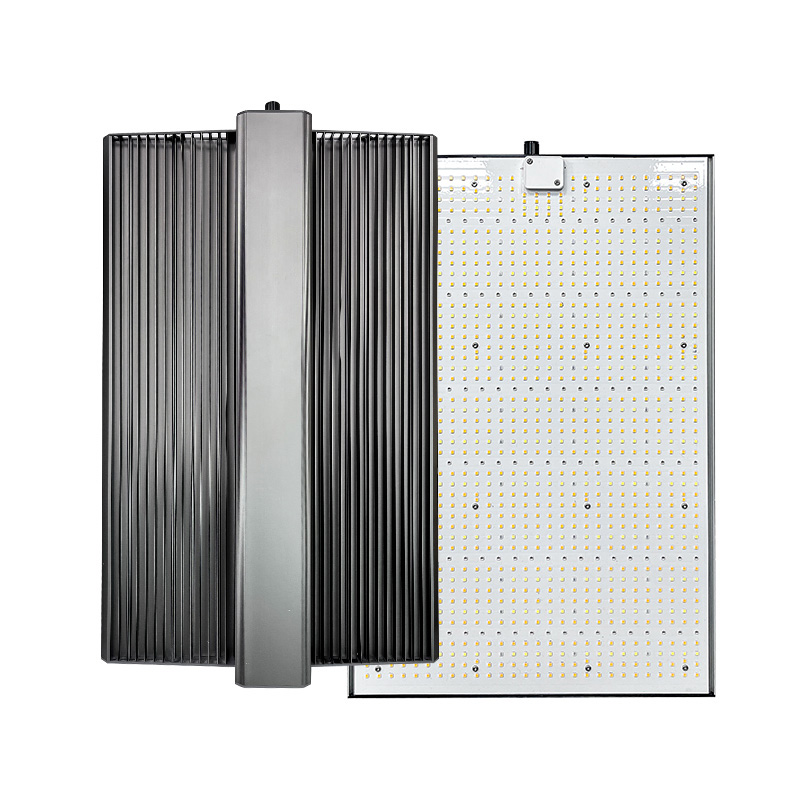
UV and IR must always count as extra variables. They cannot replace a steady baseline spectrum, even canopy coverage, or correct photoperiod management. A strong basic spectrum builds the main biomass. For this main layer, our 800W single-channel dimming LED grow light for 4×4(ft) setups offers a solid starting point. It is built as a single-channel multi-bar octopus-style detachable fixture. It does not include UV wavelengths. It uses a fanless pure aluminum body made to speed up heat release. The fixture gives a 120° beam angle and an optimized efficacy of 3.0 µmol/J. This setup delivers a dependable baseline yield of 4-5 lbs per light. It supplies the strong intensity foundation plants need before any extra stress factors are added.
Can UV Grow Light Exposure Increase Terpenes and Resin?
Why Might UV Trigger Protective Plant Responses?
Plants exposed to managed UV radiation develop natural ways to adjust. They produce pigments, flavonoids, and other secondary metabolites that work like built-in sunscreens. This simple biological process opens the door to higher chemical output. Still, growers cannot expect the same rise in every cultivar. The genetic limit for stress response changes sharply from one strain to another.
Does UV Light Increase Trichomes or Only Their Visibility?
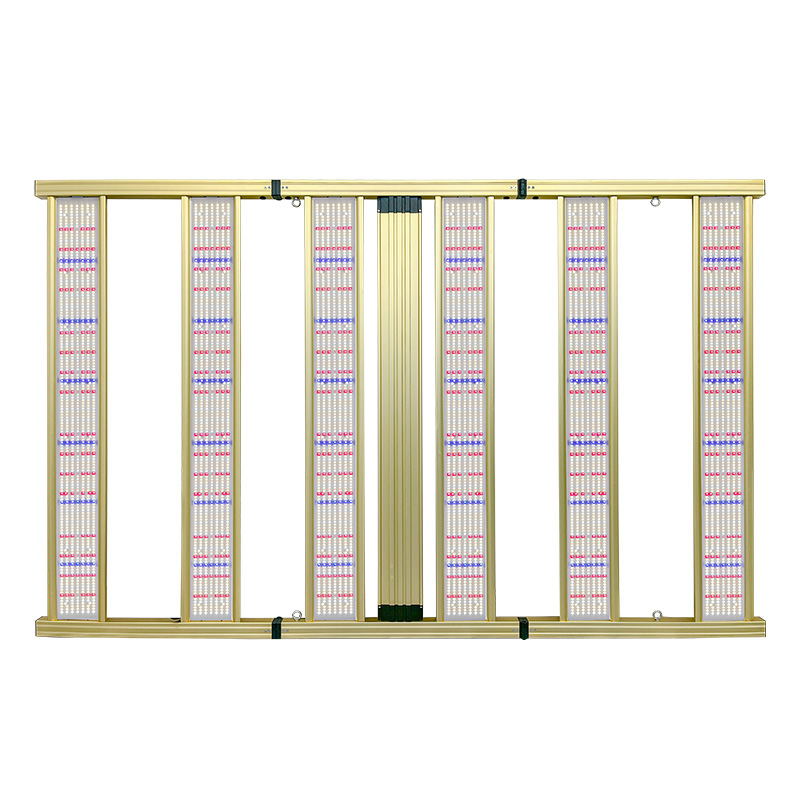
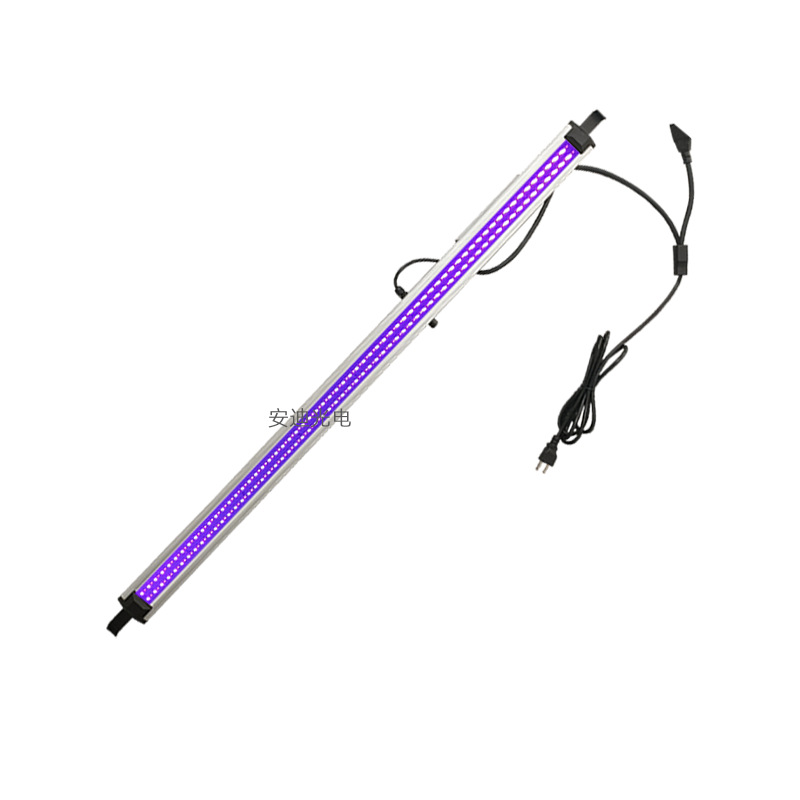
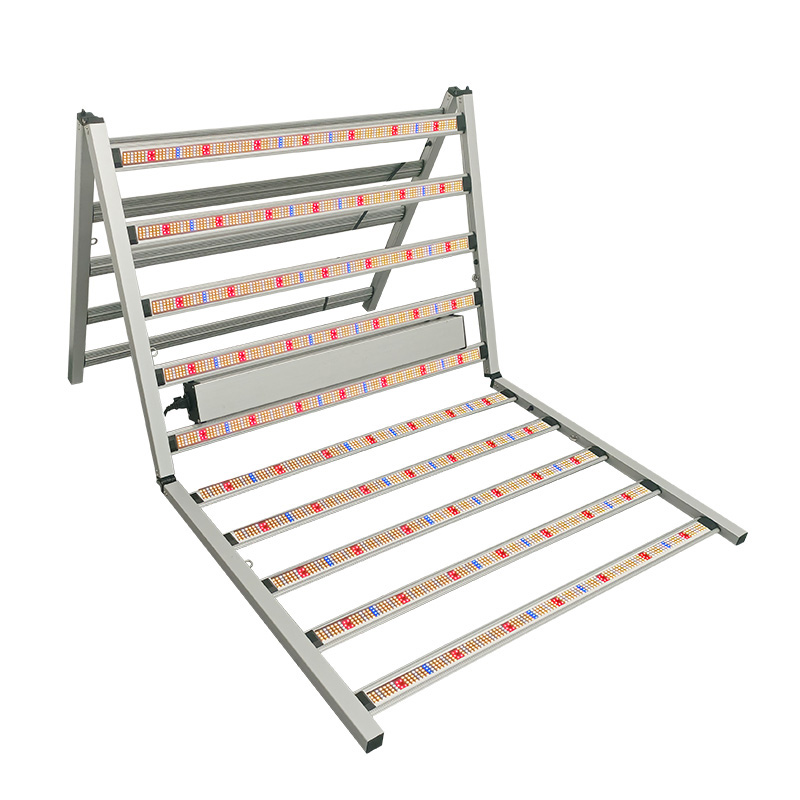
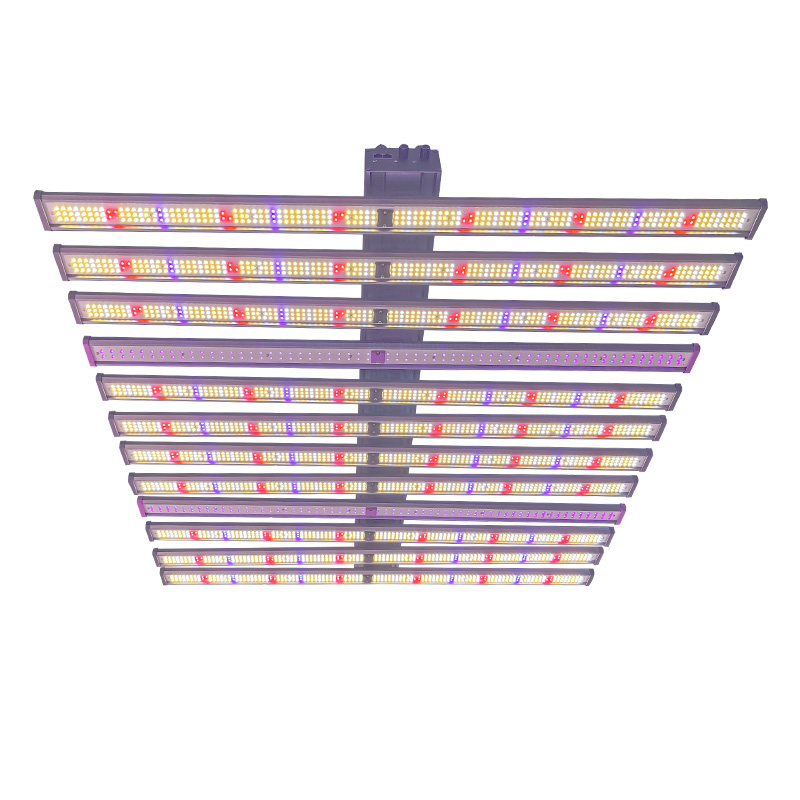
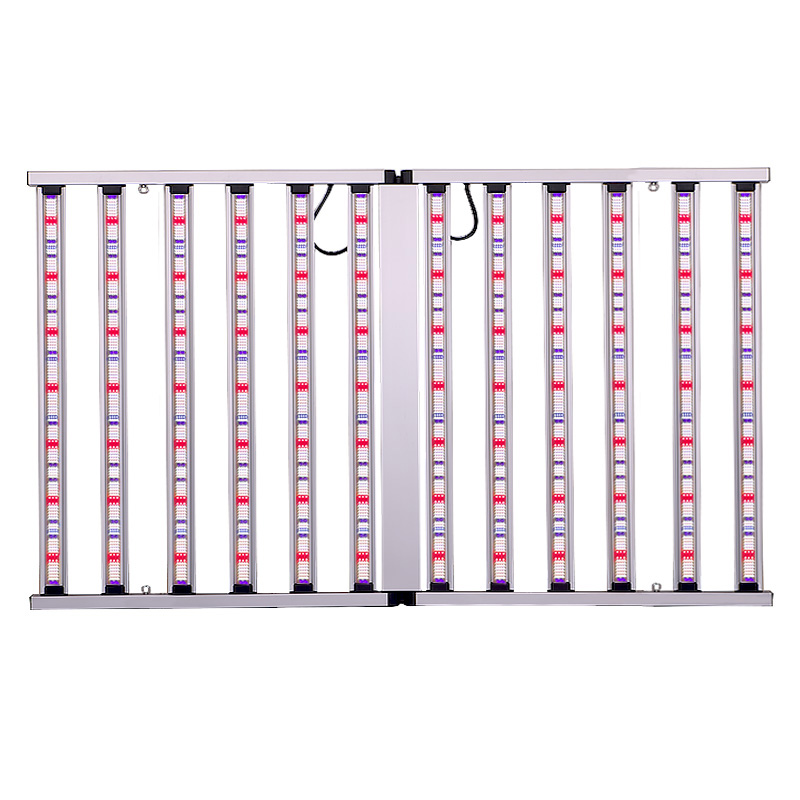
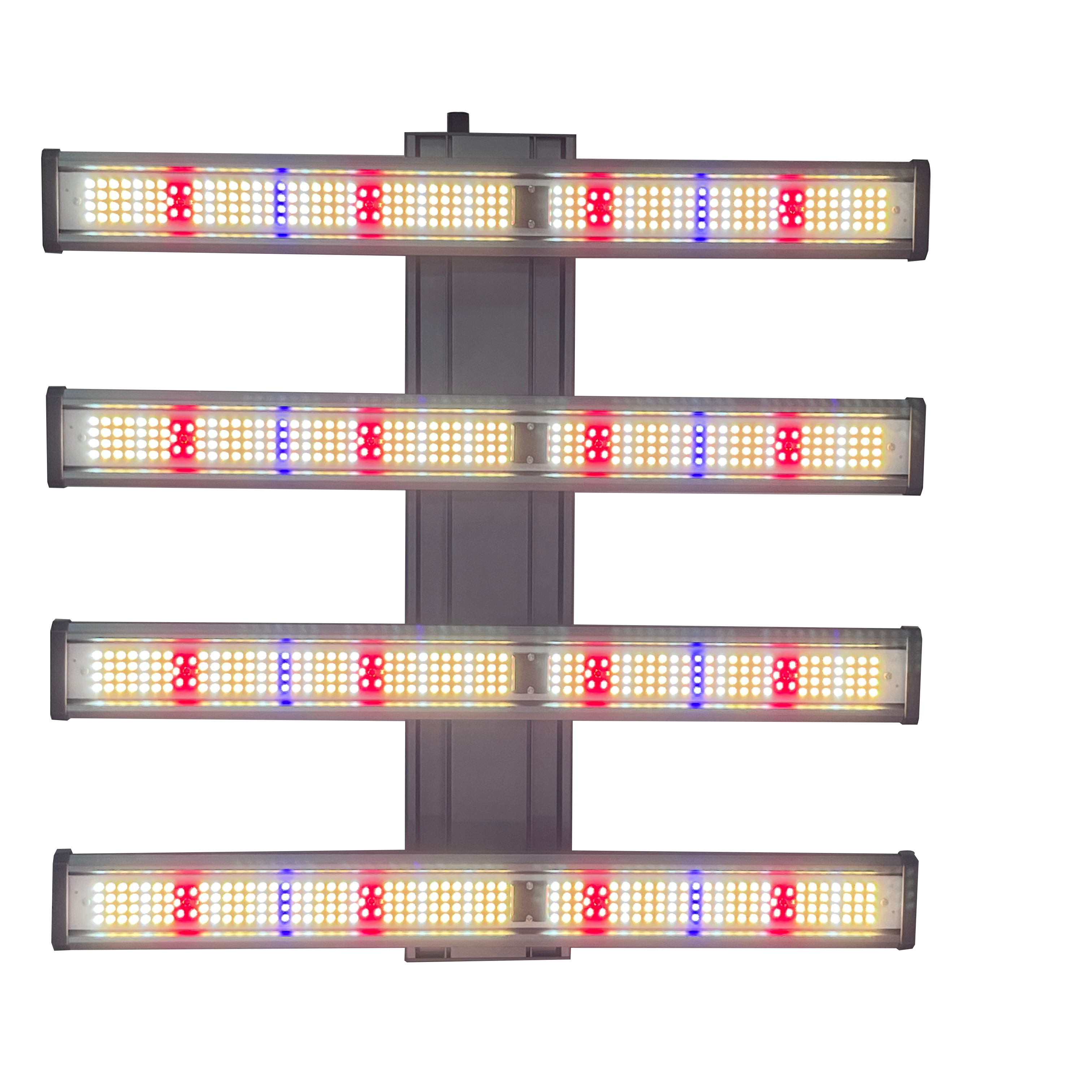
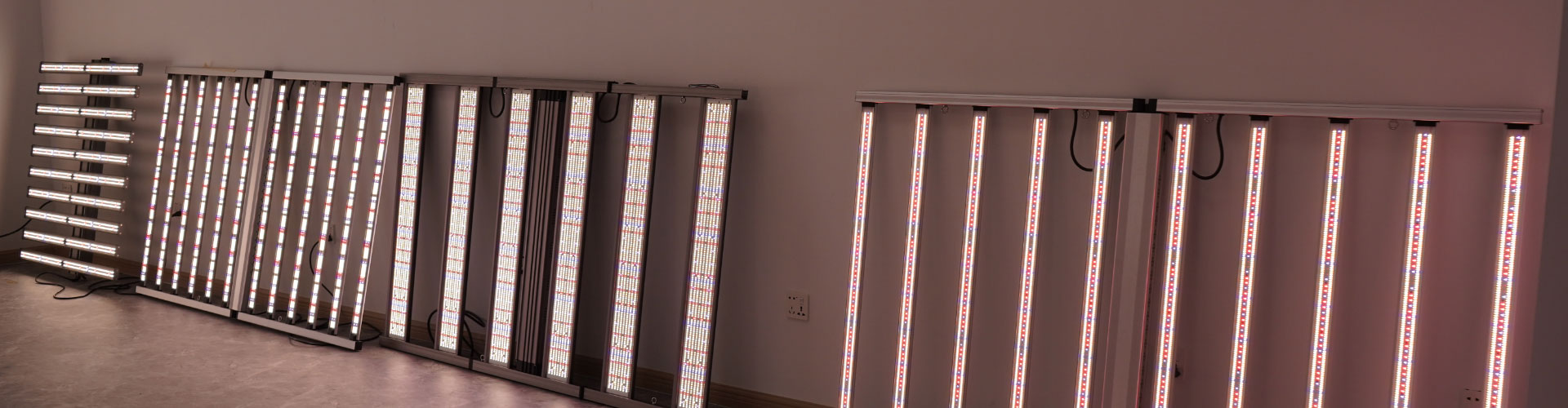
Growers must clearly separate different measurements. These include trichome density, trichome size, visible frost, resin mass, terpene concentration, and cannabinoid concentration. A canopy that looks frostier does not always mean higher aromatic compounds or stronger lab-tested potency. To handle this fine balance, we offer the 1000W+100W(UV) Foldable Grow Light Dual Channel Dimming 4*6(ft). This foldable octopus-style system uses premium Samsung-brand LEDs. Its dual-channel dimming gives growers full control over the base light and the separate UV channel. This lets them set exact stress levels needed to encourage real trichome growth without causing phototoxicity.
What Does Current Research Actually Support?
Recent horticultural studies show very different results. They prove that extra UV success depends fully on the starting environment. Clear review shows that positive tests on one cultivar cannot be applied as a general rule for every commercial setup.
How Does Far-Red or IR Grow Light Affect Flowering Quality?
How Does Far-Red Influence Phytochrome and Plant Structure?
Far-red radiation controls flowering signals, stem lengthening, leaf angle changes, and overall canopy shape. It changes the balance of active and inactive phytochromes. In this way, far-red pushes the plant to adjust its structural focus. It does not directly create resin inside the trichome heads.
Can Far-Red Indirectly Affect Terpene and Resin Production?
Far-red light can improve final yields in an indirect manner. It does this by raising light capture through larger leaf surfaces and by speeding up flower development. Yet any statements about its direct power to raise absolute terpene levels should be examined with scientific caution. Each case needs a separate evaluation.
When Does Far-Red Cause Excessive Stretch?
When used in large amounts, far-red supplementation causes serious internodal stretch. This produces a weak and uneven canopy that blocks light from reaching lower plant layers. Growers must weigh the gains from faster flowering signals against the dangers of weak structure and poorer light reach.
When Should UV and IR Grow Light Supplementation Be Used?
Vegetative Growth vs. Flowering Stage
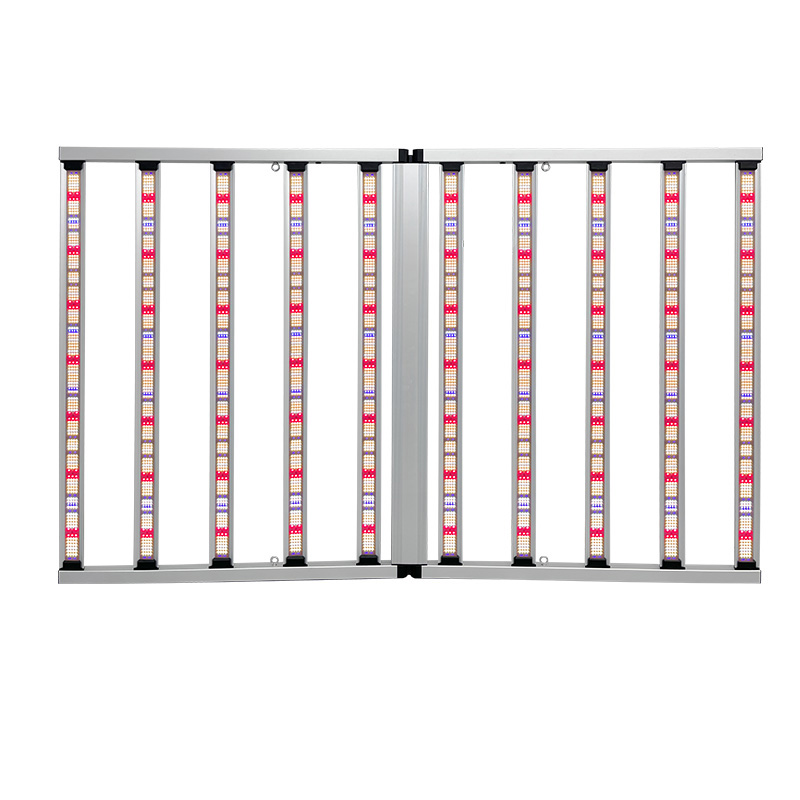
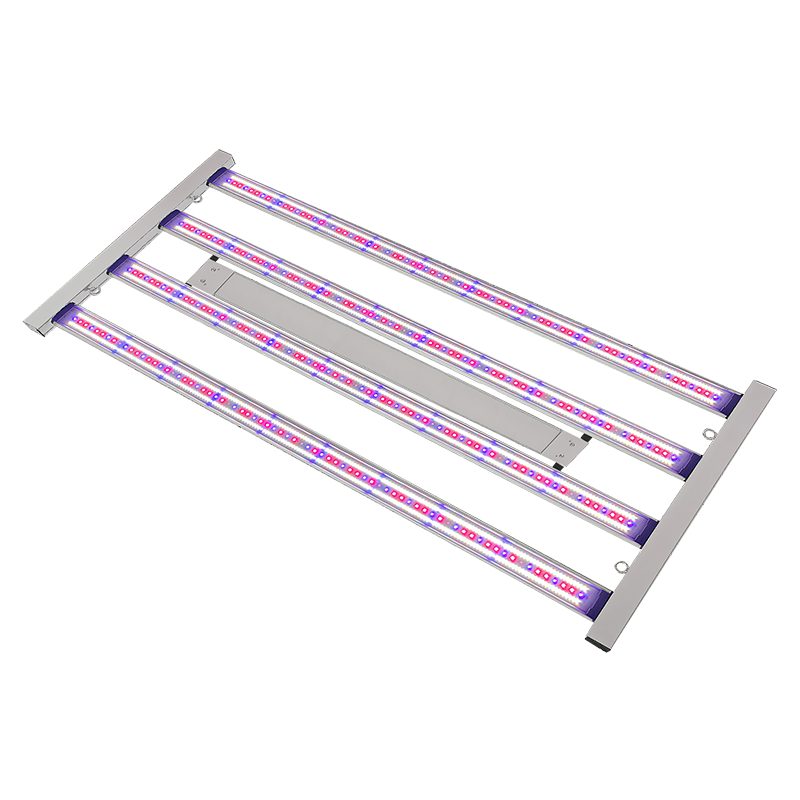
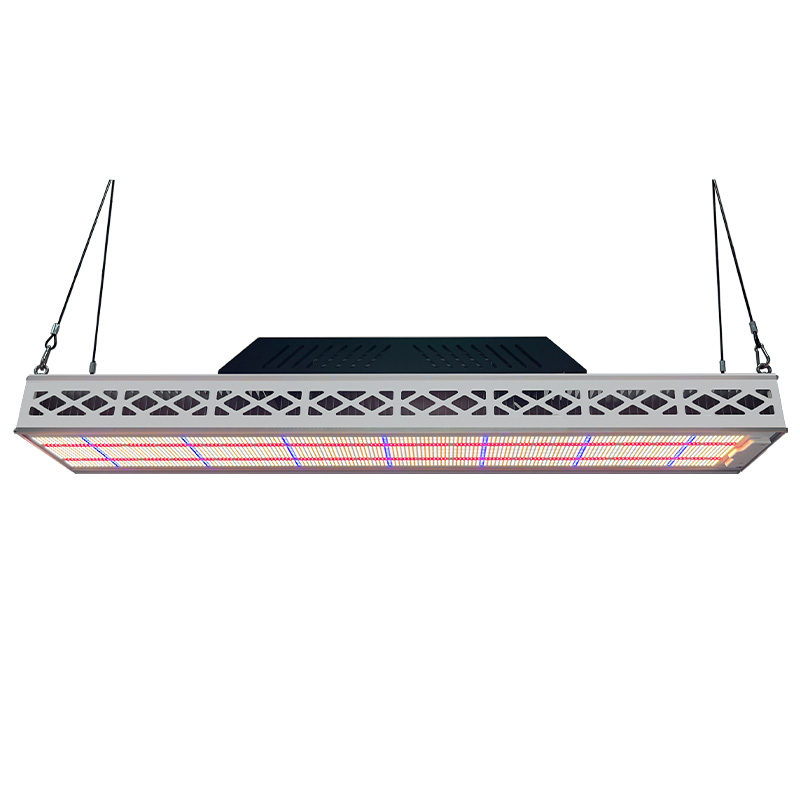
The purpose of these spectrums changes greatly according to the growth stage. The vegetative phase needs attention to strong structure and healthy canopy layout. In contrast, the flowering phase matches the grower’s main goal of raising resin and terpene output. During peak bloom cycles, our 1000W 4x6ft LED Grow Light-AD10-1000-2C2-180 performs very well. This high-power octopus-style fixture supplies the strong photosynthetic photon flux required in the middle to late flowering stages. It makes sure the heavy energy needs of flower swelling are completely satisfied.

Full-Photoperiod Use vs. Short Exposure Windows
Running supplemental spectrums all through the full photoperiod differs sharply from using brief targeted exposure periods. There are no standard time rules. The best exposure windows rely heavily on total fixture output, hanging height, and how well the cultivar handles stress.
How Should Growers Introduce Supplemental Light Gradually?
Commercial growers should always add supplemental channels step by step. They should start with the lowest exposure levels. At the same time, they must watch leaf shape, stretching speed, canopy temperature shifts, and early flower reactions before they increase the intensity.
What Can Go Wrong with UV and IR Grow Lights?
UV Stress, Leaf Damage, and Reduced Photosynthetic Performance
Too much UV radiation brings immediate dangers. These include chlorosis, breakdown of leaf tissue, and slowed growth. In the end, these problems weaken overall photosynthetic performance and cut the final crop value.
Heat, Stretch, and Uneven Canopy Development
Long-wave spectral additions can increase heat buildup and structural stretching. Without exact canopy height control, these elements create very uneven microclimates. They also lead to irregular crop development across the growing area.
How Can Growers Protect Eyes and Skin from UV Exposure?
Staff safety comes first in commercial facilities that use UV. Cultivators must turn off all UV channels completely before any workers enter the growing zones. The use of automatic control timers, protective shielding, and required UV-blocking eyewear plus long-sleeved clothing reduces health risks. It also creates a safe and compliant working space.
How Can You Tell Whether UV and IR Supplementation Is Working?
Compare a Treated Zone with a Control Zone
The only reliable way to confirm results is to run a careful side-by-side test. Keep every other factor exactly the same. These factors include cultivar genetics, base spectrum, nutrient schedules, temperature, and harvest timing. Change only the supplemental light variable.
Measure More Than Visible Resin
Look past simple visual frost. Commercial operators must record several measurements in a systematic way. These include plant stretch, total flower mass, trichome development stages, canopy temperature, aroma strength, and clear laboratory terpene results.
Adjust the Spectrum Based on Plant Response
Spectral plans must change according to confirmed logged data and laboratory reports. They should not depend on quick visual checks or standard untested recipes.
As a leading source manufacturer, ANDYLED runs one of the largest production facilities in Shenzhen. It features a fully integrated high-capacity production line that reaches from automated SMT surface mounting to final product assembly. The company holds large stocks of raw materials and the region’s biggest warehousing space. These strengths support high-volume output that can ship a full container in only 5 days. This manufacturing power lets us provide fast customization services matched exactly to the technical needs of large-scale commercial cultivation facilities around the world.
FAQ
Q: Can UV grow lights automatically increase terpene and resin production in indoor cultivation?
A: UV supplementation does not work as an automatic switch for chemical yield. It operates by starting plant defense mechanisms. These mechanisms encourage the creation of secondary metabolites to adjust to spectral stress. While it can improve the visual look of frost, the real rise in terpene levels depends strongly on the exact wavelengths, dosage, and cultivar genetics. These factors must be confirmed through laboratory testing.
Q: Is far-red light considered the same as infrared light in commercial facility setups?
A: They are not the same. Although the industry sometimes combines these terms under the general label of “IR,” far-red light (700–750 nm) focuses on plant photoreceptors. It controls photomorphogenic signaling, such as flowering triggers and leaf angles. True long-wave infrared light mainly produces thermal heat. It does not drive specific biological signaling pathways.
Q: What is the optimal growth stage to introduce supplemental UV and IR wavelengths?
A: The vegetative growth stage centers on building a solid canopy structure and plant framework. The flowering stage is the time when cultivators should add UV and IR to aim at resin and terpene production. It is better to begin with short exposure windows. Growers should watch flower mass and stem elongation instead of using full photoperiod exposure from the first day.


