
Most Energy Efficient Grow Lights: A Comprehensive Comparison
What makes grow lights energy efficient, and why does it matter for plant growth?
Energy efficiency in grow lights explained: watts, PPFD, and light output balance.
Energy efficiency in horticulture lighting now goes beyond simply checking the wattage listed on the box. True efficiency depends on how well a fixture changes electrical input into usable photons for photosynthesis. This balance between power consumption and Photosynthetic Photon Flux Density (PPFD) determines how well your plants absorb energy. The most energy-efficient grow lights improve this conversion rate. They ensure every watt drawn from the wall supports strong plant development instead of wasted heat.
Why energy-efficient grow lights reduce cost while improving plant performance
Running an indoor farm needs large amounts of electricity. By switching to highly efficient systems, commercial cultivators greatly lower their monthly electricity bills. More importantly, this drop in power consumption does not reduce yield. In fact, advanced, efficient fixtures provide more stable and focused light intensity. They promote faster growth cycles, healthier root development, and better crop performance overall.

The role of LED technology in modern indoor growing systems
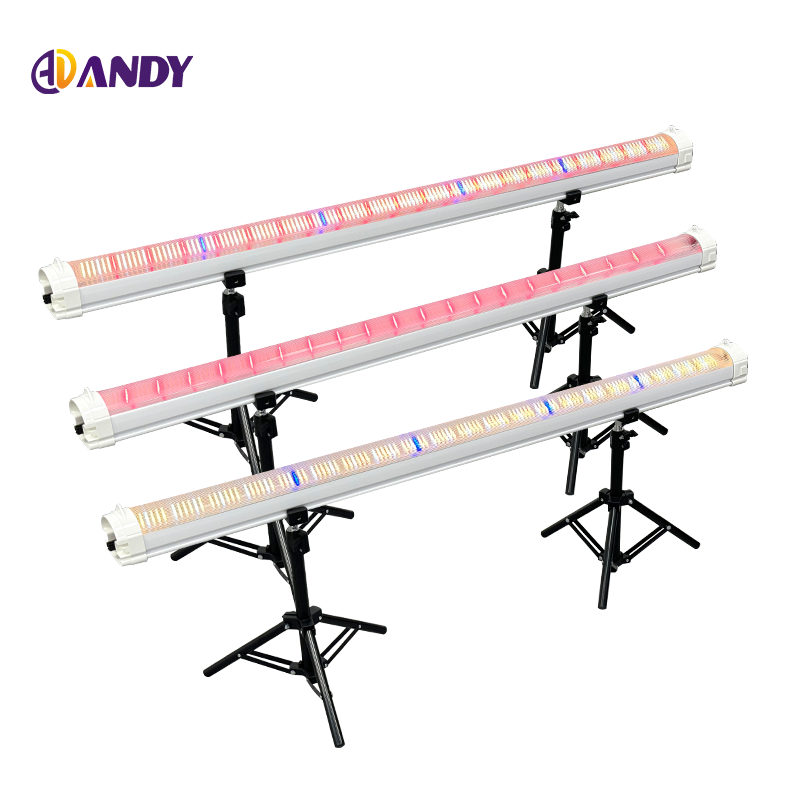
Modern indoor agriculture depends heavily on Light Emitting Diodes. Unlike older technologies that spread light and create too much heat, LEDs generate specific wavelengths directed exactly where plants need them. This precise targeting reduces energy waste. It also lets cultivators maintain optimal environmental controls with less dependence on large HVAC systems.
How LED grow lights became the standard for energy-efficient indoor cultivation
LED vs HID vs fluorescent: energy consumption and heat output differences
For decades, High-Intensity Discharge (HID) and fluorescent lamps led the industry. However, these systems lose a large share of their energy as ambient heat. LEDs changed cultivation by running much cooler. They convert electricity directly into light. This basic change removed the need for strong cooling equipment. It added to the energy savings for indoor farmers.
Why spectrum control improves both efficiency and plant growth quality
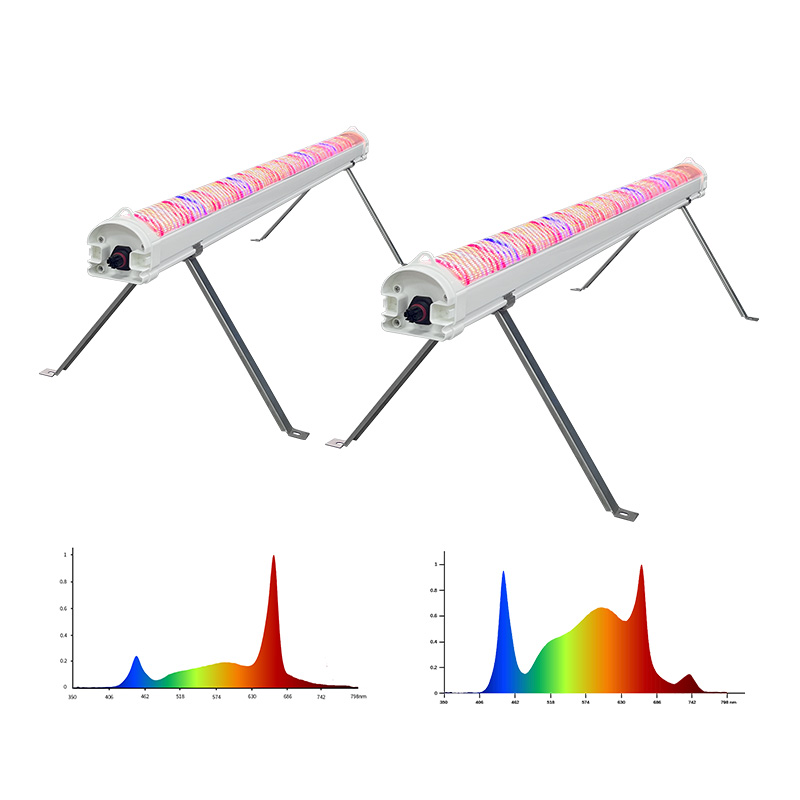
Efficiency is not only about brightness. It also involves supplying the right color of light. Advanced LED grow lights offer custom spectrums that match the exact absorption peaks of chlorophyll. By removing useless wavelengths, these fixtures save energy. At the same time, they improve plant shape, increase essential oil production, and support strong vegetative and flowering phases.
How LED lifespan impacts long-term growing system sustainability
A key part of efficiency is longevity. Traditional bulbs need frequent replacements. This causes downtime and added maintenance costs. High-quality LEDs keep their structure and light output for tens of thousands of hours. This long-term reliability ensures the initial energy-efficient performance stays consistent through many harvests.
What defines the most energy-efficient grow lights in real applications?
Light efficiency metrics: µmol/J, PPFD, and usable plant light output
In commercial applications, efficiency is measured strictly in micromoles per joule (µmol/J). A top-tier fixture today should reach a standard rating of 3.0 µmol/J. At this performance level, growers can expect a solid yield of 4-5 lbs per light. This metric shows that the system delivers maximum usable light to the canopy. It also keeps operational costs very low.
Why uniform light distribution improves efficiency in indoor plant growth
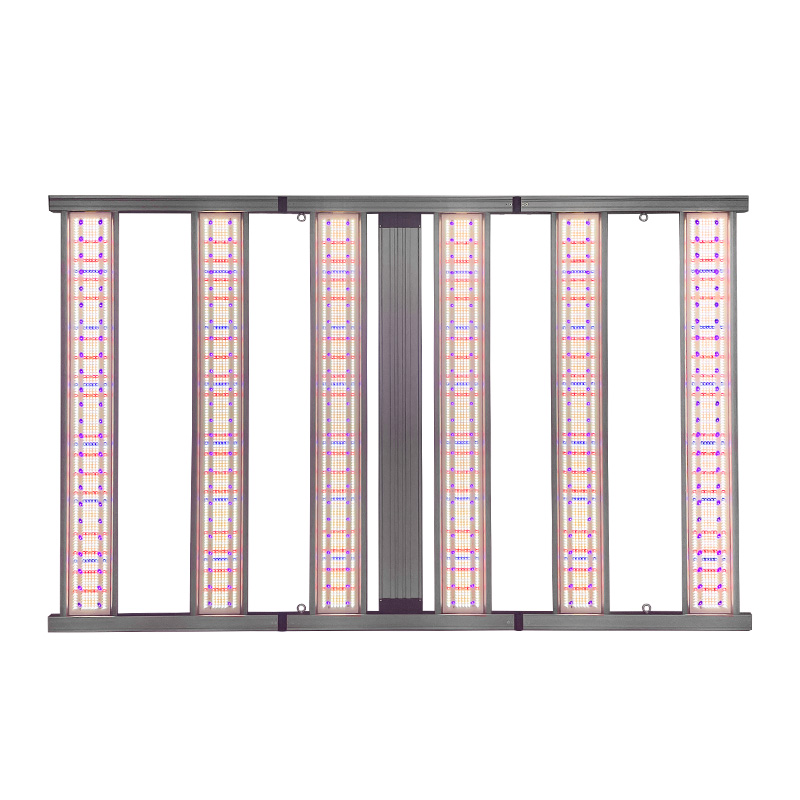
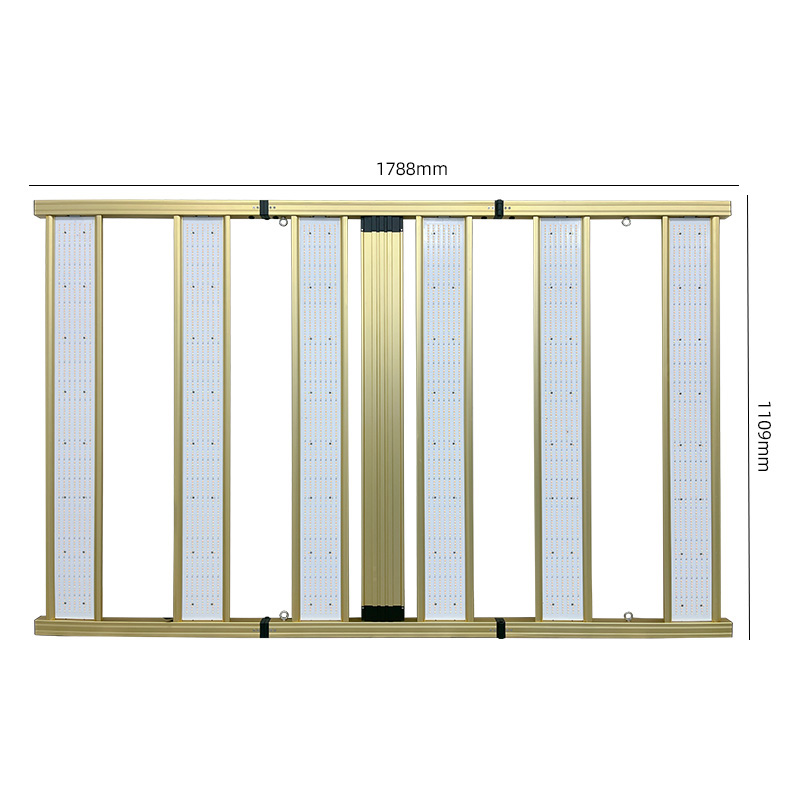
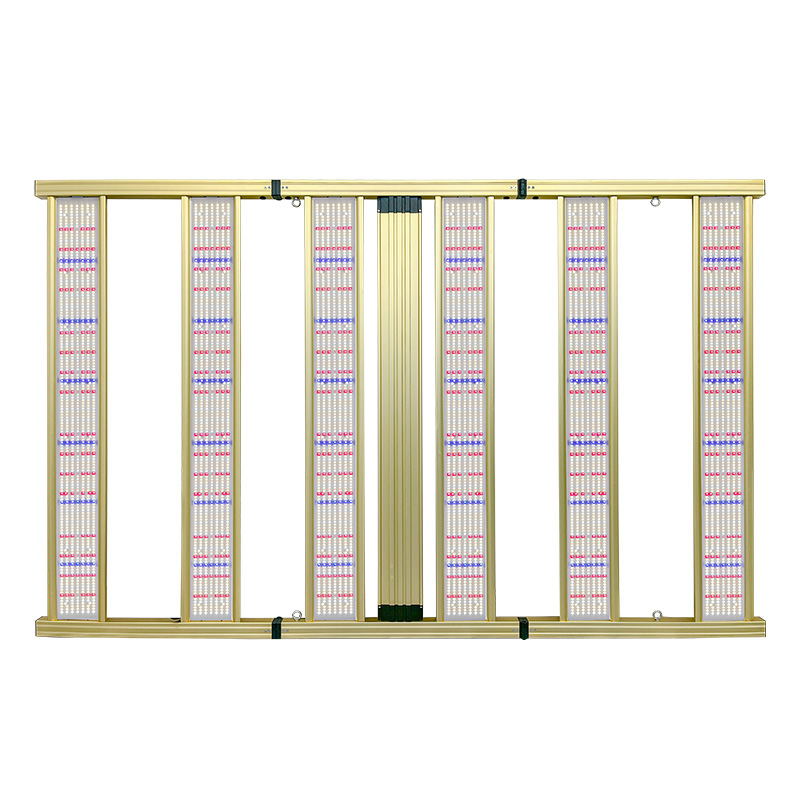
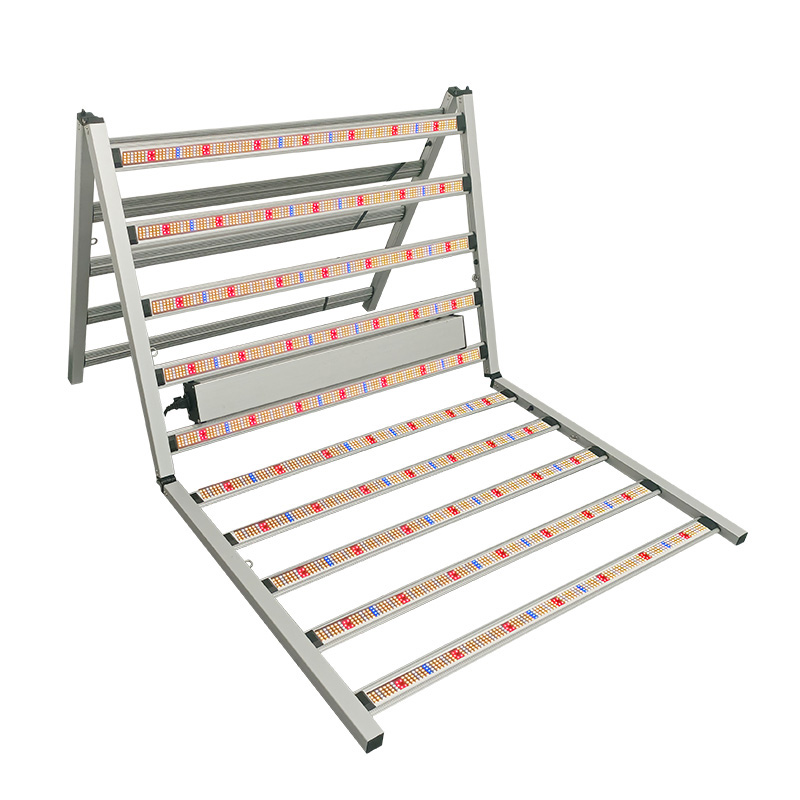
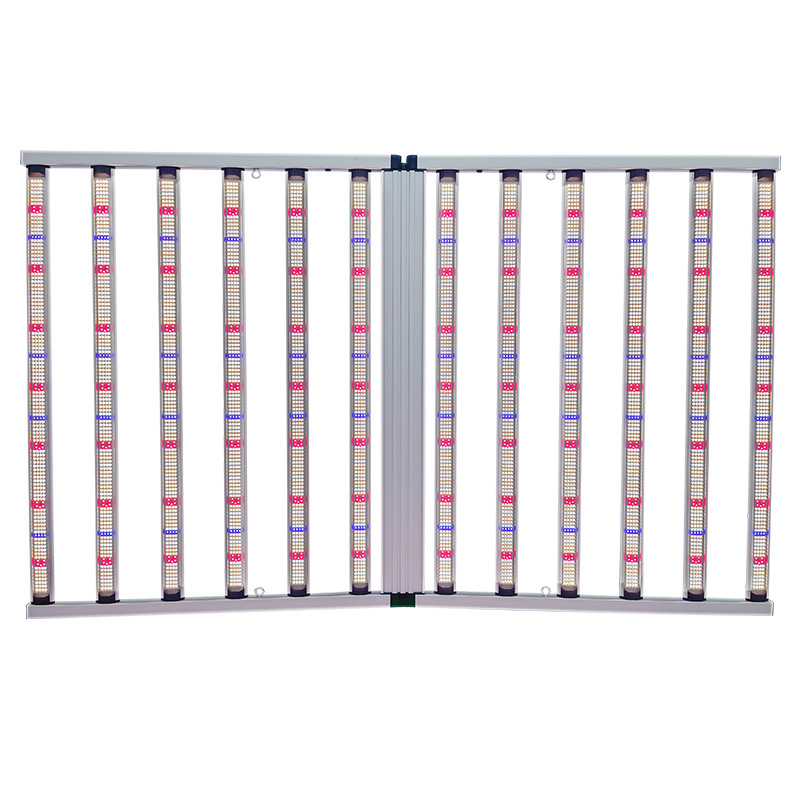
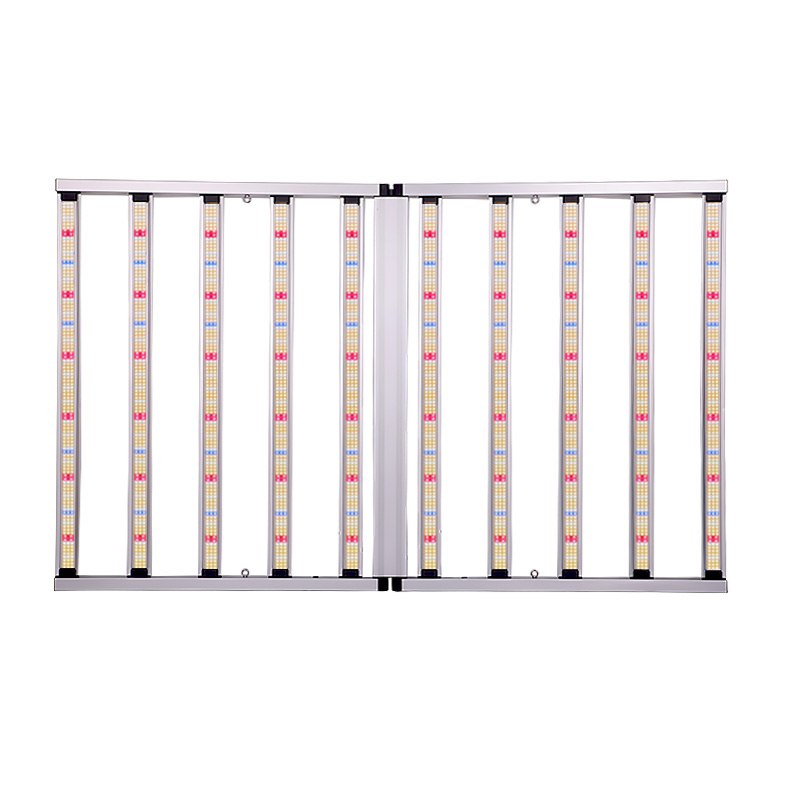
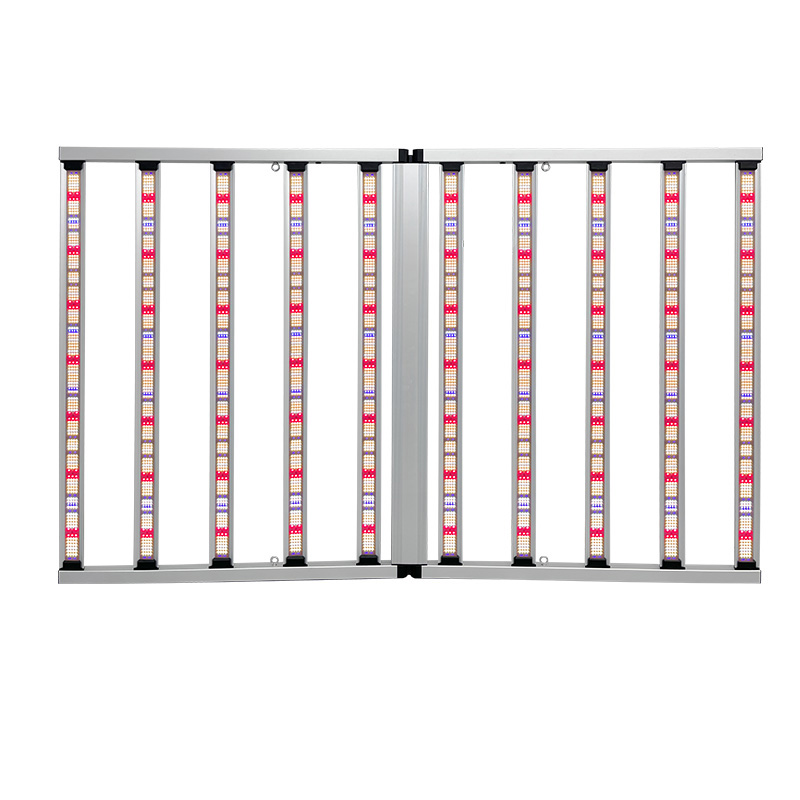
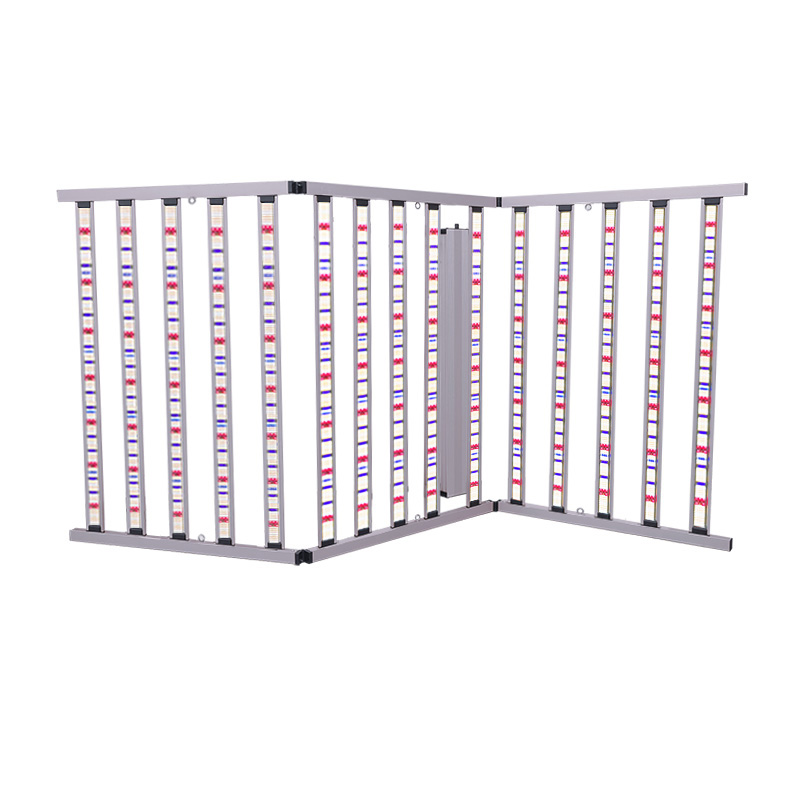
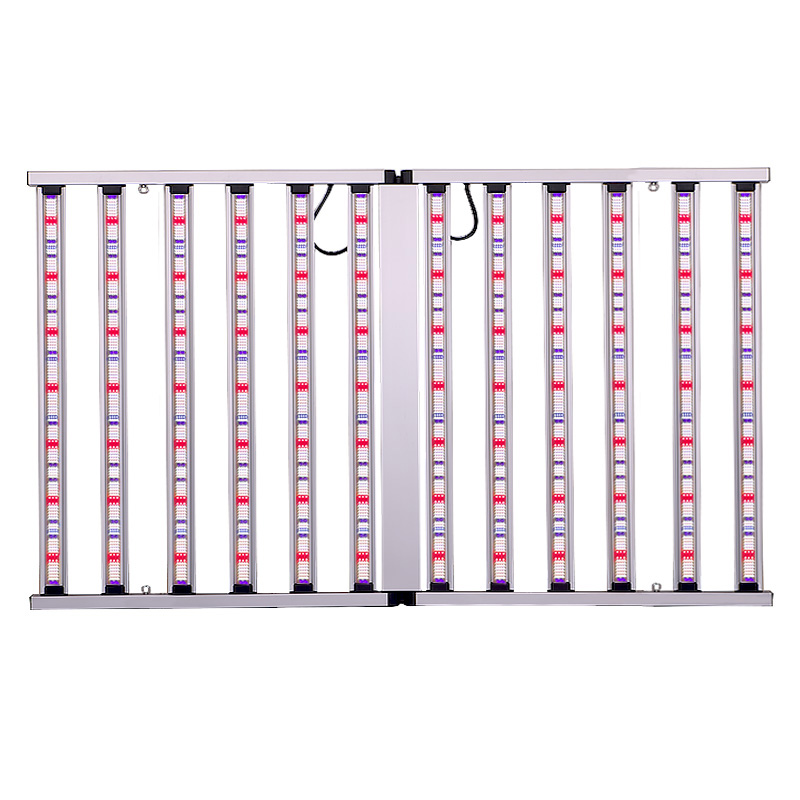
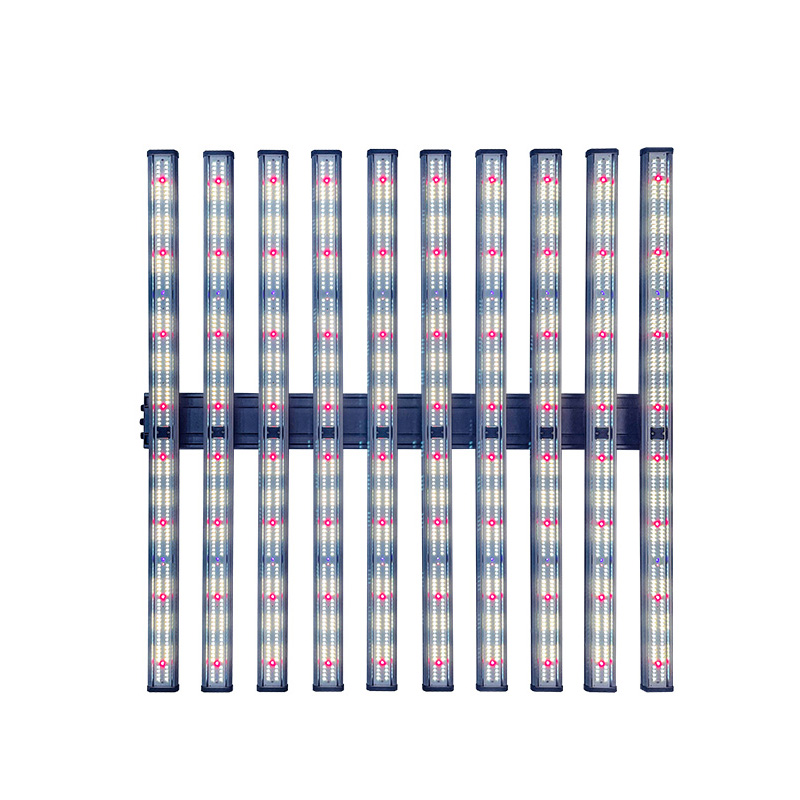
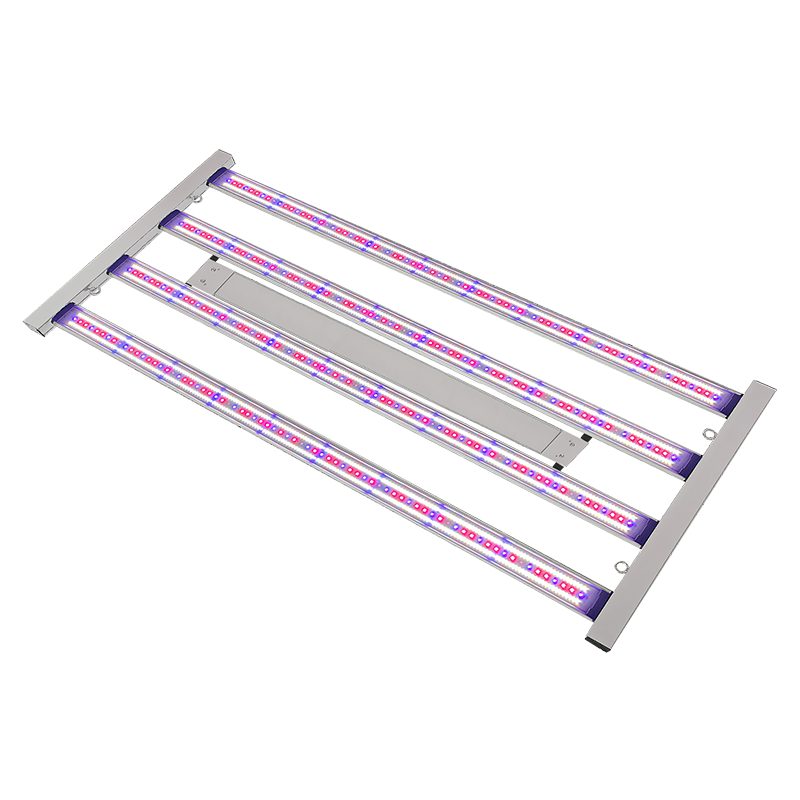
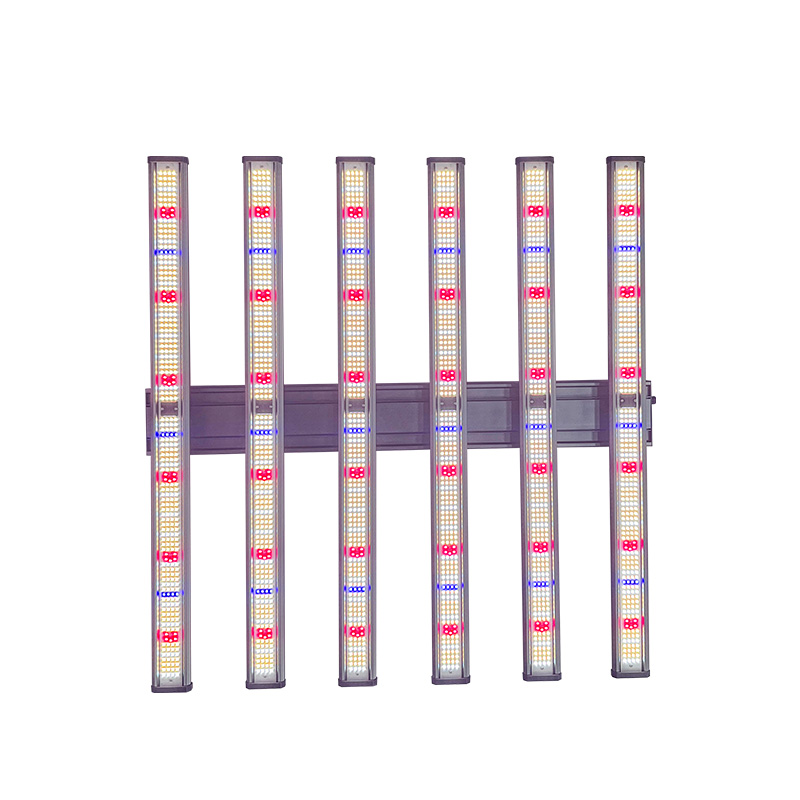
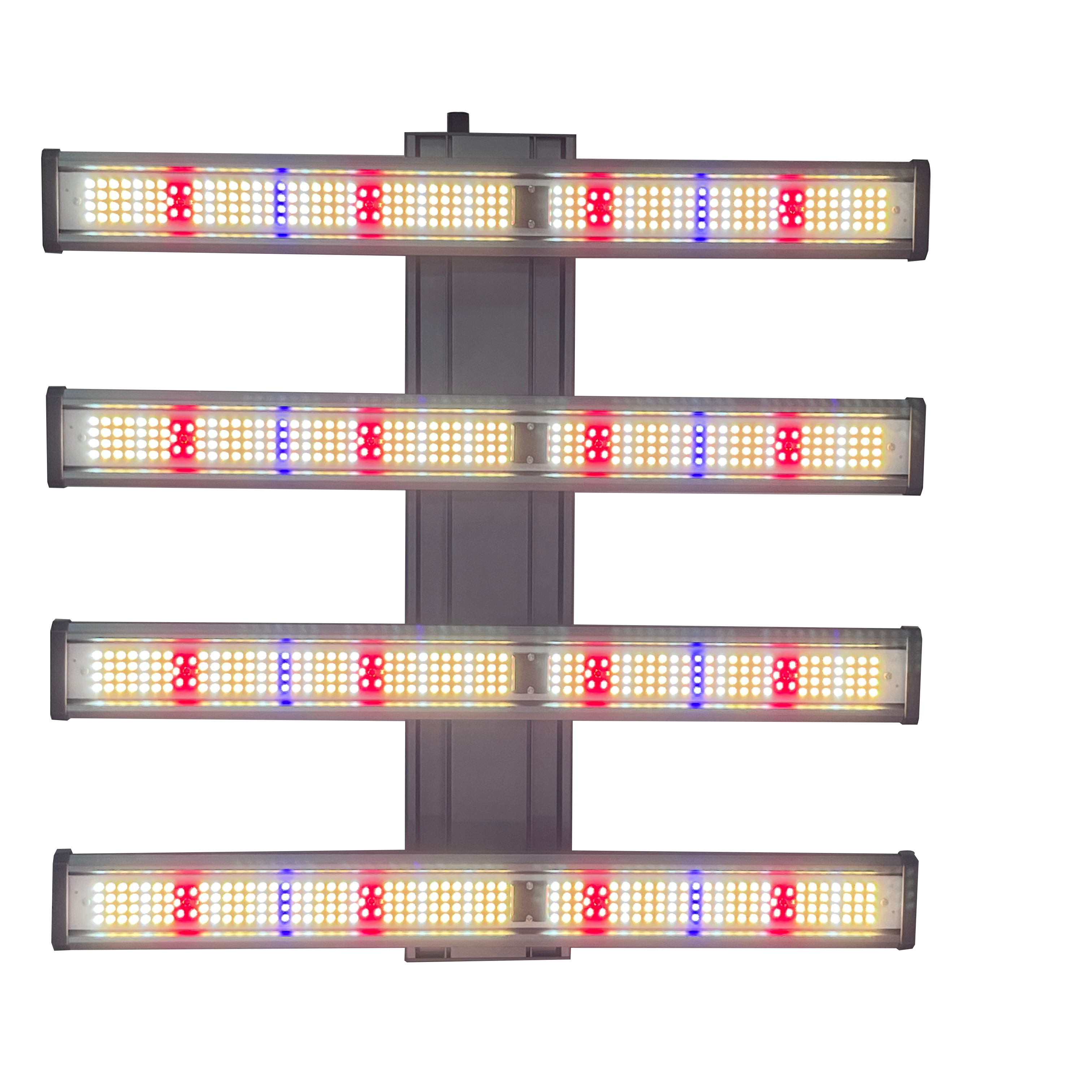
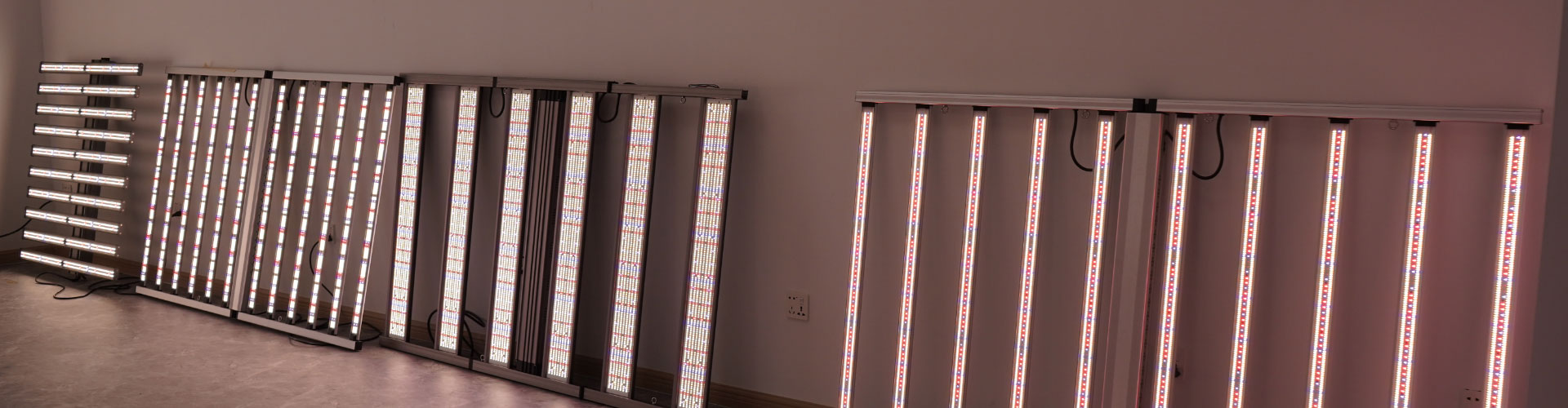
To reach true efficiency, light must spread evenly. This is where the octopus style, specifically foldable and detachable bar designs, performs well. These fixtures make sure edge plants receive the same intensity as those in the center. Combined with a wide 120° beam angle, these systems reach deep into the canopy. They remove dark spots and support uniform crop growth across the entire facility.
The relationship between heat management and energy consumption
Heat works against electronic efficiency. Premium grow lights are built from solid aluminum to speed up passive heat dissipation. To keep consistent and safe operation without outside interference, the power supply is built directly into the fixture. This smooth design prevents overheating. It allows the diodes to run efficiently even during extended light cycles.
How to compare energy-efficient grow lights for different growing environments
Small indoor grow setups vs commercial horticulture systems
At ANDYLED, we understand the different needs of modern cultivators. We take pride in having the highest production capacity and the largest warehouse in Shenzhen. Our large workshop includes a fully integrated production line from SMT (Surface Mount Technology) to final binding. With plenty of raw materials in stock, we provide fast customization. We can ship a full container in just 5 days. Whether you are equipping a small indoor setup or a large commercial facility, a dependable manufacturing partner helps you receive the most efficient infrastructure on schedule.
How plant growth stages influence lighting efficiency requirements.
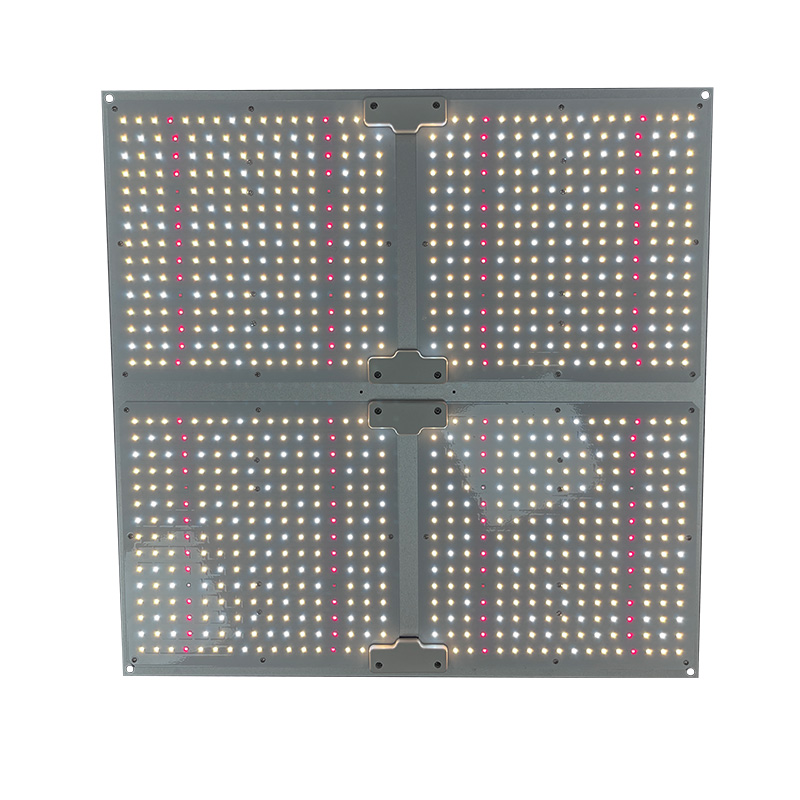
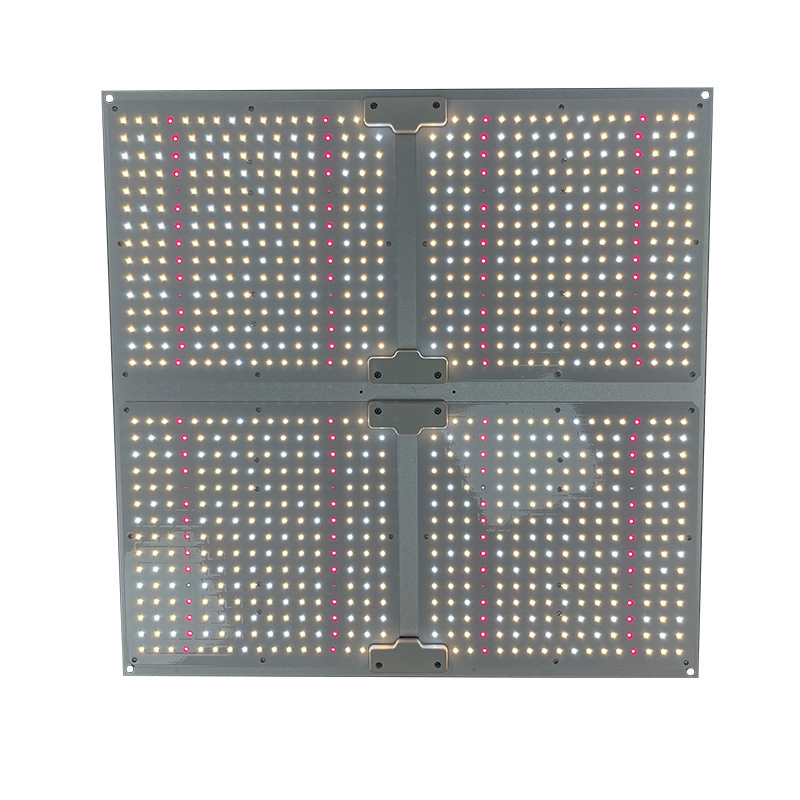
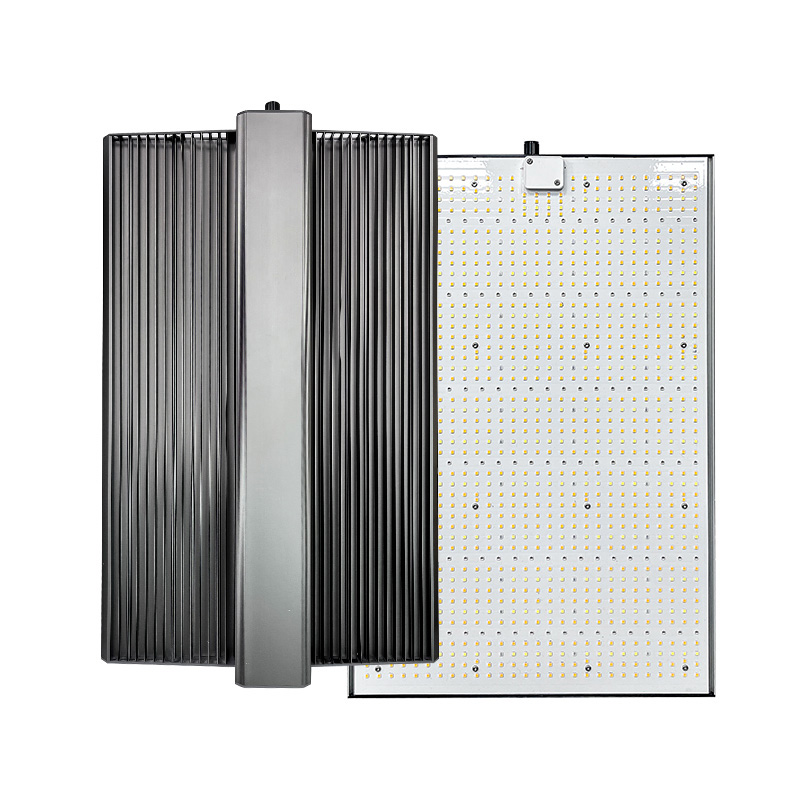
Different growth stages need different intensities. For standard vegetative and flowering cycles in a medium space, our 800W single-channel dimming LED grow light for 4×4(ft) setups delivers excellent energy-efficient coverage. Because it is a single-channel system, it focuses only on core PAR wavelengths without UV. This makes it a highly efficient option for rapid biomass accumulation.
Choosing the right spectrum for vegetables, herbs, and flowering plants
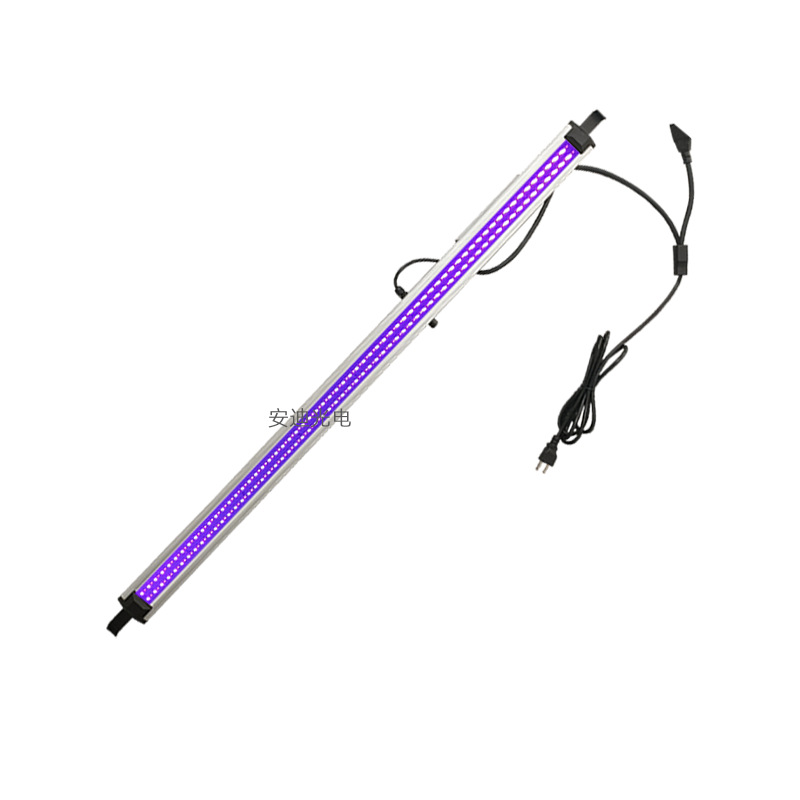
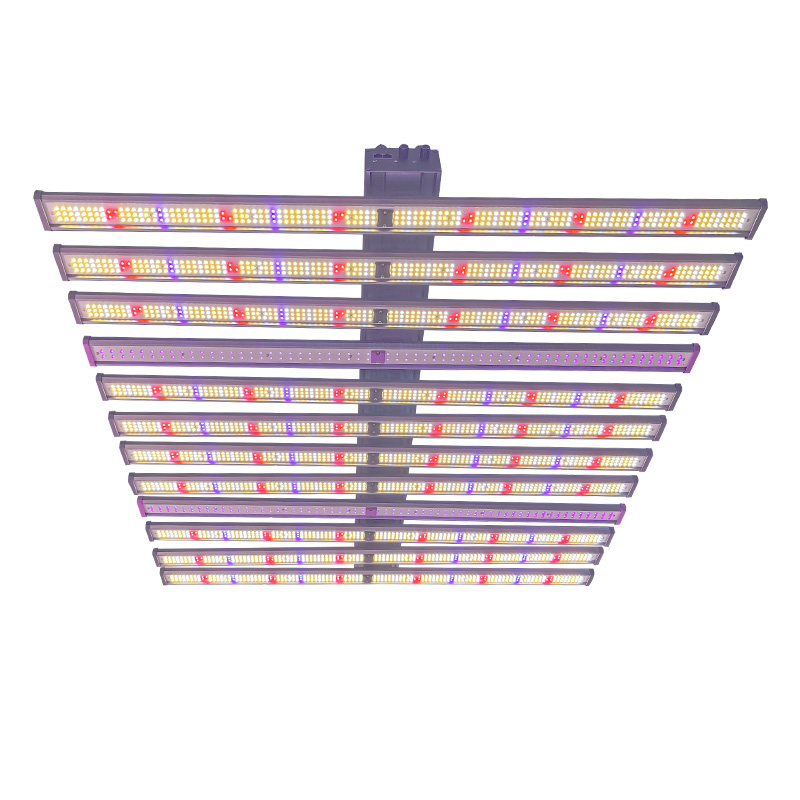
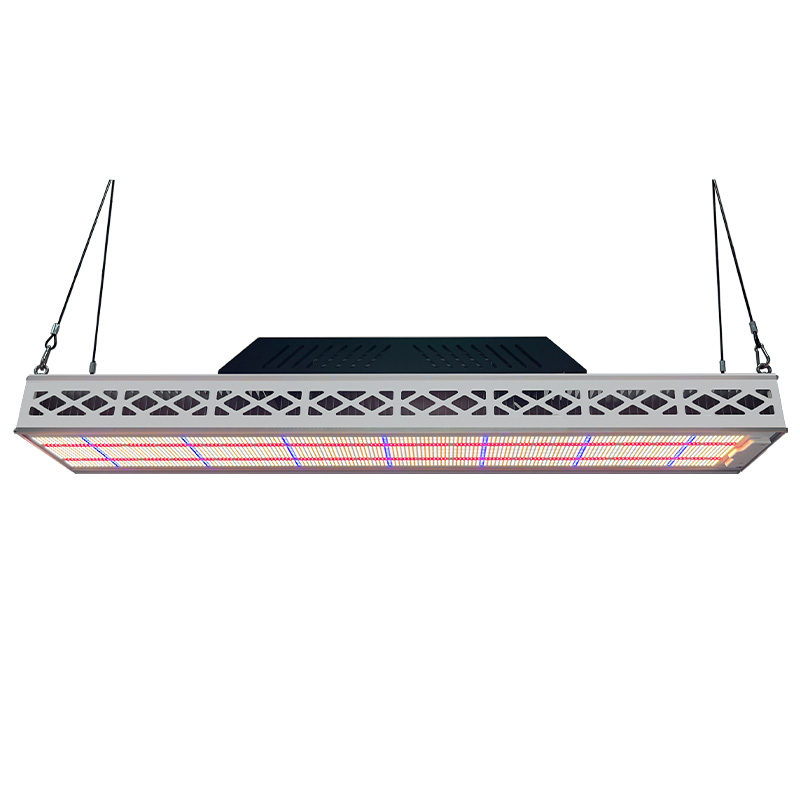
When expanding to larger canopies, the Efficient 1000W LED Grow Light with Adjustable Brightness for 4×6 (ft) supplies large, evenly distributed power. For cultivators who want to improve the color and flavor of their flowering crops, the 1000W+100W(UV) Foldable Grow Light Dual Channel Dimming 4*6(ft) offers the best solution. This lets growers add precise UV light during late flowering. Across all our lines, we use only premium Samsung LEDs to ensure outstanding efficiency and reliability.
Common mistakes that reduce grow light efficiency (and how to avoid them)
Incorrect hanging height and uneven light coverage issues
Hanging a fixture too high wastes photons on the walls. Hanging it too low causes light burn and uneven growth. Cultivators must follow the manufacturer’s recommended hanging distance. This maximizes the 120° beam angle and ensures every photon reaches the leaf surface.

Overpowering vs underpowering lighting systems in indoor gardens
Giving too much light to young plants wastes electricity and creates stress. Underpowering limits yield potential. Fixtures with adjustable dimming let growers match light intensity precisely to the plant’s needs at any stage of the cycle.
Ignoring PPFD mapping and real canopy-level light distribution
Focusing only on the center point of a light footprint is a costly mistake. Cultivators should study the complete PPFD map. Fixtures with a balanced bar-style layout deliver the needed edge-to-edge uniformity. This ensures no energy is wasted on poorly lit plants around the edges.
Future trends in energy-efficient grow lights and horticulture lighting technology
Smart LED systems and automated light scheduling optimization
The future of energy efficiency lies in automation. Smart controllers that adjust light intensity based on ambient daylight, temperature, and specific crop recipes are becoming standard. These tools further reduce unnecessary power consumption.
Higher efficiency chips and next-generation horticulture LEDs
As diode technology advances, the limit of µmol/J keeps moving higher. The continued effort for better efficacy means future fixtures will supply even more light while using a smaller share of the current electrical load.
Sustainable indoor farming and energy reduction strategies
Sustainability is now essential. Large-scale farms are combining highly efficient lighting with renewable energy sources. Through our large raw material reserves and fast customization abilities, ANDYLED continues to create adaptable fixtures. These fixtures meet the strict energy reduction goals of modern agricultural enterprises.
FAQ
Q: Do energy-efficient LED grow lights produce less heat than traditional indoor lighting?
A: Yes. High-quality LED fixtures are built with solid aluminum that speeds up heat dissipation. Unlike older traditional bulbs, LEDs convert most of their energy into light rather than ambient heat. This greatly reduces the need for heavy air conditioning in your grow room.
Q: How much yield can I expect from a highly efficient indoor LED grow light?
A: When utilizing a top-tier, efficient fixture with a 3.0 µmol/J rating and a wide 120° beam angle, growers can reliably expect an average yield of 4-5 lbs per light. This holds when environmental conditions and plant genetics are optimized.
Q: What is the best beam angle for an energy-efficient grow light to cover the canopy?
A: A 120° beam angle is highly recommended. It provides wide, uniform light distribution across the entire canopy. This ensures that even the plants on the edges receive sufficient PPFD without wasting energy on the walls.
Q: Does adding UV to energy-efficient grow lights increase power consumption significantly?
A: Introducing UV does require dedicated wattage, such as a 100W UV channel added to a 1000W main light. However, because UV is typically only activated during the late flowering stage to enhance color and flavor, it remains a highly efficient way to boost crop quality. It avoids running a large continuous power draw throughout the entire grow cycle.


