
-
Wide Version Grow Light
Wide Version Grow Light
-
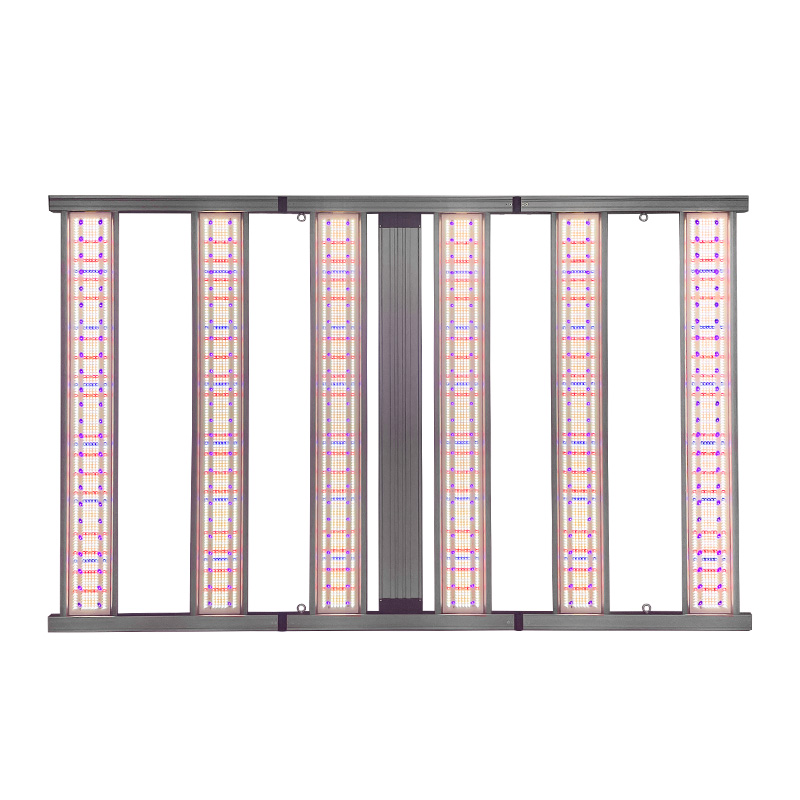
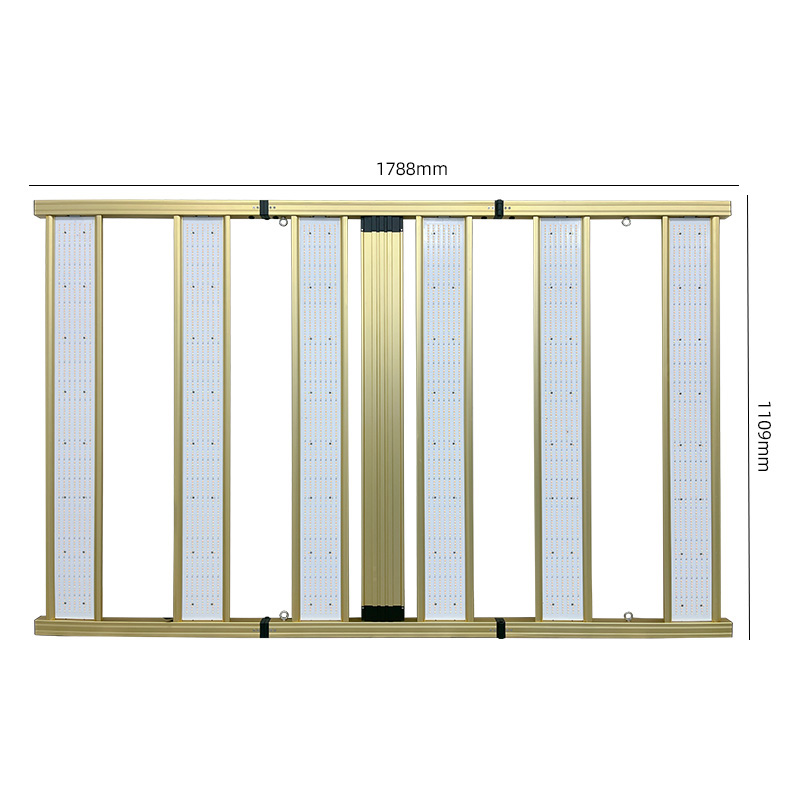
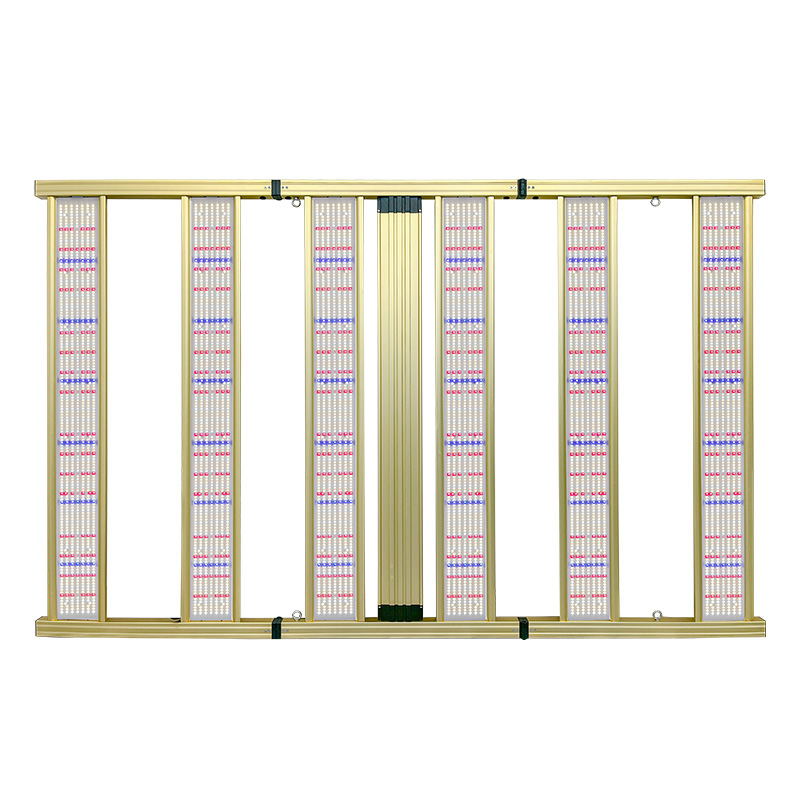
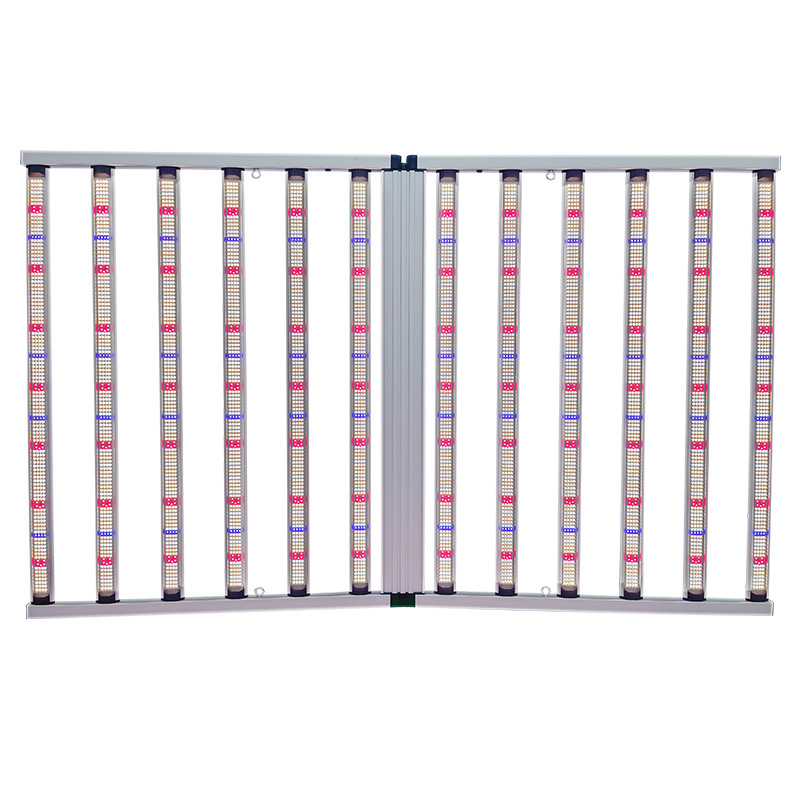
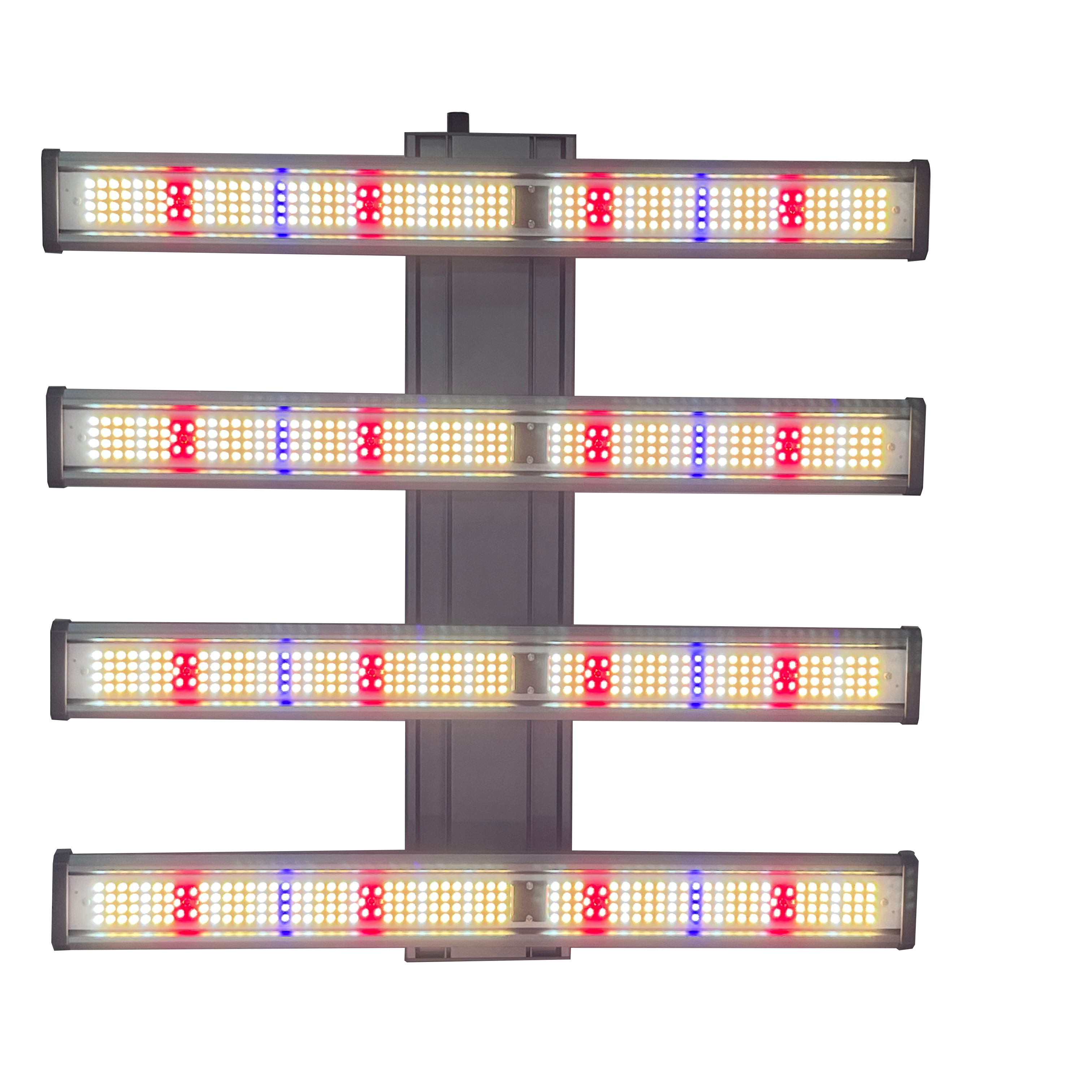
1500W 4x6ft Wide Full Spectrum UV LED Grow Lights-AD62-1500-3AQ3-180
 1500W 4x6ft Wide Full Spectrum UV LED Grow Lights-AD62-1500-3AQ3-180
• Light Intensity: 4500μmol/S PPF, 35% energy saving.
• Efficiency: High performance 3.0 μmol/J.
• Design: 180° foldable, space-saving and easy to install.
• Dimming: Rotary dimmer and daisy chain function for personalized light control.
• Dual Channel: Full spectrum + UV, suitable for all growth stages.
• Durability: IP65 waterproof rating, up to 50,000 hours of service life.Due to the differences in the growth laws of different plants, the light band and light color ratio required by each plant are not exactly the same. Generally, they need to be customized according to their own planting plants and communication with the manufacturer.
-
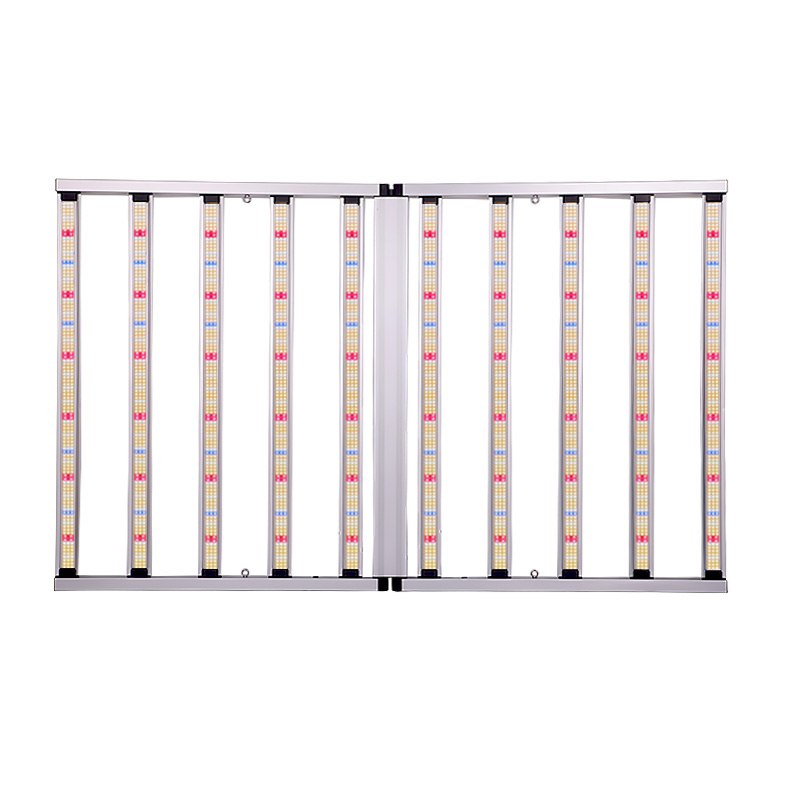
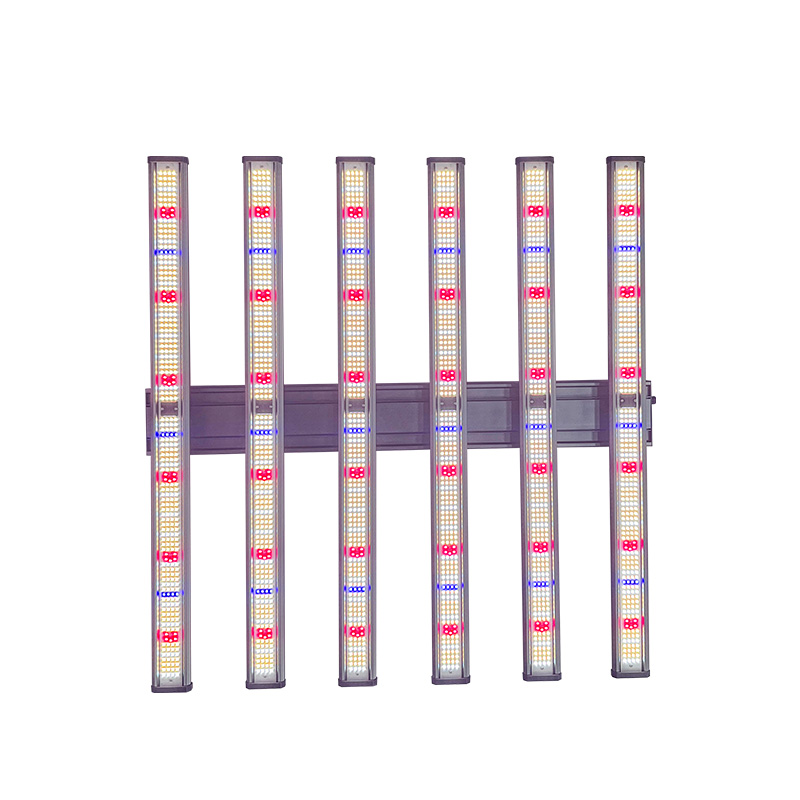
1500W 6 Bar 4x6ft Wide Full Spectrum LED Plant Grow Lights-AD6-1500-3AI3-180
1500W 6 Bar 4x6ft Wide Full Spectrum LED Plant Grow Lights-AD6-1500-3AI3-180
• Light Intensity: 4500μmol/S PPF, 35% energy saving.
• Efficiency: High performance 3.0 μmol/J.
• Design: 180° foldable, space-saving and easy to install.
• Dimming: Rotary dimmer and daisy chain function for personalized light control.
• Full spectrum:Suitable for all growth stages.
• Durability: IP65 waterproof rating, up to 50,000 hours of service life.The wide version full spectrum 1500 watt LED plant grow light helps to shorten the growth cycle of plants, can promote plants to produce more lateral branches and bud differentiation during the growth process, accelerate the growth of roots, stems and leaves.
-
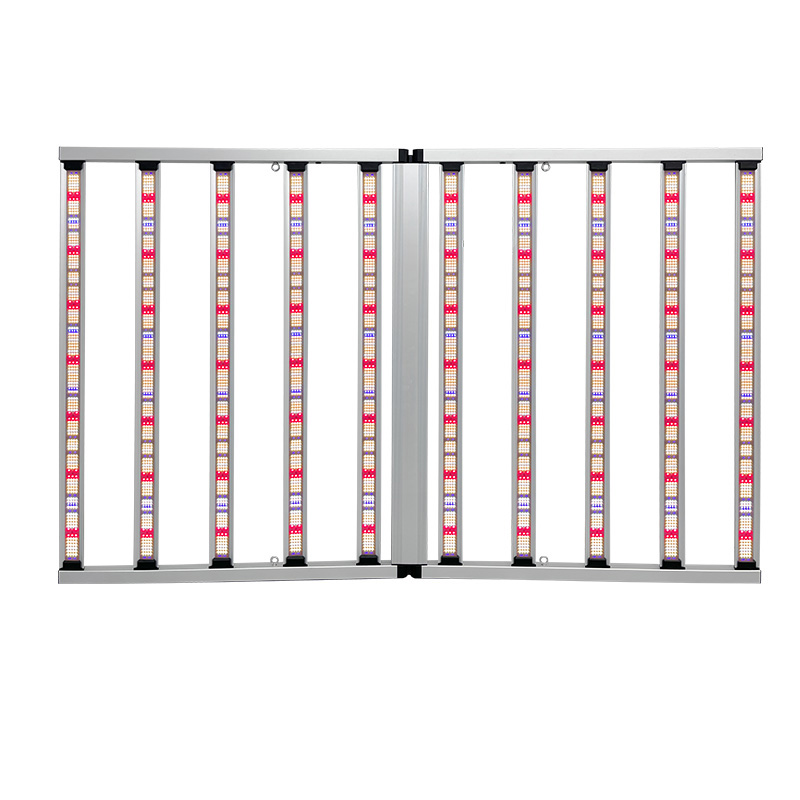
1200W 6 Bar 4x6ft Wide Full Spectrum LED Grow Lights-AD6-1200-3AI3-180
1200W 6 Bar 4x6ft Wide Full Spectrum LED Grow Lights-AD6-1200-3AI3-180
High efficiency: PPF up to 3600μmol/S, EFF up to 2.8-3.0μmol/J, reduce energy costs.
Bar style design: 6 wide strips, up to 1200W power.
Full spectrum lighting: Promote healthier and stronger plant growth.
Low heat emission: Reduce the risk of heat stress and prevent plant damage.
Easy to install: LED grow lights are low maintenance, saving you time and energy.
Optimized light output: The spectrum can be adjusted according to different plant types and growth stages.
Continuous output: Designed for continuous performance, ensuring optimal light output for a long time.
1200W Grow Light can also customize the light ratio suitable for different plants and different growth stages, solve the problem of lack of sunshine in the greenhouse in winter, promote the chlorophyll required in plant photosynthesis, improve the sweetness of fruits and reduce the occurrence of diseases and pests.
-
1500W 4x6ft Wide Full Spectrum UV LED Grow Lights-AD62-1500-3AQ3-180
-
Under Canopy Light
Under Canopy Light
-
150W 4FT Dual Channles Under Canopy LED Grow Light
150W 4FT Dual Channles Under Canopy LED Grow LightKey Features of Under Canopy Grow LightsVersatility and Durability;Lightweight and compact for easy installation;Daisy-chaining capabilities for seamless setups;Compatible with most RJ14-based controllers;Integrated driver and IP65 rating ensure reliability in commercial cultivation settings;Backed by a 5-year warranty and eligible for energy rebates (DLC and ETL certified).
-
100W UV IR 4ft Under Canopy Supplement LED Light Bar
100W UV IR 4ft Under Canopy Supplement LED Light Bar
QUICK INSTALLATION: The light bar can be easily secured into place, simplifying installation and ensuring optimal lighting angles and performance.
Compatible with all 4FT wide fixtures with independent dimming control.Why choose our Supply Series Auxiliary Light Bar?
In some primary light sources, a couple of 365 UV diodes and 730nm IR diodes may just be a marketing gimmick, and in reality they may not be strong enough. The Supply Series of auxiliary light sources has the densest diodes of any of our auxiliary light sources, specifically designed to promote plant growth.Why use 730nm infrared supplemental light bars?
Promotes stem growth, induces flowering, and light induces sleep.Why use 395nm UV supplemental light bars?
Increases yield, improves nutrients, enhances taste/flavor, sterilizes growing area (eliminates mold), helps control pests. -
120W 4FT Deep Red Spectrum Under Canopy Light
120W 4FT Deep Red Spectrum Under Canopy Light
Under Canopy LED Maximize Flowering and THC Concentration
Deep penetration of the 730nm spectrum: IR730nm LED strips penetrate deeper into plant tissue than visible light. This deep penetration stimulates stem growth and flowering.
Regulates plant growth: IR-assisted grow lights allow plants to move faster from the asexual growth stage to the flowering stage, shortening the entire growth cycle of the plant.
Daisy Chain: The strip light source allows for the simultaneous connection of up to 20 grow strips, making it especially convenient for commercial and large-scale growing operations. The plug-and-play feature ensures easy installation and operation, eliminating unnecessary hassles.
Increase photosynthetic efficiency: The deep red light of the grow strips creates a light-shielding effect that promotes stem growth.
Maximize Crop Yield: The addition of auxiliary lights is essential to optimize plant growth. -
120W 4FT Full Spectrum Under Canopy LED Grow Light
120W 4FT Full Spectrum Under Canopy LED Grow Light
Illuminating neglected areas:These advanced light sources penetrate deep into plant canopies to energize low-sprouting areas, cultivating a symphony of uniform, thriving growth from top to bottom.
Harvest Excellence:Experience an unprecedented surge in yield and harvest quality. These under-canopy lights achieve the perfect harmony of spectrum, intensity and coverage, ensuring that every bud gets the light it deserves.
Durable:Built to withstand the rigors of commercial marijuana cultivation, the fixtures are designed to last. With reliability at their core, these fixtures maintain consistent performance after harvest.
Maximize your harvest potential with LED Grow Light Warehouse’s line of under canopy LED grow lights. These specialized under canopy grow lights are designed to provide targeted lighting to the lower portion of your plants, ensuring even light distribution from top to bottom for healthier growth. Perfect for any setup, our under-canopy LED lights promote photosynthesis, increase yields and enhance overall plant performance.
-
150W 4FT Dual Channles Under Canopy LED Grow Light
-
One Channel Grow Light
One Channel Grow Light
-
1500W 6 Bar 4x6ft Wide Full Spectrum LED Plant Grow Lights-AD6-1500-3AI3-180
1500W 6 Bar 4x6ft Wide Full Spectrum LED Plant Grow Lights-AD6-1500-3AI3-180
• Light Intensity: 4500μmol/S PPF, 35% energy saving.
• Efficiency: High performance 3.0 μmol/J.
• Design: 180° foldable, space-saving and easy to install.
• Dimming: Rotary dimmer and daisy chain function for personalized light control.
• Full spectrum:Suitable for all growth stages.
• Durability: IP65 waterproof rating, up to 50,000 hours of service life.The wide version full spectrum 1500 watt LED plant grow light helps to shorten the growth cycle of plants, can promote plants to produce more lateral branches and bud differentiation during the growth process, accelerate the growth of roots, stems and leaves.
-
1200W 6 Bar 4x6ft Wide Full Spectrum LED Grow Lights-AD6-1200-3AI3-180
1200W 6 Bar 4x6ft Wide Full Spectrum LED Grow Lights-AD6-1200-3AI3-180
High efficiency: PPF up to 3600μmol/S, EFF up to 2.8-3.0μmol/J, reduce energy costs.
Bar style design: 6 wide strips, up to 1200W power.
Full spectrum lighting: Promote healthier and stronger plant growth.
Low heat emission: Reduce the risk of heat stress and prevent plant damage.
Easy to install: LED grow lights are low maintenance, saving you time and energy.
Optimized light output: The spectrum can be adjusted according to different plant types and growth stages.
Continuous output: Designed for continuous performance, ensuring optimal light output for a long time.
1200W Grow Light can also customize the light ratio suitable for different plants and different growth stages, solve the problem of lack of sunshine in the greenhouse in winter, promote the chlorophyll required in plant photosynthesis, improve the sweetness of fruits and reduce the occurrence of diseases and pests.
-
1500W 4x8ft LED Grow Light-AD15-1500-3C2-240
1500W 4x8ft LED Grow Light-AD15-1500-3C2-240
Helping to increase production and efficiency of large-scale cultivation
High-efficiency Light Energy Output: 1500W high-power design, PPE up to 4500μmol/s, light efficiency up to 2.8-3.0μmol/J, providing sufficient and uniform photosynthetic energy for plant growth.
Full Spectrum Coverage: Integrated white light + 660nm (deep red) + 730nm (far red) + 460nm (blue), accurately matching the needs of plants at all stages of growth, suitable for the whole process from seedling to fruiting.
Long-lasting & Durable: Adopting high-end brand lamp beads and high-quality aluminum heat sink, effectively reducing light decay, with a service life of up to 50,000 hours, reducing maintenance costs.
Professional Commercial Design: 4×8ft large size lamp body, suitable for greenhouse or vertical farms and other large-scale planting scenarios, to meet the demand for high-density fill light.
Intelligent Spectrum Adaptation: Multi-band combinations can be flexibly adjusted to provide differentiated spectral solutions for different crops (e.g. leafy vegetables, flowers, fruits and vegetables), helping to increase production and efficiency.
Certifications: DLC , ETL, CE, FCC, ROHS, UL, PSE for industry-leading quality and safety.
5-Year Warranty: Enjoy long-term reliability with a 5-year warranty.
-
1200W LED Grow Light AD12-1200-2C2-180 for Commercial Indoor Farming and Greenhouse Cultivation
1200W LED Grow Light AD12-1200-2C2-180 for Commercial Indoor Farming and Greenhouse Cultivation
Overview
The ANDY1200 LED grow light is designed for large-scale indoor farming and greenhouse cultivation systems, delivering high energy efficiency and uniform light distribution for commercial plant growth environments.
It provides stable full spectrum lighting with optimized power output, supporting different plant growth stages from vegetative to flowering.
Ideal for large growing areas, high energy efficiency and uniform light distribution
Brand diodes are long-lasting and can withstand high temperatures and usage conditions, making them a durable choice. Provides excellent light output per watt, resulting in lower power consumption and higher energy efficiency. Designed to provide high PAR values to promote plant growth and increase yields.
Efficient and productive: The bar design ensures even light distribution throughout the growing area, promoting steady growth and reducing the risk of uneven growth or shadowing.The ANDY1200 LED grow light delivers 1200 watts of power with a PPE of 3.0 μmol/J.
Optimized Light Spectrum: Full spectrum light, close to natural light, including wavelengths essential for photosynthesis. This spectrum can be adjusted according to different stages of plant growth (from growing to flowering), thus promoting healthier and more productive plants.
EFFICIENT COOLING: The bar light design and aluminum backside help improve airflow and heat dissipation. Reduces the risk of heat damage to plants and keeps the light closer to the canopy without causing burns. With a waterproof circuit board, there is no need to worry about wet conditions. Easy to install.
Daisy Chain Dimming: The dimming knob is perfect for growers to adjust the light intensity according to different growth stages. The daisy chain feature allows you to connect up to 50xANDY1200 indoor plant lighting.
Certifications: DLC , ETL, CE, FCC, ROHS, UL, PSE for industry-leading quality and safety.
5-Year Warranty: Enjoy long-term reliability with a 5-year warranty.
-
1000W 4x6ft LED Grow Light-AD10-1000-2C2-180
1000W 4x6ft LED Grow Light-AD10-1000-2C2-180
Cultivation on large commercial farms significantly improves the efficiency of cultivation.
True 1000W Power for Commercial-Scale Growing. Delivering a massive 3000μmol/s PPF across a 4x6ft area, this high-output 1000W LED grow light is built for serious growers who demand uniform coverage, deeper canopy penetration, and explosive plant development from seedling to harvest.
Full Spectrum design – All Growth Stages Covered. With a balanced light mix of 3000K, 6500K, 460nm blue, 660nm red, and 730nm IR, this fixture promotes vigorous veg growth and maximizes flowering potential—eliminating the need for separate lights for different stages.
Uniformity, Efficiency, and Heat. The 10-bar foldable design ensures consistent PPFD across every corner of the grow area, while its 2.8μmol/J efficiency keeps operating costs low. The aluminum heat sink design enables silent, passive cooling—no noisy fans or overheating worries.
Smart Group Control & Precision Dimming (0–100%). Integrated RJ45 daisy-chain ports allow synchronized multi-light setups—ideal for commercial growers scaling up. Fine-tune light output with the onboard dimmer to match each phase of plant growth and reduce electricity waste.
Built to Last. Premium Components & Long-Term Reliability. Constructed with high-quality LED chips and aluminum boards, this grow light resists light decay, offers stable output, and ensures years of reliable performance—making it a dependable investment for any indoor grower.
Certifications: DLC , ETL, CE, FCC, ROHS, UL, PSE for industry-leading quality and safety.
5-Year Warranty: Enjoy long-term reliability with a 5-year warranty.
-
1500W 6 Bar 4x6ft Wide Full Spectrum LED Plant Grow Lights-AD6-1500-3AI3-180
-
Dual Channel Grow Light
Dual Channel Grow Light
-
1060W+UV 4x4ft LED Grow Lights-AD122-1060W-D9(D10)-110
1060W+UV 4x4ft LED Grow Lights-AD122-1060W-D9(D10)-110
High efficiency: PPF up to 3180μmol/S, EFF up to 3.0μmol/J, reduce energy costs.
Full spectrum lighting: Promote healthier and stronger plant growth.
Detachable bar design: 12 bars, up to 1060W power.
Dual-channel spectrum: Full spectrum white light+UV395nm
Low heat emission: Reduce the risk of heat stress and prevent plant damage.
Easy to install: LED grow lights are low maintenance, saving you time and energy.
Optimized light output: The spectrum can be adjusted according to different plant types and growth stages.
Programmable power and spectrum catering to specificgrowing stages, growers benefit from:lmproved THC value,Increased flower volume,Smaller electricity bill.
-
1500W 4x6ft Wide Full Spectrum UV LED Grow Lights-AD62-1500-3AQ3-180
1500W 4x6ft Wide Full Spectrum UV LED Grow Lights-AD62-1500-3AQ3-180
• Light Intensity: 4500μmol/S PPF, 35% energy saving.
• Efficiency: High performance 3.0 μmol/J.
• Design: 180° foldable, space-saving and easy to install.
• Dimming: Rotary dimmer and daisy chain function for personalized light control.
• Dual Channel: Full spectrum + UV, suitable for all growth stages.
• Durability: IP65 waterproof rating, up to 50,000 hours of service life.Due to the differences in the growth laws of different plants, the light band and light color ratio required by each plant are not exactly the same. Generally, they need to be customized according to their own planting plants and communication with the manufacturer.
-
1100W+UV 4×6ft LED Grow Light-AD102-1100-2U2-180
1100W+UV 4×6ft LED Grow Light-AD102-1100-2U2-180
High luminous efficacy and controllable spectrum to meet the needs of large-scale cultivation
Energy saving and high efficiency: 1100W power equipped with high-end lamp beads, PPE up to 3300μmol/s, luminous efficacy of 2.8-3.0μmol/J, realizing the perfect combination of ultra-high photosynthetic efficiency and energy efficiency.
Intelligent adjustable spectrum: covering white light + 660nm (deep red) + 730nm (far red) + 460nm (blue) + 395nm (UV), dual-channel independent dimming (full-spectrum + UV), and UV mode optimized for later color and flavor enhancement.
Industrial-grade durable design: aluminum plate efficient heat dissipation structure, high temperature resistance, corrosion resistance, significantly reduce light decay, to ensure long-term stable operation and prolong the service life.
Large Scene Adaptability: 4×6ft large size light area, suitable for vertical farms, greenhouses and other commercial planting scenarios to meet the demand for high-density planting.
Full-cycle coverage: full support from seedling to flowering and fruiting, adapting to the growth needs of various types of crops and helping to improve both yield and quality. -
1600W+UV 4×8ft LED Grow Light-AD152-1600W-3S2-240
1600W+UV 4×8ft LED Grow Light-AD152-1600W-3S2-240Helping to increase production and efficiency of large-scale cultivationHigh-efficiency light energy output: 1600W high-power design, PPE up to 4800μmol/S, light efficiency up to 2.8-3.0μmol/J, providing sufficient and uniform photosynthetic energy for plant growth.Full Spectrum Coverage: Integrated white light + 660nm (deep red) + 730nm (far red) + 460nm (blue)+395nm(UV), accurately matching the needs of plants at all stages of growth, suitable for the whole process from seedling to fruiting.Long-lasting and durable: Adopting high-end brand lamp beads and high-quality aluminum heat sink, effectively reducing light decay, with a service life of up to 50,000 hours, reducing maintenance costs.Professional commercial design: 4×8ft large size lamp body, suitable for greenhouse or vertical farms and other large-scale planting scenarios, to meet the demand for high-density fill light.Intelligent Spectrum Adaptation: Multi-band combinations can be flexibly adjusted to provide differentiated spectral solutions for different crops (e.g. leafy vegetables, flowers, fruits and vegetables), helping to increase production and efficiency.
-
1300W+UV 4×6 feet LED growth light-AD122-1300-2U2-180
1300W+UV 4×6 feet LED growth light-AD122-1300-2U2-180High light efficiency and controllable spectrum to meet the needs of large-scale plantingEnergy saving and efficient: Equipped with high-end LED beads with a power of 1300W, PPE up to 3900 μ mol/s, and luminous efficiency up to 3.0 μ mol/J, achieving a perfect combination of ultra-high photosynthetic efficiency and energy efficiency.Intelligent adjustable spectrum: covering white light+660nm (deep red)+730nm (far red)+460nm (blue)+395nm (ultraviolet), dual channel independent dimming (full spectrum+ultraviolet) UV mode optimization can enhance post production color and flavor.Industrial grade durable design: Aluminum plate high-efficiency heat dissipation structure, high temperature resistance, corrosion resistance, significantly reduces light decay, ensures long-term stable operation, and extends service life.Adaptability to Large Scenarios: A 4 × 6 foot large illuminated area, suitable for commercial planting scenarios such as vertical farms and greenhouses, meeting high-density planting needs.Full cycle coverage: providing comprehensive support from seedlings to flowering and fruiting, adapting to the growth needs of various crops, and helping to improve yield and quality.
-
1060W+UV 4x4ft LED Grow Lights-AD122-1060W-D9(D10)-110
-
Three Channel Grow Light
Three Channel Grow Light
-
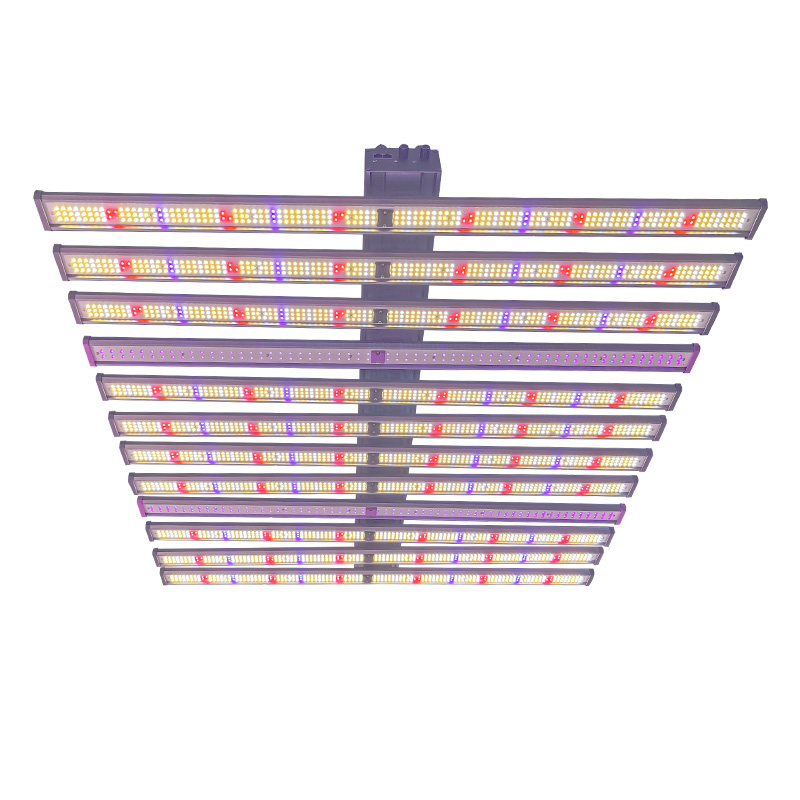
1000W+UV+IR 4x4ft LED Plant Grow Light-AD103-1000-D15-110
1000W+UV+IR 4x4ft LED Plant Grow Light-AD103-1000-D15-110
High efficiency: PPF up to 3000μmol/S, EFF up to 3.0μmol/J, reduce energy costs.
Full spectrum lighting: Promote healthier and stronger plant growth.
Detachable bar design: 10 bars, up to 1000W power.
Three-channel dimming: Full spectrum white light+UV395nm+IR730nm
Low heat emission: Reduce the risk of heat stress and prevent plant damage.
Easy to install: LED grow lights are low maintenance, saving you time and energy.
Optimized light output: The spectrum can be adjusted according to different plant types and growth stages.
Programmable power and spectrum catering to specificgrowing stages, growers benefit from:lmproved THC value,Increased flower volume,Smaller electricity bill.
-
450W+UV+IR 4x2ft Grow Light-AD43-450-2Y2-053
450W+UV+IR 4x2ft Grow Light-AD43-450-2Y2-053
Three-channel independent dimming, low cost and high output.
Energy efficient design: 450W power with high-end lamp beads, PPE up to 1260μmol/s, luminous efficacy of 2.8μmol/J, lumen value of 72000LM, to achieve a balance between high photosynthetic efficiency and low energy consumption.
Full-spectrum intelligent regulation: covering white light + 660nm (deep red) + 730nm (far red) + 460nm (blue) + 395nm (UV), three-channel independent dimming (full-spectrum/UV/IR), accurately adapted to the needs of plants at various stages of growth.
Long-lasting and stable heat dissipation: High-quality aluminum plate heat dissipation structure significantly reduces light decay, extends service life, and guarantees long-term stable operation.
Convenient and easy to use: 4×2ft large size design, no need to install complex installation, saving labor and time costs.
Full-cycle applicability: Supporting the whole process from seedling to flowering and fruiting, it is suitable for commercial planting scenarios such as greenhouses and vertical farms, helping to increase crop yield and improve quality.
Certifications: DLC , ETL, CE, FCC, ROHS, UL, PSE for industry-leading quality and safety.
5-Year Warranty: Enjoy long-term reliability with a 5-year warranty.
-
1000W+UV+IR 4x4ft LED Plant Grow Light-AD103-1000-D15-110
-
Detachable Grow Light
Detachable Grow Light
-
1060W+UV 4x4ft LED Grow Lights-AD122-1060W-D9(D10)-110
1060W+UV 4x4ft LED Grow Lights-AD122-1060W-D9(D10)-110
High efficiency: PPF up to 3180μmol/S, EFF up to 3.0μmol/J, reduce energy costs.
Full spectrum lighting: Promote healthier and stronger plant growth.
Detachable bar design: 12 bars, up to 1060W power.
Dual-channel spectrum: Full spectrum white light+UV395nm
Low heat emission: Reduce the risk of heat stress and prevent plant damage.
Easy to install: LED grow lights are low maintenance, saving you time and energy.
Optimized light output: The spectrum can be adjusted according to different plant types and growth stages.
Programmable power and spectrum catering to specificgrowing stages, growers benefit from:lmproved THC value,Increased flower volume,Smaller electricity bill.
-
1000W+UV+IR 4x4ft LED Plant Grow Light-AD103-1000-D15-110
1000W+UV+IR 4x4ft LED Plant Grow Light-AD103-1000-D15-110
High efficiency: PPF up to 3000μmol/S, EFF up to 3.0μmol/J, reduce energy costs.
Full spectrum lighting: Promote healthier and stronger plant growth.
Detachable bar design: 10 bars, up to 1000W power.
Three-channel dimming: Full spectrum white light+UV395nm+IR730nm
Low heat emission: Reduce the risk of heat stress and prevent plant damage.
Easy to install: LED grow lights are low maintenance, saving you time and energy.
Optimized light output: The spectrum can be adjusted according to different plant types and growth stages.
Programmable power and spectrum catering to specificgrowing stages, growers benefit from:lmproved THC value,Increased flower volume,Smaller electricity bill.
-
500W 3x3ft Detachable LED Grow Light-AD6-500W-D30-084
500W 3x3ft Detachable LED Grow Light-AD6-500W-D30-084
Powerful 500W Full Spectrum Light for All Growth Stages
High PPFD: This grow light delivers a high PPF of 1400μmol/s and full-spectrum coverage (380–780nm), ideal for seedling, vegetative, and flowering stages. Whether you’re growing leafy greens or flowering plants, it provides the optimal light your plants need.
High Efficiency Samsung LEDs: Built with premium Samsung diodes, this grow light ensures high efficiency (2.8μmol/J), brighter output, lower energy consumption, and longer lifespan—helping you save on electricity while maximizing plant yields.
6-Bar Design with 3x3ft Size: Featuring a detachable 6-bar design, this grow light covers a 3×3 ft area perfectly. Easy to assemble, move, or replace individual bars—great for customized setups in grow tents or indoor grow rooms.
Daisy Chain & Dimming Function : Equipped with an RJ45 daisy-chain port and dimmer knob, you can link and control multiple lights simultaneously. Adjust the brightness from 0% to 100% to suit each plant’s specific needs and growth phase.
Premium Aluminum Build : The aluminum light bars act as efficient heat sinks, ensuring rapid heat dissipation, reducing light decay, and extending the lifespan of your grow light—no noisy fans required.
Certifications: DLC , ETL, CE, FCC, ROHS, UL, PSE for industry-leading quality and safety.
5-Year Warranty: Enjoy long-term reliability with a 5-year warranty.
-
240W 2x2ft Detachable LED Grow Light-AD4-240W-D31-054
240W 2x2ft Detachable LED Grow Light-AD4-240W-D31-054
Covering the full cycle of growth
Precise Spectrum:Innovative hybrid spectrum technology (3000K+6500K+460nm+660nm+730nm) simulates the natural sunlight, and is intelligently adapted from the seedling to the flowering stage. 460nm blue light promotes the growth of stems and leaves, 660nm deep red light accelerates the flowering and fruiting, and 730nm far-red light extends photoperiodic effect, laboratory-grade. Spectral ratios to maximize the photosynthetic efficiency of plants.
Energy-saving and long-lasting: Equipped with 240W high-power Samsung LM281B + flagship lamp beads, PPF value of 680 μmol / s, photosynthetically effective photon efficacy of 2.8 μmol / J ultra-industry standards. Aluminum substrate active heat dissipation structure to reduce the light decay rate of 67%, 30,000 hours of continuous high-intensity light brightness retention rate of > 90%, greenhouse-level durable quality.
Modular planting:Detachable 4-light bar design, single light covers 2x2ft planting area, up to 100 devices can be controlled in series through RJ45 port. With 0-100% infinitely dimmable knob, one key synchronized regulation of light intensity of multiple lights, to meet the needs of multiple scenarios from home nursery to commercial planting.
Zero-tool maintenance design: Light bar tool-free 3 seconds quick-disassembly replacement, support for single independent maintenance. Matching hanging installation program, convenient to adjust the height of the lamp at any time, from succulent to fruit trees are applicable.
Certifications: DLC , ETL, CE, FCC, ROHS, UL, PSE for industry-leading quality and safety.
5-Year Warranty: Enjoy long-term reliability with a 5-year warranty.
-
1060W+UV 4x4ft LED Grow Lights-AD122-1060W-D9(D10)-110
-
Quantum Board Grow Light
Quantum Board Grow Light
-
400W LED Grow Light Panels-AD4W-400-1D221
400W LED Grow Light Panels-AD4W-400-1D221
Greenhouse Veg Bloom Seedlings Hydroponics Grow Light Panel
Better light spectrum optimization: Full spectrum lights are all-around products that can provide adequate and balanced lighting for a plant throughout its life cycles. These lights covers the whole spectrum. They provide the flexibility you need to grow a variety of plants, for both veg and bloom stage.
Superior light output throughout the year: ANDY Grow Lights combine to provide the optimum level of light for both photosynthesis and growth that will allow your indoor garden to bloom and flourish year-round. They are perfect for small grows and can work with a wide range of plant species, include both low light and high light varieties.
Easy installation and usage: The upgraded suspension kit can be assembled easily without additional tools. The panels come with a 6 feet power cord, and simple plug and play usage. Easy to add a convenient indoor garden in any room of your home. Perfect for you to add as a supplemental side panel in the grow tent during bloom.
Low heat , low power,compact & space saving:Advanced LED technology, efficient replacement of HID. They run cooler than traditional light sources and operate efficiently. No damage to the plants even if they are very close. LED systems take much less room than HIDs, and are easier to move around and manage.
Certifications: DLC , ETL, CE, FCC, ROHS, UL, PSE for industry-leading quality and safety. -
400W LED Grow Light Panel-AD4W-400-1D221
400W LED Grow Light Panel-AD4W-400-1D221
Greenhouse Veg Bloom Seedlings Hydroponics Grow Light Panel
Beetter light spectrum optimization: Full spectrum lights are all-around products that can provide adequate and balanced lighting for a plant throughout its life cycles. These lights covers the whole spectrum, from UV, IR to red and blue lights. They provide the flexibility you need to grow a variety of plants, for both veg and bloom stage.
Superior light output throughout the year: ANDY Grow Lights combine to provide the optimum level of light for both photosynthesis and growth that will allow your indoor garden to bloom and flourish year-round. They are perfect for small grows and can work with a wide range of plant species, include both low light and high light varieties.
Easy installation and usage: The upgraded suspension kit can be assembled easily without additional tools. The panels come with a 6 feet power cord, and simple plug and play usage. Easy to add a convenient indoor garden in any room of your home. Perfect for you to add as a supplemental side panel in the grow tent during bloom.
Low heat , low power,compact & space saving:Advanced LED technology, efficient replacement of HID. They run cooler than traditional light sources and operate efficiently. No damage to the plants even if they are very close. LED systems take much less room than HIDs, and are easier to move around and manage.
Certifications: DLC , ETL, CE, FCC, ROHS, UL, PSE for industry-leading quality and safety.
5-Year Warranty: Enjoy long-term reliability with a 5-year warranty.
-
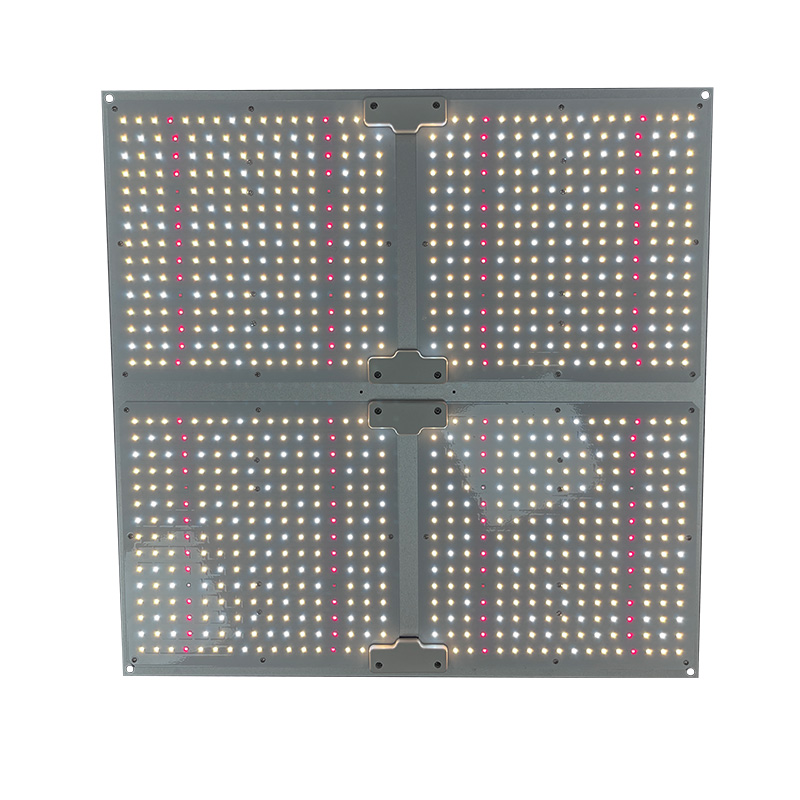
300W LED Quantum Board Grow Light-AD1-300-1D603(J3001)
300W LED Quantum Board Grow Light-AD1-300-1D603(J3001)
Maximize your grow potential with our advanced LED Quantum Board Grow Light
- DAISY CHAIN & DIMMABLE – AD1-300-1D603 plant light adds daisy chain function, achieving to connect multi grow lights (max 100pcs ) and control them at the same time, it’s very convenient for commercial growing. Flexible 0-100% dimmer knob available, it can help you freely adjust the brightness of the plant light, allowing flexibility to obtain perfect growth performance for each growing phase.
- LOWER COST & HIGH YIELDS – AD1-300-1D603 led plant growing lights use the newest high-yield SMD LED technology. Though the LED Growing Lights only consumes 300 watt of power, achieving higher average PPFD with 870 umol/s. It is also an ideal LED grow light from seeds to harvest. It will be a perfect option if you like to light a small space, add a little light to your current space, or use it for clones, seedlings, or bloom.
- OPTIMAL FULL SPECTRUM GROW LIGHT – AD1-300-1D603 small grow light led consists of full spectrum 3000K warm light, 6500K white light, 460nm blue light, 660nm red light, 730nm IR light, infinitely close to natural sun light. It is an excellent full spectrum for vegetating and flowering indoor plants. Wide Input Voltage 100-277V, can meet most input voltage.
- AMAZING HEAT DISSIPATION & WORKING QUIET – LED light board style and aluminum material can help quickly heat dissipation, reduce the light lost in walkways and walls, increase the light intensity, ensure longer lifetime and lower energy bill. With no fan design, the led grow light full spectrum can provide a quiet working environment without interruption.
- VALUE FOR MONEY– The led grow light 300w is ideal for greenhouses, grow tents, stand rack, vertical farming, etc.
- Certifications: DLC , ETL, CE, FCC, ROHS, UL, PSE for industry-leading quality and safety.
- 5-Year Warranty: Enjoy long-term reliability with a 5-year warranty.
-
400W LED Grow Light Panels-AD4W-400-1D221
-
Top-Fill Grow Light
Top-Fill Grow Light
-
640W Top Fill Full Spectrum LED Grow Lights-ADT1-640-D57
640W Top Fill Full Spectrum LED Grow Lights-ADT1-640-D57
»With Samsung LEDs,Brand Drivers, guaranteed service life, high PPFD;
»Full spectrum, suitable for all stages of plant growth;
»The installation height of the product is relatively high;
»Small shielding area from sunlight; Suitable for big greenhouse planting;
»Special optical design makes the irradiation of plants more uniform;
»Easy to disassemble, easy to transport, flexible installation.
»The Top Series LED Grow Light is mainly used for top light, such as modern greenhouses. Because the height of space is high enough, it is necessary to ensure that the light on the plants is more uniform. Light, this requires the size of light products to be compact and not folded to the sunlight. Because the hanging is high, it is necessary to ensure that the light emitting angle is small and ensure that the light is fully exposed to the plant.
-
640W Top Fill Full Spectrum LED Grow Lights-ADT1-640-D57
-
T8 Tube Light Bar
T8 Tube Light Bar
UV Grow Lights for Plants: Benefits, Types, and How to Use Them Safely
UV grow lights sound simple until they are hanging over real plants. One crop may take a short UV window well; the next may show dry leaf edges by morning. So the useful question is not “Does UV help?” but “Which UV band, at what dose, and at what point in the grow?” Treat UV as a small, measured addition to ordinary LED Grow Lights. Get the main spectrum, distance, airflow, irrigation, and timer stable first. Then test UV in short windows, check the same plants again the next day, and stop before a “boost” turns into stress damage.
What UV Grow Lights Actually Add
UVA, UVB, and UVC Are Not the Same Tool
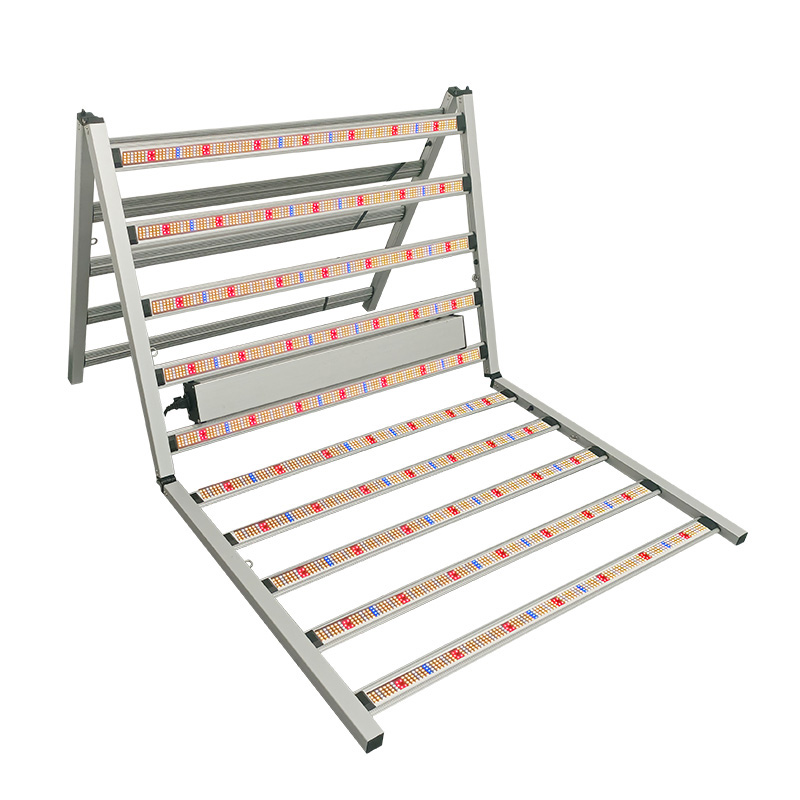
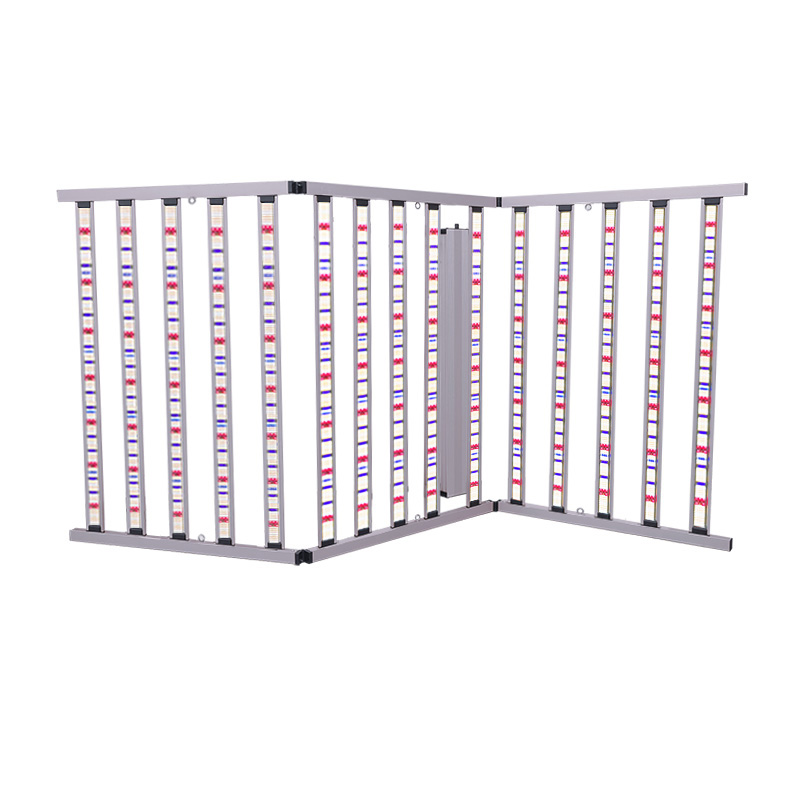
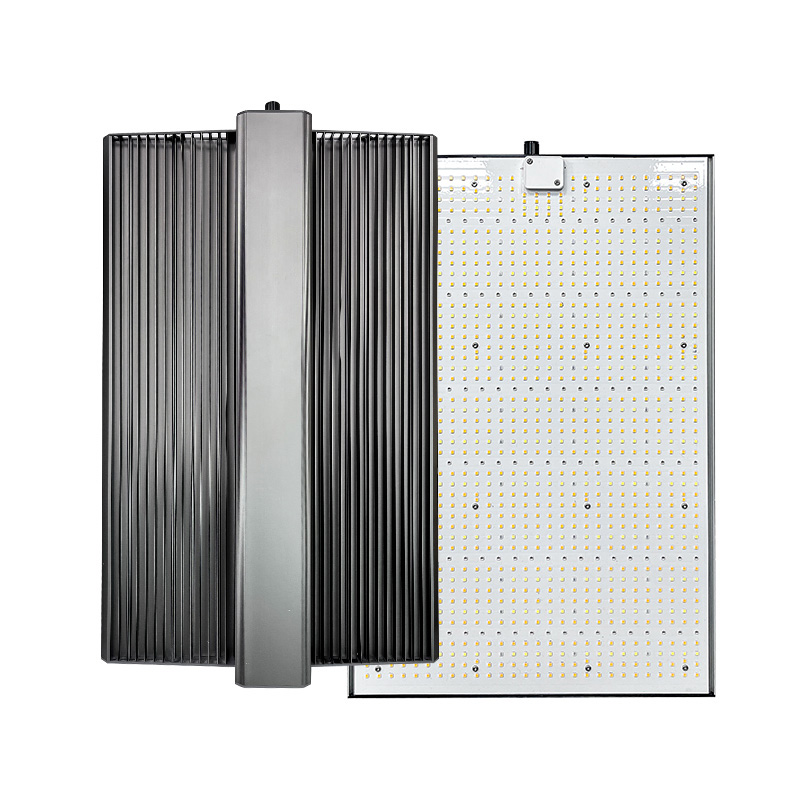
UVA and UVB are the bands growers usually mean when they talk about plant UV. UVA is commonly used as a gentler signal that can support resin development and plant response. UVB is stronger, and it can push a more noticeable stress reaction. UVC belongs in another category. It is usually discussed for disinfection because it can damage microbial DNA, not because it is a normal canopy-lighting choice. That is why the label “UV” is too vague. Check wavelength, control method, output at canopy level, and exposure time. A controlled product such as the 1500W 4x6ft Wide Full Spectrum UV LED Grow Lights-AD62-1500-3AQ3-180 gives buyers a clearer basis for comparison.
UV Should Ride Alongside the Main Spectrum
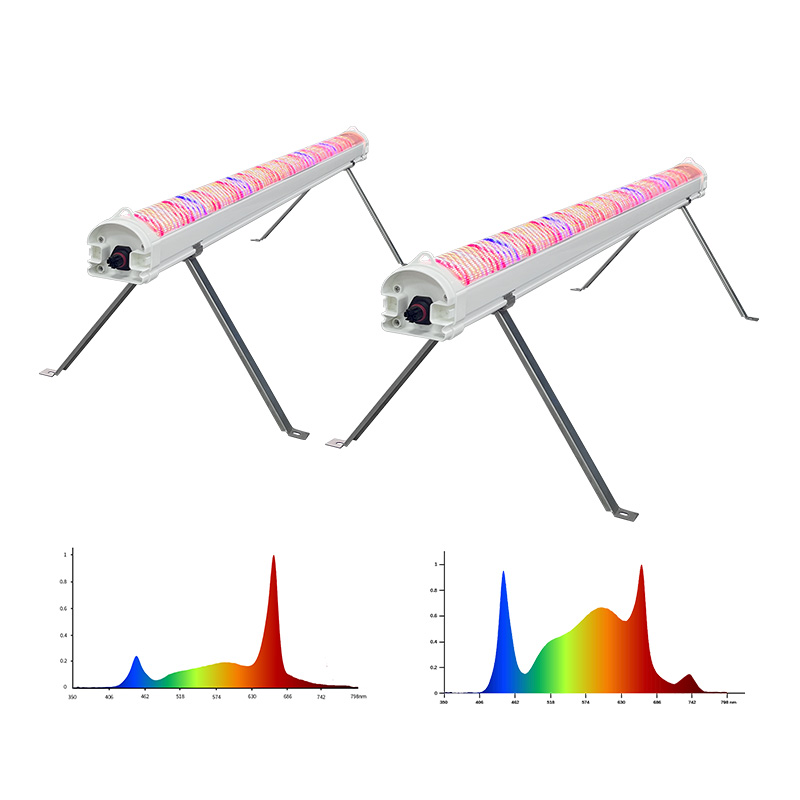
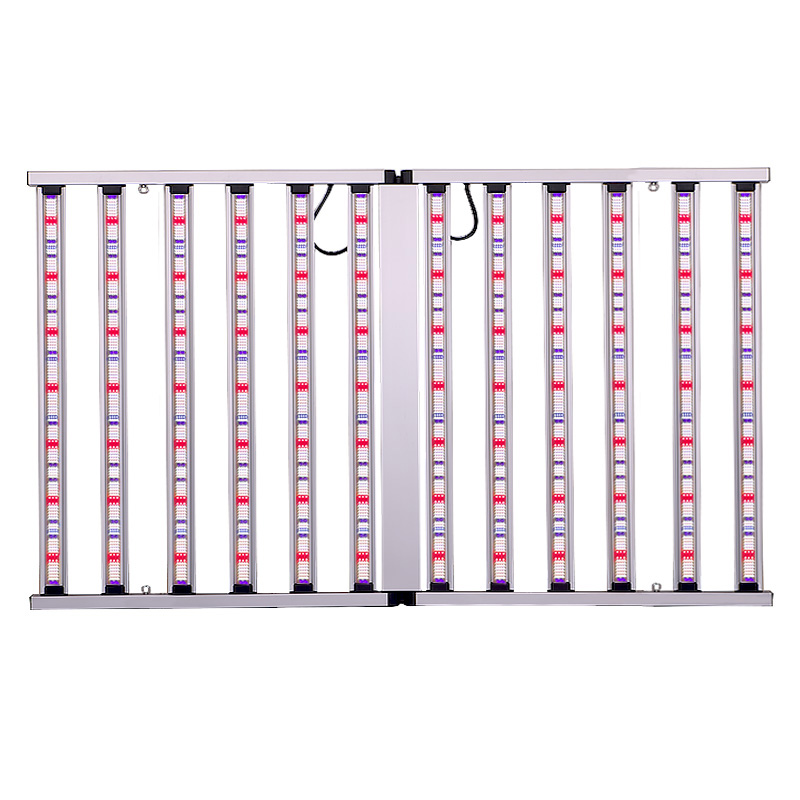
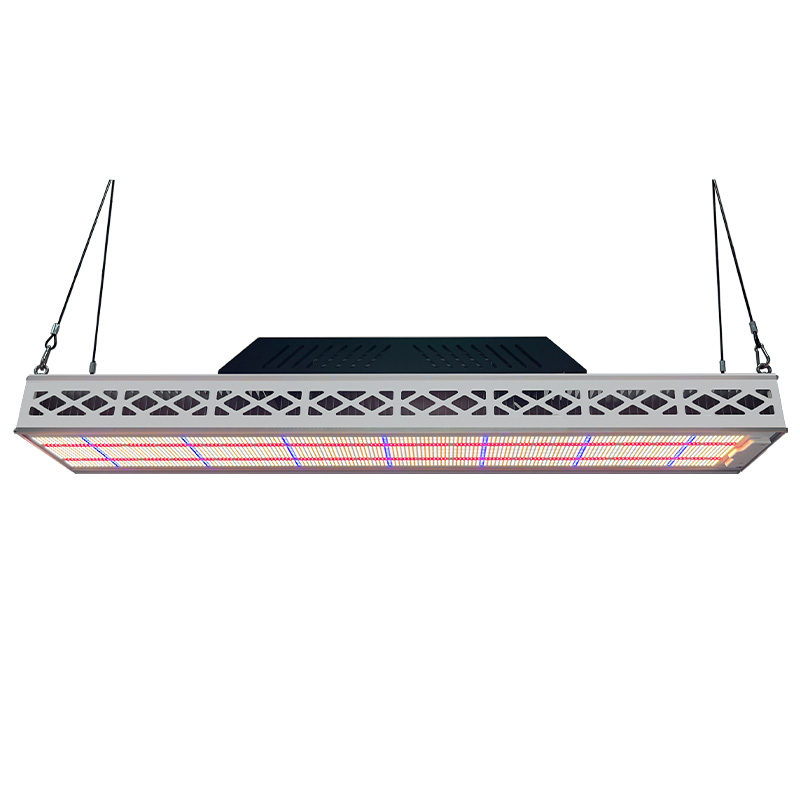
UV is not the lamp that carries photosynthesis for the day. Plants still need a useful visible spectrum, enough PPFD, and even coverage. A separate UV channel is helpful because the grower can back it down without disturbing the main light recipe. This matters during trials. If the plants react badly, the operator should be able to turn off only the UV and leave the room’s normal lighting alone. The three-channel grow light range is the kind of channel-based layout worth considering when UV needs to be controlled separately.
Benefits Worth Testing, Not Assuming
Secondary Metabolites and Color Response
If controlled UV triggers a plant’s defense mechanism in response to stress, there will be changes in color, fragrance, or resins. This reaction does not happen independently; genetics, nutritional status, leaf temperature, and age are among many factors that influence its result. It complicates diagnosing problems if a plant already appears white, twisted, dried, or heat-stressed.
IPM Support Has Limits
Some growers use UV as part of an integrated pest management plan, especially when the light can reach the target surface and the schedule does not interrupt the crop’s dark period. UV is not a substitute for sanitation, scouting, humidity control, or an approved disease-management program. It is also line-of-sight work. Dense foliage, undersides of leaves, and shadowed stems may receive very little exposure unless the fixture position is planned carefully.
ANDYLED develops LED grow light options with UV, UV+IR, and under-canopy configurations for different cultivation layouts. Our team can help buyers compare spectrum channels, canopy position, coverage, and control requirements before selecting a fixture.
Types of UV and LED Grow Light Setups
Full-Spectrum Fixtures with UV Channels
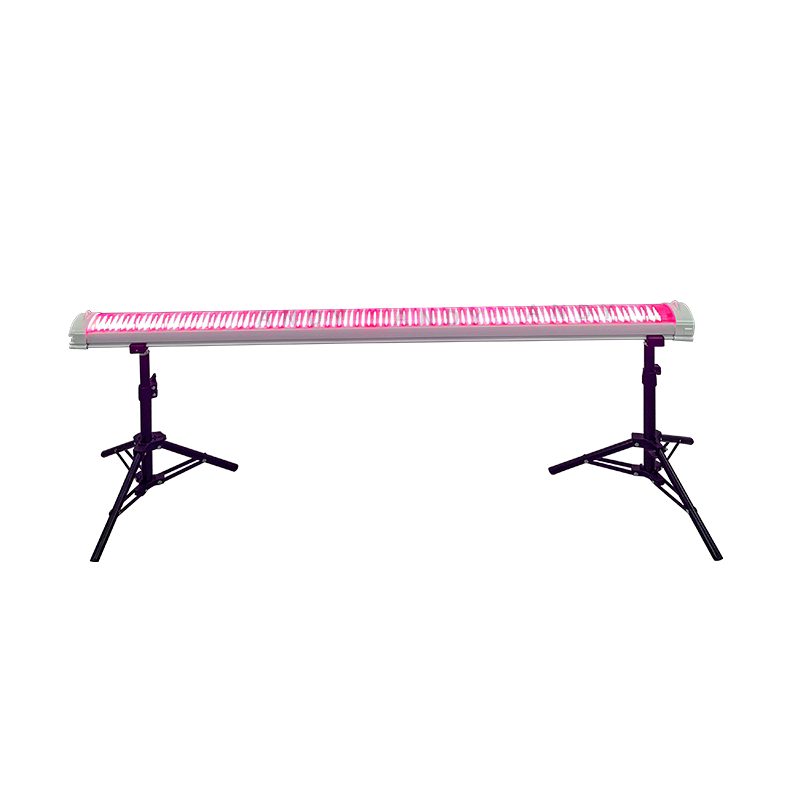
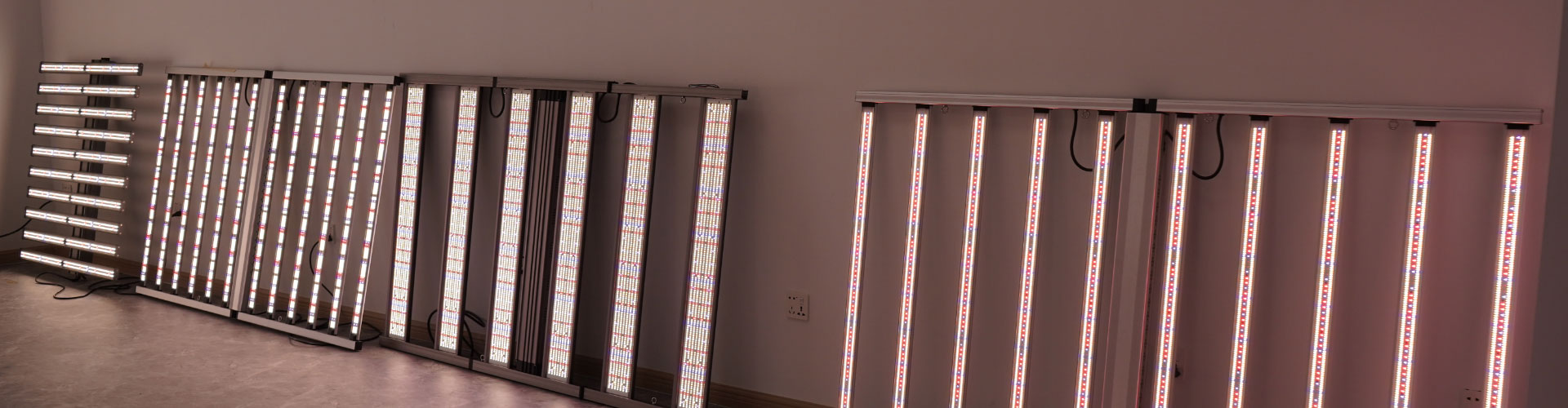
For most rooms, a full-spectrum fixture with a switchable or dimmable UV channel is the cleanest arrangement. One fixture handles the normal daily light, and the UV channel is used only when the recipe calls for it. Before buying, ask a boring but important question: can the channel be controlled on its own? If UV turns on whenever the main fixture turns on, the room has less control than it appears to have.
Under-Canopy and Supplemental Bars
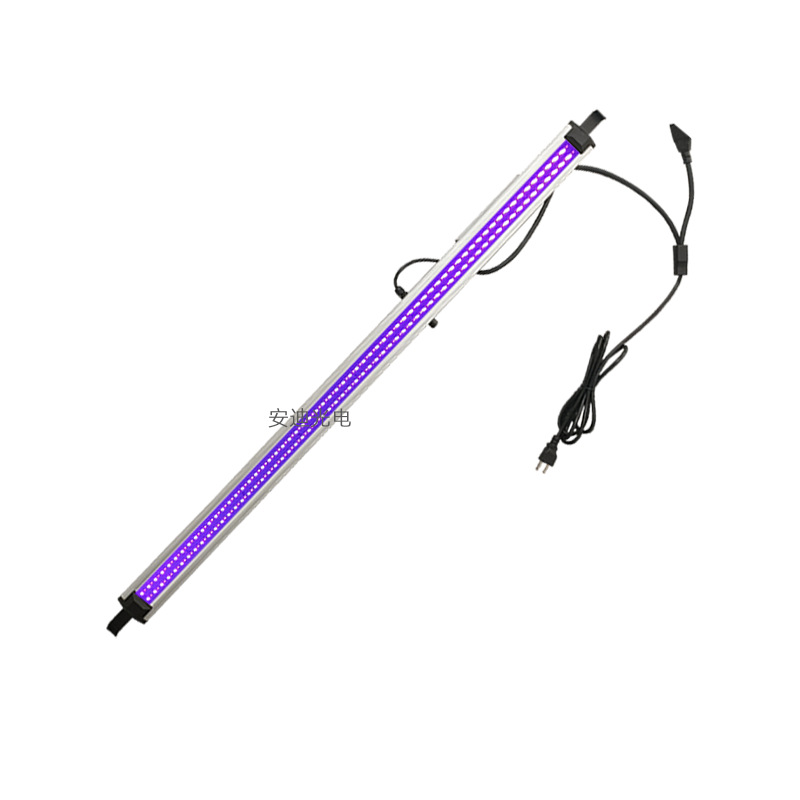
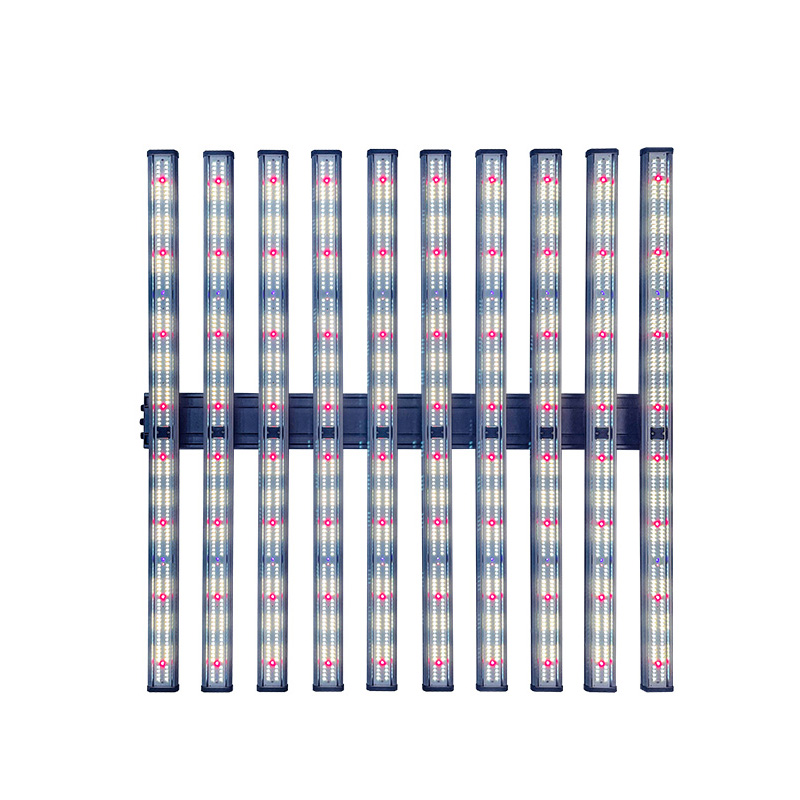
Top lights cover the main canopy from above. Under-canopy bars do a different job: they put light into lower or interior zones where top light loses strength. A fixture such as the 100W UV IR 4ft Under Canopy Supplement LED Light Bar should be judged by mounting height, beam angle, cable routing, waterproofing, and leaf distance. It is not a replacement for a high-output top light; it is a targeted supplement.

UV+IR Combinations
Some fixtures combine UV with infrared or far-red channels. Those channels do not do the same job. Far-red can affect elongation, canopy structure, and flowering signals. UV is a higher-energy stress tool. Keep a written schedule for each channel, especially when several people work in the same room. Many crop problems start with a simple control mistake.
How to Use UV Grow Lights Safely
Start Late, Short, and Measured
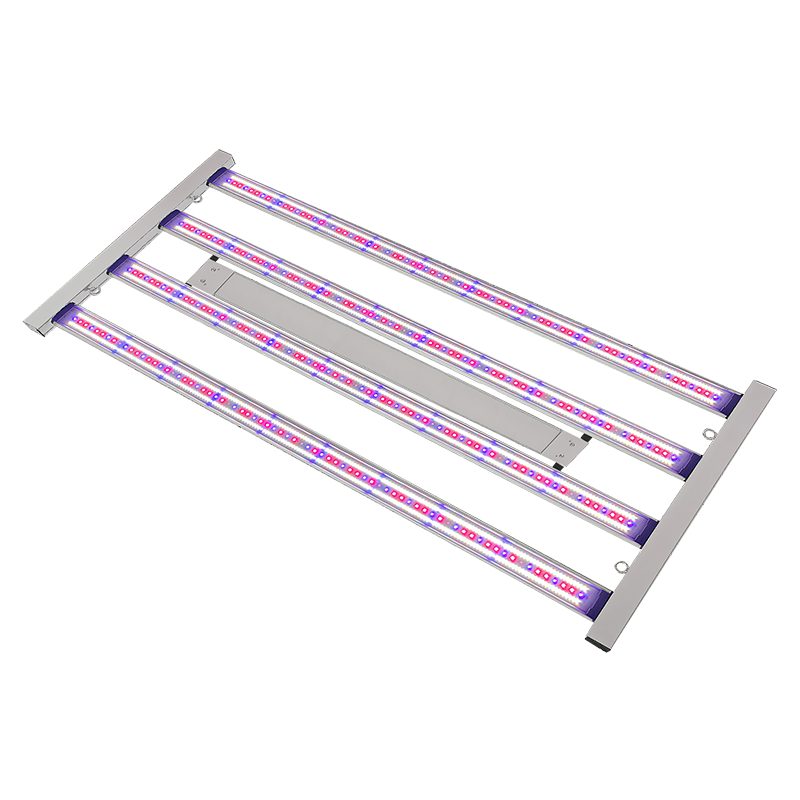
For the configured late-flowering guidance, UV is introduced only in the final 2-3 weeks of flowering. The violet channel is used 10-30 minutes before the main lights come on and again for about 30 minutes after the light period ends. Nighttime use stays under 1 hour, with total exposure capped at 2 hours. These are not universal numbers for every crop. A fixture such as the 1000W+UV+IR 4x4ft LED Plant Grow Light-AD103-1000-D15-110 still needs a crop-specific schedule.
Protect Eyes, Skin, and the Crop
UV radiation is harmful to skin and eyes. Turn the UV channel off before entering the room, use access controls or warning labels, and wear protective equipment specified for the wavelength and task. Do not stare at an operating UV source. Do not treat ordinary clear glasses as protection. On the plant side, begin with low intensity or short duration, then inspect the same plants after each run. Bleaching, curling, necrosis, papery leaf texture, or slowed development means the setting is too aggressive.
Do Not Break the Photoperiod
Photoperiod-sensitive crops can react to accidental light leaks. Use timers that prevent a UV test from stretching the normal light period. Log the start time, end time, channel setting, room temperature, humidity, and plant response. If the room runs hotter or drier after the fixture change, fix that environment shift before blaming or praising the UV treatment.
Choosing LED Grow Lights for a UV Program
Check Coverage Before Wattage
Wattage is only a power number. It does not show whether the canopy receives even light, whether the UV channel is controllable, or whether the fixture fits the room. A 4×4 bench, a rolling rack, and a high-wire greenhouse do not ask the same thing from a lamp. Compare mounting height, optical spread, PPFD map, spectrum data, dimming, channel control, and service access. The LED Grow Lights product range is a useful starting point, but the active canopy should decide the final format.

Test One Change at a Time
Run a small comparison before changing a whole room. Keep the main spectrum, irrigation, temperature, humidity, and photoperiod as consistent as possible. Tag a few plants, take plain notes, and photograph the same area each time. If the UV treatment does not show a clear benefit, remove it. The best UV program is the one that gives a measurable reason to keep using it.
FAQ
Q: Are UV grow lights the same as LED grow lights?
A: No. LED grow lights describe the light source technology, while UV describes a wavelength range. A fixture can use LEDs for visible light, UVA, UVB, infrared, or several separate channels.
Q: Can UV grow lights replace a full-spectrum grow light?
A: No. UV is normally supplemental. Plants still need an appropriate primary spectrum, enough photosynthetic light, stable irrigation, and suitable temperature and airflow.
Q: Are UV grow lights safe for people?
A: They can be hazardous when operated carelessly. UV can injure skin and eyes, so switch it off before entering the exposure area and use wavelength-appropriate protection.
Q: When should UV grow lights be used?
A: Timing depends on the crop and goal. Some late-flowering programs introduce UV only during the final 2-3 weeks, while other crops require a different test plan.
Q: What should be checked before buying LED Grow Lights with UV?
Review information related to wavelength, channel control, dimming, coverage, distance from the mounting point, heat management, electrical needs, and performance for the chosen crop.


