
Vertical Farming Success with the Best Full-Spectrum LED Grow Lights
Why Full-Spectrum LED Grow Lights Are Critical for Vertical Farming
Vertical farming makes the most of space. But it takes plants completely away from natural sunlight. Indoor growers must supply light to make up for this. The light drives photosynthesis. It also controls plant shape and secondary metabolite production.
What Makes a Full-Spectrum LED Grow Light Different from Traditional Lighting
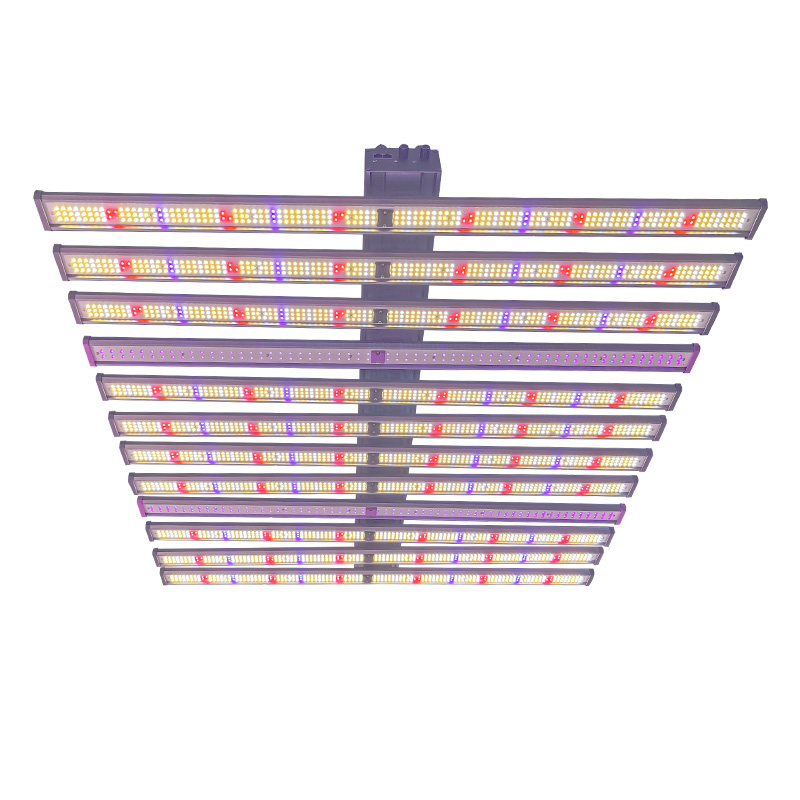
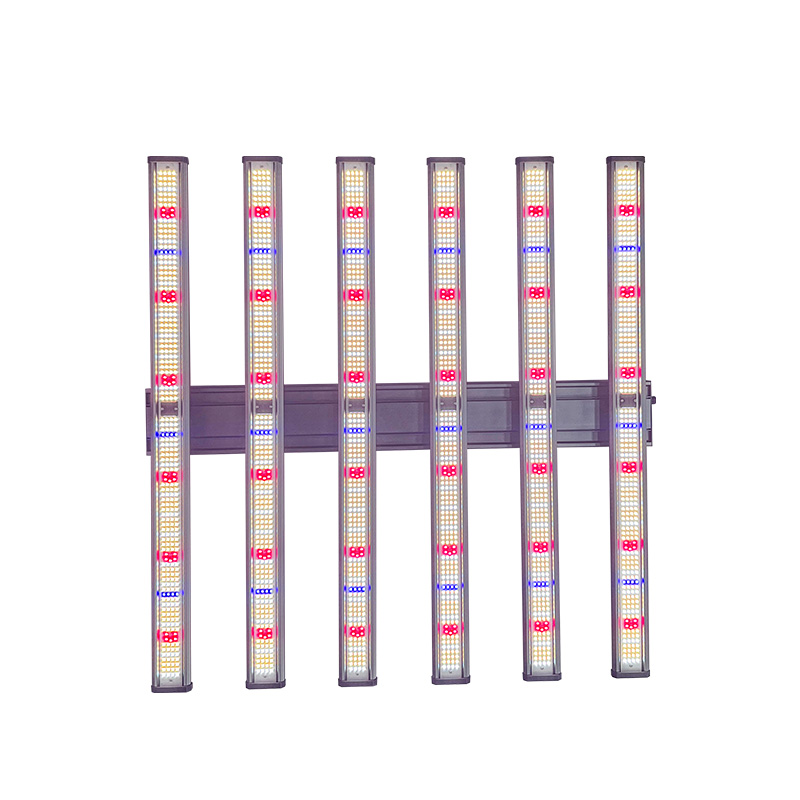
Traditional lighting, such as High-Pressure Sodium (HPS), focuses mainly on red and yellow wavelengths. This often causes too much stretching. It also leads to poor canopy penetration. A true full-spectrum LED grow light provides a wide wavelength range. It mixes key blue, green, and red light. At ANDYLED, we design our bar-style fixtures to deliver this complete spectrum. Plants receive the exact light quality they need. They avoid the large heat output from older bulbs.

How Full-Spectrum Lighting Mimics Natural Sunlight for Plants
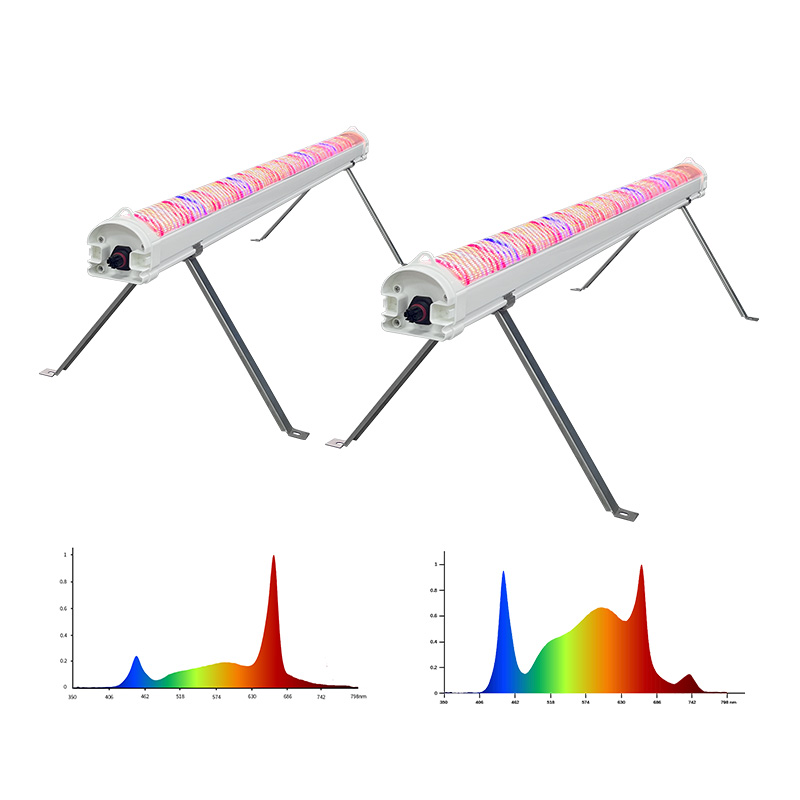
Natural sunlight offers a steady spectrum. This spectrum signals plants to carry out different biological functions. Full-spectrum LEDs copy this balance. Blue light supports tight and strong vegetative growth. It also aids root development. Red light promotes flowering and fruiting stages. Green light is important as well. It reaches deeper into the canopy.
The Role of Spectrum in Photosynthesis and Plant Development
Different wavelengths affect specific photoreceptors. Chlorophyll A and B absorb blue and red light well for energy production. Far-red and UV wavelengths activate stress responses. These responses improve terpene and cannabinoid production. A well-matched spectrum helps commercial growers raise crop quality. It also increases overall yields.
Vertical Farming Lighting Needs and Challenges
Growing upwards creates special conditions. Single-tier indoor farms do not face these same issues.
How Vertical Farming Differs from Conventional Indoor Growing
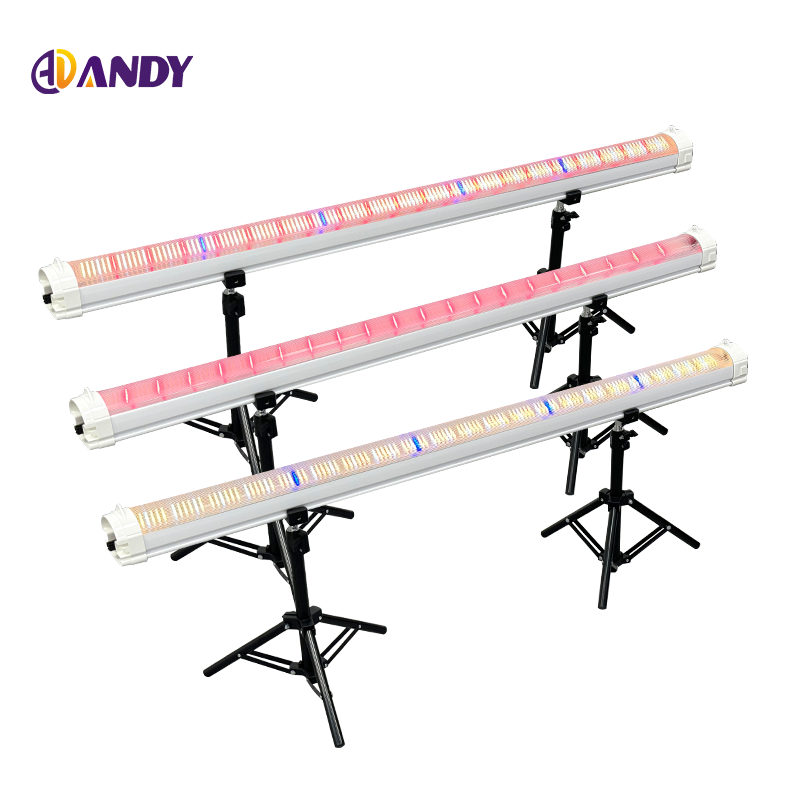
In vertical farms, plants sit on multi-tier racks. This reduces the distance between the canopy and the light source. Fixtures must stay low-profile. They need to spread light evenly. This avoids light burn on plants.
Space Constraints and Uniformity Requirements in Vertical Grow Racks
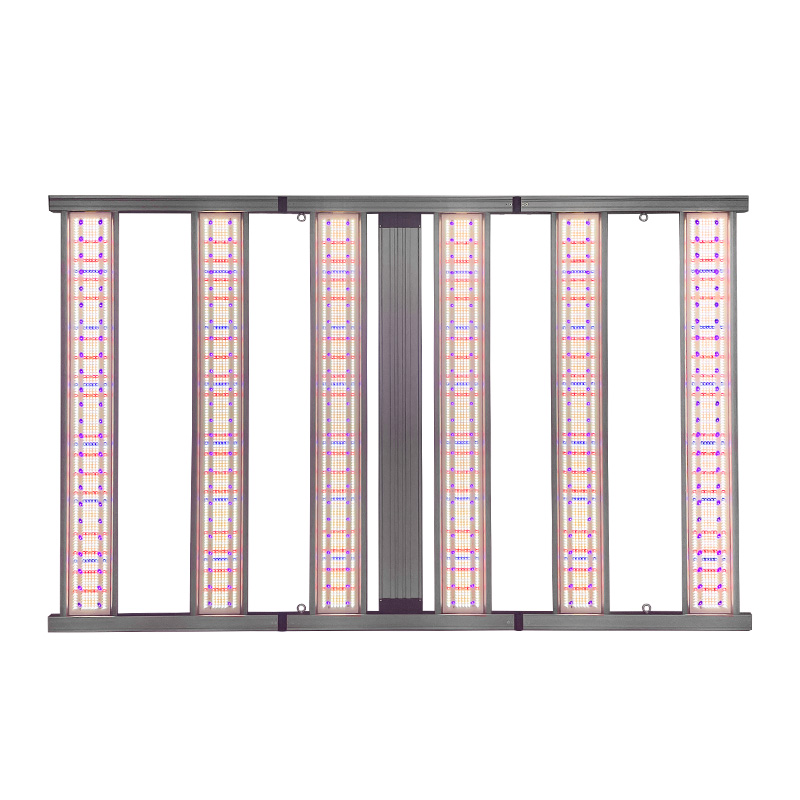
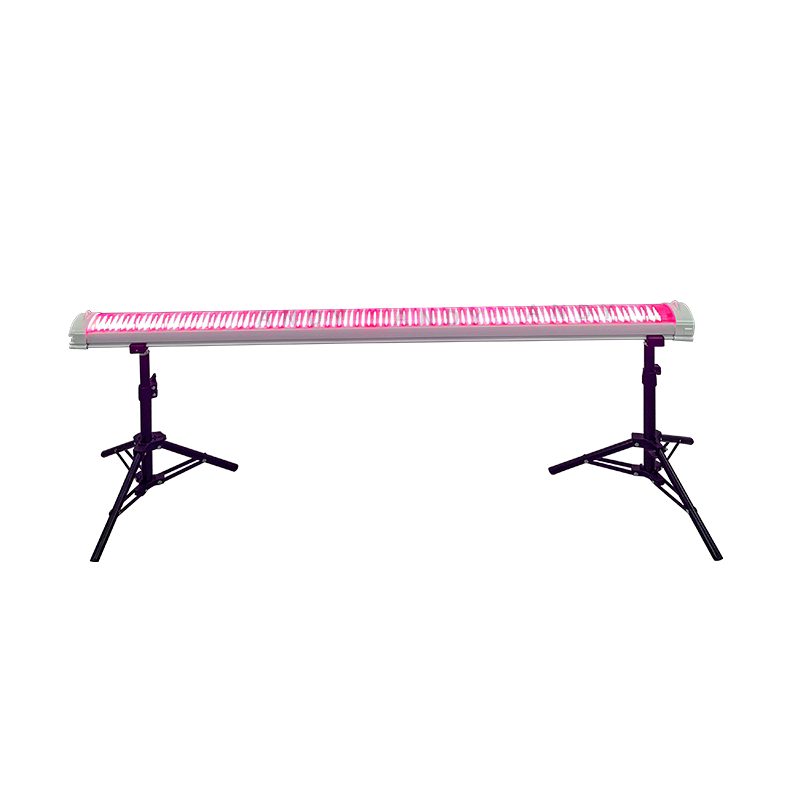
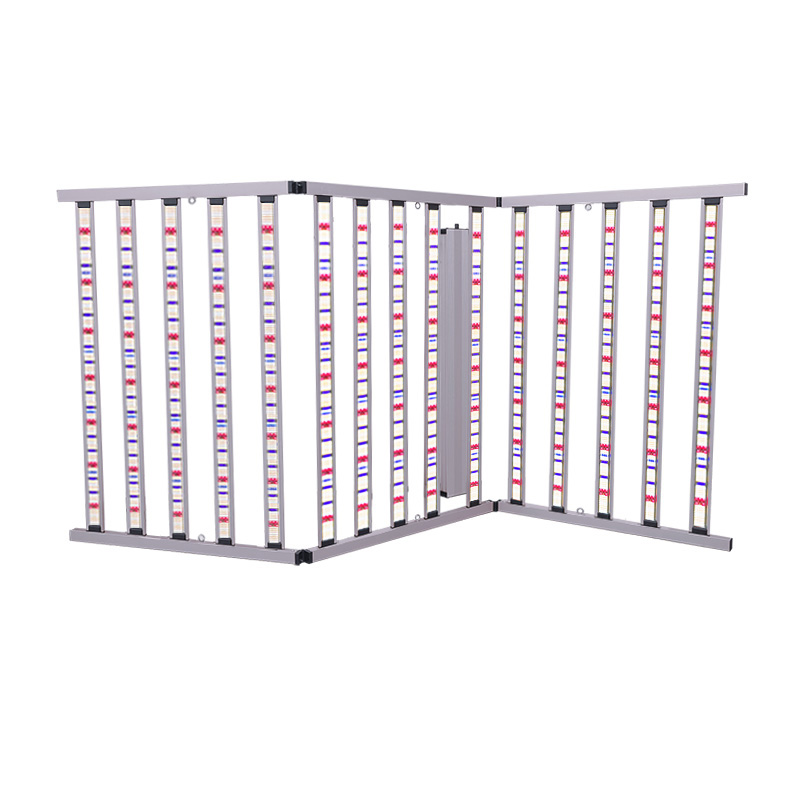
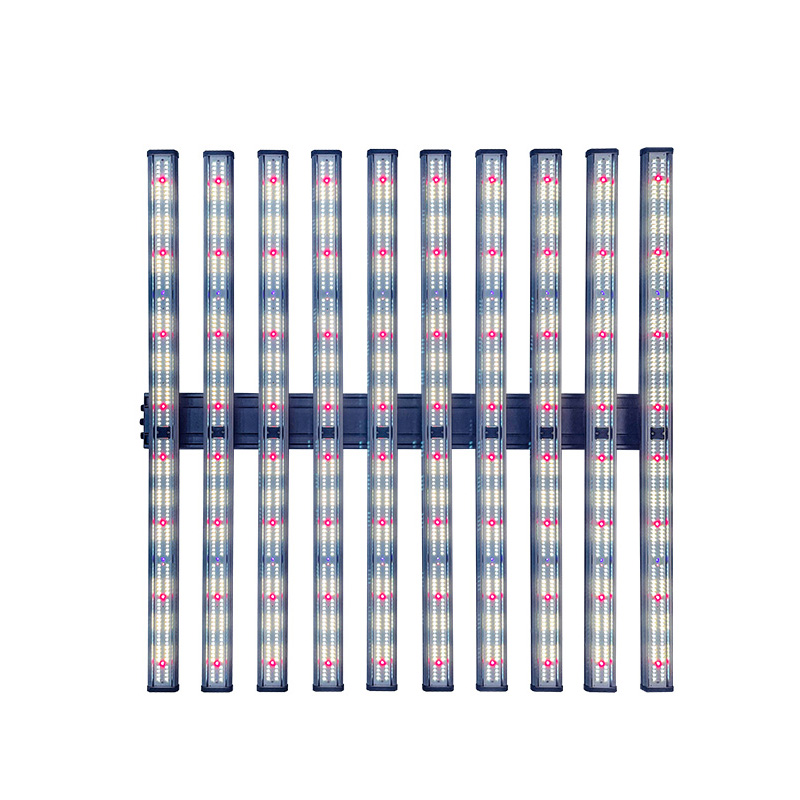
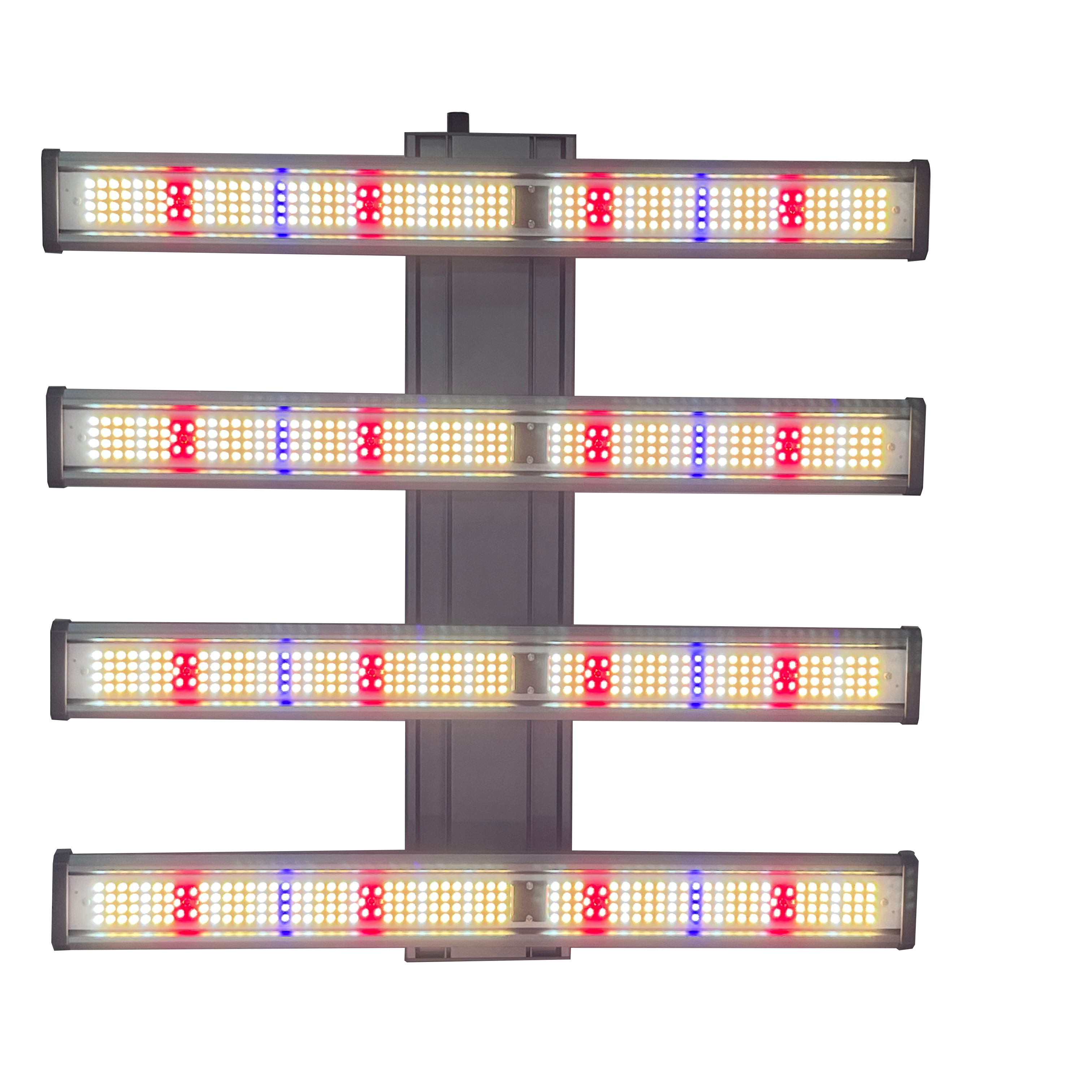
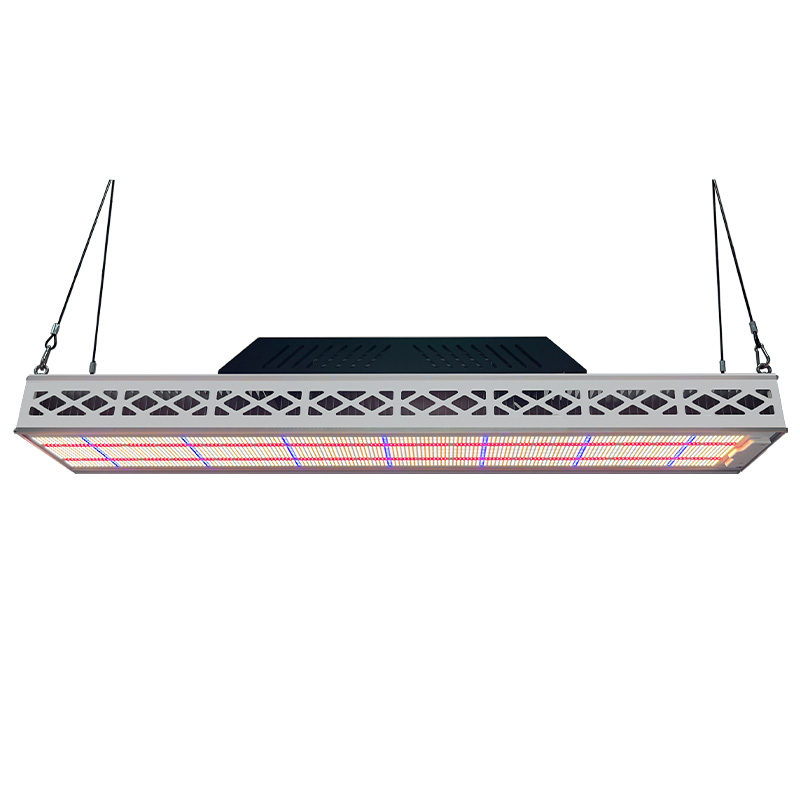
Limited overhead space means growers cannot depend on distance to soften light. Bar design LED fixtures work best here. These are often called octopus styles. They cover the full canopy. We manufacture our fixtures with a 120° beam angle. This creates complete uniformity across every grow tray. It removes hot spots and shaded corners.
Managing Heat, PPFD, and DLI in Tiered Grow Systems
Heat rises in these setups. This makes temperature control more difficult in stacked systems. High-quality aluminum heat sinks release heat naturally. They do not need fans. Steady PPFD and DLI levels become easier to maintain. The lighting system runs efficiently. This protects the sensitive conditions in each tier.
Key Features to Look for in Full-Spectrum LED Grow Lights
When upgrading a commercial facility, certain technical details decide long-term success.
Balanced Wavelength Coverage (Blue, Red, Green, Far-Red)
A balanced spectrum makes sure plants receive all important growth signals. Broad-spectrum Samsung LEDs reduce quality loss over time. They keep a consistent spectral output from one harvest to the next.
PPFD Uniformity and Coverage for Plant Canopies
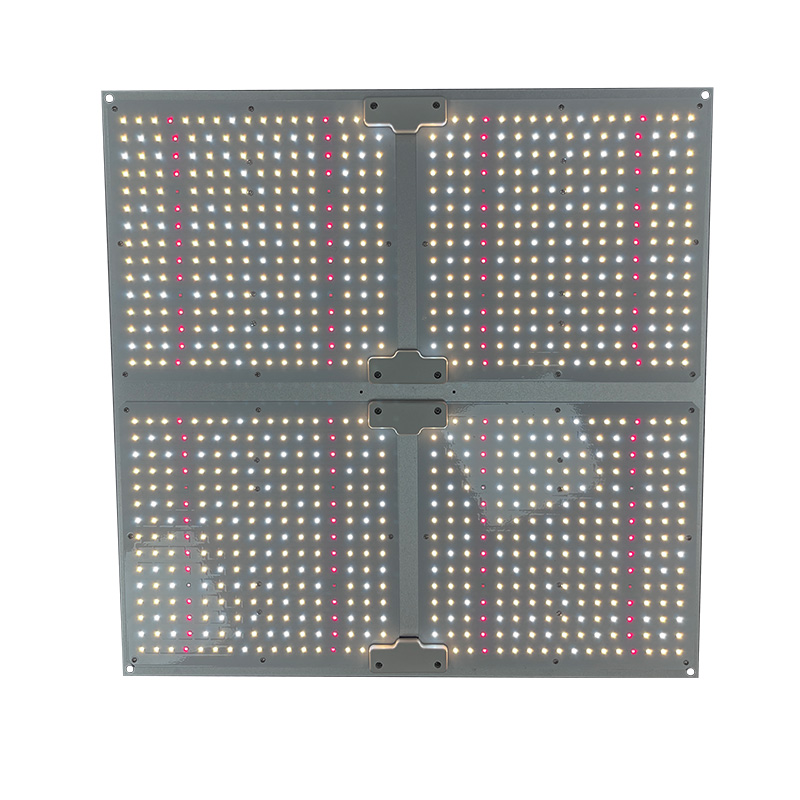
Uneven light creates uneven harvests. High-end fixtures place diodes carefully across multiple bars. This maintains a flat PPFD map. Plants at the edges of a rack receive the same energy as those in the center.
Energy Efficiency (PPE) and Thermal Management
Success in vertical farming depends on energy efficiency. Our fixtures reach a strong Photosynthetic Photon Efficacy (PPE) of 3.0 µmol/J. This lowers electricity costs while producing yields of 4-5 lbs per light. Premium aluminum construction pulls heat away from the diodes quickly. It protects both the plants and the fixtures.
Selecting Full-Spectrum LED Fixtures for Vertical Farm Success
When you expand operations, supplier reliability matters as much as the fixture. At ANDYLED, our large-scale workshop includes a complete production line from SMT patching to final assembly. We hold the highest production capacity and the largest warehouse in Shenzhen. We can ship a full container in just 5 days. We keep plenty of raw materials in stock. This capacity lets us adjust orders quickly to match your specific farm needs.
Form Factor and Mounting Options for Multi-Tier Systems
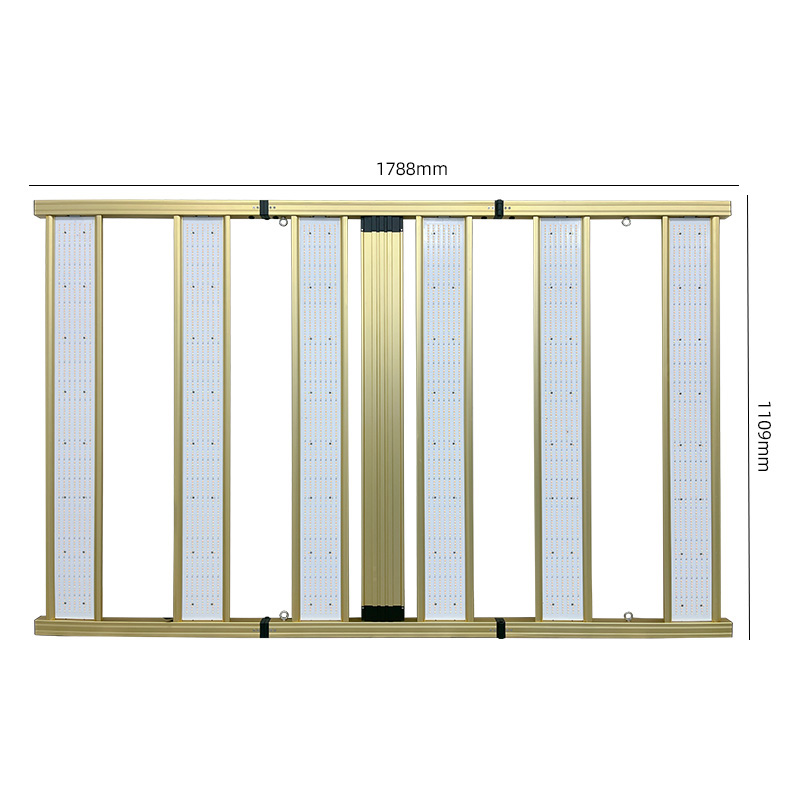
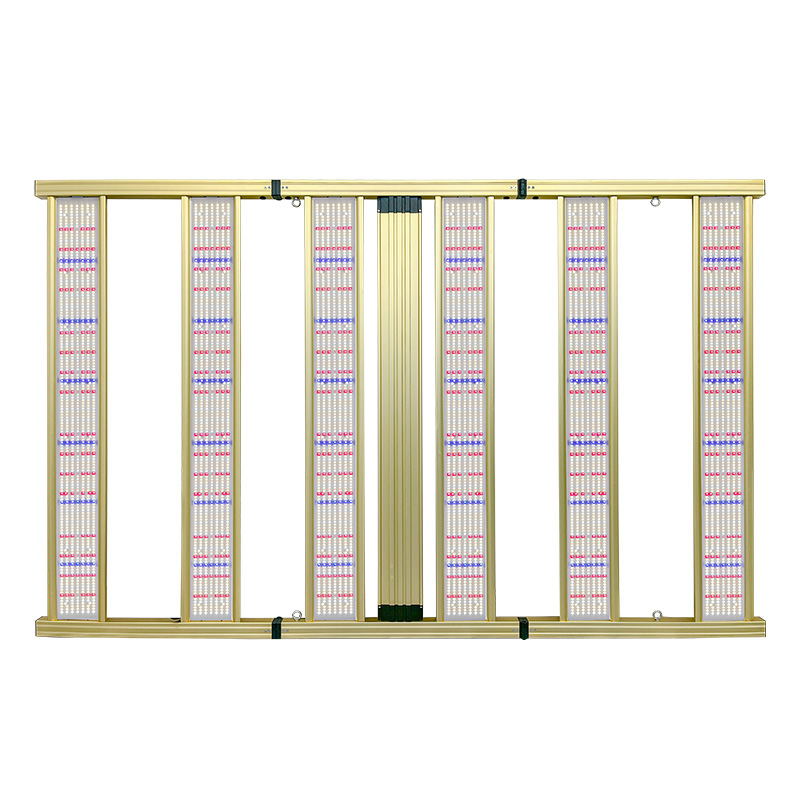
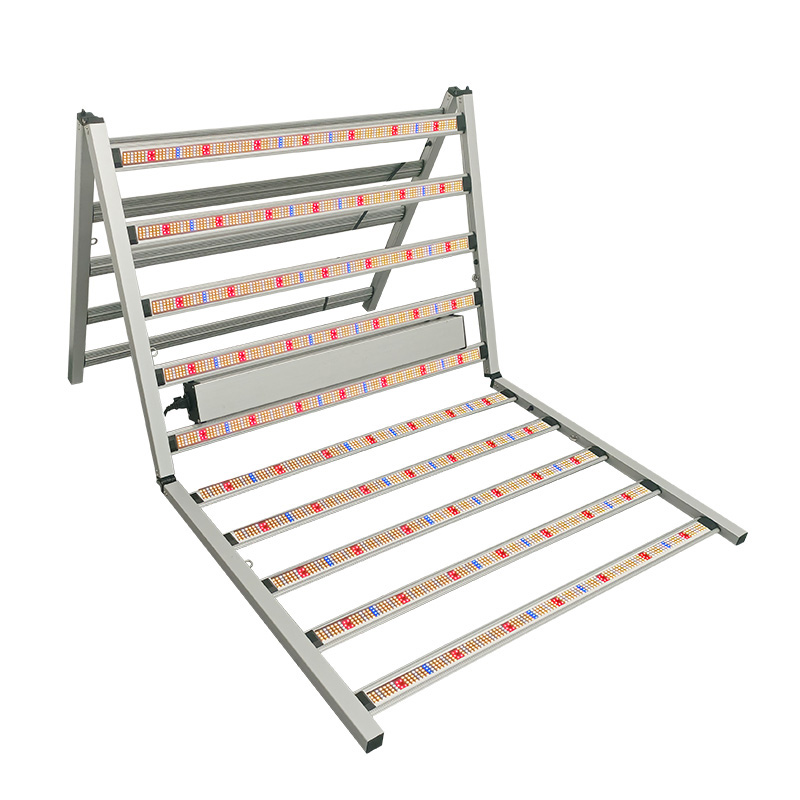
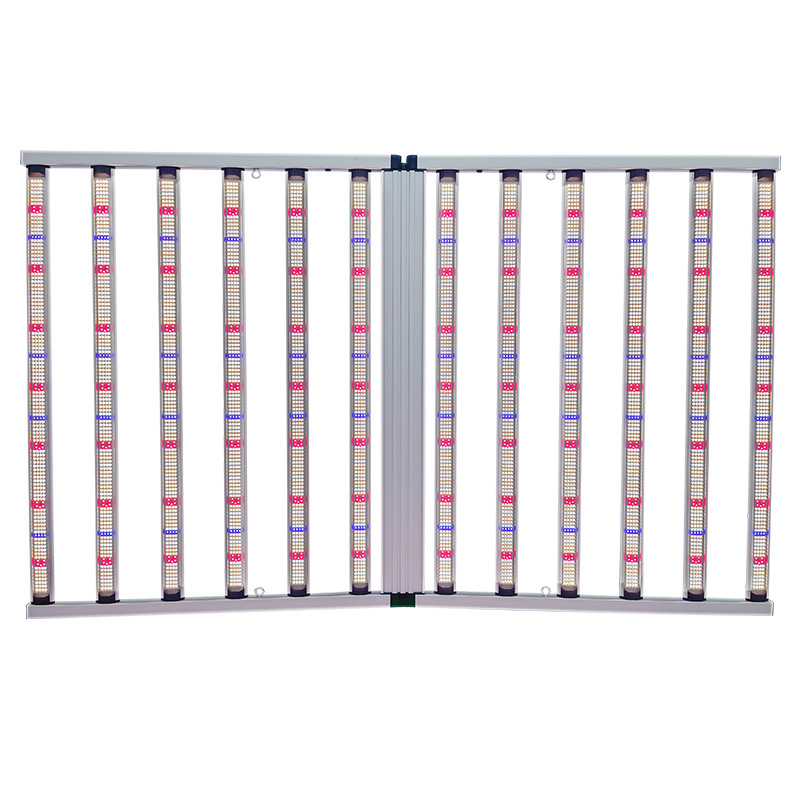
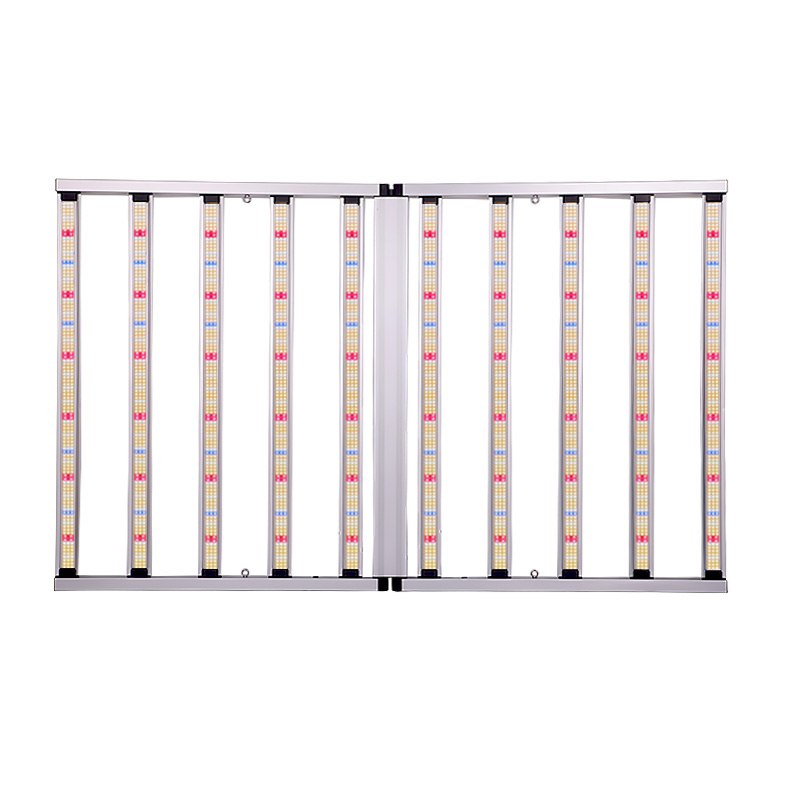
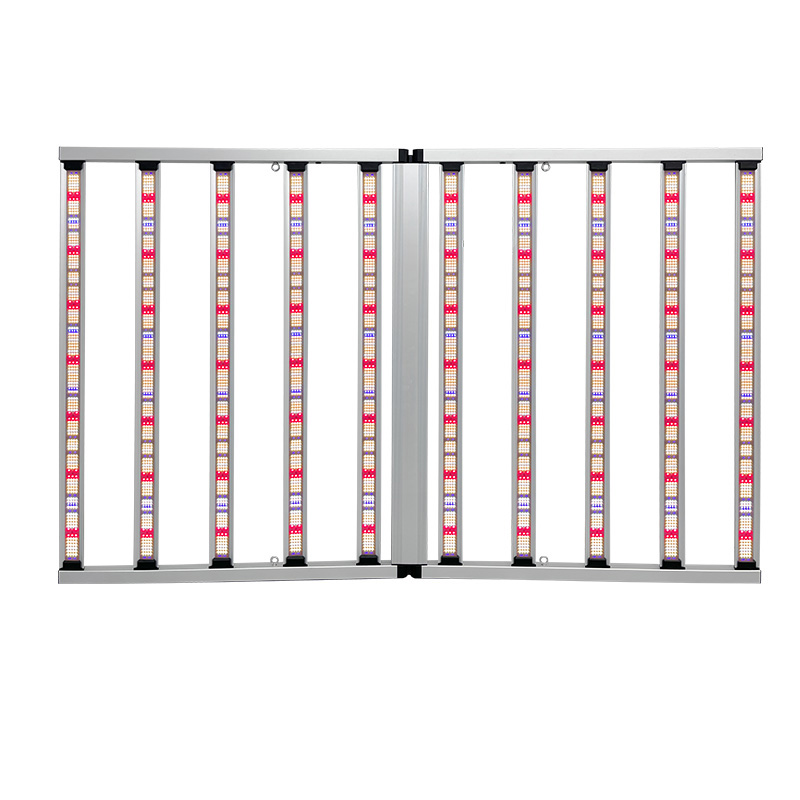
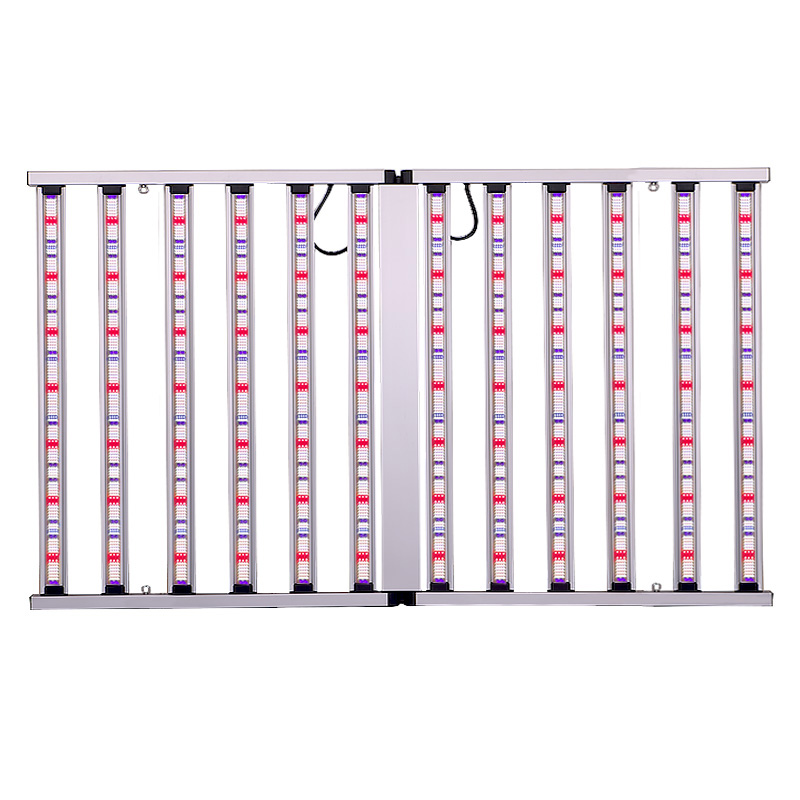
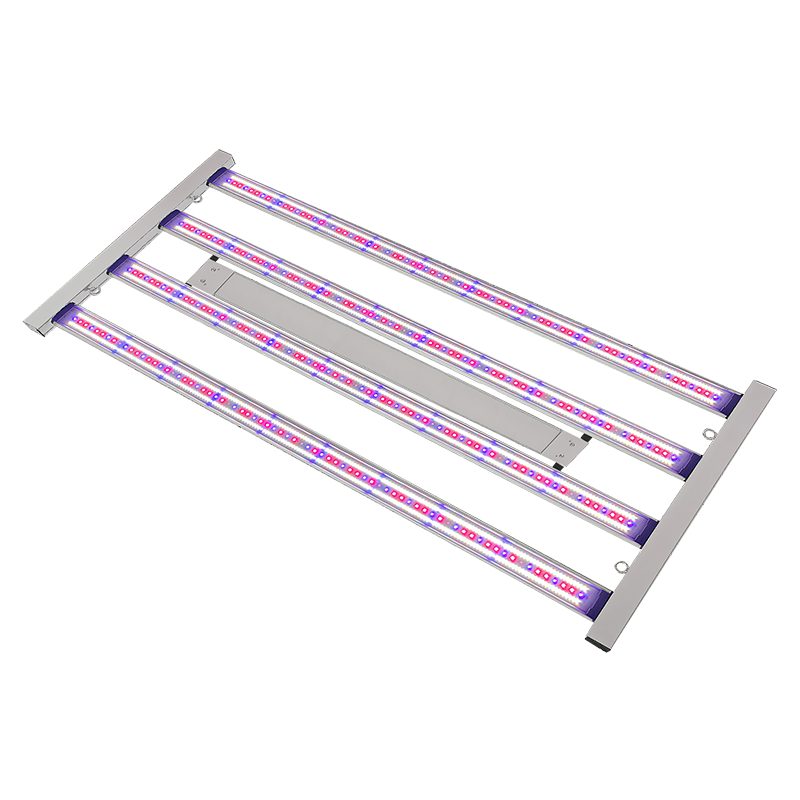
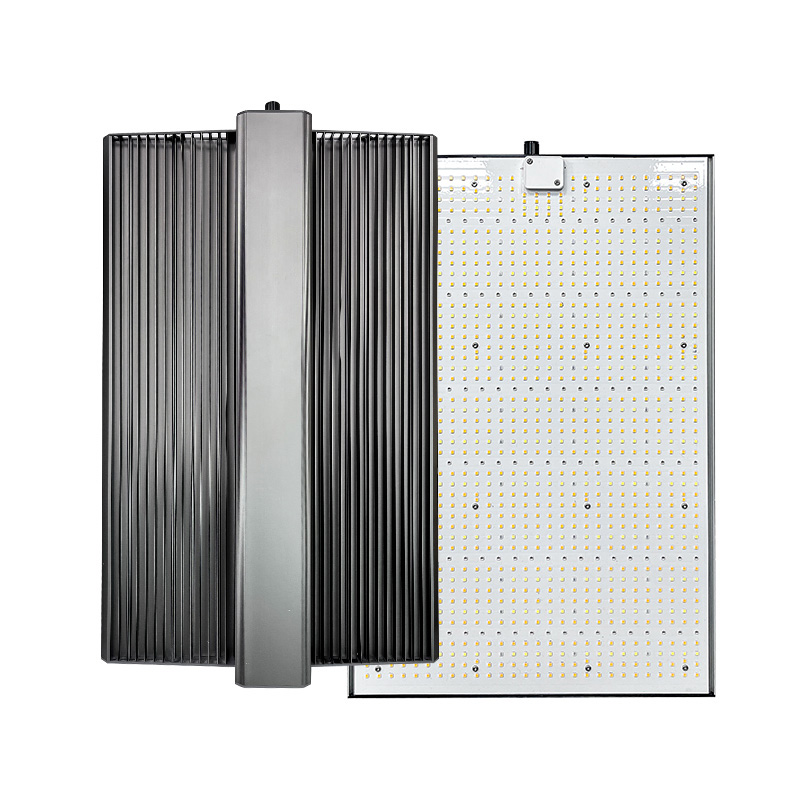
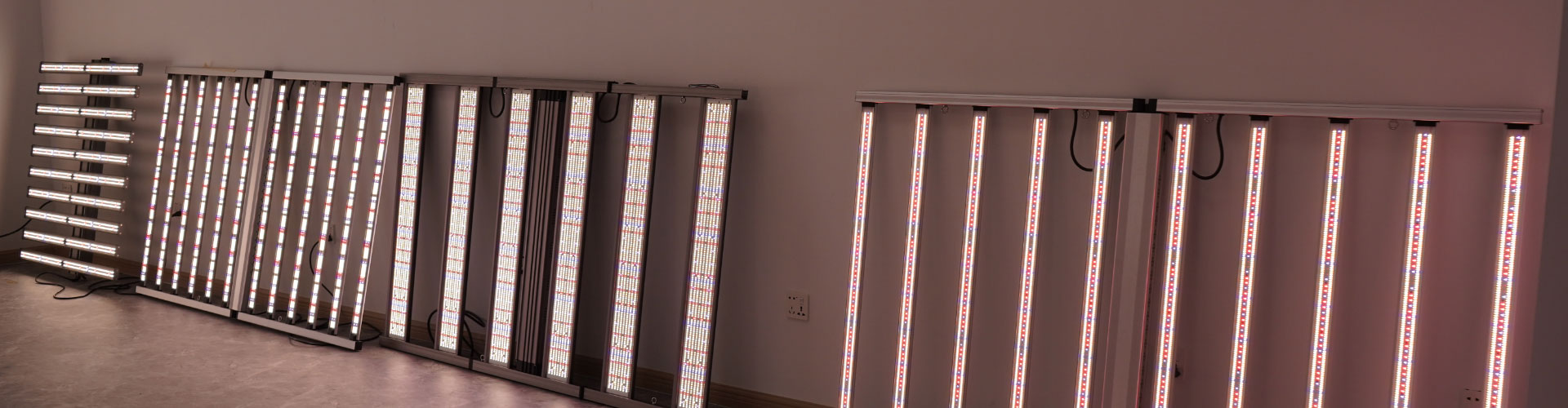
For multi-tier setups, the physical design is very important. Detachable octopus-style bar lights offer the needed coverage. They remain easy to install. For growers who want modularity, the 1000W Three-Channel Dimming Detachable LED Grow Light for 4*4(ft) is a strong choice. This detachable bar design simplifies maintenance in tight vertical spaces. It includes integrated aluminum heat sinks for reliable long-term operation.
Spectrum Tunability and Stage-Specific Lighting Strategies
Foldable fixtures are popular for quick setup in large commercial farms. At ANDYLED, we offer two main foldable solutions that perform well in these settings. The 800W single-channel dimming LED grow light for 4×4(ft) setups supplies strong, uniform coverage for standard racks. It creates major energy savings. For larger trays, the Efficient 1000W LED Grow Light with Adjustable Brightness for 4×6 (ft) covers expanded canopies well. Both foldable models use top-tier Samsung LEDs. They deliver 3.0 µmol/J efficacy and generate 4-5 lbs per light.
Compliance and Certification Considerations for Commercial Operations
Commercial operations need fixtures that meet strict safety and environmental standards. Choose grow lights with key certifications such as CE, FCC, RoHS, and an IP54 rating. These ensure the lights can handle humid, sprayed conditions in a working farm.
Practical Tips for Installing and Optimizing LED Grow Lights
Proper installation increases the return on your lighting investment.
Optimal Hanging Heights and Light Spacing for Vertical Layers
Bar-style LEDs spread light evenly. This allows them to hang closer to the canopy. Adjust the hanging height as plants move from the vegetative stage into flowering.
Integrating Light with Climate Controls and Humidity
Our aluminum fixtures reduce heat naturally. Vertical farms still need strong HVAC systems. Match lighting schedules with suitable dehumidifiers and fans. This controls the full growing environment. It prevents small climate differences from forming.

Monitoring Light Intensity and Adjusting for Crop Types
A PAR meter helps check light intensity on a regular basis. Dimming on modern LED fixtures lets you lower the intensity for young plants. You can raise it to full power during peak flowering.
Common Mistakes to Avoid When Choosing LED Grow Lights
Choosing the wrong equipment can reduce a vertical farm’s return on investment.
Confusing Wattage with Actual Plant-Useful Output
Wattage measures only electrical draw. It does not show light output. Always check a fixture by its µmol/J rating and total PPFD. These numbers indicate how much usable light the plants receive.
Relying on “Blurple” Lights Instead of True Full Spectrum
Older red and blue lights miss green and broad-spectrum wavelengths. These wavelengths support complete plant health. They also allow accurate visual checks by workers.
Ignoring Uniformity and DLI Optimization
Focusing only on the center peak creates weak growth at the edges. Choose bar-style designs with a 120° beam angle. This ensures every part of the canopy receives an optimized Daily Light Integral.
FAQ
Q: What is the ideal light spectrum for indoor plant growth?
A: The ideal spectrum for indoor growth copies natural sunlight closely. It includes blue light for strong vegetative growth, red light for heavy flowering, and green light for canopy penetration. Our bar-design fixtures use premium Samsung LEDs to deliver this full wavelength balance.
Q: How much yield can commercial growers expect from high-efficiency LED fixtures?
A: When using high-efficiency fixtures rated at 3.0 µmol/J with a 120° beam angle, commercial growers can typically achieve a yield of 4-5 lbs per light. This requires strict control of the overall environment, including temperature and humidity.
Q: Why are bar-style grow lights better for vertical farming?
A: Bar-style designs spread light diodes across a wide area instead of placing them in one central spot. This creates strong PPFD uniformity. Such uniformity is critical in vertical farming, where headroom is limited, and plants sit close to the light source.
Q: Does a higher wattage LED grow light always mean better plant growth?
A: No. Wattage only shows electricity consumption. The true measure is Photosynthetic Photon Efficacy (PPE). For example, our 800W and 1000W fixtures deliver an efficient 3.0 µmol/J. They convert electricity into usable light for plants very effectively.
Q: How should heat dissipation be managed in indoor tiered grow systems?
A: Modern LED fixtures use high-quality aluminum construction for natural heat release. Yet temperatures rise the longer the lights operate. Growers must combine them with external fans and dehumidifiers. This manages the complete room climate effectively.


