
Smart LED Lighting Solutions for Modern Greenhouses: What You Need to Know
What is smart LED lighting in modern greenhouse systems?
How smart LED lighting differs from traditional grow lighting systems
Smart LED lighting has changed controlled environment agriculture. It replaces fixed, high-heat traditional bulbs with efficient and focused illumination. Older technologies lose energy as heat. Modern LEDs send exact wavelengths straight to the plant canopy. This greatly cuts power consumption. It also speeds up vegetative and flowering cycles.
The role of automation and control in smart horticulture lighting
Automation turns a regular greenhouse into an intelligent biological factory. Modern systems give precise control over the entire growing environment. They often work together with facility humidifiers and fans. This helps maintain perfect atmospheric balance. This integration makes the lighting respond to the facility’s real-time needs. It does not run on a fixed and separate timer.

Why smart LED lighting is becoming essential in controlled environment agriculture
Facilities such as greenhouses, vertical farms, and hydroponic setups depend on these intelligent systems to increase output. For commercial farms, depending only on natural sunlight creates too many variables. Intelligent lighting provides steady photon delivery. This makes it an essential tool for large-scale agricultural success.
How smart LED lighting improves greenhouse growing efficiency
How dynamic light adjustment supports different plant growth stages
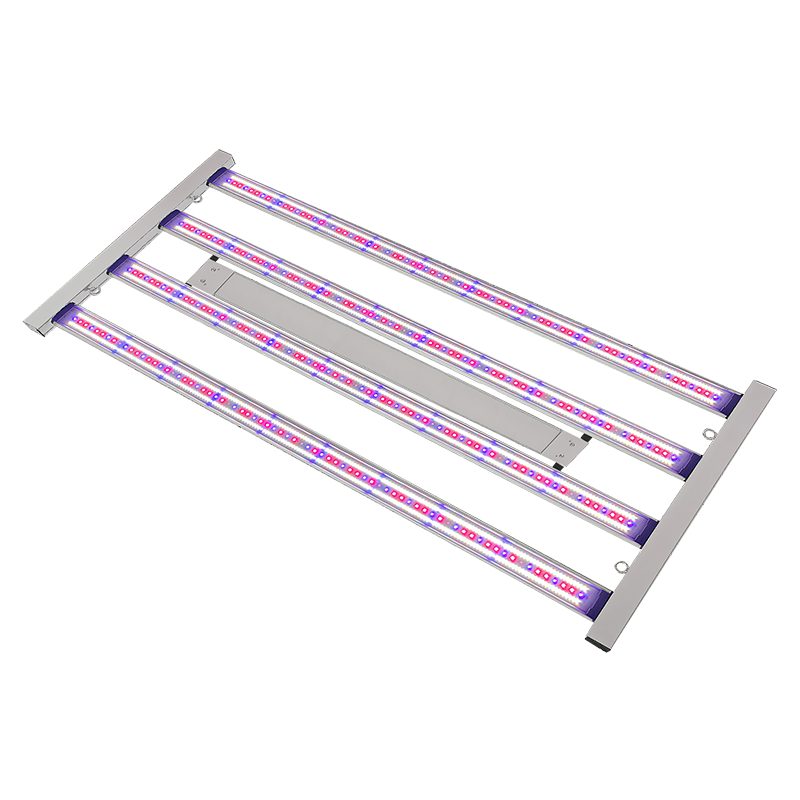
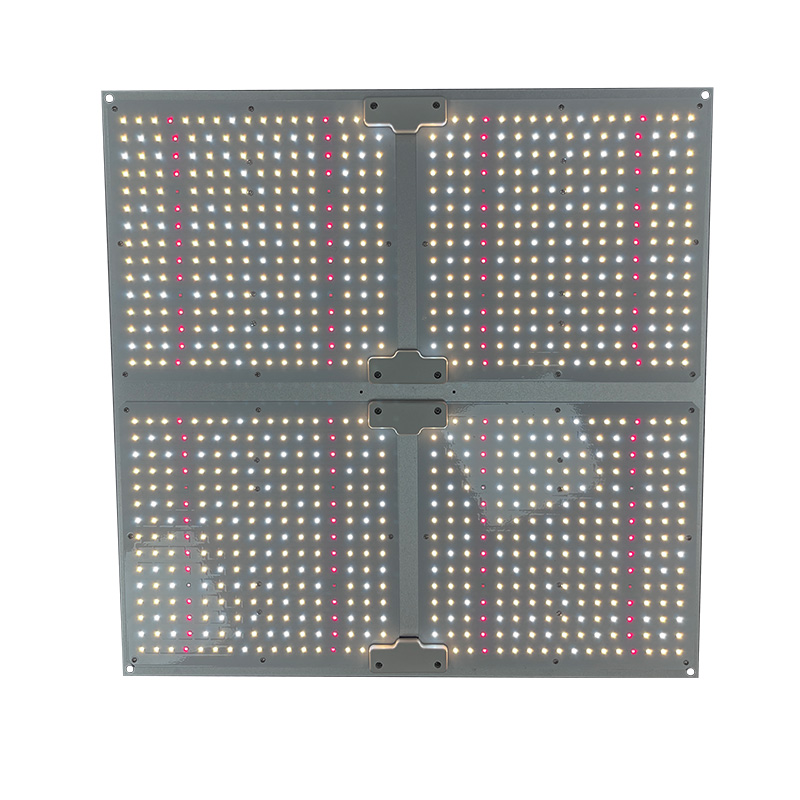
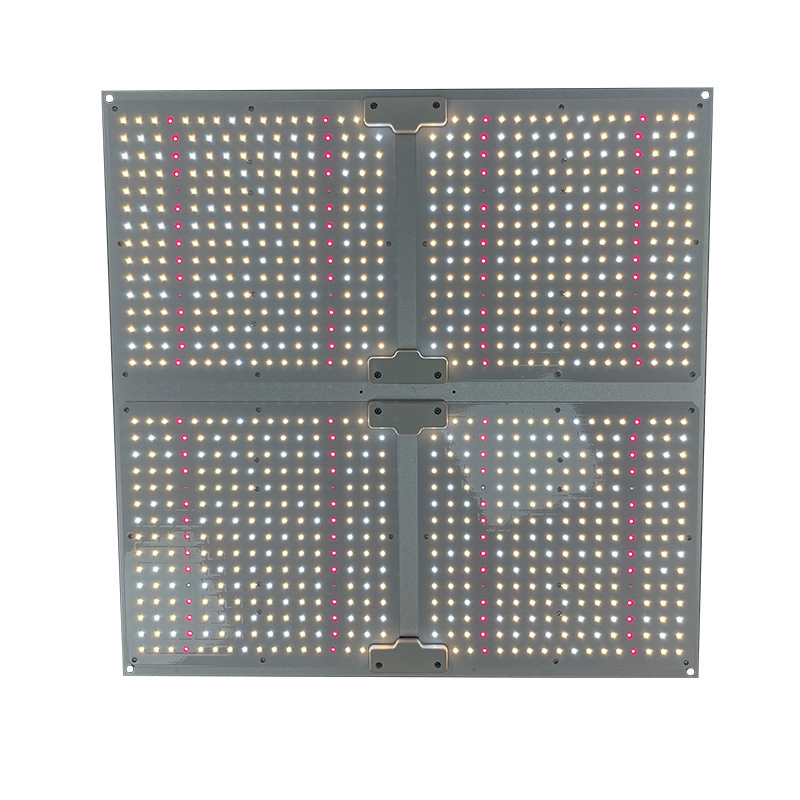
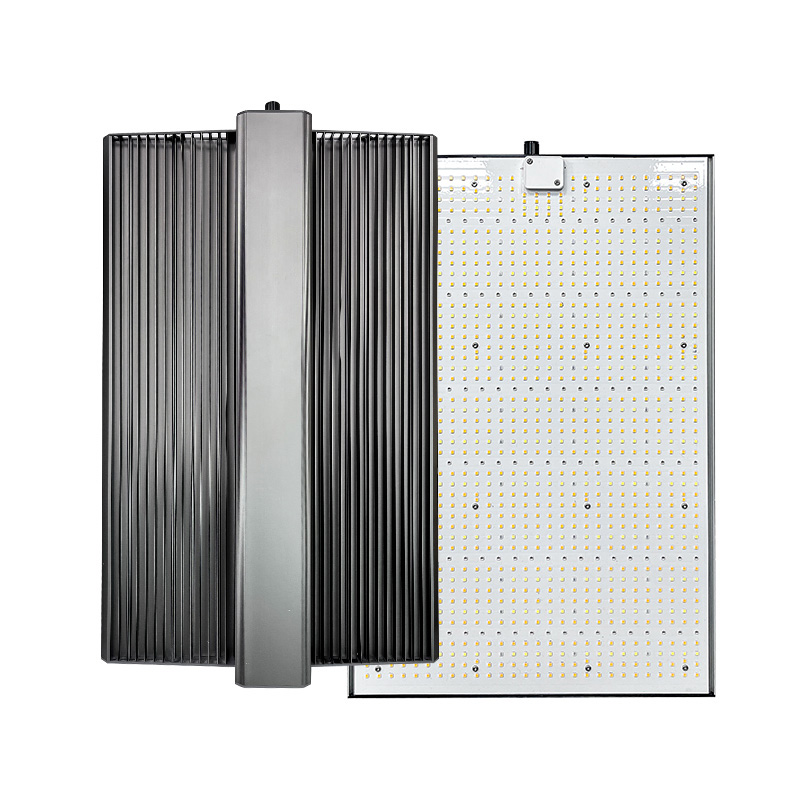
Different growth stages need very specific light intensities. Fixtures like the 800W single-channel dimming LED grow light for 4×4(ft) setups let growers change brightness smoothly. This ensures plants receive the exact amount of energy they need. The adjustment works from seedling to harvest. It prevents overexposure.
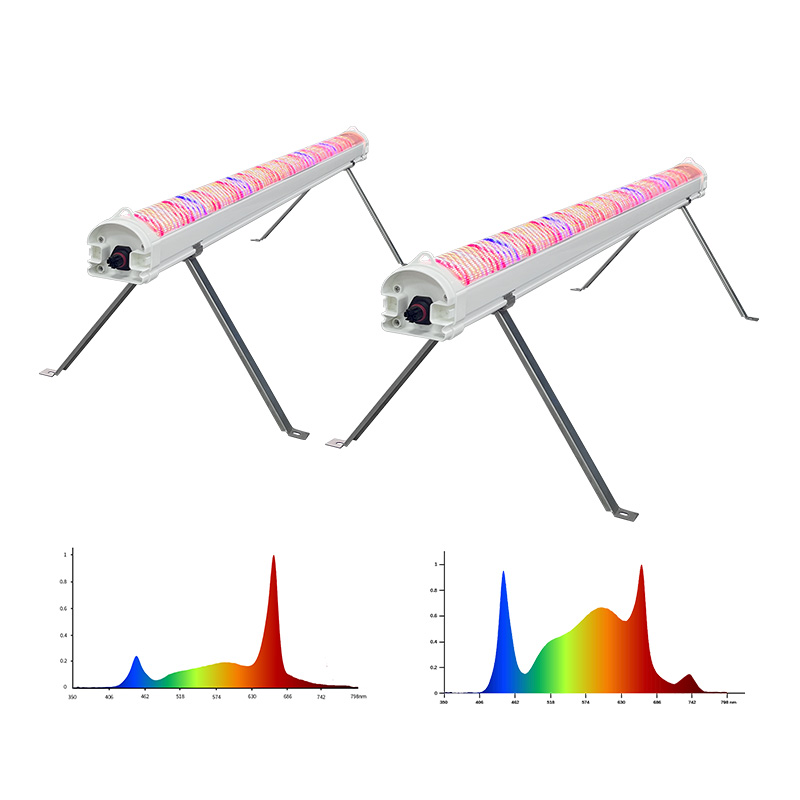
The importance of light spectrum control for crop quality and consistency
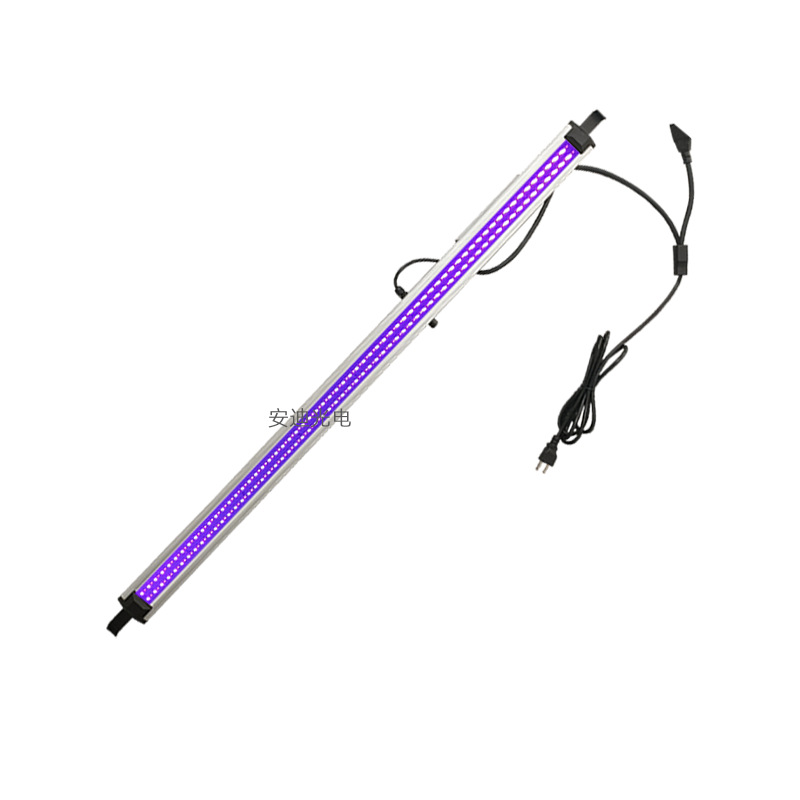
Adjusting the spectrum opens new possibilities in crop morphology. For example, the main purpose of adding UV light is to improve the color and enrich the flavor profile of the harvest. UV light is very specialized. It slows standard growth. Growers use it during the later stages of cultivation for about two hours a day. This maximizes aesthetic and structural quality.
How smart lighting reduces energy waste while maintaining plant productivity
Efficiency forms the foundation of modern agricultural profitability. Top-tier fixtures work at an impressive 3.0 µmol/J. They change electricity into usable plant light with very little waste. This large cut in electrical costs lets farms expand their operations. They do not need to raise their utility costs at the same rate.
Key technologies behind smart LED lighting systems for greenhouses
IoT-based monitoring and remote lighting control systems
The Internet of Things (IoT) lets facility managers watch hundreds of fixtures from one dashboard. By connecting the lighting arrays, farms can match their lighting schedules with local grid demands. This ensures optimal energy usage during off-peak hours.
Sensor-driven feedback loops for temperature, humidity, and light intensity
Advanced LEDs have aluminum bodies that speed up heat dissipation. They operate without active cooling fans. They do not hold a constant temperature while running. The driver is integrated and usually stays in place. Greenhouse sensors keep track of the ambient heat. They activate external exhaust fans and humidifiers. This keeps the climate perfectly balanced.
AI-assisted optimization in modern greenhouse lighting management
Artificial intelligence now examines large amounts of crop data. It predicts the best lighting recipes for specific strains. These algorithms can recommend small changes to the dimming schedules. They find the right balance between energy conservation and maximum biological yield.
How smart LED lighting supports year-round greenhouse production
Overcoming seasonal sunlight limitations with adaptive lighting systems
Winter months and cloudy areas no longer control agricultural calendars. Adaptive lighting adds to weak natural sunlight. It makes sure the canopy receives a baseline daily light integral (DLI). This works no matter what the external weather is like. It allows true year-round harvesting.
Maintaining consistent PPFD levels for stable plant growth cycles
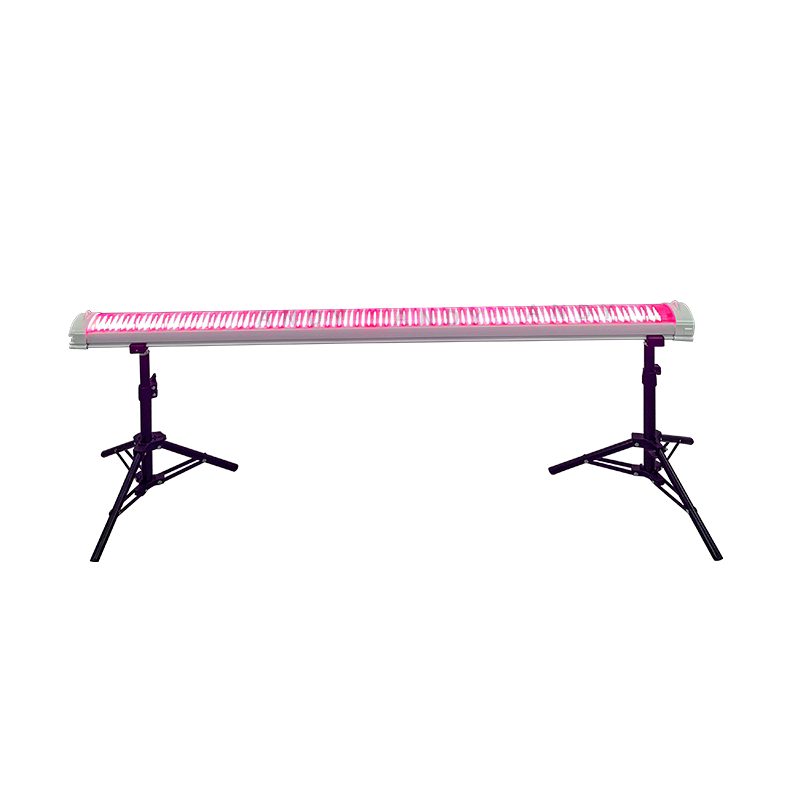
Uniform light distribution is very important. It prevents stunted plants at the edges of the canopy. Modern fixtures use premium Samsung diodes. They project a 120° beam angle that gives wide and even coverage. This optical uniformity ensures every square foot of the canopy photosynthesizes at the same strong rate.
How controlled lighting improves yield predictability and crop uniformity
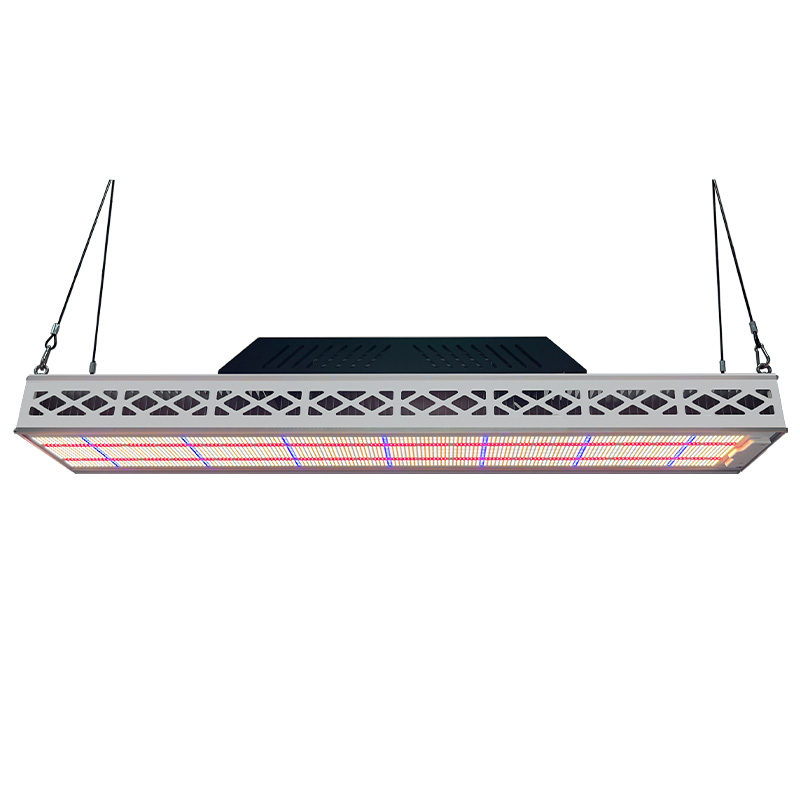
By keeping ideal lighting conditions, commercial farms can expect large and uniform harvests. They consistently reach yields of 4-5 lbs per light. A clear example of this reliability is the 1000W 4x6ft LED Grow Light-AD10-1000-2C2-180. It stabilizes production cycles. It also guarantees a predictable return on investment.
What to consider when choosing smart LED lighting for greenhouse projects
Light efficiency metrics (PPFD, µmol/J) and system performance indicators
When judging commercial lighting, strict metrics are important. Facilities should require equipment that reaches the 3.0 µmol/J threshold. This ensures long-term operational success. High-efficiency output connects directly to strong root development and dense flower formation.
Compatibility with greenhouse structure and crop-specific requirements
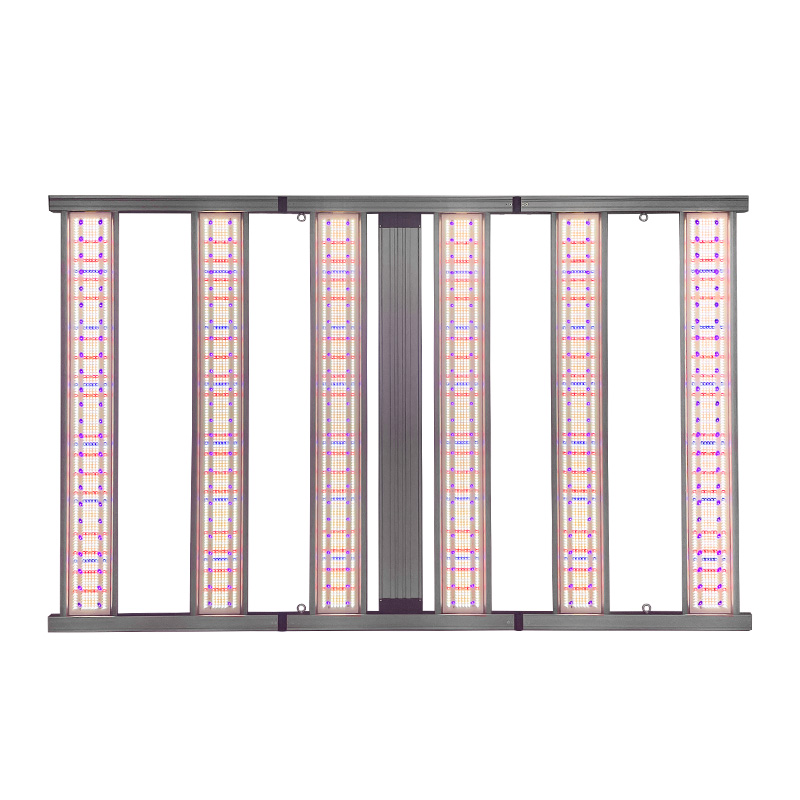
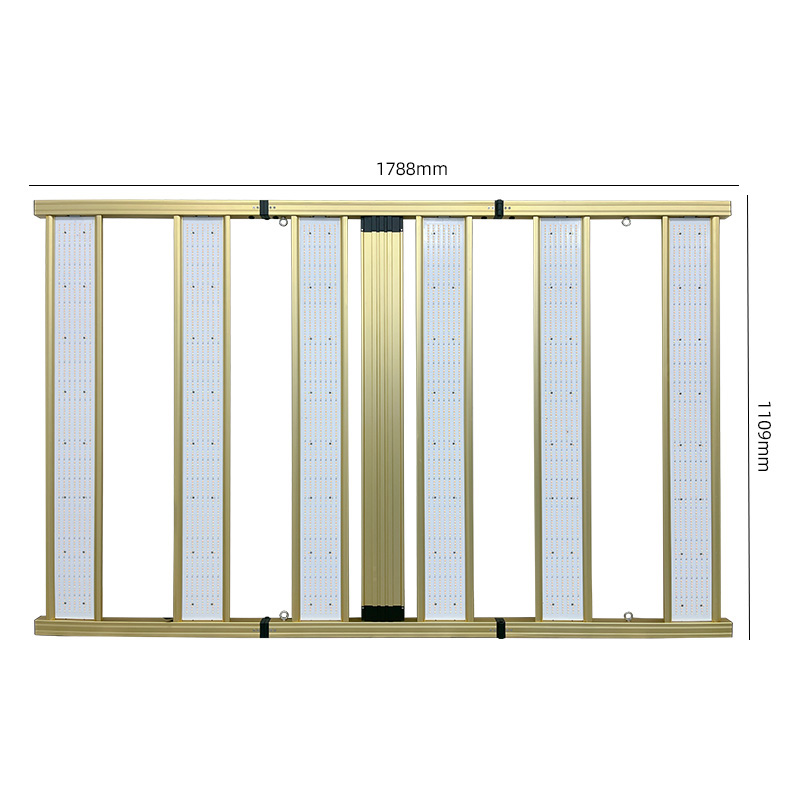
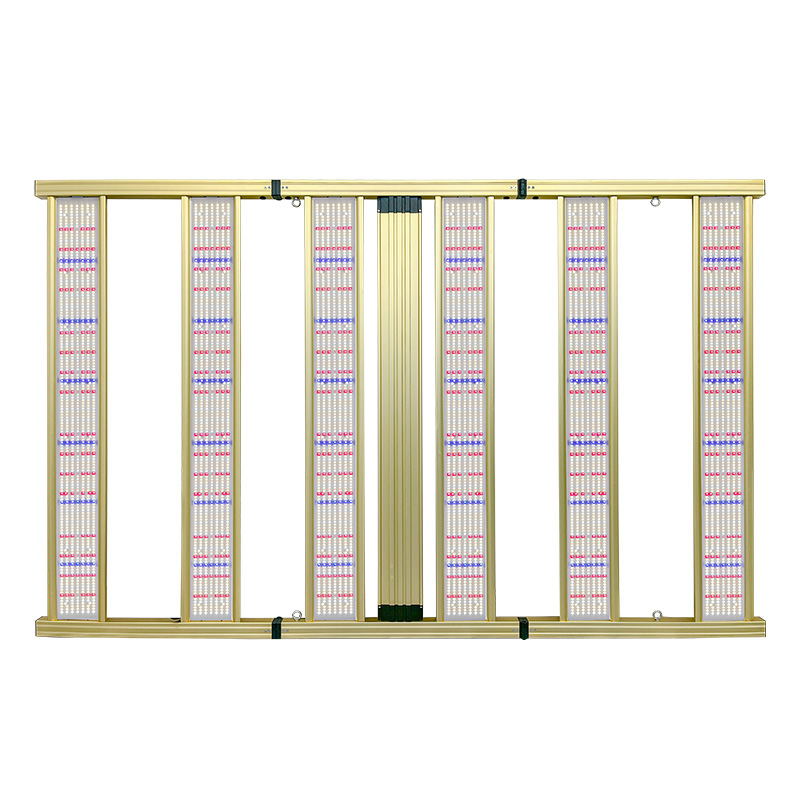
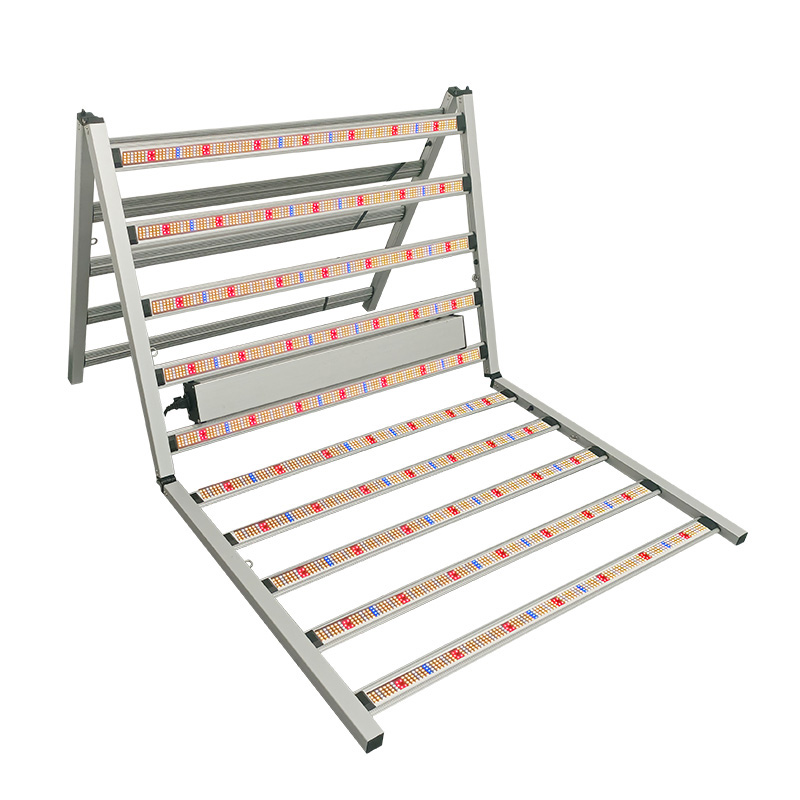
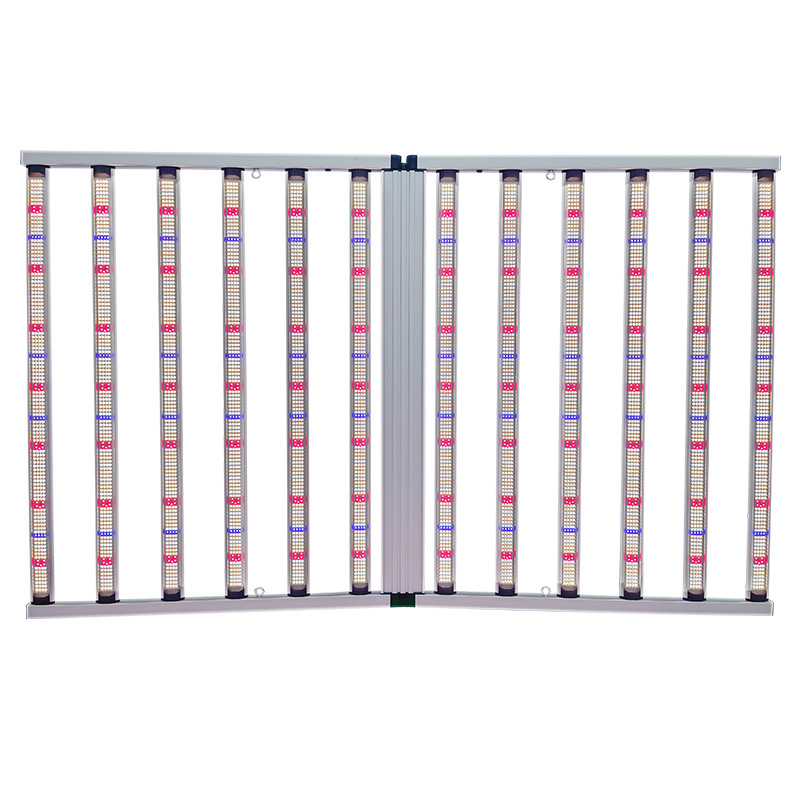
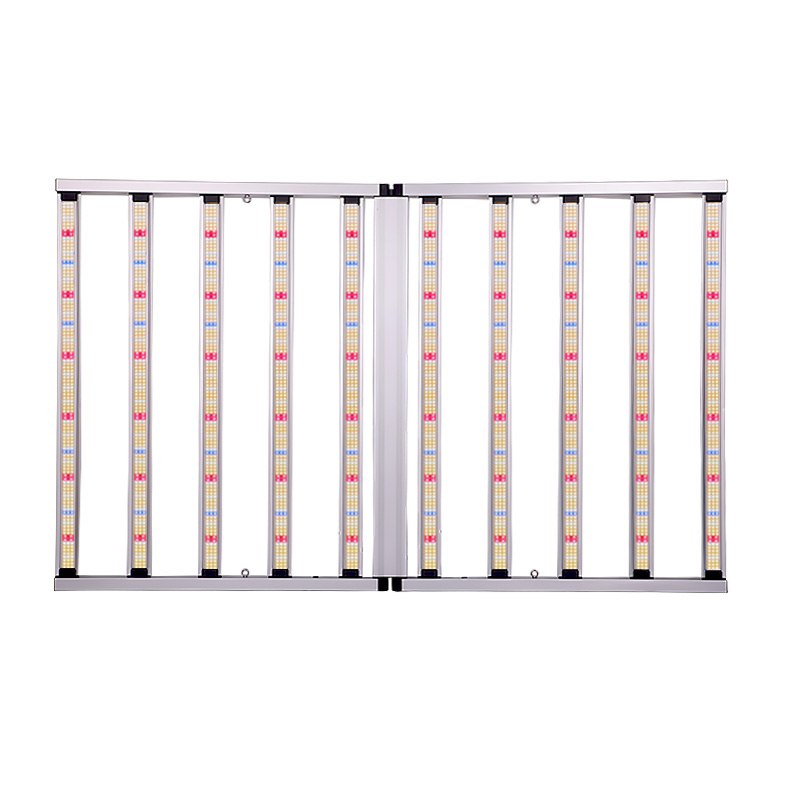
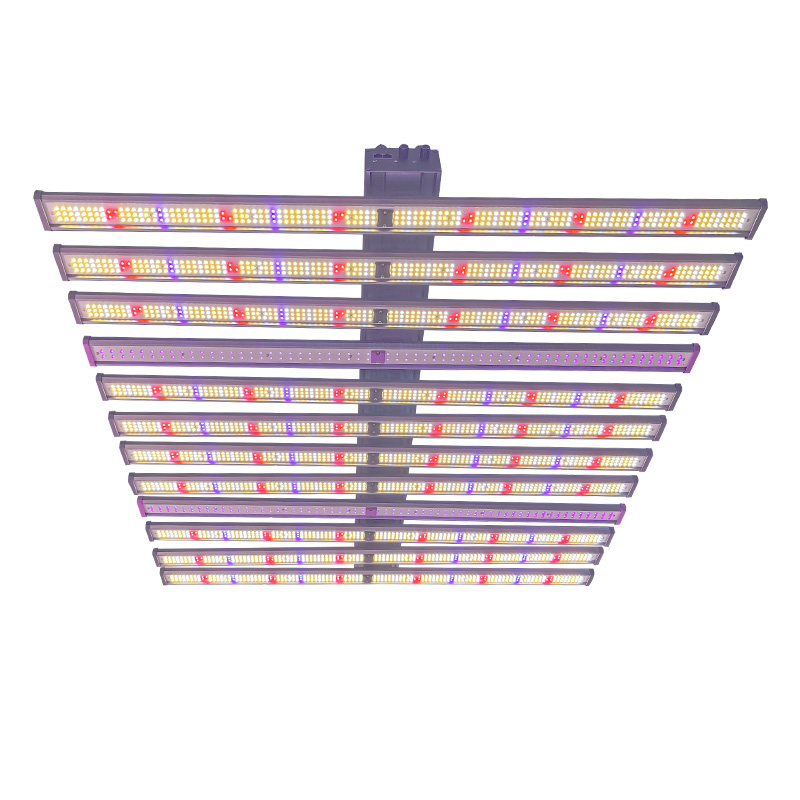
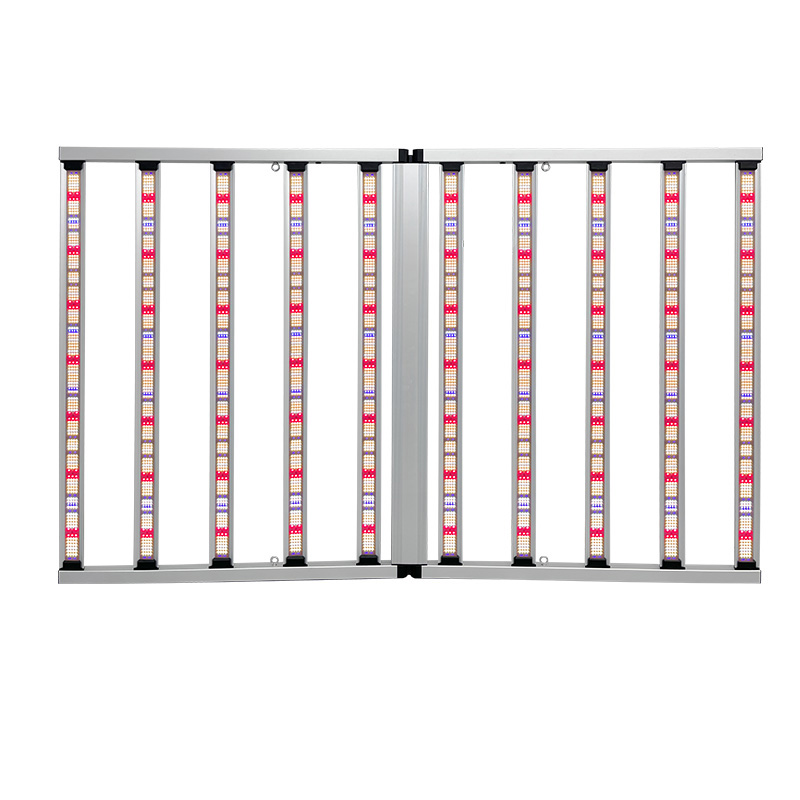
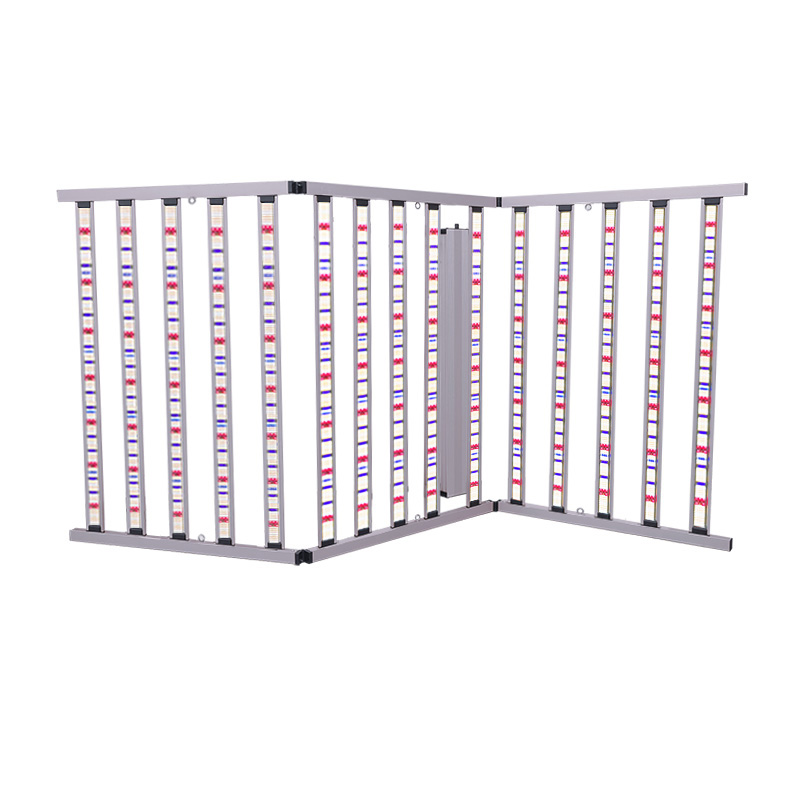
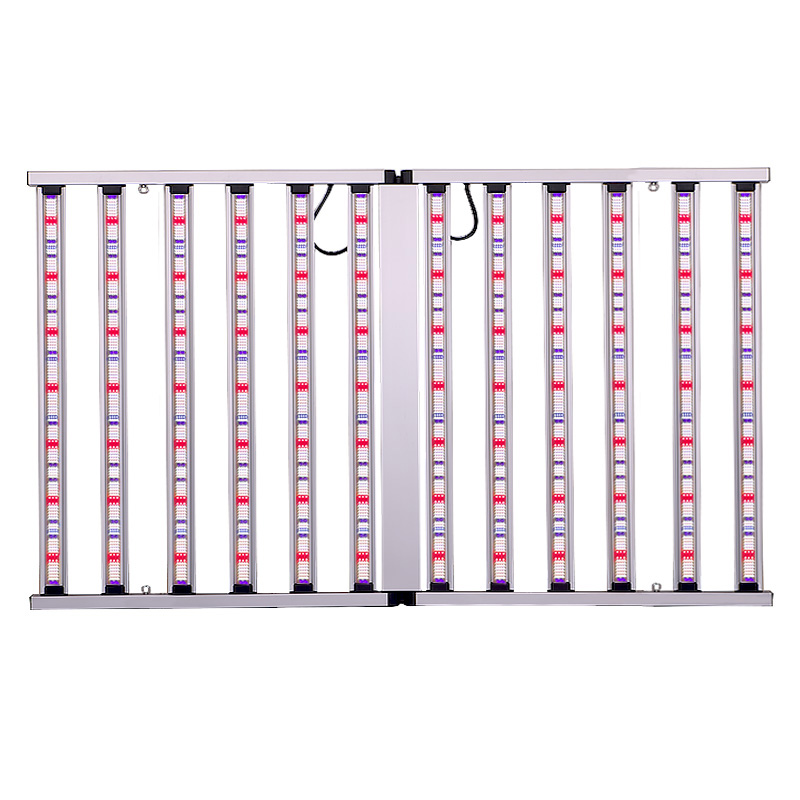
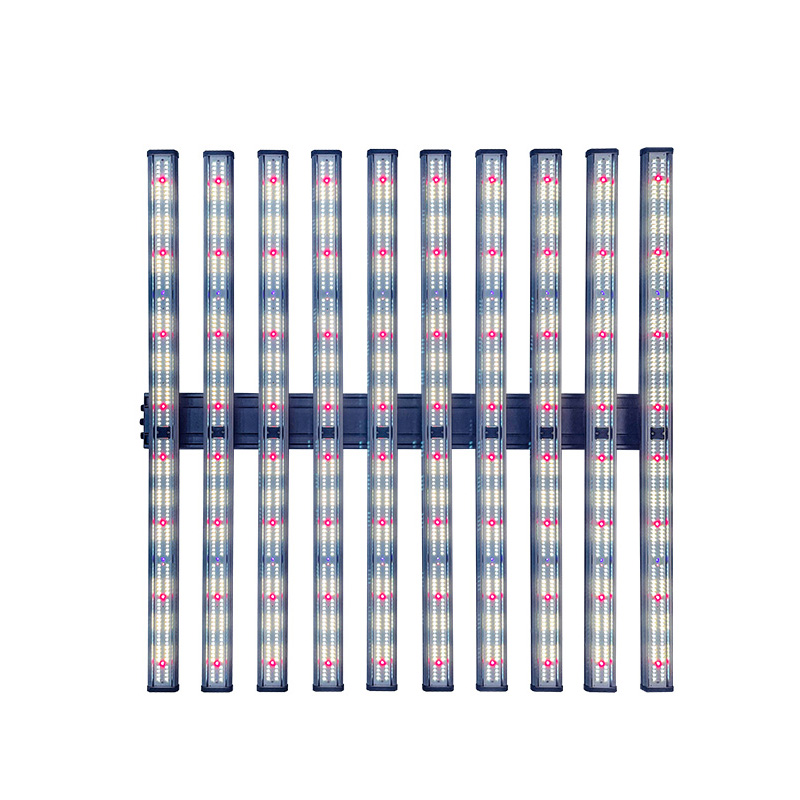
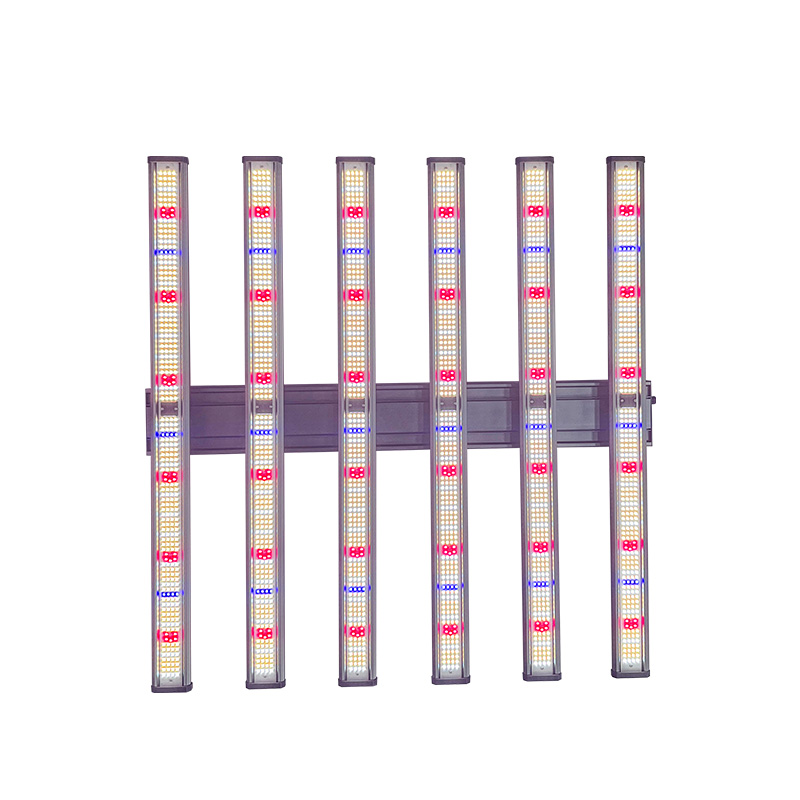
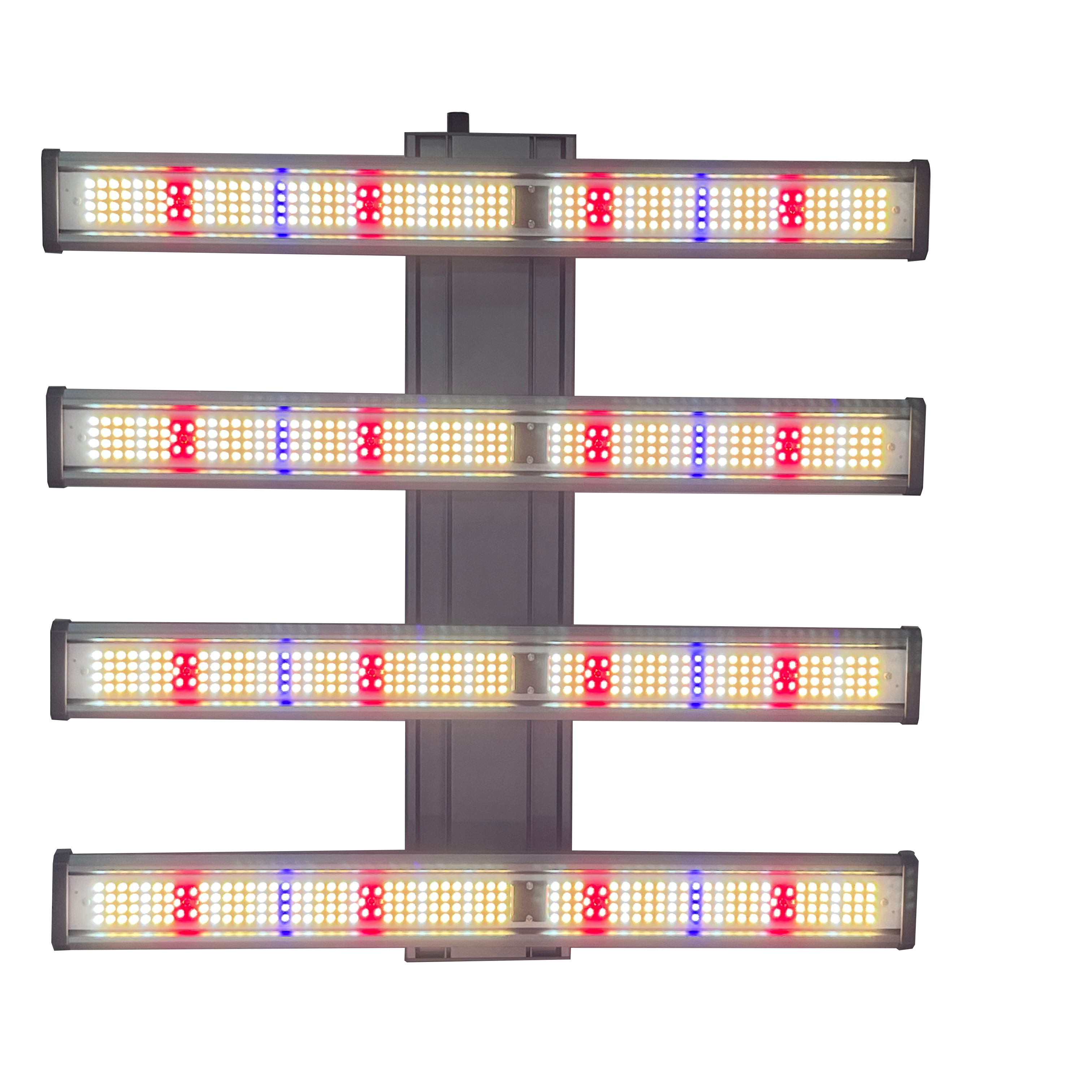
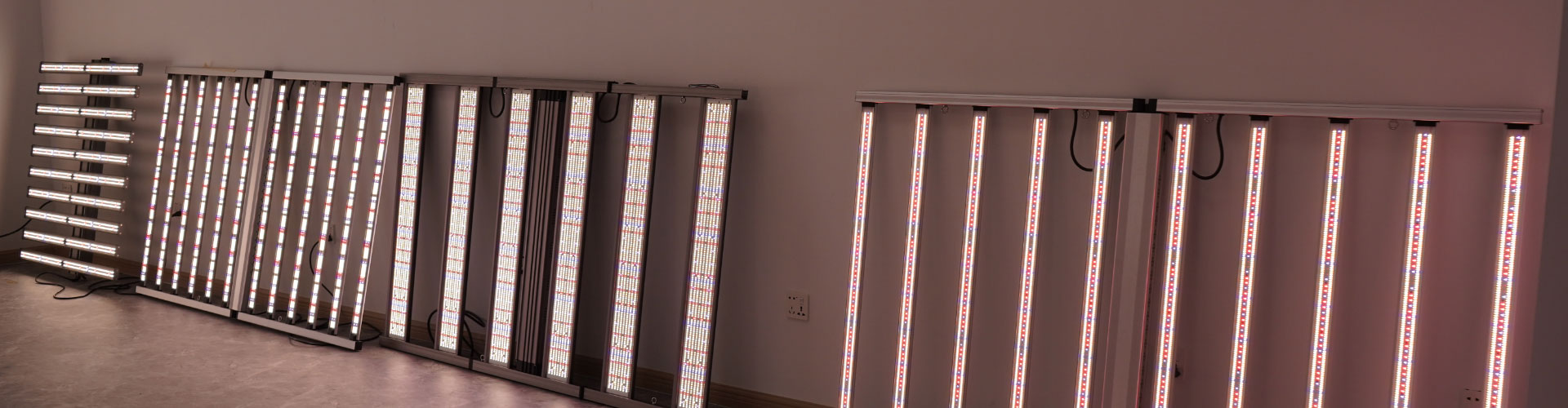
Form factor matters for greenhouse integration. At ANDYLED, we focus on the highly effective Octopus-style bar designs. These are available in both foldable and detachable formats. Products like our 1060W Two-Channel Dimming Detachable LED Grow Light provide great structural flexibility. They outperform older designs by delivering light deeply into the plant canopy. Our bar design uses conventional SMD LED technology instead of outdated COB chips. This ensures better longevity and performance.
Importance of scalability and system integration for commercial farming
As ANDYLED, our main focus is serving large-scale farms. We have the highest production capacity and the largest warehouse in Shenzhen. We maintain an integrated production line from patching to binding. We keep abundant raw materials in stock. We can ship a full container in just 5 days. We provide the rapid customization needed to grow with the most ambitious commercial projects.
Future trends in smart LED lighting and greenhouse automation

AI-driven, fully autonomous greenhouse lighting systems
The next step is complete autonomy. Future lighting systems will adjust themselves in real time. They will use machine-vision cameras that observe plant health directly. These systems can detect stress or growth spurts. They then adapt the photon delivery right away.
Integration of smart lighting with climate and irrigation control
We are moving toward unified agricultural operating systems. In these systems, lighting, fertigation, and HVAC use the same language. When the lights increase in intensity, the irrigation system will automatically increase water and nutrient delivery. This matches the plant’s faster metabolic rate.
The shift toward sustainable and carbon-efficient horticulture systems
Sustainability requirements are pushing new ideas. Future greenhouse lighting will use less power. It will also connect more with local renewable energy grids. This ensures that high-yield agriculture creates a small carbon footprint.
FAQ
Q: What is the optimal efficiency rating for commercial greenhouse LED lighting?
A: For maximum energy savings and plant growth, commercial facilities should look for fixtures that offer an efficiency rating of 3.0 µmol/J. This rating ensures the best conversion of electricity into plant-usable light. It lowers utility bills greatly while increasing yields.
Q: How does UV light affect plant growth and crop quality?
A: UV light works best during the later stages of growth. Growers typically use it for about two hours a day. Its main goal is to improve the rich color and flavor profile of the fruit or flowers. It slows vegetative growth. This is why it is not used during the early seedling stages.
Q: Why are bar-style LED grow lights preferred over older lighting designs?
A: Bar designs give better light distribution across the plant canopy. They use a wide 120° beam angle. This avoids the hot spots that come with concentrated light sources. Modern bar fixtures use reliable SMD Samsung diodes rather than older COB chips. This leads to improved thermal management and longer service life.
Q: What yield can be expected from a high-quality smart LED grow light?
A: When used in an optimized greenhouse or farm environment with proper climate control, top-tier fixtures can help growers achieve profitable yields of 4-5 lbs per light.
Q: Are smart grow light power supplies removable for external cooling?
A: No, the driver is typically integrated directly with the lamp and is not removed or operated separately. The fixtures use an aluminum construction that naturally speeds up heat dissipation. They work together with the farm’s overall environmental controls, such as fans and humidifiers.


