
Blue Light for Plants: How It Affects Growth and Plant Shape
Blue light for plants is useful for steering leaf development and plant shape, especially when compact growth matters. It is not a substitute for enough total light. To judge a change, compare new internodes and leaf expansion at the same PPFD and schedule. The sections below explain how blue fits into a balanced spectrum and a measurable setup.
How Blue Light Changes Plant Form
Stem Length and Leaf Development
Blue light tends to promote short internodes and a vegetative growth that is more compact. The degree to which this occurs depends on the species and the particular cultivar. Seedlings with sturdy stems can benefit from short plants before they are transplanted. However, a short plant is not necessarily a healthy one. Measuring leaf, stem, and root growth in addition to height will reveal whether a plant that is growing short is also failing to produce new growth. Check your entire light recipe as well as the root zone of the plant.

Stomatal Behavior and Water Balance
Blue light controls stomatal signaling. Signaling of stomatal opening could affect water flow but doesn’t set up an exact watering schedule. Temperature, humidity, root health, and total intensity of all light sources still have to be considered. Check the weight of the pot and the moisture of the soil a few days after changing the lighting. A plant that wilts under the new lamp most probably needs more water or feels the air is warmer than under the old lamp. Blue wavelengths are not the cause.
Why Full Spectrum Usually Works Better Than Blue Alone
Combine Blue With Red and Green
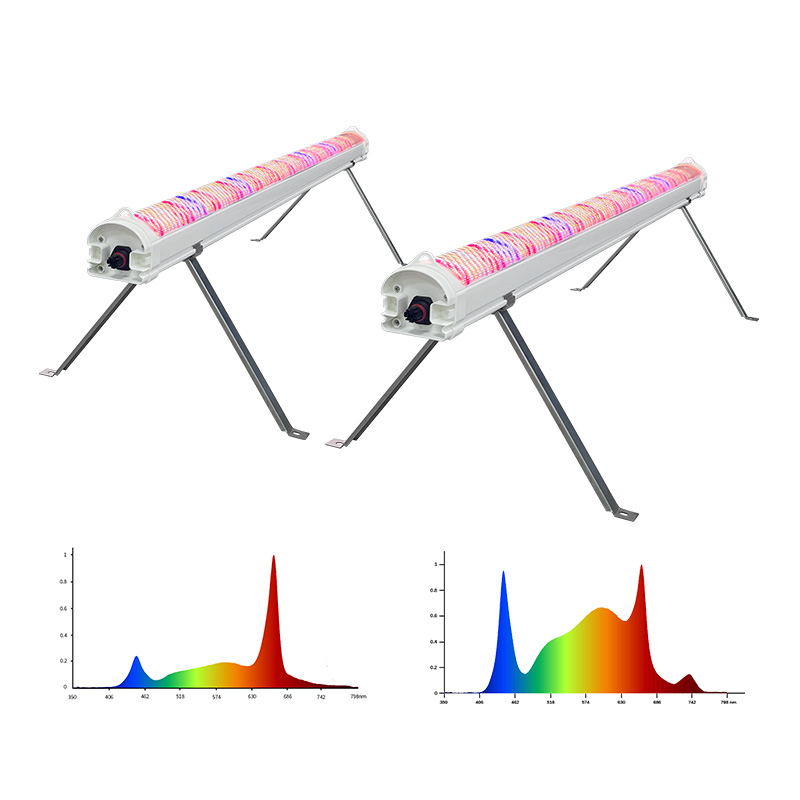
Instead of just one red peak at 660nm, red energy can be distributed across the 640-660nm range. The blue peaks at 437nm and 450nm have been associated with secondary metabolites. Green wavelengths can be tuned to penetrate more into the canopy to get light to lower leaves on the plant. Note that using these enhanced spectrum designs does not guarantee increased yields, improved flavors, or greater disease resistance. A broader grow light spectrum guide helps place blue within the full recipe.
Separate Wavelength From Brightness
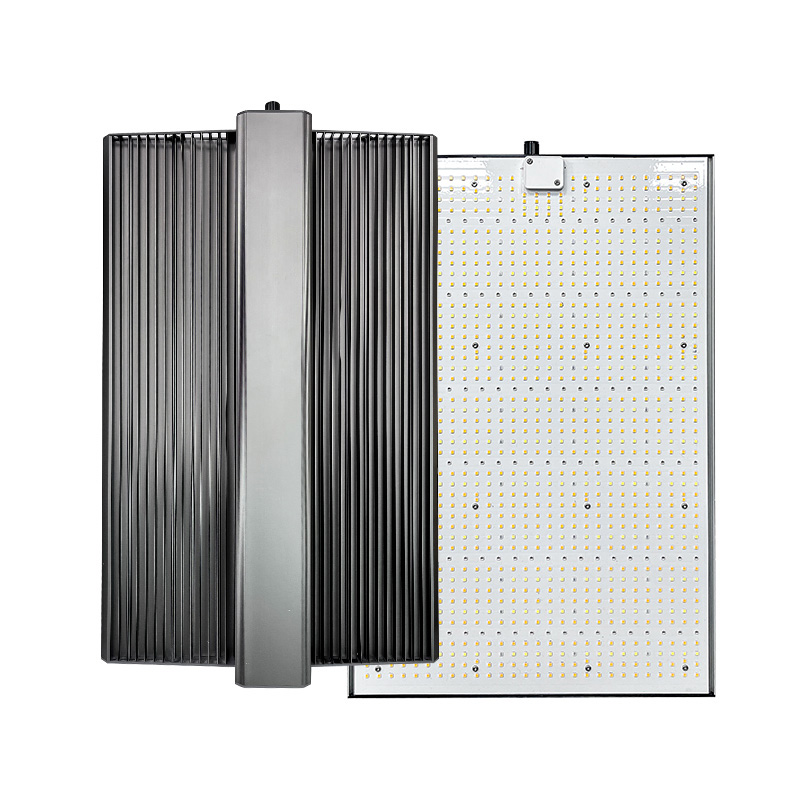
Many colorfully appearing blue lamps have fewer useful photons than a white full-spectrum lamp. The term spectrum describes the distribution of wavelengths, whereas PPFD describes the amount of photons that actually hit the leaves of your plants. Comparing colors without matching PPFD values in terms of the effective amount of photons for your plants’ responses is somewhat unsuitable. Our LED grow light range offers different layouts for evaluating the whole footprint rather than choosing by visible color alone.
Use Blue Light Across Growth Stages
Seedlings and Leafy Plants
Monitor seedlings for compact stems and healthy leaves. Maintain total intensity and a dark period. When using a controllable spectrum, make small changes to the blue proportion while keeping all else constant. Take photos of the same tray from the same angle and wait a few days to see the resulting growth. Some leafy herbs may appreciate short stems, but of more interest is the amount of biomass that can be harvested.
Flowering and Fruiting Plants
The daily total photon dose is affected by the photoperiod, and thus the extended duration of light can result in an increased daily light integral. However, cultivar response, time to flower, maturity, and environmental capacity all must be taken into consideration when choosing a spectrum to combine with PPFD, photoperiod, daily light integral, plant growth stage, and room environment. An appropriate overall formula for flowering plants cannot consist of a single cycle of light; removing blue or providing red only is too simplistic.
Gradually Adapt to Higher Output
Begin with a large dimmable LED grow light at lower intensity during the seedling stage and gradually increase intensity as the seedling’s roots recover from transplanting, and as its canopy grows and the facility’s environmental capacity allows. Monitor leaf posture and color, as well as the canopy and root temperature and rating, and use this information to gradually increase intensity rather than switching to full intensity on a specific date. This is a commercial cultivation principle, not a houseplant growing intensity.
Choose Fixtures and Controls for Useful Coverage
Match Hardware to the Growing Area
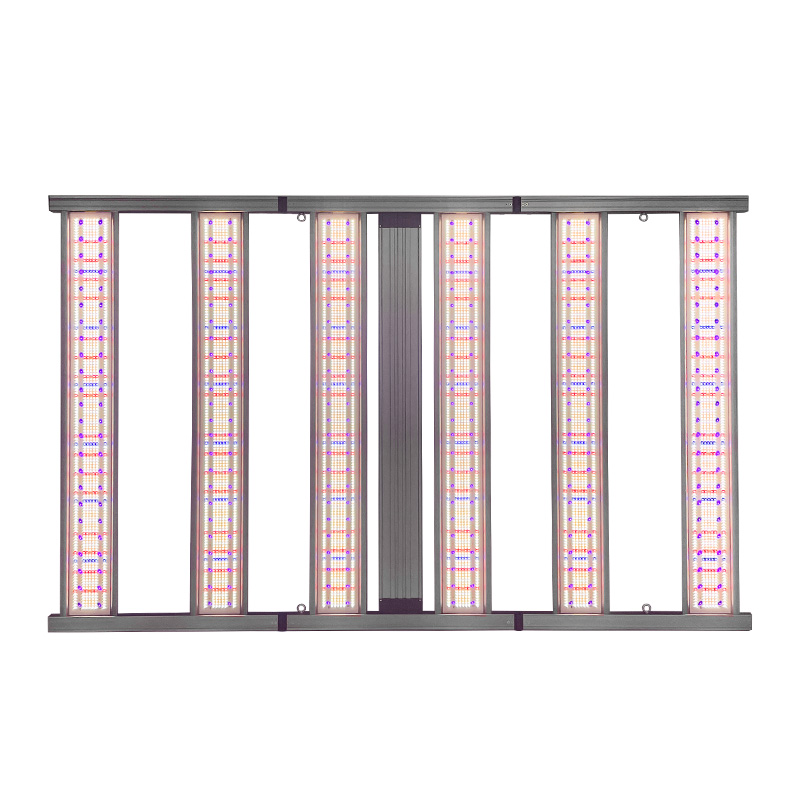
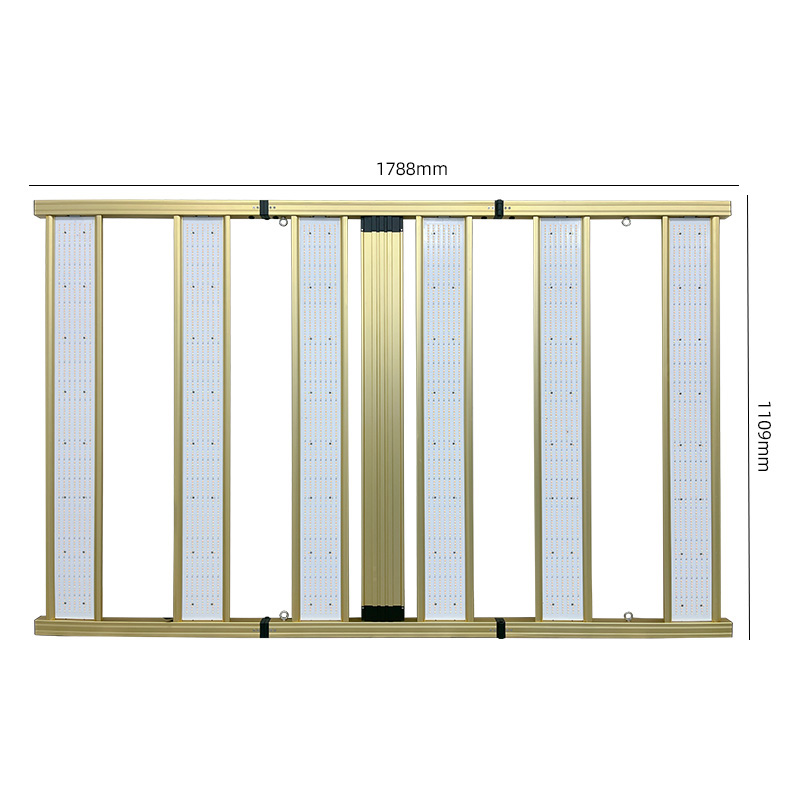
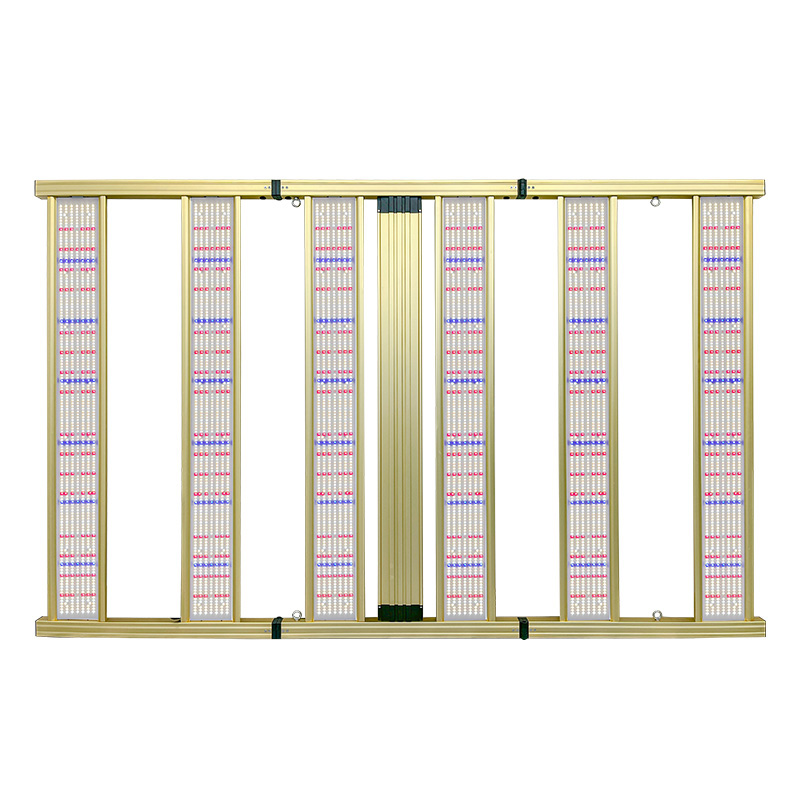
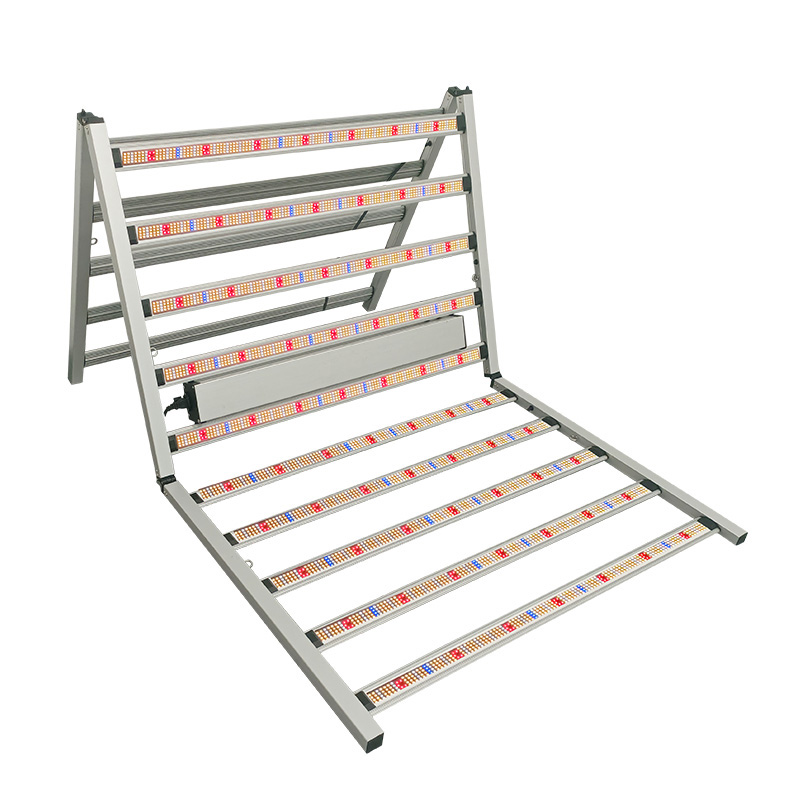
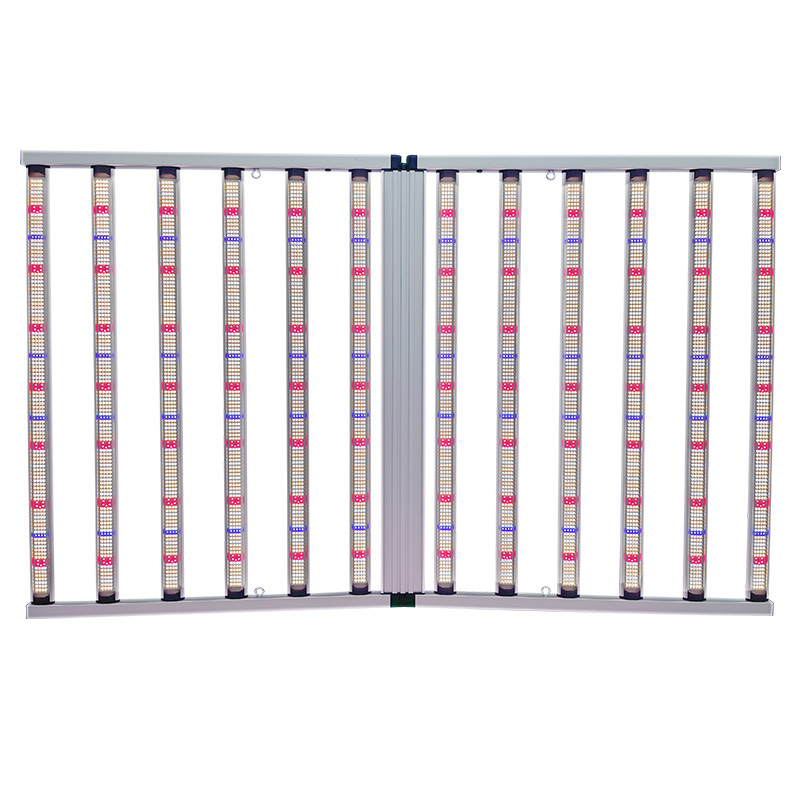
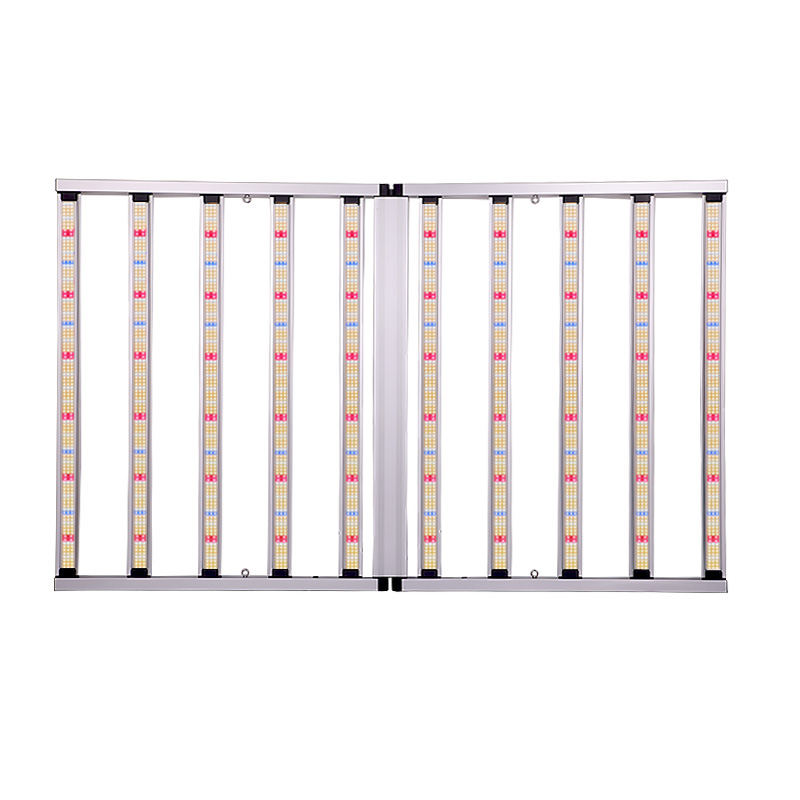
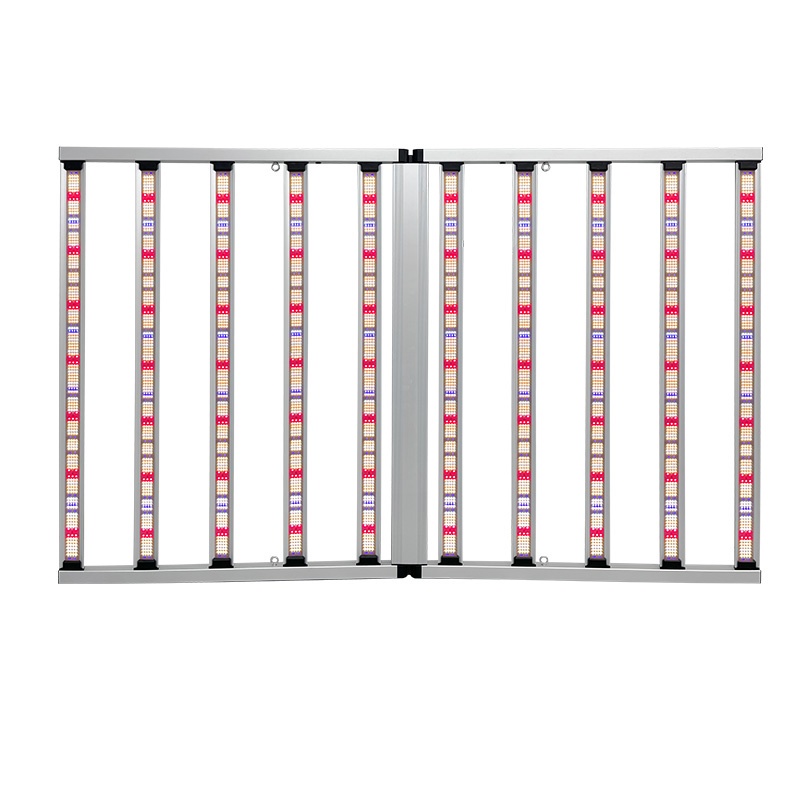
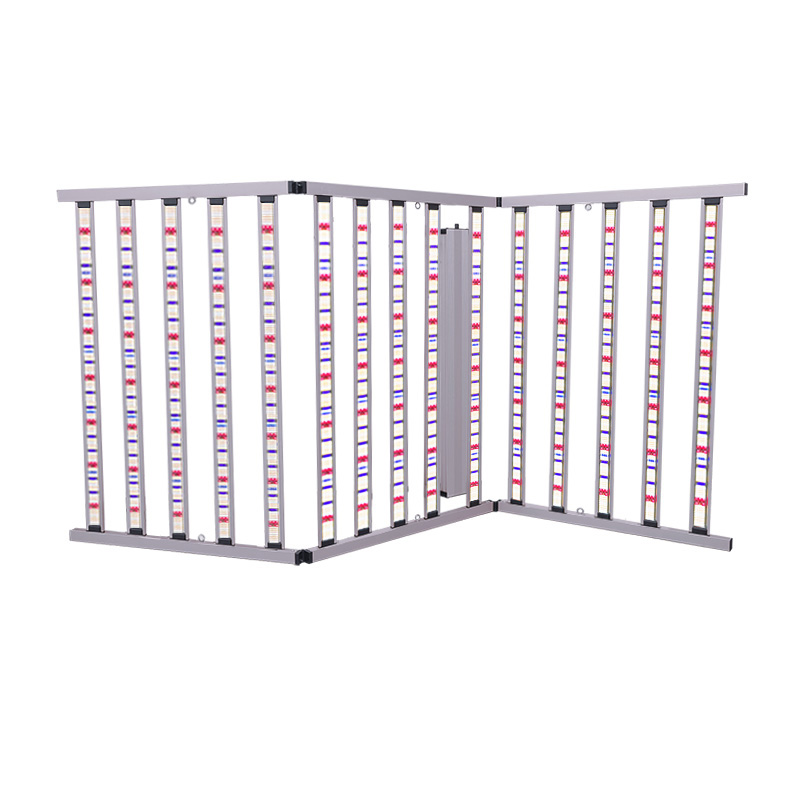
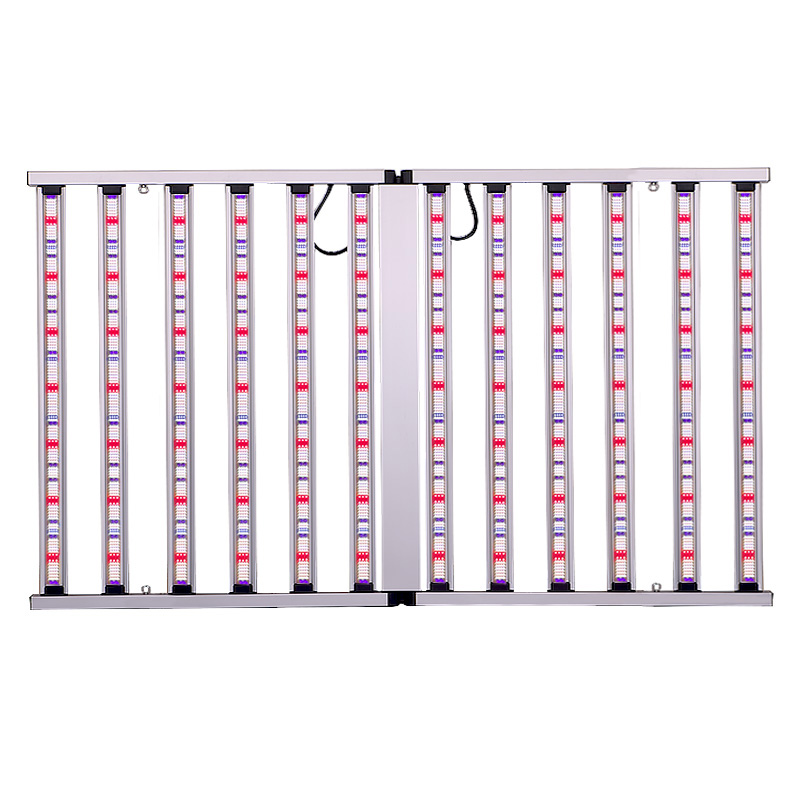
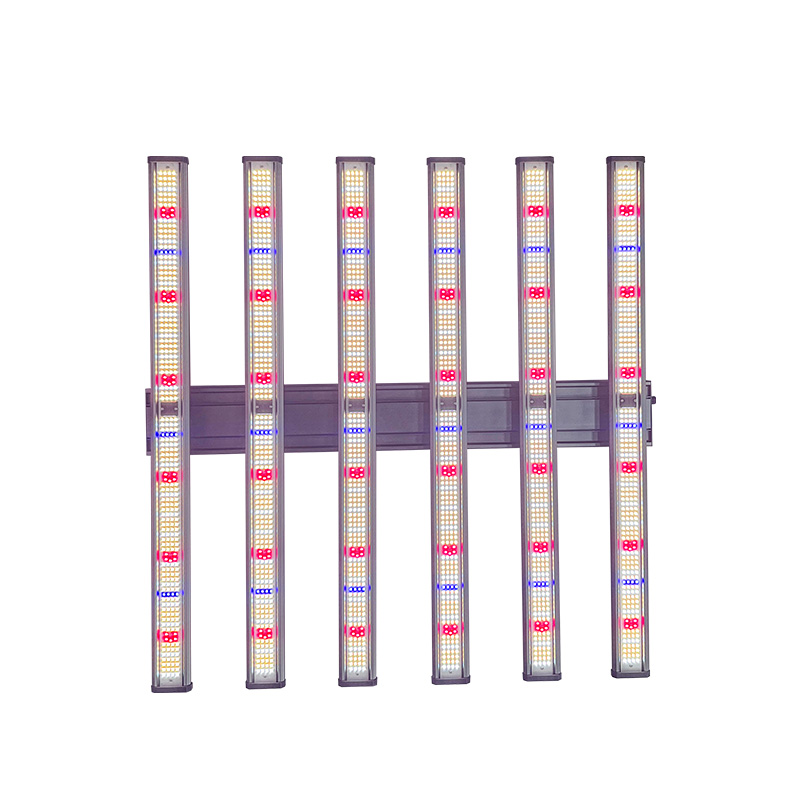
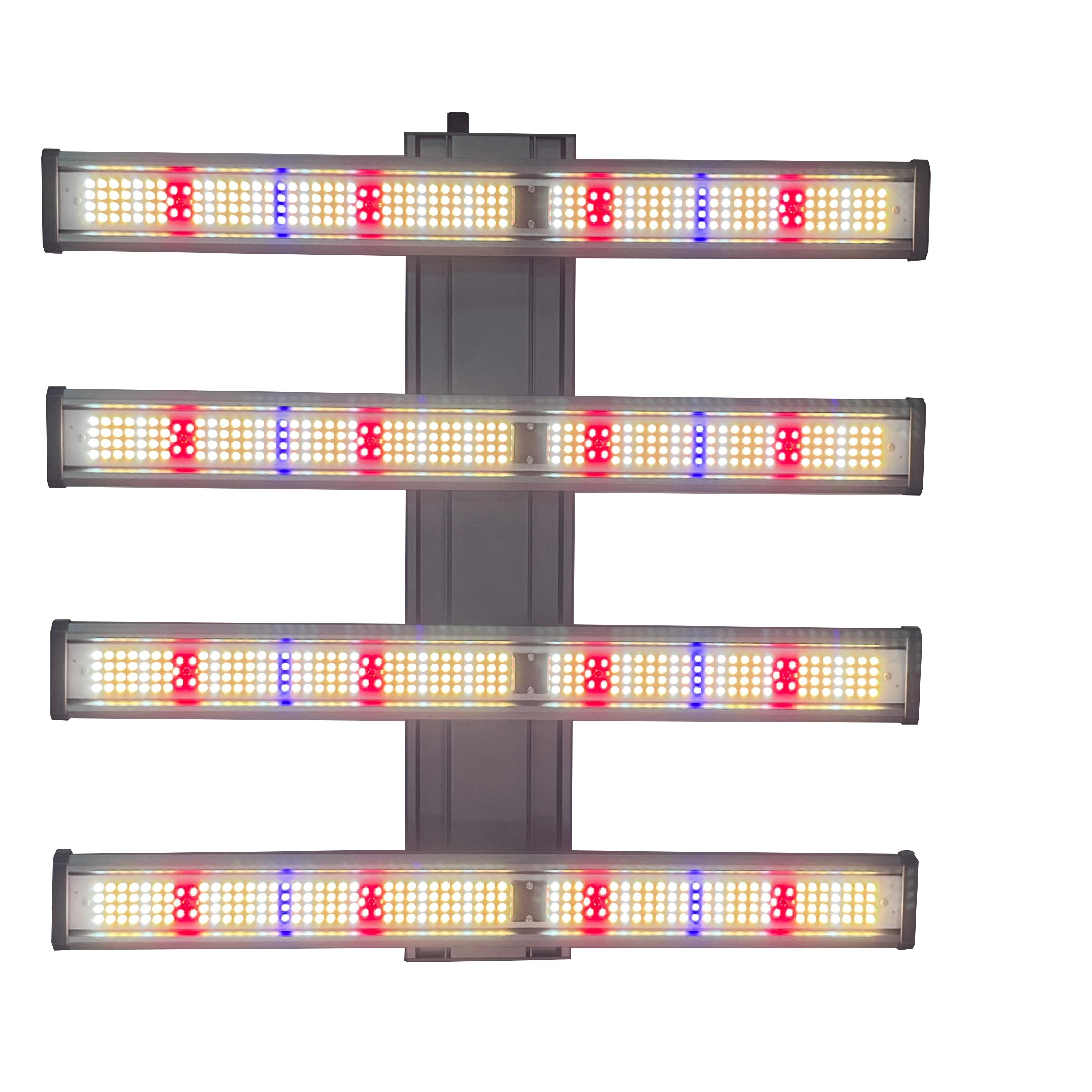
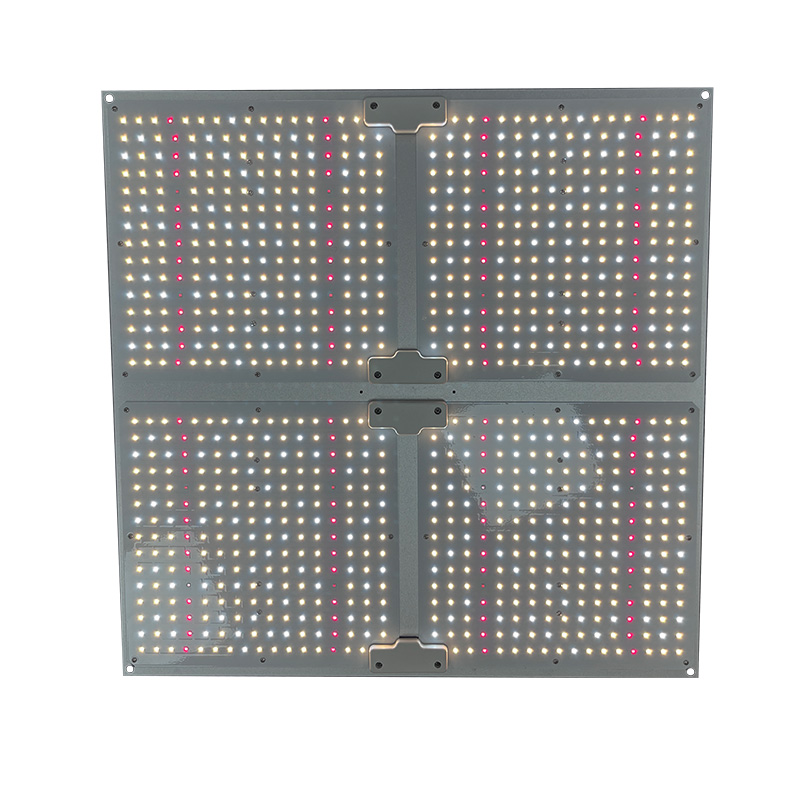
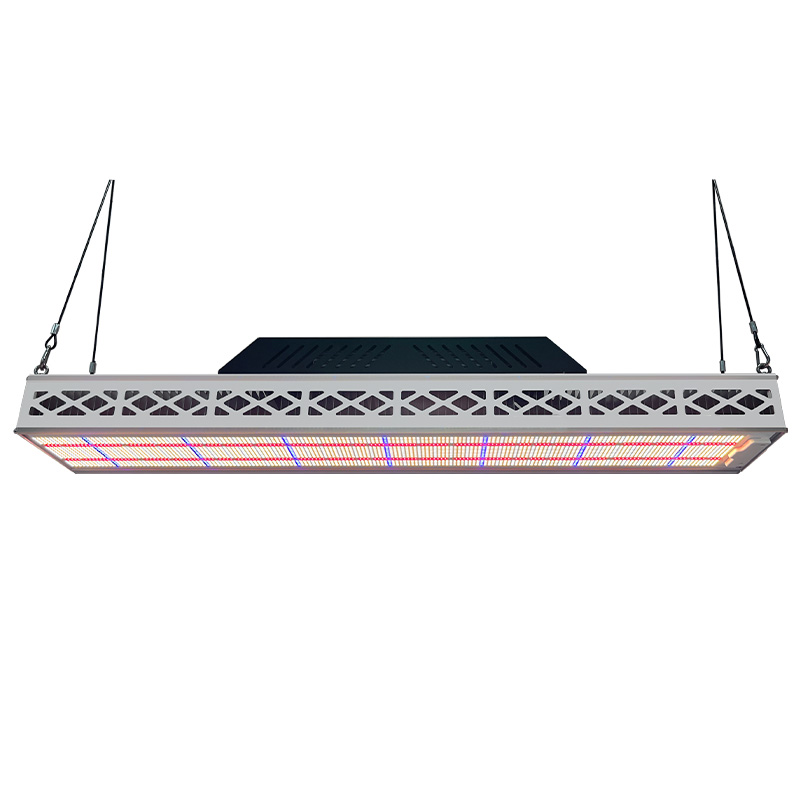
Shelf bars, panels, and a greenhouse top light all distribute light differently. The 1500W 6 Bar full-spectrum grow light is a format to assess for commercial installs, rather than a load of home lamps to choose from. Compare the PPFD map at the relevant mounting height, with the relevant clearance, and with the relevant room heat load to choose between them.
Verify Channel and Controller Compatibility
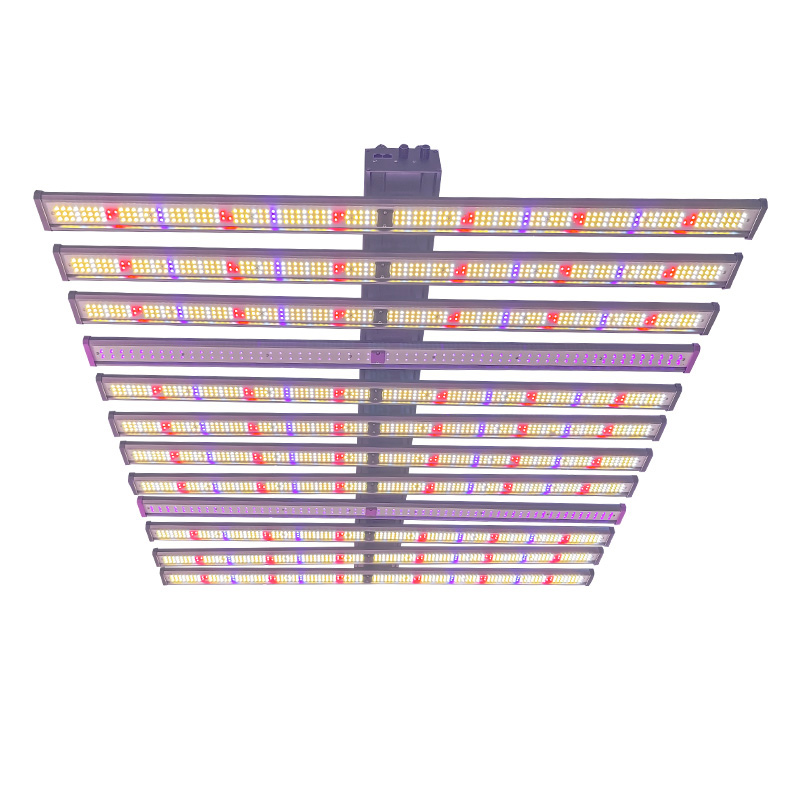
We have several options at ANDYLED to support dual-channel dimming, 0–10V dimming, AC parallel connection, and controller scheduling. The capabilities are determined by the selected grow light, grow light driver, cables, grow light controller, wiring, etc. So please check the specific capabilities of your grow lights before purchasing. For Greenhouse applications, you may also like to look at our 640W Top Fill full-spectrum grow light. Note that a grow light with two channels does not necessarily mean it has independent blue channel control, so please check.
Measure the Edges as Well as the Center
Make sure to arrange the pots so that taller plants do not shade smaller ones. Measure center and corner PPFD values at canopy height after you have changed the height of your setup or your output. Reflected light from white walls can be a big plus, but it is in no way a substitute for proper lighting of your plants. These setup considerations are covered in the indoor plant lighting selection guide. Don’t rely on a single, very high reading taken at the center of a pot to conclude that your lighting is uniform.

Troubleshoot Shape and Color Without Guessing
Stretching Despite a Blue-Rich Lamp
First check total intensity, plant density, temperature, and shadowing. Blue signaling does not make up for a lack of photons or a wrong spot. Inspect new internodes, not old stretched stems, which will not shorten. If only one side of a plant is stretching, either rotate the plant or add more beams to that side. And if all pots in your setup are stretching, first check your entire setup before choosing another spectrum.
For an informal color test, use the same variety and age of plants and keep them in pots of similar size and water them similarly. Measure the intensity of the spectrum, and ensure root and heat are equal between the two; the height difference could be due to a root or heat problem, not spectrum.
Don’t rely solely on the strongly blue colored light of the lamp to judge the color of leaves. Examine the same leaves under neutral white light as well. A color cast can hide pale tissues and make healthy leaves look strange and thus cause misunderstandings.
Record the exact channel setting when comparing growth. A change in one channel may also change total photon output. Without a fresh PPFD reading, it is difficult to attribute the response to blue proportion rather than to a larger daily dose.
Pale, Purple, or Damaged Leaves
Purple coloration could be genetically determined, or caused by stress. Pale leaves are primarily caused by light, nutrient deficiency, or root problems. Check where the problem is occurring and if it occurred after making a change to the setting. Check exposed and shaded leaves, check roots where possible, and check watering. If the highest leaves are turning white and the rest of the growth looks healthy, then reduce exposure and monitor new leaves.
Coordinate Heat and Humidity
Aluminum lighting fixtures are designed to dissipate heat, but do not maintain a constant temperature. As duration of usage increases, temperature typically increases. Adjust output and observe changes in fan usage, humidity, canopy temperature, plant irrigation requirements, and overall room heat load. Record observations in a few notes to aid in future references.
FAQ
Q: What does blue light do for plants?
A: Blue light supports photosynthesis and influences leaf development, stomatal behavior, and stem growth; plant responses vary by species and light recipe.
Q: Can plants grow under blue light alone?
A: Some growth may occur, but a balanced spectrum is generally the best option for full development and flowering.
Q: Does more blue light always prevent stretching?
A: No. In addition to total intensity, coverage, density, temperature, and genetics also affect stem length.
Q: Can blue grow lights damage leaves?
A: Leaf color doesn’t matter; excessive exposure can harm leaves. Check intensity, canopy heat, humidity, and water supply.
Q: Should flowering plants receive blue light?
A balanced spectrum with blue light is adequate for most plants to complete their life cycle. The overall intensity and photoperiod should be set for the specific crop and not based on the removal of a particular color.


