
LED Grow Light Spectrum: How Different Colors Affect Plant Growth
LED grow light spectrum affects leaves, stems, flowers, fruit, color, flavor, and stress responses. It is a planned mix of wavelengths, delivered at the right PPFD, for the right photoperiod, in a room controlling heat and humidity.
What Is LED Grow Light Spectrum and Why Does It Matter?
How Wavelengths and PAR Explain the Light Plants Actually Use
An LED grow light spectrum is the distribution of wavelengths a fixture emits. Wavelength is measured in nanometers, or nm. Plant light spectrum discussions focus on PAR, the 400-700nm range, while UV and far-red sit partly outside that range as signals or stress tools.
Human brightness is not a reliable grow-light test. Eyes favor green-yellow light, but plants respond to the whole light spectrum for plants. A bright fixture can deliver weak canopy PPFD.

LED Grow Light Spectrum vs Light Intensity: What Is the Difference?
LED grow light spectrum vs PPFD is simple: spectrum describes photon type; PPFD describes how many PAR photons reach the canopy each second.
That is why light spectrum and intensity must be selected together. A strong red-blue recipe with poor distribution can leave weak edges, while a balanced spectrum with low PPFD may underperform. This LED grow light spectrum guide compares color response with canopy measurement.
How Do Different LED Grow Light Spectrum Colors Affect Plant Growth?
Blue Light: Compact Vegetative Growth, Leaves, and Plant Structure
Blue light for plant growth is linked with compact vegetative growth, leaf development, stomatal behavior, and internode control. A blue-weighted balanced spectrum can reduce stretch when PPFD is moderate.
The best light spectrum for vegetative growth is not pure blue. Crops still need red and broader spectrum for canopy function. Blue is one steering tool.
Red Light: Photosynthesis, Biomass, Flowering, and Fruiting
Red light is efficient for photosynthesis and supports biomass, flowering, and fruiting. Red-rich spectra can support reproductive growth, but red does not simply equal flowers.
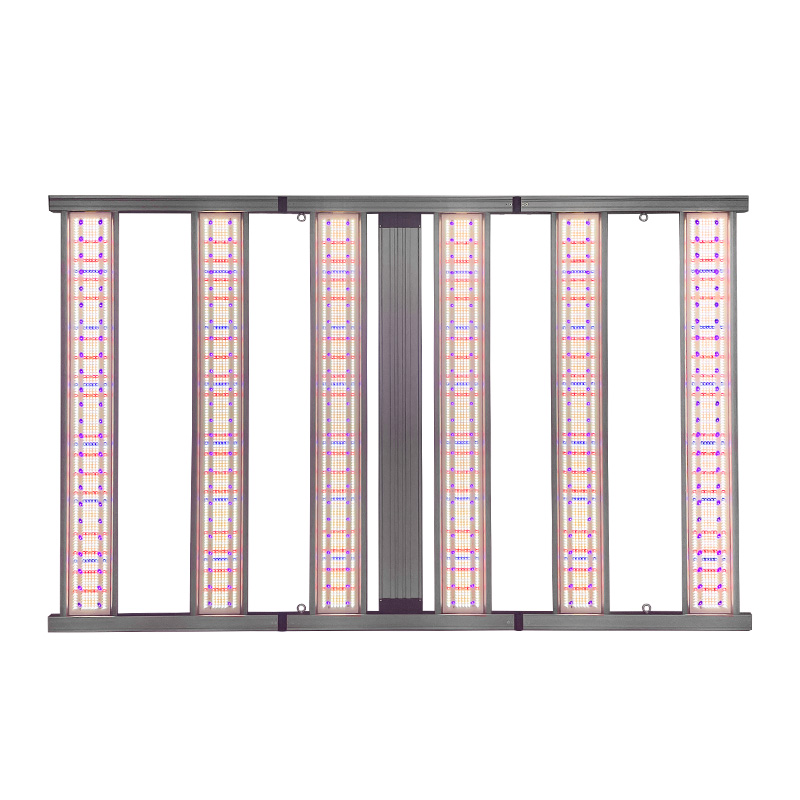
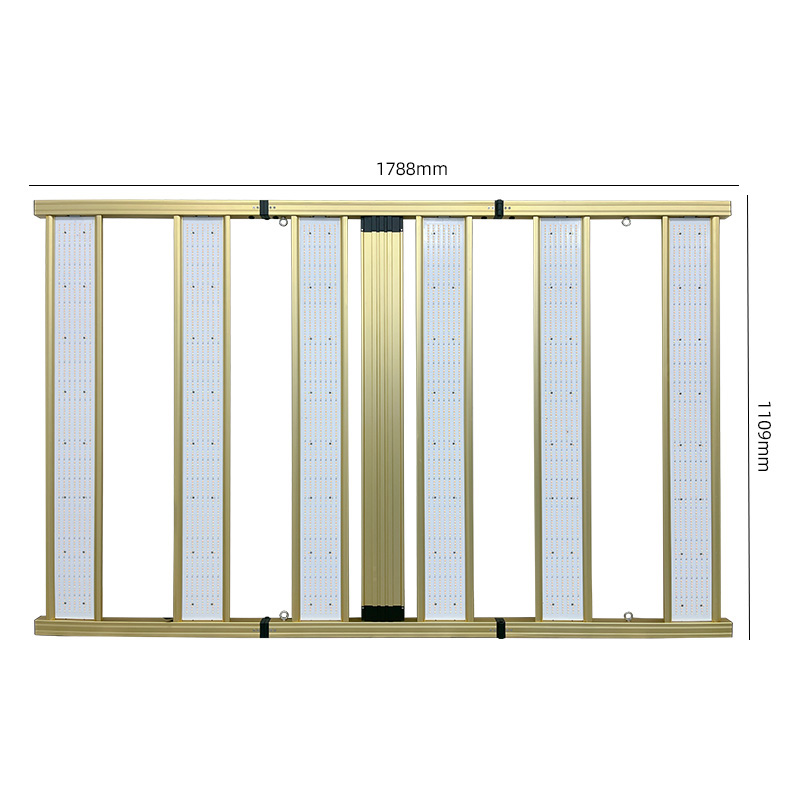
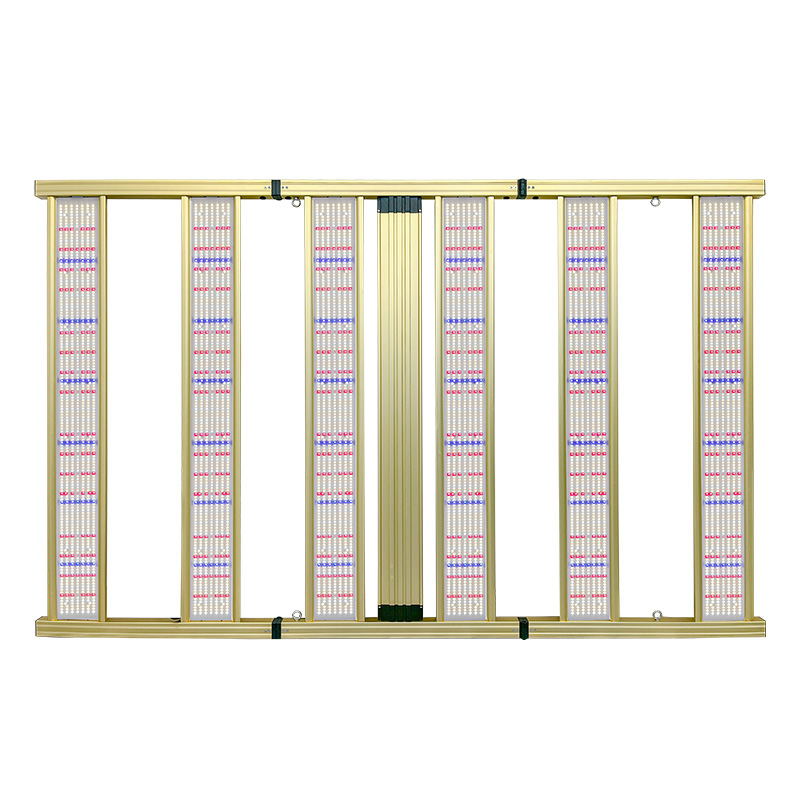
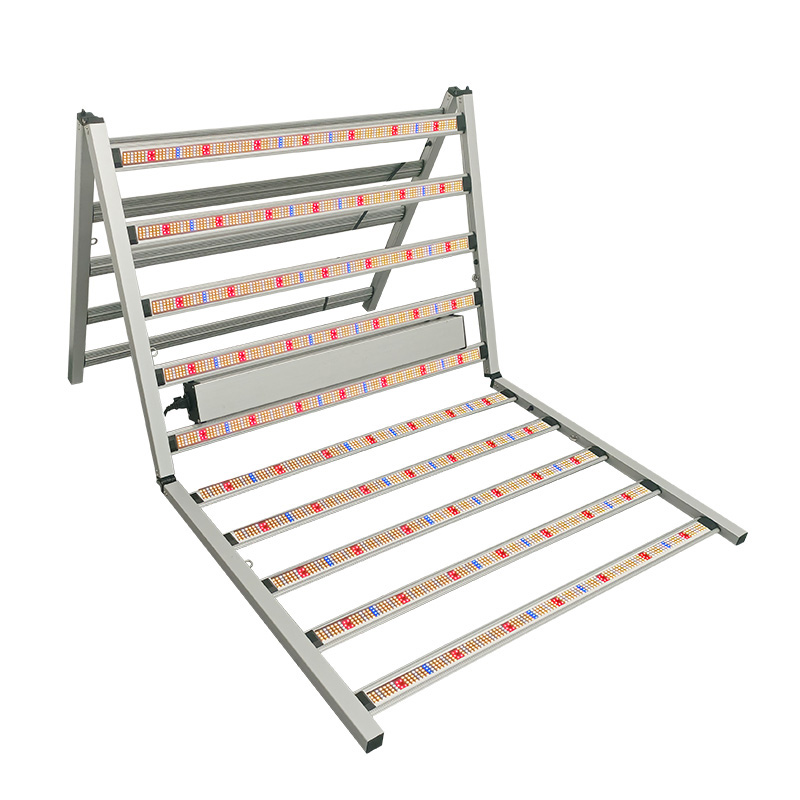
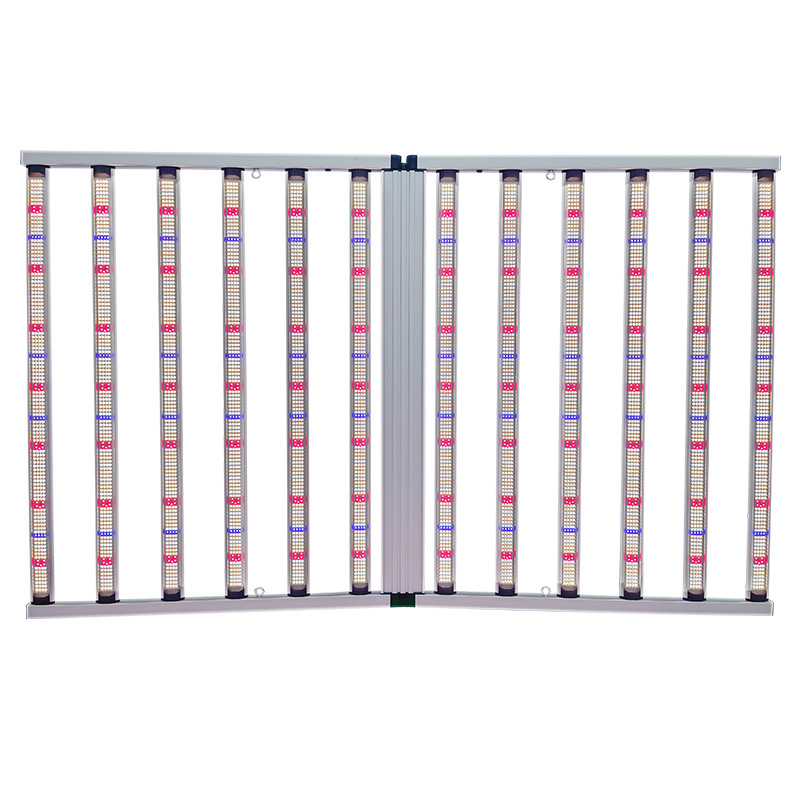
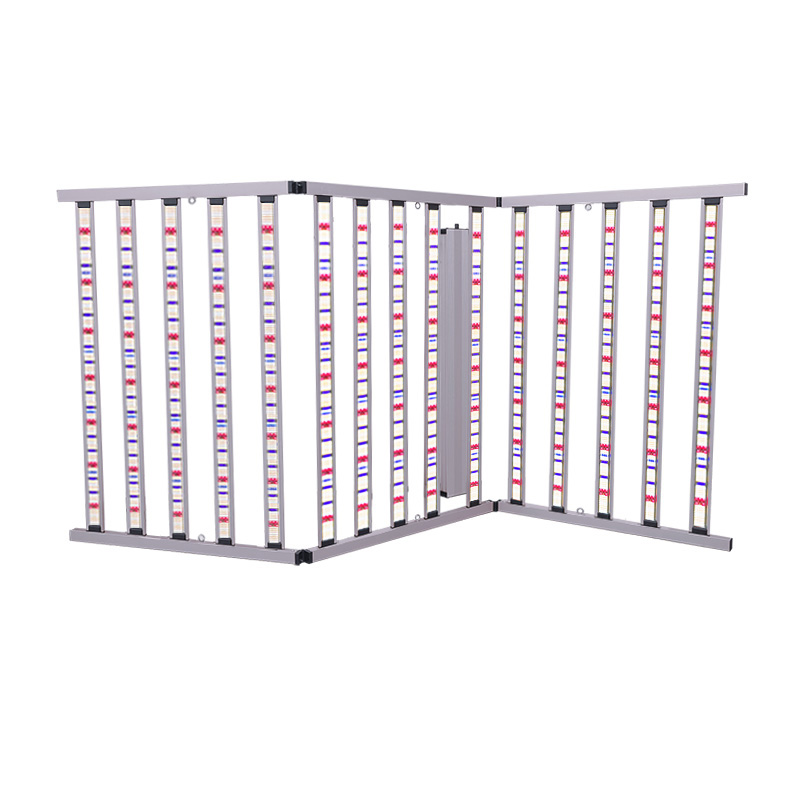
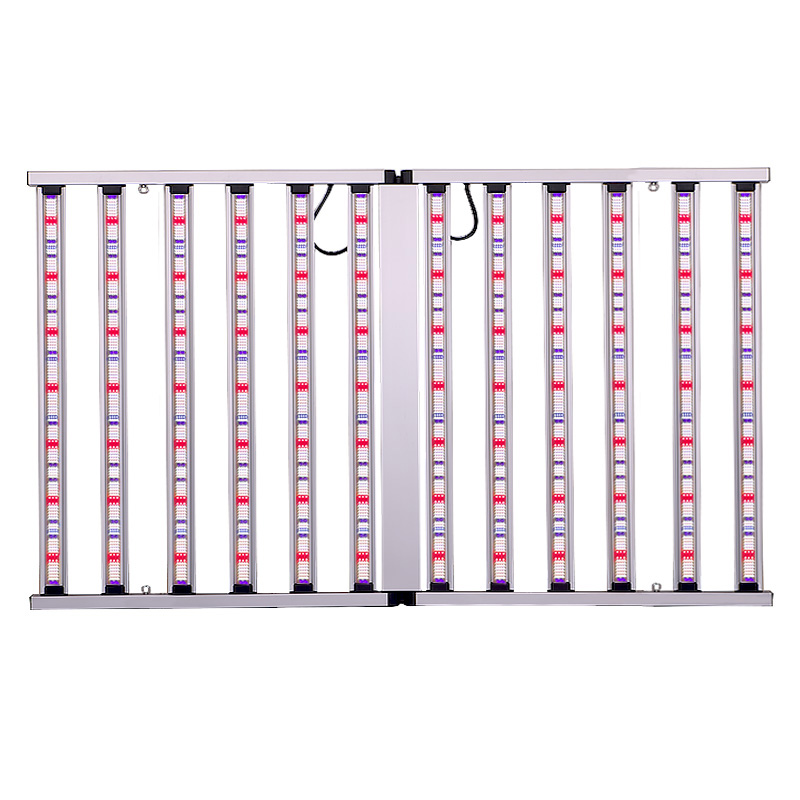
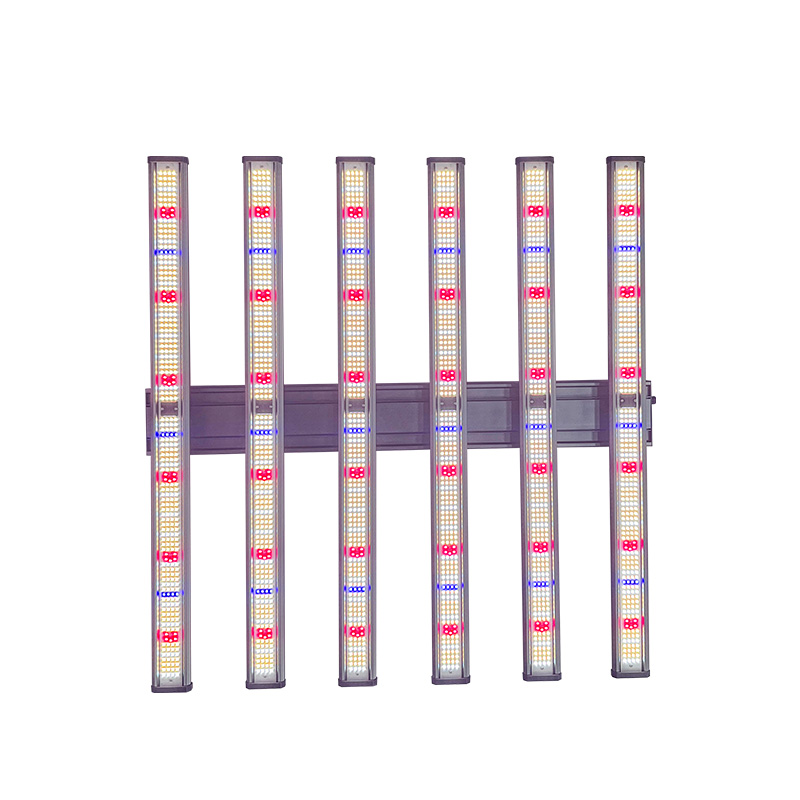
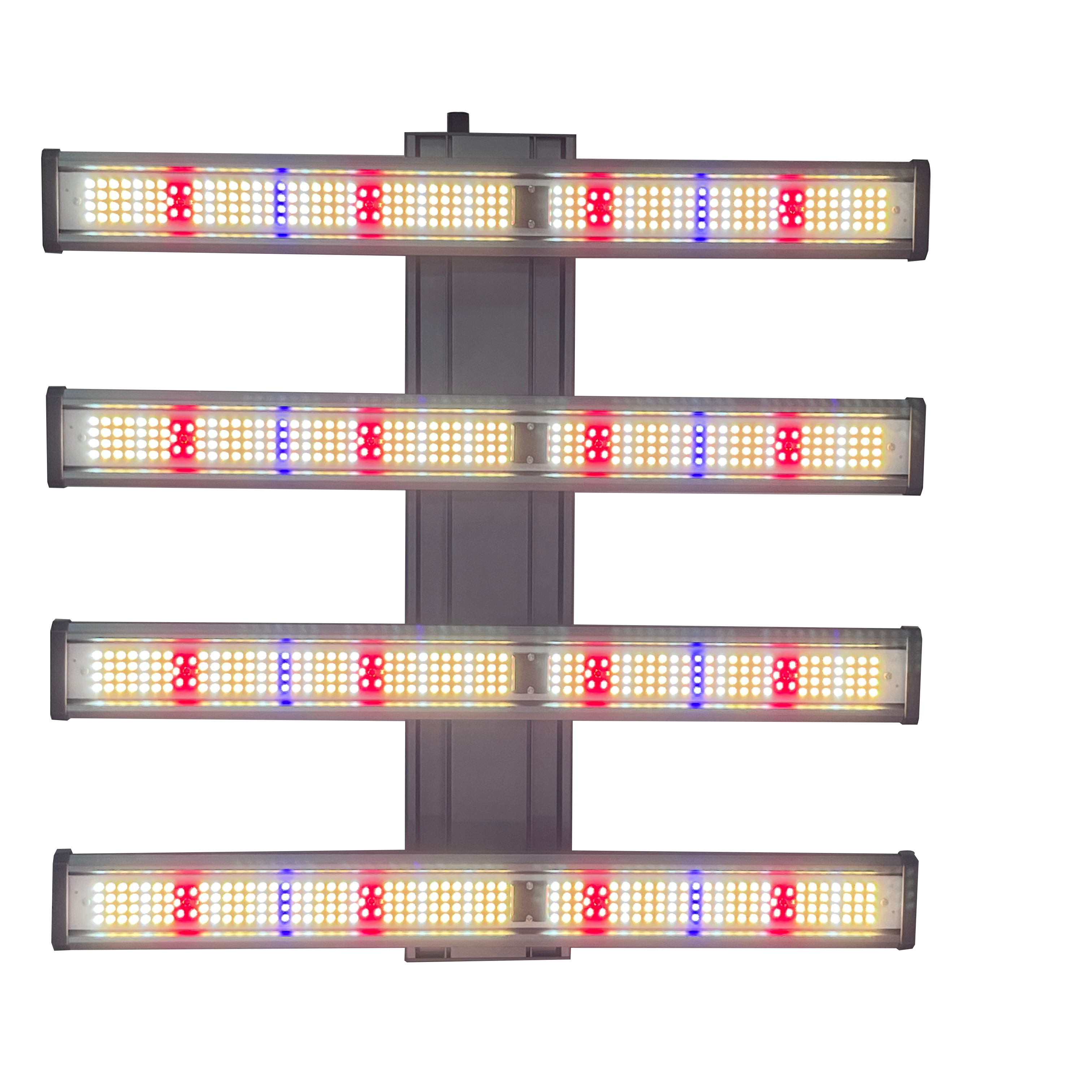
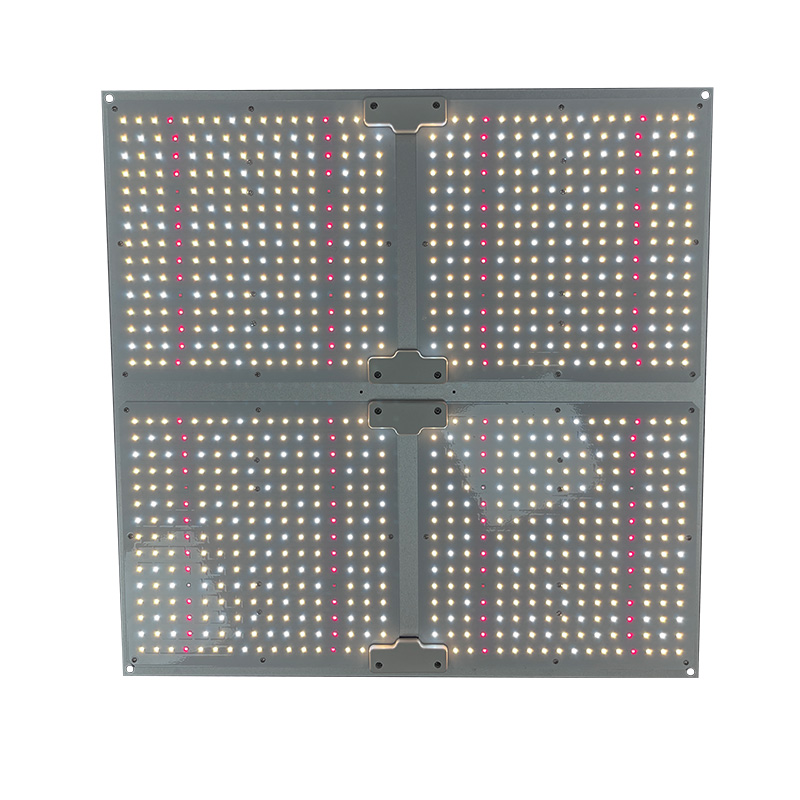
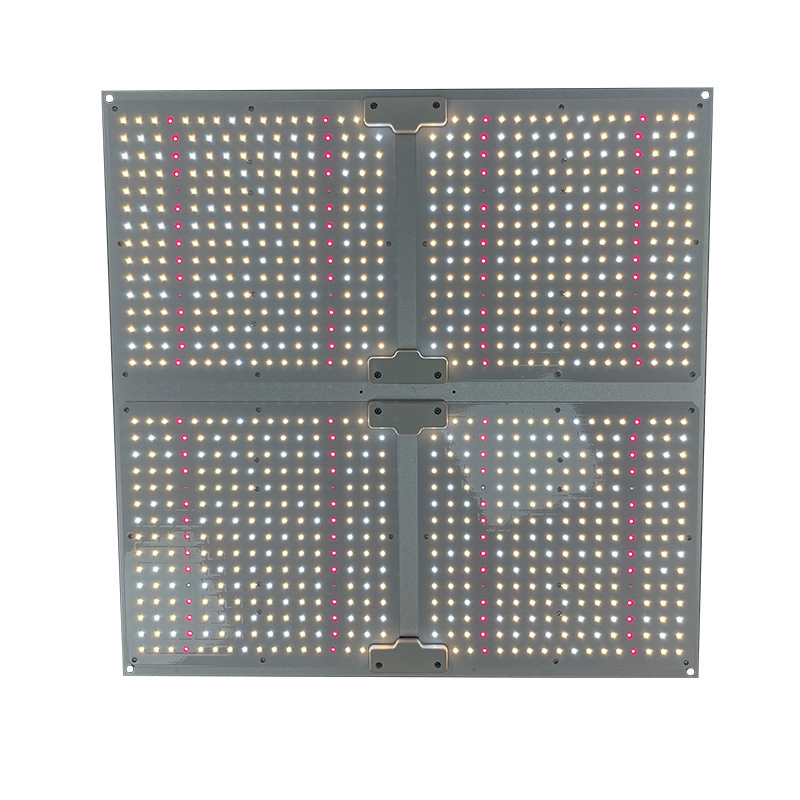
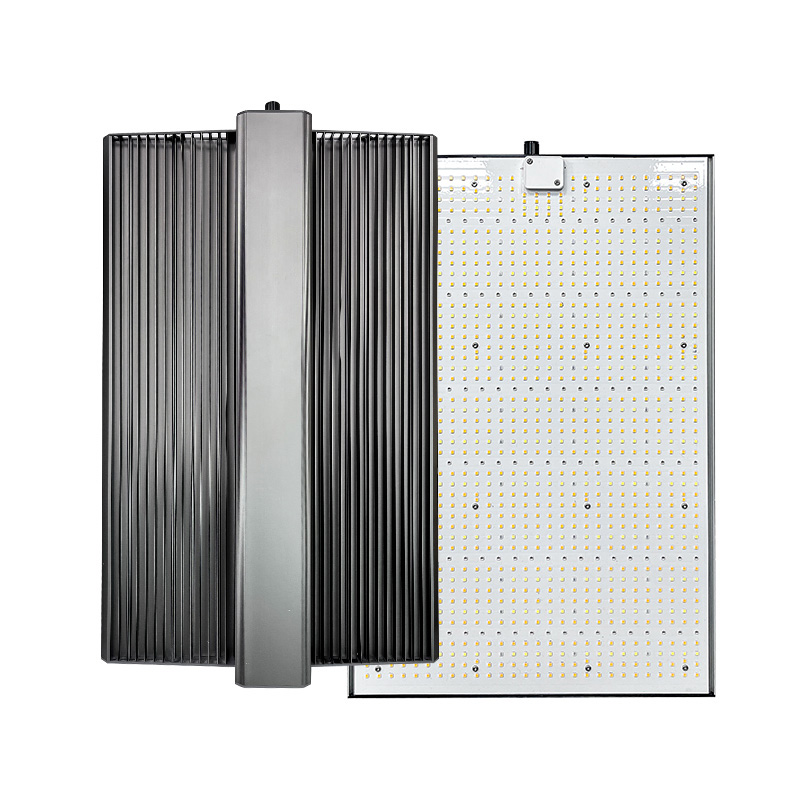
ANDYLED spectrum material highlights split red energy around 640nm and 660nm as an optimization direction. Product configurations such as the 1000W+UV+IR 4x4ft LED Plant Grow Light-AD103-1000-D15-110 show why buyers should compare the full spectral mix, not one red number.
Green Light: Canopy Penetration and Lower-Leaf Photosynthesis
Green light for plants is often misunderstood. Plants reflect some green light, but that does not make it useless. Some green light penetrates deeper through upper foliage than red or blue light.
Does green light help plants grow? In dense canopies, it can help lower leaves receive usable energy and support photosynthesis, morphology, and quality.
Far-Red Light: Plant Stretch, Canopy Architecture, and Flowering Signals
Far-red light, roughly 700-750nm, is not extra red. It is a plant-signaling wavelength that influences elongation, canopy architecture, shade response, and flowering signals.
Used poorly, far-red can create unwanted stretch. ANDYLED input supports reducing or turning off far-red where compact structure is the goal, then adjusting it after stretch. Ratio, timing, and cultivar response matter.
UV Light: Secondary Metabolites, Color, Flavor, and Plant Stress
UV is a controlled supplemental wavelength, not an all-day growth spectrum. ANDYLED guidance uses UV or purple light for later-stage color and flavor, not seedlings or early growth.
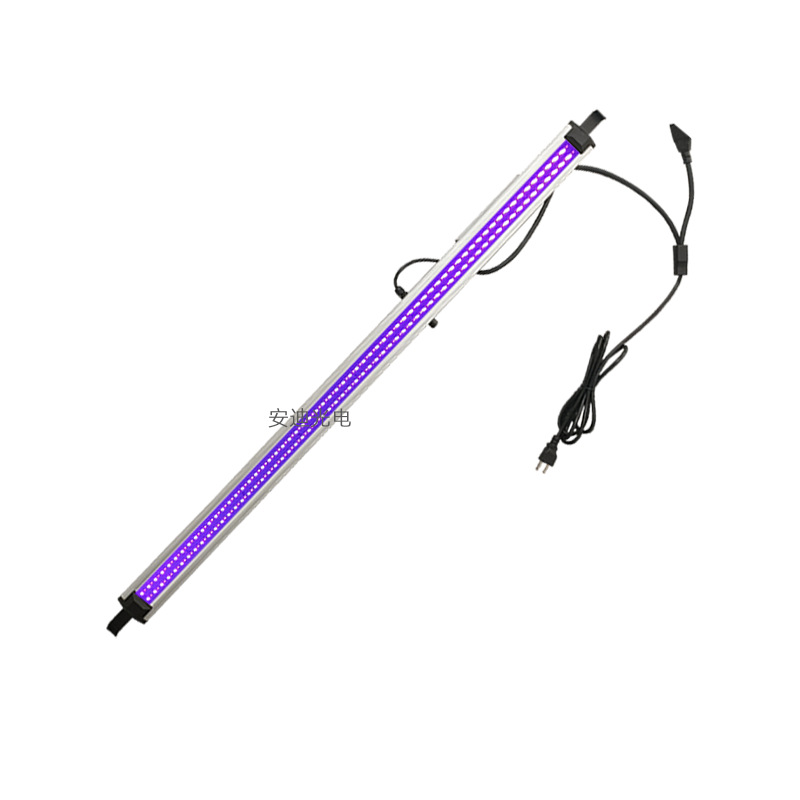
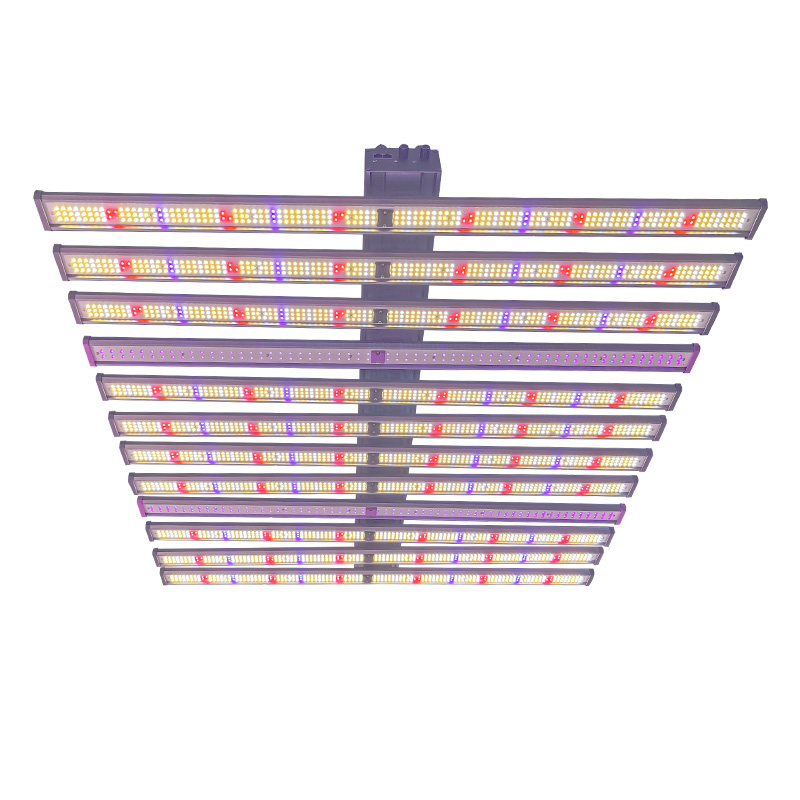
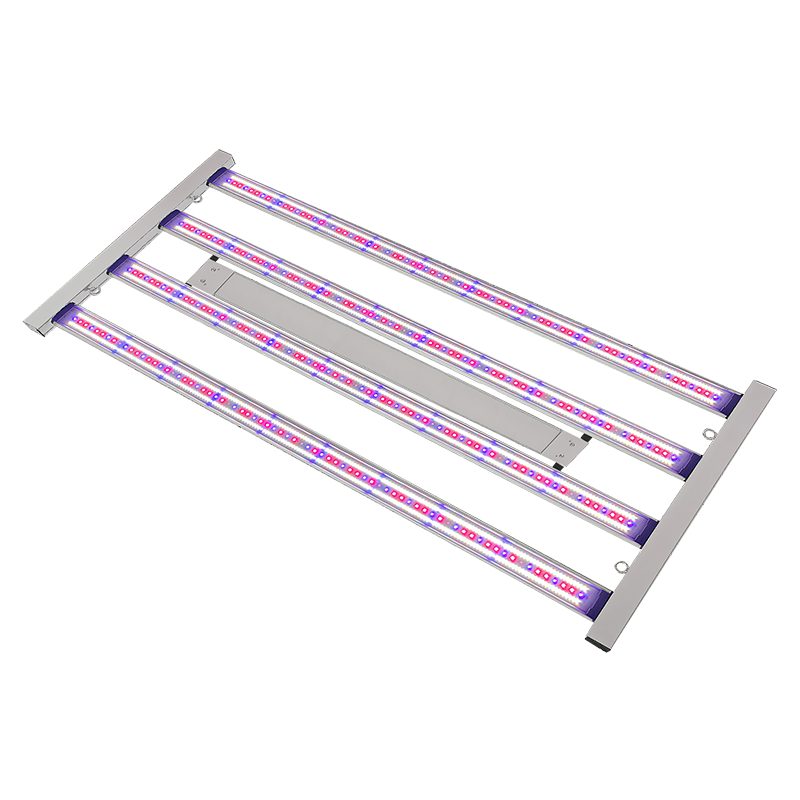
In later stages, short UV exposure may support color, flavor, and secondary metabolites through controlled stress. Exposure time must be managed, often around two hours total per day in ANDYLED guidance, with skin and eye protection. The 1500W 4x6ft Wide Full Spectrum UV LED Grow Lights-AD62-1500-3AQ3-180 should be evaluated by control, stage, and safety workflow.
What LED Grow Light Spectrum Is Best for Each Plant Growth Stage?
Seedling and Propagation Stage: Why Blue-Weighted Balanced Light Works
The best light spectrum for seedlings is usually balanced but blue-weighted, with gentle intensity. ANDYLED stage references use about 20%-40% output at seedling or germination.
Spectrum and PPFD are separate dimensions. A seedling recipe can have the right color balance and still be too intense. After transplanting, output should rise gradually as roots, canopy, and room capacity improve.
Vegetative Stage: How to Balance Blue, Red, and Canopy Penetration
Which LED light promotes vegetative growth? Choose a balanced fixture with enough blue for structure, red for biomass, and broader spectrum for canopy penetration. Then measure the canopy.
Vegetative spectrum decisions should also fit the next stage. Compact, even plants are more valuable than light that only looks intense from above.
Flowering and Fruiting Stage: When More Red and Supplemental Wavelengths Help
The light spectrum for flowering plants often shifts toward red-rich output, higher PPFD, and careful supplemental bands. Red supports reproductive development. Far-red may help with architecture or flowering signals.
UV belongs later and only as a controlled strategy for selected high-value crops. Do not run every channel at maximum; match spectrum, PPFD, photoperiod, DLI, and room control.
Full-Spectrum vs Tunable LED Grow Light Spectrum: Which Is Better?
When Full-Spectrum LED Grow Lights Make More Sense
A full spectrum grow light makes sense when one fixture must cover multiple stages, mixed crops, or simple operation. Modern full spectrum is not old red-blue purple lighting; it usually includes white light plus red, blue, and sometimes far-red or UV.
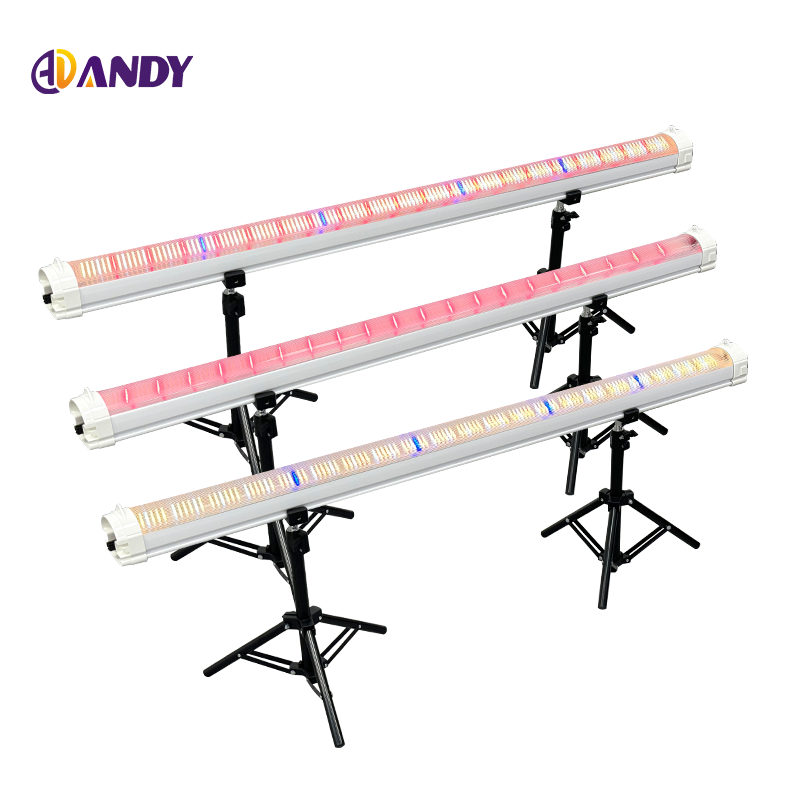
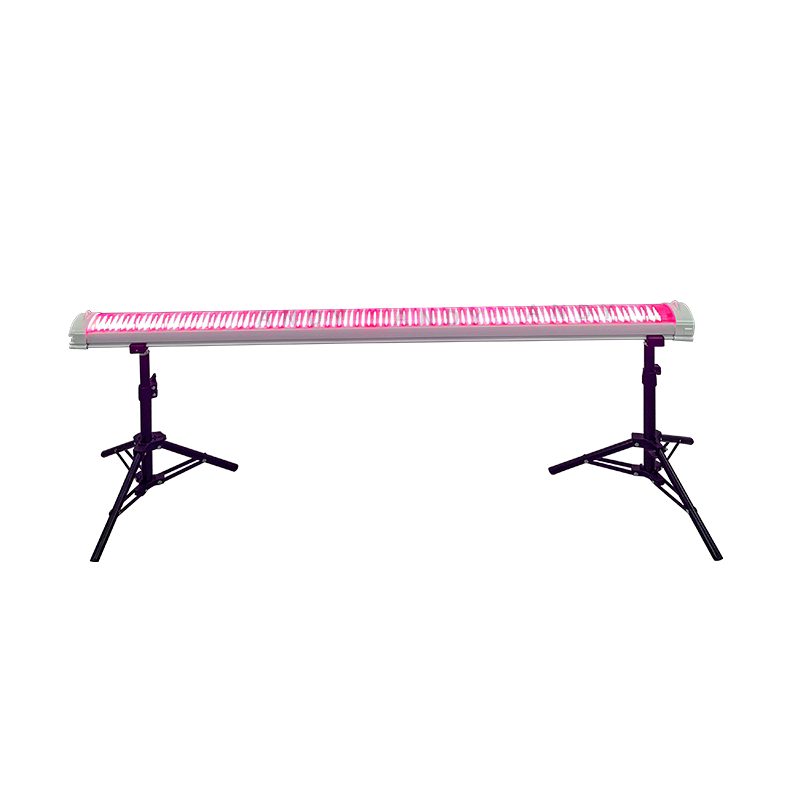
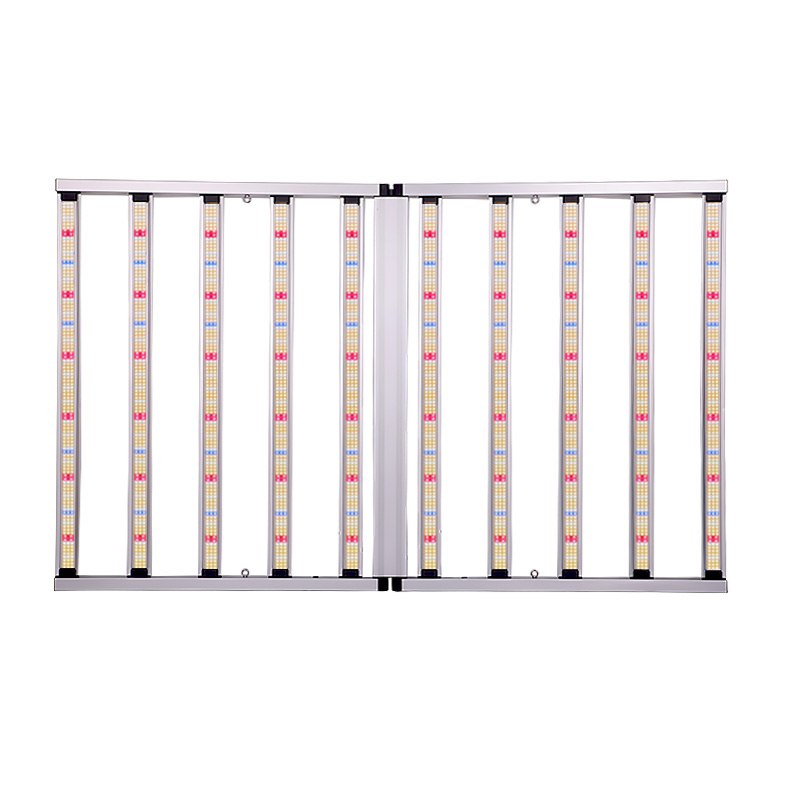
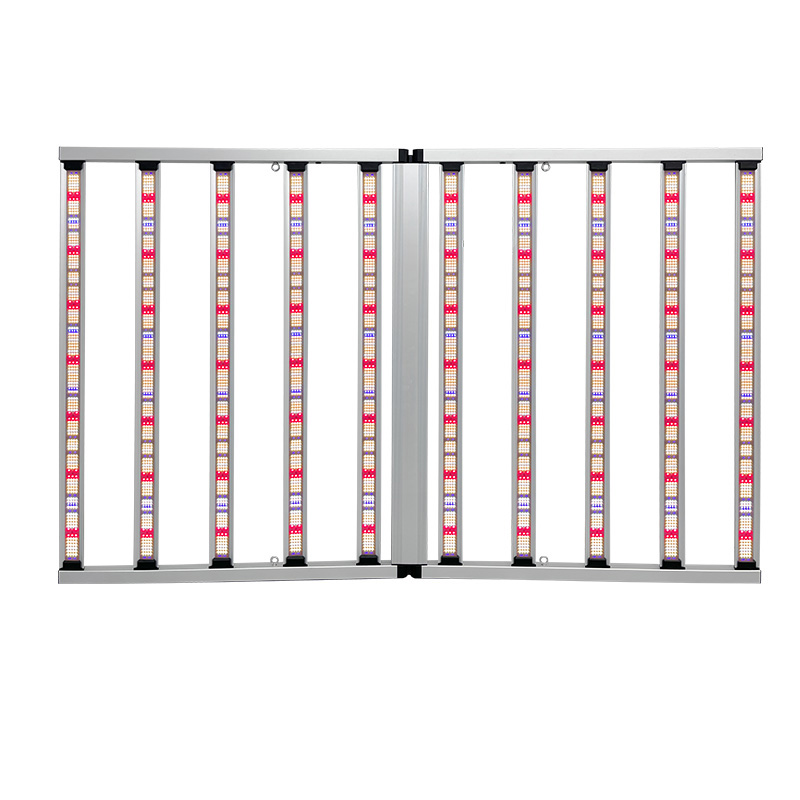
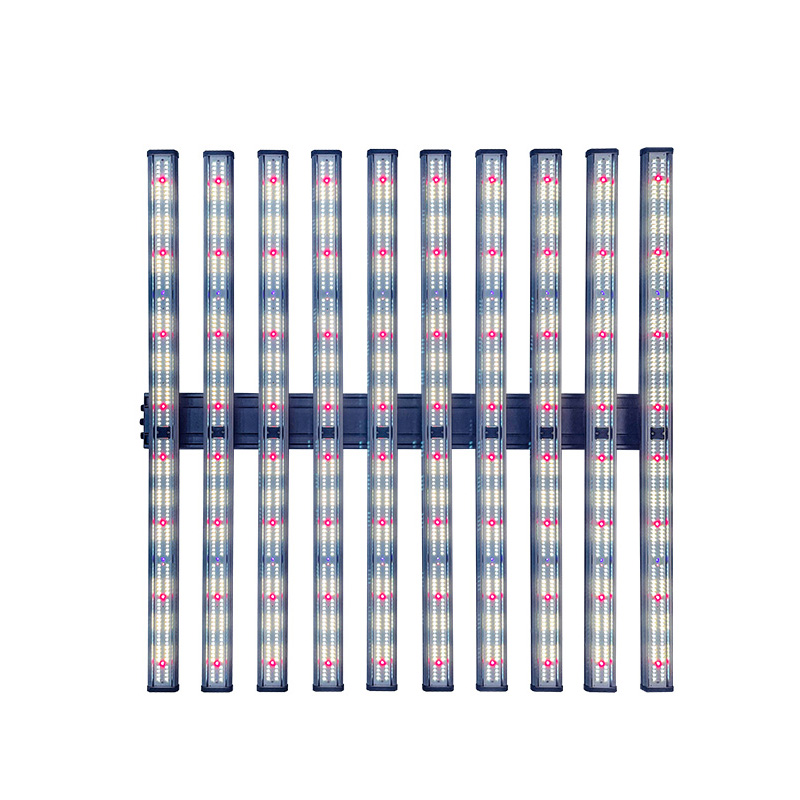
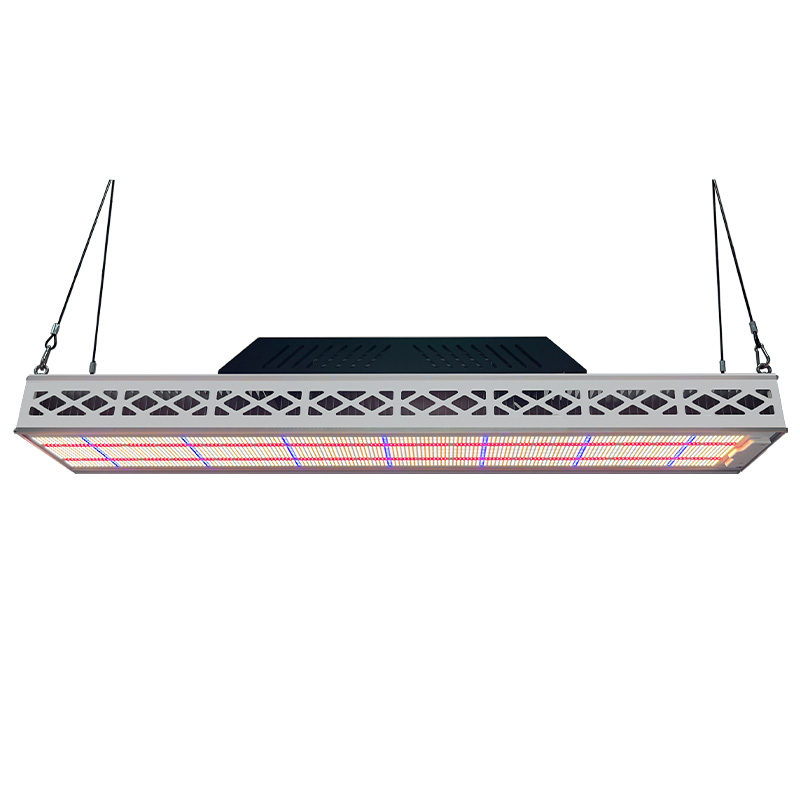
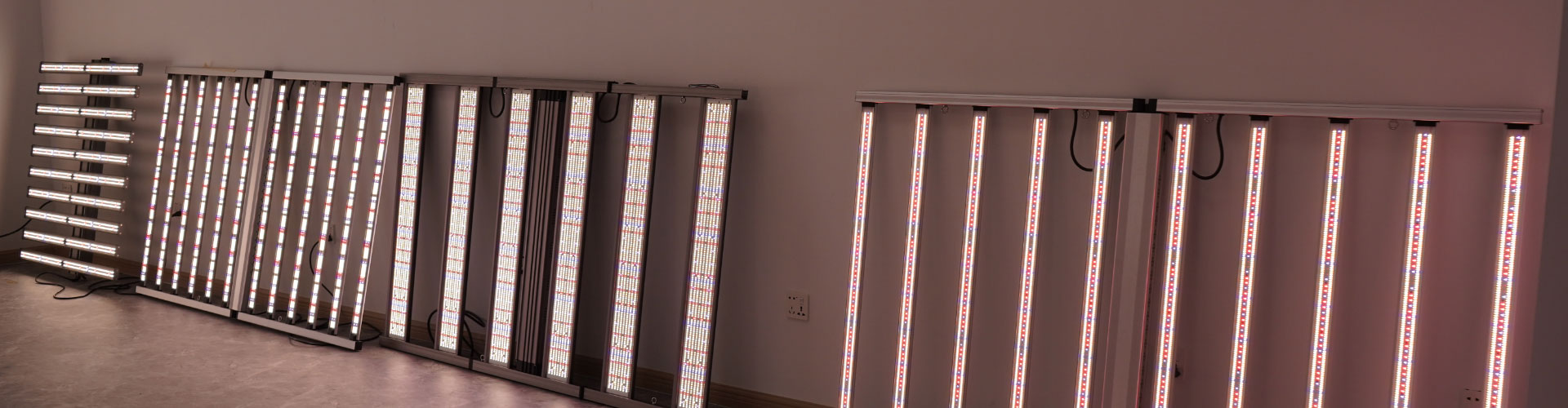
Is full spectrum light best for plants? Often it is the most practical baseline because crops are easier to observe and narrow-spectrum mistakes are easier to avoid. At ANDYLED, we supply LED grow lights as bar-style products for commercial canopy planning.
When Tunable or Multi-Channel Spectrum Control Is Worth It
Tunable or multi-channel control is worth it when a farm wants crop-specific recipes, stage-specific programs, and different targets in one facility. Selected ANDYLED configurations may support two-channel dimming, 0-10V control, daisy-chain style connection, and scheduling, but the architecture must be verified before purchase.

Before scaling, test low-output stability, flicker, unit consistency, group commands, scheduling, communication interruption, and restart behavior. This spectrum control article compares fixed spectrum with adjustable recipes.
How to Choose the Right LED Grow Light Spectrum in Practice
How to Read an LED Grow Light Spectrum Chart
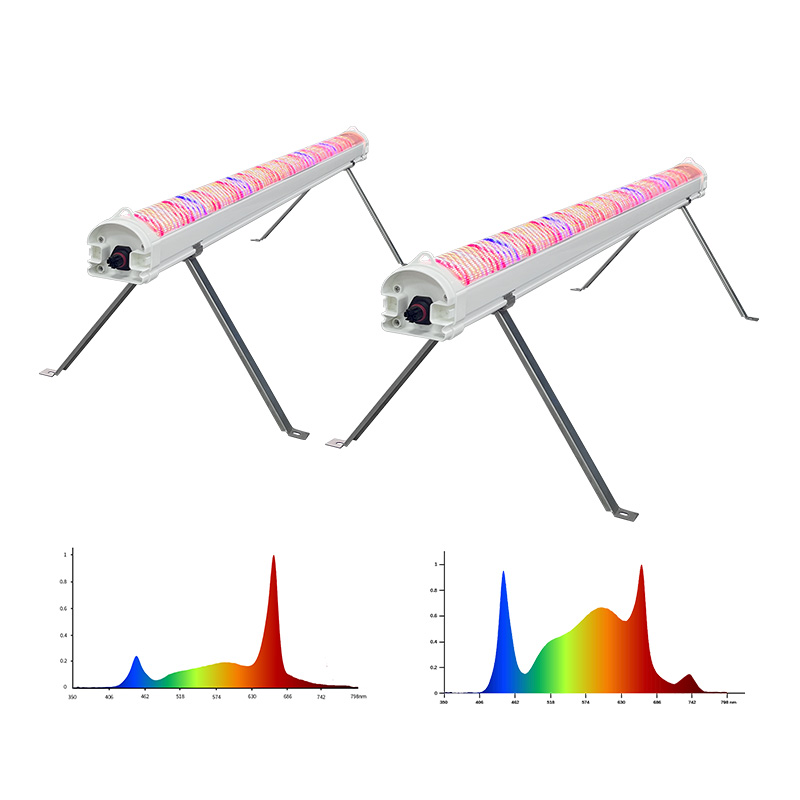
A grow light spectrum chart places wavelength on the X-axis and relative output on the Y-axis. On an LED grow light spectrum chart, do not look only at the tallest peak. Check whether blue, green, red, far-red, and UV match the crop stage and goal.
Do not treat a spectrum chart as a PPFD map. The chart shows wavelength mix; it does not show how evenly photons land across benches, edges, or lower leaves.
Why Spectrum, PPFD, Photoperiod, and DLI Must Work Together
There is no universally best spectrum without considering how much light is delivered and for how long. PPFD measures the moment. Photoperiod is daily light duration. DLI is the daily total. A spectrum that works at one PPFD may not work the same way under another.
Increasing PPFD or photoperiod changes room load. ANDYLED guidance treats output with airflow, humidity, canopy temperature, irrigation response, and heat load. Aluminum helps heat dissipation, but it does not make fixtures temperature-proof.
Common LED Grow Light Spectrum Mistakes to Avoid
Avoid choosing by color appearance alone. Avoid assuming red and blue are the only useful wavelengths. Avoid ignoring green light in dense canopies. Avoid excessive far-red stretch. Avoid treating UV as an all-day growth wavelength. Most of all, avoid looking at spectrum while ignoring PPFD, uniformity, photoperiod, DLI, and environmental capacity.
For commercial growers, the right LED grow light spectrum can be measured, repeated, adjusted, and validated in a pilot zone before the whole farm follows it.
FAQ
Q: What Is the Best LED Grow Light Spectrum for Plant Growth?
A: The right LED grow light spectrum matches the crop. It also fits the growth stage. Other important factors include the PPFD target, photoperiod, DLI, and room environment. No single color or wavelength works best in every situation.
Q: How Does LED Grow Light Spectrum Change from Seedling to Flowering?
A: Seedlings usually need even light with more blue. The intensity stays lower at this point. Vegetative plants need support for strong structure and added biomass. Flowering and fruiting plants often need output rich in red. Growers add far-red or UV only when there is a clear reason to do so.
Q: Is a Full-Spectrum LED Grow Light Spectrum Better Than Red and Blue Light?
A: In many cases, the answer is yes for commercial operations. Full spectrum provides wider coverage. It also gives better crop visibility than narrow red-blue lighting. Tunable systems offer extra control. The farm must manage light recipes with care for this to work well.
Q: How Do I Read an LED Grow Light Spectrum Chart?
A: Look at wavelength along the X-axis. Check relative output on the Y-axis. Study the full curve instead of only the highest peak. Remember that a spectrum chart is not a PPFD map.
Q: Does an LED Grow Light Spectrum Need UV and Far-Red Wavelengths?
A: Not always. UV and far-red are extra wavelengths. They can help reach quality goals in later stages. They may influence plant shape or send flowering signals. These additions need careful timing. They also require proper dose control and safety practices.


