

Best Growing Lights: Enhancing Vertical Farms for Higher Yields
Vertical Farming Grow Lights Market Overview and Commercial Drivers
Vertical Farming Grow Lights Demand in Commercial Agriculture
Vertical farming grow lights have become a core infrastructure component as commercial agriculture increasingly shifts toward controlled indoor and vertical farming systems. Large-scale vertical farms, commercial greenhouses, and hydroponic facilities rely on artificial lighting not as a supplement, but as the primary energy source driving photosynthesis and yield output. As land efficiency and year-round production become critical business goals, demand for reliable vertical farming grow lights continues to rise across global markets.
Vertical farming grow lights are especially important in high-density, multi-layer cultivation environments where natural sunlight cannot penetrate evenly. In these systems, growers prioritize predictable performance, stable light output, and scalability rather than short-term cost considerations. This shift has positioned professional LED grow lighting as a strategic investment rather than a consumable input.
Why LED Grow Lights Dominate Modern Vertical Farming Systems
LED-based vertical farming grow lights lead in today’s farming setups. They do so because they give exact command over light strength, color range, and daily schedules. When compared to older lighting methods, LED grow lights show better energy savings and much longer working life. This fits well with the needs of commercial farms.
Vertical farming grow lights using LED tech also let growers match light delivery to what crops need at various growth points. Such adaptability aids steady outputs over several crop rounds. At the same time, it cuts down on extra energy use in big facilities.
Vertical Farming Grow Lights Performance Factors That Impact Yield
PPFD Distribution and Light Uniformity in Vertical Farming
PPFD distribution is one of the most critical performance factors when evaluating vertical farming grow lights for commercial applications. In multi-layer rack systems, uneven PPFD levels can lead to inconsistent plant development, lower biomass accumulation, and unpredictable harvest results. Professional vertical farms, therefore, focus on achieving uniform light distribution across the entire canopy.
Vertical farming grow lights designed with wide beam angles and linear layouts help maintain stable PPFD levels across shelves and growing rows. Consistent PPFD improves crop uniformity, simplifies nutrient management, and allows farms to standardize production planning across large growing areas.
Spectrum Strategy for Vertical Farming Grow Lights
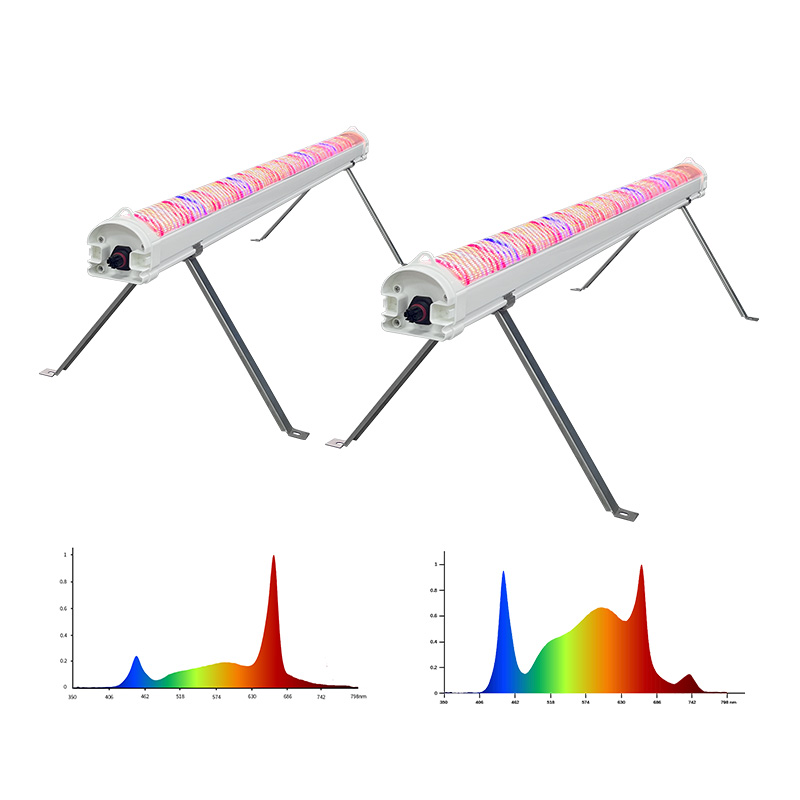
Spectrum strategy holds a key role. It shapes how vertical farming grows, and lights aid plant progress from early stages to blooming. Commercial growers often use full-spectrum lighting. This includes white light, blue light near 450nm, red light near 660nm, and far-red light near 730nm. Such lights back the whole growth process.
Vertical farming grow lights with an even spectrum delivery foster robust early growth. They also guide plant shape and boost blooming efficiency. Plus, they skip unneeded wavelengths. This method aids reliable outputs for various crop types. It keeps expected plant forms in tight vertical spaces.
Vertical Farming Grow Lights Design for Commercial-Scale Operations
Bar-Style Vertical Farming Grow Lights for Multi-Layer Racks
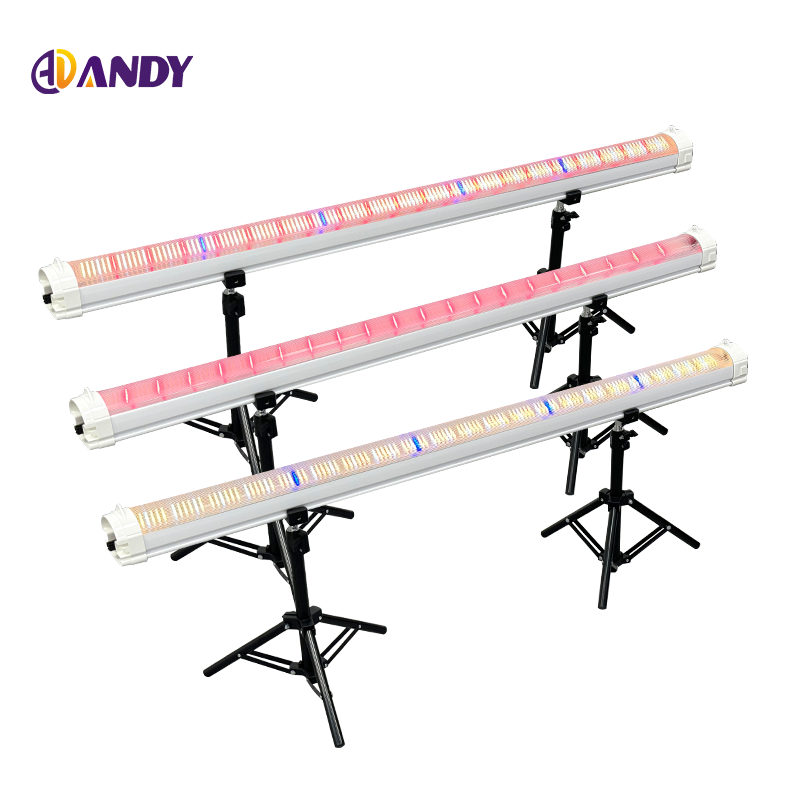
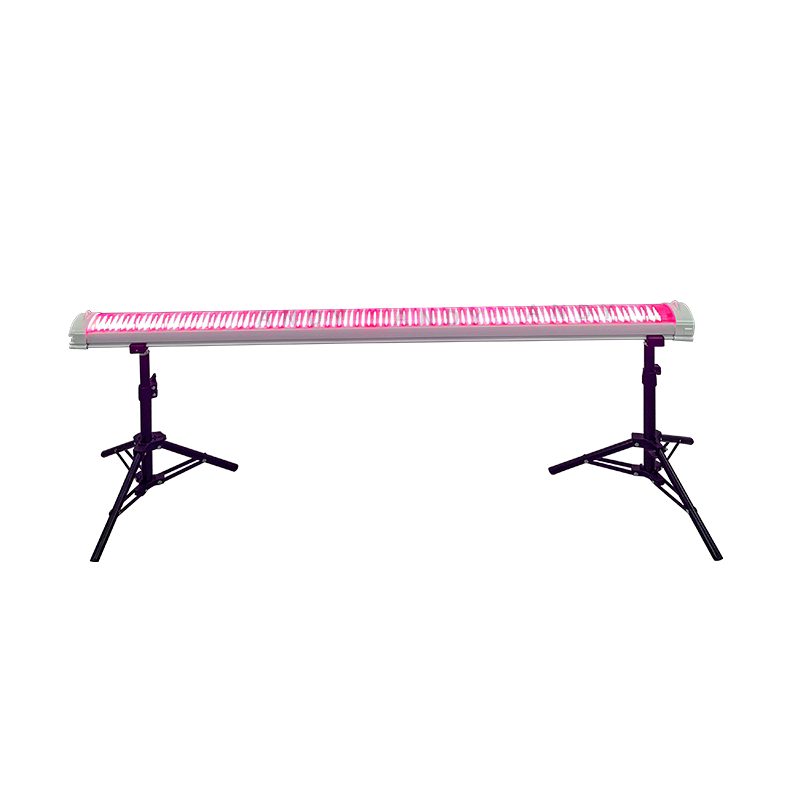
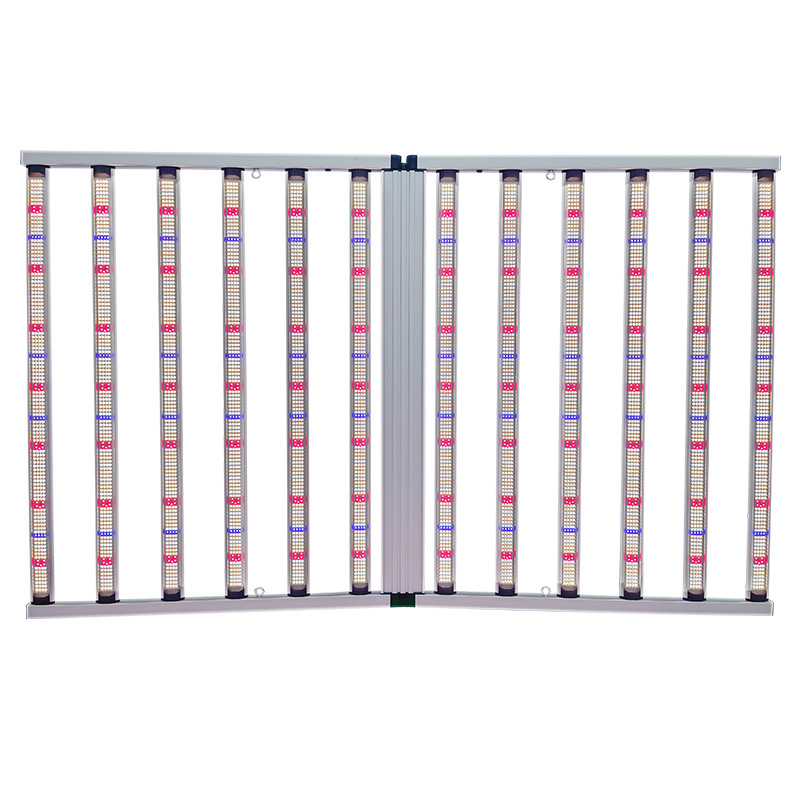
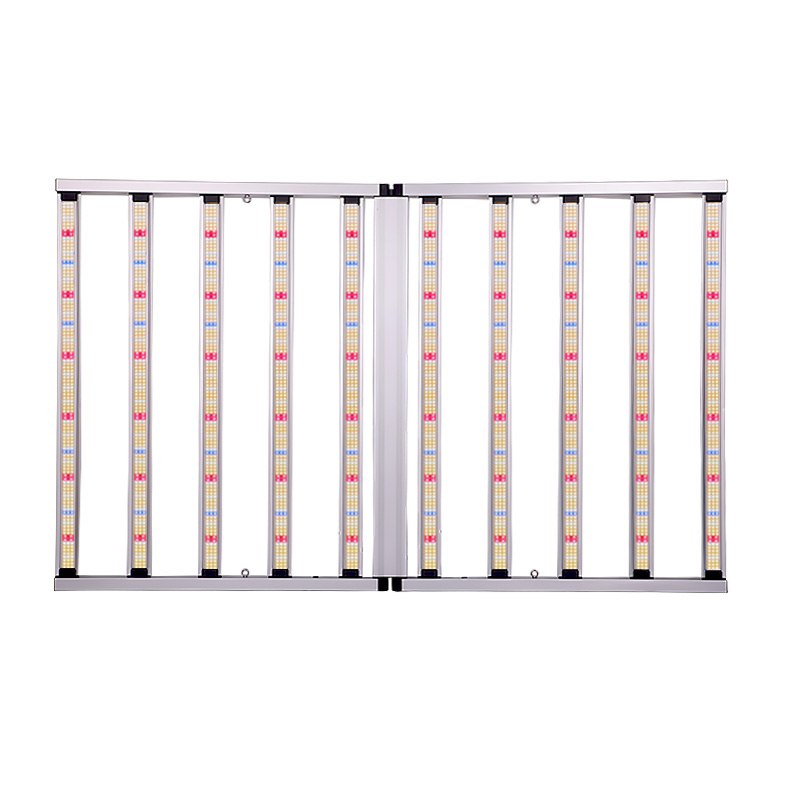
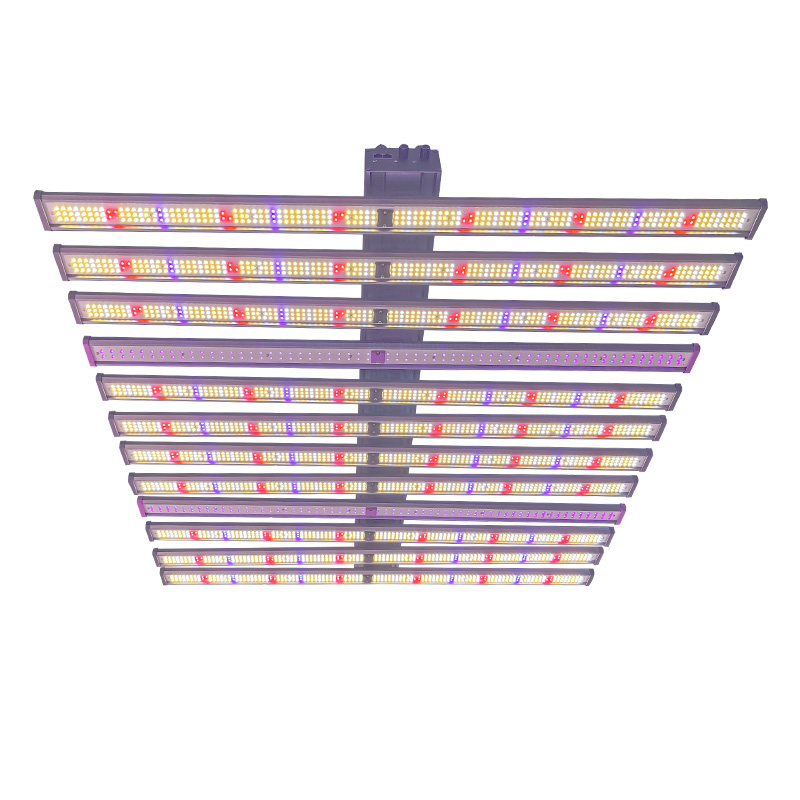
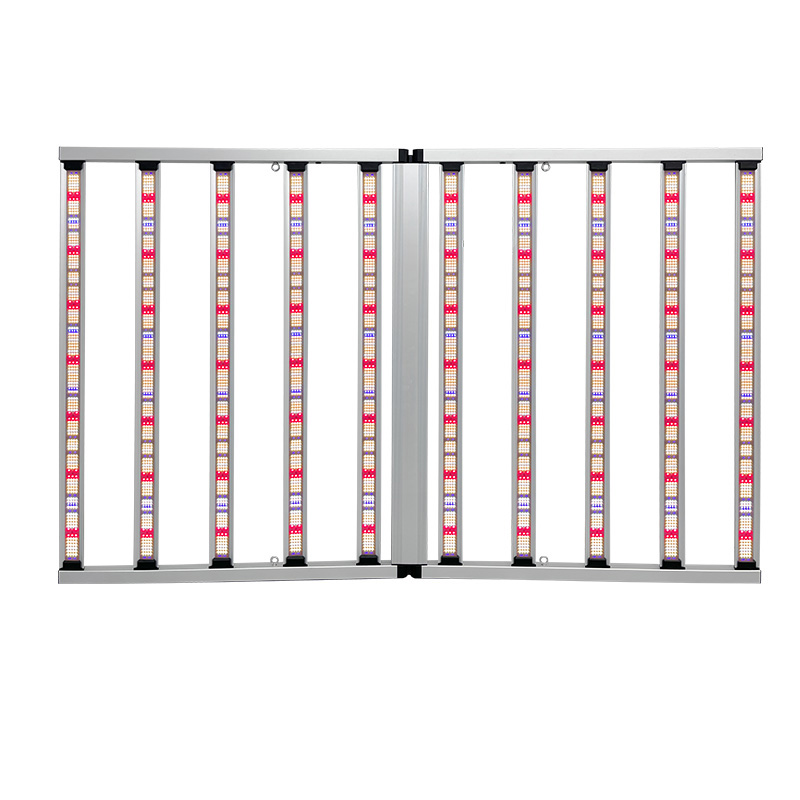
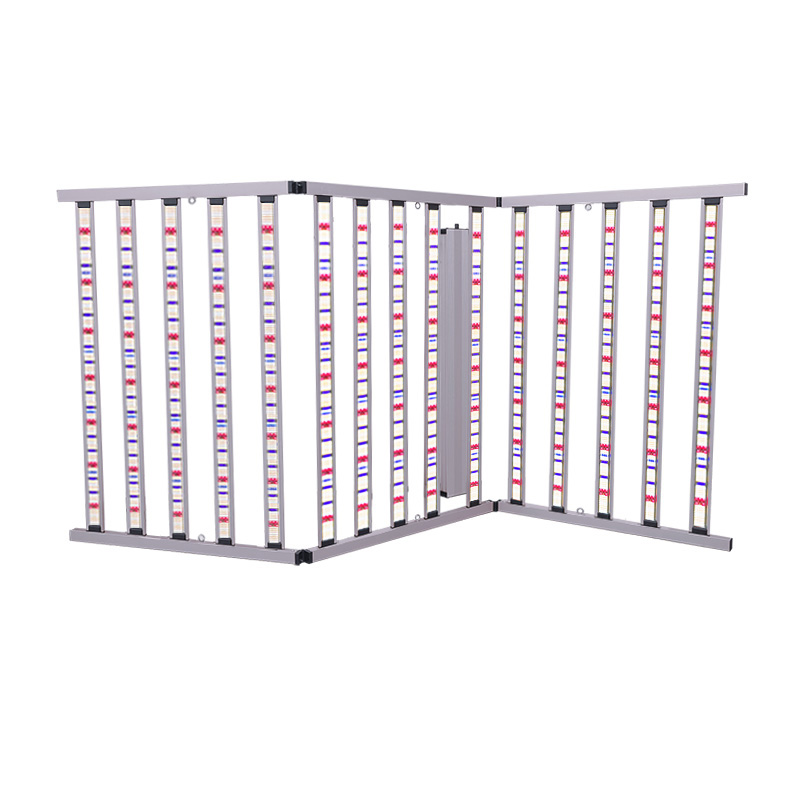
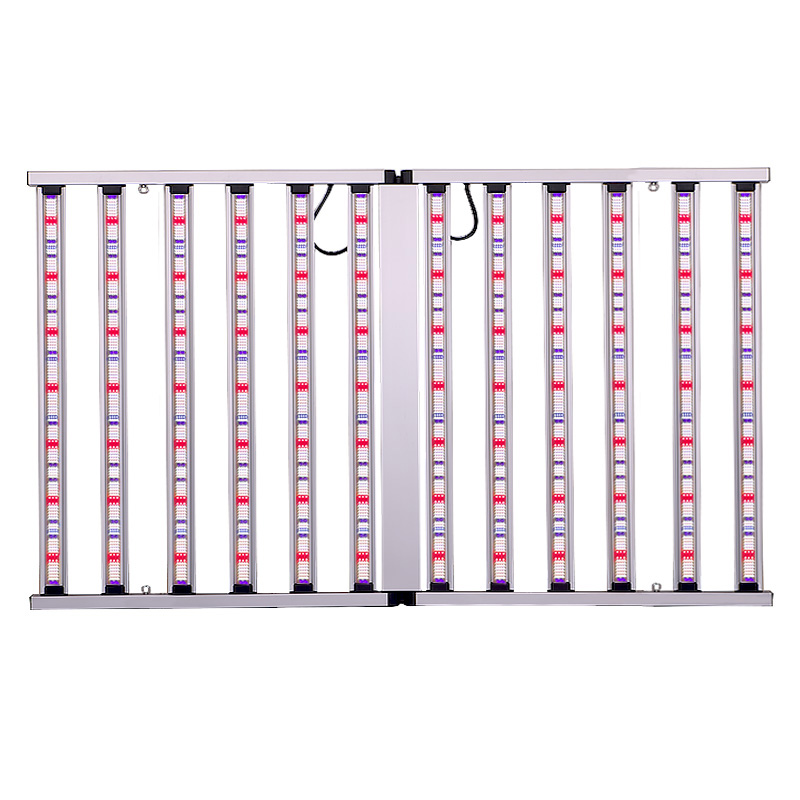
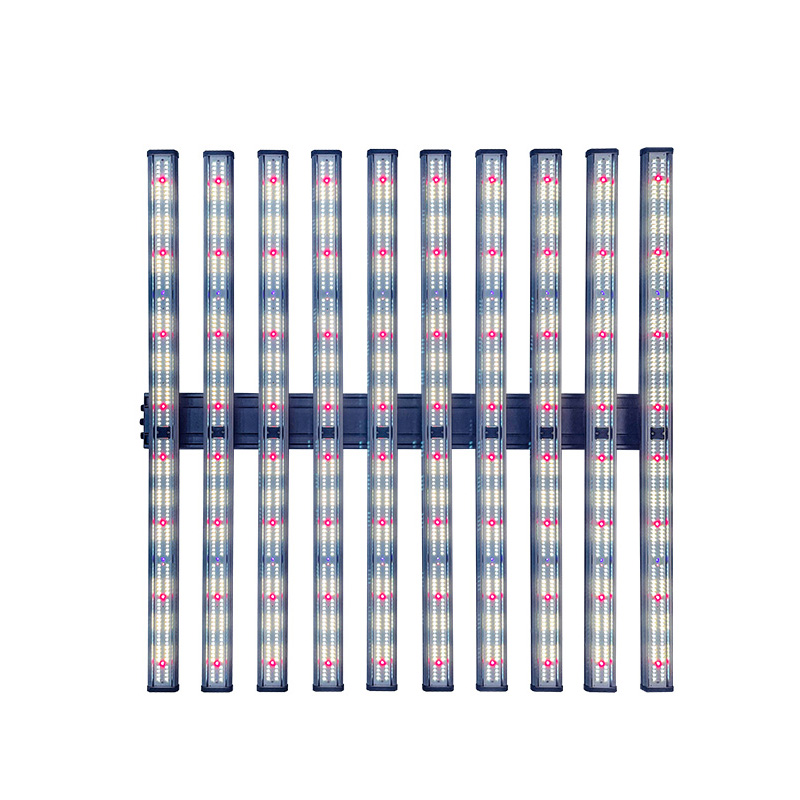
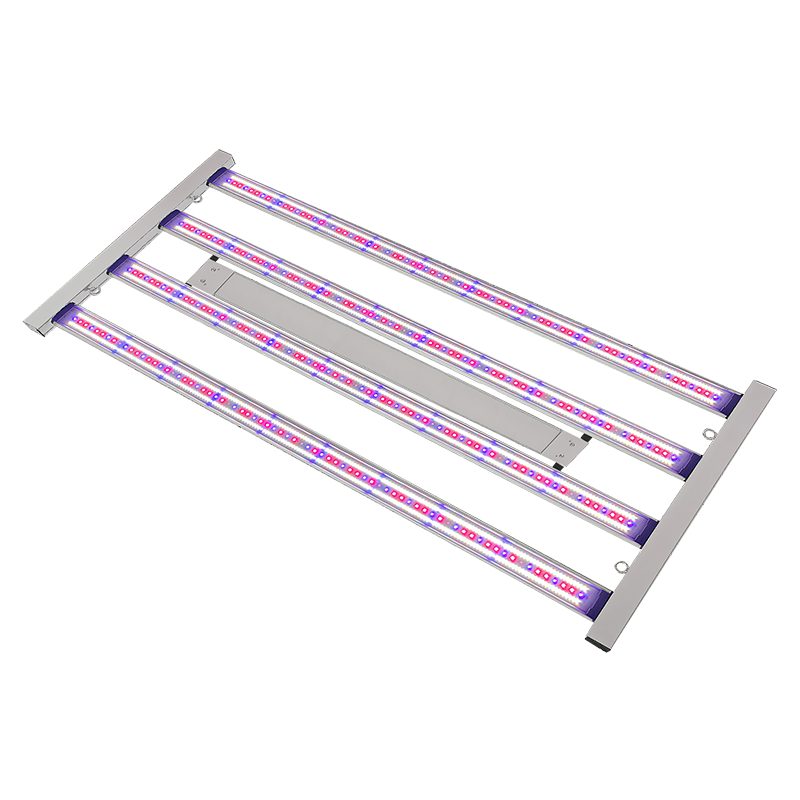
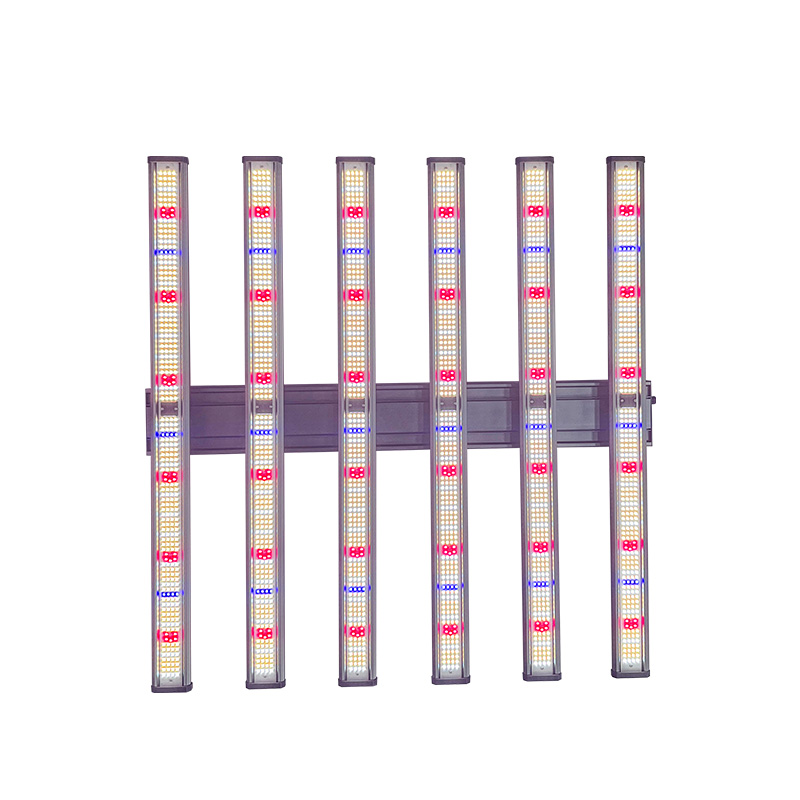
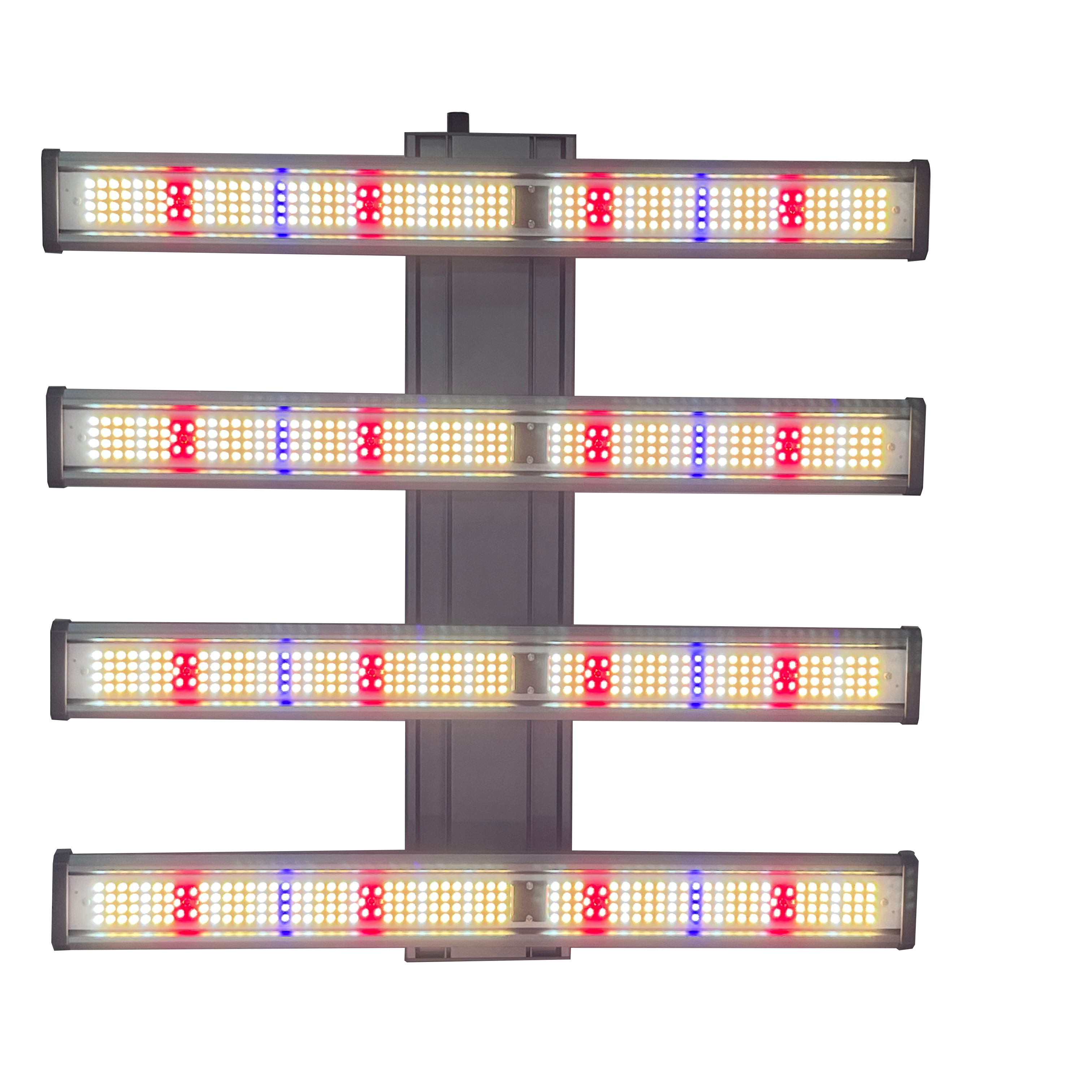
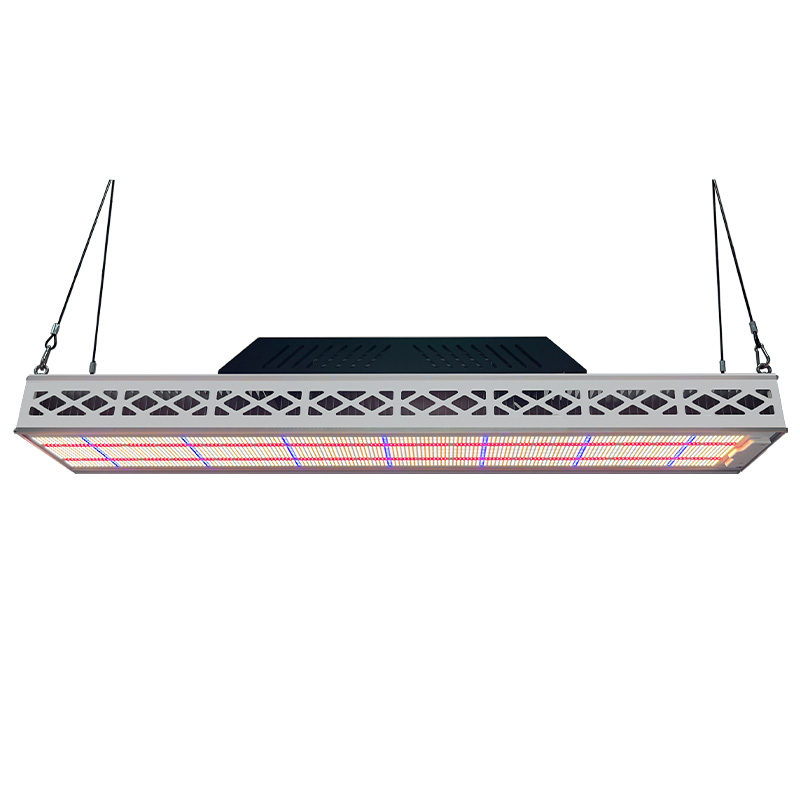
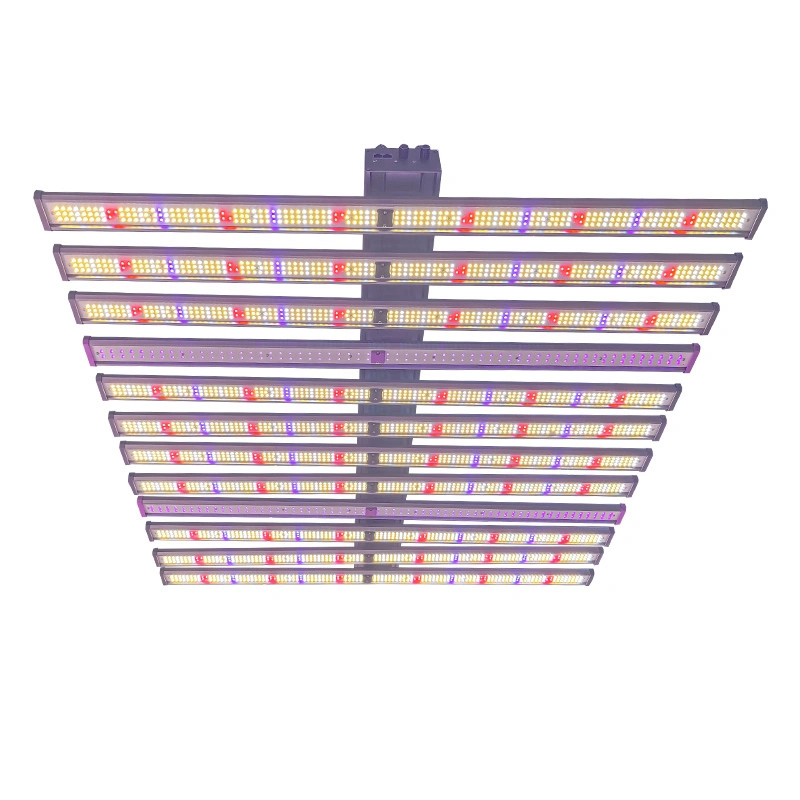
Bar-style vertical farming grow lights are gaining wide use in commercial vertical farms. They fit well into multi-layer rack systems. Straight bar shapes let growers place light sources near the plant cover. At the same time, they ensure an even spread over long planting rows.
Vertical farming grow lights in bar forms also aid air flow between levels. They cut down on shadows from large fixtures. This setup ease makes bar-style lights a good pick for growing farming efforts. Layouts there might change as output grows.
Thermal Management and Housing Design in Vertical Farms
Thermal management counts as a real-world factor. It comes up when setting up vertical farming grow lights in crowded growing spots. Aluminum housing with no-fan, natural heat release keeps surface heat in check. It also supports lasting dependability during long daily runs.
Vertical farming grow lights work hand-in-hand with farm-wide environment controls. These include air flow and moisture handling. Instead of holding fixed fixture heat, the aluminum housing speeds up heat release as run time builds. Thus, it backs steady work in actual farming settings.
Vertical Farming Grow Lights Across Different Growth Stages
Light Intensity Planning from Seedling to Harvest
Light intensity planning is essential for maximizing the effectiveness of vertical farming grow lights across different growth stages. Seedling and early vegetative stages require moderate PPFD levels to encourage root development and healthy leaf formation without overstressing young plants.
Vertical farming grow lights allow growers to gradually increase light intensity as crops enter later vegetative and flowering stages. During early growth phases, UVA channels remain inactive to avoid suppressing biomass accumulation, ensuring plants reach optimal structure before quality-focused lighting strategies are applied.
Dimming and Photoperiod Control in Vertical Farming
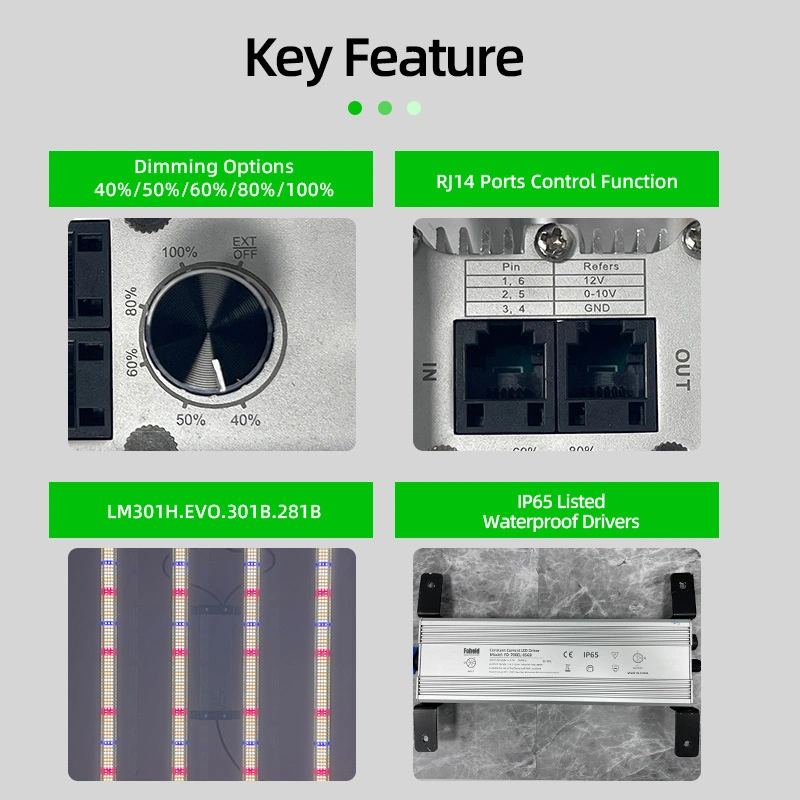
Dimming ability marks a main working trait of vertical farming grow lights in business spots. Single-channel dimming setups allow fine tweaks to light output. They do this without adding UVA. So, farms can adjust energy use closely while keeping growth steady.
Vertical farming grow lights also back set photoperiod plans that fit crop needs. Exact start/stop times and dimming shifts help keep even growth patterns in big vertical farming work.
Vertical Farming Grow Lights for Cannabis and High-Value Crops
Cannabis Vertical Farming Grow Lights Yield and Quality Considerations
Cannabis growing in vertical farming setups puts heavy loads on light strength, spectrum steadiness, and daily reliability. Vertical farming grow lights for cannabis must supply high PPFD while keeping an even spread. This prevents quality differences across plant levels.
In business cannabis farms, steady lighting directly affects output forecasts and product worth. Vertical farming grow lights with firm output and exact command help growers set standard results over many harvest rounds.
At this point in commercial cannabis and high-value crop cultivation, vertical farming grow lights are no longer evaluated only by spectrum theory or PPFD targets. Large-scale growers also consider whether lighting systems can be deployed consistently across multiple rooms, racks, and crop cycles without frequent adjustments or performance variation.
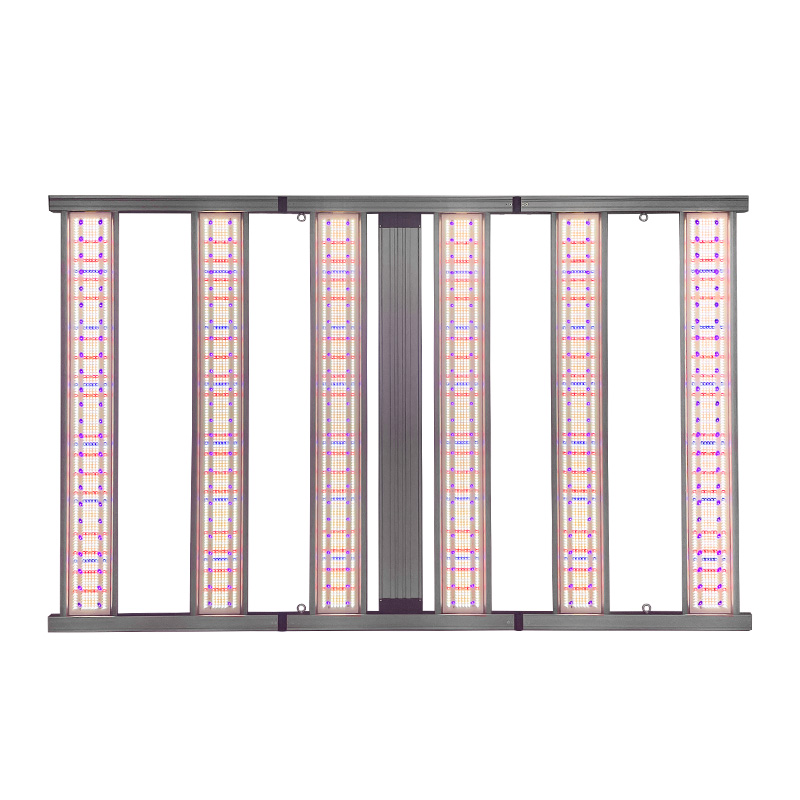
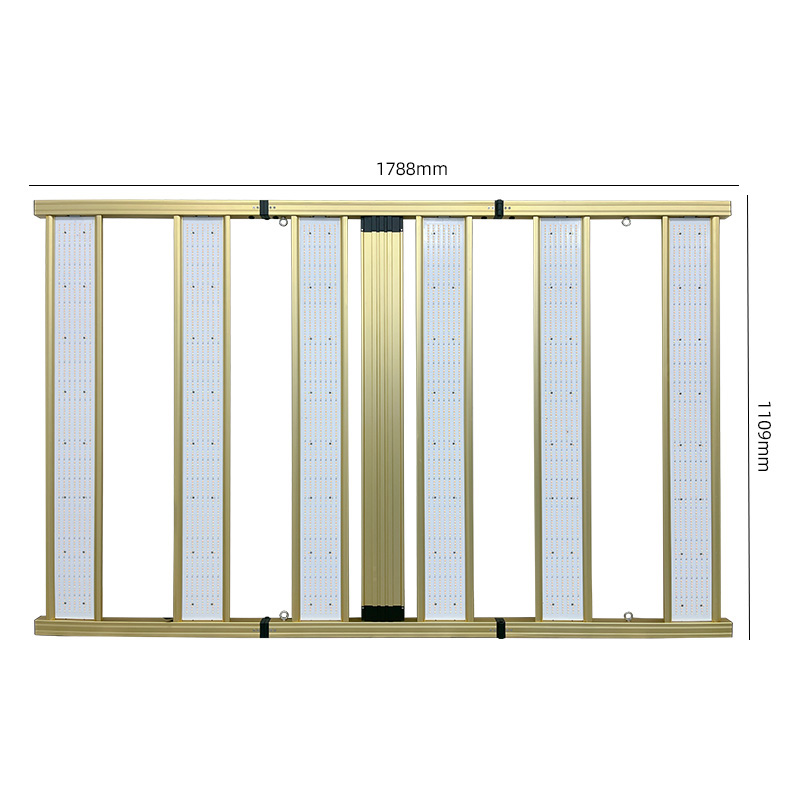
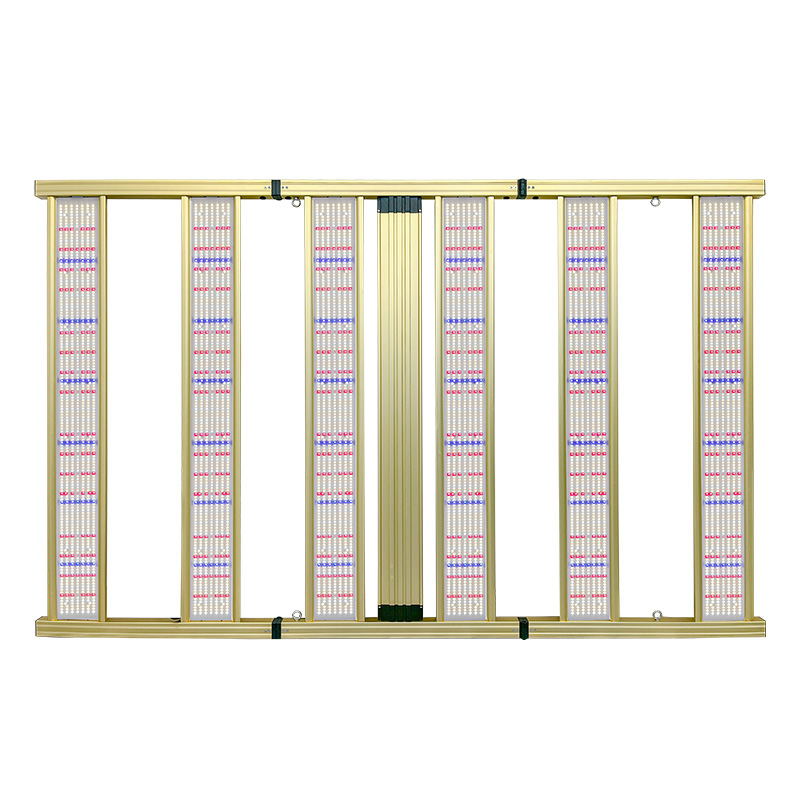
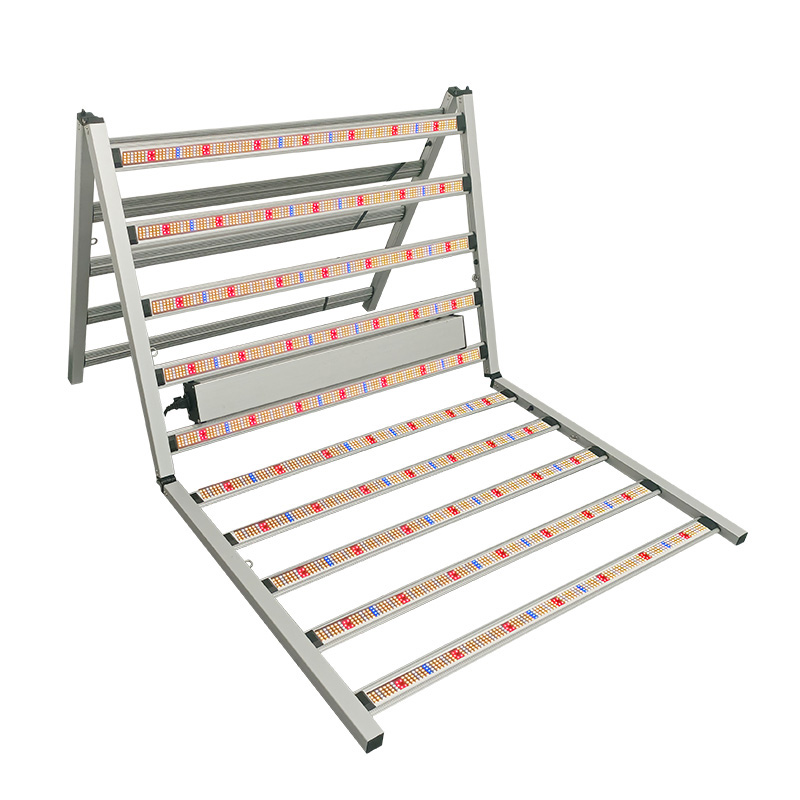
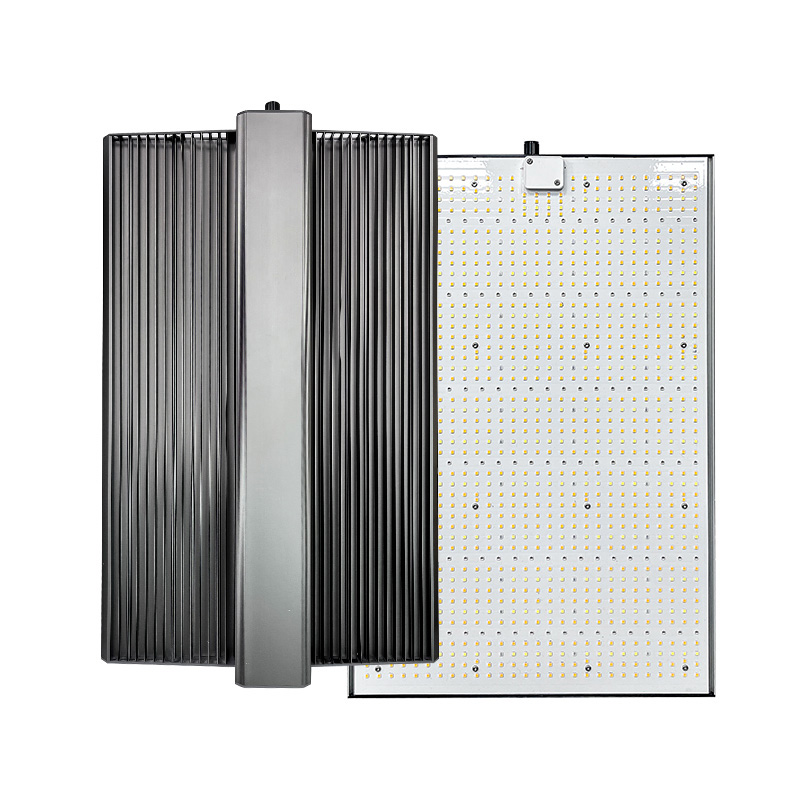
In real vertical farming projects, ANDYLED vertical farming grow lights are often introduced at this evaluation stage due to their bar-style structure, stable full-spectrum output, and compatibility with multi-layer rack systems. Solutions such as an 800W single-channel dimming LED grow light for 4×4 ft coverage, and an efficient 1000W LED grow light with adjustable brightness for 4×6 ft areas are commonly used to establish a reliable baseline for vegetative growth and early flowering before additional spectrum strategies are applied.
UVA (395nm) and Supplemental Spectrum Use in Late Flowering
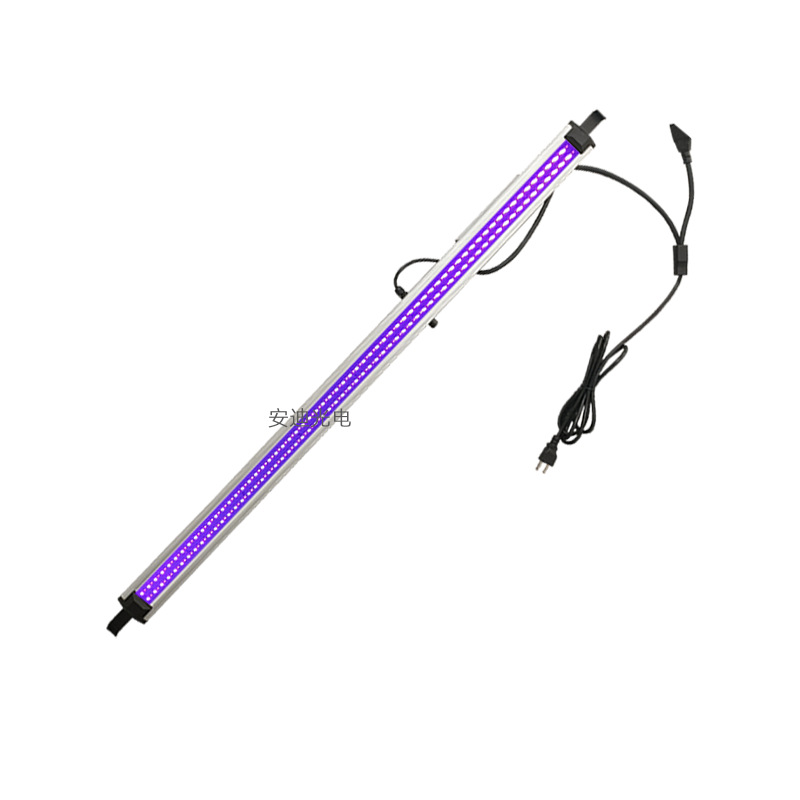
UVA (395nm), often called violet light, is used in vertical farming grow lights just in the late bloom stages. It boosts color buildup, scent strength, and general crop worth. UVA does not push leaf growth. Instead, it works as a managed stress cue that aids color making and extra compound creation.
In business vertical farms, UVA serves for short daily times in the end bloom period. It stays off during the seedling and leaf stages. This focused method lifts visual appeal and taste without harming output.
ANDYLED Vertical Farming Grow Lights for Commercial Farm Projects
ANDYLED Vertical Farming Grow Lights Product Positioning
ANDYLED vertical farming grow lights target business-scale farming work that calls for steadiness, growth potential, and lasting trust. We center on bar-style grow lights tuned for vertical farming racks. These differ from small home-growing gear.
Our vertical farming grow lights employ aluminum housing, a 120° beam angle, and reach an efficiency of 3.0 µmol/J. This ensures broad reach and steady PPFD in multi-layer setups.
Full-Spectrum and Multi-Channel Options for Vertical Farming
ANDYLED provides several vertical farming grow light setups to fit varied business needs. Our 800W single-channel dimming LED grow light for 4×4(ft) setups gives full spectrum output without UVA. It suits leaf growth and early bloom phases.
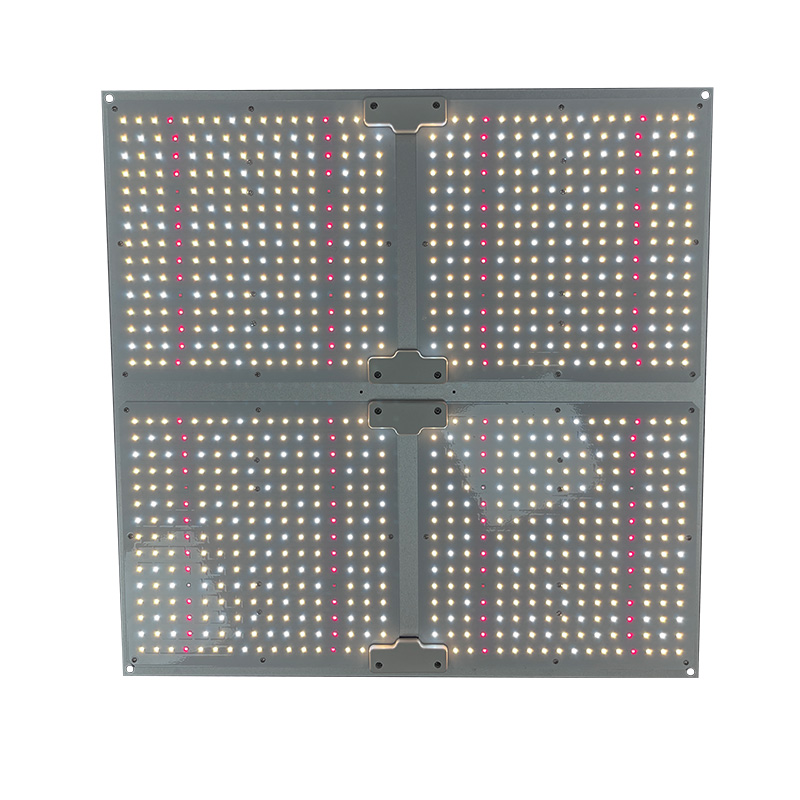
For bigger growing zones, in work needing quality boosts in late bloom, units like the 1060W+UV 4x4ft LED Grow Lights-AD122-1060W-D9(D10)-110 add a set UVA (395nm) path for color and taste tuning.
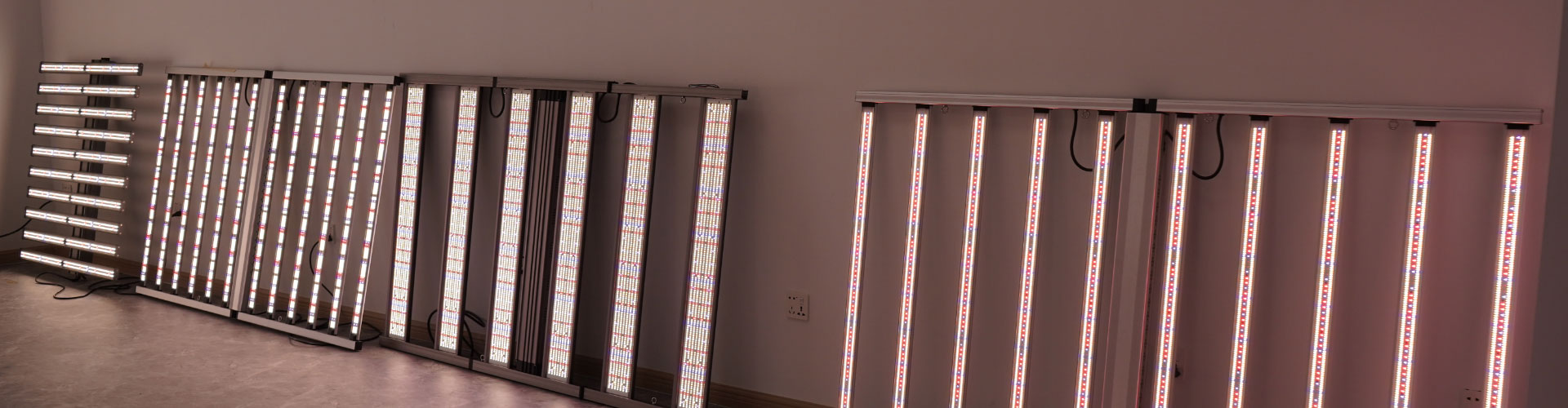
All ANDYLED vertical farming grow lights use Samsung LED chips, feature integrated drivers, and are built for IP54 luminaire protection with IP65-rated drivers. With large-scale manufacturing capacity, integrated production lines, and extensive warehouse inventory, we support fast customization and can deliver full-container orders within five days.
FAQ
Q: What are the best vertical farming grow lights for commercial farms?
A: The best vertical farming grow lights for commercial farms are LED-based systems that provide high PPFD uniformity, full-spectrum output, and stable long-term performance. Bar-style designs with aluminum housing and adjustable dimming are commonly preferred in large-scale vertical farming projects.
Q: How to choose vertical farming grow lights for high-yield production?
A: Choosing vertical farming grow lights for high-yield production involves evaluating PPFD distribution, spectrum balance, dimming capability, and compatibility with multi-layer rack systems. Reliability and manufacturing consistency are also critical factors for commercial operations.
Q: Are vertical farming grow lights with UVA necessary for cannabis cultivation?
A: Vertical farming grow lights with UVA are not required throughout the entire growth cycle, but they are commonly used during late flowering stages to enhance color, aroma, and quality. UVA should be applied for limited daily durations rather than continuous use.
Q: Vertical farming grow lights vs traditional greenhouse lighting: which is better?
A: Vertical farming grow lights provide greater control over light intensity and spectrum compared with traditional greenhouse lighting. This makes them more suitable for high-density indoor environments where natural sunlight is limited or inconsistent.
Q: Which companies are leading suppliers of vertical farming grow lights?
A: Leading suppliers of vertical farming grow lights are typically manufacturers with strong R&D capabilities, large-scale production facilities, and experience supporting commercial farming projects. Companies that offer customization and stable supply chains are often favored by professional growers.


