

Full-Spectrum LED Grow Lights: Spectrum Science for Every Growth Stage
The evolution of indoor cultivation has been fundamentally reshaped by the emergence of full-spectrum LED grow lights, which provide a comprehensive light recipe similar to natural sunlight. Unlike early-generation “blurple” lights, modern full-spectrum solutions encompass the entire visible range from 400nm to 700nm, including 730nm far-red (IR). For commercial growers aiming for pharmaceutical-grade consistency, understanding high-CRI (Color Rendering Index) lighting is essential. A high-CRI environment allows cultivators to accurately monitor plant health, identifying pests or nutrient deficiencies that would be invisible under monochromatic light.
The Science of Full-Spectrum LED Grow Lights in Commercial Horticulture
Defining “True” Full Spectrum for High-Value Crops
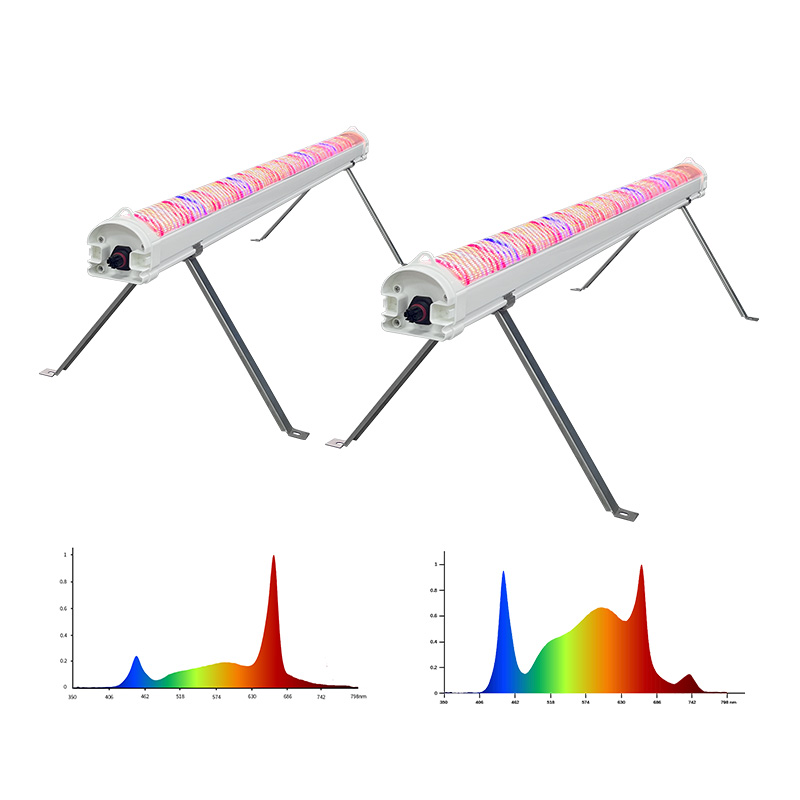
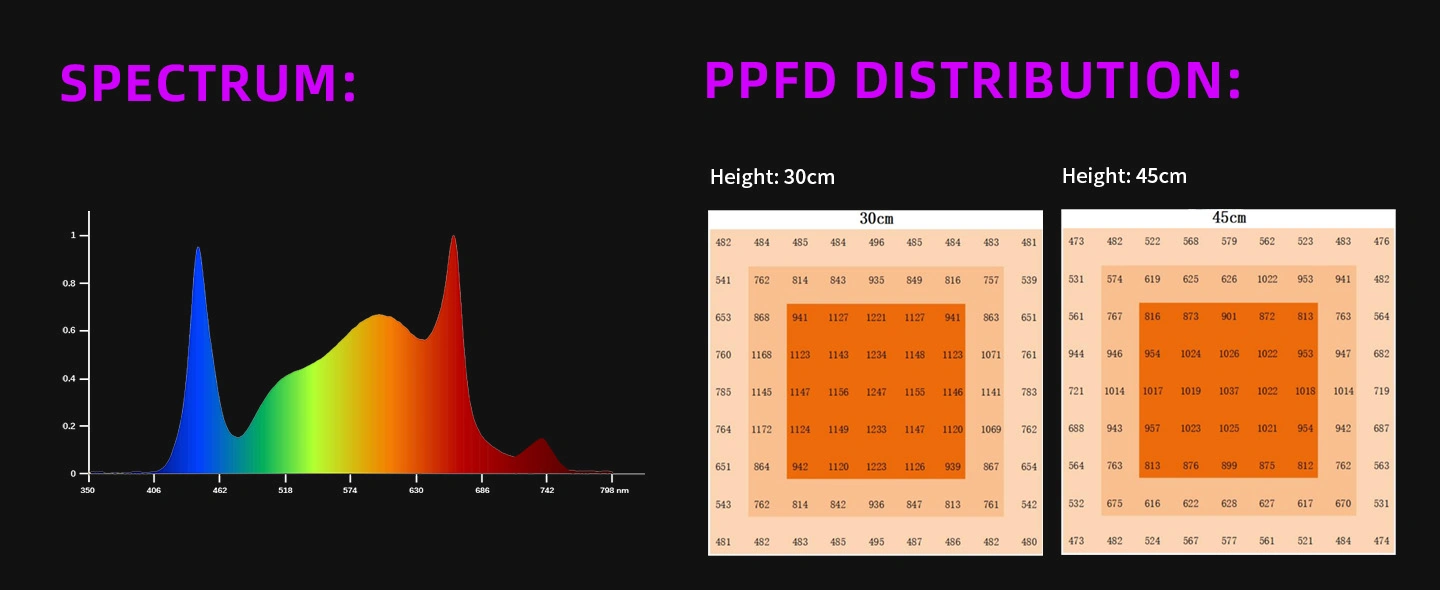
The transition toward true full-spectrum LED grow lights represents a decisive shift in mimicking natural sunlight. Modern systems integrate white light with specific 450nm blue and 660nm red enhancements to facilitate balanced growth. This represents a fundamental change in how high-value crops like cannabis interact with artificial photon sources to maximize biological potential.
High CRI serves as a critical diagnostic tool in professional farming. Under distorted monochromatic hues, it is nearly impossible to detect early signs of mold or structural issues. A high-CRI spectrum ensures the natural green of the leaves is visible, acting as the first line of defense in large-scale facilities to ensure crop quality remains consistent.
Photosynthetic Photon Flux Density (PPFD) vs. Spectral Quality
Spectral quality is now more critical than raw light intensity for commercial farms. While many focus exclusively on high PPFD numbers, intensity without spectral balance can lead to light saturation. True spectral science involves distributing photons across wavelengths where they are most efficiently absorbed. By prioritizing spectral quality, cultivators ensure electricity fuels metabolic processes rather than causing unnecessary thermal stress.
ANDYLED engineers its spectral outputs to significantly reduce energy waste in large-scale facilities. Our 3.0 µmol/J efficacy models focus power on chlorophyll absorption peaks. This strategic optimization allows large commercial facilities to achieve higher biomass production with lower electricity consumption, directly improving the long-term ROI of the operation.
Tailoring Light Recipes: Optimized Spectrum for Each Growth Stage
Seedling Stage: Establishing Root Vitality with Blue-Heavy Spectrum
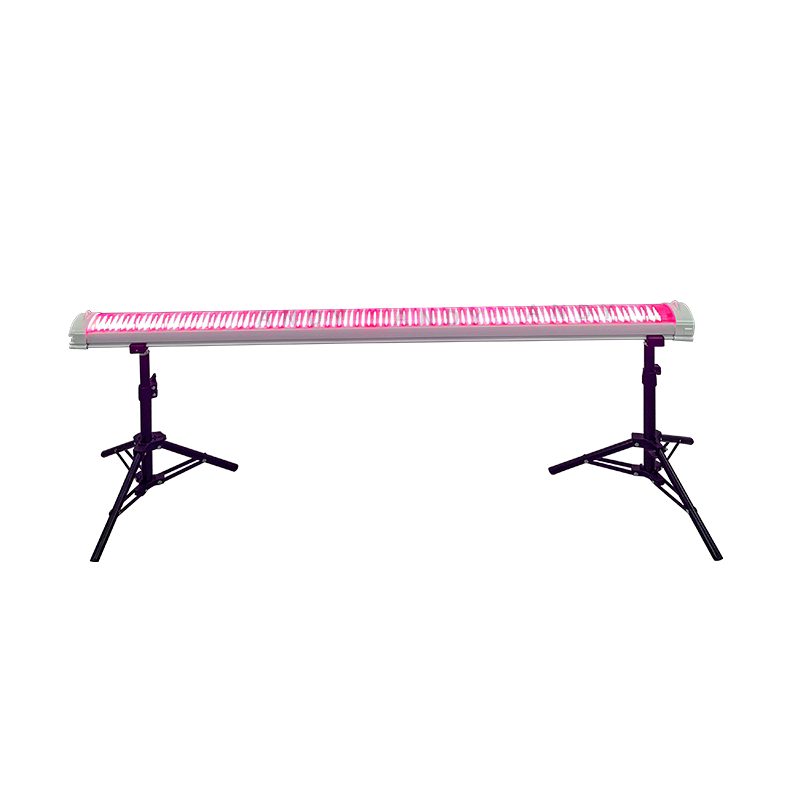
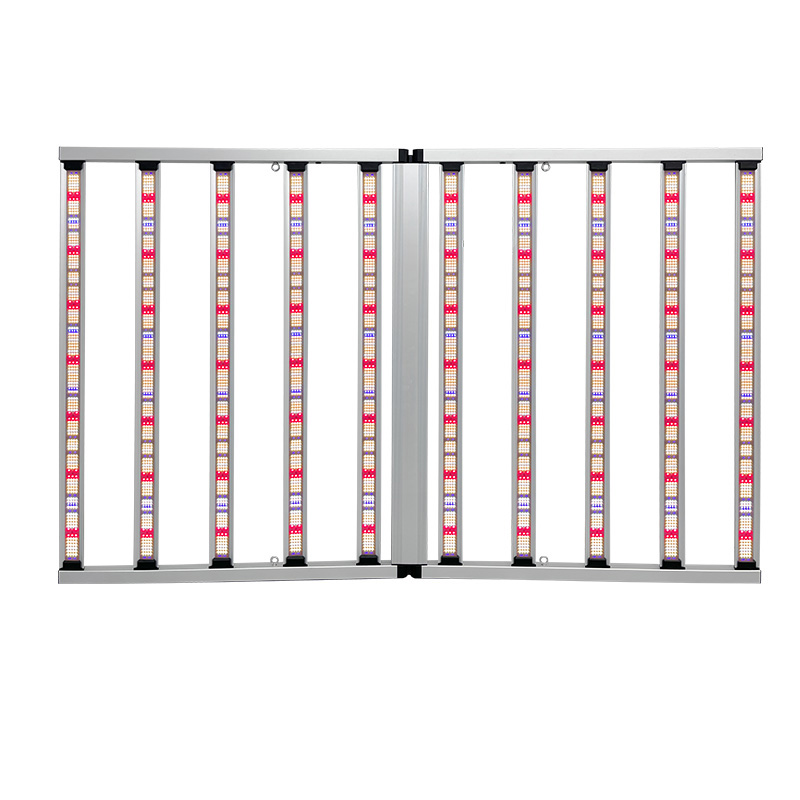
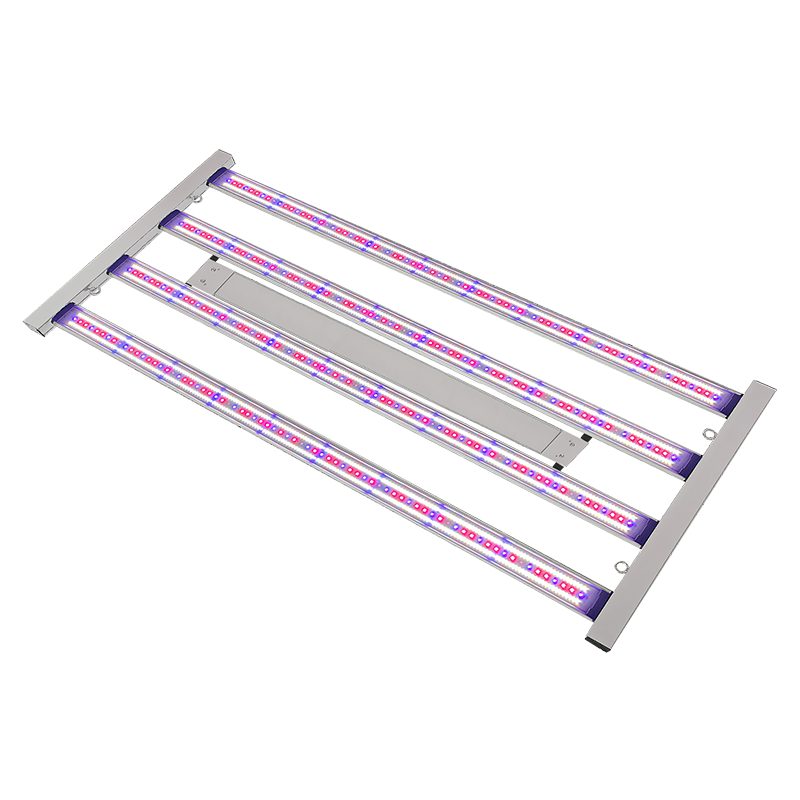
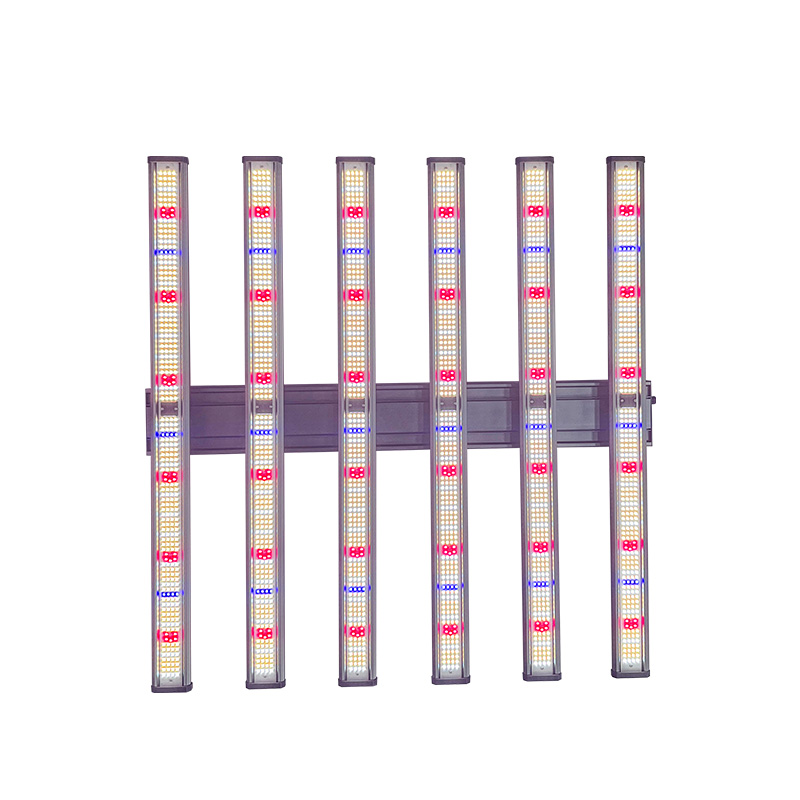
Establishing a strong root system is the primary goal during the seedling stage. For this phase, we recommend a PPFD of 100–250 μmol/m²/s paired with a CO₂ concentration of 400–600 ppm. The spectral recipe should prioritize the 400-500nm blue range to promote compact structural development. Our foldable bar lights can be used at lower intensity settings to provide uniform coverage without the risk of light burn.
Vegetative Phase: Prioritizing Structural Integrity and Leaf Area
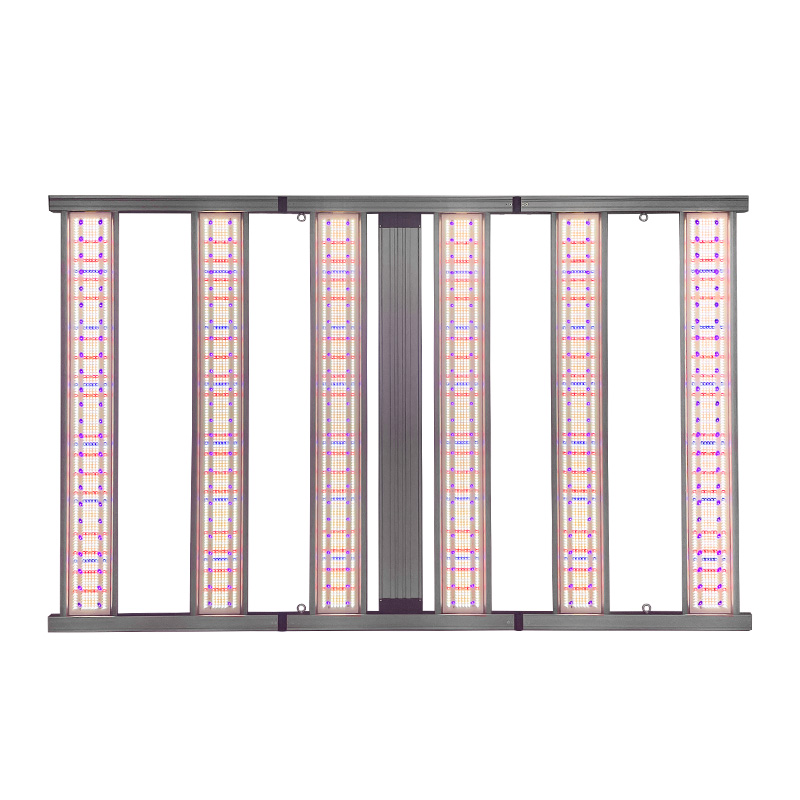
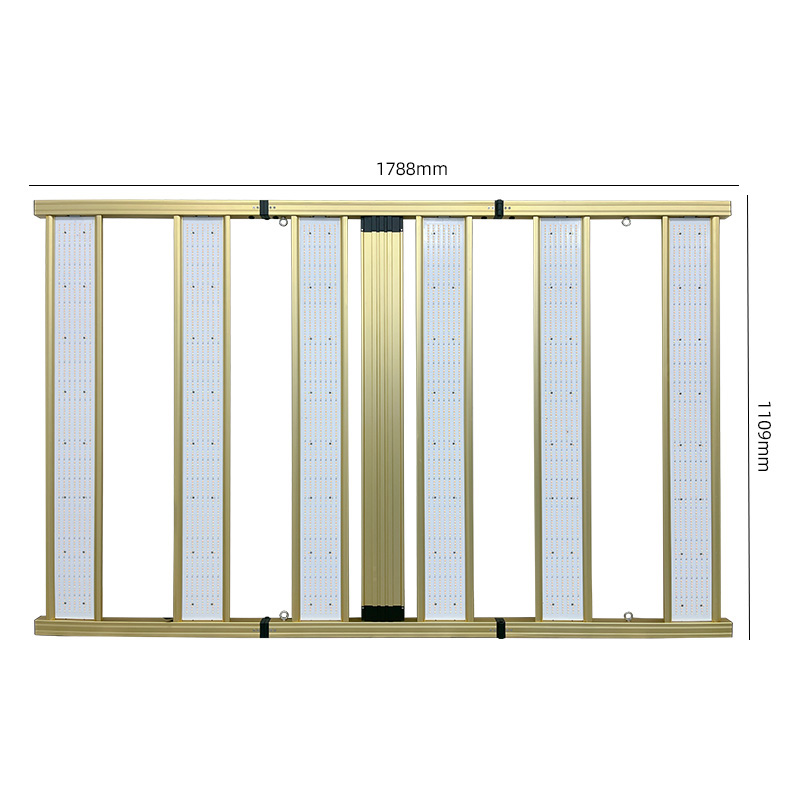
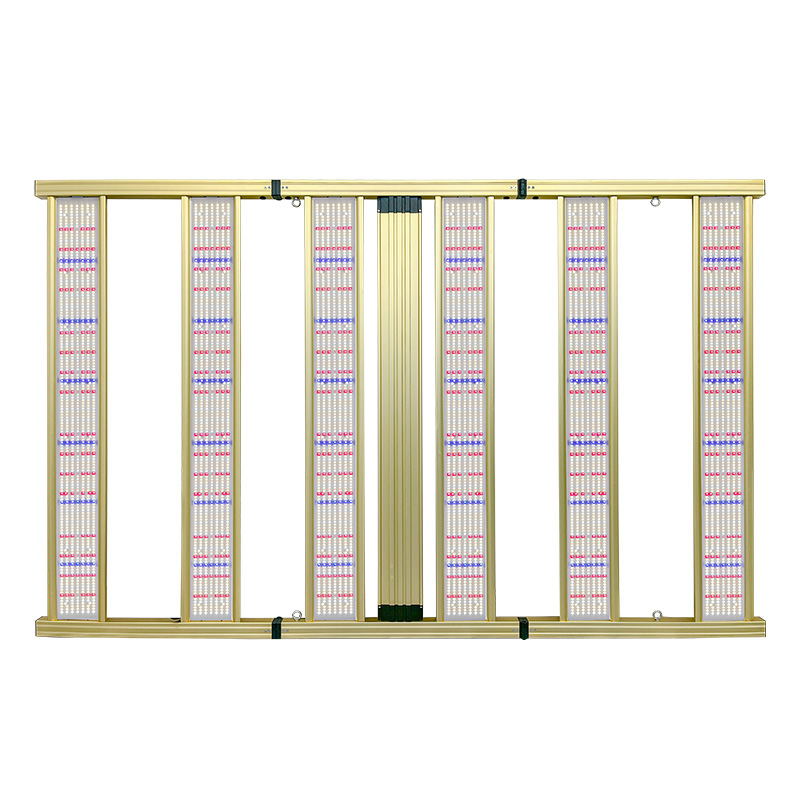
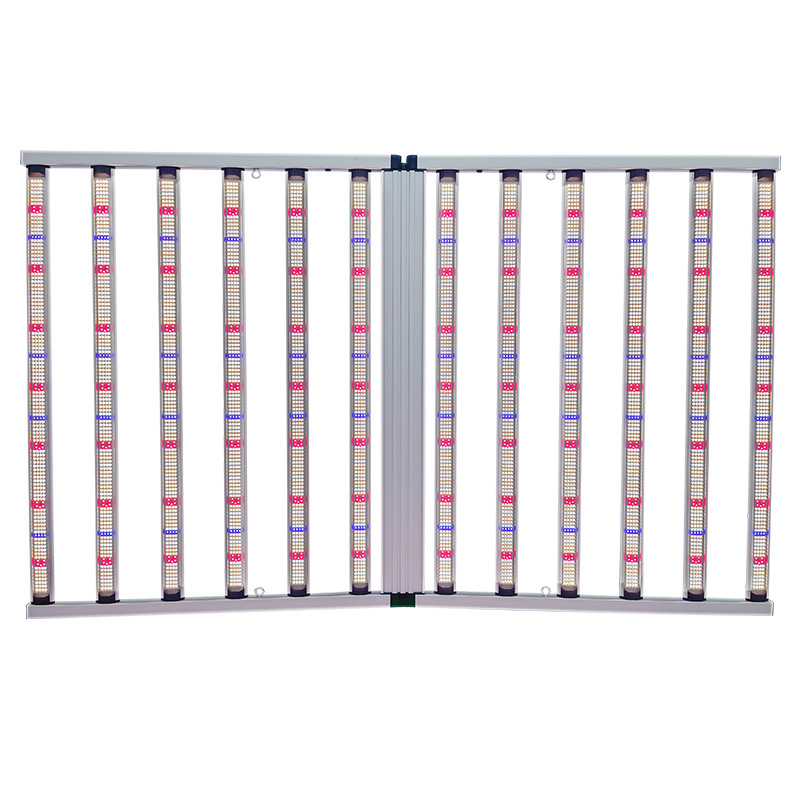
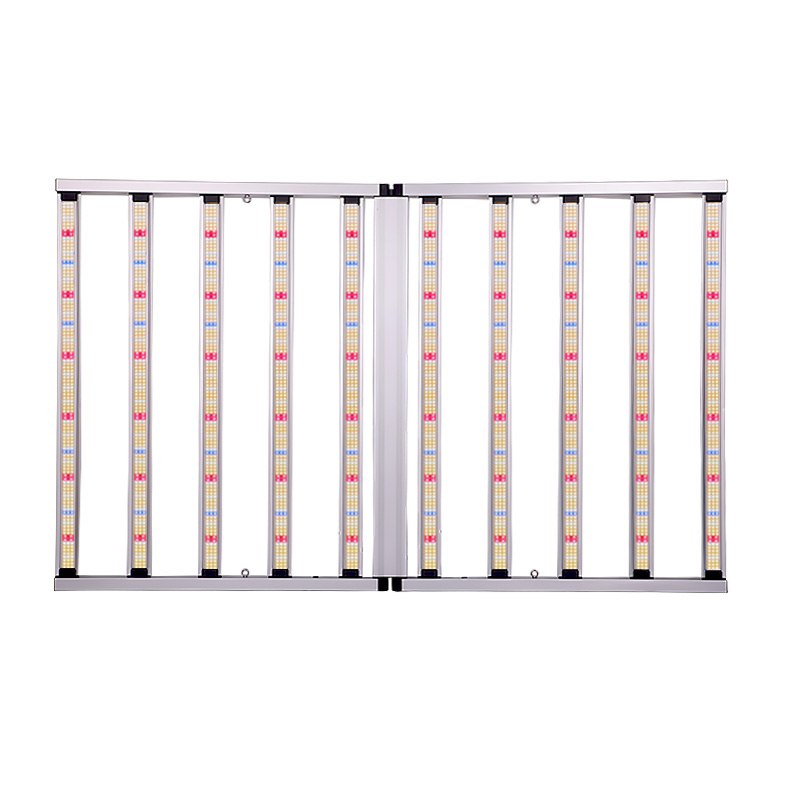
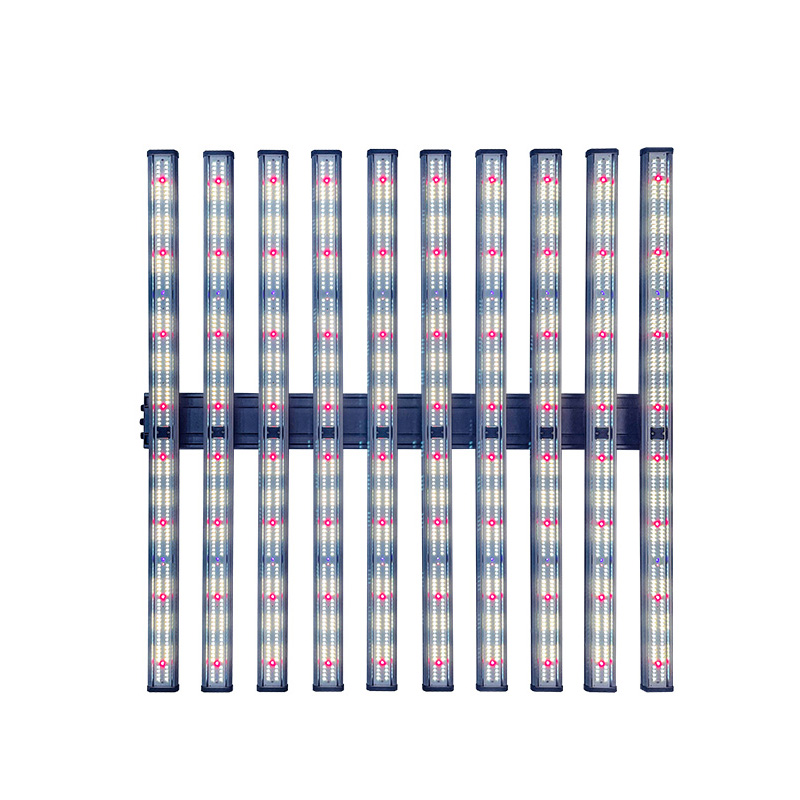
The vegetative phase requires an increase in both light intensity and spectral breadth. During this stage, PPFD should be increased to 300–600 μmol/m²/s with CO₂ levels between 600–1200 ppm. While blue light maintains compact internodal spacing, broader white light encourages leaf surface area expansion. Our 800W single-channel dimming LED grow light for 4×4(ft) setups is designed specifically for this stage, providing powerful 4×4 ft coverage. Note that single-channel models do not contain UV, as it is unnecessary during early development.
Flowering Stage: Leveraging Dual-Peak Red for Maximum Yield
Transitioning to the flowering stage demands a shift focusing heavily on red wavelengths. PPFD must reach 600–1200 μmol/m²/s with CO₂ levels at or above 1200 ppm. Some companies utilize dual-peak red technology (640nm + 660nm) combined with 730nm IR to enhance the Emerson Effect. This synergy increases the overall photosynthetic rate, allowing growers to achieve denser buds and higher final harvest weights, typically reaching 4-5 lbs per light.
Late Flowering: Integrating UV Spectrum for Potency
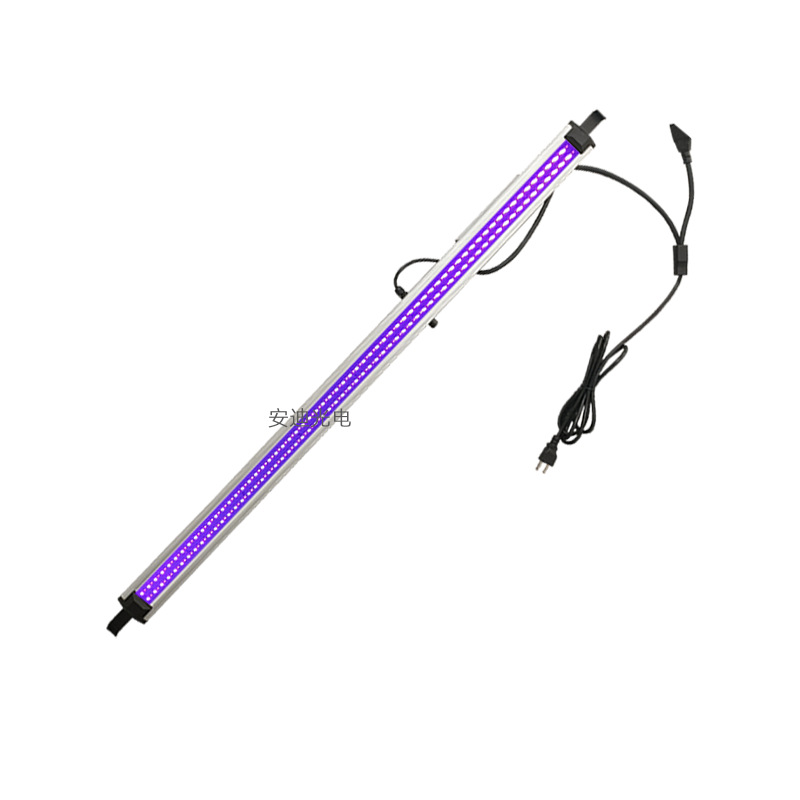
Integrating ultraviolet (UV/395nm) light into the final stages is a proven strategy for boosting terpenes and THC. UV should only be used during the late flowering stage for approximately 2 hours per day, as it inhibits overall growth and is intended specifically for enhancing color and flavor. ANDYLED’s UV-equipped models focus on these sensory enhancements (bag appeal) rather than pest disinfection.
Evaluating Spectral Efficiency: Key Metrics for Cannabis Farm ROI
PPE and DLC Certification: Maximizing North American Subsidies
The efficiency of full-spectrum LED grow lights is measured by Photosynthetic Photon Efficacy (PPE). In North America, the DLC requires a minimum efficacy of 2.3 µmol/J for utility subsidies. At ANDYLED, we have engineered our commercial fixtures to reach 3.0 µmol/J. Investing in DLC-qualified lighting slashes electricity bills and allows farm owners to recover hardware costs through energy efficiency rebate programs.
Passive Cooling and Beam Angle Science
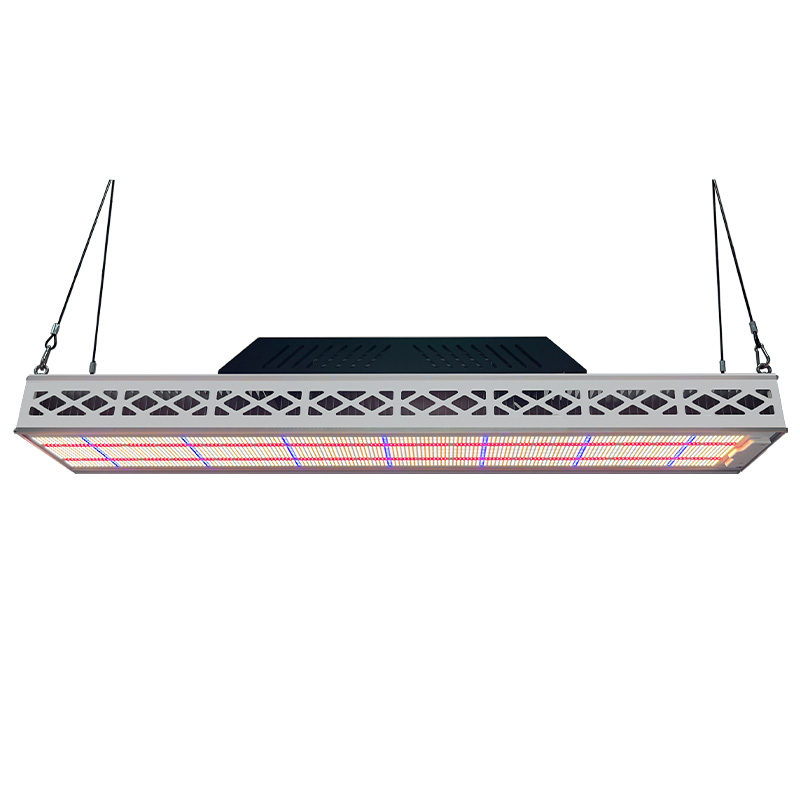
Spectral stability is dependent on thermal management. Our fixtures utilize high-grade aluminum frames with a fanless design; however, the lamp surface temperature will rise during operation, and the aluminum simply accelerates heat dissipation. Our distribution is governed by a 120° beam angle without expensive lenses. Because our material is aluminum, these lights cannot be mounted magnetically, and growers must use fans to control the environment.
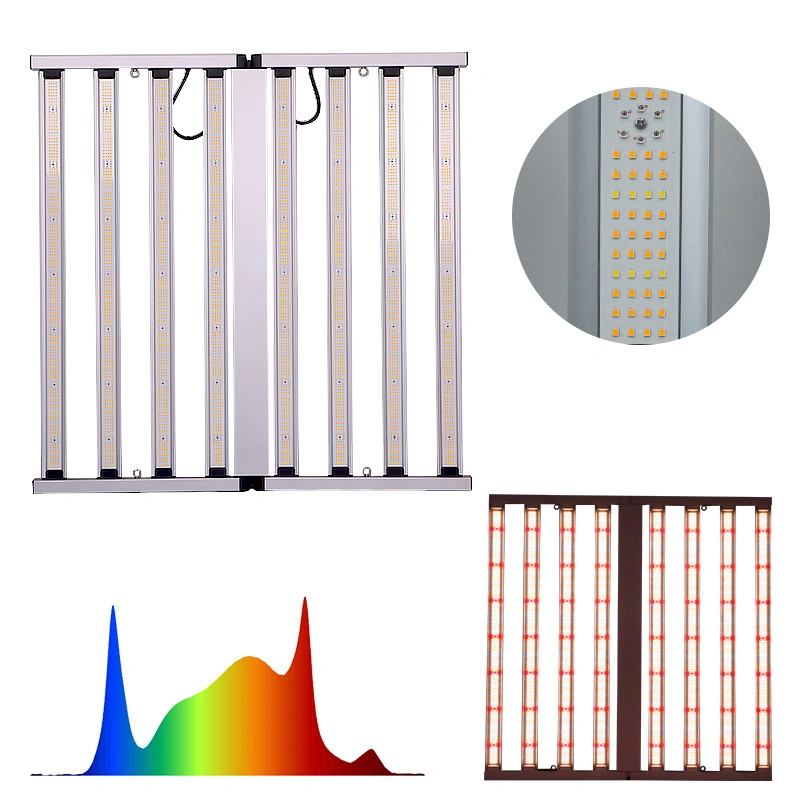
Dual-Channel Control: Dynamic Spectral Tuning
Independent UV/IR Dimming for Precision Cultivation
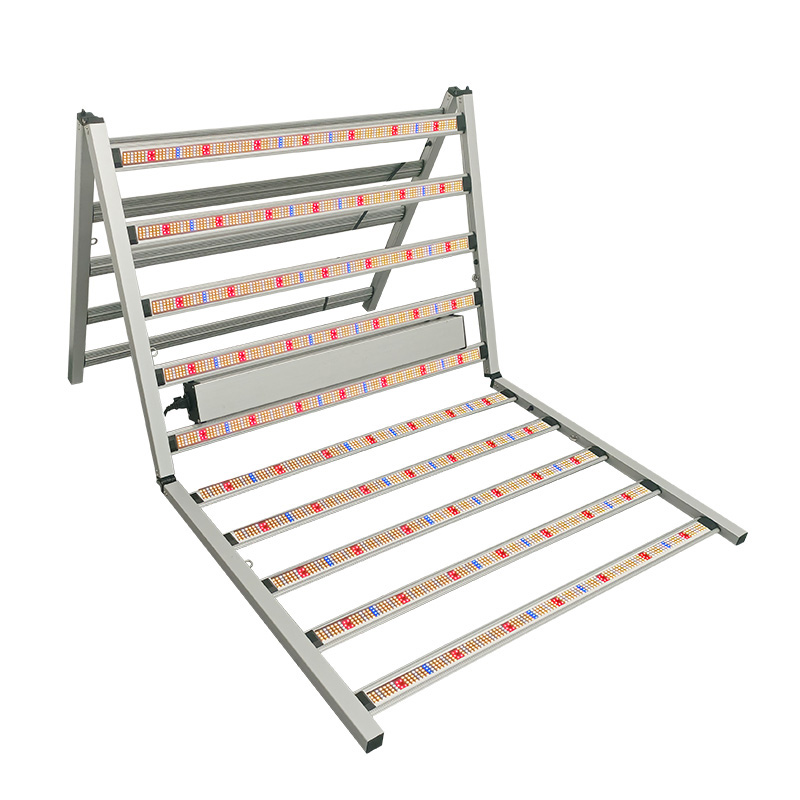
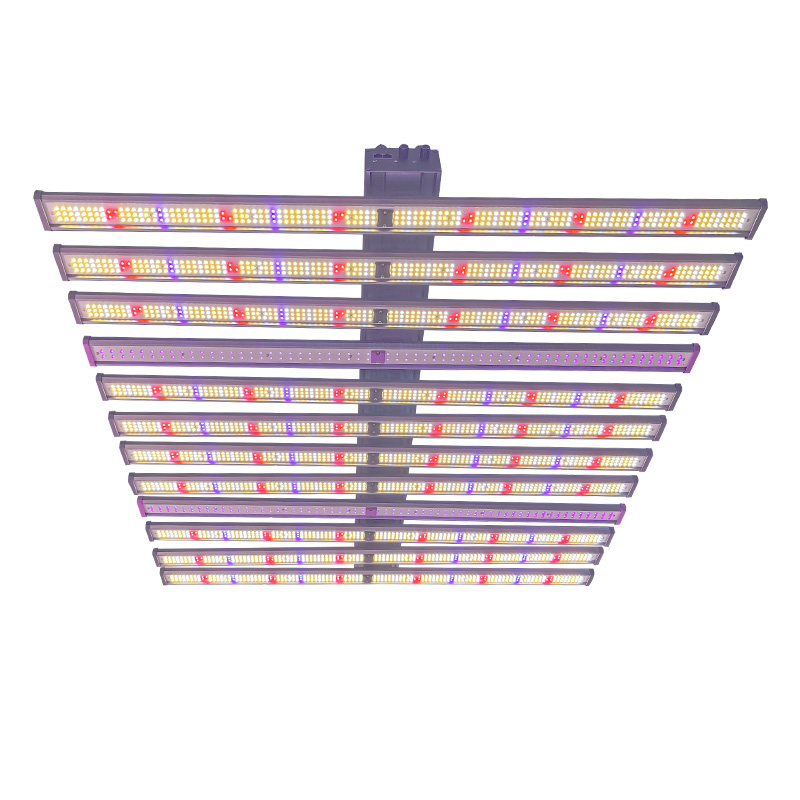
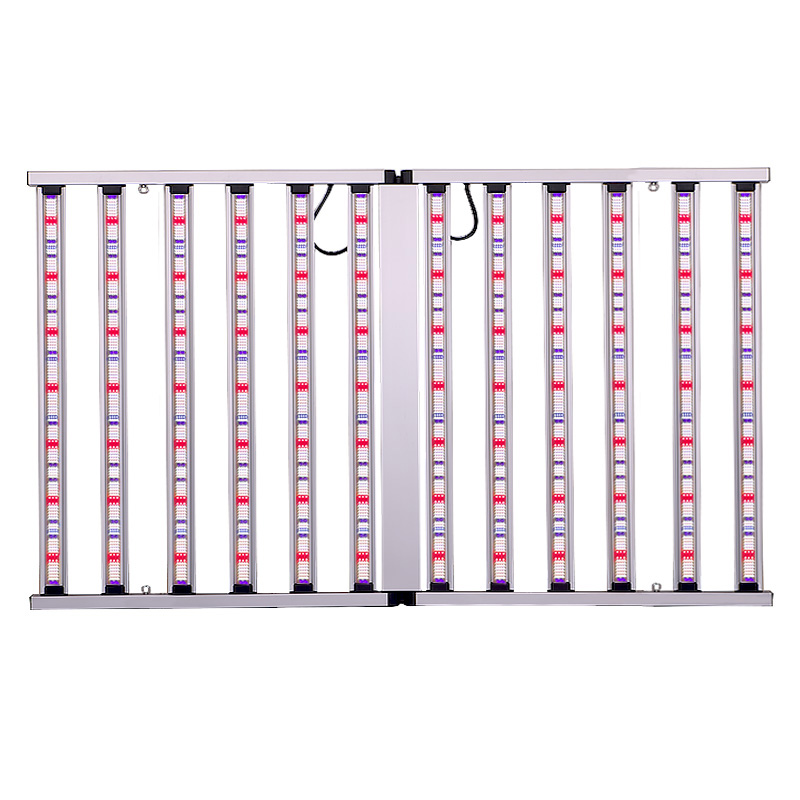
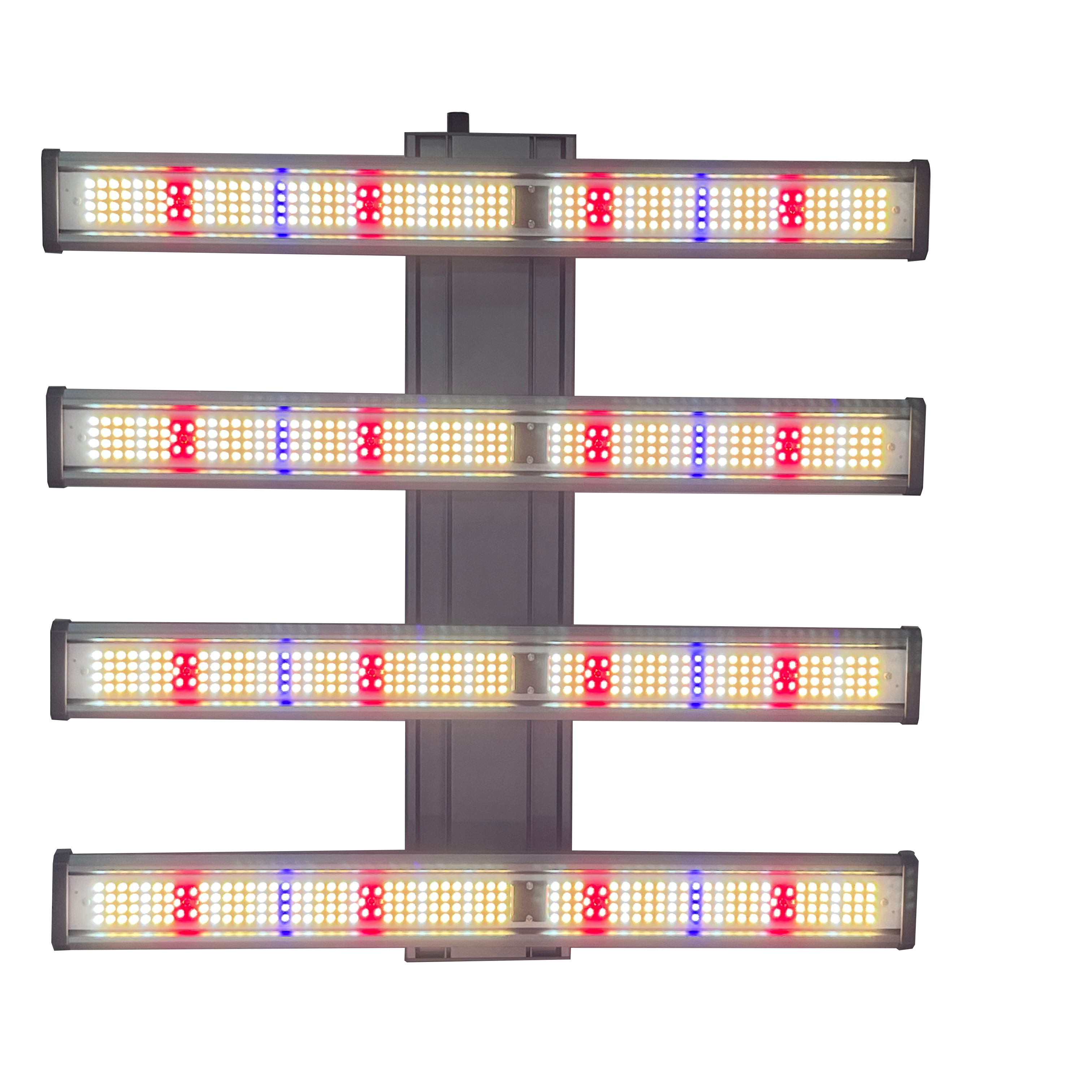
The ability to independently control wavelengths offers commercial cultivators unprecedented precision. Our flagship 1000W+100W(UV) Foldable Grow Light Dual Channel Dimming 4*6(ft) allows growers to separate the main spectrum from the specialized 395nm UV and 730nm IR bands. This allows a farmer to pulse UV light only for the recommended 2-hour window in late flower, minimizing energy waste.
Scalable Daisy-Chain Systems for Large-Scale Management
Handling many full-spectrum LED grow lights calls for a solid setup. Our lamps lack built-in timers. But they link in daisy chains. Up to 200 units sync with splitter dongles and one main controller. This works great in spots like greenhouses. Drivers connect right to the lamps. No extra parts to pull out. It keeps power links firm.
High-Capacity Customization: Why Commercial Farms Trust ANDYLED
Integrated Manufacturing from SMT to Assembly
As a leading manufacturer, we operate a fully integrated 4,000㎡ facility in Shenzhen. We manage the entire lifecycle, from SMT for our Samsung brand chips to final assembly. This “one-stop” model gives us the highest production capacity in the region, allowing us to deliver entire shipping containers of customized lights within just five days of order confirmation.
Industrial-Grade Reliability for Indoor Agriculture
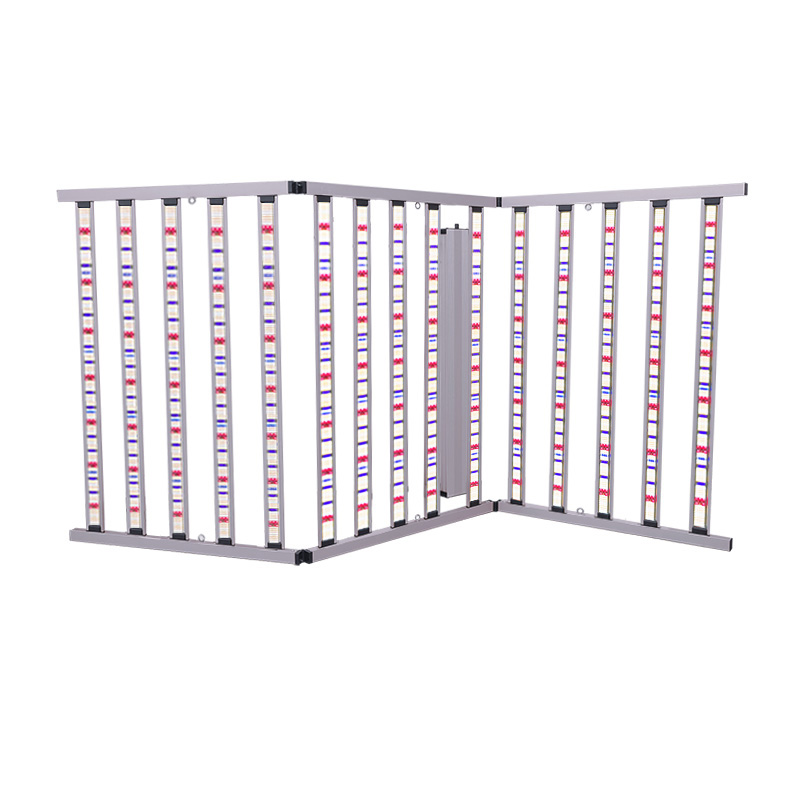
At ANDYLED, we focus exclusively on commercial farms, ensuring our lights are built for industrial indoor agriculture. Our signature foldable octopus bar-style lights feature an IP54 rating for the fixture and an IP65 rating for the driver. Each light weighs 4-5 lbs per bar and is designed for non-magnetic mounting. With a commitment to R&D and a 5-year warranty, we empower professional cultivators to scale operations with confidence in no-light environments.
FAQ
Q: Which brand is best for full-spectrum LED grow lights for commercial cannabis?
A: For commercial operations, ANDYLED is a top choice due to our 4,000㎡ facility and 10-year R&D history. We use genuine Samsung brand chips and offer 3.0 µmol/J efficacy. Our ability to deliver full containers within 5 days and provide a 5-year warranty makes us a more reliable partner than retail-focused brands.
Q: How to choose full-spectrum LED grow lights for high-yield indoor farms?
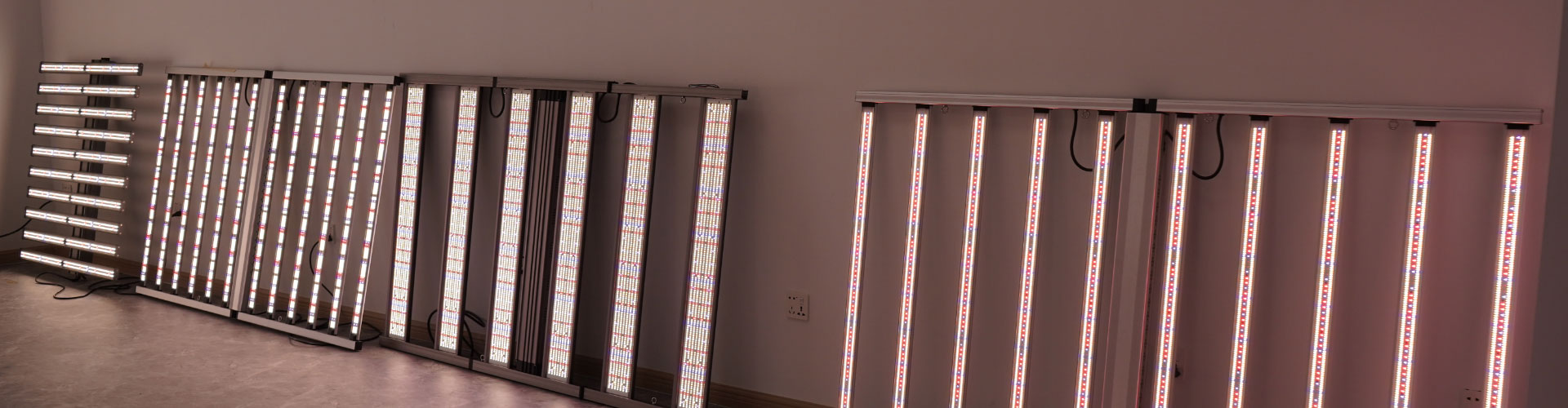
A: Prioritize spectral quality (660nm red and 730nm IR), high PPE (at least 2.3 µmol/J), and aluminum heat dissipation. Choose a fixture with an IP54 rating. For high-yield results, look for “Octopus” bar designs like those from ANDYLED, which provide superior 120° light distribution compared to panel lights.
Q: Are foldable bar lights better than panel grow lights for commercial cannabis?
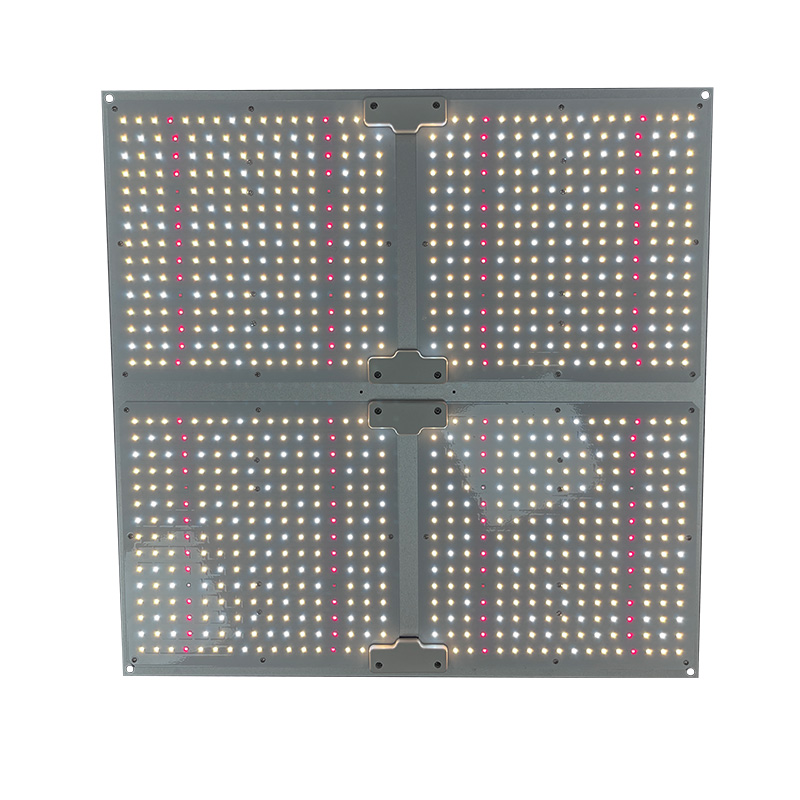
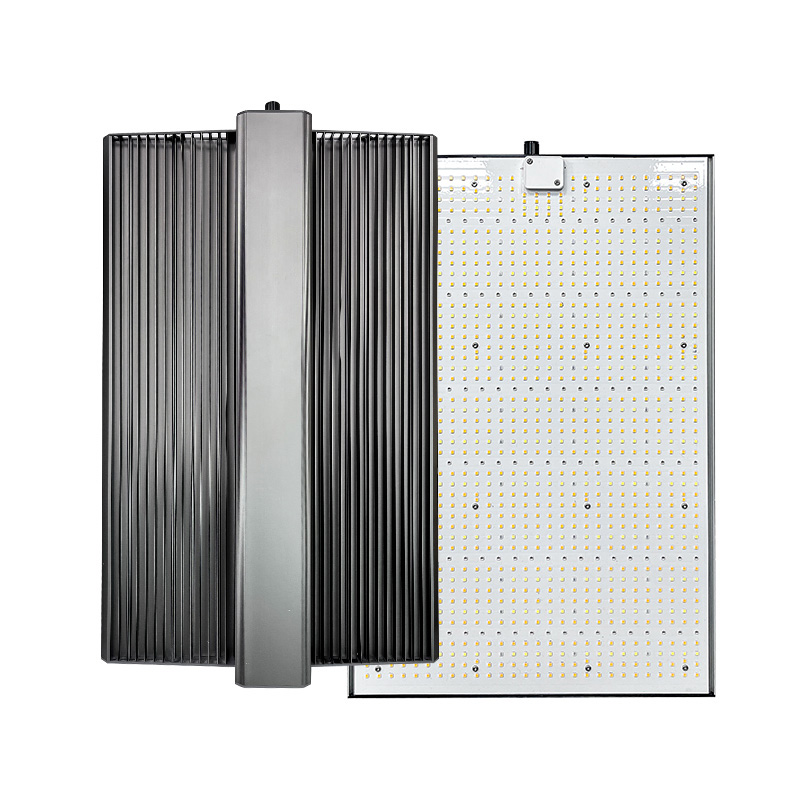
A: Yes, foldable bar-style lights are superior because they provide uniform PPFD and better airflow. Panel lights create “hot spots” in the center and “dead zones” at the edges. Our ANDYLED bar designs ensure that every plant receives consistent light, resulting in a more uniform harvest.
Q: What is the benefit of dual-channel full-spectrum LED grow lights vs single-channel?
A: Dual-channel lights, like the ANDYLED 1000W+100W UV model, allow independent control of UV/IR bands. This is crucial because UV should only be used in late flowering for about 2 hours a day, whereas single-channel lights cannot offer this precision. Dual-channel control saves energy while specifically improving fruit quality.
Q: How to install full-spectrum LED grow lights in a vertical farm?
A: Lights should be securely hung using professional hardware; note that they cannot be installed via magnetic suction due to the aluminum frames. We recommend a daisy-chain system with splitter dongles to connect up to 200 fixtures to a single master controller for centralized management.


