

Grow Lights for Seedlings: Best Light Strategies for 2026 Farms
Why Seedling-Stage Lighting Has a Long-Term Impact on Farm Yields
Early decisions around grow lights for seedlings have a measurable impact on crop uniformity, labor efficiency, and final yields in commercial farming systems. In large-scale nurseries, weak or inconsistent seedling lighting often leads to elongated stems, uneven growth, and poor root establishment, all of which increase management costs later in the production cycle.
Seedling-stage lighting matters because this phase defines plant structure and growth momentum under controlled conditions. In greenhouses, vertical farms, and indoor nurseries, artificial lighting replaces natural sunlight as the primary energy source. When grow lights for seedlings are poorly planned, the negative effects persist into vegetative and flowering stages, limiting overall farm performance.
Early Seedling Light Decisions and Their Effect on Root Strength
Strong root development under commercial grow lights for seedlings depends on stable light intensity and appropriate spectral balance. Blue-dominant, full-spectrum lighting encourages compact growth and thicker stems, allowing seedlings to allocate more energy to root expansion rather than vertical stretch.
In professional nurseries, root strength directly affects transplant success. Uniform seedlings with healthy root systems adapt faster when moved to vegetative rooms, reducing stress and minimizing production delays. This makes early lighting decisions a strategic investment rather than a short-term setup choice.
Natural Light Limits in Greenhouses and Indoor Farm Nurseries
Sunlight by itself seldom meets the steady needs of grow lights for seedlings in today’s farm spots. Changes by season, weather patterns, and building style lead to uneven light spread that harms the seedling standard. Even in greenhouses, packed shelves and stacked levels block light flow.
Added LED grow lights for seedlings fix this problem. They give steady PPFD and set light times over all nursery areas. In all-indoor farms, fake lighting forms the base of seedling work. Thus, lighting plans become a main running choice.
Light Requirements for Seedlings in Commercial Farm Environments
Business farms need grow lights for seedlings that give steady power, even spread, and steady outcomes over wide planting zones. Unlike home setups, business spots stress sameness and growth ability. So, factors like PPFD, color range, and light time stay key.
Optimal PPFD Ranges for Seedling Growth at Scale
Right PPFD levels matter greatly when setting up grow lights for seedlings in business nurseries. Fair, well-spread strength backs fit growth without pushing young plants too hard. Too much light can slow start-up growth and add heat strain. Low PPFD, on the other hand, creates frail, stretched seedlings.
On a big scale, even PPFD over the plant tops beats high peak strength. Such a spread makes growth foreseeable and eases later handling.
Spectrum Priorities During the Seedling Stage
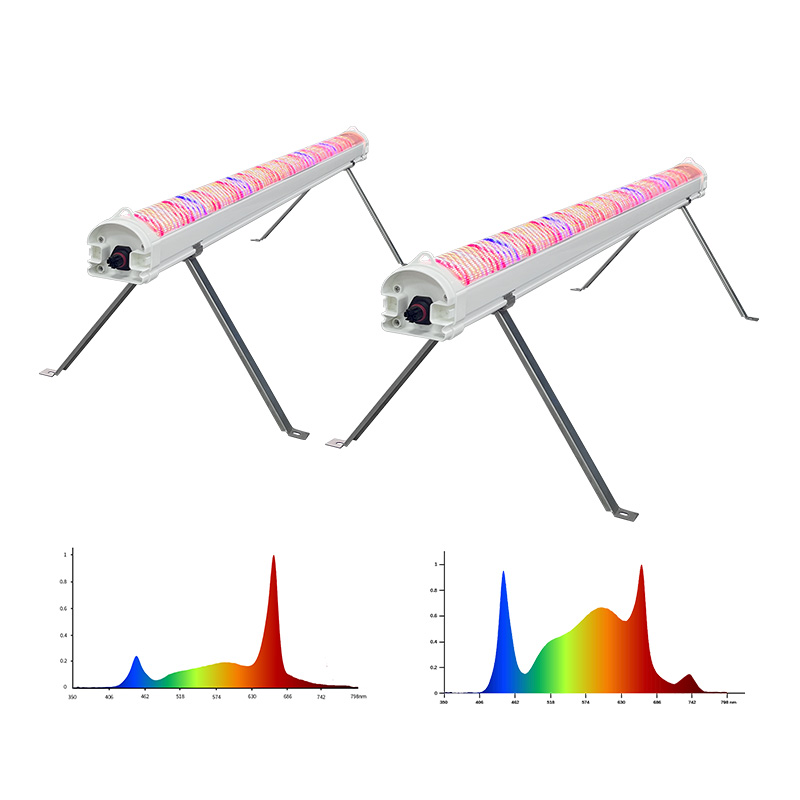
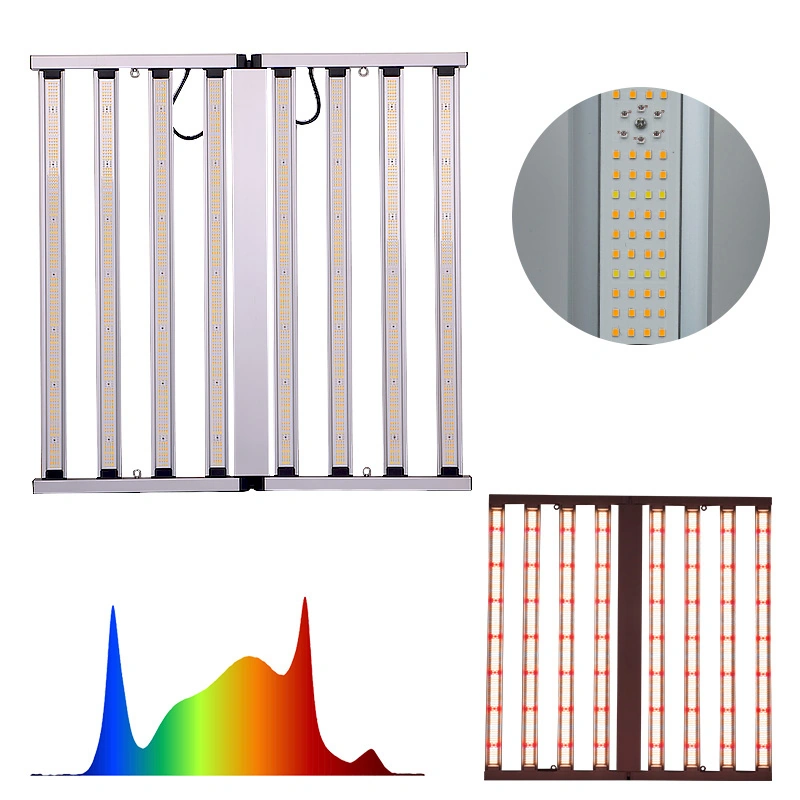
Spectrum selection plays a decisive role in seedling lighting strategies. During the Seedling Stage, balanced full-spectrum output with sufficient blue light supports compact morphology and steady photosynthesis. At this phase, UV is intentionally excluded to avoid growth inhibition.
Commercial growers benefit from simplified spectral configurations that emphasize stability and repeatability rather than unnecessary complexity.
Managing Photoperiods in Large-Scale Seedling Rooms
Photoperiod control is another key factor in grow lights for seedlings. Extended lighting schedules, typically 18–24 hours, help maximize early biomass accumulation while maintaining vegetative growth. Consistent lighting cycles across the nursery prevent stress responses and support synchronized development.
Automated photoperiod control reduces labor input and eliminates human error, improving production reliability.
Common Seedling Lighting Mistakes Commercial Growers Still Make
Even with steps forward in plant tech, many farms face fixable problems when putting in grow lights for seedlings. These slips often come from fitting small fixes to business spots.
Using Low-Output or Household Fixtures in Farm Nurseries
Weak-output tools made for home often flop in pro nurseries. These setups miss enough reach and sameness. As a result, they lead to patchy growth and more worker needs. Business grow lights for seedlings are built to hold steady power over large zones. This backs even plant growth.
Incorrect Hanging Height and Dimming Strategies
Improper fixture height and dimming practices can undermine even high-quality grow lights for seedlings. Lights mounted too high reduce PPFD at the canopy, while excessive dimming weakens early growth. Standardized mounting heights and calibrated dimming protocols help farms maintain consistent results.
Introducing UV or Specialty Channels Too Early
Putting UV in the seedling time counts as a usual slip. UV helps later in the plant run, but early use can hold back growth and cut strength. Pro farms skip this chance by saving UV for later times under watched settings.
Comparing Seedling Lighting Approaches for Scalable Farm Operations
Picking the right grow lights for seedlings calls for checking light setups through growth ability and long-term savings. Farms have to think about how lighting fits into wider output flows.
Bar-Design Lighting vs Traditional Fixture Layouts
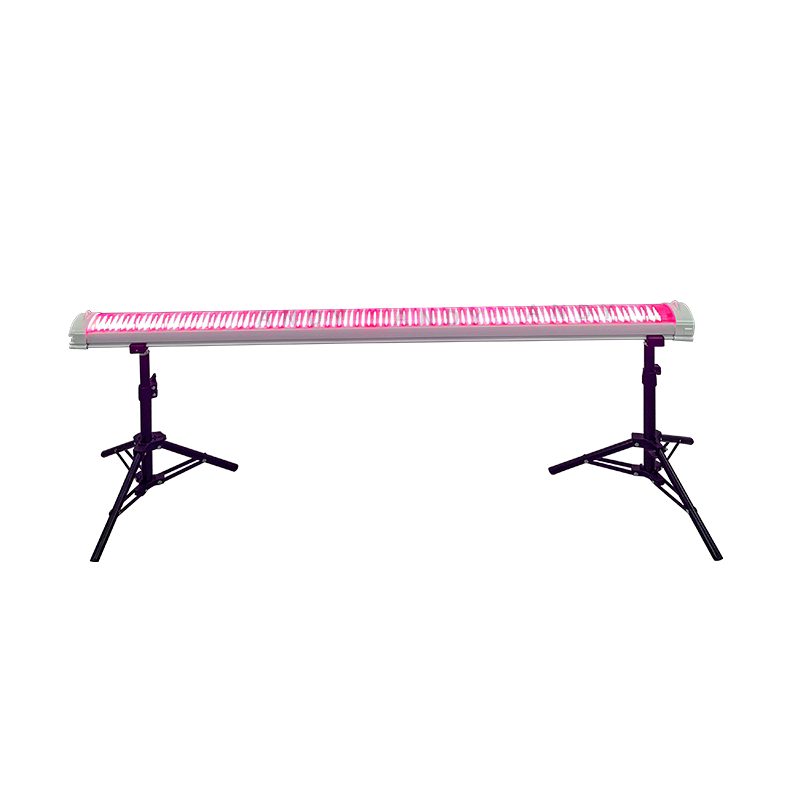
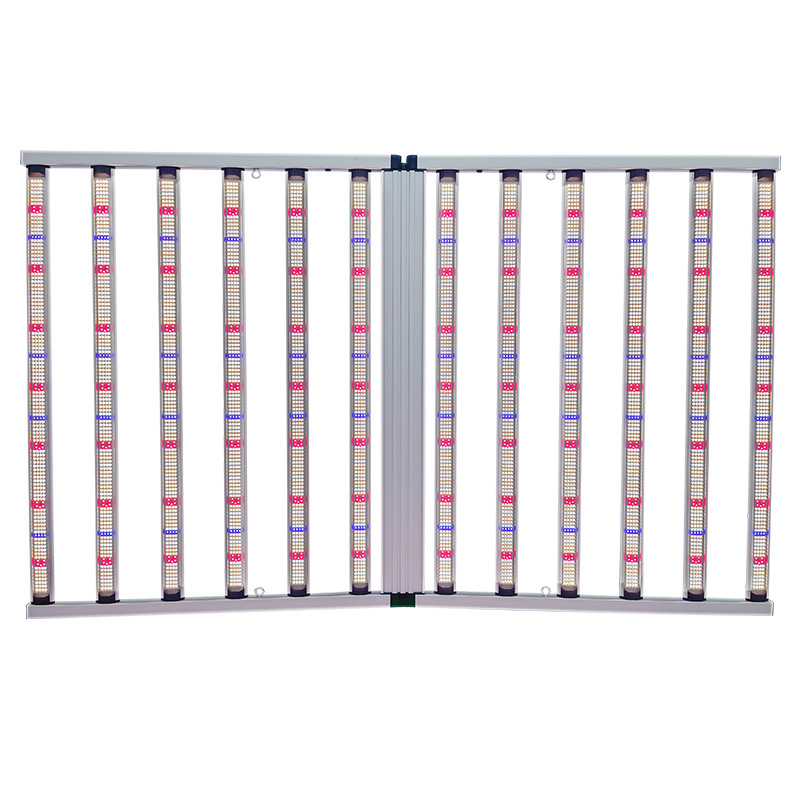
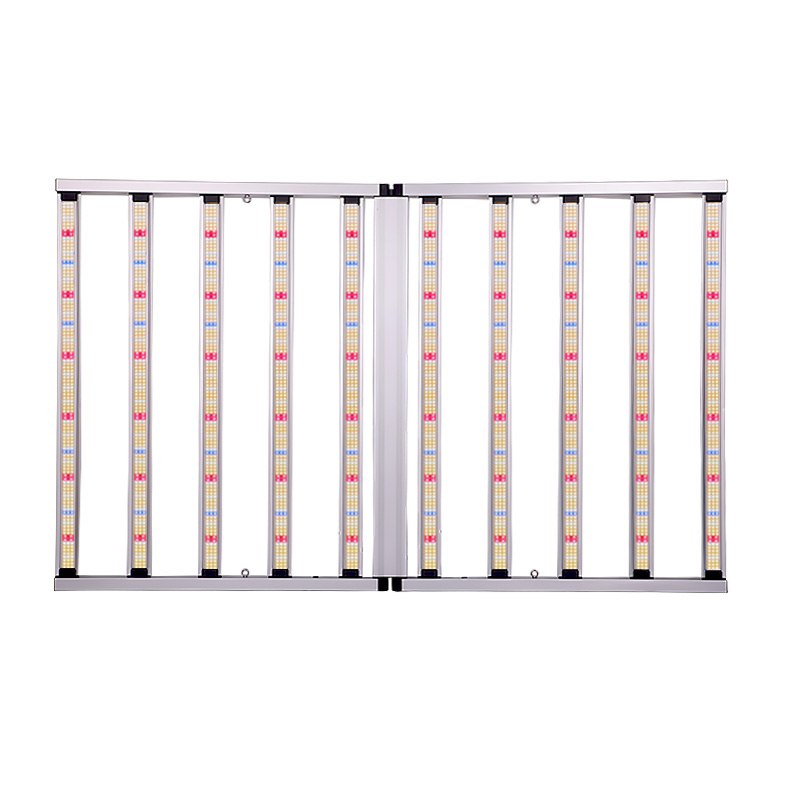
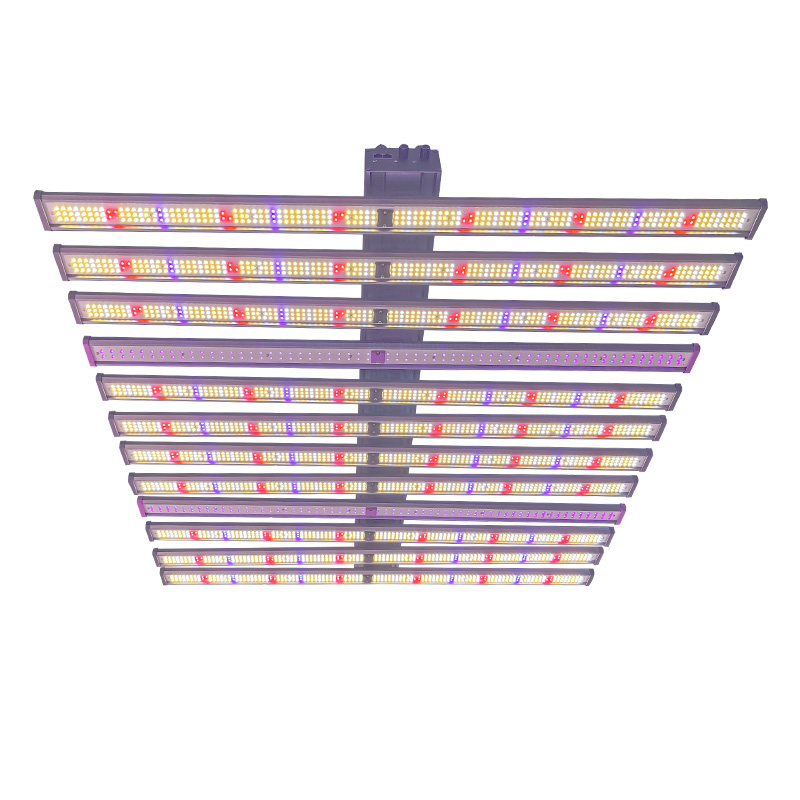
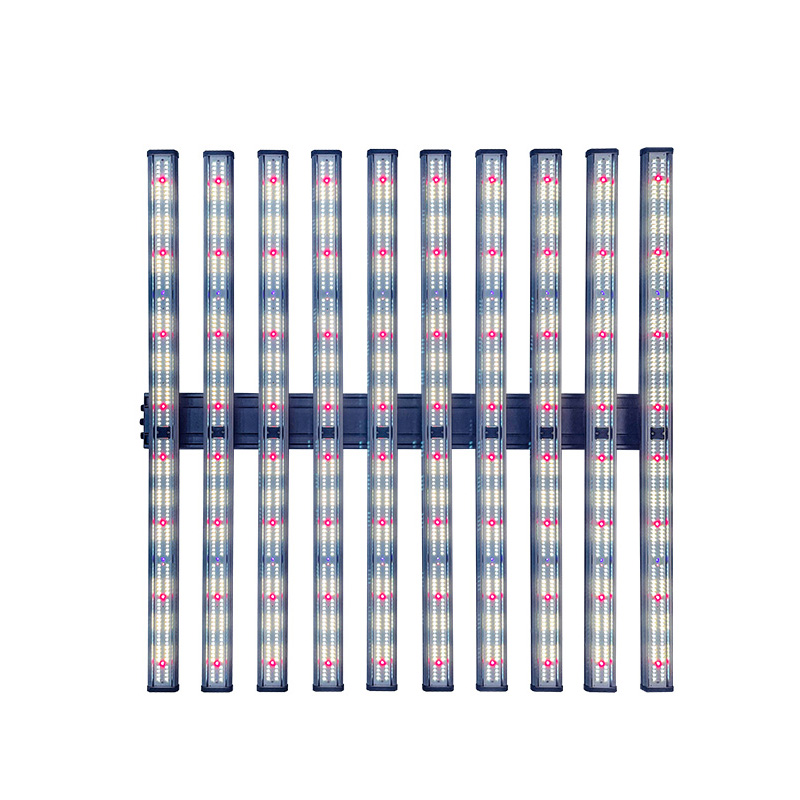
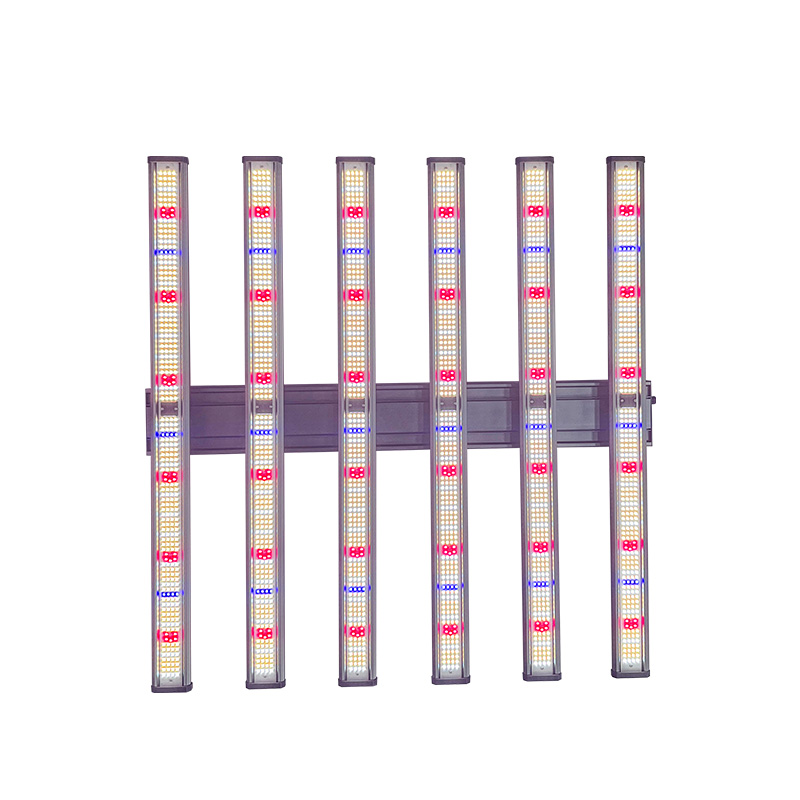
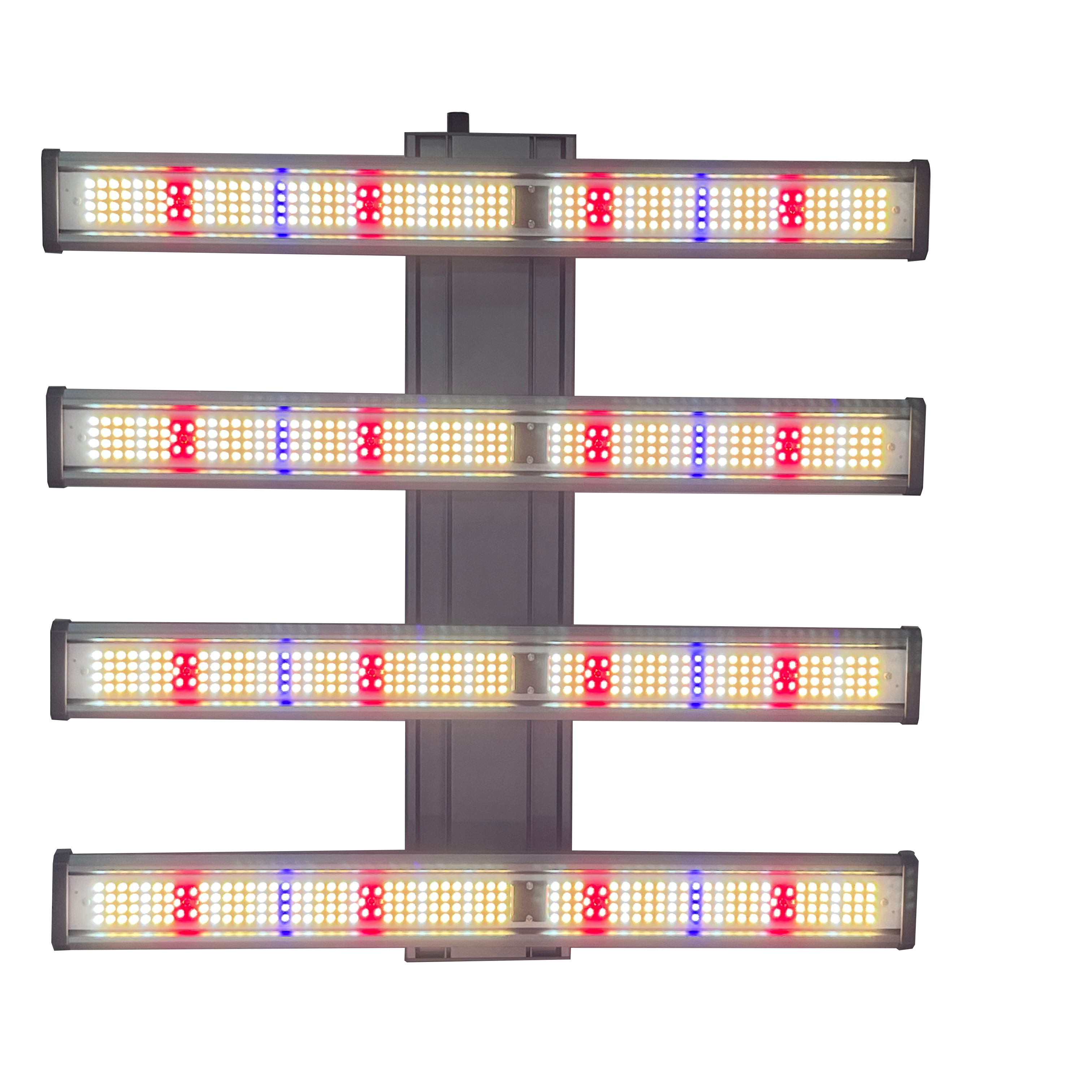
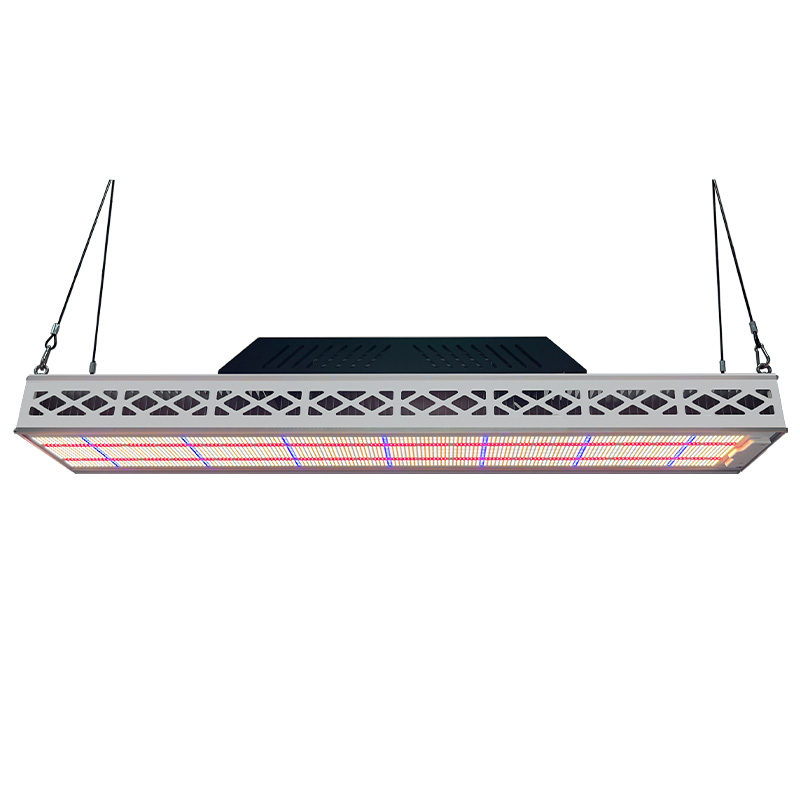
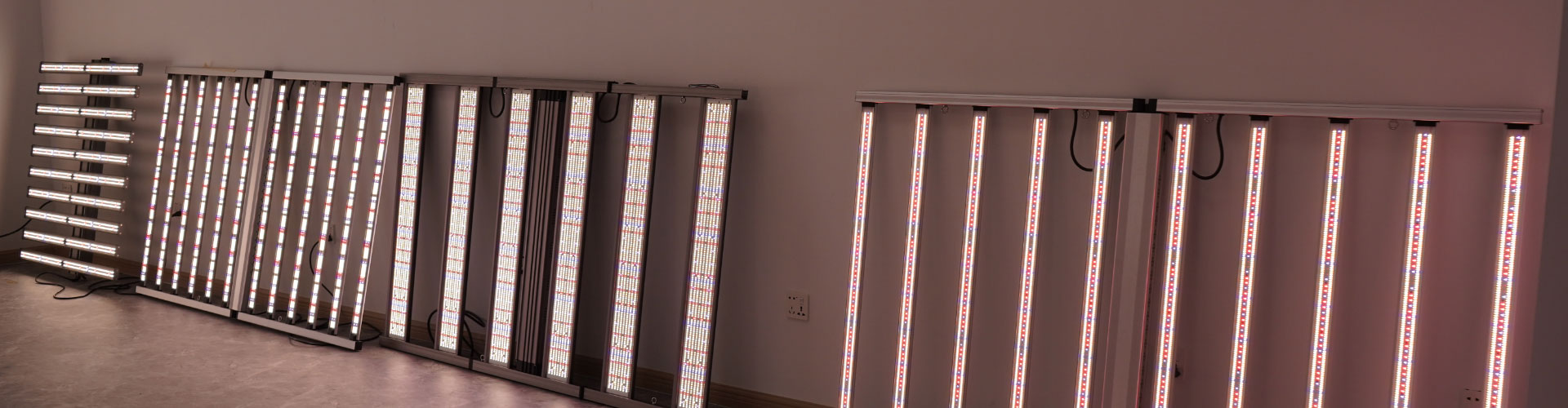
Bar-design light setups show plain gains for commercial seedling lighting. Straight-line plans spread light evenly over broad shelves. This cuts hot spots and shade. Such sameness backs steady PPFD and eases adding more.
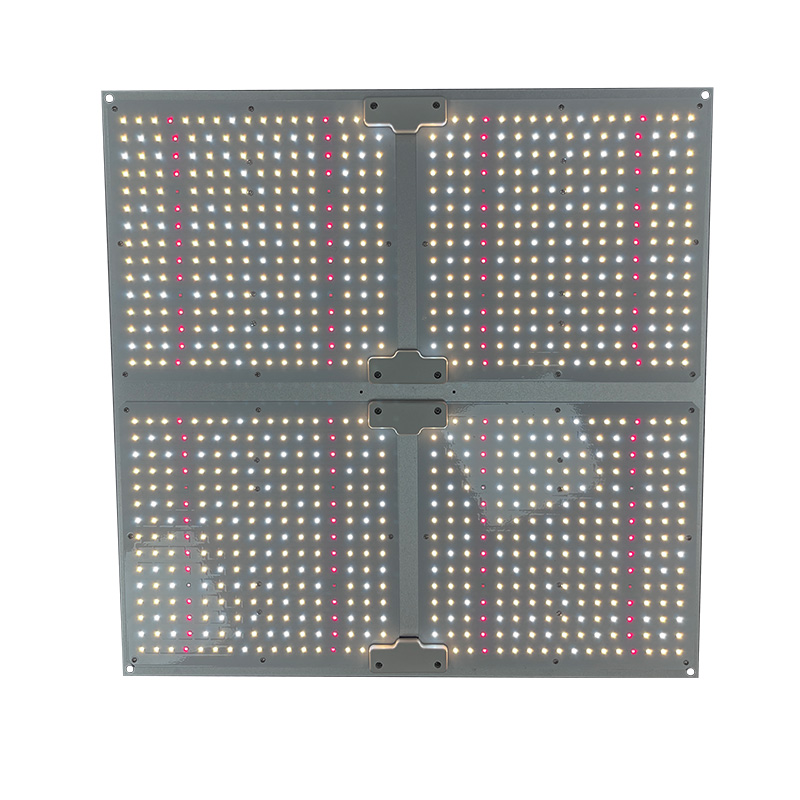
Old-style plans often need more tools packed in for like coverage. This raises expense and trouble.
Single-Channel Simplicity vs Multi-Channel Complexity
During the seedling stage, simplicity often delivers better outcomes. Grow lights for seedlings with single-channel output provide stable performance without frequent adjustments, reducing operational burden. More complex channel configurations are typically better suited for later growth stages.
Planning a Smooth Transition from Nursery to Vegetative Growth
Light sameness stands as a key part when choosing grow lights for seedlings in business farm spots. Setups that make growers swap tools right after seedling time often raise worker workload and mess up output plans. For that, pro farms like light fixes that can stay put as plants shift to early growth mode.
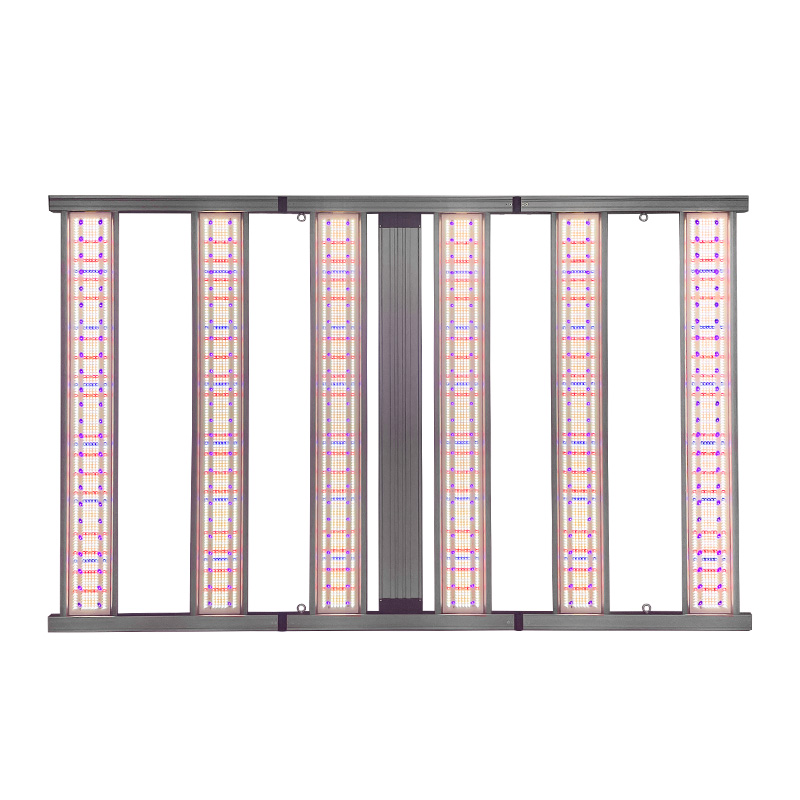
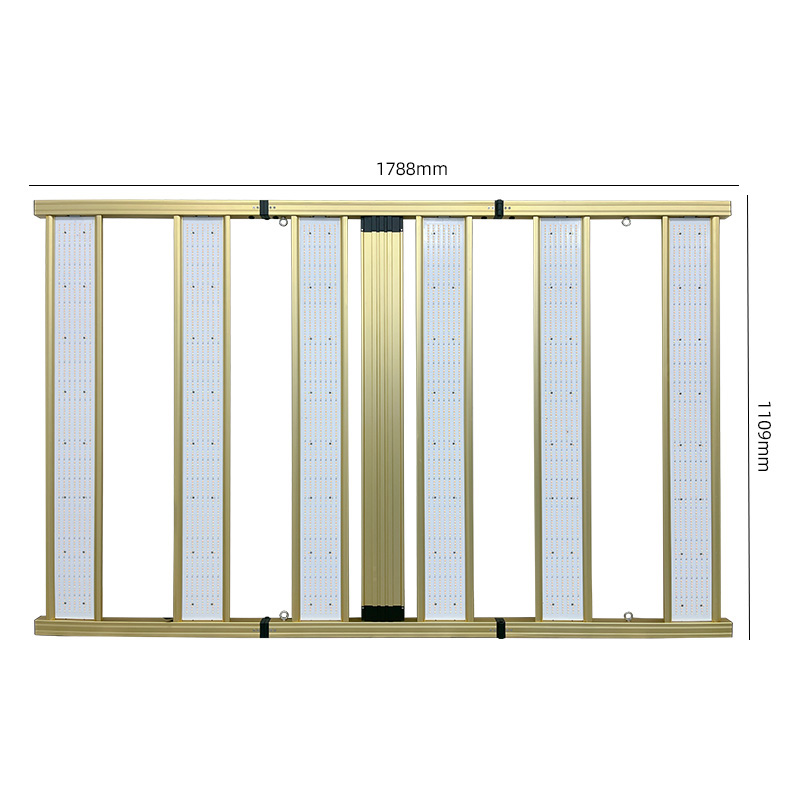
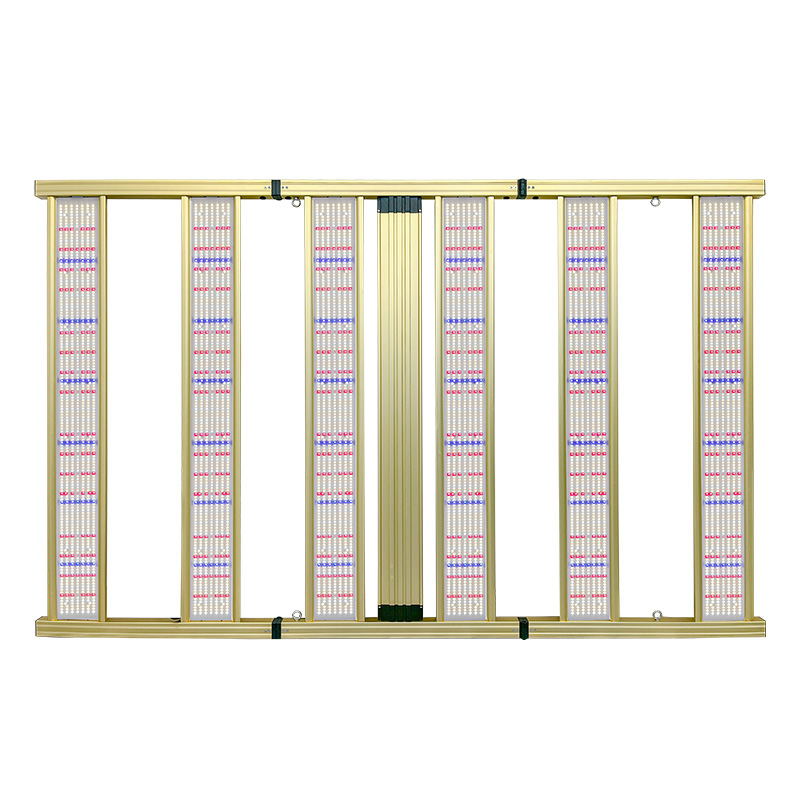
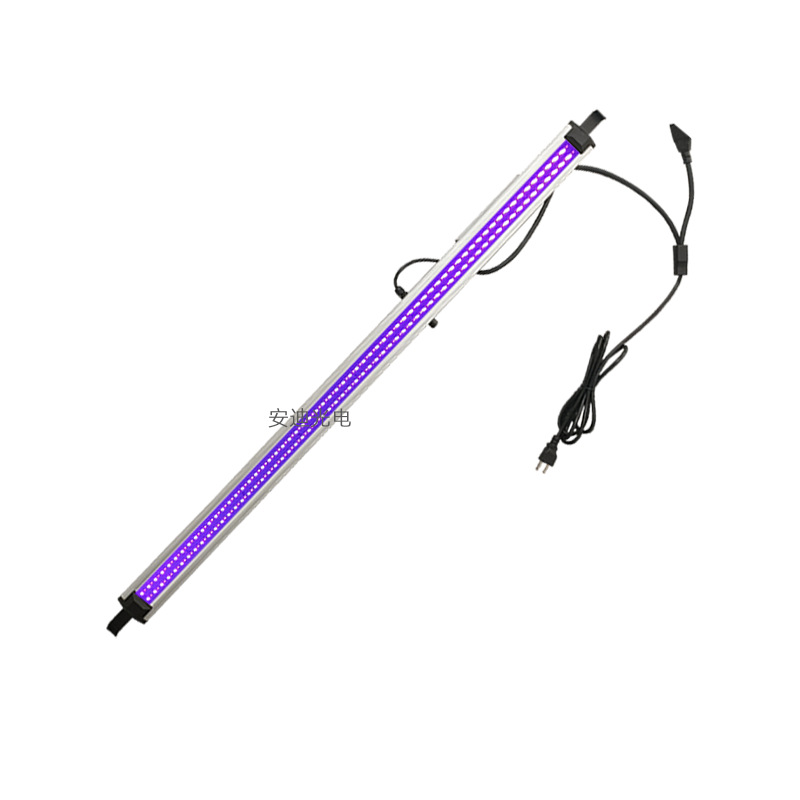
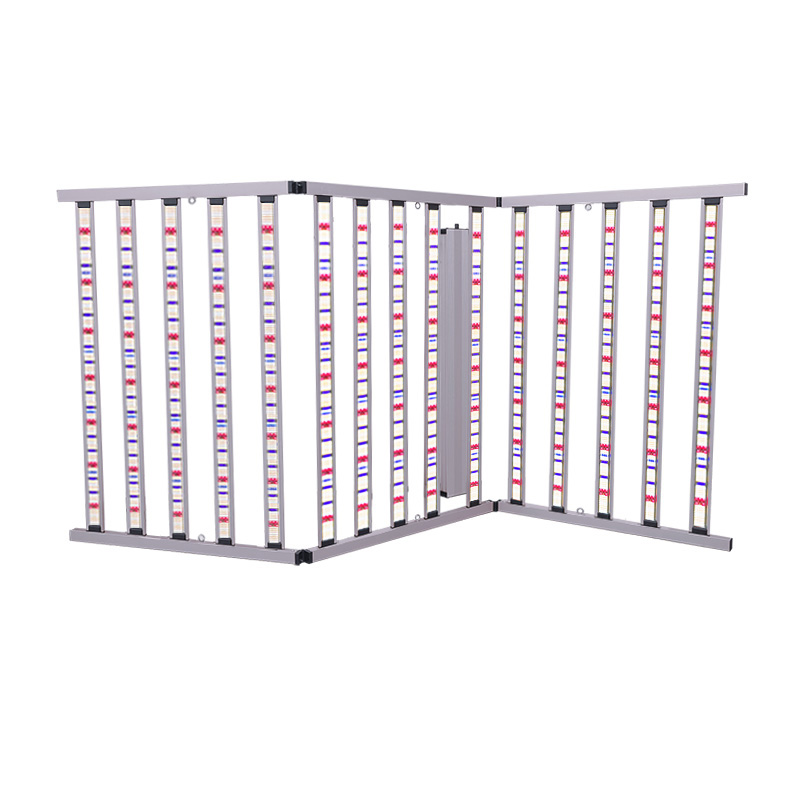
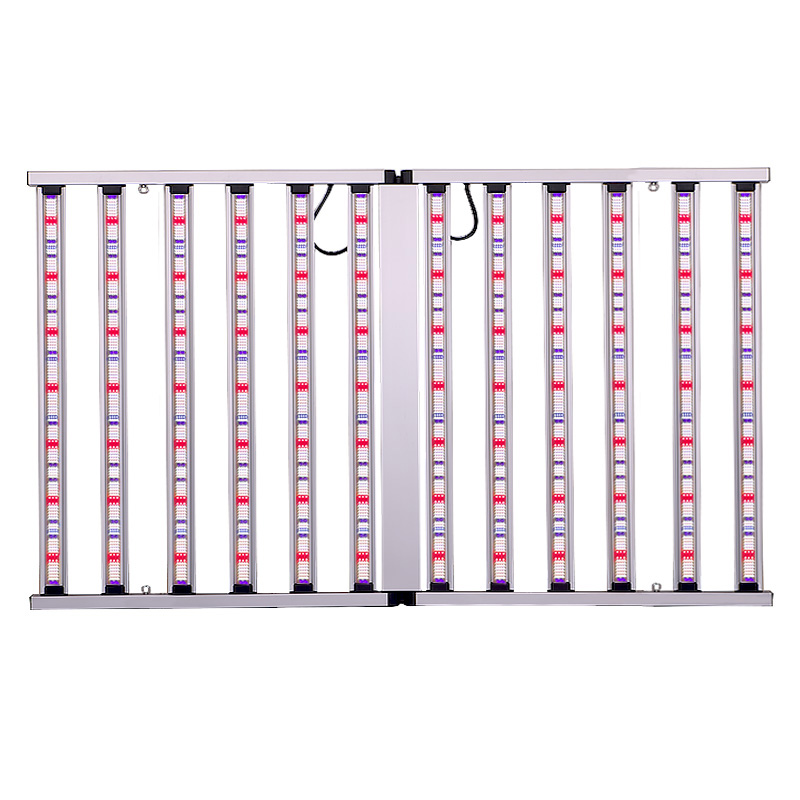
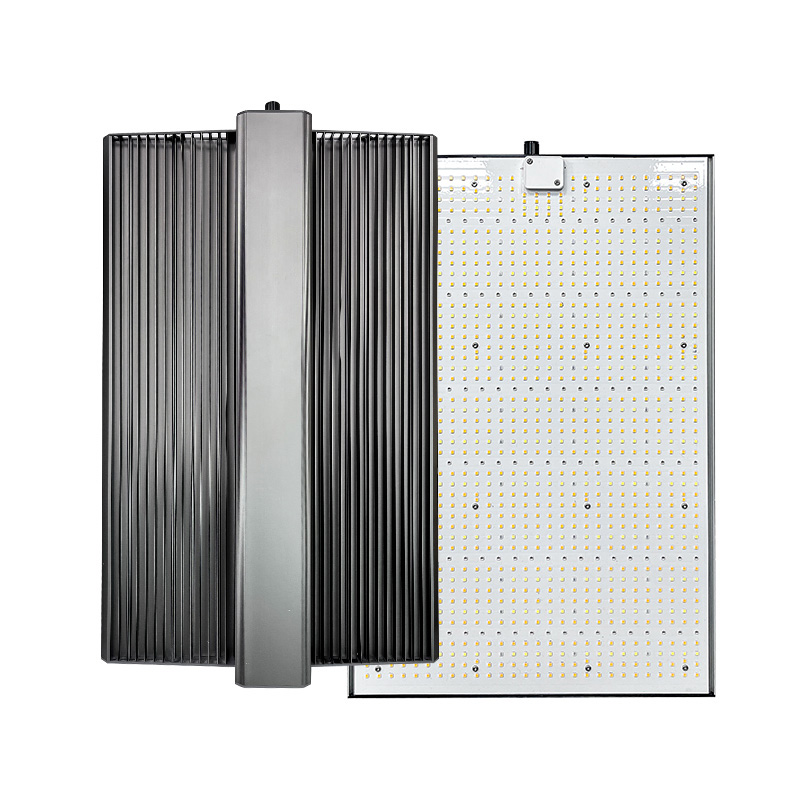
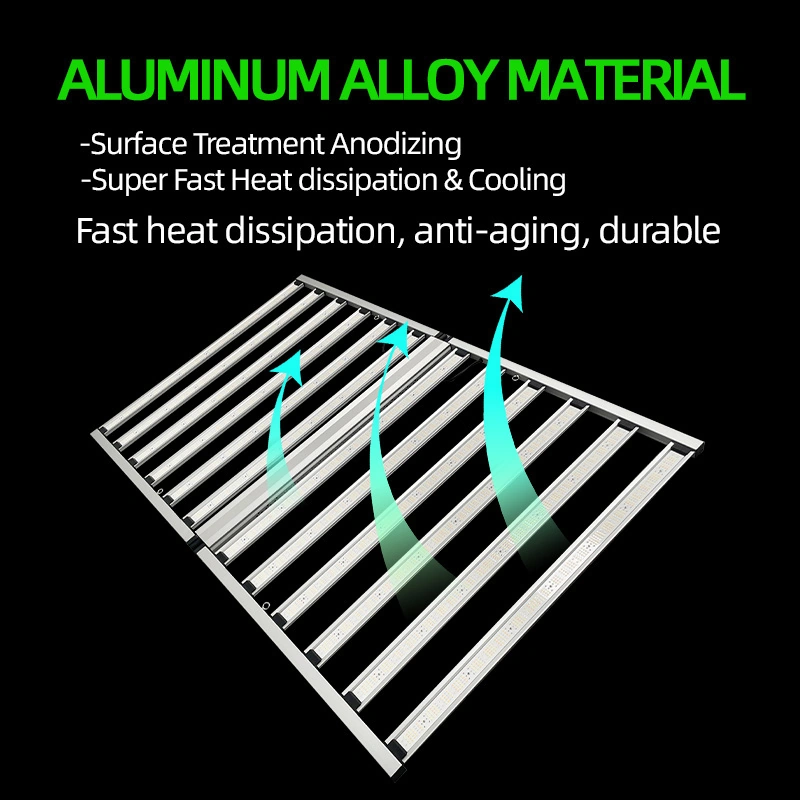
In real farm setups, the 1300W UV 4×6 Feet LED Growth Light – AD122-1300-2U2-180 often goes above big nursery parts where broad, even spread matters. In the seedling time, this tool runs with the usual full-range power. The UV part stays off to skip growth holds. As plants reach later growth steps, light strength can rise bit by bit. UV can join at set levels. This lets farms keep the same light setup over many growth times without tool swaps. Such step-by-step use betters running sameness. It also aids long-run output plans.
Seedling Lighting Strategies for Cannabis and Other Commercial Crops
Different crops share similar early-stage lighting needs, making grow lights for seedlings a cross-crop investment for many farms.
Cannabis Seedling Lighting in Professional Farm Nurseries
Cannabis seedlings require precise lighting control to ensure compact growth and strong structure. Stable PPFD, balanced spectra, and extended photoperiods help establish uniform canopies that are easier to manage later in the cycle.
Vegetable, Herb, and Flower Seedling Production at Scale
Vegetables, herbs, and flowers benefit from the same principles applied in cannabis nurseries. Uniform coverage and predictable schedules improve transplant success and reduce variability across large production runs.
How ANDYLED Supports Reliable Seedling Lighting for Modern Farms
At ANDYLED, we build grow lights for seedlings with an eye on actual farm work over quick extras. Our fixes stress sameness, growth ability, and build sureness to back pro growers around the world.
Consistent Seedling PPFD with Bar-Design LED Systems
Our bar-design LED setups give even PPFD over nursery shelves with a 120° beam angle. Each tool runs at 3.0 µmol/J and tips the scale at about 4–5 lbs per light. This mixes work savings with easy setup. We pick Samsung-brand LED chips to lock in steady power and lasting reliability.
Lighting Solutions That Scale from Seedlings to Veg Rooms
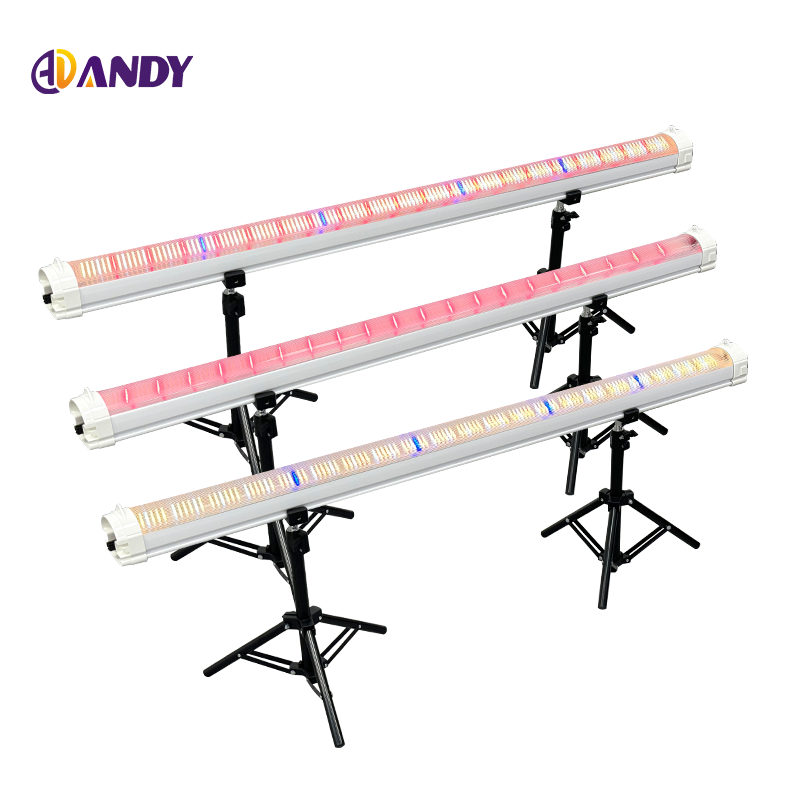
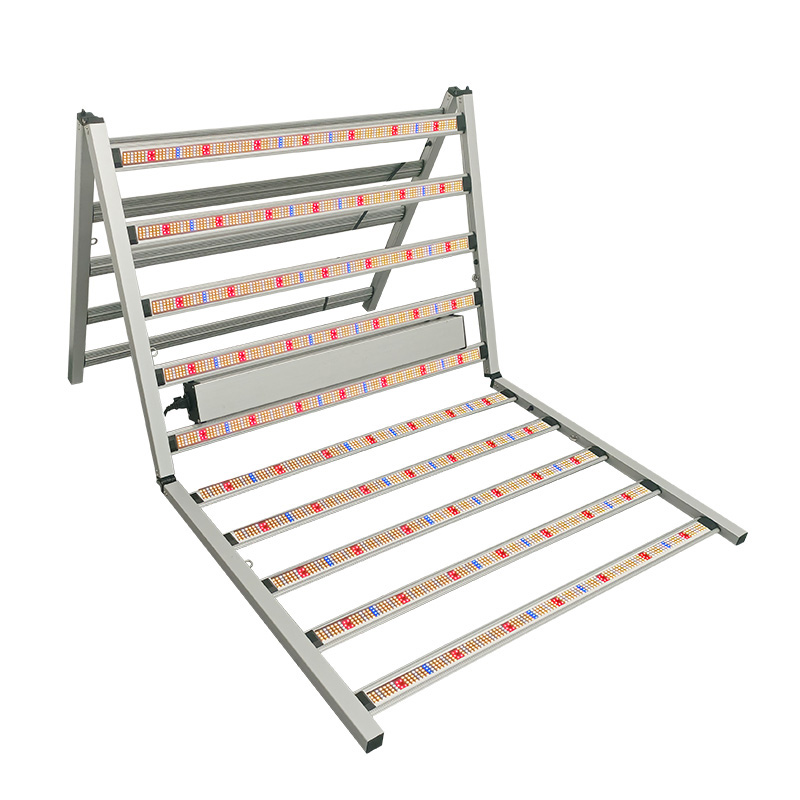
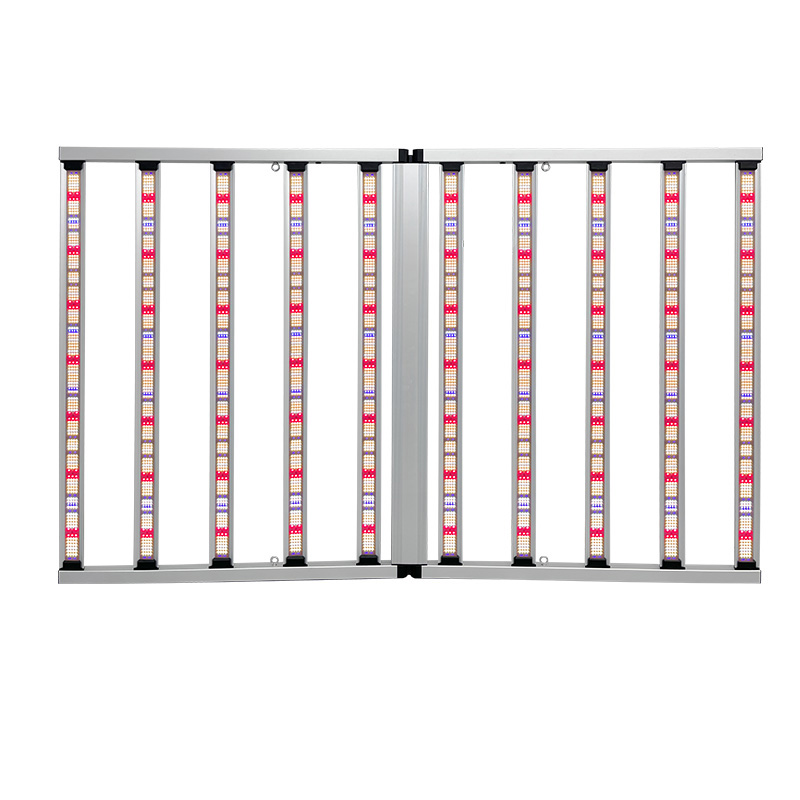
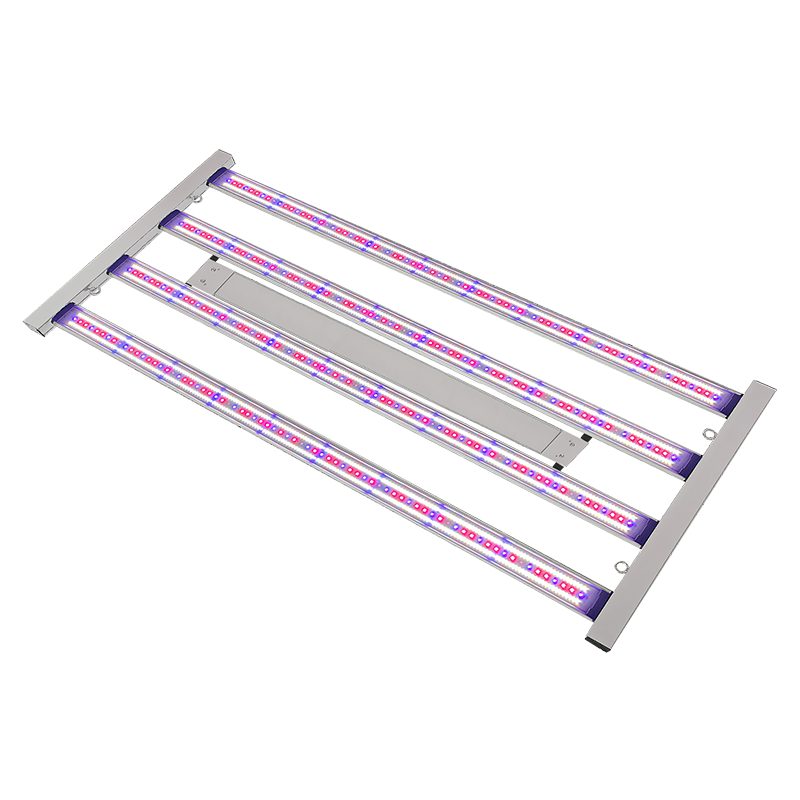
We mainly back seedling and early growth times with foldable and removable bar-style setups. For nursery-only uses, farms often set an 800W single-channel dimming LED grow light for 4×4(ft) setups to keep tight growth and even spread. As output grows, an Efficient 1000W LED Grow Light with Adjustable Brightness for 4×6 ft backs a smooth shift into growth rooms without swapping main tools.
Manufacturing Capacity and Customization for Farm Projects
We operate integrated production lines covering LED mounting through final assembly, supported by one of the largest warehouses and highest production capacities in Shenzhen. With ample raw material reserves, we can complete full-container orders within five days and provide fast customization to match specific farm layouts and project requirements.
FAQ
Q: What brand of grow lights for seedlings is considered reliable for commercial farms?
A: Reliable grow lights for seedlings are typically produced by manufacturers with strong production capacity, consistent quality control, and experience in large-scale agricultural projects. Brands like ANDYLED focus on stable output, scalable designs, and proven farm performance.
Q: How to choose grow lights for seedlings in a commercial nursery?
A: Choosing grow lights for seedlings involves evaluating PPFD consistency, spectrum suitability for early growth, coverage area, and scalability. Bar-design LED systems with single-channel control are commonly preferred for large nurseries.
Q: Are LED grow lights better than traditional lights for seedlings?
A: LED grow lights for seedlings offer higher efficiency, longer lifespan, and better controllability than traditional lighting, making them more suitable for commercial farm operations.
Q: What is the difference between seedling grow lights and vegetative grow lights?
A: Seedling grow lights focus on moderate intensity and compact growth, while vegetative grow lights operate at higher intensity to drive biomass accumulation. Many professional systems are designed to adapt across both stages.
Q: Which grow lights for seedlings work best for cannabis farms?
A: Cannabis farms typically use grow lights for seedlings that provide uniform PPFD, stable spectra, and extended photoperiods. Professional-grade bar-design LED systems are widely used for their consistency and scalability.


