
Best Indoor Plant Grow Lights in 2026: How to Choose, Compare & Use Them
The best grow light for you is one that can accommodate the plants you have and can grow. A single bulb can fit over a single pot, grow light bars are ideal for shelves, and grow light panels can cover large numbers of plants. Most importantly, look for lights with adjustable output and good canopy coverage. We compare and contrast various types of grow lights below and go over how to set them up and adjust them as necessary to get the best growth.
What to Look for When Buying Grow Lights for Indoor Plants
Understanding Light Spectrum, PPFD, and Coverage Area
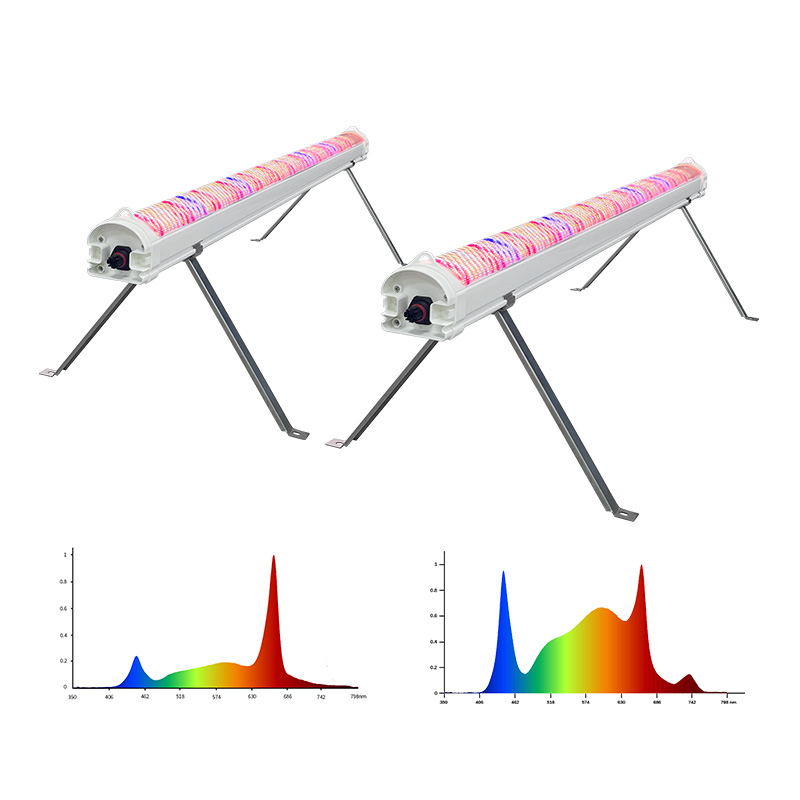
A good grow light supplies a balanced spectrum and sufficient photosynthetically active radiation (PAR / PPFD) at the upper parts of the plants. A PAR map at the intended height is much more meaningful than a simple reading. Also, the coverage area tells you how evenly a grow light is distributed. A very narrow beam of light may read very high in the center of the room but provide little or no light to the walls and on shelves below. Full-spectrum grow lights are ideal for mixed collections of plants. The guide to grow light spectrum explains the properties of the different colors.

Why Wattage and Lumens Don’t Tell the Whole Story
The wattage of a grow light refers to the input of electricity in watts. The photon efficacy of a light measures how efficiently that input is converted into useful photons. The commercial bar-style grow lights that we sell at ANDYLED have a photon efficacy of about 3.0 micromoles per joule. Note that not every model has the same efficacy, and that does not necessarily make one better than another. The amount of lumens that a grow light puts out is a measure of how many photons actually reach the human eye, and so one would compare the canopy to canopy.
Matching Grow Light Features to Your Plants’ Needs
Some of our selected controls are offered in dual-channel versions, 0–10V versions, and even versions that can be programmed for scheduling use by the controller. When selecting controls, the compatibility with the fixture, its driver, cables, the control itself, and wiring must all be verified before purchase. One control cannot add features that the fixture is not equipped to handle, and thus these commercial-grade controls are best suited for very large collections of fixtures. A small shelf of dimmable fixtures would require only basic dimming and a timer or two.
Best Types of Grow Lights for Indoor Plants in 2026
Full-Spectrum LED Panels for Multiple Houseplants
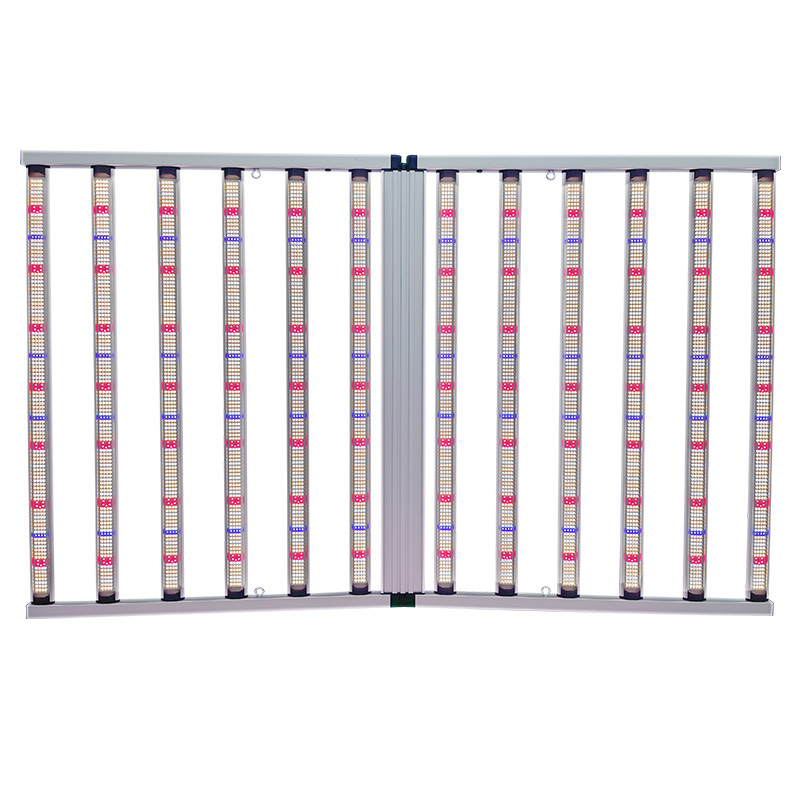
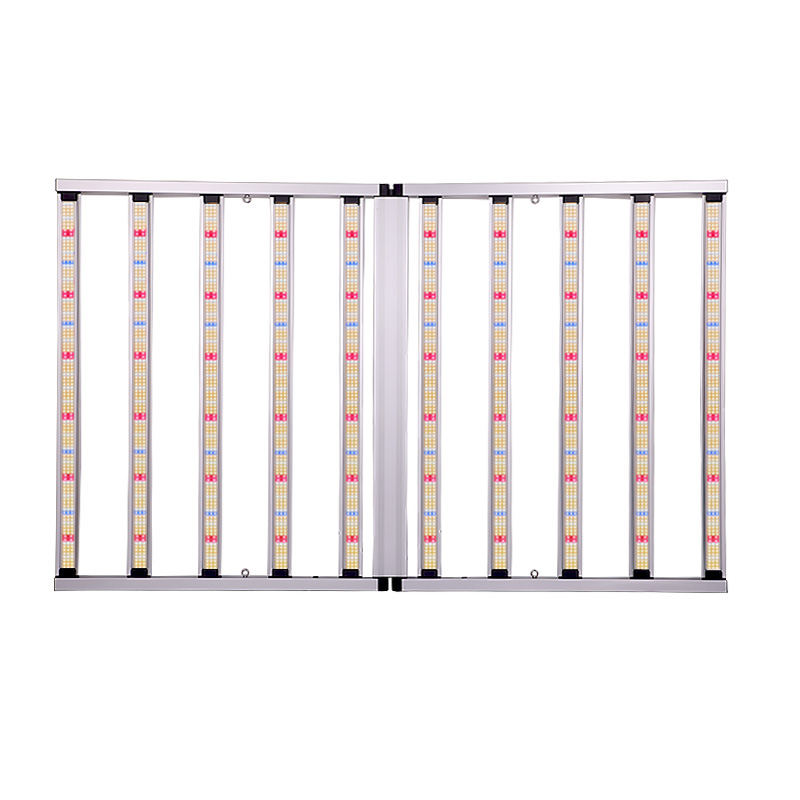
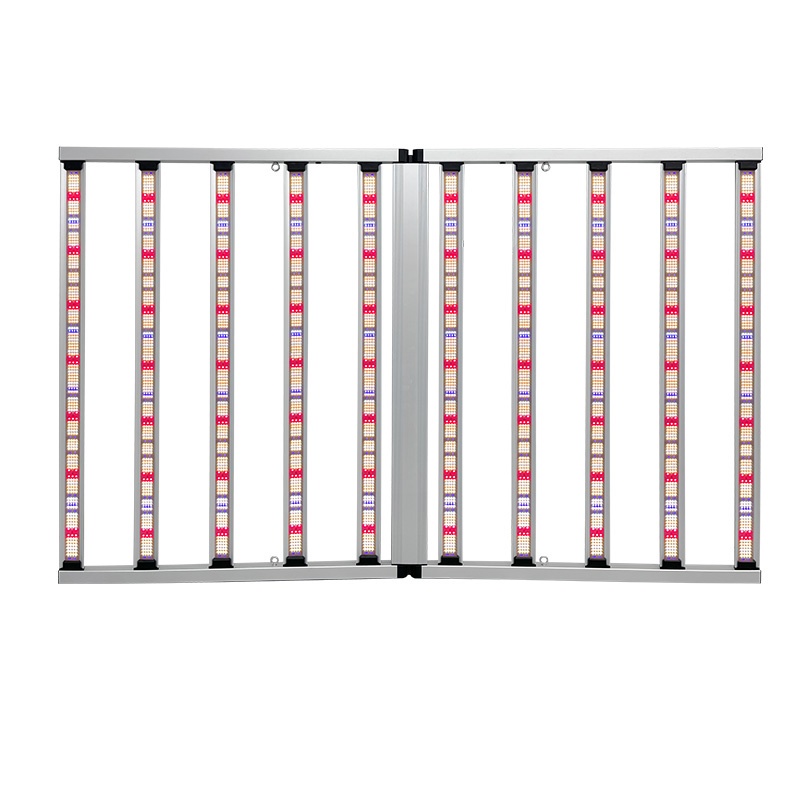
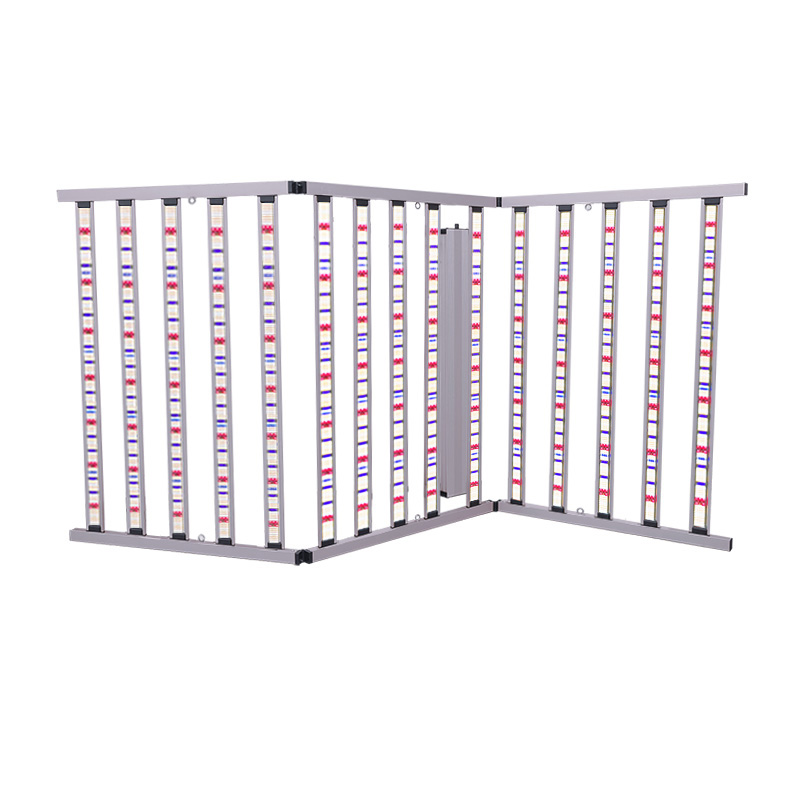
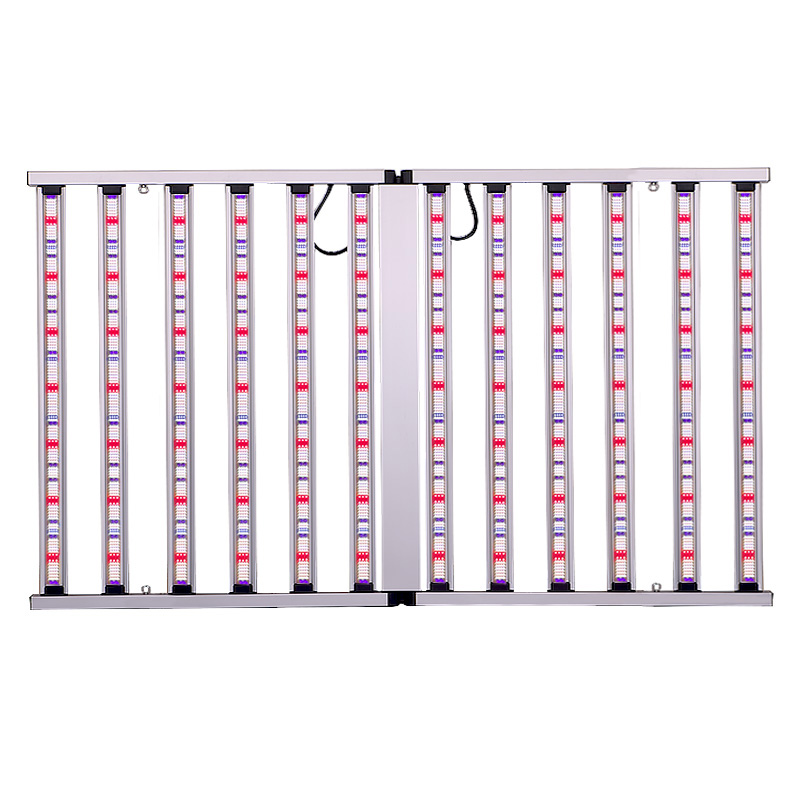
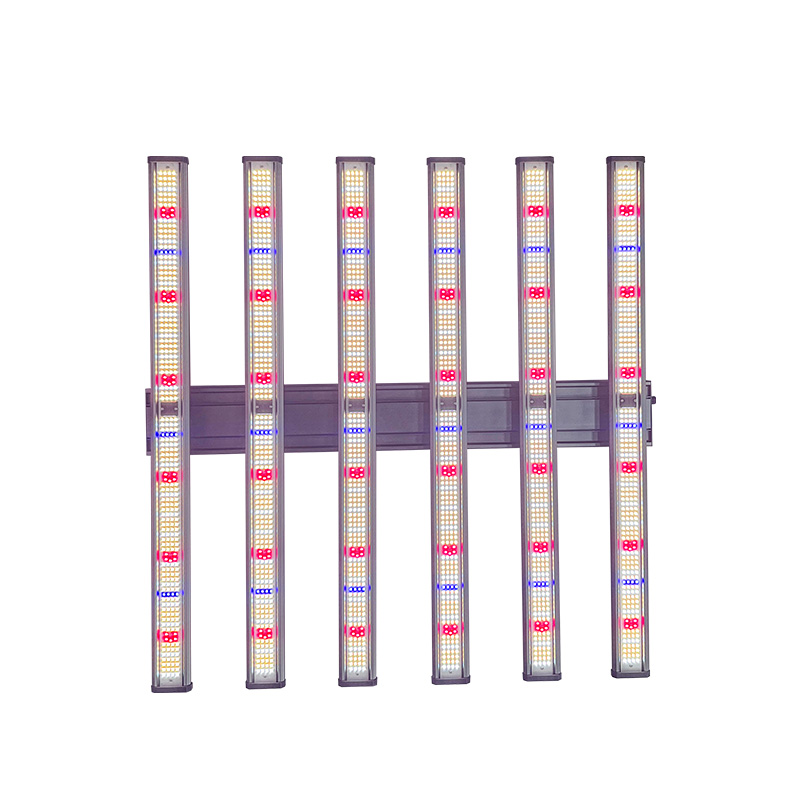
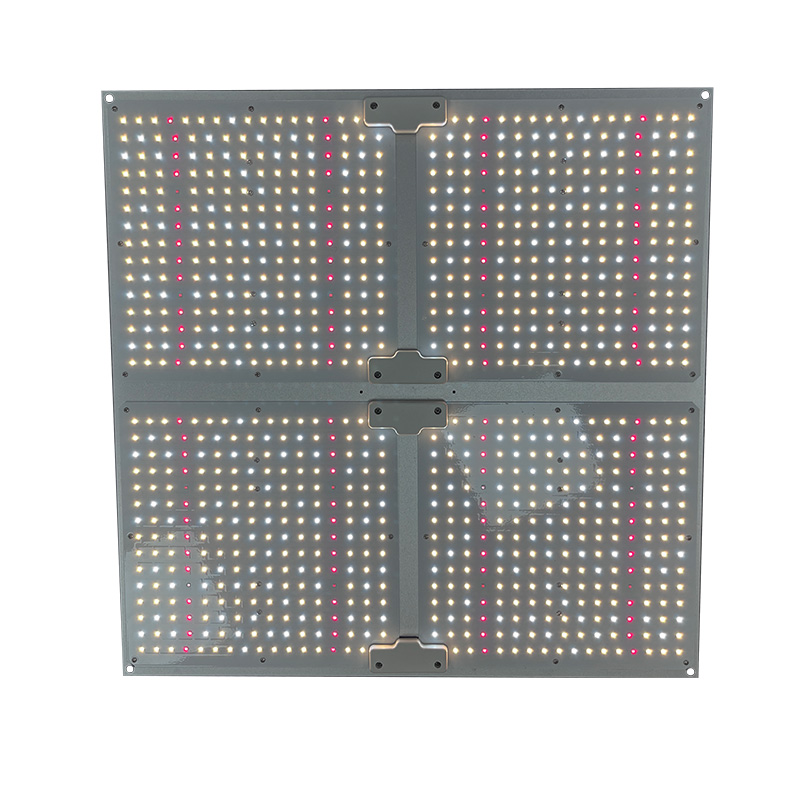
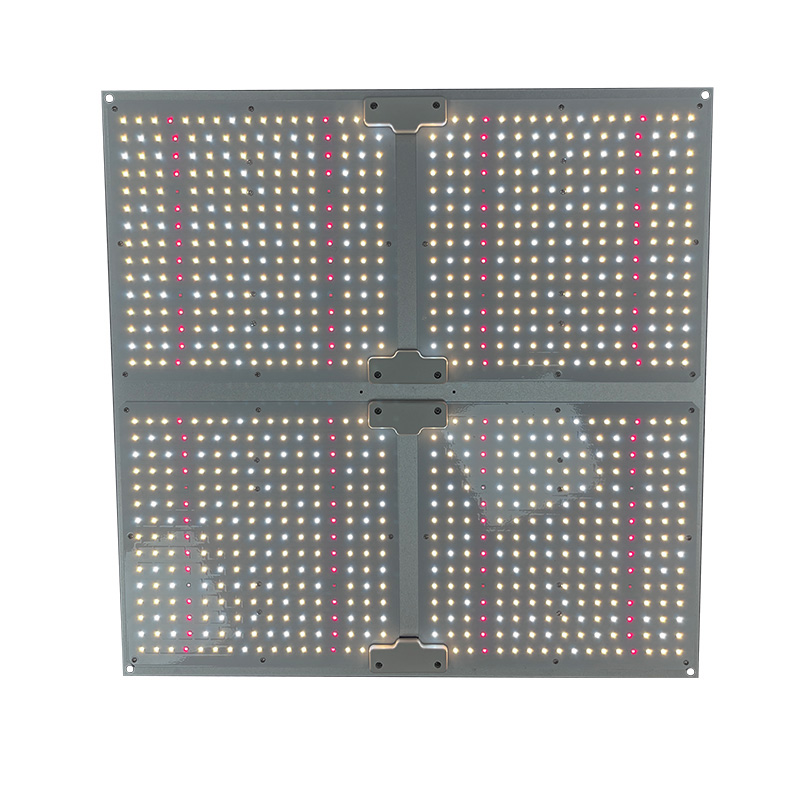
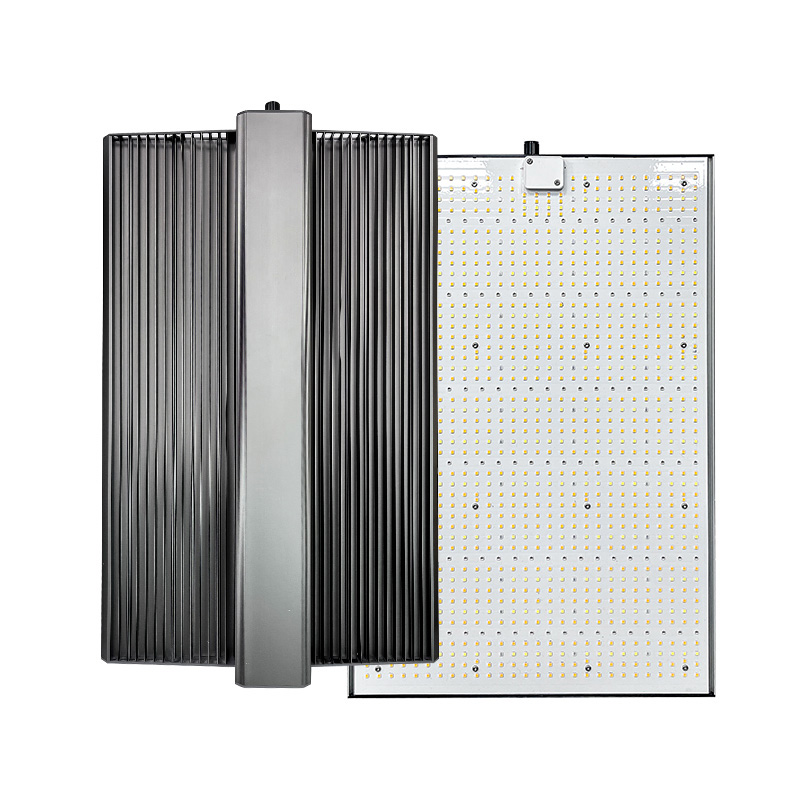
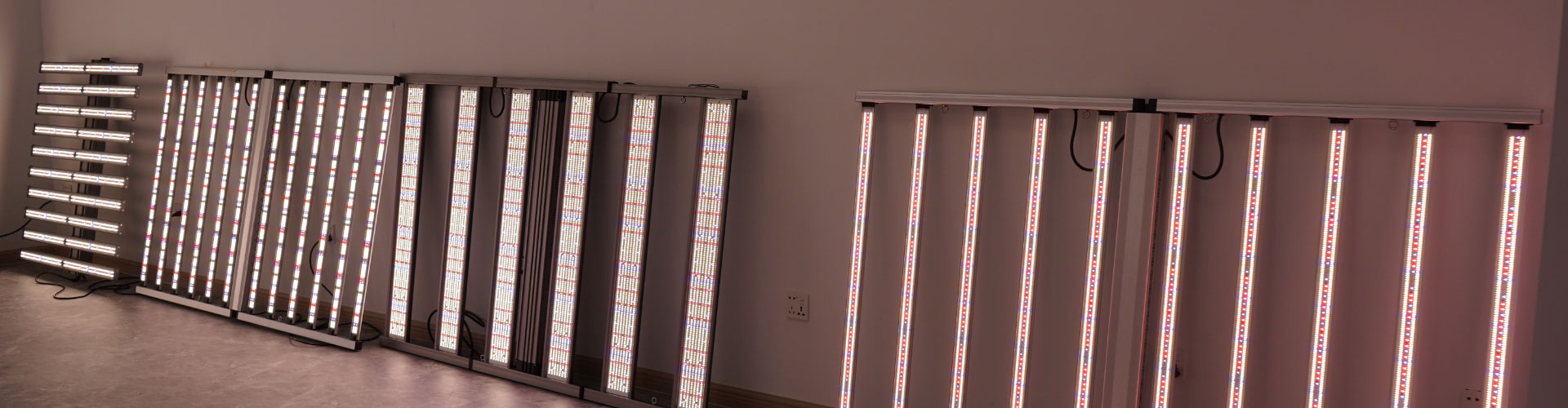
Panels are ideal for fitting into plant cabinets, racks, and rooms with lots of plants. They emit light over a wide surface area and usually have dimming switches and hanging points. Our LED grow light range can be compared by power, form, and coverage to help you find the right model.
Clip-On Grow Lights for Small Spaces and Individual Plants
Single clip-on lamps are ideal for a single desk plant or very narrow shelf. Check for a stable clamp, arm length, heat output, and whether the light can be aimed to cover the whole of the plant’s canopy. Note that many such lamps end up generating more glare and cord mess than a single bar would. See also choices for indoor plant lighting.
LED Grow Light Bulbs for Standard Light Fixtures
Simple to use with a single pot, choose a lamp with a suitable fitting and a rating for the bulb’s heat. A standard household LED lamp is fine for most tolerant foliage, but a dedicated grow bulb has a superior spectrum and distribution for optimal growth.
LED Strip and Bar Lights for Seedlings and Plant Shelves
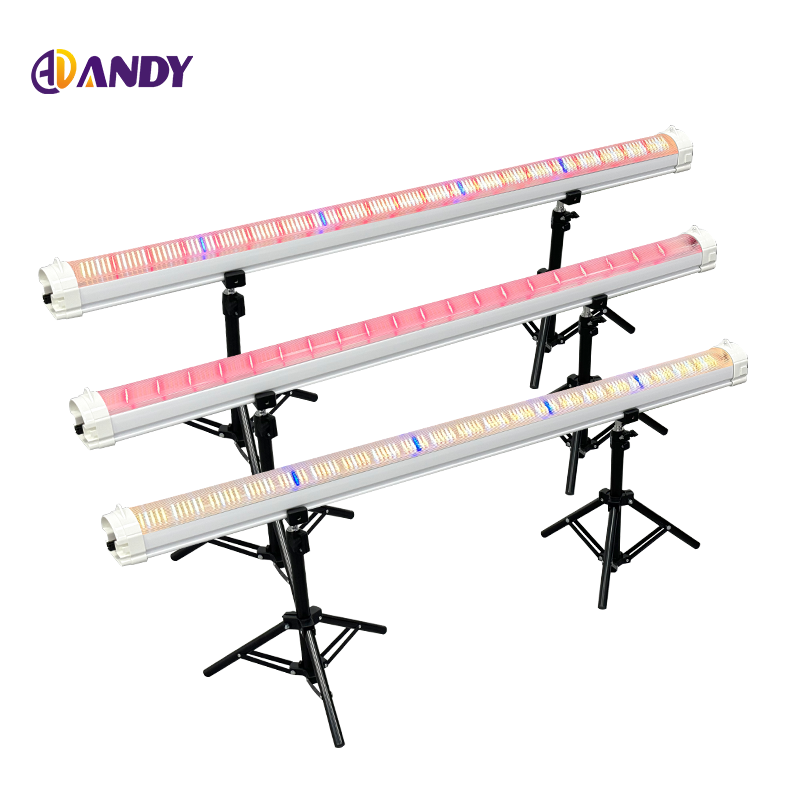
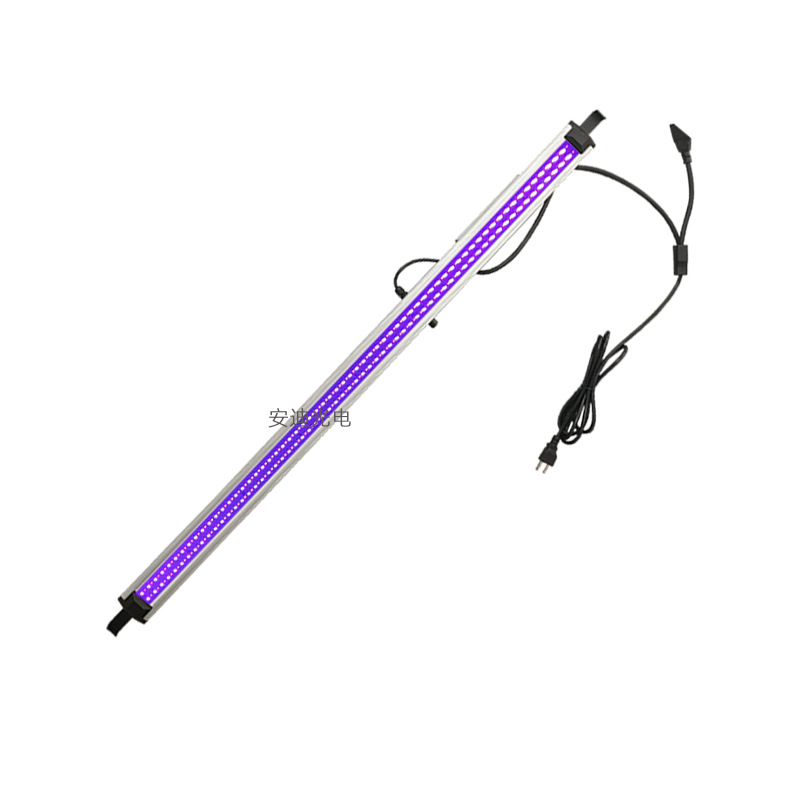
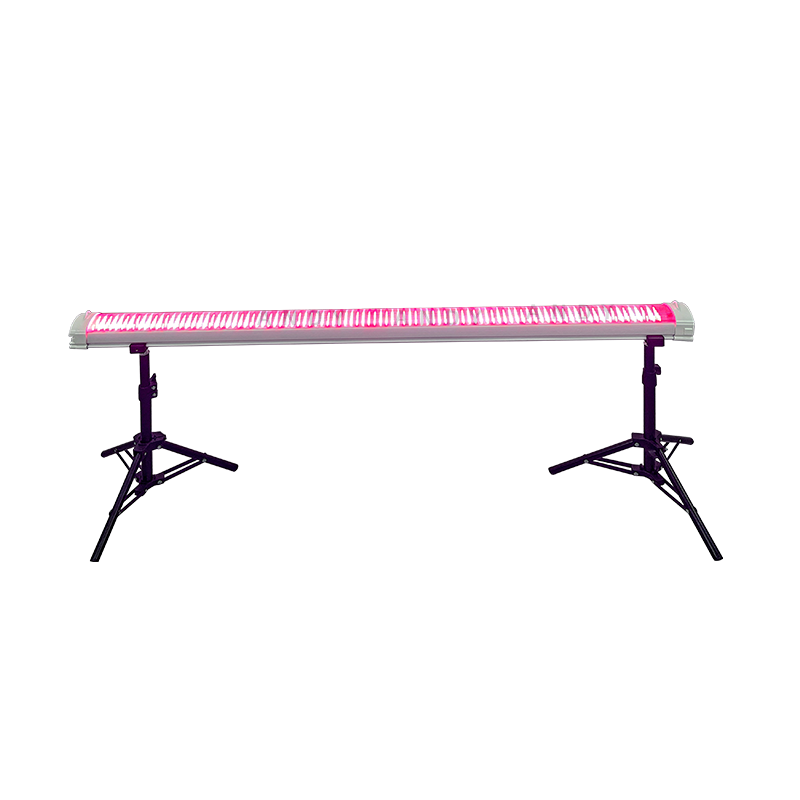
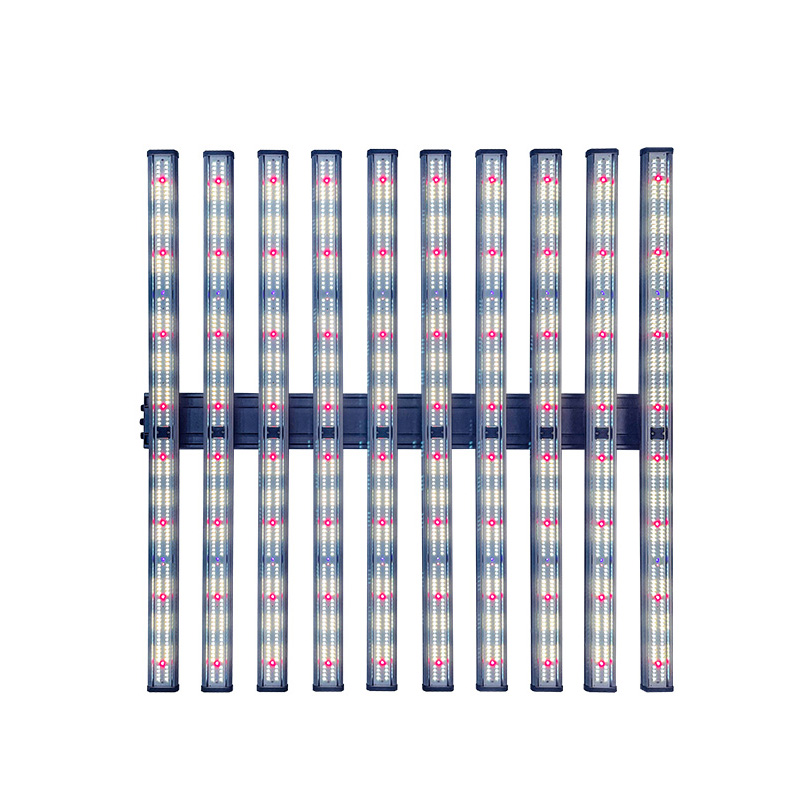
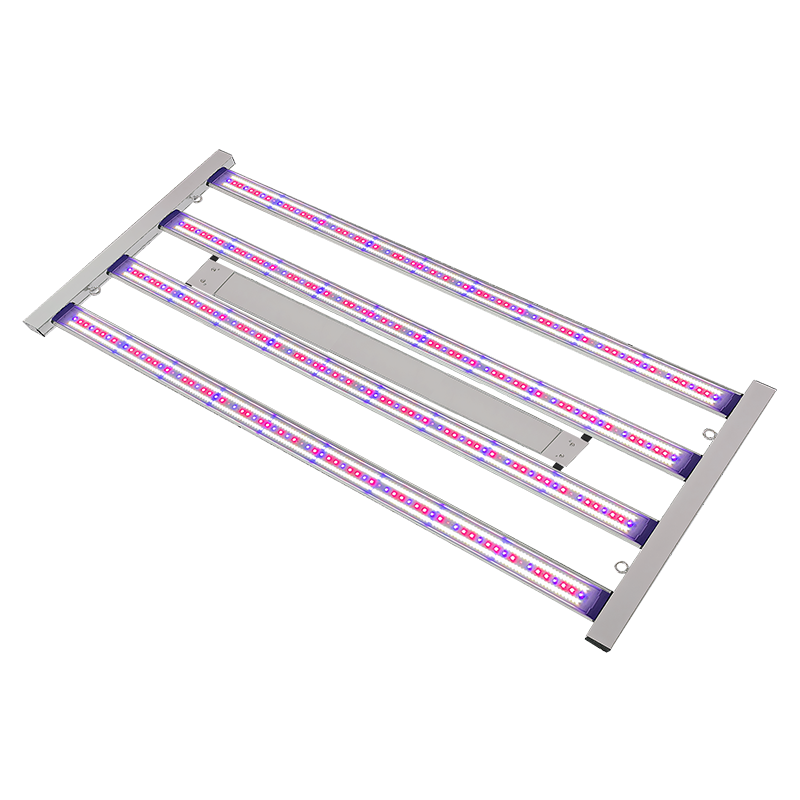
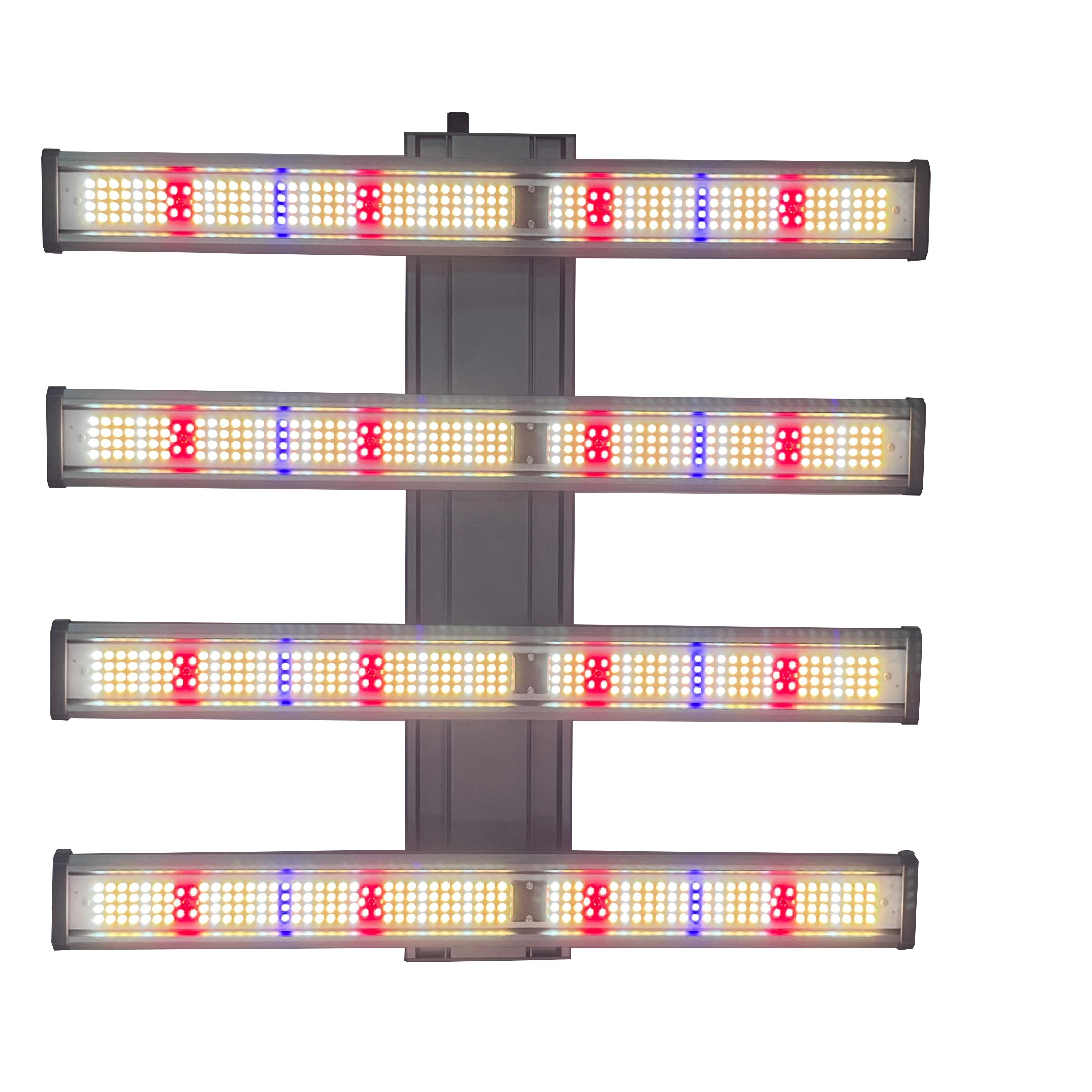
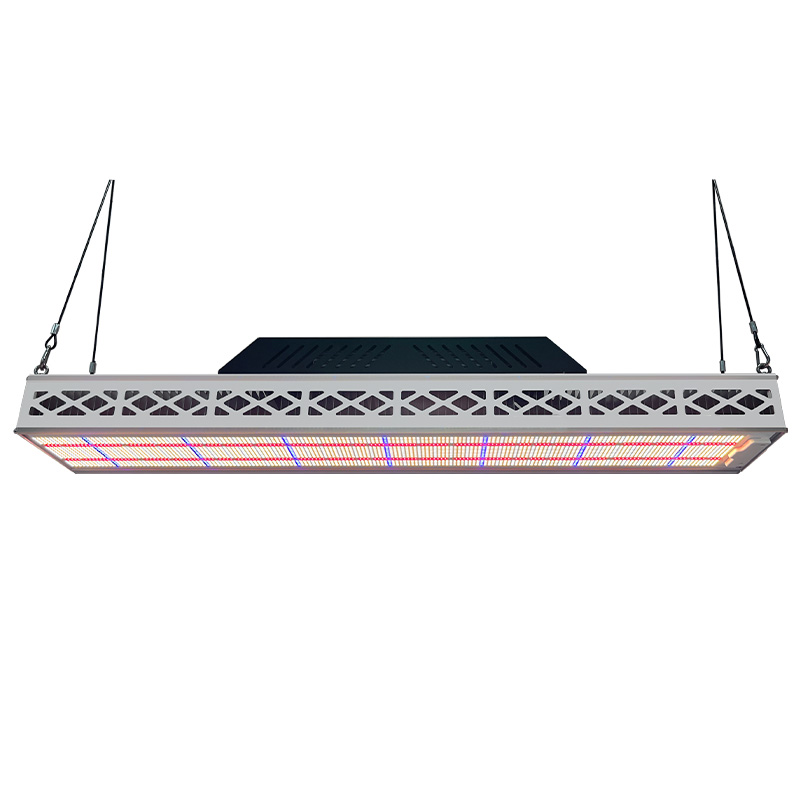
Low-profile bars fit between shelves for evenly distributed, low-shadowing of trays. For deep shelves, mount multiple bars parallel to each other. Use diffusers to soften harsh light points. A timer ensures a consistent daily photoperiod.
Comparing LED, Fluorescent, and Incandescent Grow Lights
LED Grow Lights: Energy Efficiency and Long-Term Performance
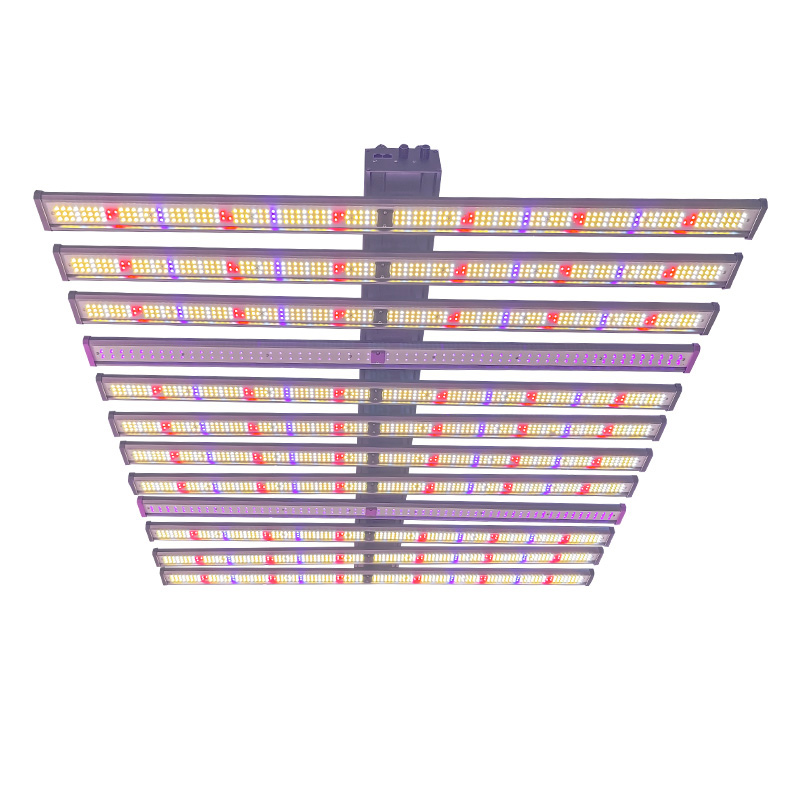
There are many advantages of using LEDs: they use less power to produce the same amount of useful light, run cooler and thus more efficiently at the leaf level, and last much longer. For a larger greenhouse, our 640W Top Fill full-spectrum fixture might be of interest. Note that this unit is not designed for use on a single houseplant.
Fluorescent Grow Lights: Benefits and Limitations
While fluorescent tubes can be gentle for seedlings, they are generally too large, less efficient, and require periodic tube changes. The output of older tubes also decreases, and many fluorescent tubes are difficult to recycle.
Why Incandescent Lights Are Less Suitable for Plant Growth
These bulbs use most of their input energy as heat and have a spectrum that promotes stem and leaf growth and can scorch leaves when placed close. Thus, they are not recommended as the primary source of grow lights.
How to Set Up Grow Lights for Healthy Indoor Plant Growth
Finding the Ideal Distance Between Grow Lights and Plants
Review the maker’s PPFD chart to determine how high to lift the light and how low to drop it once you observe leaves scorched/ curling and stems elongating. Measure PPFD at the tallest leaf on the plant, not at the top of the pot, and re-measure after pruning or repotting the plant.
How Long Should Indoor Grow Lights Stay On?
Duration of light alters the photon accumulation during the day. Prolonged use can increase the amount of photon accumulation, but flowering, maturity of the plants, cultivar characteristics, and the environment of the room play an important role. Determine the type of spectrum along with PPFD, photoperiod, developmental stage, and light accumulation of the day. For many indoor plants, begin with 12 to 14 hours.
Adjusting Light Placement for Better Coverage
Rotate pots every week or so. Overlap the footprints of adjacent beams. Use the walls to reflect light to a shelf. Even coverage is usually better than a hot spot.

Common Indoor Grow Light Problems and How to Fix Them
Weak or Leggy Plant Growth Due to Insufficient Light
Slowly move the lamp a little closer and increase the wattage. Possibly grow fewer plants in the same area. New leaves grow faster than old stretched leaves and won’t grow back straight.
Leaf Burn and Discoloration From Excessive Lighting
Increase the distance from the plant, dim down the light, and check the temperature at the lower surface of the canopy. Bleached tops are generally caused by too much intensity, and crispy edges are usually a combination of heat, dry air, and over-fertilization.
Poor Growth Despite Using Grow Lights
Growing rooms that utilize light, fans, and humidity manage these elements as a single system. The aluminum housing of a fixture can dissipate heat but does not necessarily keep the temperature of the fixture constant. It is best to wait several hours and then check airflow, humidity, canopy temperature, plant watering requirements, and room heat load. For home growers, be sure to inspect roots and soil as well and don’t blame the lamp for every plant problem.
Reducing Energy Consumption and Lighting Costs
Dimming, timers, cleaning of heat sinks, and illuminating only occupied areas by comparing watts/square foot. Replace less efficient fixtures when payback is reasonable.
How to Choose the Right Grow Light for Your Indoor Setup
Best Options for Beginners and Small Apartments
A dimmable bar or compact panel with a timer is quite forgiving and can be placed in most positions. A unit with quiet cooling and a low-profile design is ideal for bedrooms and home offices.
When planning a small collection, sketch out the occupied footprint before selecting the fixture. Leave room for future adjustment above the tallest piece of produce.
When comparing quotes for similar lighting systems, ask for the same hanging height and for similar dimming – then the PPFD maps are comparable.
After rearranging the pots, recheck for shaded leaves. Even the best setup from last month will have shifted as the plants and their canopies have grown.
Choosing Grow Lights Based on Plant Type and Space
Plan out your space based on the dimensions of the shelf, the height of the plant, and the intensity of light you want to achieve. A deep rack may need multiple bars, whereas a single specimen may only require a single bulb focused on it.
Balancing Performance, Budget, and Energy Efficiency
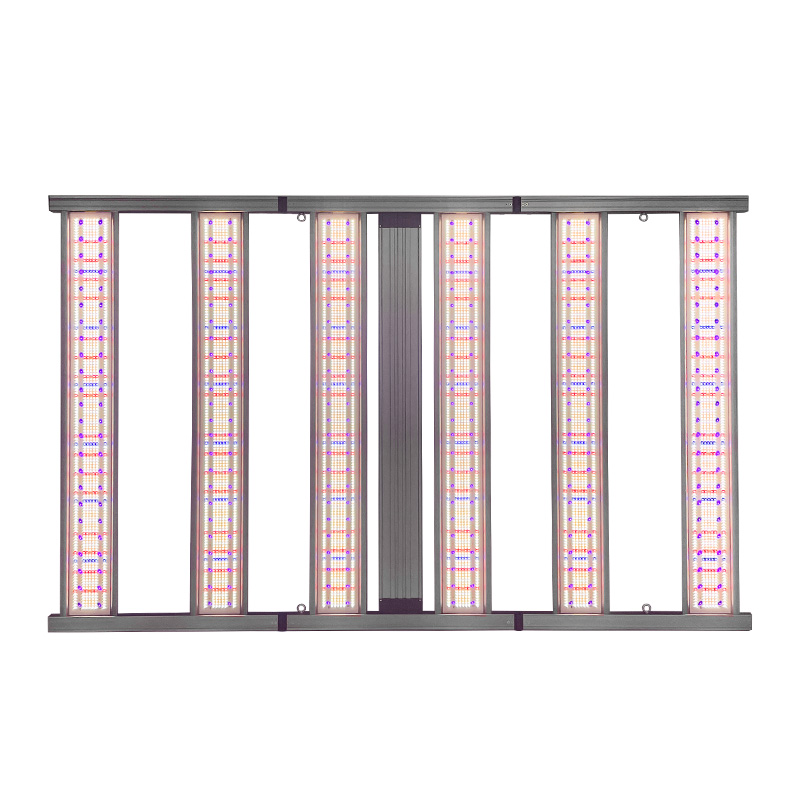
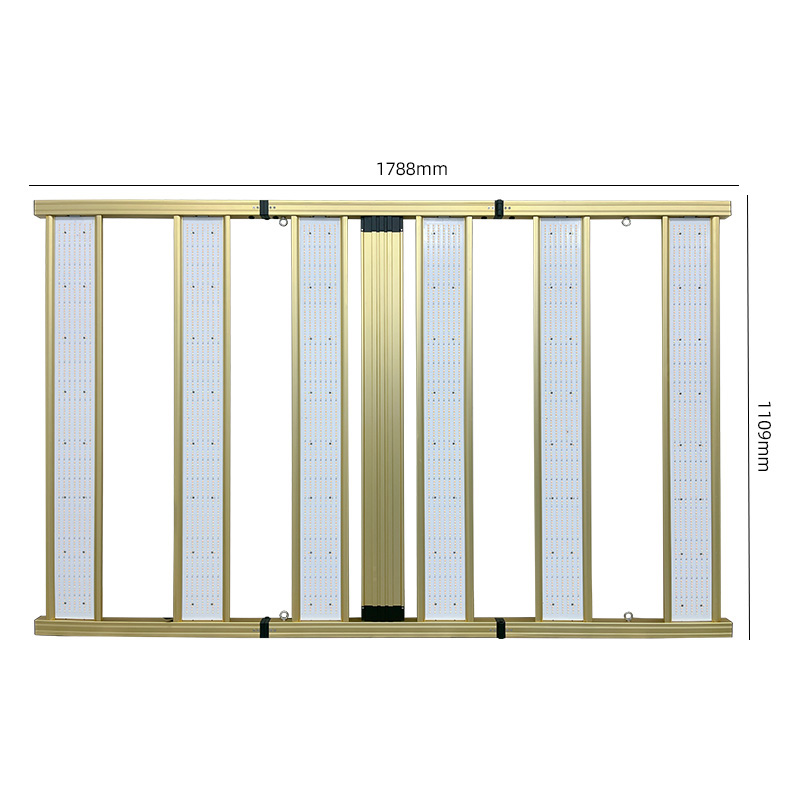
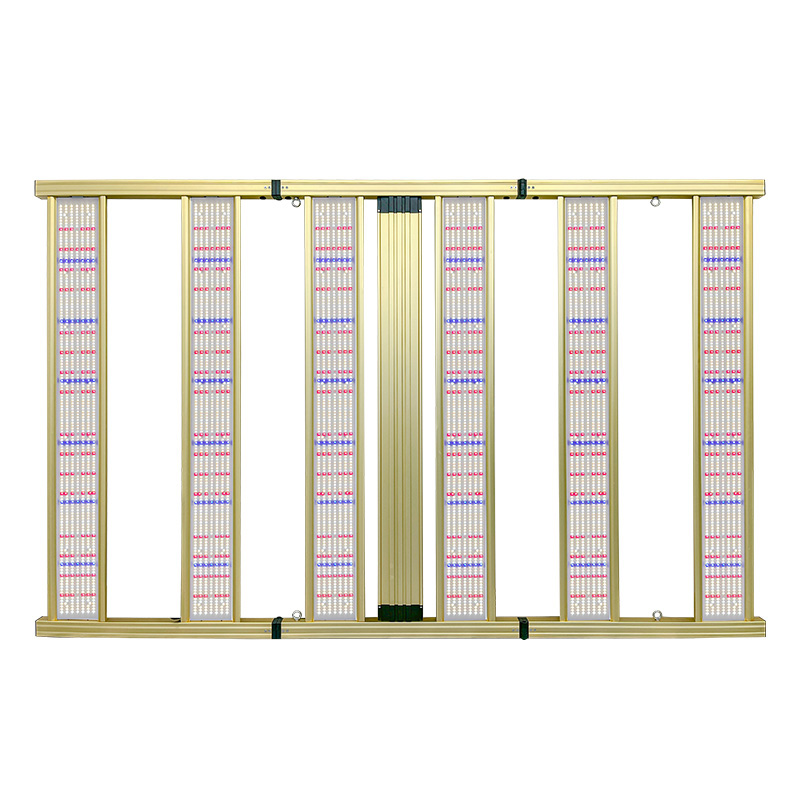
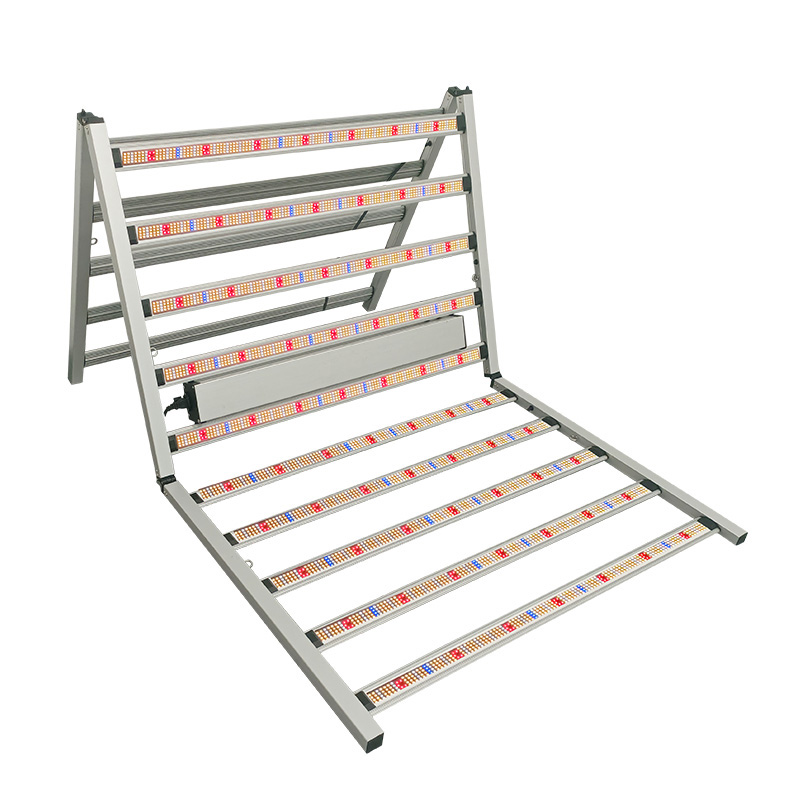
For a commercial dimming setup, check low-output stability, flicker, unwanted shutdown, and consistency between fixtures. Test scheduling, group commands, communication loss, and restart behavior. Measure center and edge PPFD at the output you will actually use. These are acceptance checks, not a claim that every model has passed them. 1500W 6 Bar full-spectrum grow light is a commercial option, rather than a desk-lamp recommendation.
Frequently Asked Questions About Indoor Plant Grow Lights
Q: Are Grow Lights Really Necessary for Indoor Plants?
A: They are useful for the few plants that require weak or seasonal light, especially for herbs and for seedlings.
Q: Can Regular LED Bulbs Help Indoor Plants Grow?
A: These may be of use for tolerant foliage plants, but grow-rated LEDs are far more reliable at delivering the required spectrum and intensity.
Q: What Is the Best Distance for an Indoor Grow Light?
A: Use the manufacturer’s PPFD map and then adjust for actual leaf response and heat.
Q: How Many Hours of Artificial Light Do Houseplants Need?
Most foliage plants prefer 10-14 hours of light a day. Keep them in the dark the remainder of the day.
Q: Are LED Grow Lights Expensive to Run?
The Operating cost is a function of power, hours of use, and electricity price. Dimming and use of timers reduce waste.
Q: Which Light Color Supports Healthy Plant Growth?
A: A balanced full-spectrum grow light supports plants to grow naturally. Blue light keeps foliage small, while red light promotes flowering.


