
Best LED Grow Lights for Cannabis: How to Choose the Right One
The best LED grow lights for cannabis are not simply the fixtures with the highest wattage or brightest center reading. Compare usable photon output, canopy PPFD, PPE, spectrum balance, coverage, uniformity, thermal behavior, controls, and long-term support. The right fixture delivers the required light across the intended canopy and can be operated consistently through the crop cycle.
Start with the crop and room: a 4×4 room, 4×6 bay, and large production zone need different layouts.
What Makes the Best LED Grow Lights for Cannabis?
Look Beyond Wattage: Why Light Output Matters More
Advertised watts describe electrical input, not how many useful photons reach the plants. Two 800W LED grow lights can differ because of diode efficiency, drivers, optics, bar spacing, thermal management, and distribution. Wattage matters for electrical planning, but it should not be the only comparison.
The more useful numbers are PPF and PPFD. PPF is total photosynthetic photon output in µmol/s. PPFD is the photon density reaching a measured canopy area in µmol/m²/s. PPE, measured in µmol/J, shows electrical efficiency. A fixture can have strong PPF but uneven PPFD if its geometry or mounting height leaves weak edges. A current LED grow light efficiency guide is useful background, but a room-specific PPFD map is stronger purchasing evidence.
Ask for test height, input power, spectrum, grid, and conditions.
Choose LED Grow Lights With Balanced Spectrum for Cannabis Growth
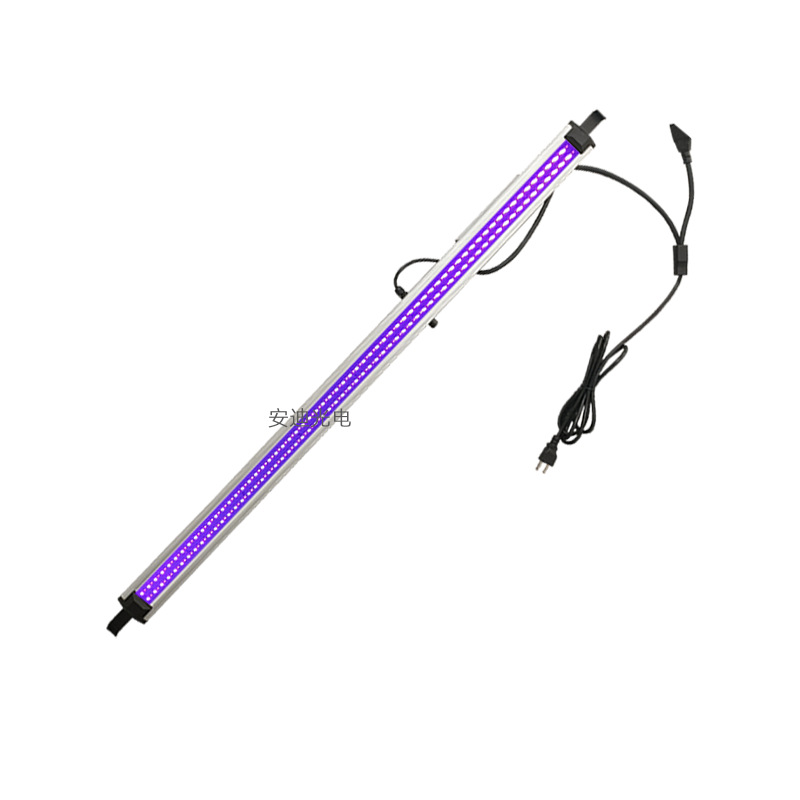
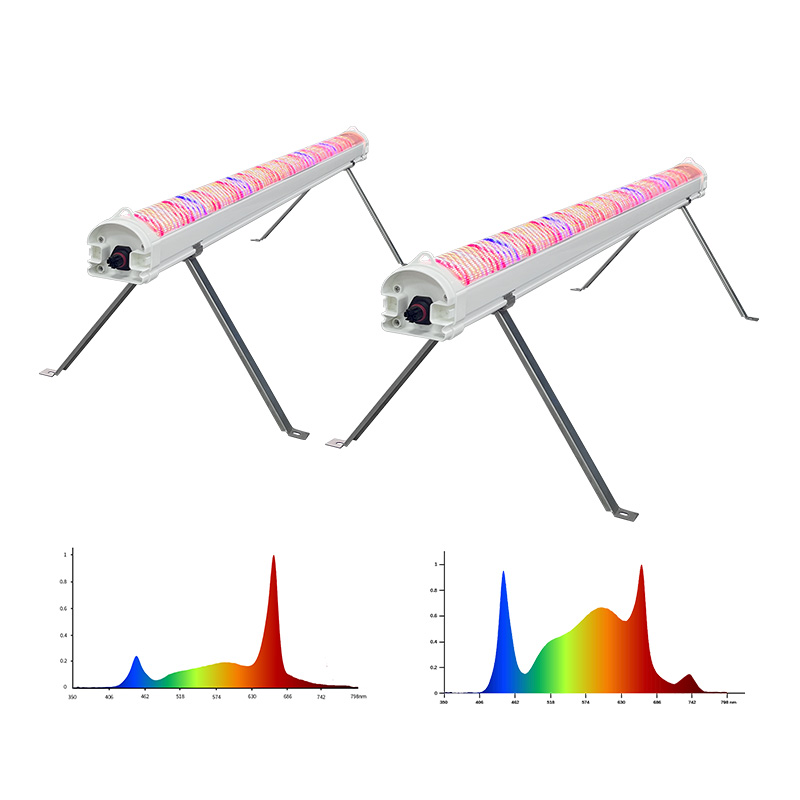
Cannabis from seedling through flower needs a spectrum suited to changing plant structure. Blue is commonly associated with compact vegetative growth, red is important in flowering programs, and green can help photons penetrate upper leaves. Judge a full spectrum LED grow light by its measured distribution, not only its label.
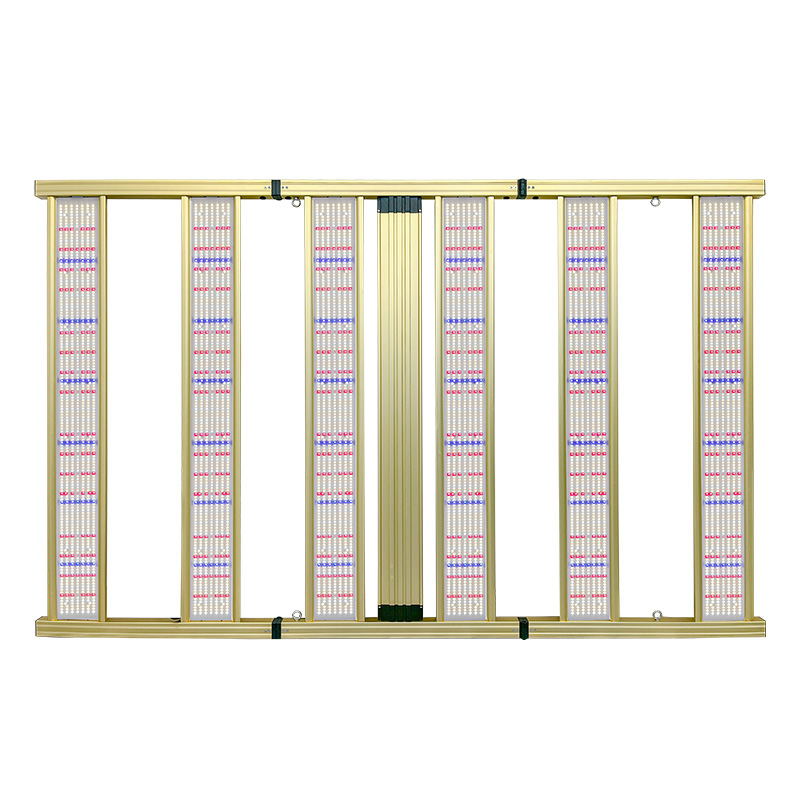
Advanced fixtures may use dual red peaks around 640nm and 660nm. In high-PPFD programs, evaluate them for light-use efficiency and terpene expression against a single 660nm peak, while accounting for cultivar and environment. UV and far-red are optional, not mandatory.

How to Choose the Best LED Grow Lights Based on Grow Room Size?
Match LED Grow Lights With Your Canopy Coverage Area
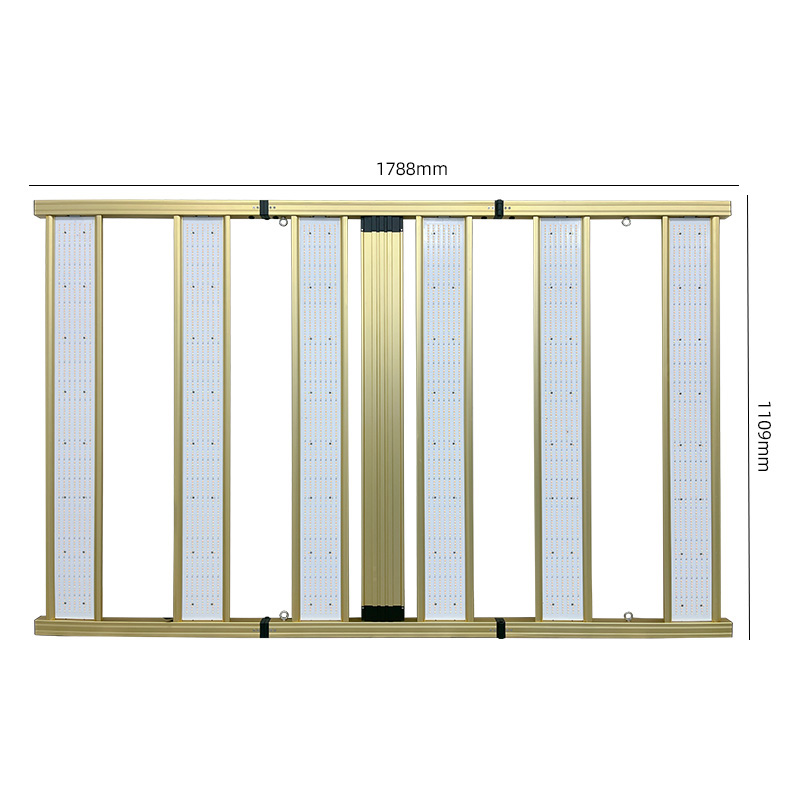
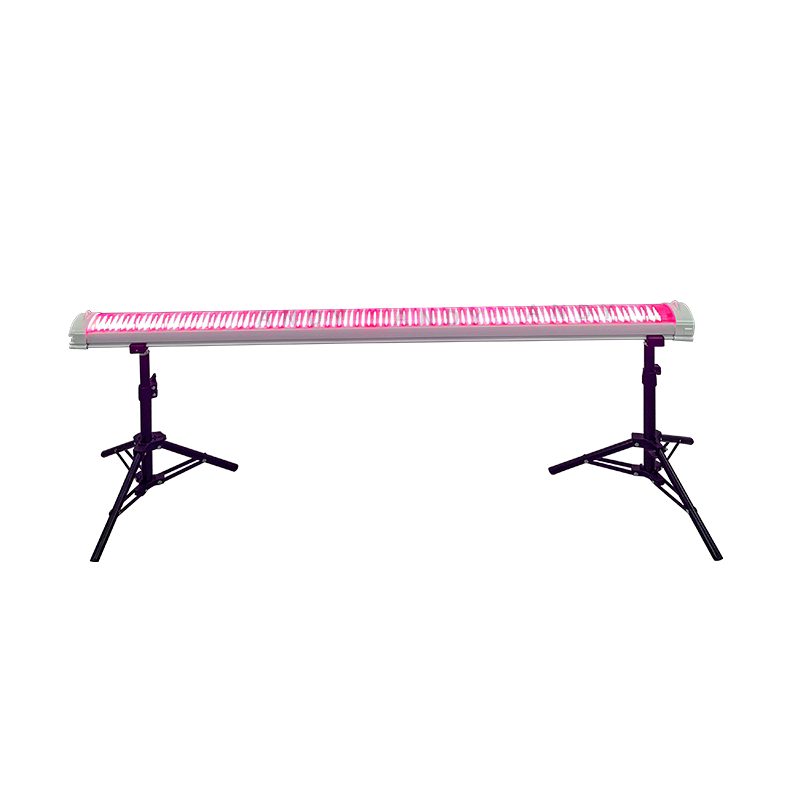
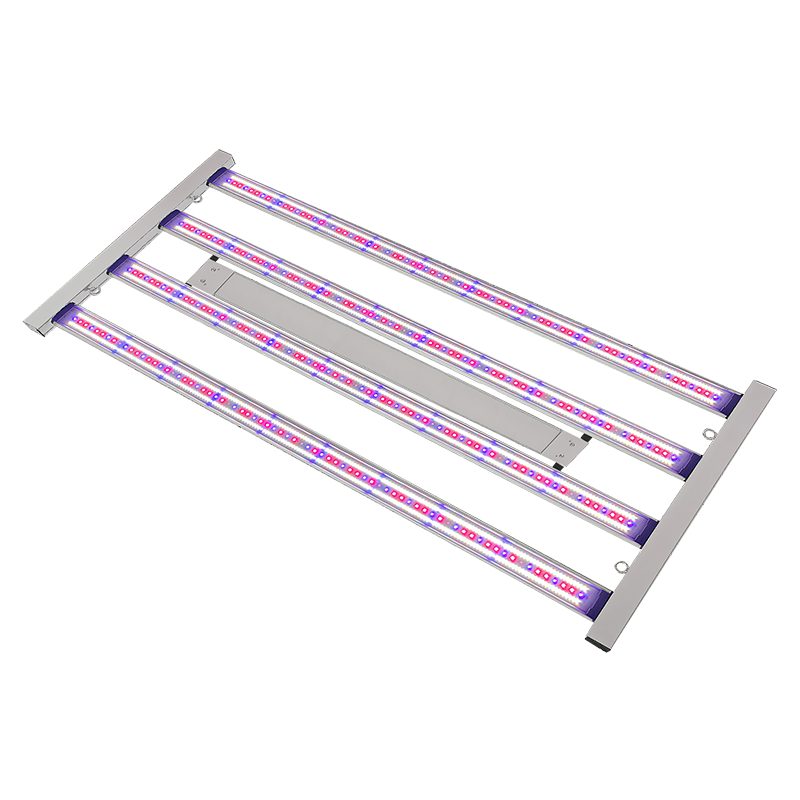
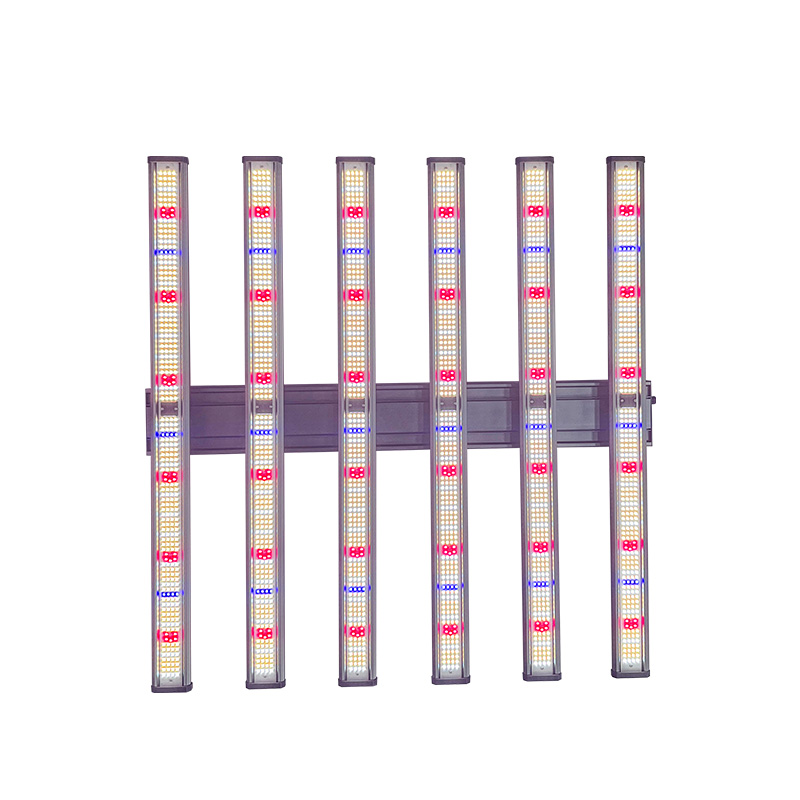
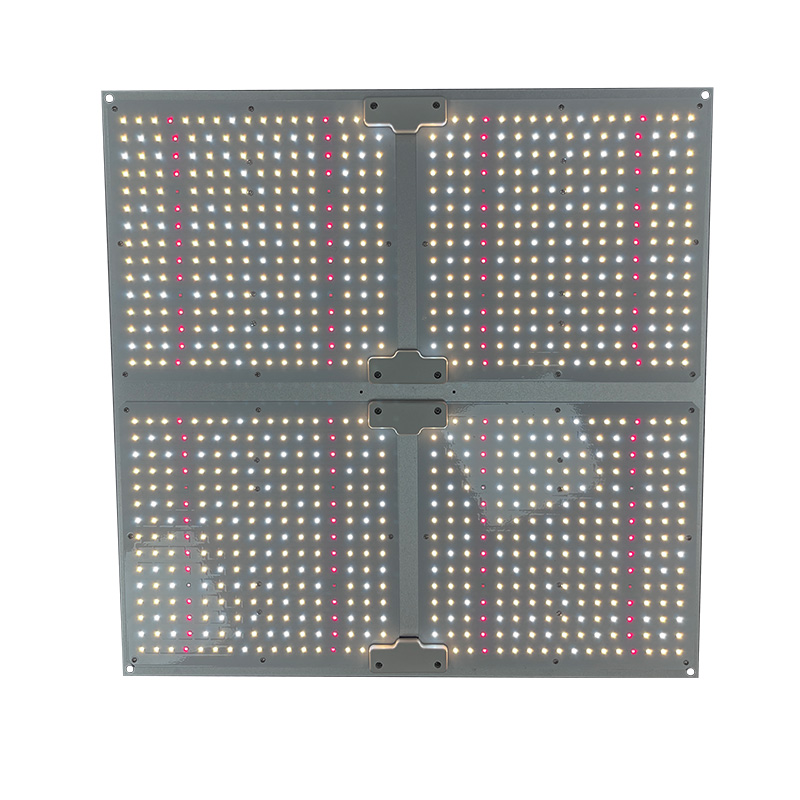
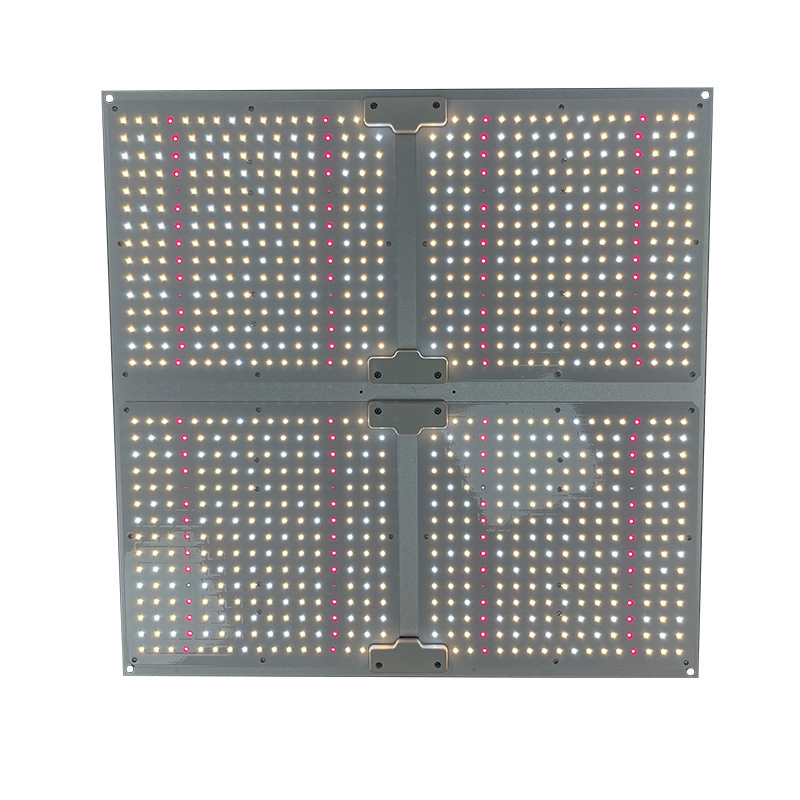
Choose by illuminated canopy footprint, not empty floor area. In a 4×4 room, check center-to-corner PPFD at the intended height. A 4×6 room may need a longer bar fixture or multiple units.
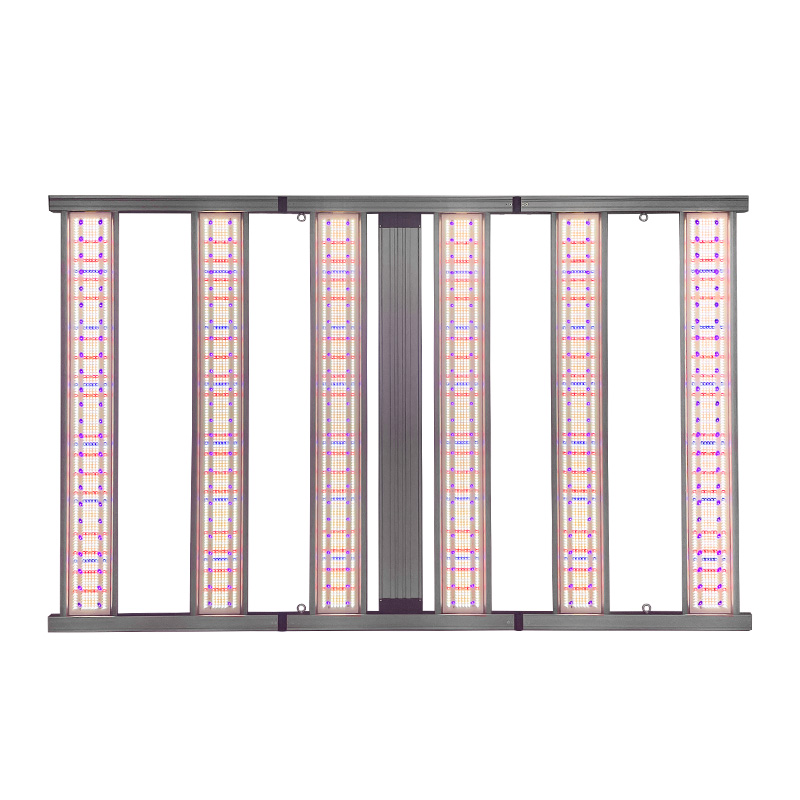
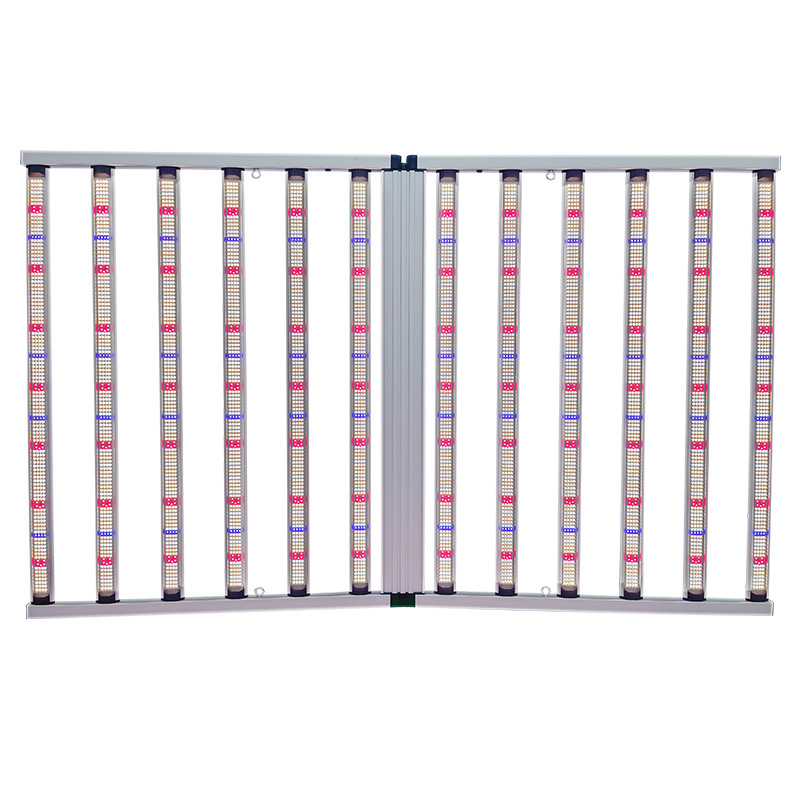
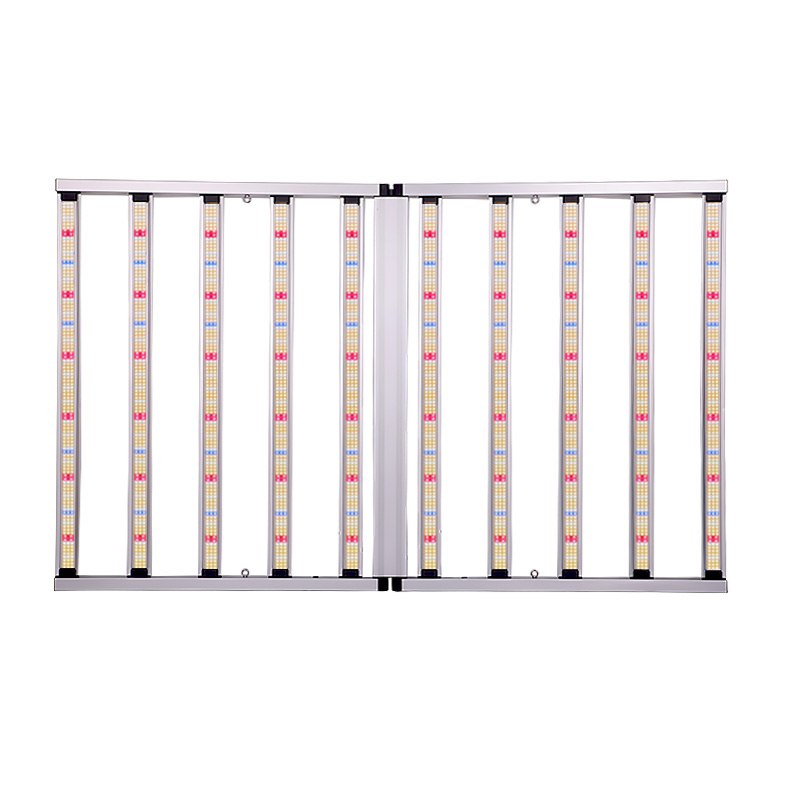
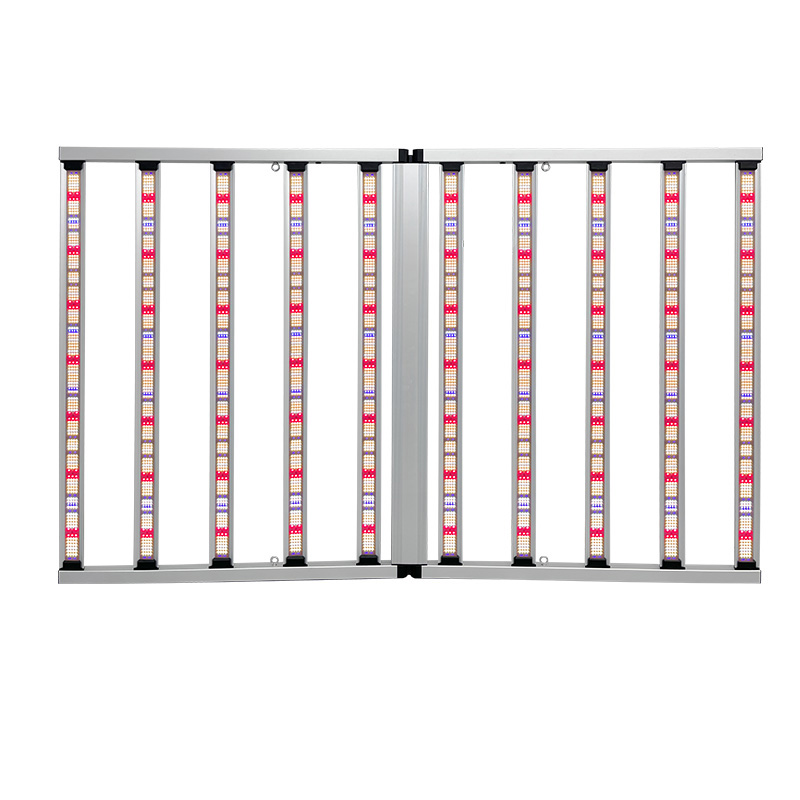
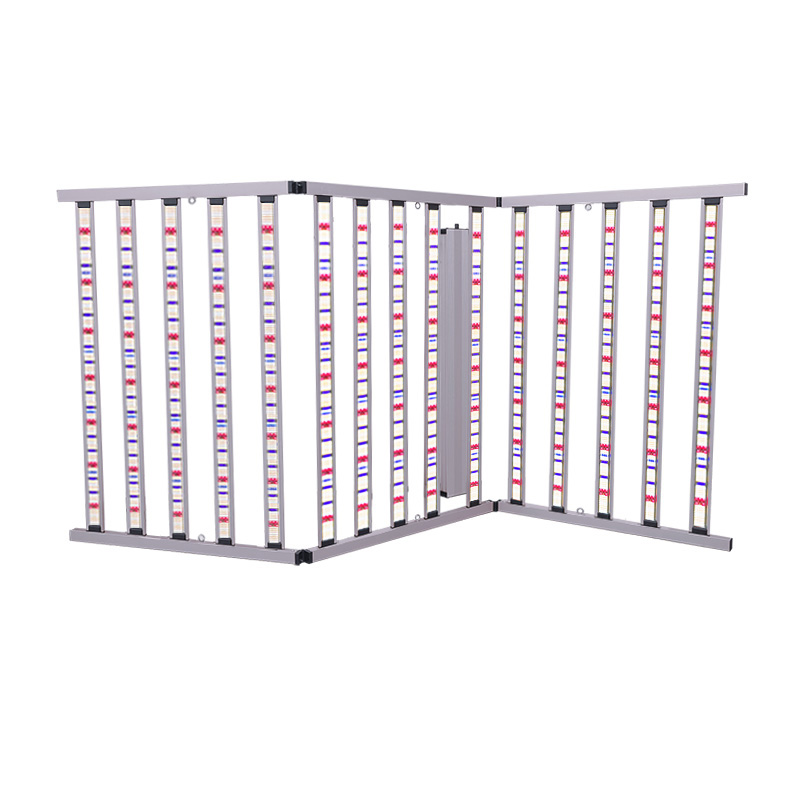
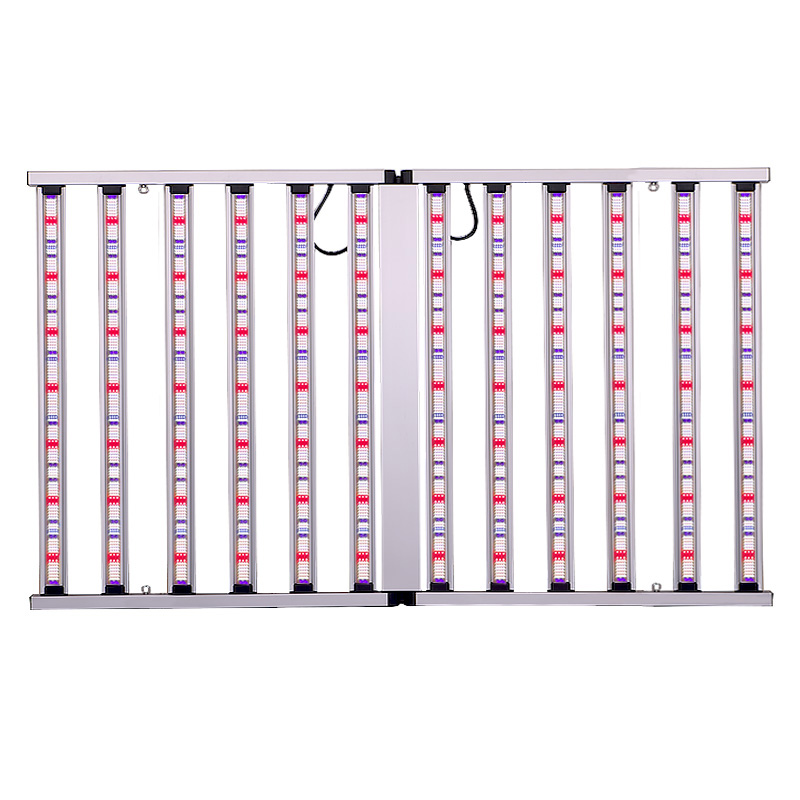
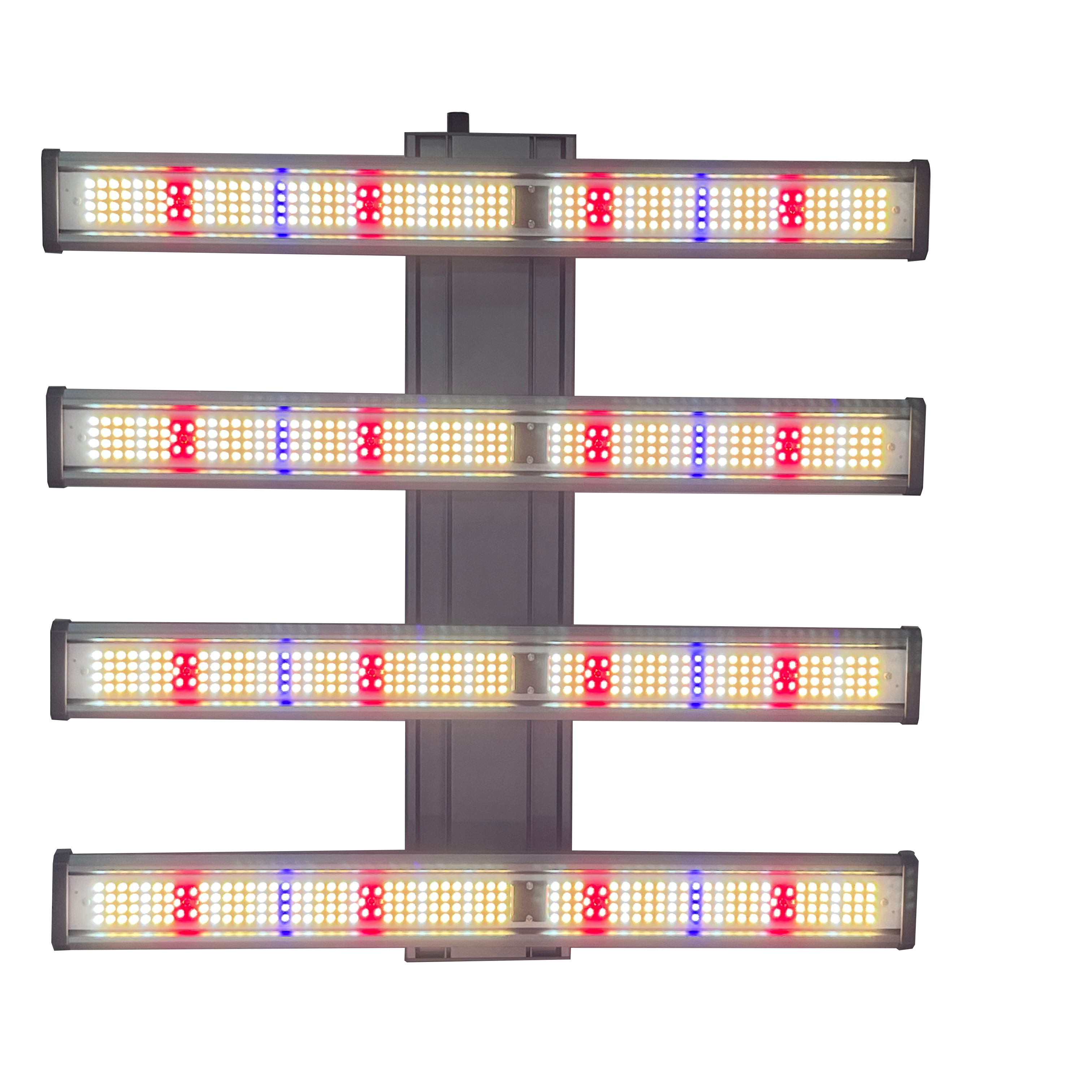
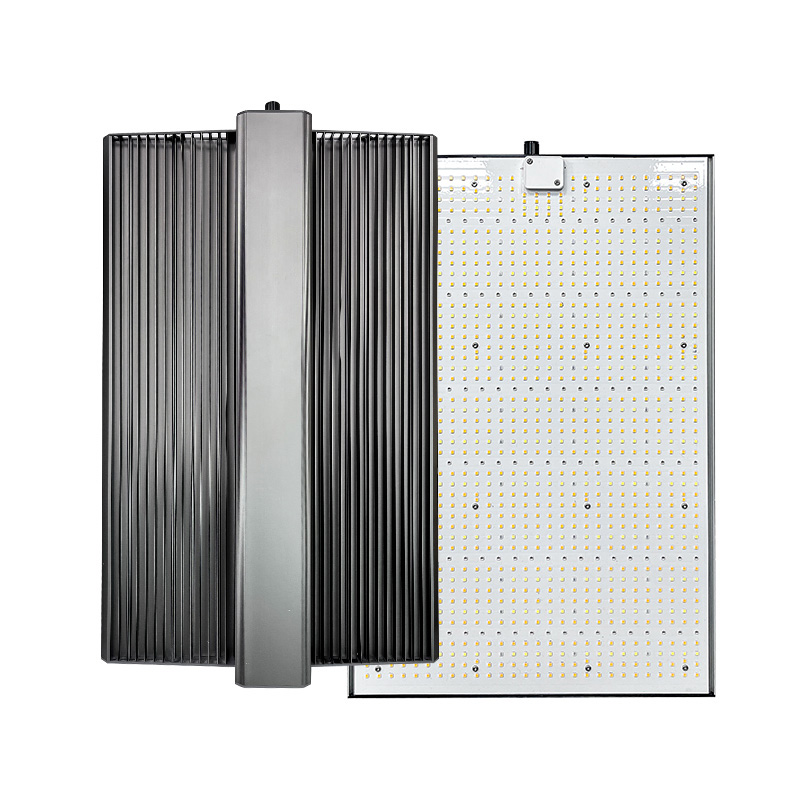
Product names show why room dimensions matter. A 640W Top Fill Full Spectrum LED Grow Light is evaluated differently from an 800W 4×4 or 1000W 4×6 fixture. Final selection still needs a current photometric file or measured map.
Ask whether the area refers to vegetative or flowering intensity, one fixture or a grouped layout, and which height was used.
Consider Light Distribution Instead of Maximum Power
Uniformity often matters more than the highest PPFD under the fixture. A bright center can coexist with weak corners, gaps between bars, or low bench-edge values.
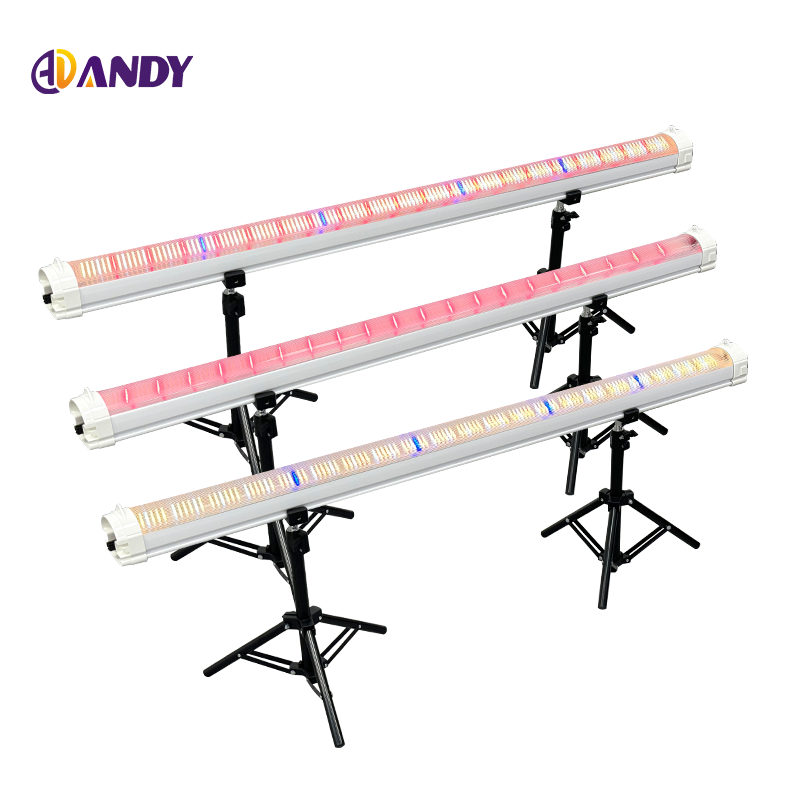
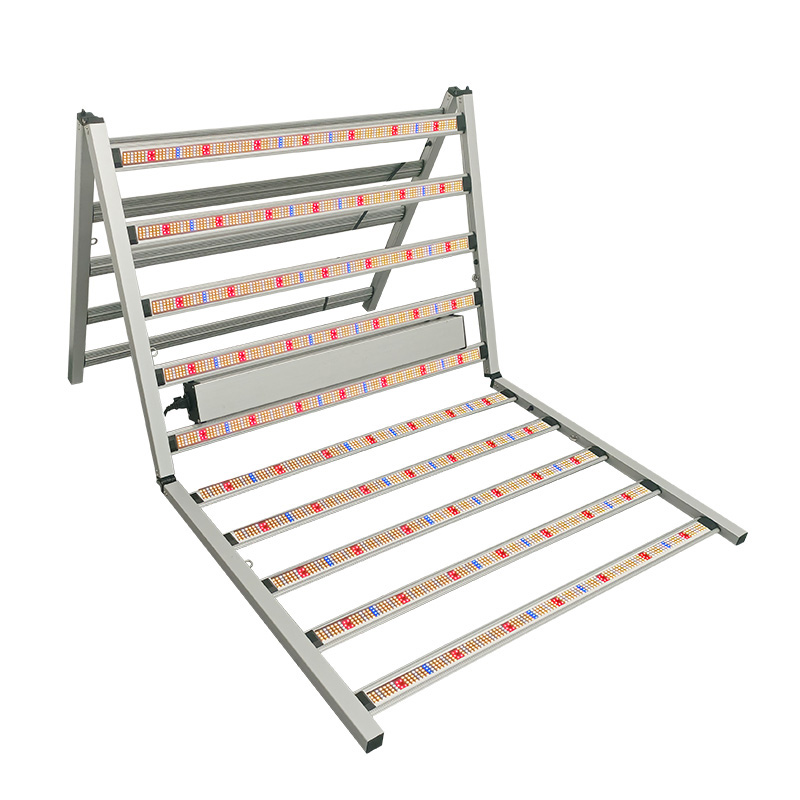
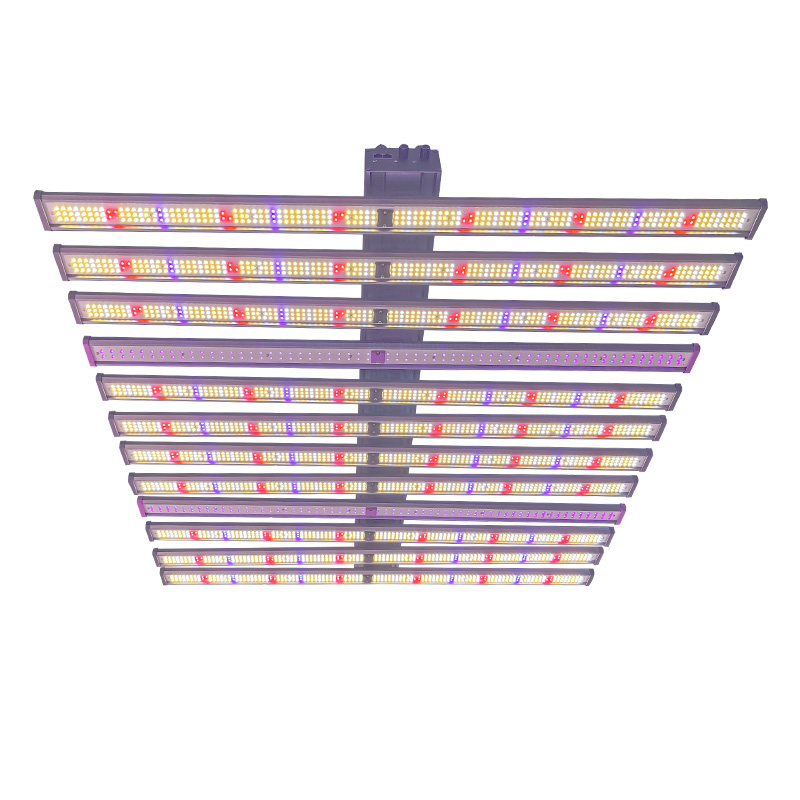
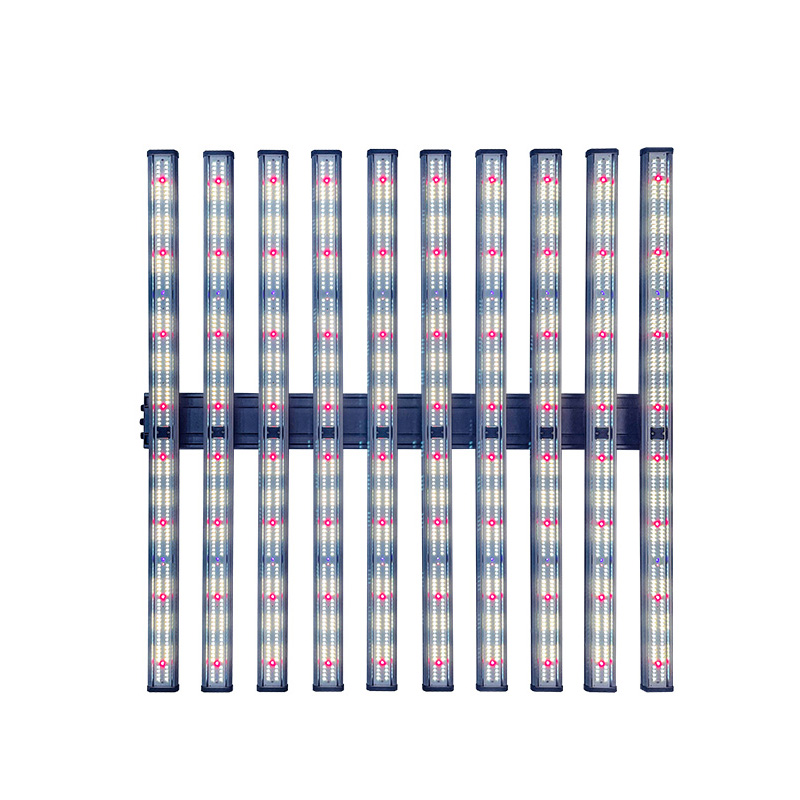
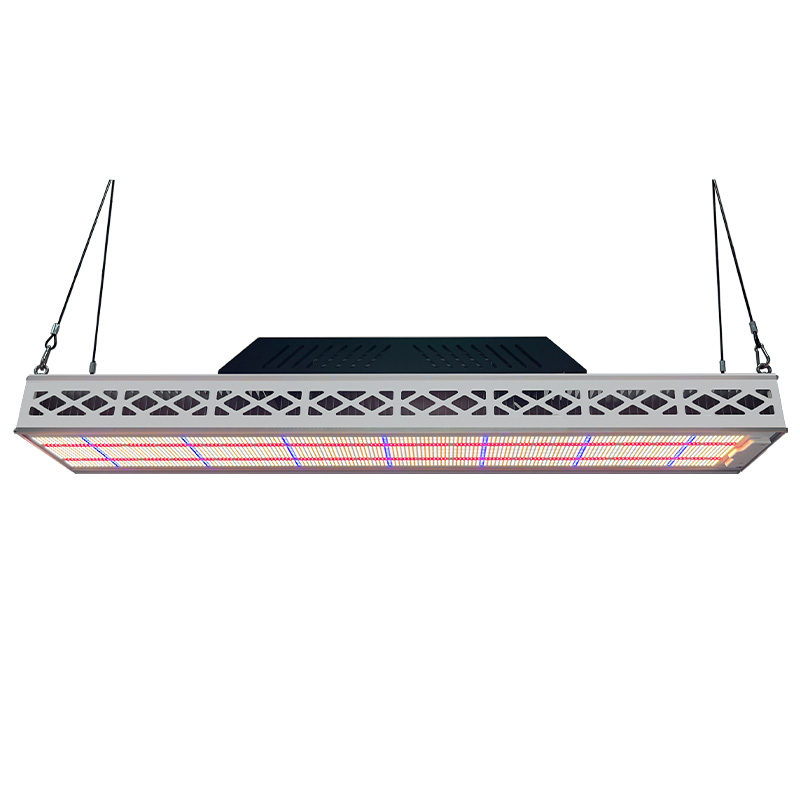
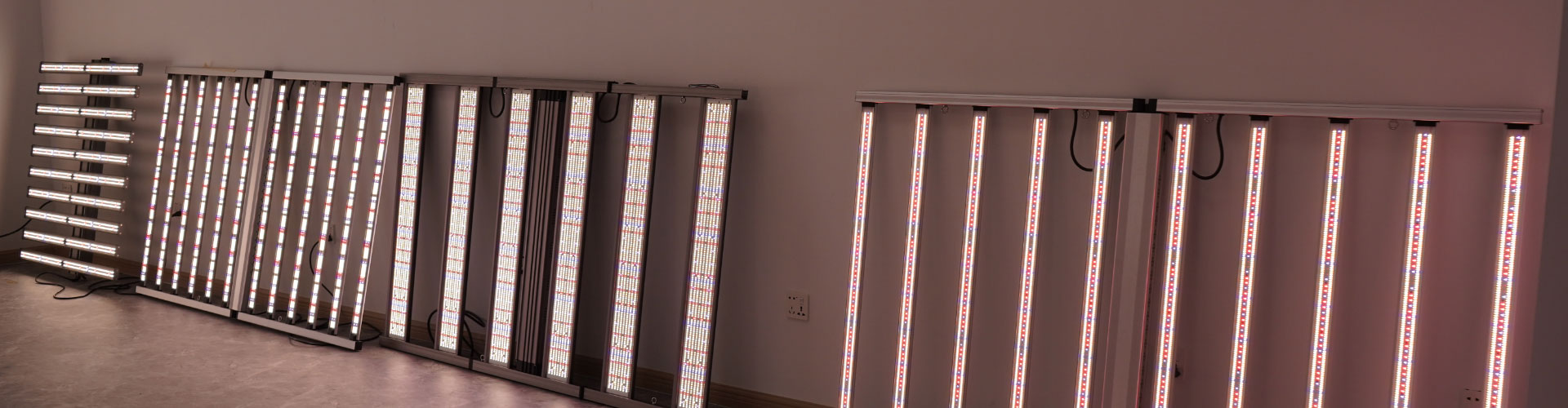
Commercial growers look at average PPFD, minimum PPFD, edge values, and the low-to-high spread. A bar-style layout spreads light, while an under-canopy LED grow light can supplement shaded lower leaves when a measured deficit remains.
Which LED Grow Light Specifications Matter Most Before Buying?
PPFD and PPE: The Two Numbers Growers Should Check First
PPFD answers how much light reaches a location; PPE answers how much energy produces it. Request a PPFD map with height, power, spectrum, and grid stated. For dimmable fixtures, ask for stage settings, not only full power.
Use these as starting references: 200–300 µmol/m²/s for seedlings, 400–500 for vegetative growth, 500–1000 for flower, and 800–1300 for fruiting crops. Cultivar, density, photoperiod, geometry, roots, and room capacity can change the target. Confirm settings with multiple readings.
Build Quality, Lifespan, and Certifications Affect Long-Term Cost
Check diode quality, driver serviceability, thermal path, enclosure, connectors, dimming, warranty, and replacement support. Aluminum can help dissipate heat but does not keep temperature constant. Review airflow, humidity, canopy temperature, irrigation, and room heat load as output changes.
For a DLC-oriented screen, use PPF efficiency above 2.3 µmol/J, PFMP Q90 above 36,000 hours, and a five-year warranty as checkpoints where the selected listing supports them. Verify each metric; do not assume every model is identical. For a 4×4 layout, an 800W 4×4ft LED Grow Light can be compared with these requirements and the measured coverage target.
What Type of LED Grow Lights Work Best for Different Cannabis Growth Stages?
Choosing LED Grow Lights for Vegetative Growth
Vegetative plants generally need less light than a mature flowering canopy. A dimmable fixture can start lower and rise as roots recover and the canopy expands. After transplanting, watch leaf posture, color, canopy temperature, root recovery, and irrigation response.
A full-cycle fixture can remain in use if its low-output range is stable and PPFD is controllable. Dimming changes output intensity; it does not automatically change spectrum. Verify whether separate channels, 0–10V adjustment, scheduling, or group control are included.
Choosing LED Grow Lights for Flowering and Yield Improvement
Flowering usually demands higher, more uniform PPFD than early vegetative growth, but more is not automatically better. A 1000W 4×6 fixture such as the 1000W 4x6ft LED Grow Light-AD10-1000-2C2-180 should be judged by its measured map and flowering setpoint.
Red-rich and dual-red options may support flowering objectives, while green can help distribute photons through dense foliage. Quality also depends on genetics, climate, nutrition, harvest timing, and the full program. Pilot one zone first.
Why Advanced LED Grow Lights Improve Cannabis Quality and Efficiency
How Enhanced Spectrum Supports Better Plant Performance
Advanced spectrum design matters when it solves a defined crop or measurement problem. Dual red peaks at 640nm and 660nm provide a broader red strategy. Blue supports vegetative structure, green can improve penetration, and optional UV or far-red can be tested for specific goals.
ANDYLED develops bar-style LED grow light configurations for professional cultivation, and we treat spectrum, dimming, coverage, and control as connected purchasing questions. For a larger footprint, the 1500W 4x8ft LED Grow Light-AD15-1500-3C2-240 is a model-specific comparison point.
How Canopy Coverage Helps Commercial Growers Increase Consistency
Consistency comes from reducing the difference between strongest and weakest crop positions. Measure upper, middle, and lower canopy points, including edges and gaps. If lower leaves or flower sites remain deficient, supplemental intercanopy or under-canopy lighting may improve capture.
Before rollout, test dimming levels, low-output stability, flicker, shutoff, unit consistency, scheduling, communication recovery, and power restart. Run one representative zone through a full cycle before expanding.

How to Avoid Common Mistakes When Buying LED Grow Lights?
Mistake 1: Choosing Lights Only by Wattage or Price
Low price can hide weak diodes, poor drivers, limited thermal design, inaccurate coverage claims, or difficult warranty support. High wattage can add electrical and cooling load. Compare PPF, PPE, PPFD maps, uniformity, service terms, and room fit before price.
Mistake 2: Ignoring Spectrum and Light Uniformity
Brightness to the eye is not a crop measurement. A fixture can look bright while leaving edge or lower-canopy deficits, and “full spectrum” does not explain channel balance. Ask for spectral data, photometric data, dimming behavior, and a test plan.
FAQ
Q: What are the best LED grow lights for cannabis?
A: The best LED grow lights for cannabis reach the crop’s actual PPFD target over the whole canopy. They supply the right PPE and spectrum. They keep uniformity steady. They handle heat well. And they provide reliable support. The correct model depends on room size. It depends on density. It depends on stage. And it depends on conditions.
Q: How many watts do the best LED grow lights need for cannabis?
A: There is no universal wattage. First determine canopy PPFD and coverage. Then choose a fixture or layout. The fixture or layout must reach those targets in an efficient way and spread light evenly. A 4×4 room may need one wattage level. A 4×6 room may need another level. A commercial zone often needs different wattage and distribution.
Q: Are the best LED grow lights better than HPS for cannabis?
A: LED grow lights can provide strong electrical efficiency. They support directional layouts. They create lower radiant heat. And they allow dimming flexibility compared with HPS. Compare PPFD. Check PPE. Review heat load. Examine spectrum. Consider installation. And review operating requirements for the specific room.
Q: What spectrum do the best LED grow lights use for cannabis?
A: Most full-cycle programs use blue, red, and green components. Advanced options may add dual red peaks. They may include UV or far-red. Treat extra channels as optimization tools. They are not mandatory features. Always verify plant response under the actual PPFD and photoperiod.
Q: How do I choose the best LED grow lights for my cannabis grow room?
A: Define canopy area and stages first. Then compare PPFD maps and PPE. Inspect spectrum and thermal design next. Verify edge and lower-canopy uniformity. Confirm controls and warranty. And run a representative pilot. Select repeatable crop-level results. Do not choose based on the highest wattage or the lowest price.


