
800W vs 1000W LED Grow Light: Which Is Better for Cannabis
The choice between an 800W and 1000W LED grow light is not a wattage race. The better fixture reaches the target PPFD evenly for cannabis. It uses energy well. It fits the room size. And it stays easy to manage for heat and controls. A 1000W LED grow light can suit a larger flowering canopy. An 800W LED grow light can work better when the room is smaller. It also helps when heat capacity is limited.
Use watts for electrical planning. Use PPFD, PPE, spectrum, coverage, and operating cost for buying.
800W vs 1000W LED Grow Light: What Are the Main Differences?
Power Output Does Not Always Mean Better Cannabis Growth
Wattage describes electrical input. It does not describe plant performance. Two 800W LED grow light models can perform differently. This happens because diode efficiency, drivers, optics, bar spacing, dimming, and cooling all affect usable light.
PPFD shows how much light reaches the canopy. PPE shows how efficiently electricity becomes plant-usable photons. A higher-watt fixture with poor distribution can still leave weak edges. For background, this LED grow light efficiency guide explains why wattage alone is a weak buying shortcut.

Compare Coverage Area and Light Distribution Before Choosing
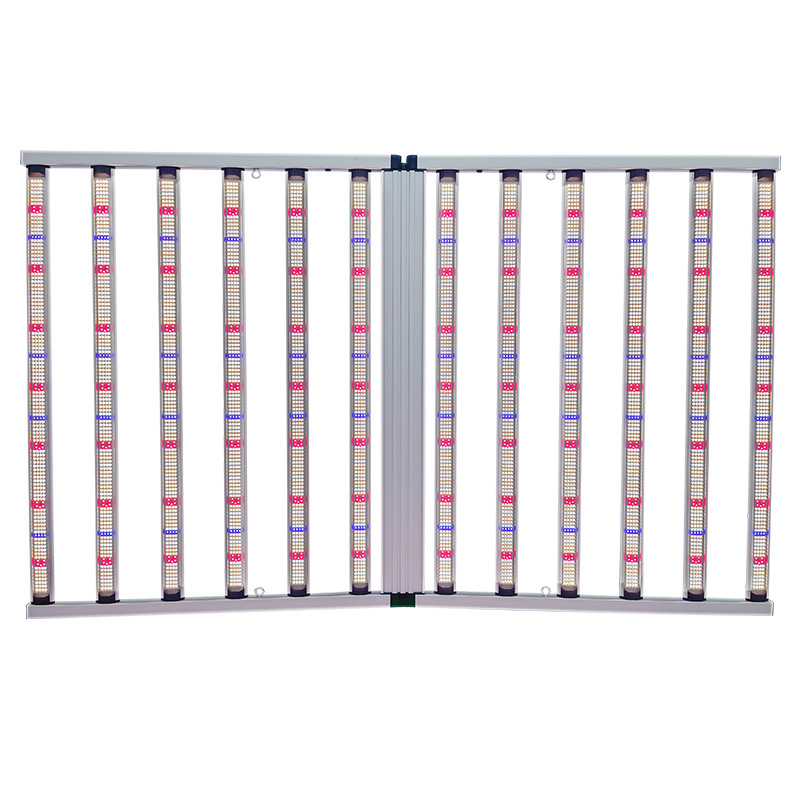
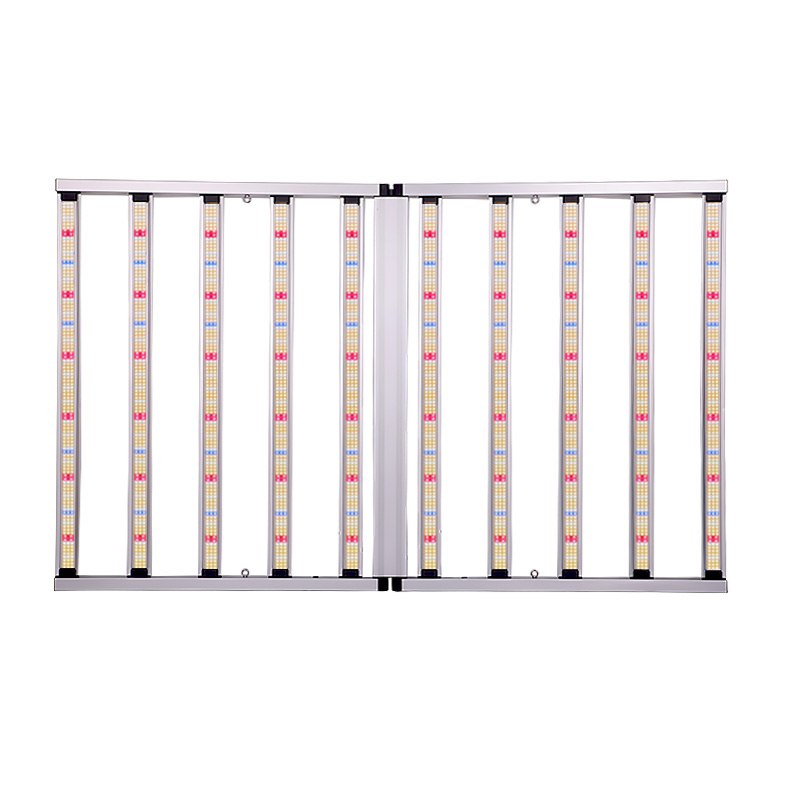
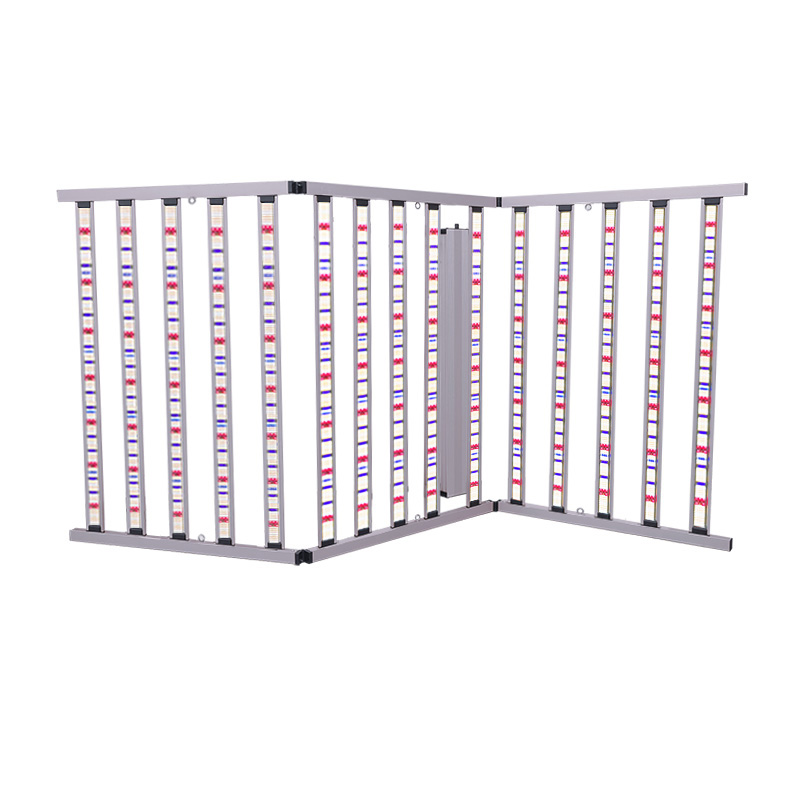
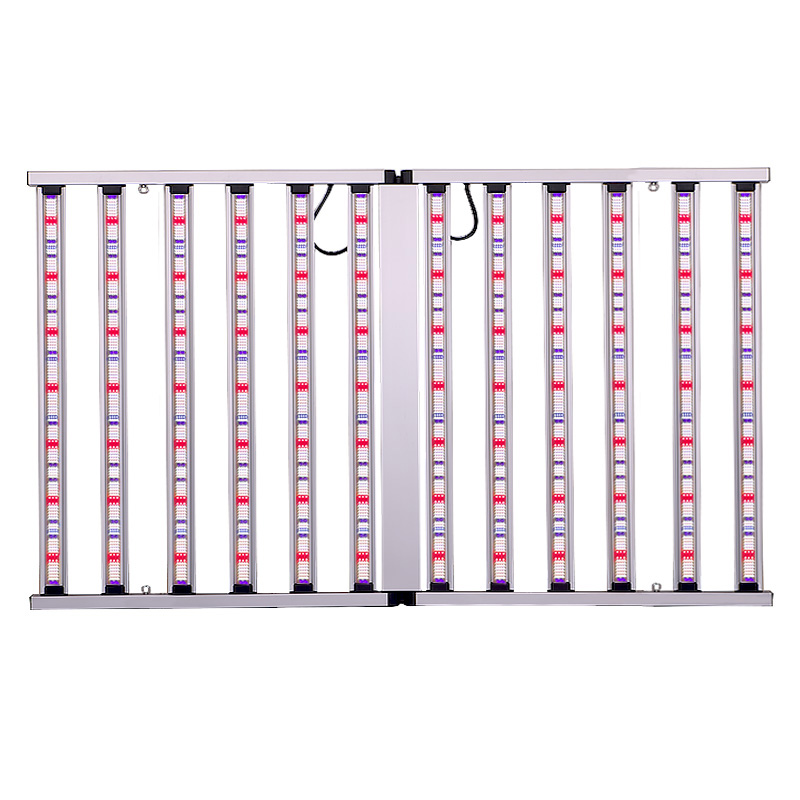
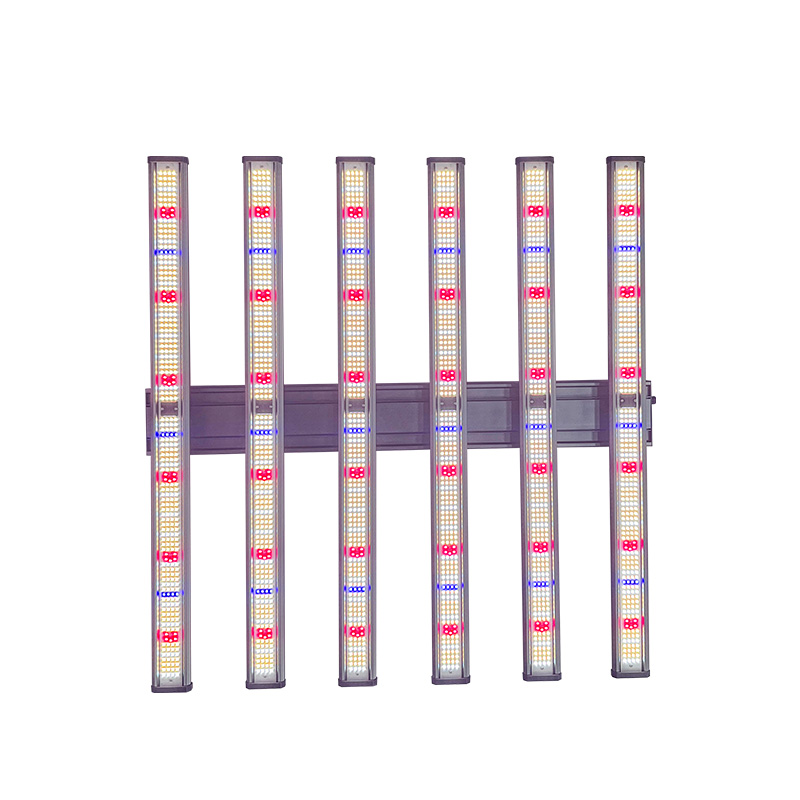
Coverage is the practical difference. An 800W LED grow light is often considered for mid- to large rooms and 4×4 style canopies. A 1000W LED grow light is usually considered for a wider canopy. It also supports stronger flowering intensity. Or it suits a commercial room built for higher production targets.
Uniform canopy coverage matters more than the brightest center point. Compare average PPFD. Check minimum PPFD. Review edge values. Look at mounting height. And examine the low-to-high spread before choosing.
Is a 1000W LED Grow Light Better Than an 800W LED Grow Light for Cannabis?
When a 1000W LED Grow Light Makes More Sense
A 1000W LED grow light makes sense when the grow room has a larger canopy. It fits a higher flowering PPFD target. And it needs enough HVAC, airflow, irrigation, and electrical capacity to support the added load.
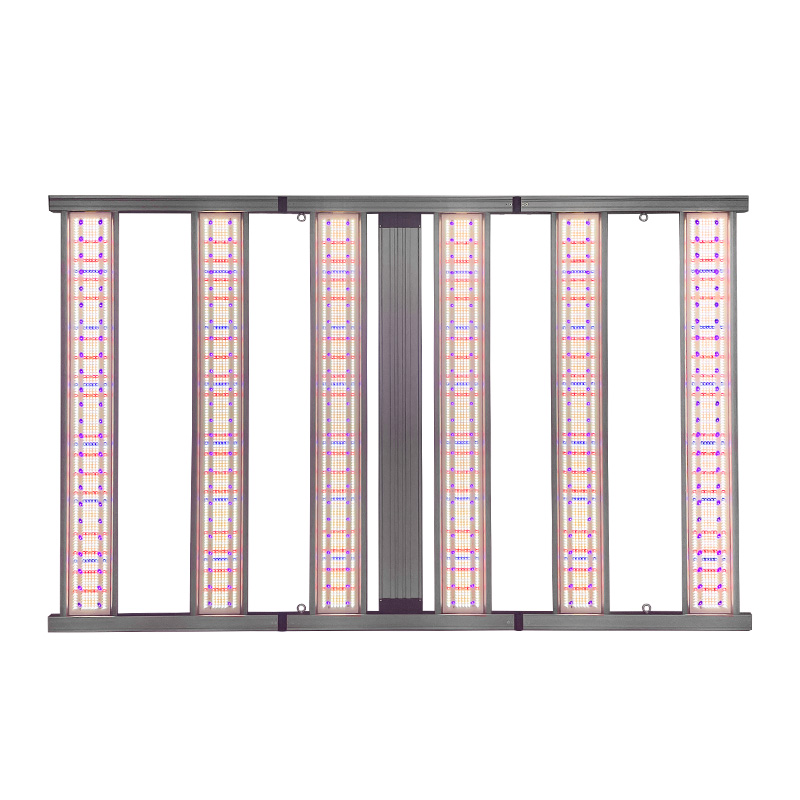
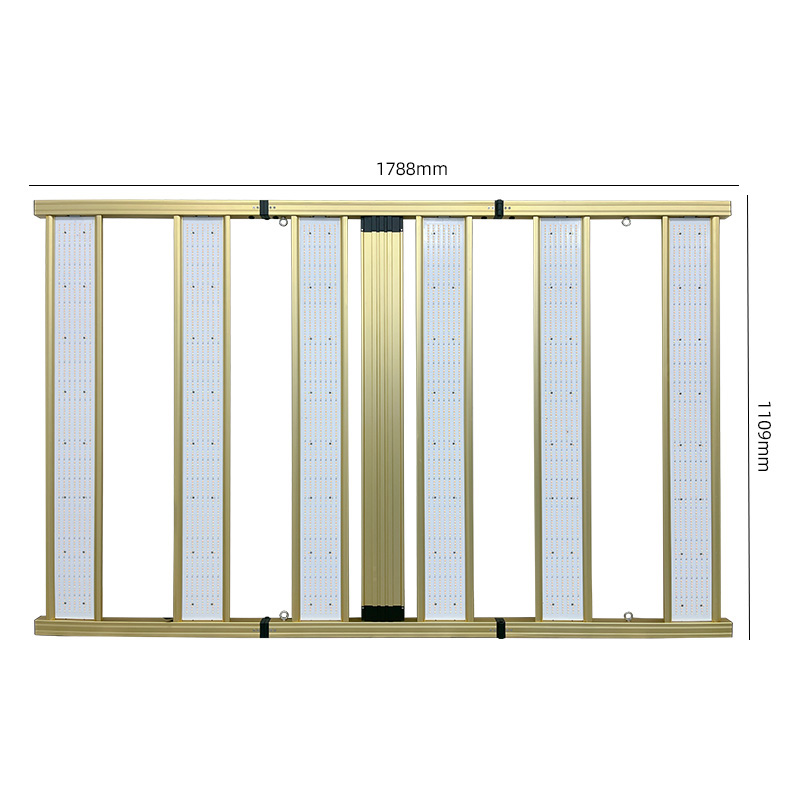
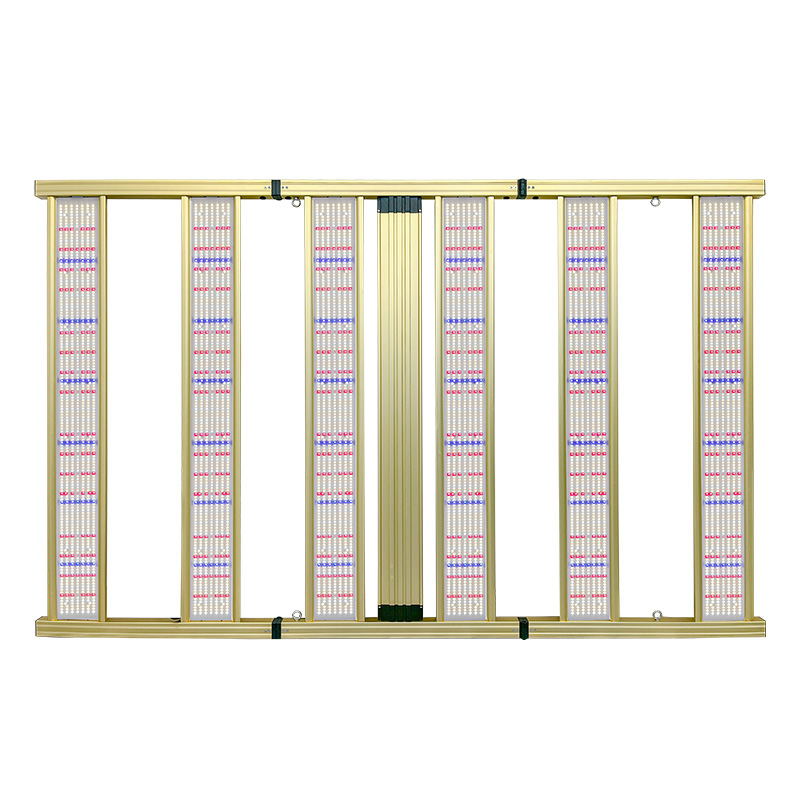
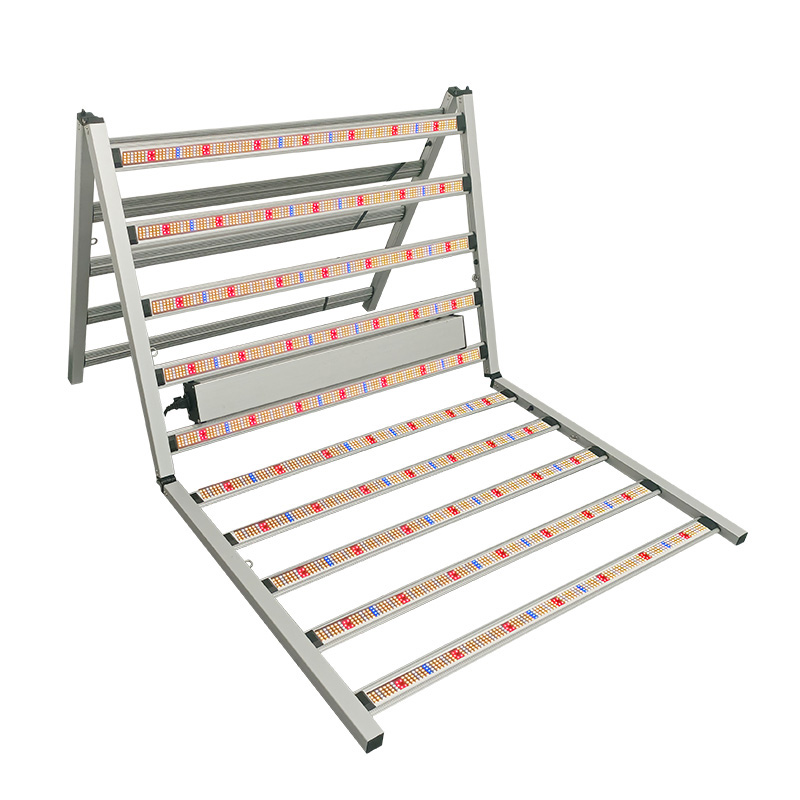
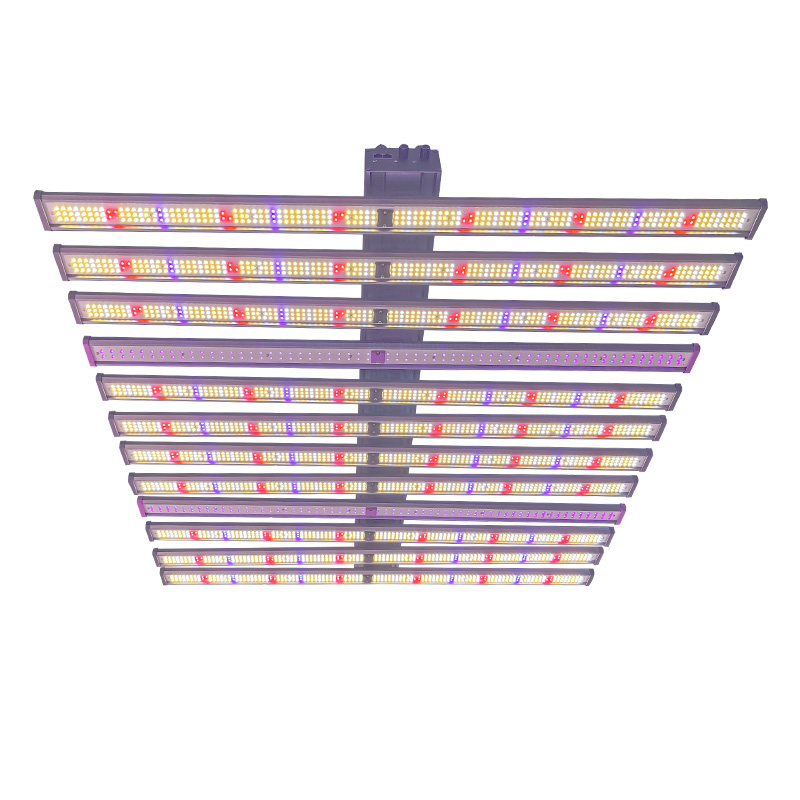
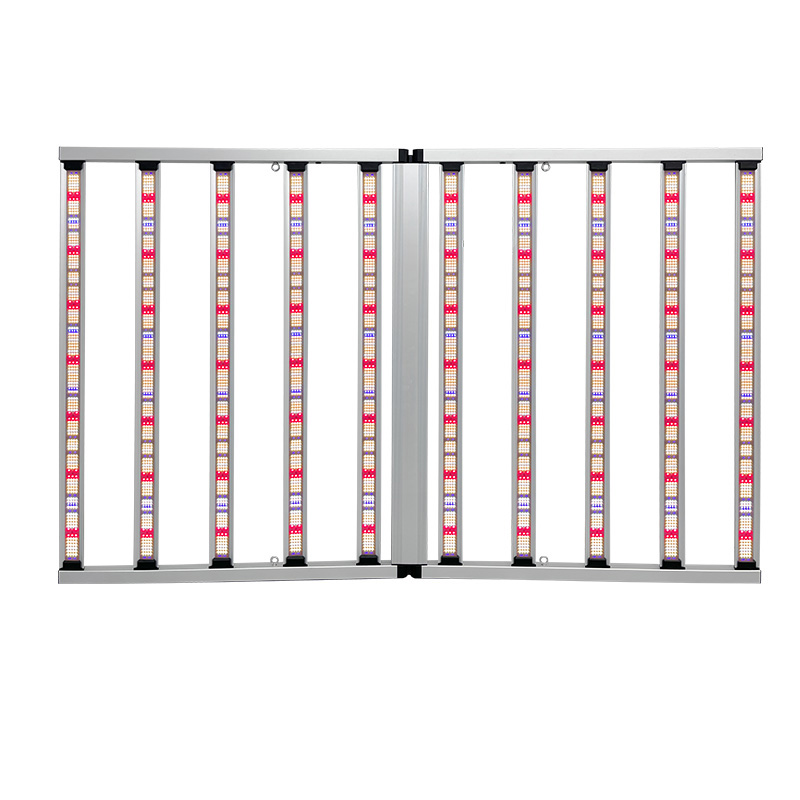
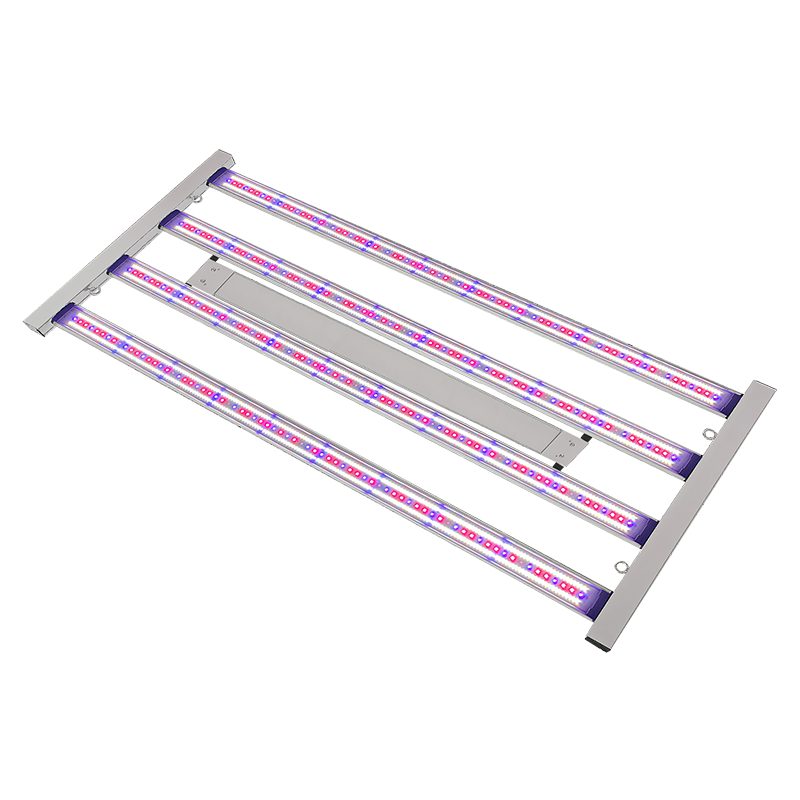
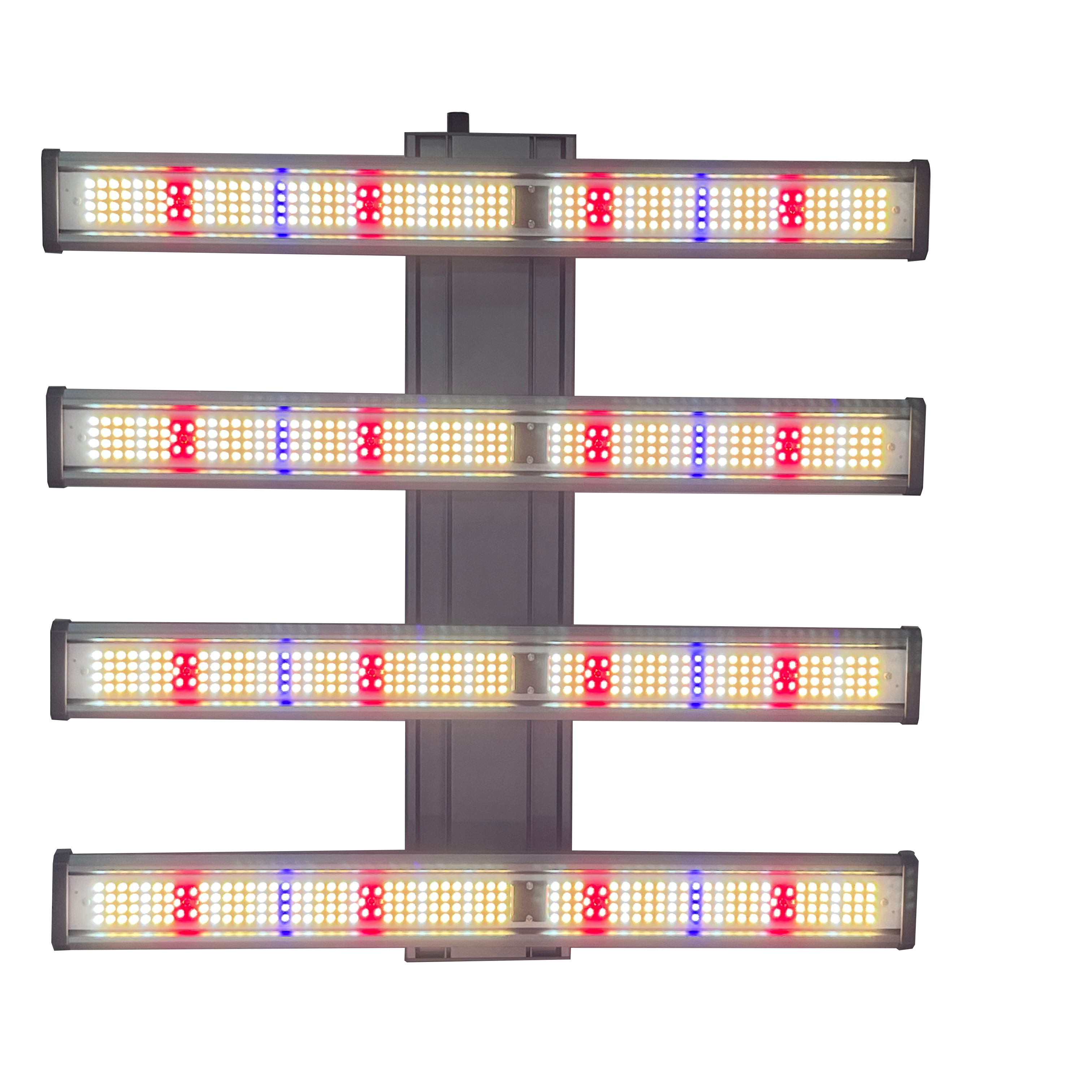
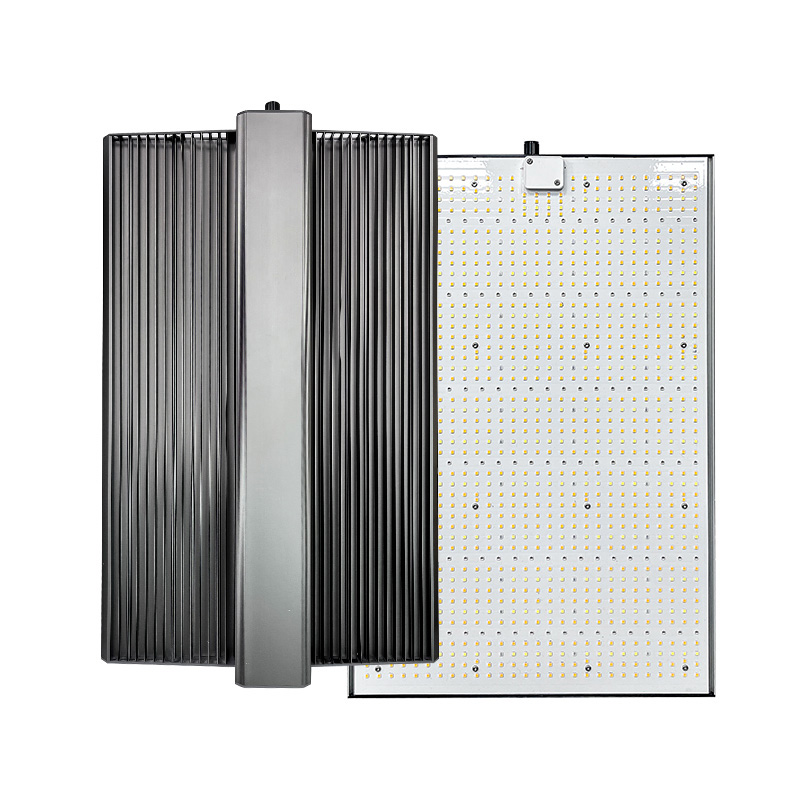
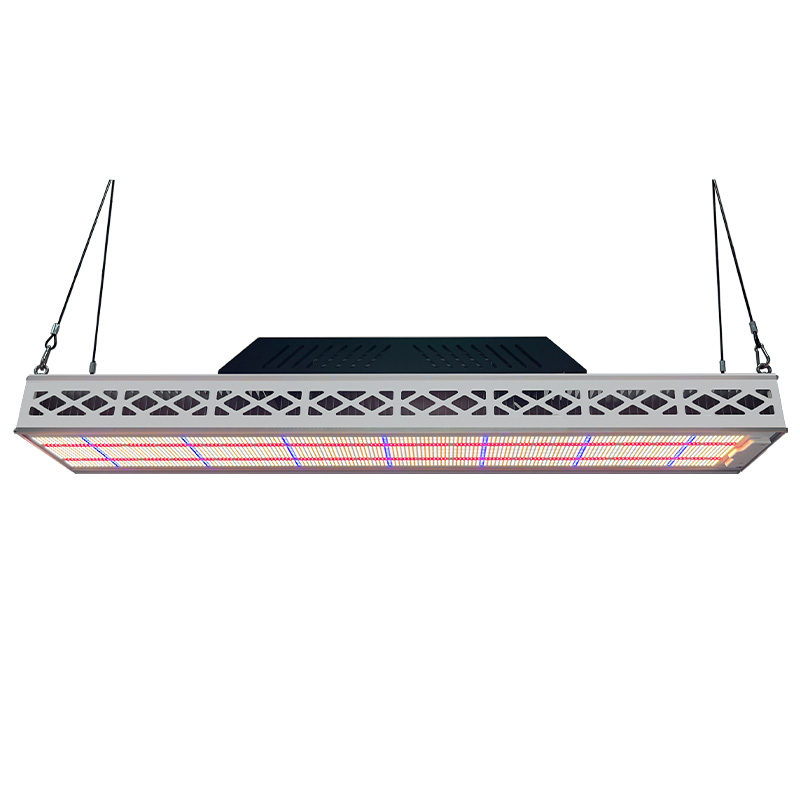
The 1000W 4x6ft LED Grow Light-AD10-1000-2C2-180 is a model-specific comparison point for a larger footprint. It should still be judged by PPFD map, spectrum, dimming behavior, and room capacity. At ANDYLED, we treat wattage, coverage, spectrum, and control as connected purchasing questions.
When an 800W LED Grow Light Can Be the Better Choice
An 800W LED grow light can be better when the canopy is smaller. It helps when electricity cost is important. Or it works when heat control is close to the room limit.
The 800W 4x4ft LED Grow Light is a comparison point for a 4×4 style footprint. Before ordering, compare hang height. Check edge PPFD. Review PPE. Examine spectrum. Test dimming range. And confirm controller compatibility.
How Do 800W and 1000W LED Grow Lights Affect Cannabis Yield?
Higher Wattage Can Increase Yield Only With Proper Light Coverage
Higher wattage can support higher yield. This only happens when the extra light reaches the canopy evenly. The crop must also be able to use it. A 1000W LED grow light does not automatically produce more cannabis than an 800W LED grow light. Yield also depends on spectrum, genetics, density, training, climate, irrigation, and harvest timing.
Stage references help set a starting point: seedlings about 200-300 umol/m2/s, vegetative growth about 400-500, flowering about 500-1000, and fruiting crops about 800-1300. Cultivar, canopy density, photoperiod, geometry, and room capacity can change the setting.
Spectrum Quality Matters More Than Adding More Power
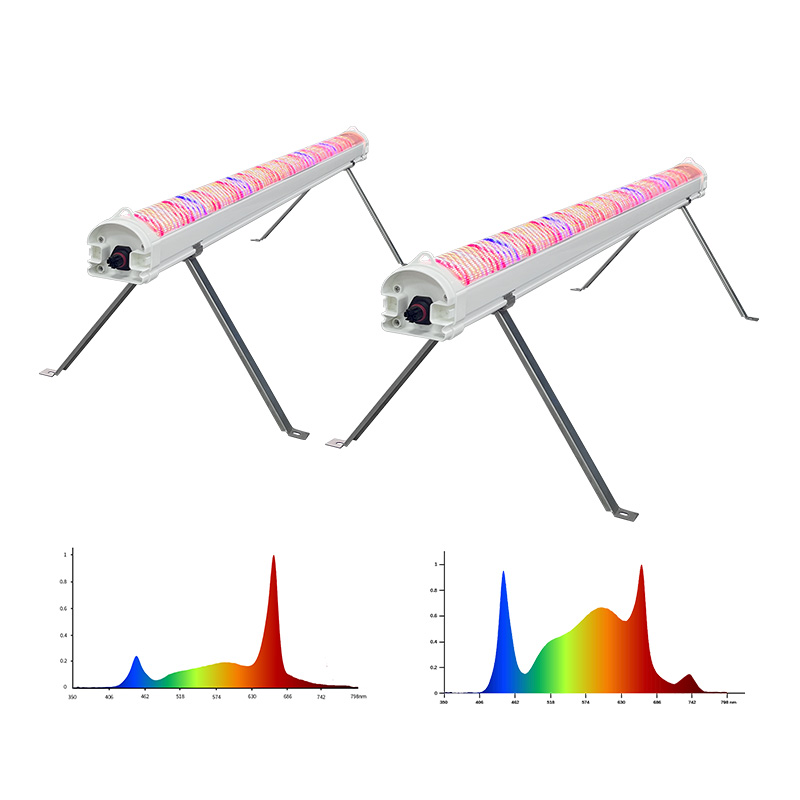
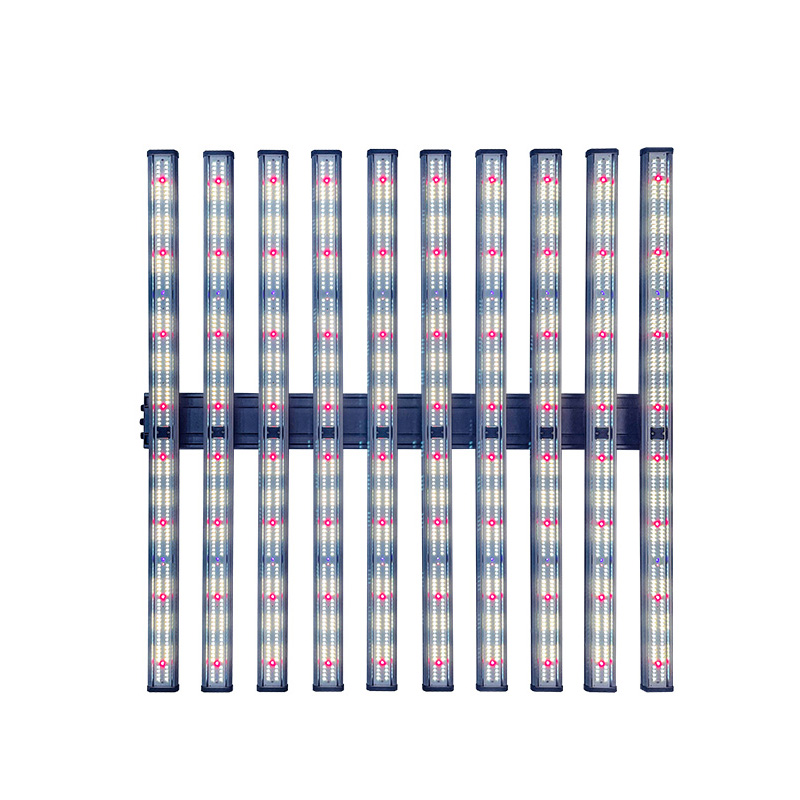
Adding power cannot fix a poor spectrum strategy. Full-spectrum LED grow lights should support vegetative structure. They should meet flowering demand. And they should reach canopy depth. Blue supports structure. Red supports flowering programs. And green can help light move deeper through foliage.
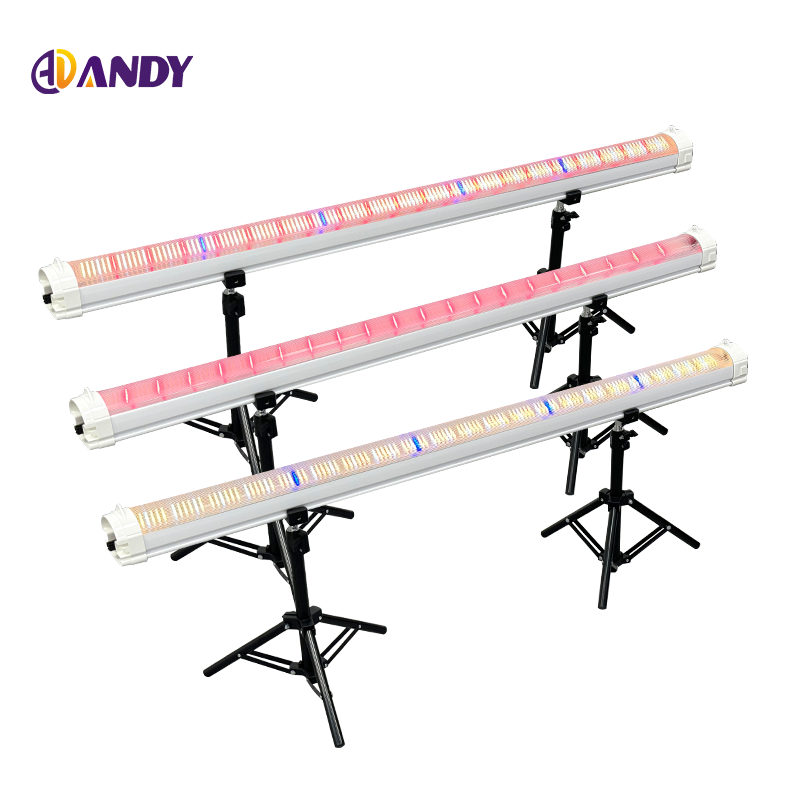
Dual red peaks around 640nm and 660nm can be evaluated as an optimization direction in high-PPFD rooms. Where upper foliage shades lower leaves, a 120W 4FT Full Spectrum Under Canopy LED Grow Light supports lower-canopy exposure after measurement shows a real deficit.

800W vs 1000W LED Grow Light: Which Is More Energy Efficient?
Compare Electricity Cost Instead of Only Initial Price
Energy efficiency is not just the purchase price. Compare monthly energy use. Check PPE. Review operating hours. Examine dimming schedule. And see whether the fixture reaches target PPFD without wasting light outside the canopy. A 1000W fixture may justify its draw in a large flowering room. An 800W fixture may deliver better ROI where the room does not need extra power.
A dimmable LED platform can start lower in early growth. It can rise as roots recover. The level increases when canopy size grows. And it adjusts when room systems can support stronger light. After each increase, watch leaf posture. Observe color. Check canopy temperature. Monitor roots. And track irrigation response.
Heat Management Can Change the Real Cost Difference
Higher wattage usually adds more room heat load. That affects HVAC demand. It changes airflow needs. It influences humidity control. It impacts canopy temperature. And it alters irrigation behavior. Aluminum can support heat dissipation. But it does not keep fixture temperature constant.
The real cost difference includes fixture electricity. It also covers cooling and climate-control work. Before scaling, test low-output stability. Check for flicker. Look for unexpected shutoff. Verify unit consistency. Test group commands. Review scheduling. Examine communication interruption. And observe power restart behavior.
Which LED Grow Light Wattage Is Better for Cannabis Flowering?
Why Flowering Cannabis Often Needs Higher Light Intensity
Flowering cannabis often needs higher light intensity than seedlings or vegetative plants. The mature canopy is larger. This is why a 1000W LED grow light may be attractive for dense commercial flowering rooms.
Still, flowering success is not a wattage race. If the canopy is too small, temperature is unstable, or the PPFD map is uneven, more input power can reduce consistency. Set a target. Measure it across the canopy. Then adjust dimming, height, airflow, and irrigation together.
How Spectrum and Light Uniformity Improve Flower Quality
Flower quality depends on usable light across the plant. It does not depend only on intensity at the top leaves. Full spectrum design, red balance, green-light penetration, bar spacing, and mounting height all influence lower layers.
Under-canopy lighting is not a substitute for correct top-light selection. But it can help commercial growers reduce lower-canopy deficits after measurement.
How to Choose Between an 800W and 1000W LED Grow Light for Your Grow Room?
Choose Based on Grow Space Size and Plant Density
Start with room dimensions. Review bench layout. Check plant spacing. And determine final canopy size. Then compare 800W and 1000W by average PPFD. Look at edge PPFD. Examine light uniformity. Check PPE. Review spectrum. Test dimming. Assess thermal behavior. And confirm controls.
Do not use plant count alone. Plant size, training method, cultivar, and canopy density change the light requirement.
Choose Based on Growing Goals and Operating Budget
Commercial growers usually prioritize flowering intensity. They focus on batch consistency. They value control reliability. And they seek long-term ROI. Small and medium growers may prioritize lower electricity costs. They often want easier heat management. And they need flexible installation. This commercial cannabis grow light selection guide can help frame those tradeoffs.
Choose 1000W when the canopy and facility can use the extra light. Choose 800W when it reaches the target PPFD more efficiently. It also keeps the room easier to manage.
FAQ
Q: Is a 1000W LED grow light better than an 800W LED grow light for cannabis?
A: Not always. The answer depends on several factors. A 1000W LED grow light works well for bigger flowering canopies. It also fits high-PPFD commercial rooms. Yet an 800W LED grow light often proves more suitable in smaller spaces. This option helps when heat capacity stays limited. It also performs effectively when uniformity remains higher across the area.
Q: How many plants can an 800W LED grow light support?
A: There is no universal plant count. The number depends on plant size. It varies with training method. It also changes with canopy area, cultivar, mounting height, and PPFD target.
Q: How many plants can a 1000W LED grow light support?
A: A 1000W LED grow light can support a larger or denser canopy. This holds true when the room is designed for it. Still, plant count depends on canopy size and spacing.
Q: Is an 800W LED grow light enough for cannabis flowering?
A: It can be enough. The fixture must reach the flowering PPFD target evenly across the space. The spectrum, heat load, and dimming range need to fit the room. Larger production rooms may need 1000W.


