
Commercial Grow Room Electrical Planning for LED Grow Lights
Electrical planning for a commercial grow room should start after the lighting layout is real, not from a rough square-foot estimate. Confirm fixture count, input power, zones, and schedules before discussing LED grow light power requirements, commercial grow room electrical load, or grow room power needs.
What Electrical Information Should Be Confirmed Before Installing LED Grow Lights?
Calculate the Total LED Grow Light Load From the Final Room Layout
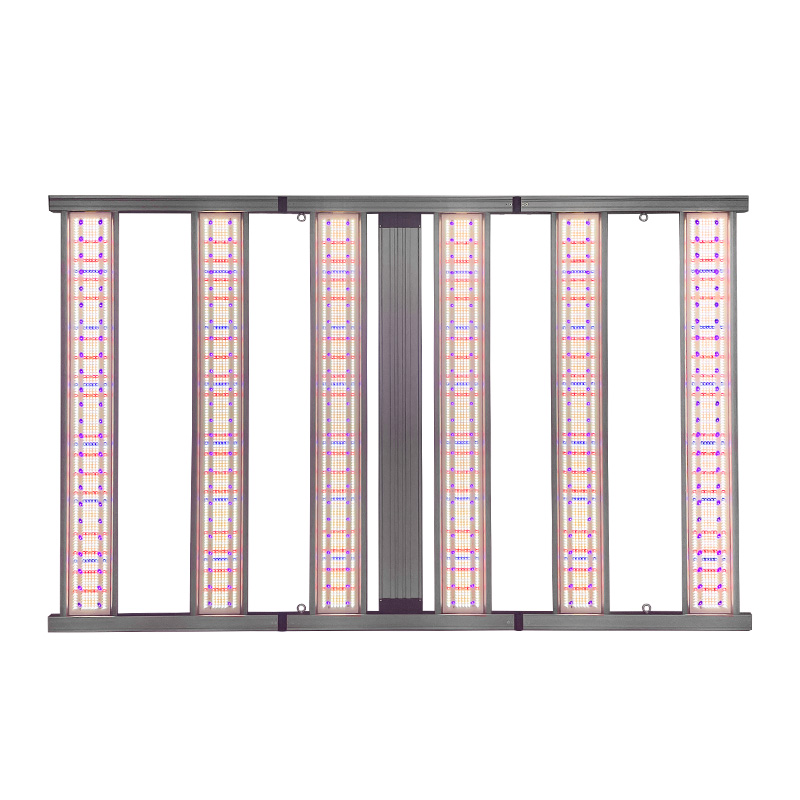
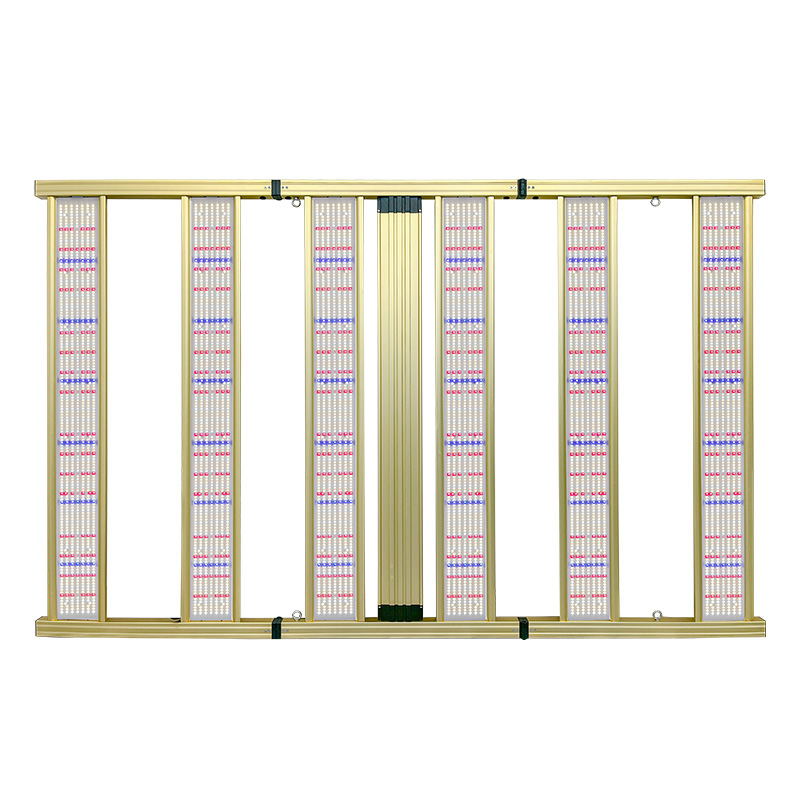
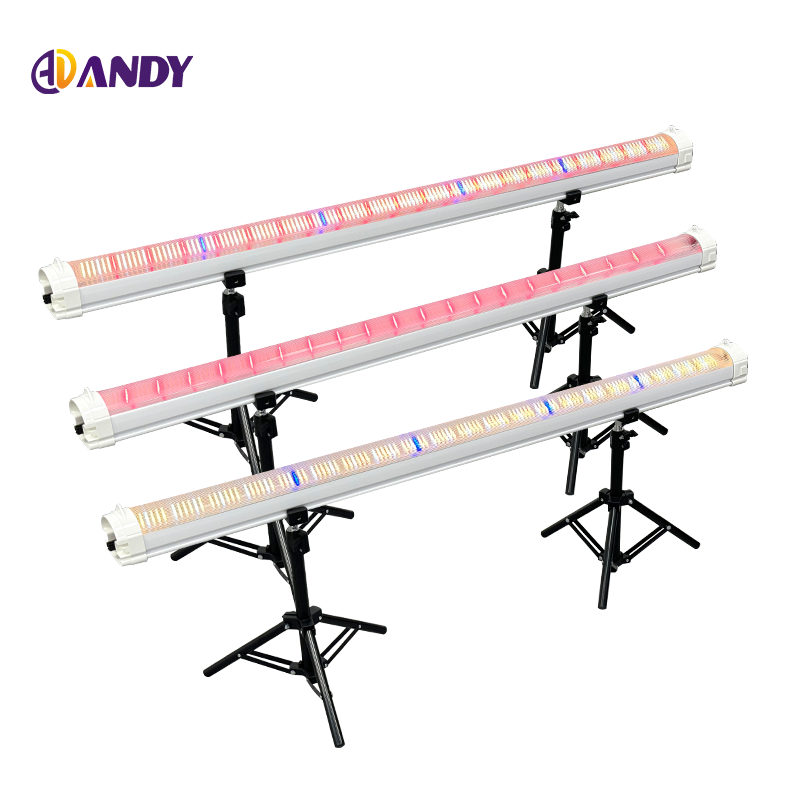
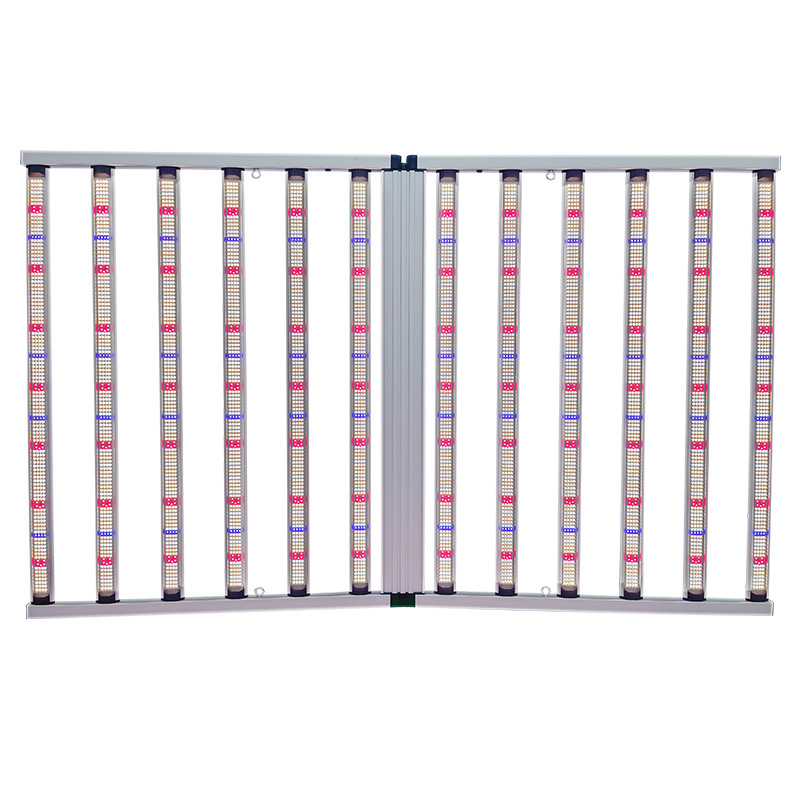
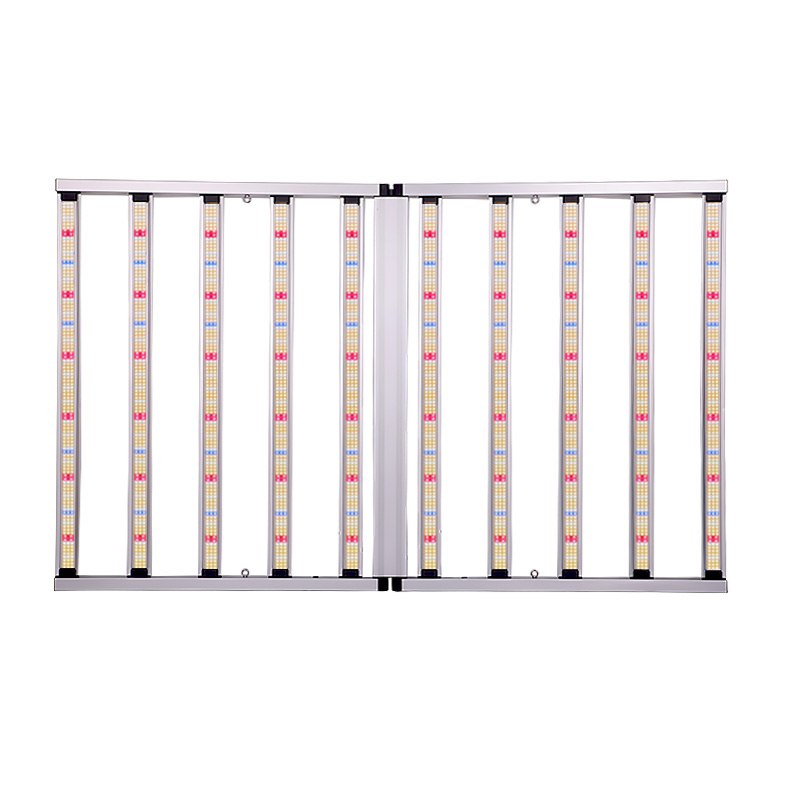
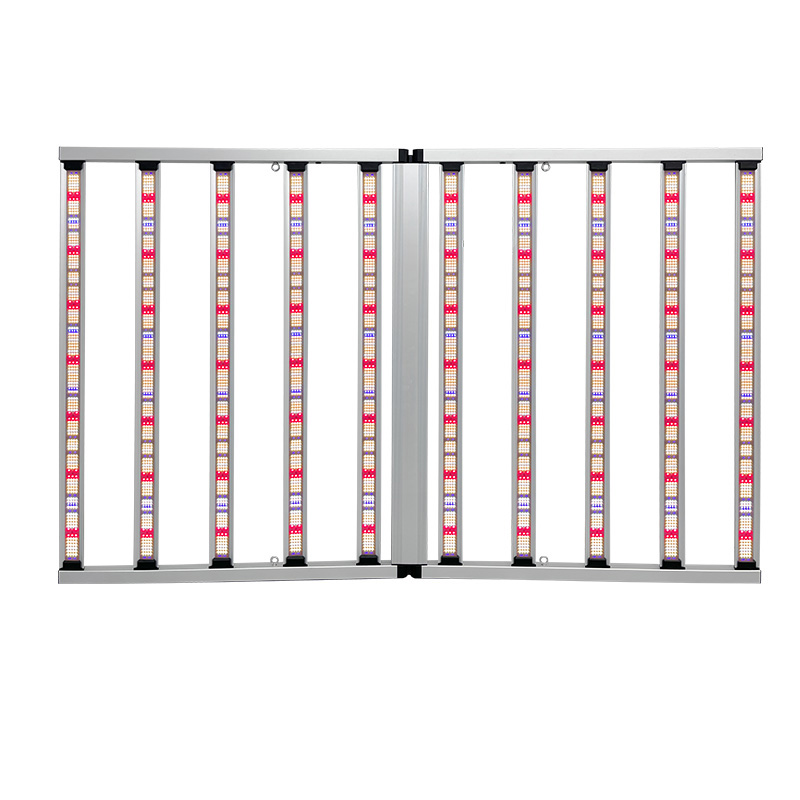
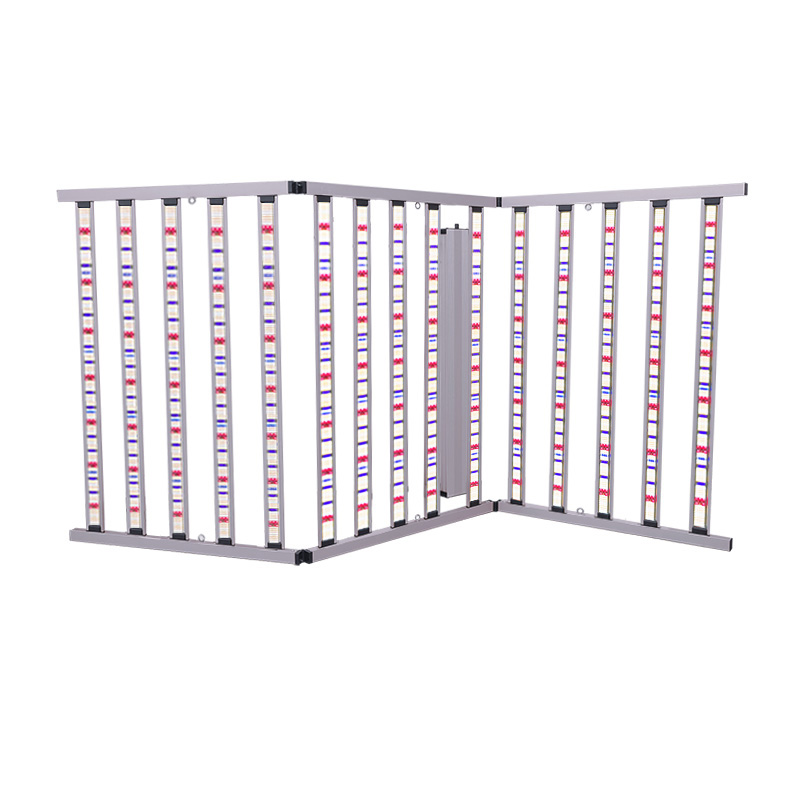
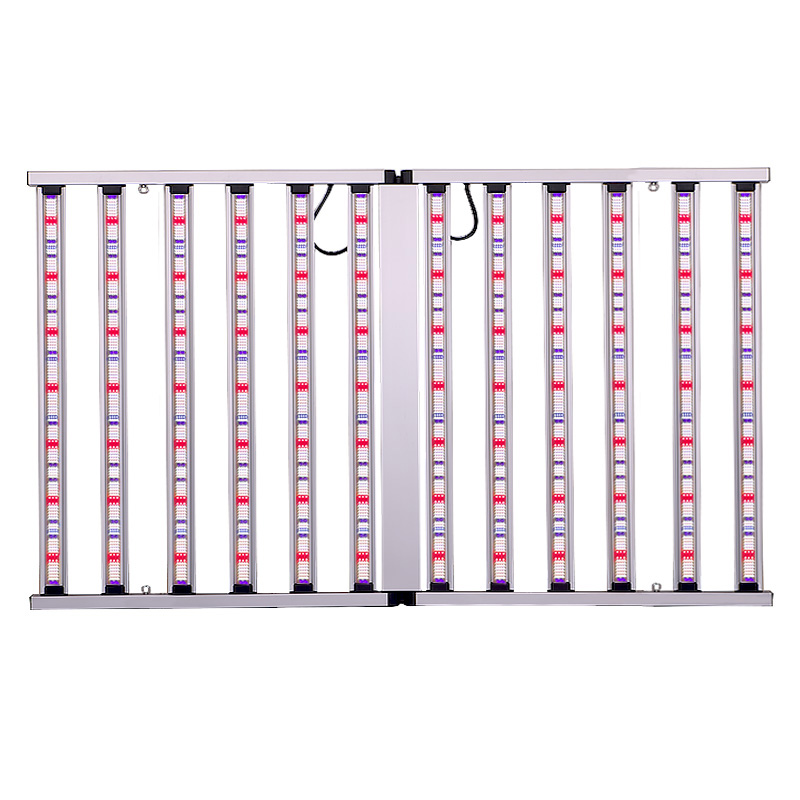
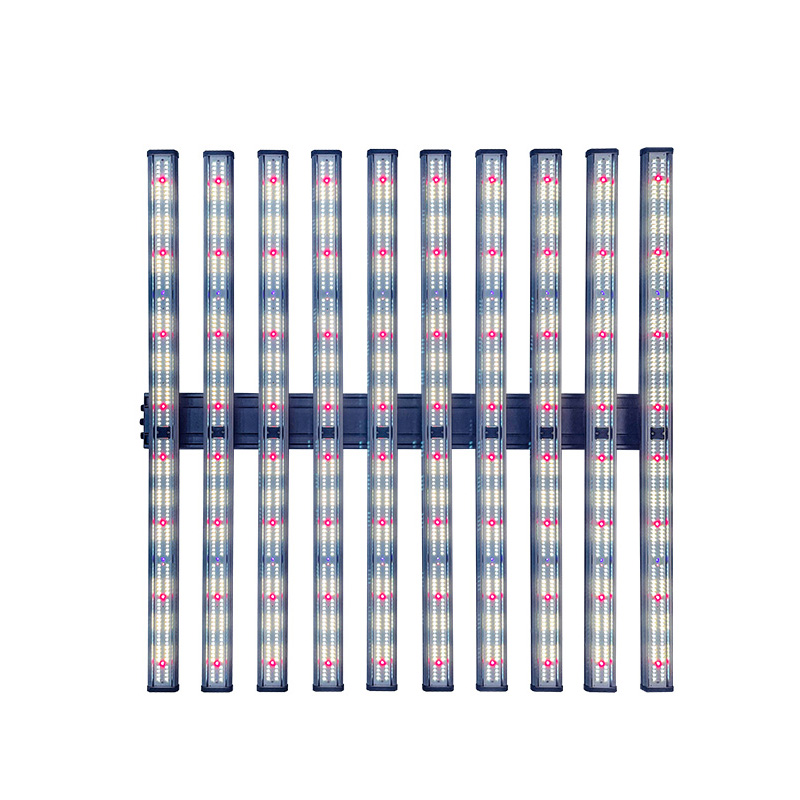
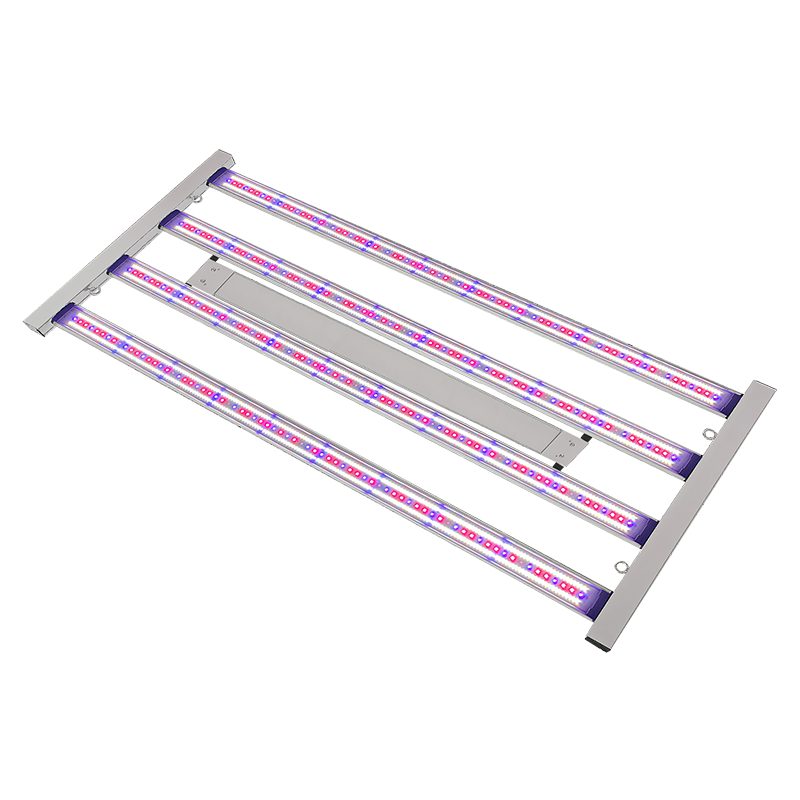
Start with fixture model, quantity, input wattage, mounting pattern, aisle spacing, and zone grouping. ANDYLED focuses on large commercial growers using bar-style dimmable LED grow lights, so our planning connects production zones, batch timing, group control, and environmental coordination.
Confirm the Facility Voltage, Phase, and Available Panel Capacity
Confirm building voltage, phase, panel schedule, spare breaker space, and available capacity after existing equipment is counted. The question is whether the infrastructure can support the planned LED grow lights, not which voltage sounds best online.

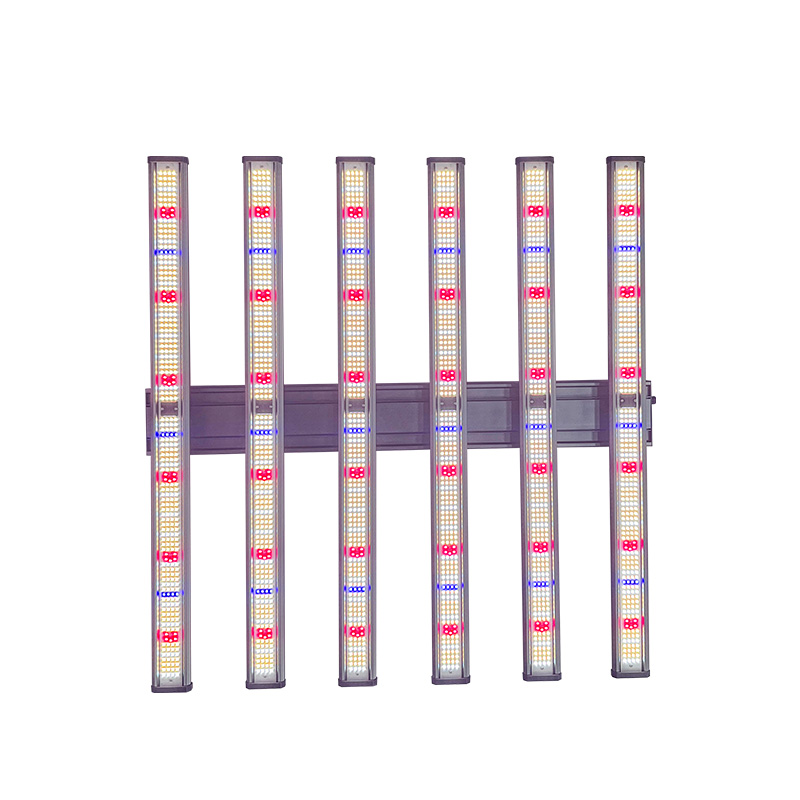
The LED grow lights category helps planners compare fixtures before layout becomes circuit loads.
Include HVAC, Dehumidification, Irrigation, and Other Room Loads
Lighting load is not total grow room electrical load. Commercial growers also operate HVAC, ventilation, fans, dehumidification, irrigation equipment, sensors, pumps, and controllers. ANDYLED knowledge notes that commercial cultivators use grow lights, fans, and humidity-management equipment together. Aluminum bodies help heat dissipation, but longer operation can still raise fixture temperature, so airflow, humidity, canopy temperature, and heat load must be reviewed.
How Many LED Grow Lights Can Run on One Circuit?
Calculate Circuit Load From Actual Fixture Input Power
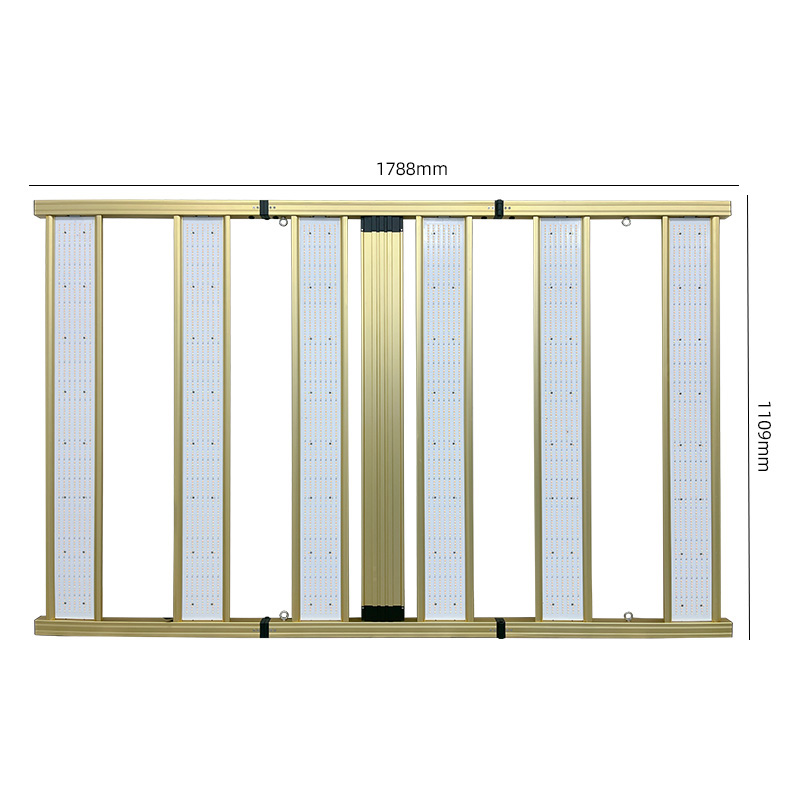
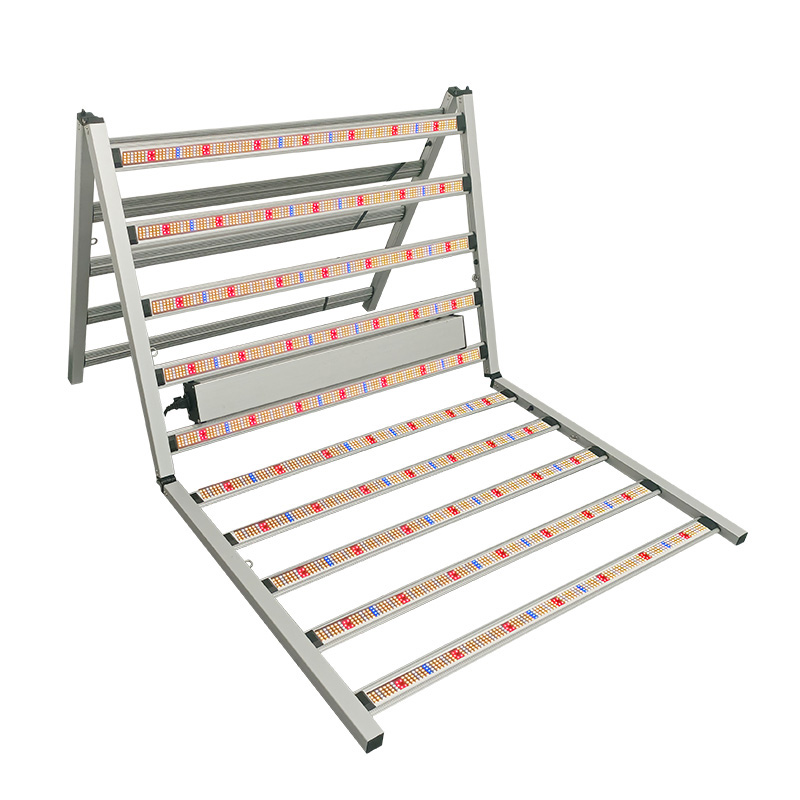
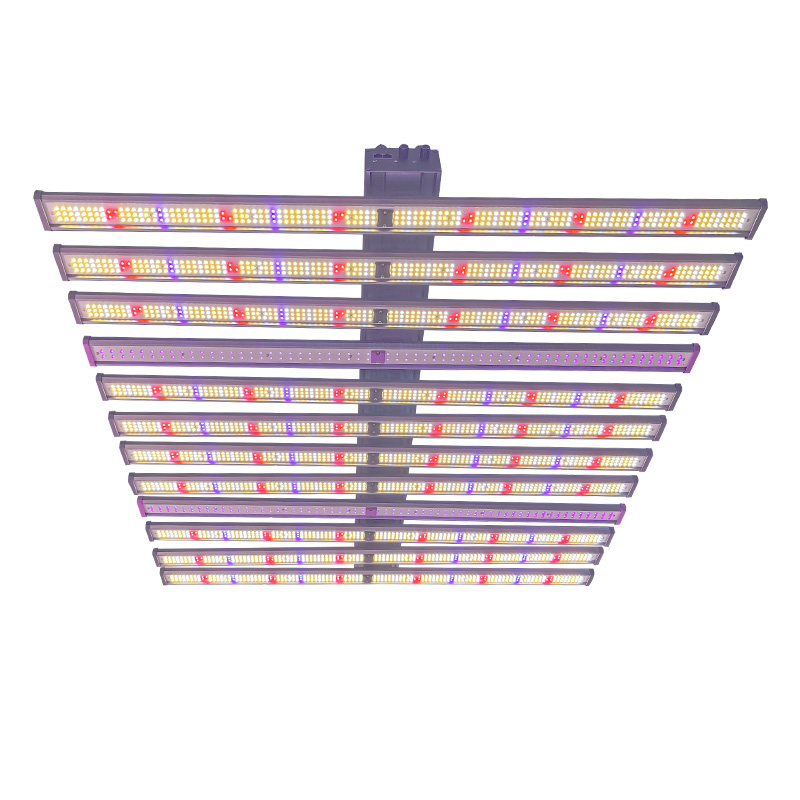
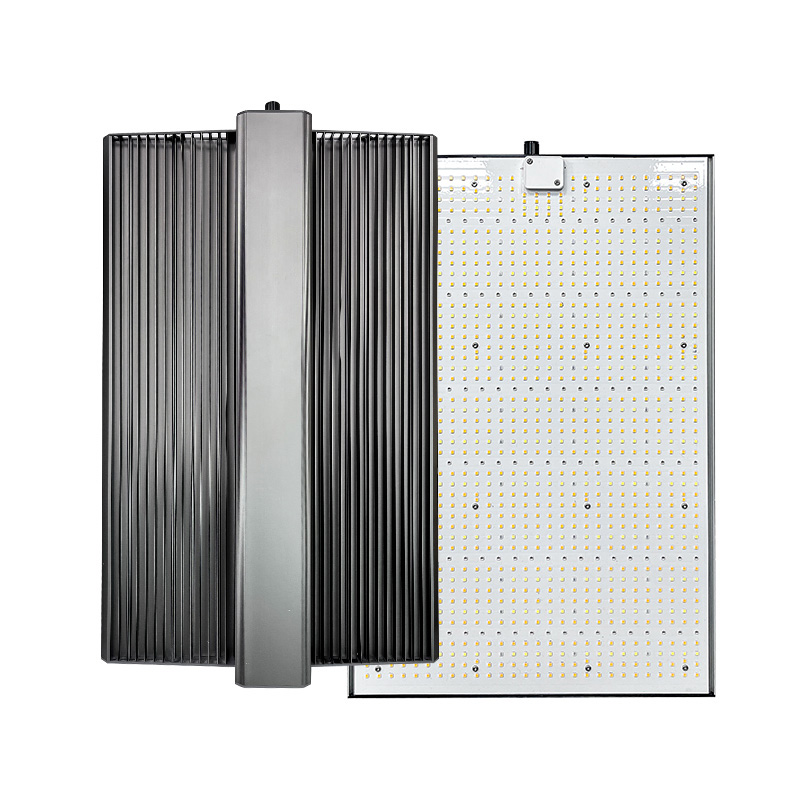
The question “How many LED Grow Lights can I put on one circuit?” cannot be answered by breaker rating divided by fixture wattage. Use fixture input current under the intended voltage. With high-output fixtures such as the 1060W+UV 4x4ft LED Grow Lights AD122-1060W-D9(D10)-110, circuit quantity should come from the exact specification, not a generic chart.
Account for Continuous Operation and LED Driver Inrush
Grow lights often run for long periods according to crop schedules. A short test may look acceptable while the final continuous operating condition is still wrong. LED drivers can also create brief inrush current when many fixtures start together. Normal running current below the breaker number is not enough.
Follow the Fixture and Electrical-System Circuit Limits
Avoid copying claims such as 15A can run X lights or 20A can run X 1000W lights. Voltage, input current, driver design, breaker type, cable length, and local code can change the answer. ANDYLED knowledge gives the same caution for control groups: different multi-light quantities appear under different configurations, so the exact fixture, controller, splitter, cable, and wiring architecture must be verified.
Distribute Lighting Circuits Across Rooms and Panels
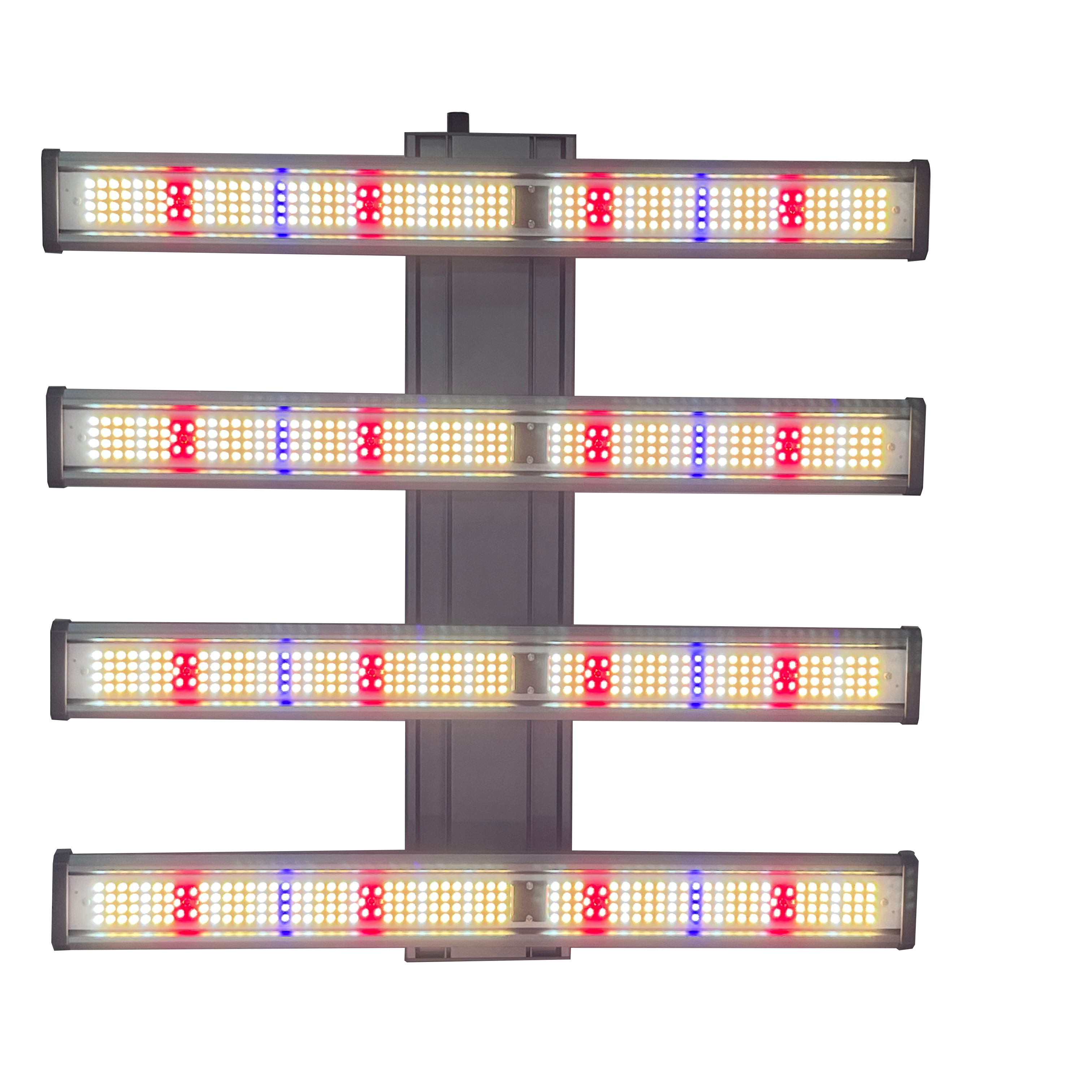
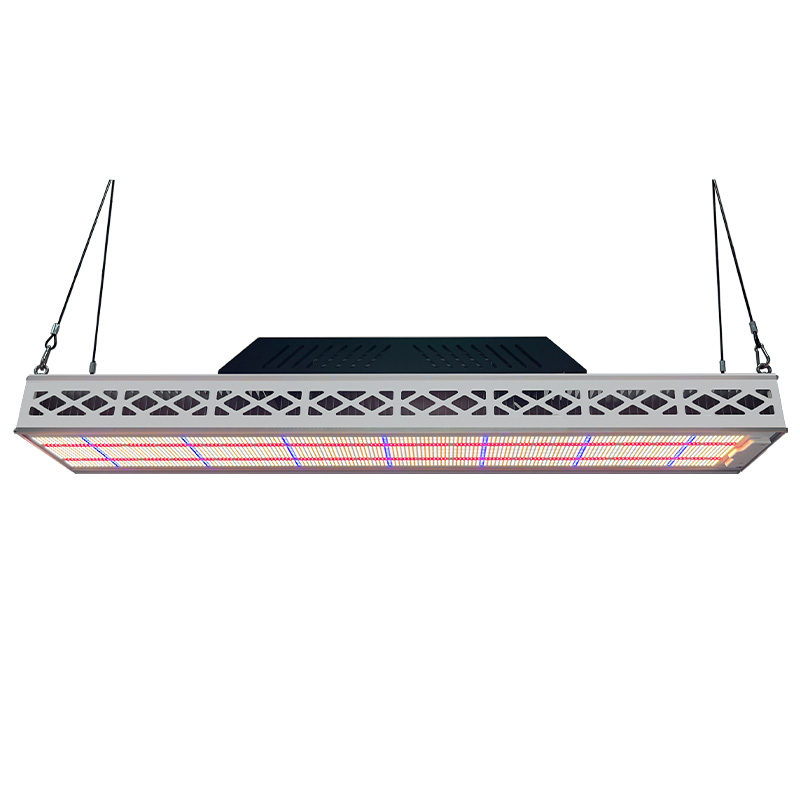
Commercial planning must decide lighting circuits per room, panel distribution, and high-load zone concentration. A single zone fault should not darken the full flower room. The 1500W 4x6ft Wide Full Spectrum UV LED Grow Lights AD62-1500-3AQ3-180 shows why fixture power, coverage, and zone distribution need coordination.
What Voltage Should LED Grow Lights Use in a Commercial Grow Room?
Match LED Grow Light Input Voltage to the Building Power Supply
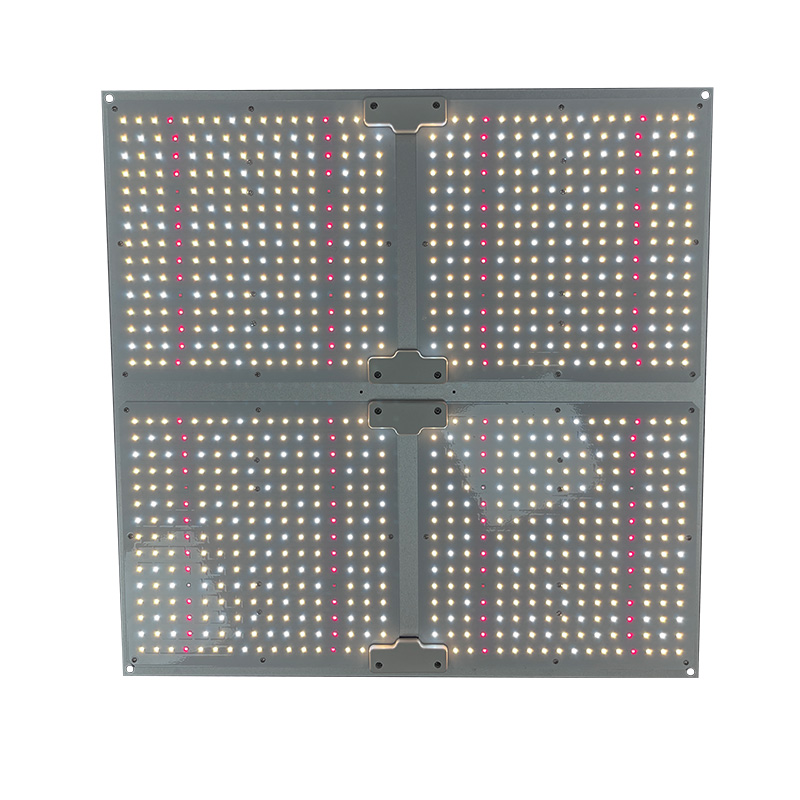
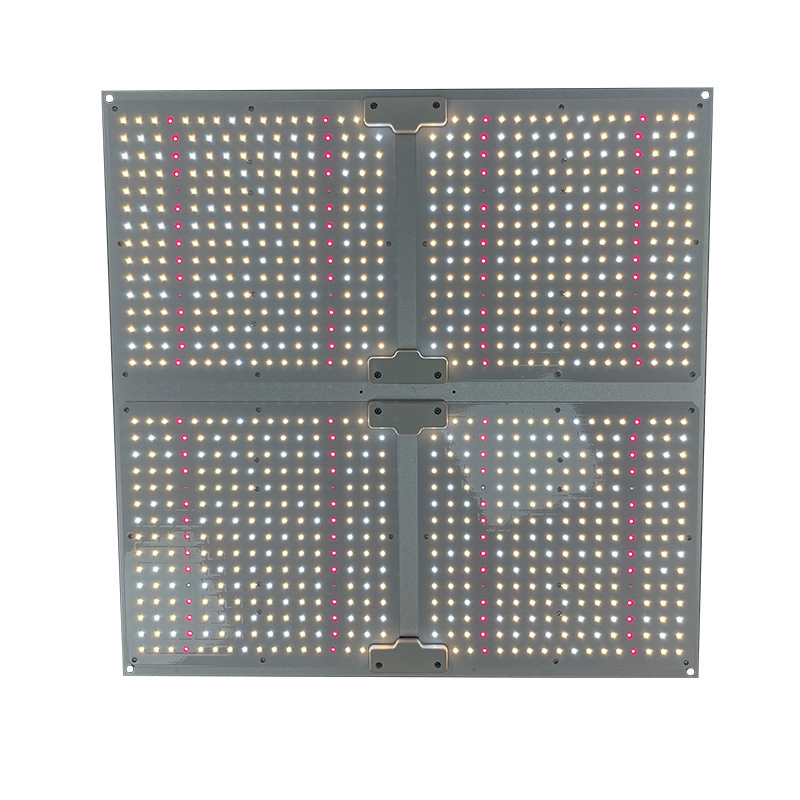
The correct voltage matches the fixture input range and facility distribution system. Searches such as what voltage do LED Grow Lights use, 120V vs 240V grow lights, and commercial grow light voltage should lead back to one rule: higher voltage is not automatically better. Review the exact fixture page, such as the 300W LED Quantum Board Grow Light AD1-300-1D603(J3001), before assigning circuit quantities.
Compare Current Draw Before Choosing a Distribution Strategy
For the same wattage, different supply voltages lead to different current draw. That affects circuits, fixture quantity per circuit, and panel distribution. In a commercial farm, small assumptions repeated across many fixtures can become a large capacity problem.
Consider Cable Length and Voltage Drop in Larger Grow Facilities
Large facilities may include long benches, multiple rooms, remote panels, and fixture rows. Cable length and voltage drop should be considered before installation, especially when lights sit far from the panel.
How Should Power and Control Wiring Be Organized for LED Grow Lights?
Define Lighting Zones Before Electrical Wiring Begins
Define zones before wiring begins. Decide room groups, switch groups, independent controls, and batch or crop-stage schedules. ANDYLED knowledge supports this workflow because the commercial context includes stage management, batches, zoning, group control, and environmental coordination.
Keep Power Distribution and Lighting Controls Clearly Separated
Power distribution and lighting control should be coordinated but distinct. Power delivers safe electrical supply; control handles dimming, timing, group commands, and schedules. ANDYLED product knowledge describes conditional capabilities such as dual-channel dimming, 0-10V control, AC parallel connection, and controller schedules. These support commercial dimming and repeatable recipes only when the selected model and wiring architecture are confirmed.

Confirm Controller Capacity and Communication Limits
Do not publish one fixed controller capacity for every project. Confirm the rated fixture count, cable length, and control configuration for the exact system. A related article on single vs dual channel dimming LED grow lights helps separate channels from wattage, coverage, and circuit capacity.
Test What LED Grow Lights Do After a Power or Control Failure
Before a room depends on a schedule, test failure behavior. After power returns, do fixtures restart or remain off? Does the schedule stay stored? If the controller disconnects, what output state remains? ANDYLED knowledge recommends testing batch commands, timing, communication interruption, and restart behavior before farm-wide expansion.
What Should Be Checked Before Turning On a Full Room of LED Grow Lights?
Verify Circuits, Protection, Grounding, and Labels
Before energizing a full room, confirm each lighting circuit matches the correct area, has labels, can be isolated, and has protection and grounding checked by qualified electrical personnel. This article should not replace breaker selection, wire sizing, or inspection requirements.
Test Each Lighting Zone Before Running the Whole Room
Do not start by turning on the whole flower room at full load. Test one circuit, then one lighting zone, and then the complete room. ANDYLED accepted testing framework treats output settings as operating setpoints and includes dimming range, low-output stability, flicker, unintended shutoff, fixture consistency, batch commands, timing, communication interruption, and restart state.
Run LED Grow Lights Under Normal Room Operating Conditions
Commissioning should test more than whether lights turn on. Run planned fixtures, controls, HVAC, ventilation, humidity equipment, irrigation equipment, and sensors under realistic conditions. ANDYLED knowledge also supports measuring PPFD, edge values, uniformity, plant response, environmental data, control reliability, and staff feedback before wider deployment.
Document Circuits and Lighting Zones for Future Maintenance
Keep records for future maintenance: panel schedule, circuit identification, room and zone mapping, controller mapping, commissioning results, and later changes. These records help maintenance locate the affected circuit or controller group quickly.
FAQ
Q: How much electrical capacity do LED Grow Lights need in a commercial grow room?
A: Capacity depends on fixture count, input power, zones, and simultaneous loads such as HVAC, dehumidification, irrigation equipment, and controls.
Q: How many LED Grow Lights can run on one circuit?
A: It depends on fixture input current, voltage, continuous operation, driver startup behavior, breaker design, cable run, and local requirements.
Q: What voltage should LED Grow Lights use in a commercial grow room?
A: Use a voltage within the fixture input range and building distribution system. Compare current draw, panels, circuit grouping, and voltage drop.
Q: Do LED Grow Lights need dedicated circuits in a commercial grow room?
A: Many commercial projects use separated lighting circuits so each room or zone can be isolated, labeled, tested, and maintained.
Q: Should LED Grow Lights and grow room HVAC be planned on separate electrical loads?
A: Yes. Lighting load and total grow room electrical load are different because HVAC, fans, dehumidification, irrigation equipment, sensors, and controls may run with the lights.


