
Under-Canopy LED Lighting for Commercial Cannabis Flower Rooms
Under-canopy LED lighting is not a replacement for top lighting, and it is not mandatory in every flower room. Its value depends on a measurable light deficit around lower leaves and flower sites. A facility also needs enough electrical, cooling, dehumidification, irrigation, and labor capacity to manage the added load. Treat the system as a controlled supplement: document the baseline, add light gradually, watch the crop and room response, then decide whether the improvement in lower-flower consistency justifies broader deployment and changes to standard operating procedures.
When Does a Commercial Flower Room Actually Need Under-Canopy LED?
Map the Light Deficit Below the Main Cannabis Canopy
Measure PPFD where shaded leaves and lower bud sites sit, not only at the top surface. Sample centers, edges, bench junctions, and several heights. Each important setting should be verified through multi-point PPFD measurement at the crop level and observation of plant response. At ANDYLED, our planning starts with that measured deficit.
Distinguish Under-Canopy LED From Intercanopy and Top Lighting
Top lights establish the primary light environment. Intercanopy fixtures send light laterally through the plant middle, while under-canopy fixtures sit lower and direct supplemental light upward. A commercial cannabis grow-room lighting plan should define each layer separately so controls and measurements are not mixed.

Identify Flower Rooms Where Supplemental Lower Lighting Adds Limited Value
The case is weaker when canopies are shallow, plants are widely spaced, or pruning removes most lower flower sites. It also weakens when HVAC, dehumidification, irrigation, or electrical systems are near their limits. This context does not support a claim that every commercial room requires lower supplemental lighting or a universal yield result.
How Does Under-Canopy LED Affect Lower-Flower Development?
Deliver Usable Light to Shaded Leaves and Lower Bud Sites
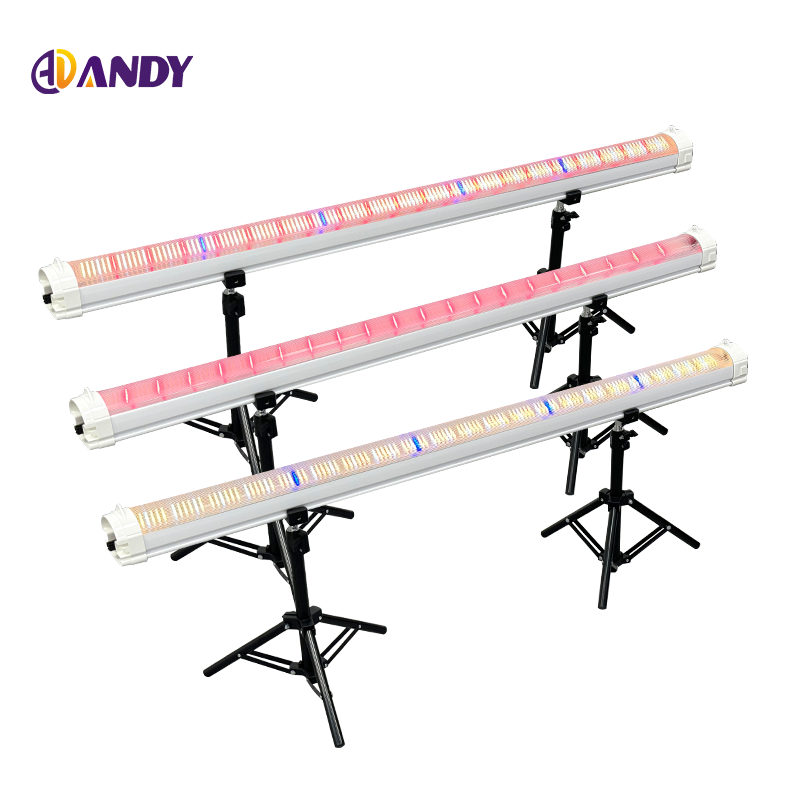
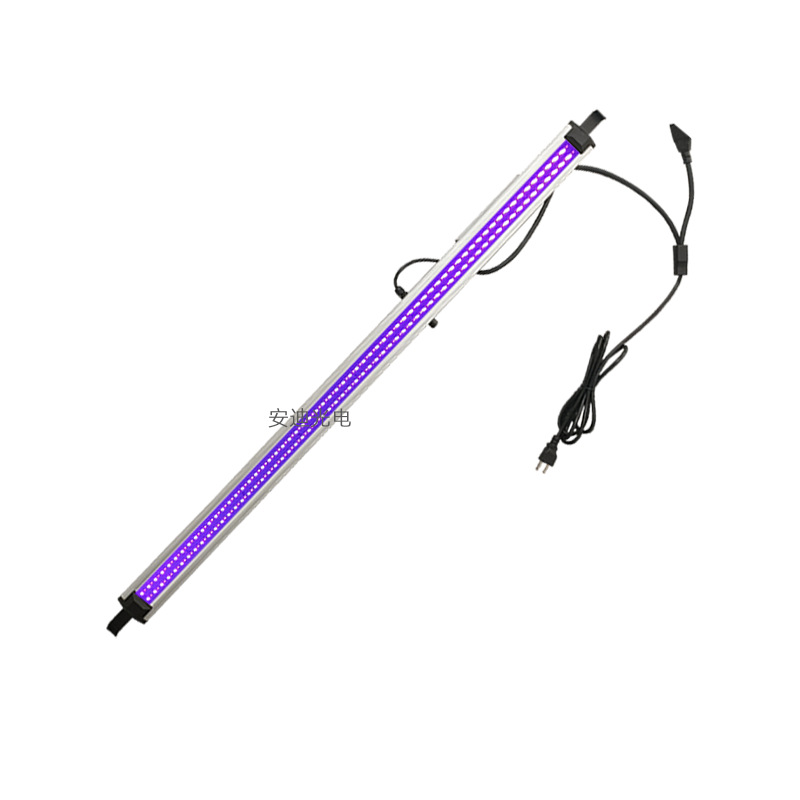
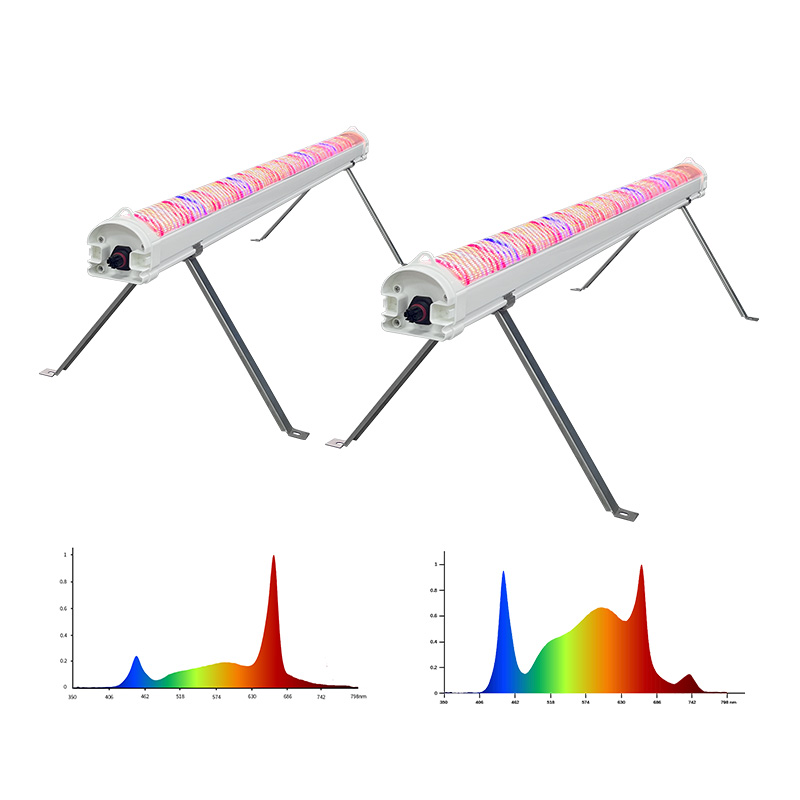
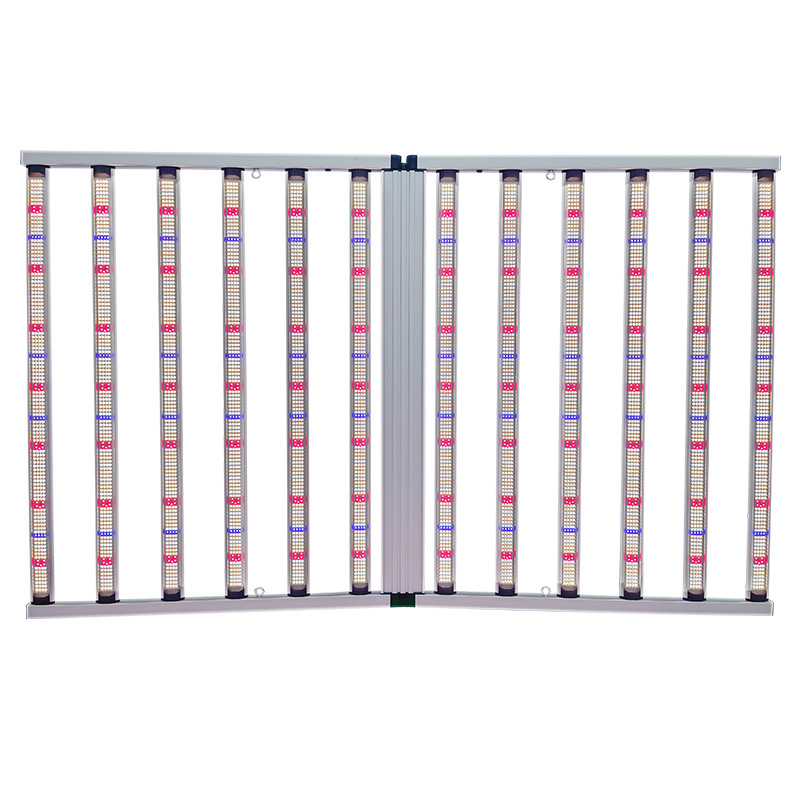
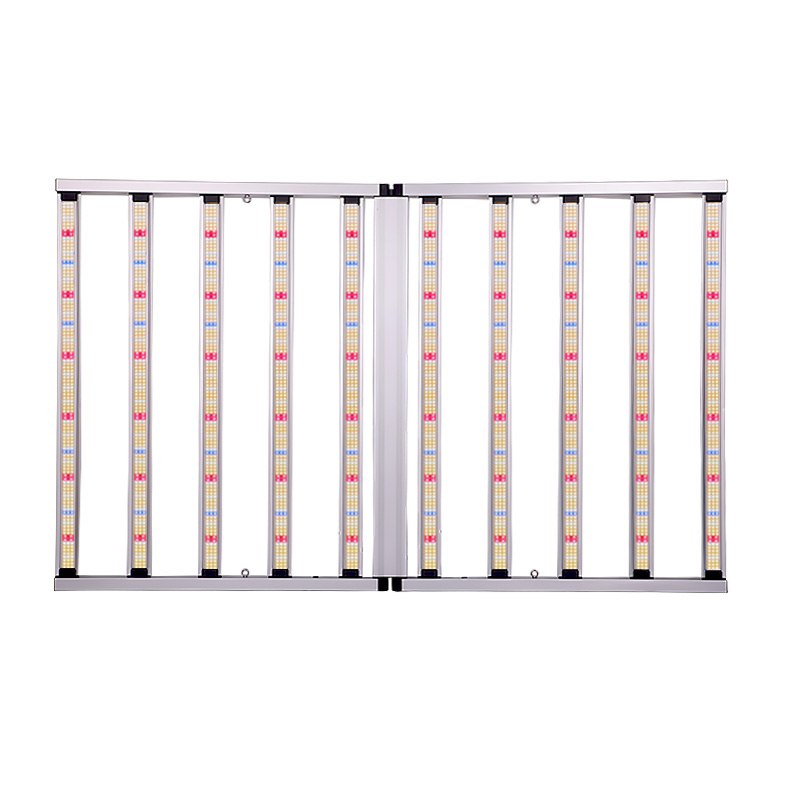
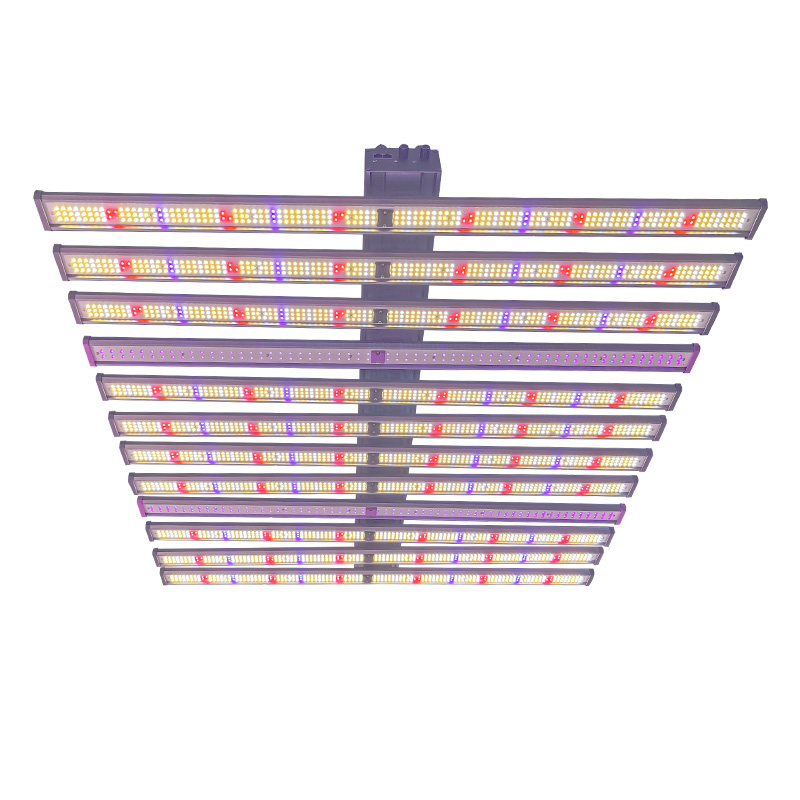
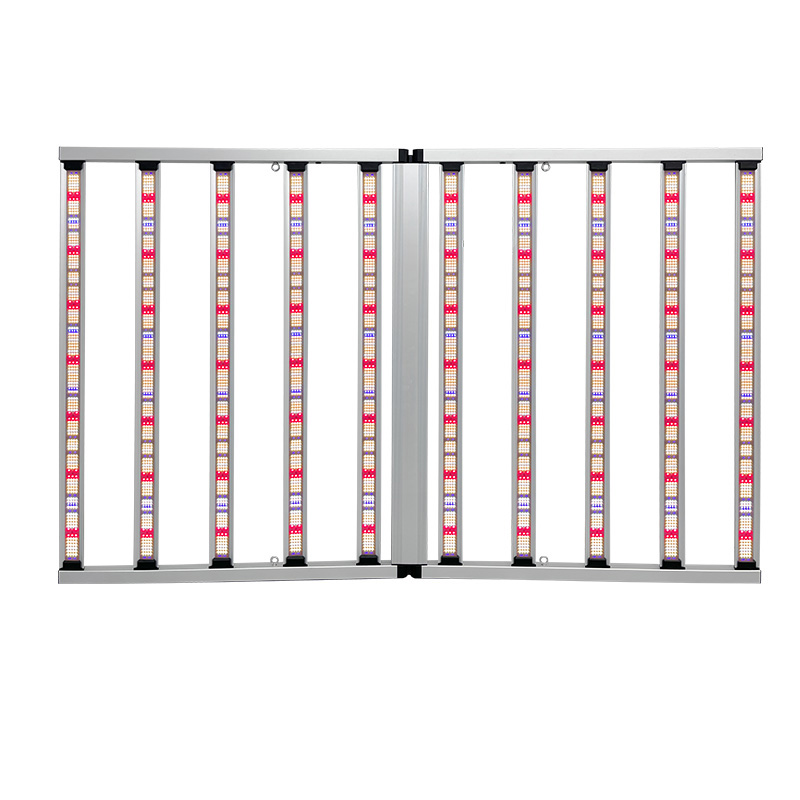
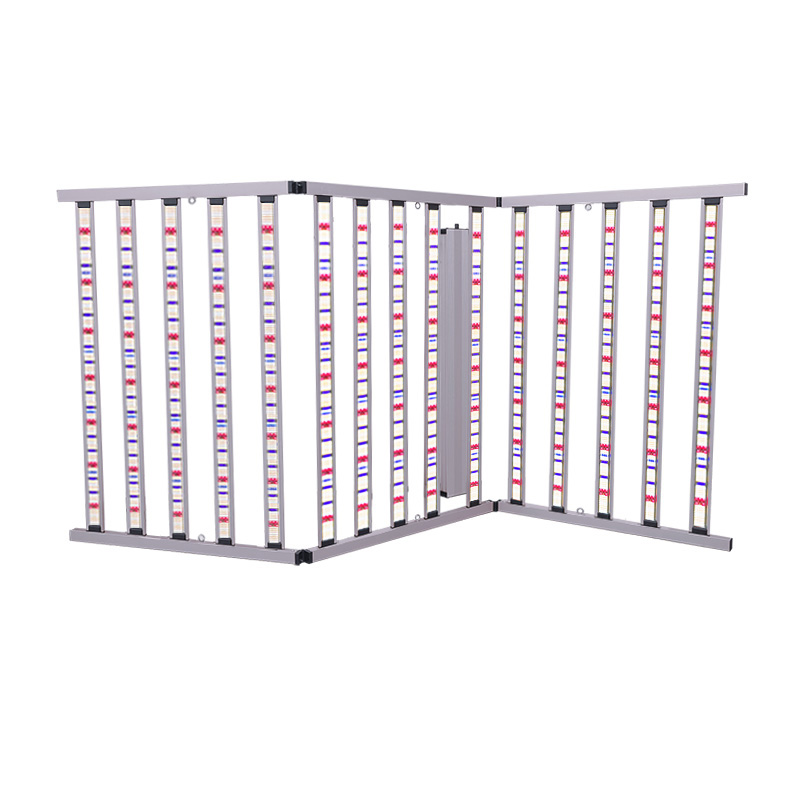
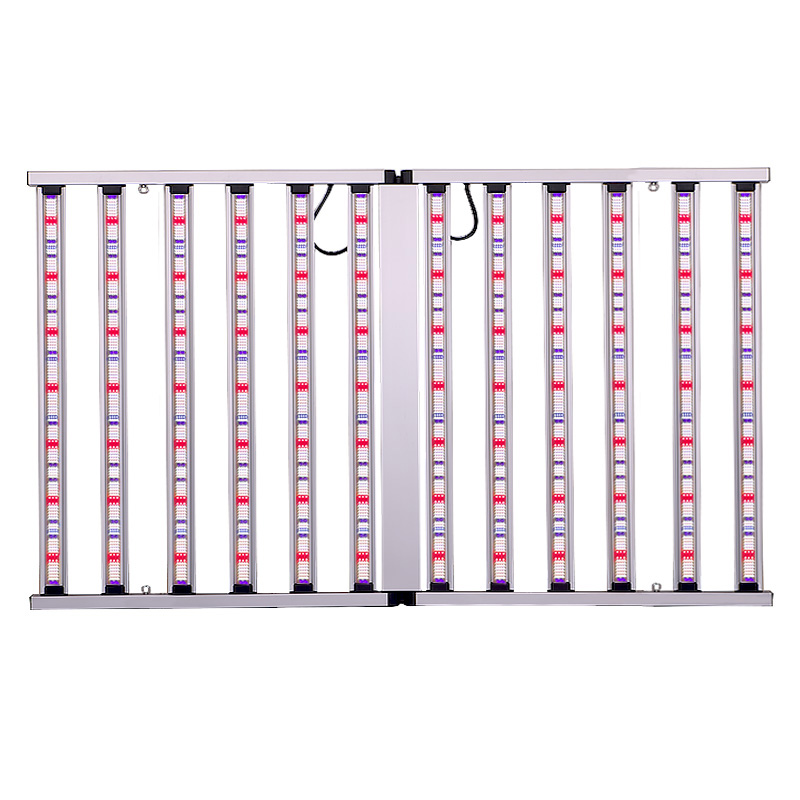
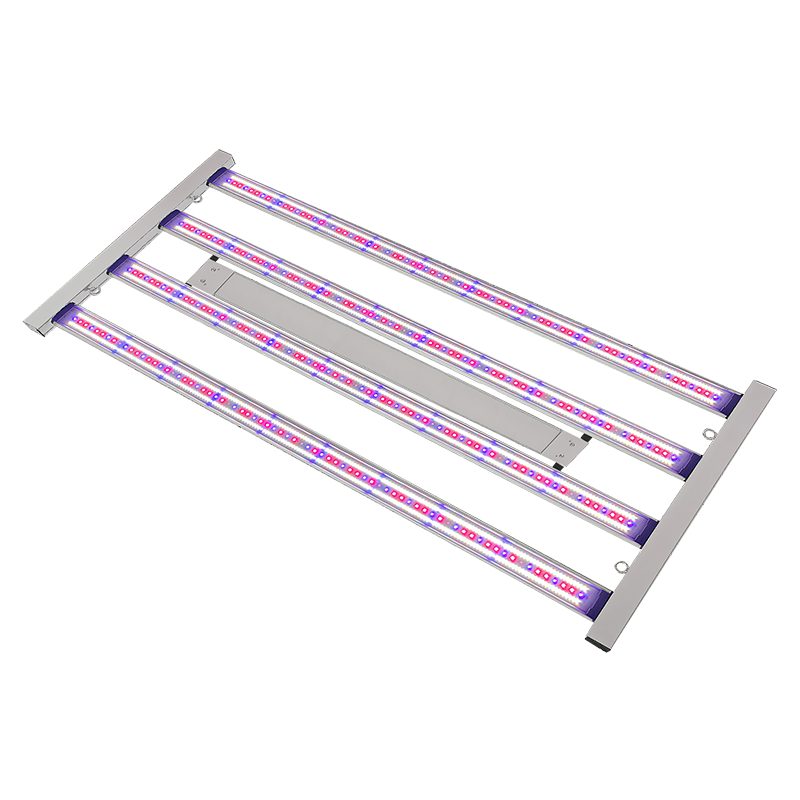
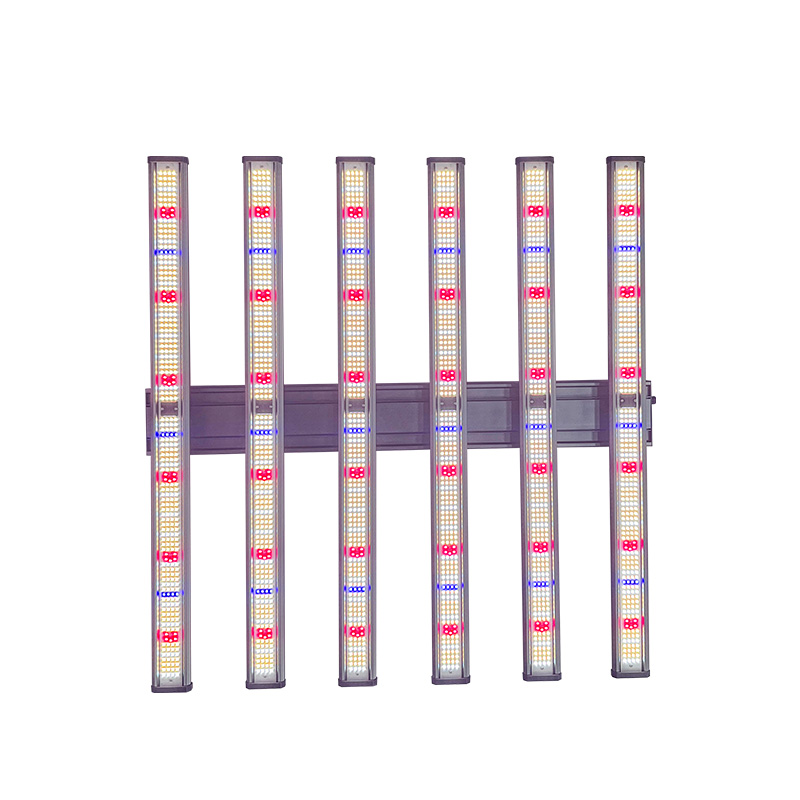
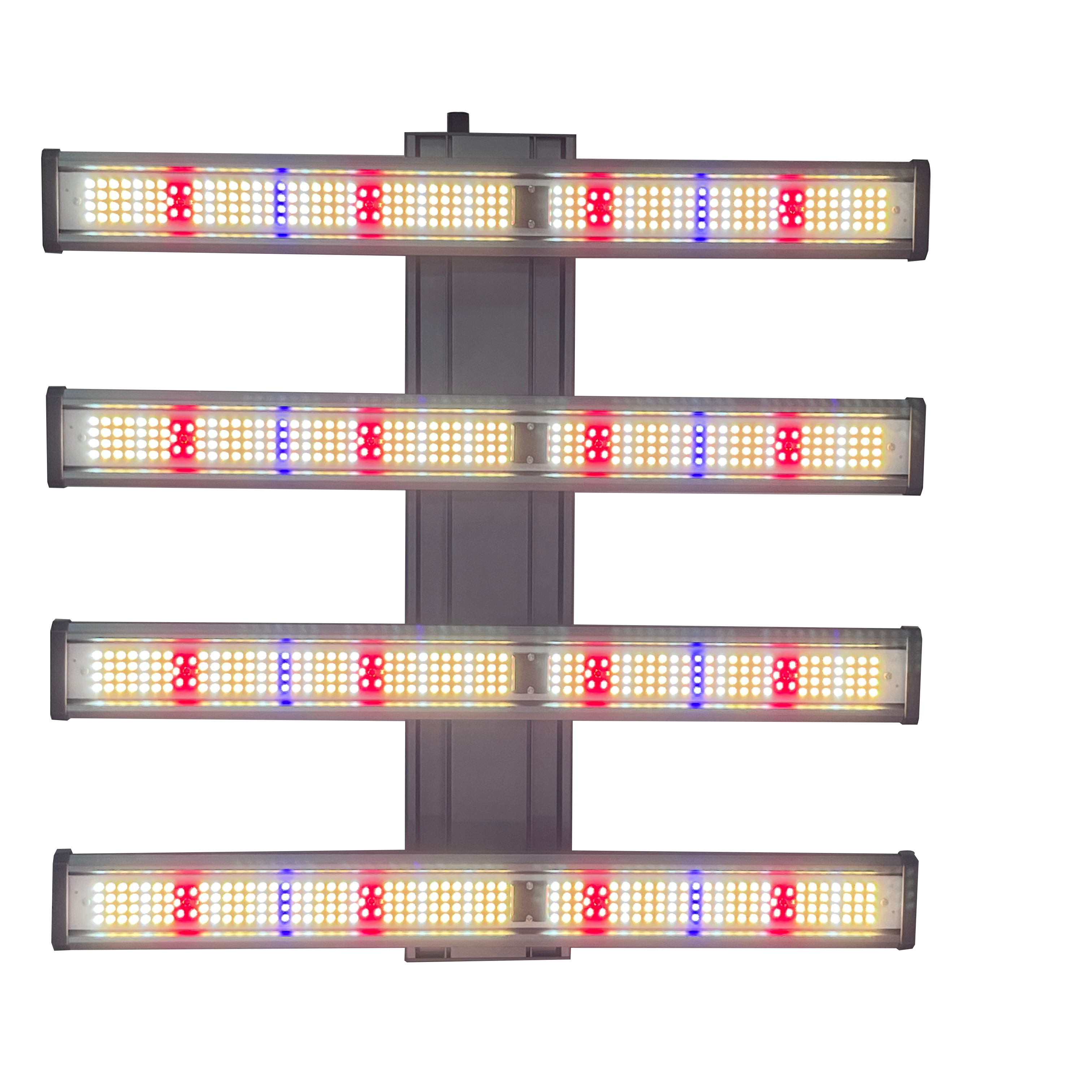
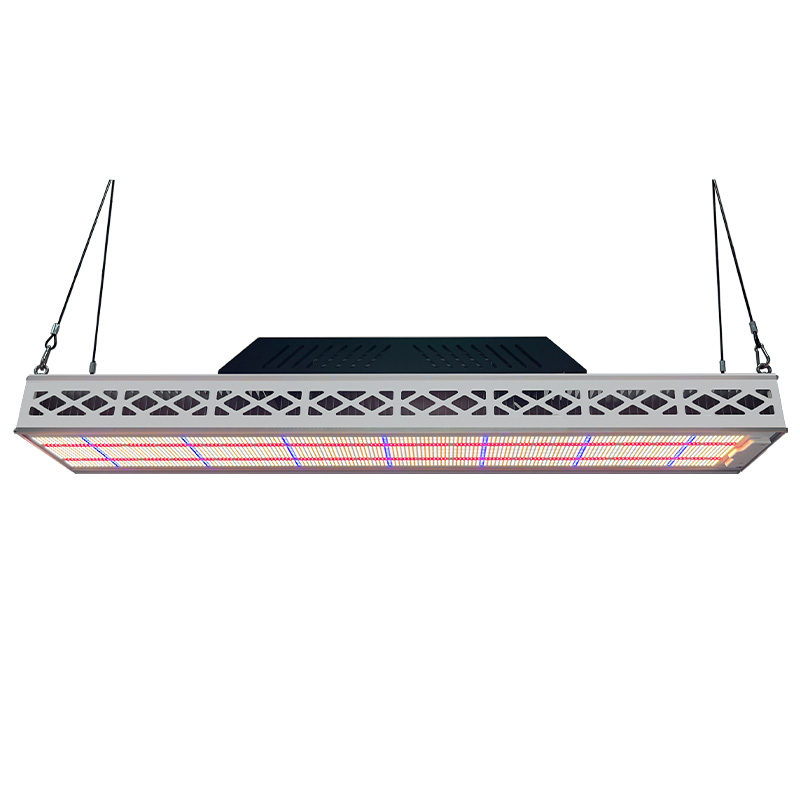
Upper foliage intercepts much of the light arriving from above. Upward supplemental light can reach leaves and flower sites that remain chronically dim. The 120W 4FT Full Spectrum Under Canopy LED Grow Light is a relevant product reference, but selection still requires room-specific measurements.
Improve Top-to-Bottom Flower Size and Maturity Consistency
Evaluate whether lower flowers move closer to the target grade, density, and maturity window. Do not reduce the trial to one yield number. Track marketable flower by grade, harvest timing, trimming burden, and top-to-bottom variation so the result is operationally meaningful.
Account for Cultivar, Canopy Architecture, and Plant Density
Stretch, internode length, leaf density, branch angle, and plant count change lower-canopy exposure. One cultivar may expose useful lower sites; another may create dense foliage. Compare cultivars and bench positions separately, keeping pruning and trellis records with the lighting data.
Separate Added-Light Results From Light-Redistribution Results
Adding under-canopy fixtures increases total photons unless top-light output is reduced. Reallocating a fixed light budget from above to below is a different treatment. Record fixture power, photoperiod, PPFD, and total daily exposure so results do not confuse extra light with better distribution.
When Should Under-Canopy LED Run During the Cannabis Flower Cycle?
Begin at Lower Output During Flower Transition
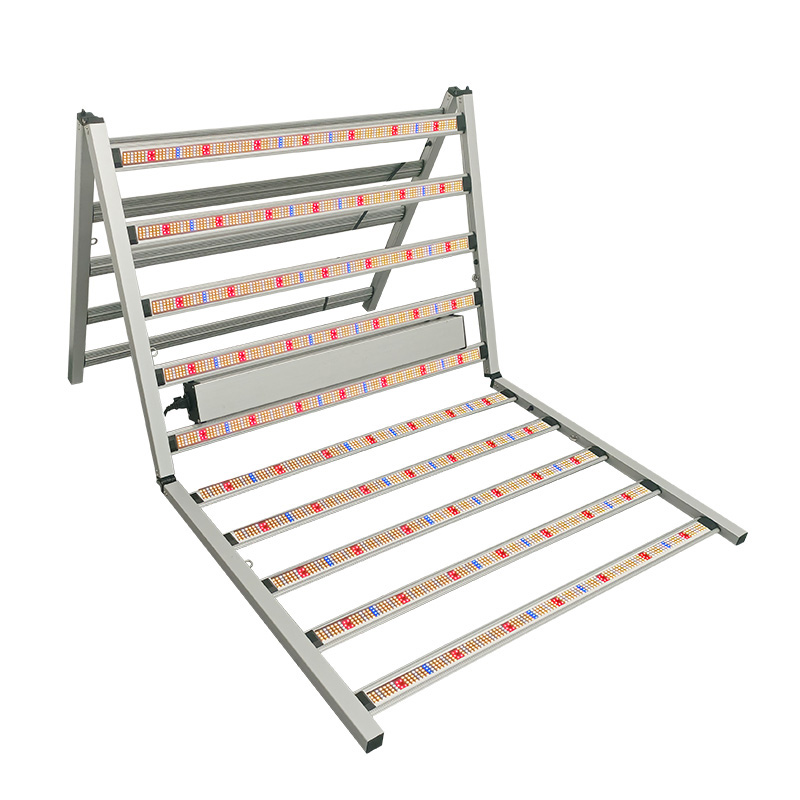
Customer material supports starting a large dimmable grow-light platform at lower output and increasing output as root activity, canopy development, and environmental capacity improve. A newly transferred crop must adapt to the combined top and lower light environment. Starting below maximum output makes that response easier to observe and manage.
Ramp Intensity After Stretch and Lower Bud Sites Are Established
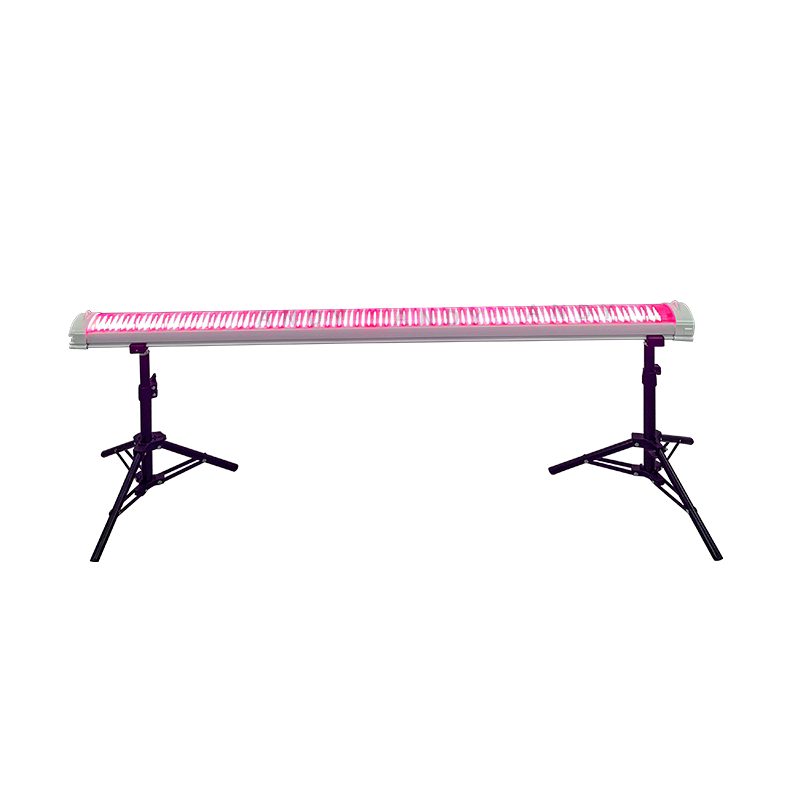
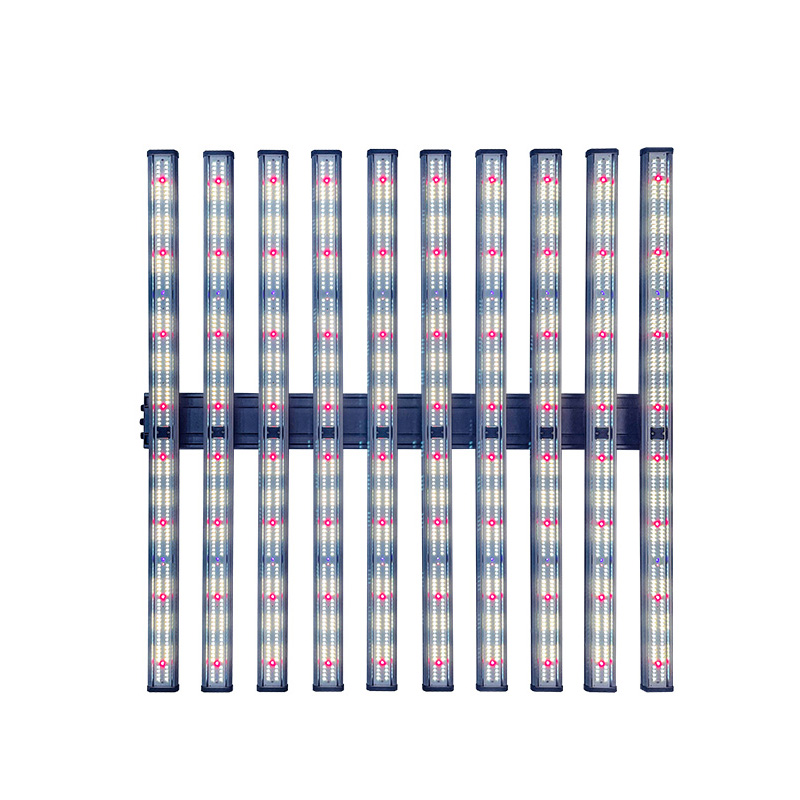
After a crop transition, the ramp should be guided by leaf posture and color, canopy temperature, root recovery, and irrigation response rather than by a single calendar date or an immediate move to maximum output. Use the 120W 4FT Deep Red Spectrum Under Canopy Light as a model-specific comparison point, not a universal timing prescription.
Adjust Late-Flower Output According to Crop Response
Late in flower, inspect leaf condition, lower-flower maturity, canopy temperature, substrate behavior, and total light exposure. If lower sites have matured, stress indicators rise, or climate capacity tightens, hold or reduce output instead of automatically increasing it.
Protect the Dark Period and Room Lighting Schedule
Selected customer product descriptions include controller schedules for lighting time and intensity. Before deployment, the farm should verify simultaneous commands, scheduled shutoff, communication-loss behavior, and power-restart behavior for the actual system. Coordinate maintenance with the main schedule so a forgotten lower fixture does not interrupt the flowering dark period.
What Must Change After Adding Under-Canopy LED to a Flower Room?
Recalibrate Irrigation and Nutrient Delivery
More usable light can increase lower-leaf activity and transpiration. Review irrigation from substrate moisture, plant response, and drain volume or EC rather than adding a fixed percentage. Adjust event timing or volume only when the new dry-back data supports it.
Manage Humidity and Airflow Below the Canopy
The customer notes that commercial growers use fans and humidification equipment together with grow lights to manage the cultivation environment. These points support treating light output, airflow, humidity management, canopy temperature, and room heat load as connected operating variables. Measure temperature and humidity below, within, and above the canopy to find local wet pockets.
Update Pruning, Plant Density, and Trellis Practices
Heavy lower cleanup may remove useful sites, while retaining every lower branch can create crowding and stagnant air. Rebalance plant count, selected flower sites, leaf density, and trellis access. The commercial cannabis farm lighting selection process should include these constraints.
Plan Cleaning, Crop Access, and Harvest Workflow
Place fixtures where residue, dust, and fallen material can be cleaned without disrupting the crop. Keep worker paths, trellis work, sensors, drain lines, and hoses accessible. Define isolation, removal, cleaning, inspection, and post-harvest storage before a full room depends on the layout.
How Should Commercial Farms Design and Validate an Under-Canopy LED Layout?
Measure a Lower-Canopy Baseline Before Installation
Record PPFD, temperature, and humidity at repeatable coordinates before installation. Add cultivar, bench position, plant structure, lower-flower grade, and maturity notes. Sampling representative zones prevents a strong room section from masking weak edges.
Match Fixture Rows to Benches, Plants, and Working Aisles
Align rows with productive canopy rather than aisles. Check distance from leaves, substrate, irrigation hardware, posts, and bench junctions. The commercial LED grow light category is a broader reference, but final count comes from geometry, clearances, dimming, and measurements.

Verify Electrical Capacity, Dimming, and Group Controls
One compatible control system can manage multiple dimmable fixtures, while the exact group limit must be verified for the selected controller, splitter, driver, cable layout, and electrical architecture. Test circuit loading, dimming consistency, grouped commands, timers, communications, and restart behavior. Do not present one fixture count as a universal answer.
Test Multiple Positions After the Room Reaches Operating Conditions
Let fixtures warm up and HVAC and dehumidification stabilize before final readings. Measure centers, edges, bench junctions, and multiple canopy heights. Compare light, temperature, and humidity together; averages can hide hot spots or damp substrate-level pockets.
Run a Representative Pilot Zone Before Farm-Wide Deployment
Run one representative production zone through a complete crop cycle and record plant response, environmental data, control reliability, and staff feedback before scaling the layout to other rooms. Include cleaning time, access problems, irrigation changes, flower grading, and harvest workflow. The pilot should answer whether the room benefits, not merely whether the fixtures operate.
FAQ
Q: Does Under-Canopy LED lighting replace top lighting in a cannabis flower room?
A: No. Top lighting establishes the primary environment. Under-canopy LED lighting supplements measured lower-canopy deficits and should be evaluated as one layer of the room’s complete lighting plan.
Q: When should I turn on Under-Canopy LED lighting during cannabis flowering?
A: Begin at lower output during transition, then ramp after stretch and lower flower sites are established. Use crop response and environmental capacity rather than one universal day.
Q: How many Under-Canopy LED fixtures does a commercial flower room need?
A: There is no universal count. Bench dimensions, plant spacing, canopy depth, optics, electrical capacity, target lower-canopy PPFD, and measurements determine the layout.
Q: How should I position Under-Canopy LED lights beneath cannabis plants?
A: Aim upward into productive lower foliage and flower sites while preserving safe leaf distance, irrigation clearance, airflow, worker access, and uniform coverage across centers and edges.
Q: Can Under-Canopy LED lighting increase humidity or heat in a flower room?
A: It can add heat and may change transpiration and local humidity. Measure conditions at several canopy heights and recalibrate airflow, dehumidification, and irrigation from actual room and crop data.


