
Grow Light Controller Systems for Large Commercial Cannabis Farms
As a cannabis facility expands from one room to dozens of benches and hundreds of fixtures, lighting control becomes an operating issue. A basic dimmer or timer may turn lamps on, but it cannot reliably coordinate zones, synchronize photoperiods, protect dark periods, or keep future rooms manageable. The real question is whether every fixture follows the right schedule, setpoint, and fallback rule.
When Does a Large Cannabis Farm Need a Grow Light Controller Instead of Basic Timers?
Replace Room-by-Room Manual Adjustments With Repeatable Lighting Schedules
Basic timers can work for a small fixture group. The problem changes when flower rooms, propagation areas, veg blocks, and harvest schedules run in parallel. Manual edits can leave one zone on the wrong photoperiod or intensity. A grow light controller becomes necessary when repeatable schedules matter more than local convenience.
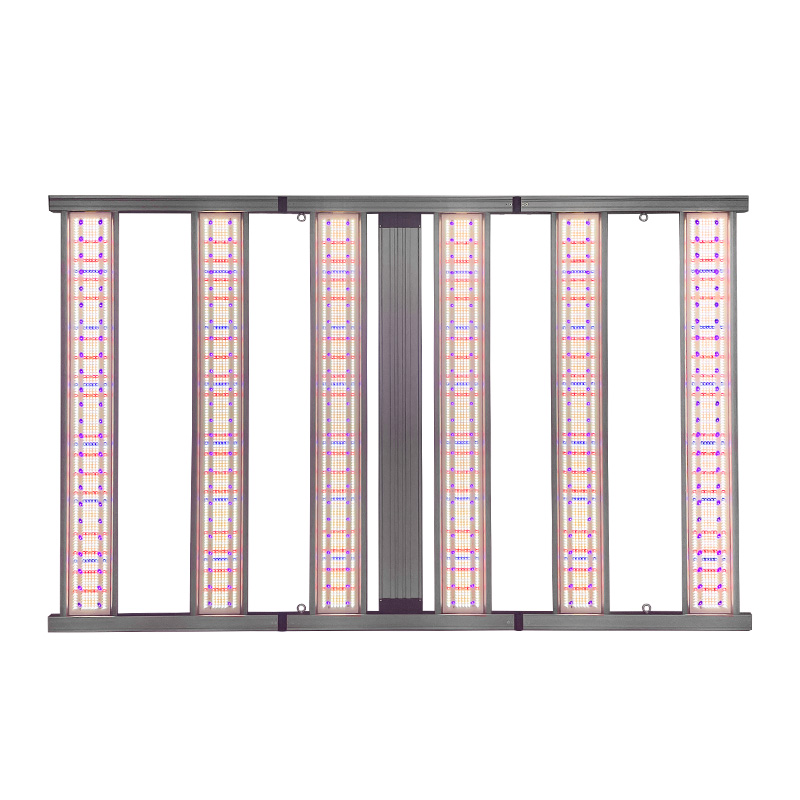
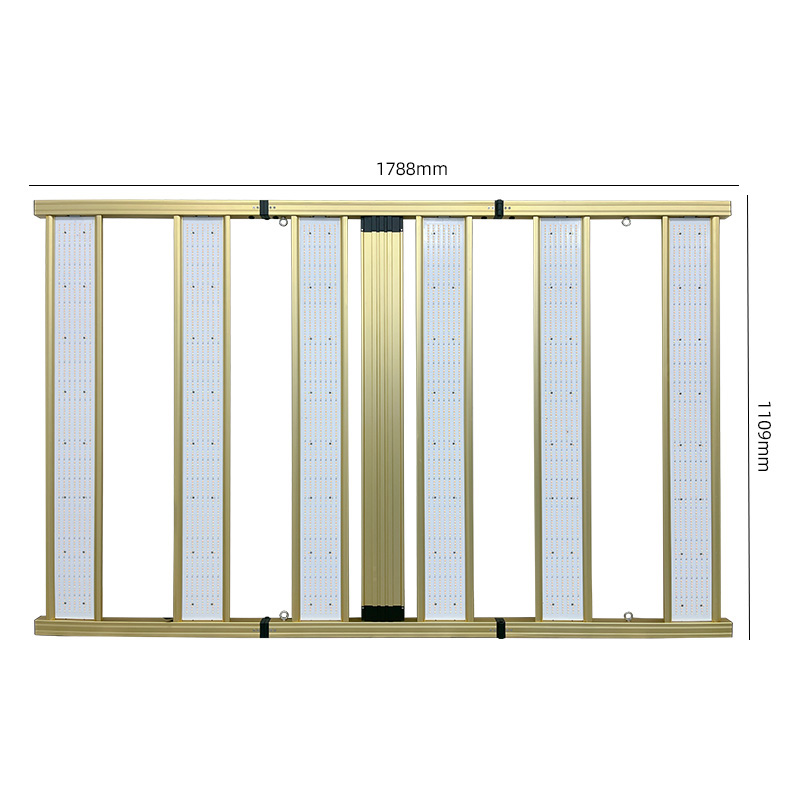
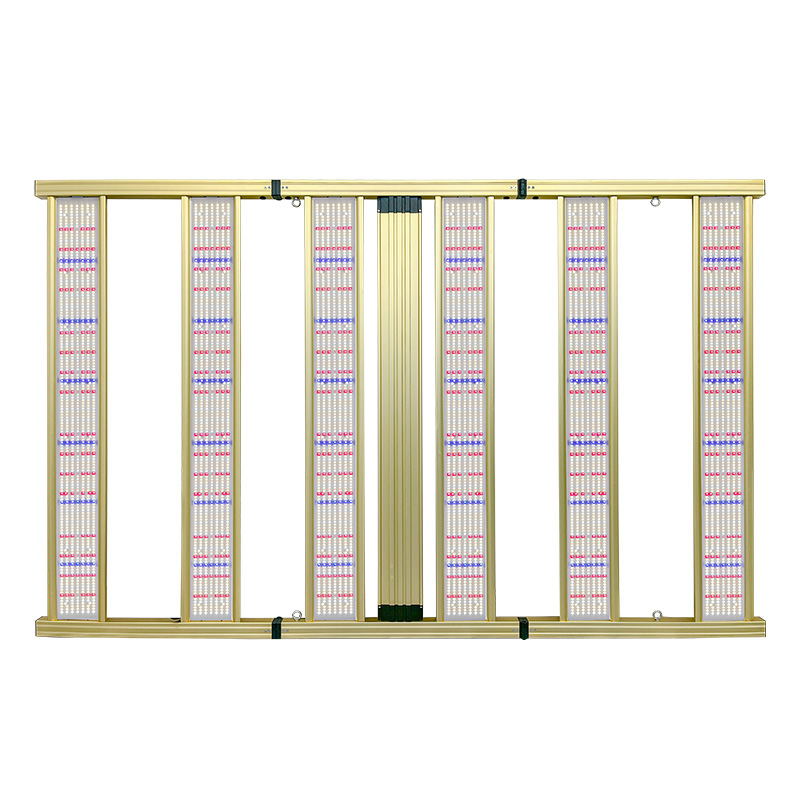
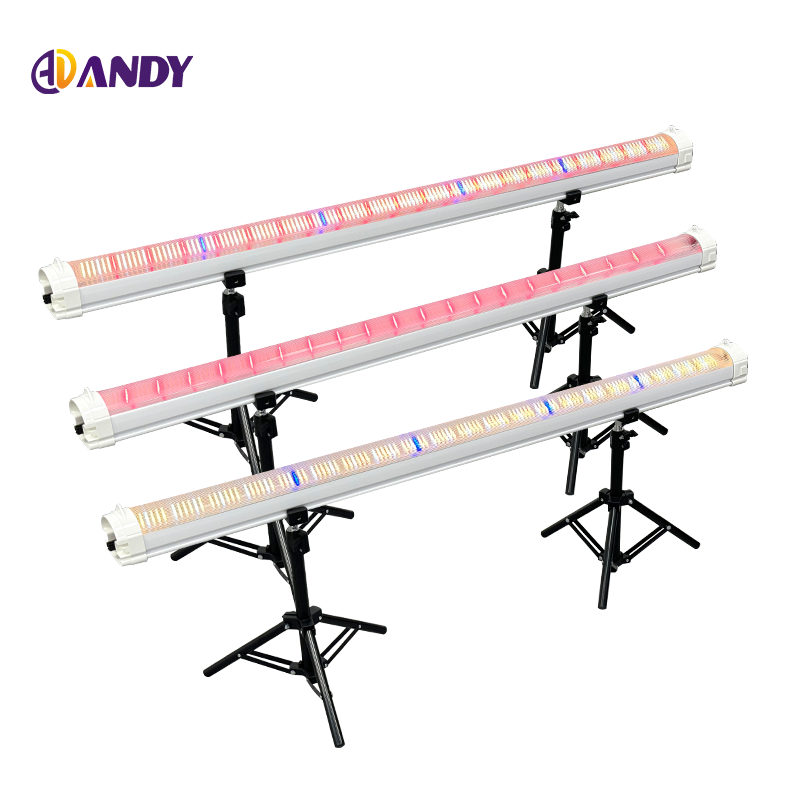
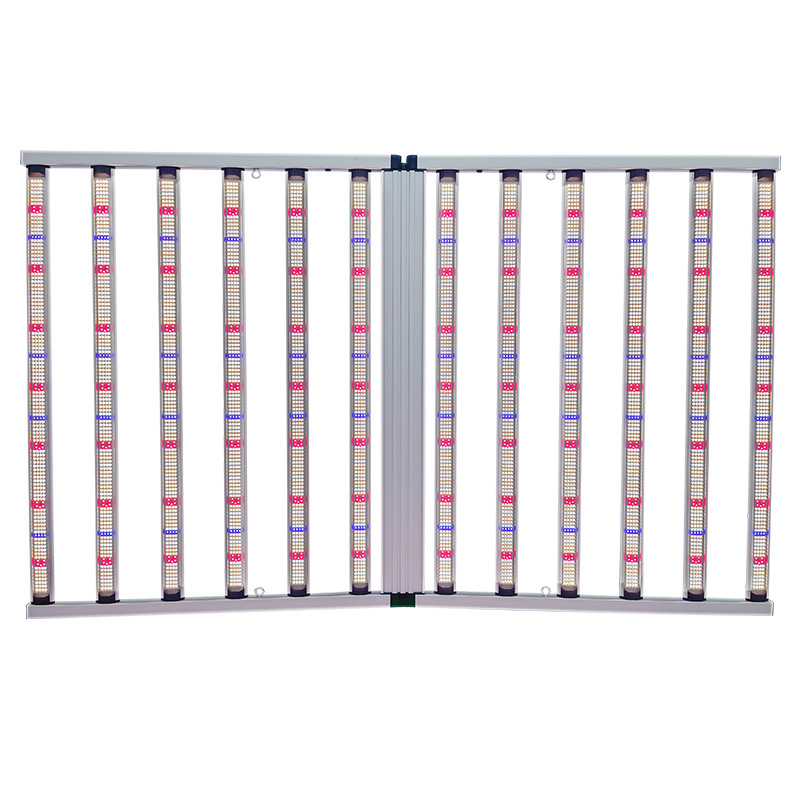
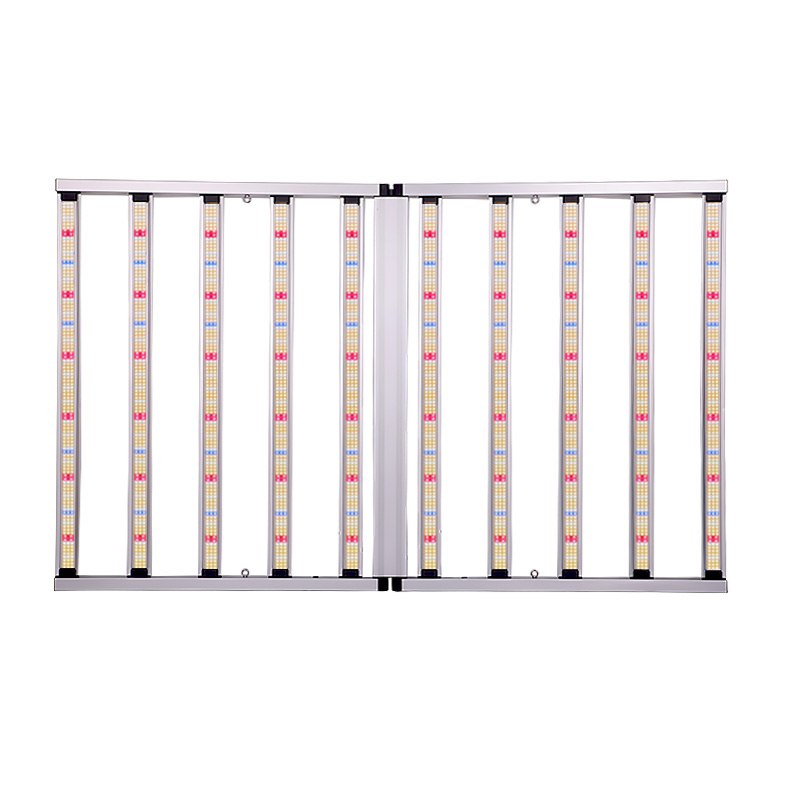
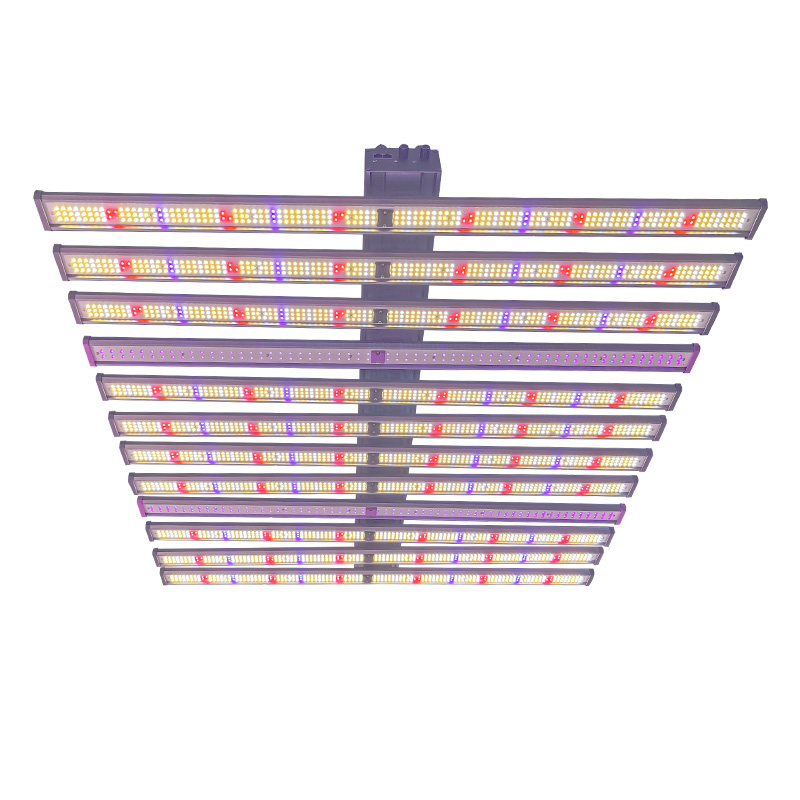
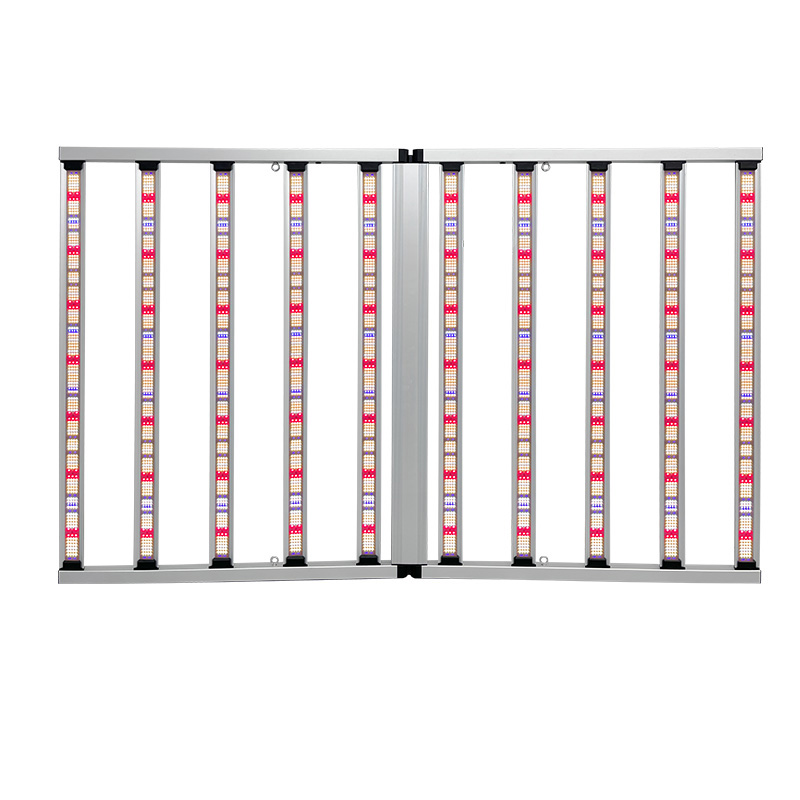
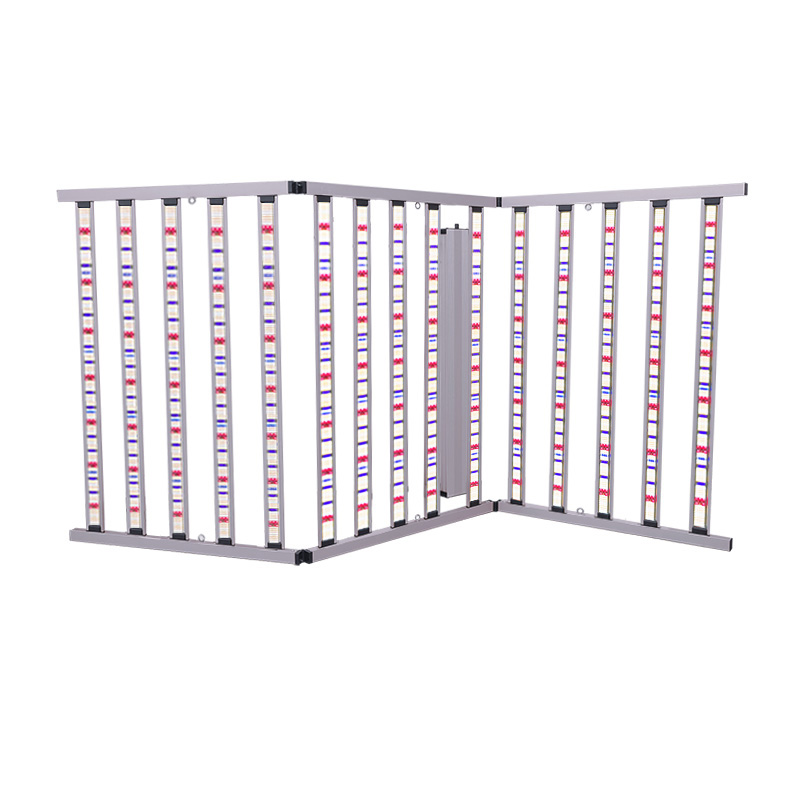
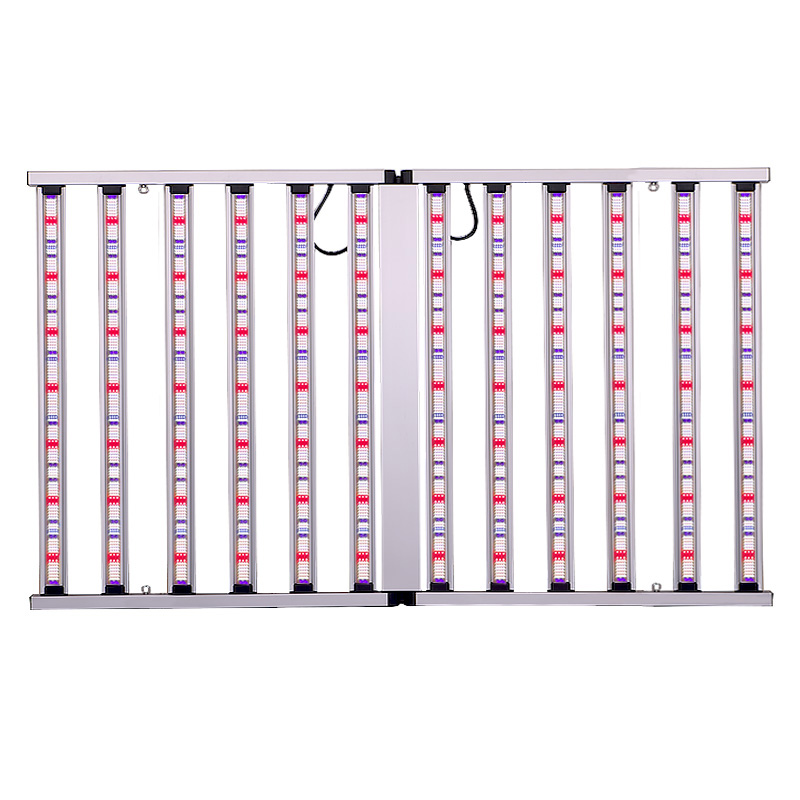
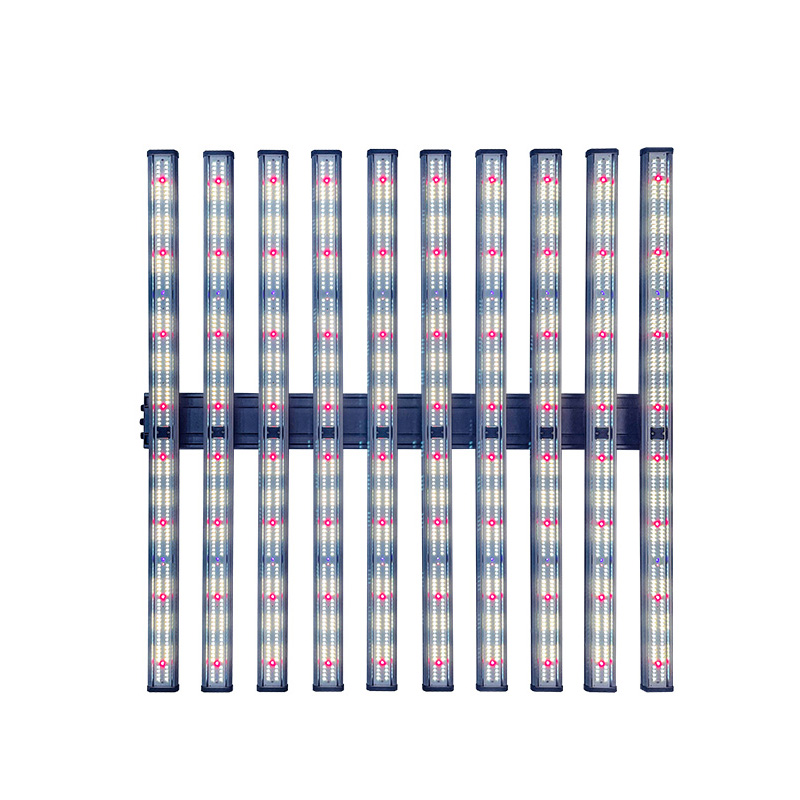
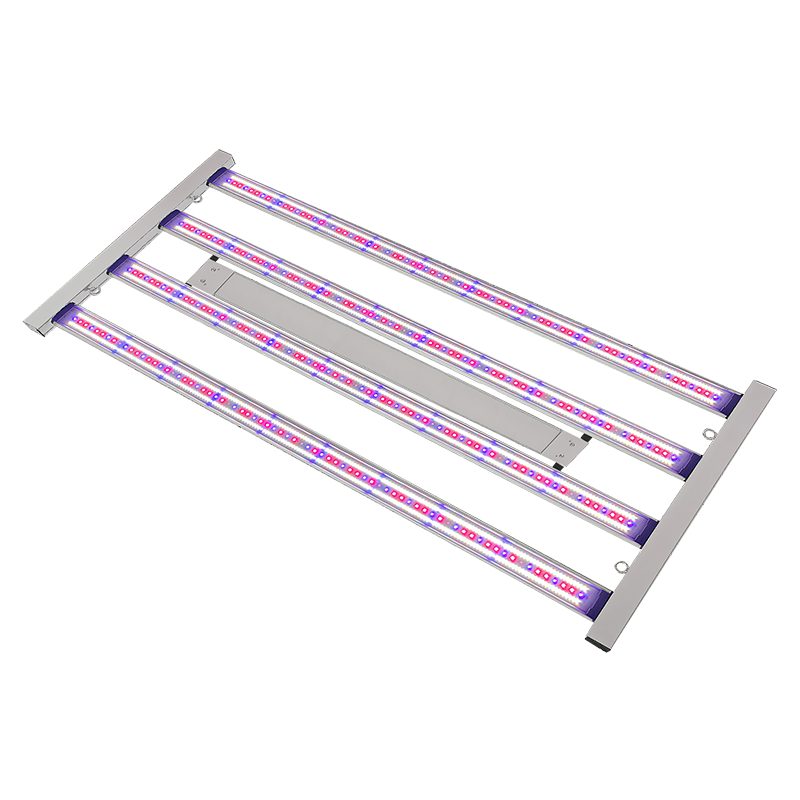
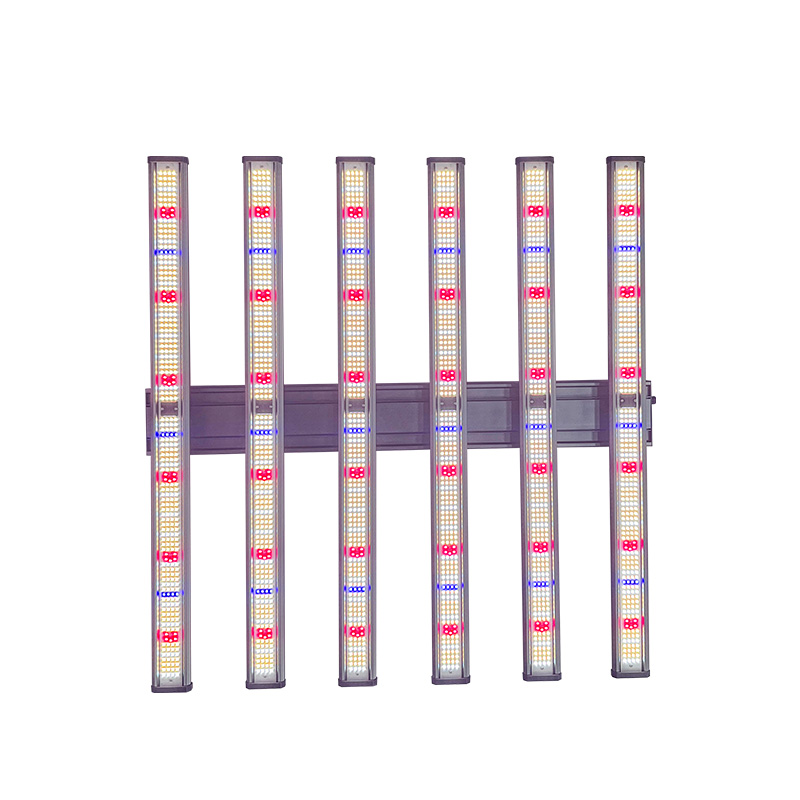
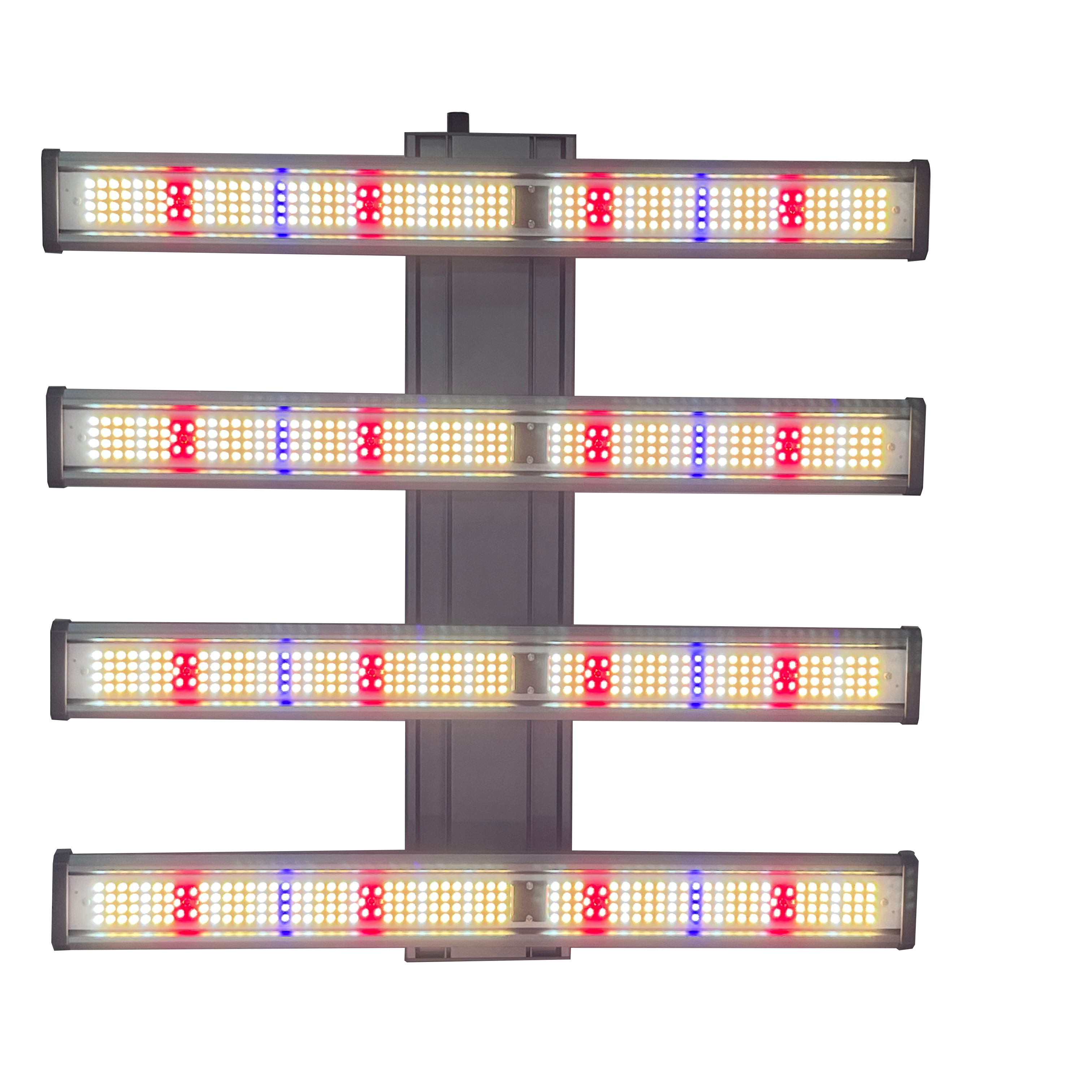
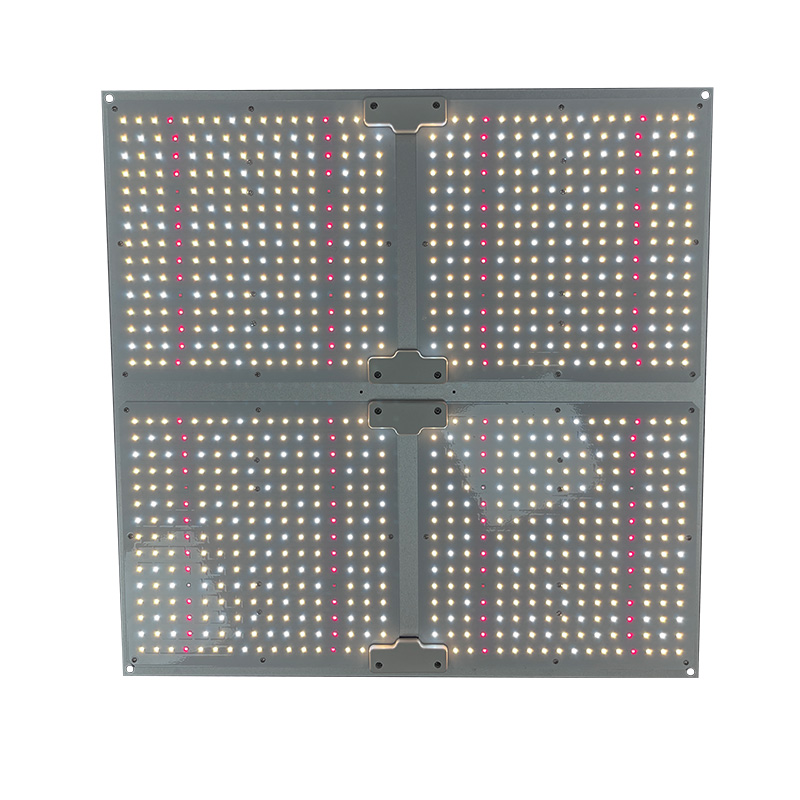
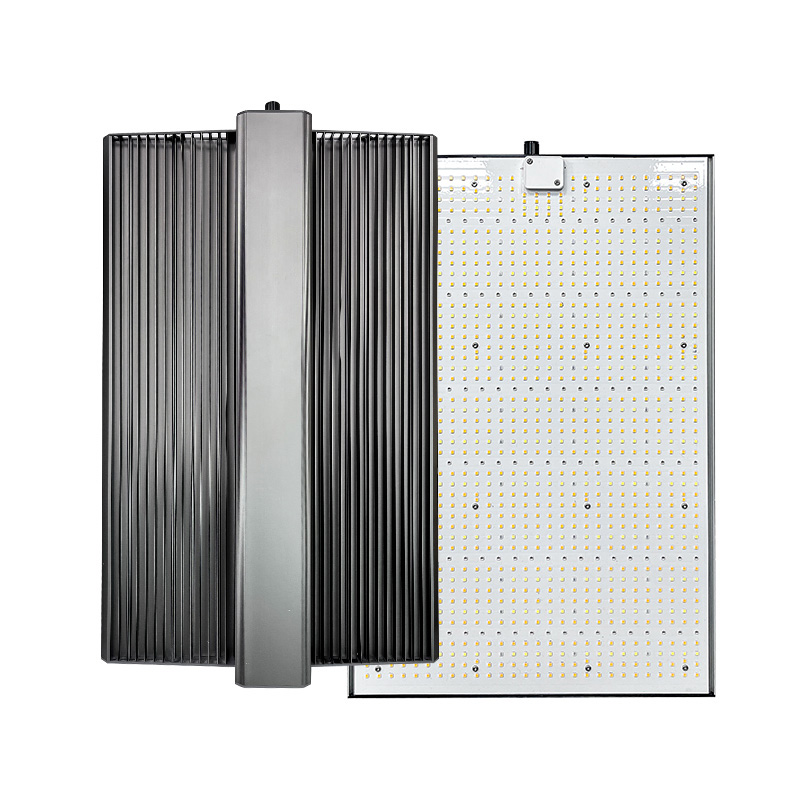
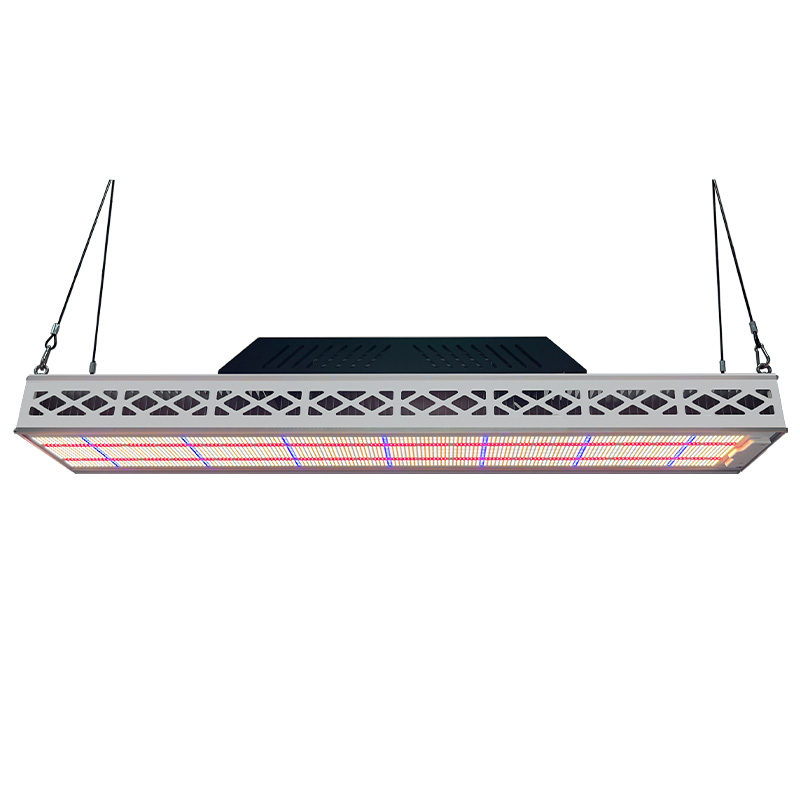
For commercial farms using LED grow lights category, ANDYLED treats bar-style, dimmable grow lights as the main product form for professional cultivation. Some systems include schedule programming, 0-10V output control, AC parallel connection, and controller-based execution, but those capabilities must be verified against the fixture, driver, controller, cable, and wiring layout.
Synchronize Photoperiod and Light Intensity Across Many Fixtures
System execution consistency is the core grow light controller vs timer difference. If a zone contains dozens of fixtures, one command must make every fixture follow the same setpoint. Test on/off commands, low output, medium output, high output, group changes, and zone isolation before trusting the room.

Decide Which Settings Need Central Control and Which Need Local Override
Commercial control is not just remote control. Define what the cultivation director can change, what the facility manager can commission, what a head grower can tune by room, and what a technician can override locally. If the central controller is unavailable, the farm still needs a documented local procedure.
How Should a Grow Light Controller Divide a Commercial Cannabis Farm Into Zones?
Build Lighting Zones Around Rooms, Benches, and Crop Stages
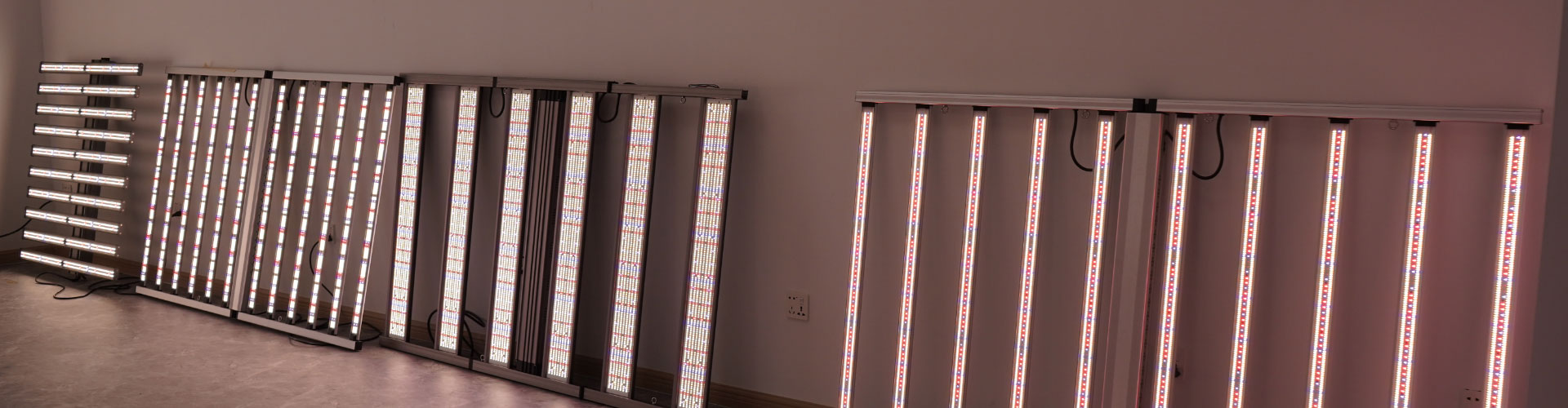
Zones should follow production logic first. Propagation, veg, flower rooms, independent benches, and separate blocks may need different recipes even with the same fixture family. ANDYLED application knowledge supports commercial grow-room planning around stages, batches, zoning, group control, and environmental coordination, while keeping the focus on commercial cultivation LED grow lights and professional farms.
Separate Staggered Flower Cycles and Cultivar-Specific Programs
Large cannabis farms rarely move every crop on the same week. Two adjacent flower areas may use the same hardware but sit in different weeks of flower or hold cultivars with different preferences. Physical closeness should not force shared schedules. The grow light controller should isolate rooms or benches, copy recipes, and adjust one block without changing the next.
Standardize Zone Names, Schedules, and Lighting Recipes Across the Facility
Naming discipline is part of system control. If employees label the same area as Room A, Flower 1, Zone East, or Crop 06, alarms and maintenance notes become hard to match. Use one room/zone naming logic, schedule convention, and recipe structure so handover and records stay traceable.
What Compatibility and Capacity Limits Should a Grow Light Controller Meet?
Match the Grow Light Controller Signal to the LED Lighting System
A grow light controller does not work with any LED grow light by default. Confirm the dimming interface, channel requirements, dim-to-off behavior, and controller-to-fixture compatibility. Some ANDYLED grow light information describes dual-channel dimming, 0-10V output control, AC parallel connection, schedule programming, and controller-based execution for certain models, but this is not a full-series specification without confirmation of the selected fixture, driver, cable, controller, and wiring layout.
Relevant pages such as 1200W LED Grow Light AD12-1200-2C2-180 should be checked for exact product identity before controller design is finalized.
Confirm Fixture Count, Cable Length, and Splitter Limits Before Scaling
Do not ask only how many lights a grow light controller can control. Ask what cable length was tested, whether the signal remains stable after splitters, whether dim-to-off was tested at maximum connected load, and whether the same controller version is used. ANDYLED information includes different multi-fixture figures under different configuration contexts, so verify exact load, group count, timing behavior, communication-loss state, and power-restart state for products such as 1000W 4x6ft LED Grow Light AD10-1000-2C2-180.
Decide Whether Wired or Wireless Control Fits the Facility
Wired control can suit new builds, fixed rooms, and protected cable pathways. Wireless control can help existing facilities or changing zones, but it is not automatically more advanced. Metal racks, walls, gateway placement, reliability, and manual fallback all matter. Test the actual room before production rollout.
Decide Whether the Grow Light Controller Must Integrate With Environmental Systems
Some farms only need centralized lighting schedules. Others need the lighting controller to exchange status or commands with a broader management system. ANDYLED knowledge supports managing lights with fans, humidity management, airflow, canopy temperature, and room heat load; aluminum lamp bodies support heat dissipation but do not make fixture temperature constant. Define integration requirements without turning lighting control into HVAC or irrigation design.
What Fail-Safe Features Matter Most in Cannabis Flower Rooms?
Preserve Lighting Schedules After Power Loss and Restart
After power loss, the controller should have predictable restart behavior. Confirm clock retention, stored schedules, zone status, and what each fixture does when power returns. Repeat the test at planned scale, not only on one fixture.
Prevent Unintended Light During the Dark Period
In a flowering cannabis room, accidental light during the programmed dark period is not a minor mistake. Ask directly: if the grow light controller fails, can the lights accidentally turn on during the programmed dark period? Document the answer in the controller acceptance test.

Define Safe Behavior When Communication Is Lost
Loss of control can happen at different levels: the controller, gateway, individual fixture, or network may stop responding. Define a clear fallback state for each condition. During commissioning, our team recommends treating batch commands, timing, communication interruption, power restart, low-output stability, flicker, unexpected shutoff, and fixture-to-fixture consistency as operating setpoints that must be tested before expansion.
Provide Manual Override, Alerts, and Clear Fault Status
When something goes wrong, operators need to know which room failed, which zone did not respond, whether the issue is the controller or fixture group, and whether the room can be managed on site.
How Should a Large Farm Commission and Scale a Grow Light Controller System?
Start With One Representative Room or Lighting Zone
Do not deploy the entire farm on the first startup. Choose a representative zone with typical fixture count, cable length, splitter layout, and control structure. Test it before duplicating the design.
Verify Every Fixture Responds Consistently at Multiple Setpoints
Commissioning should verify on/off behavior, low output, medium output, high output, group changes, and zone isolation. ANDYLED’s validated writing input supports checking dimming range, low-output stability, flicker, unexpected shutoff, fixture-to-fixture consistency, batch commands, timing, communication interruption, power restart, canopy PPFD, edge values, uniformity, plant response, environmental data, control reliability, and employee feedback before farm-level expansion. That testing framework does not mean every model has already completed every scenario.
Set User Permissions and Operating Procedures Before Handover
A large farm may involve a cultivation director, facility manager, head grower, and room technician. They should not all edit every farm-wide schedule. Define who can create recipes, approve changes, run overrides, and document exceptions.
Expand Room by Room and Update the Zone Map After Every Change
Scaling is a process, not a claim. After adding fixtures, moving benches, splitting a room, or changing control topology, update the controller assignment, fixture count, zone map, schedule, and cable/control layout. Farms can keep recipes traceable as they add rooms, crops, operators, and vertical farming LED grow lights.
FAQ
Q: How many LED grow lights can one Grow Light Controller control?
A: It depends on the controller, fixture model, splitter layout, cable length, controller version, and tested load. Do not use a generic fixture count.
Q: Can a Grow Light Controller manage different cannabis rooms and lighting zones independently?
A: Yes, if the architecture supports independent zones and the farm maps rooms, benches, crop stages, recipes, permissions, and overrides correctly.
Q: Does a Grow Light Controller work with any LED grow light?
A: No. Confirm the dimming interface, dim-to-off behavior, channel requirements, and controller/fixture compatibility before connecting the system.
Q: What happens if a Grow Light Controller loses power or connection?
A: The facility should know stored schedule behavior, clock retention, restart status, communication-loss status, and local override procedure.
Q: Is a wired or wireless Grow Light Controller better for a large commercial cannabis farm?
A: Neither is automatically better. Wired systems often suit fixed new builds, while wireless systems need field testing for racks, walls, gateway placement, and fallback.


