
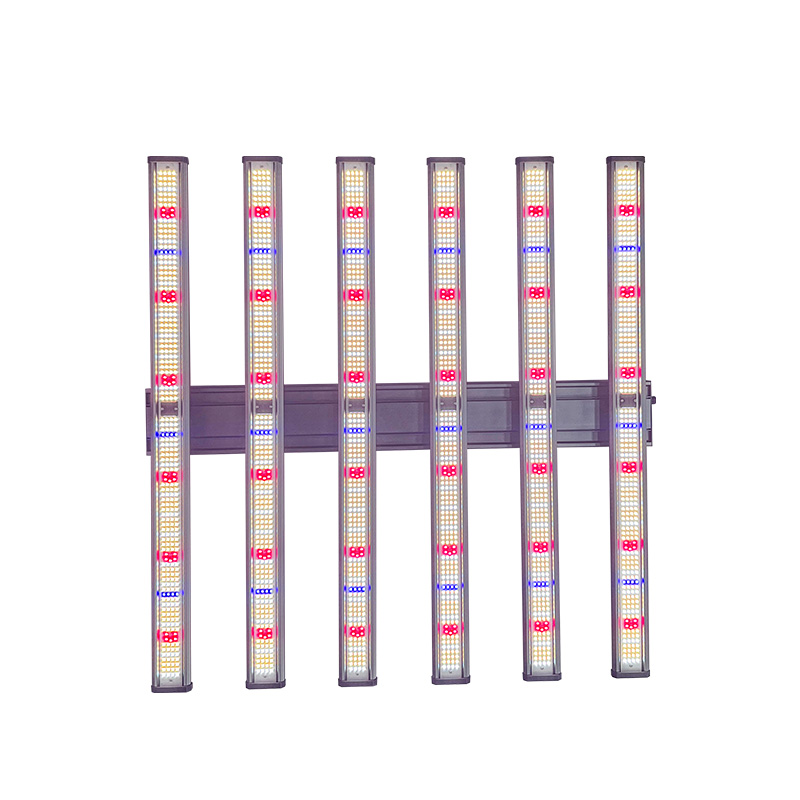
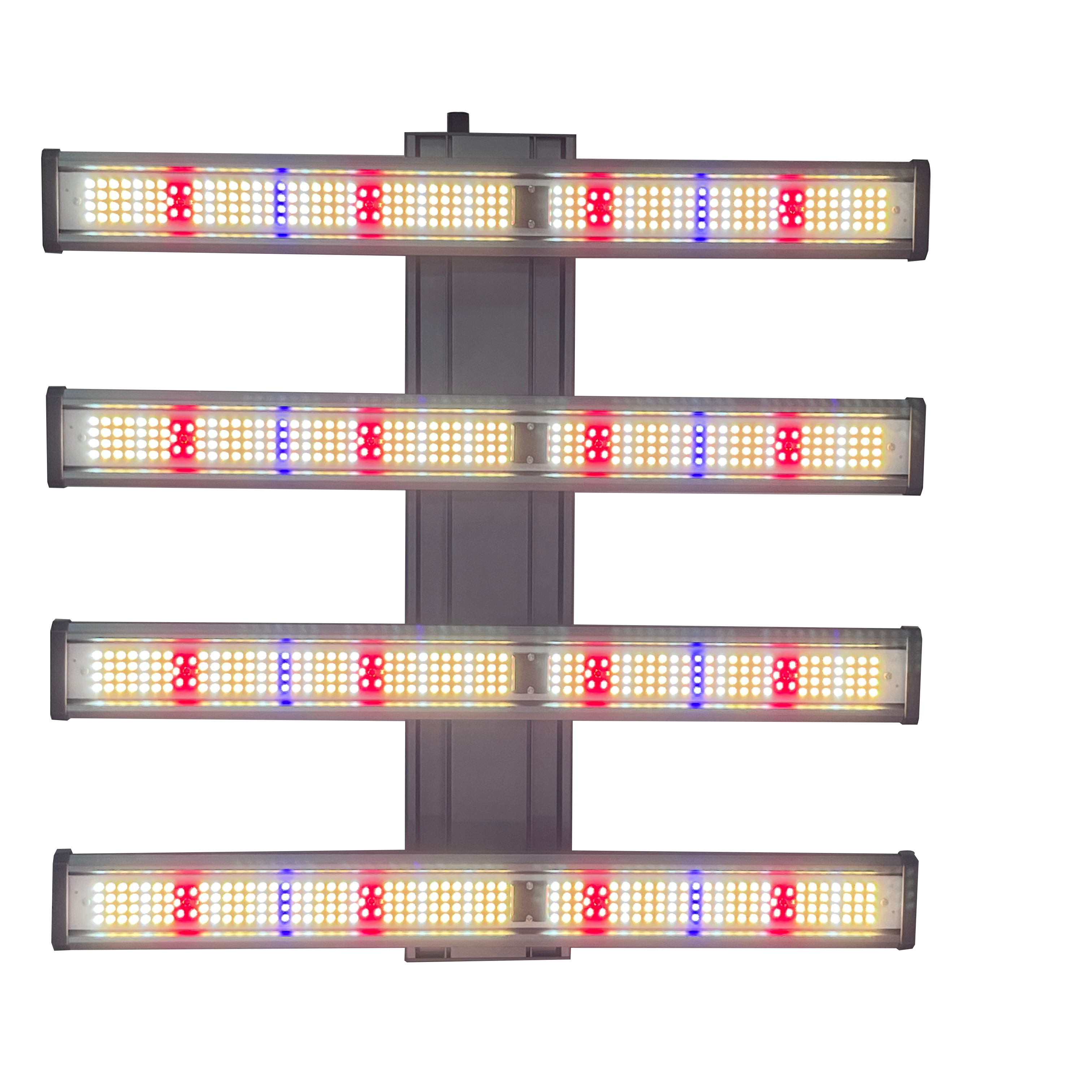
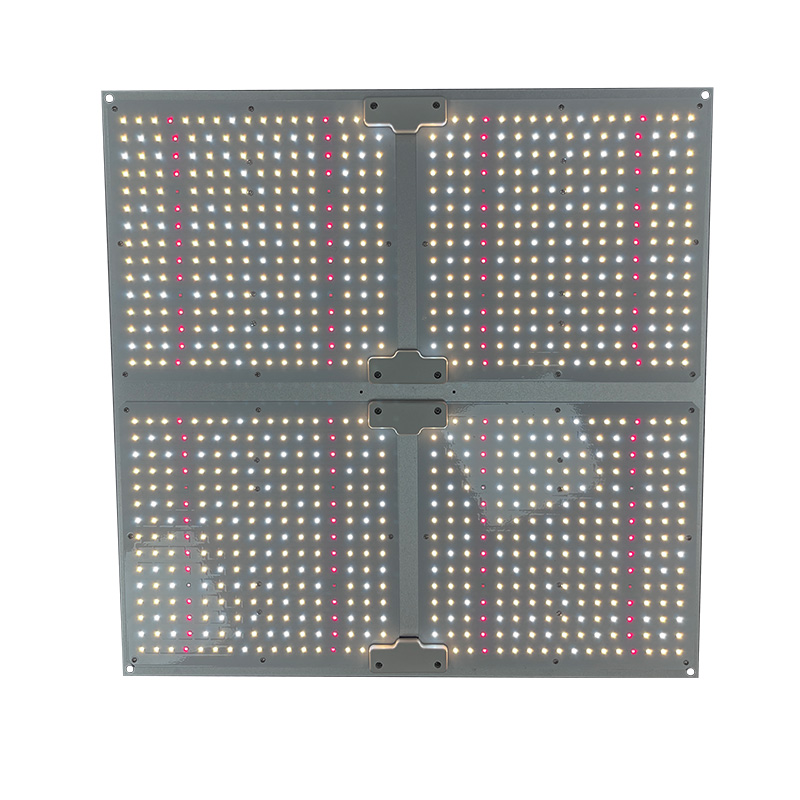
Why Dimmable LED Grow Lights Matter for Commercial Cannabis Farms
A dimmer changes a fixture’s output intensity; it does not automatically change the spectrum composition. For a Commercial Cannabis Farm, that distinction matters because output is an operating setpoint that should follow crop capacity, canopy measurements, and room conditions instead of remaining fixed for an entire cycle.
Why Does Fixed-Output Lighting Fall Short in a Commercial Cannabis Farm?
Cannabis Canopies Do Not Use the Same Light Intensity Throughout the Crop Cycle
Young plants cannot use light in the same way as a developed flowering canopy. One customer usage guide, for example, moves from 20%-40% output for seedling or germination, to 50%-70% in vegetative growth, then 80%-100% in bloom. Those ranges are starting references, not universal recipes, but they show why full power from day one is not automatically productive.
Raising and Lowering Fixtures Is Not a Scalable Dimming Strategy
Changing hanging height can alter canopy intensity, yet repeating it across fixtures adds labor and variation. Electronic control lets a manager change output while keeping the geometry, then verify the result rather than relying on manual moves.
One Output Level Cannot Serve Every Room, Cultivar, and Canopy
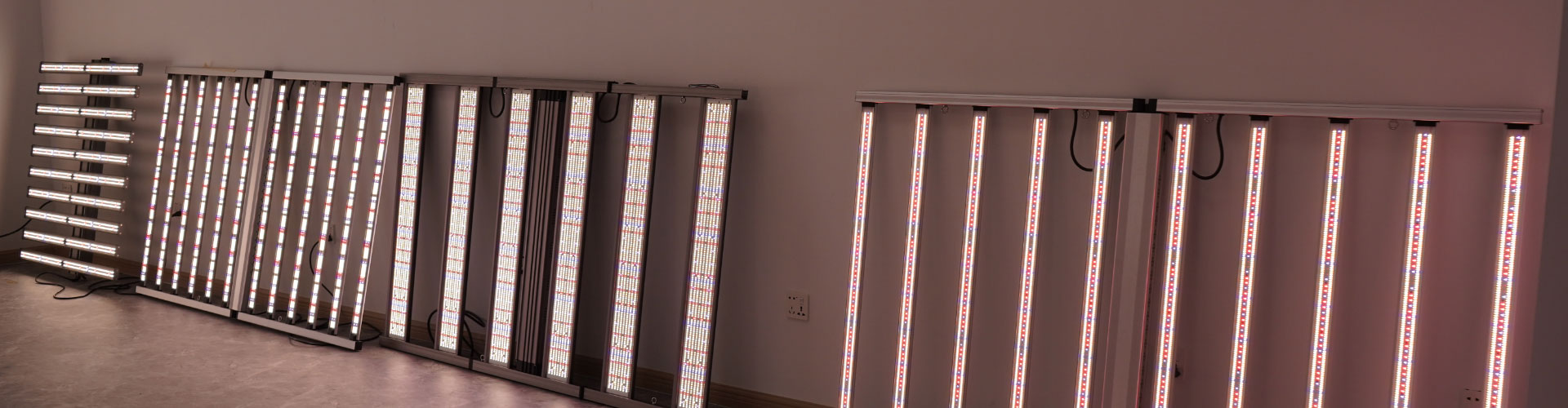
Canopy height, cultivar response, plant density, and batch timing can differ even inside one facility. A fixed fixture forces rooms toward a compromise: excessive intensity for one zone or insufficient intensity for another. A configurable commercial LED grow light range gives a farm a better starting point for matching fixture capacity to room layout and crop stage.
How Does a Dimmable LED Grow Light Improve Crop Transitions?
Start Transplants at Lower Intensity to Support Photoacclimation
Plants moving from a lower-light propagation area need time to acclimate. Beginning at a reduced setpoint limits the abrupt jump at the leaf surface while roots resume activity and new growth develops. The goal is not to keep transplants dim indefinitely; it is to prevent avoidable light stress while watching leaf posture, color, temperature, and irrigation response.

Ramp Light Output as Root Activity and Canopy Capacity Increase
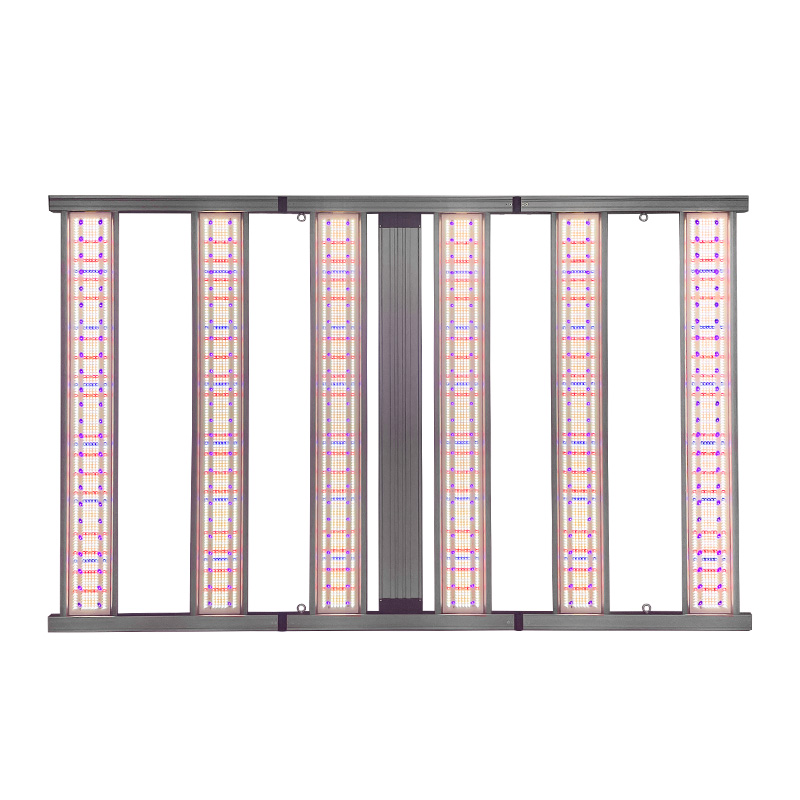
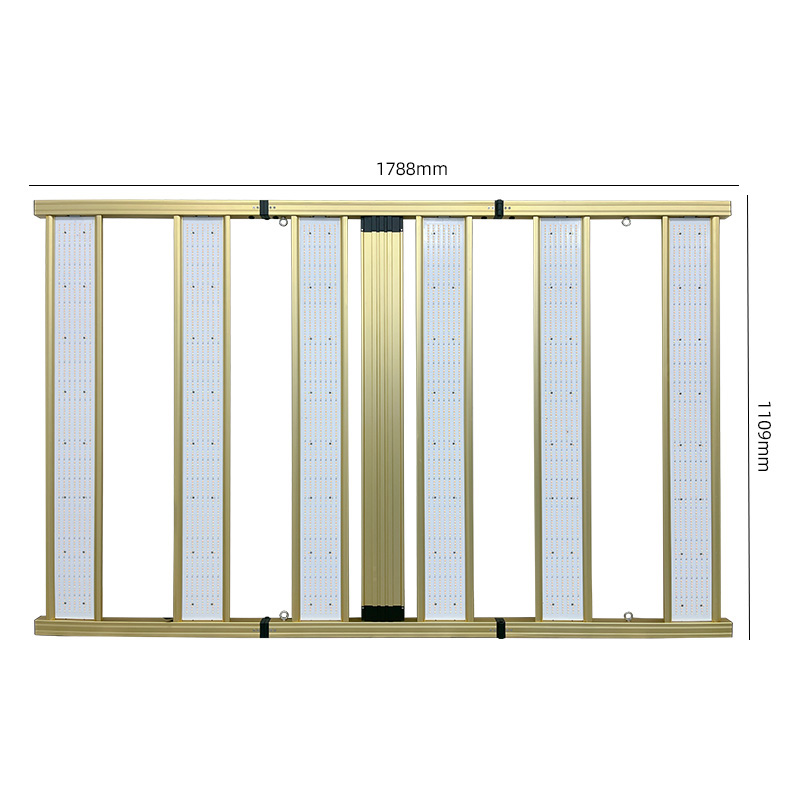
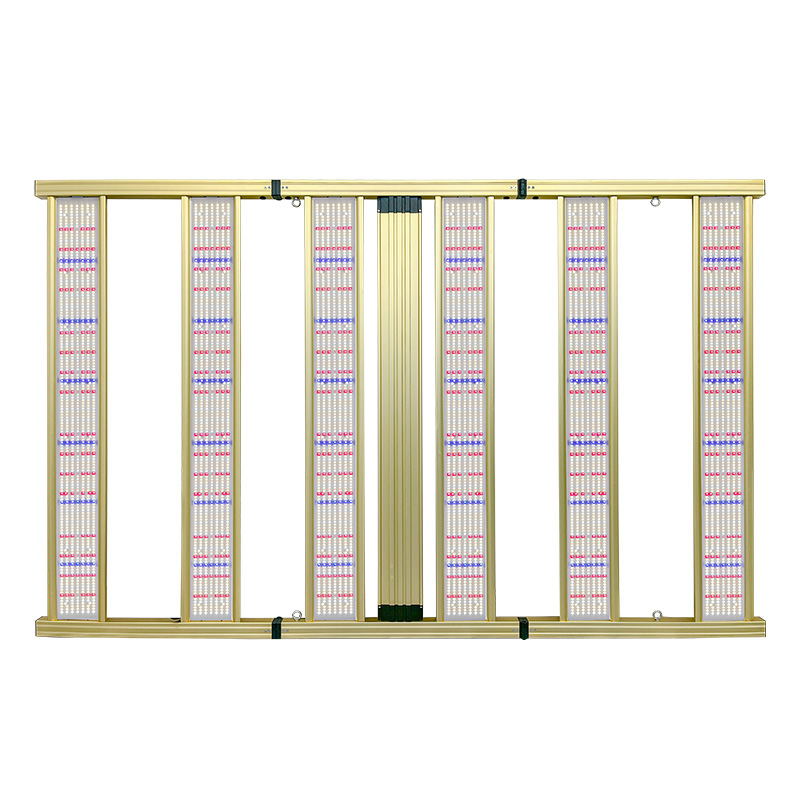
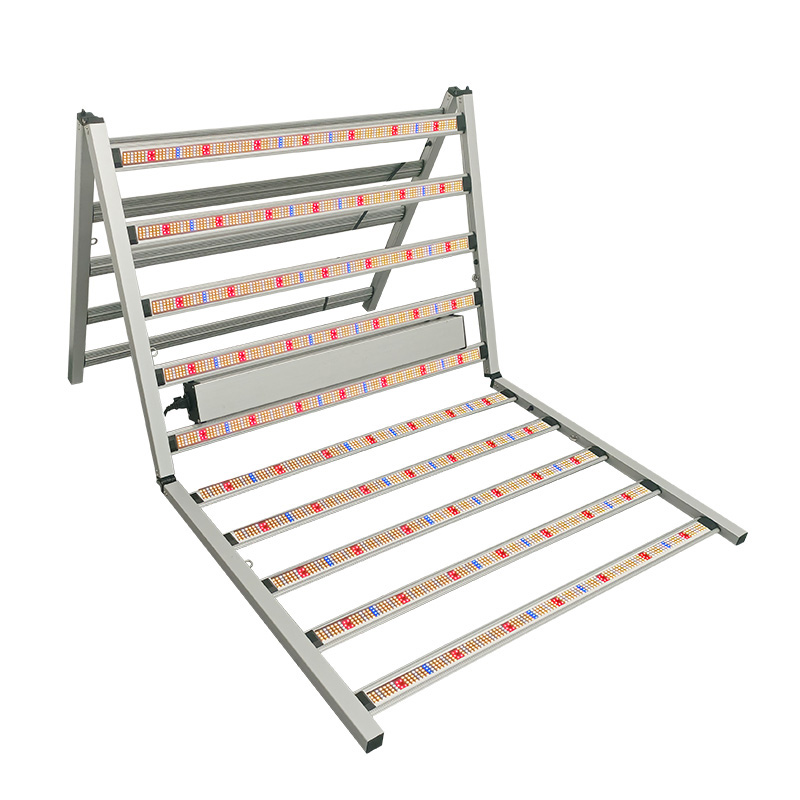
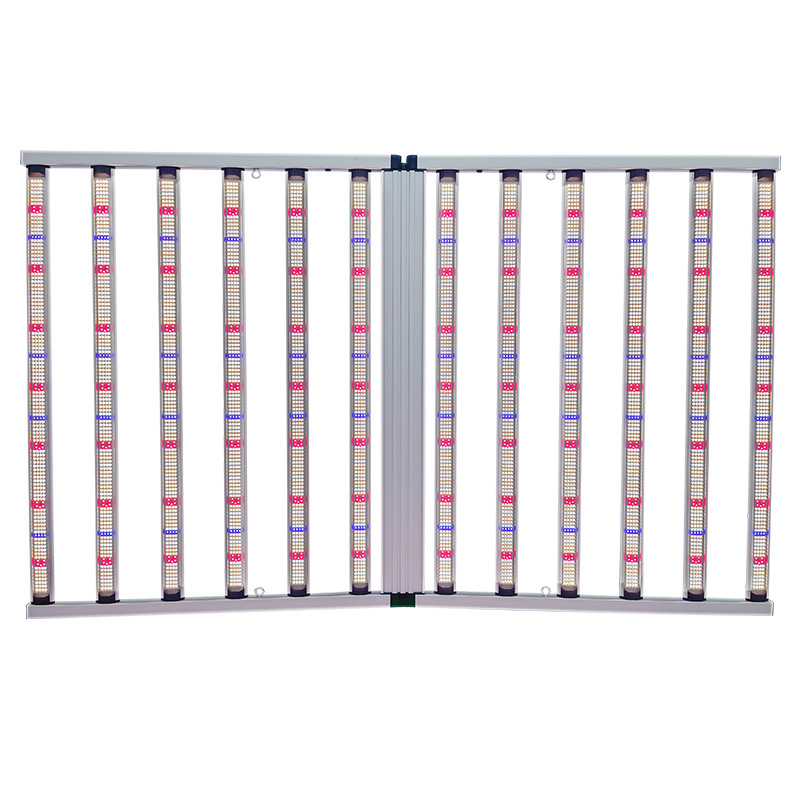
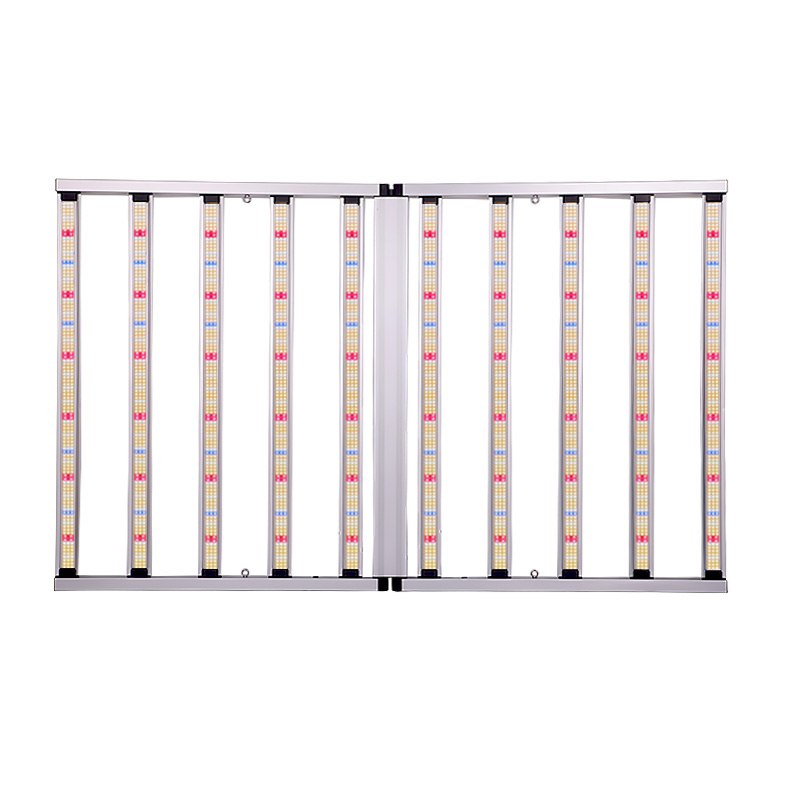
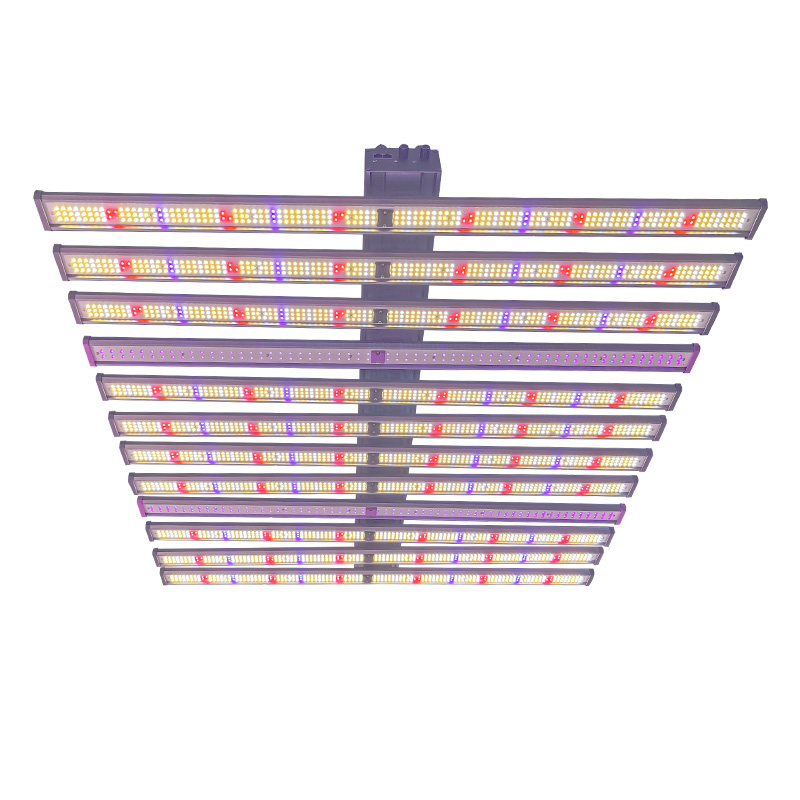
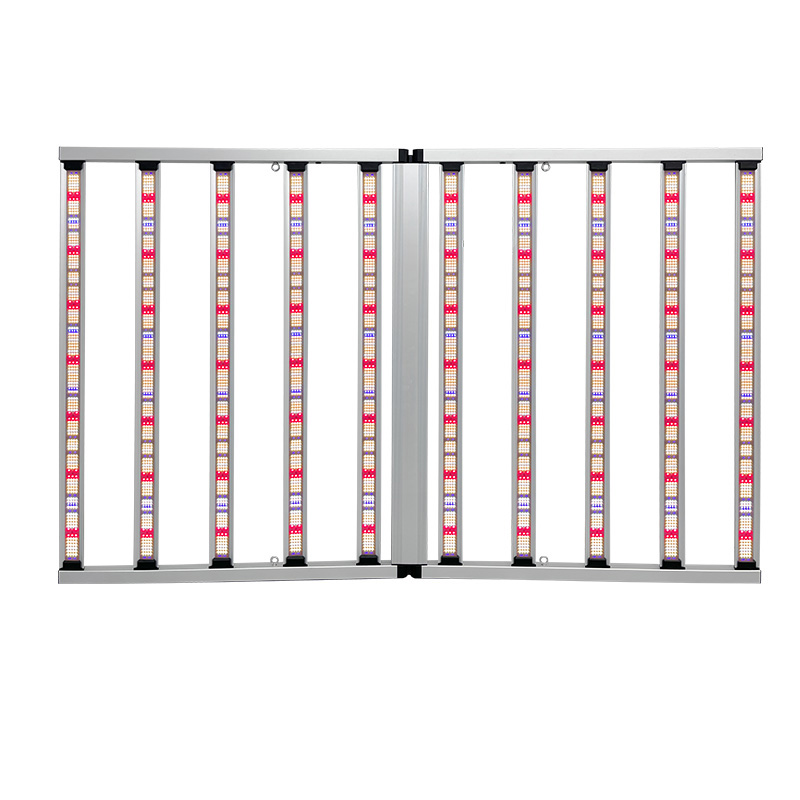
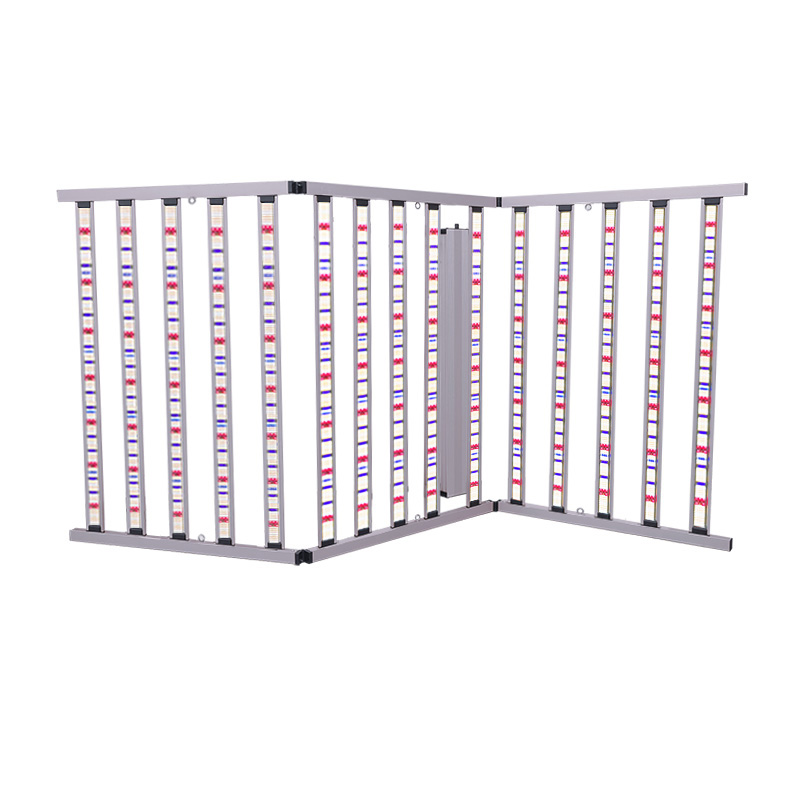
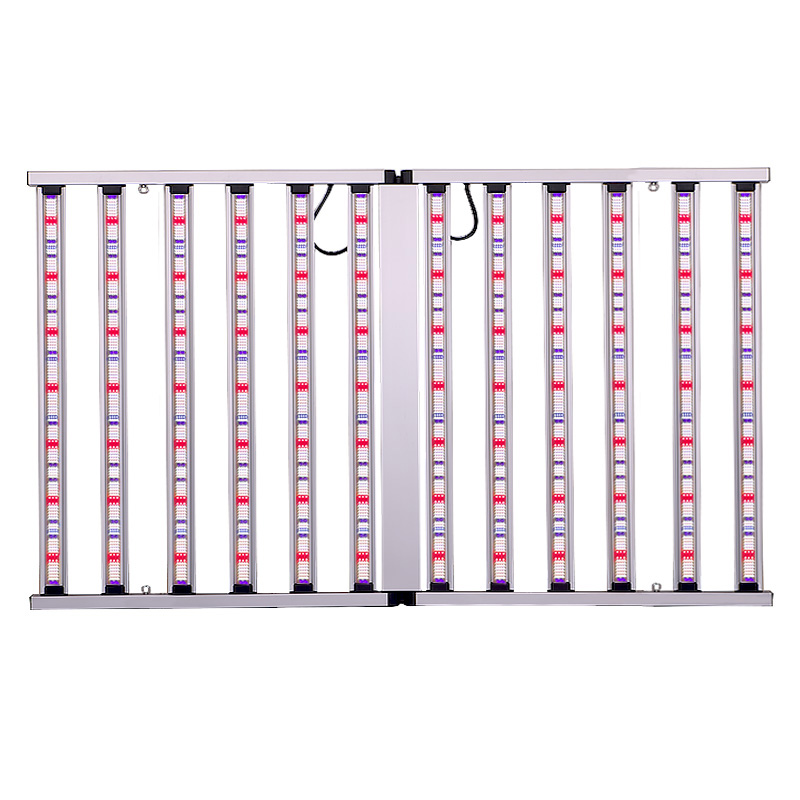
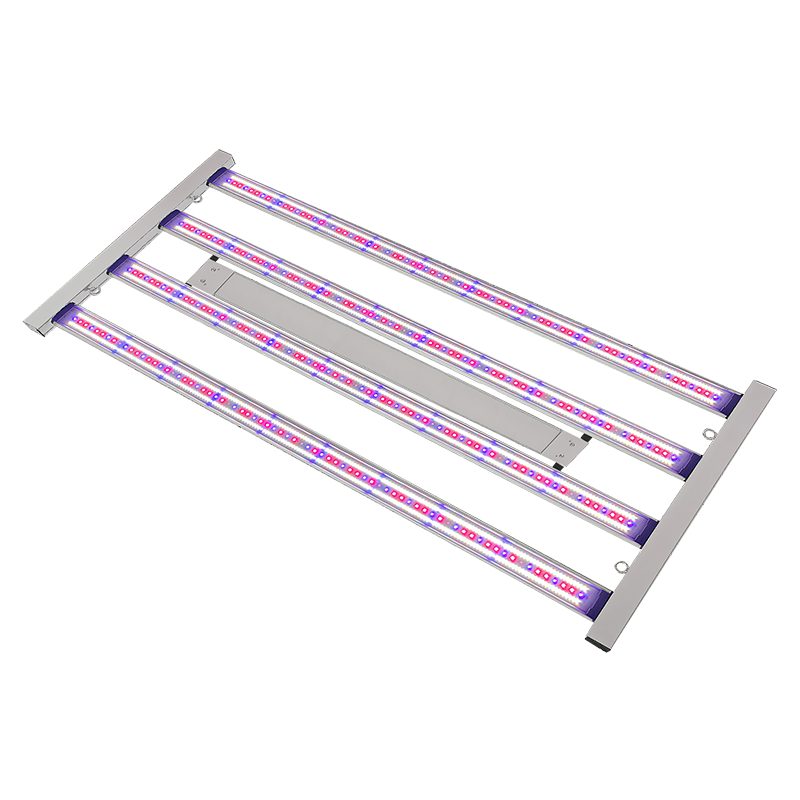
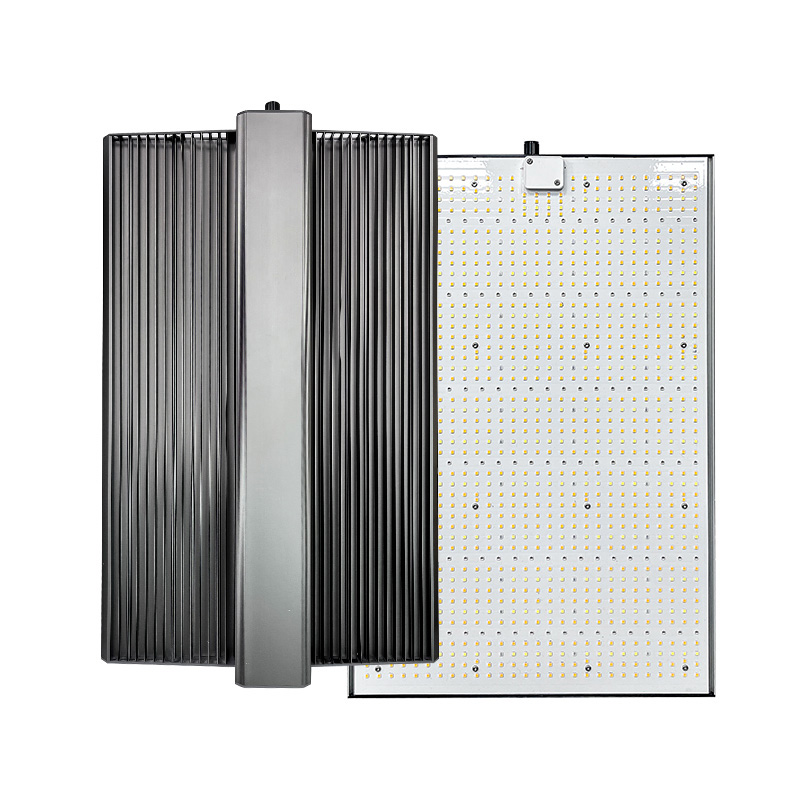
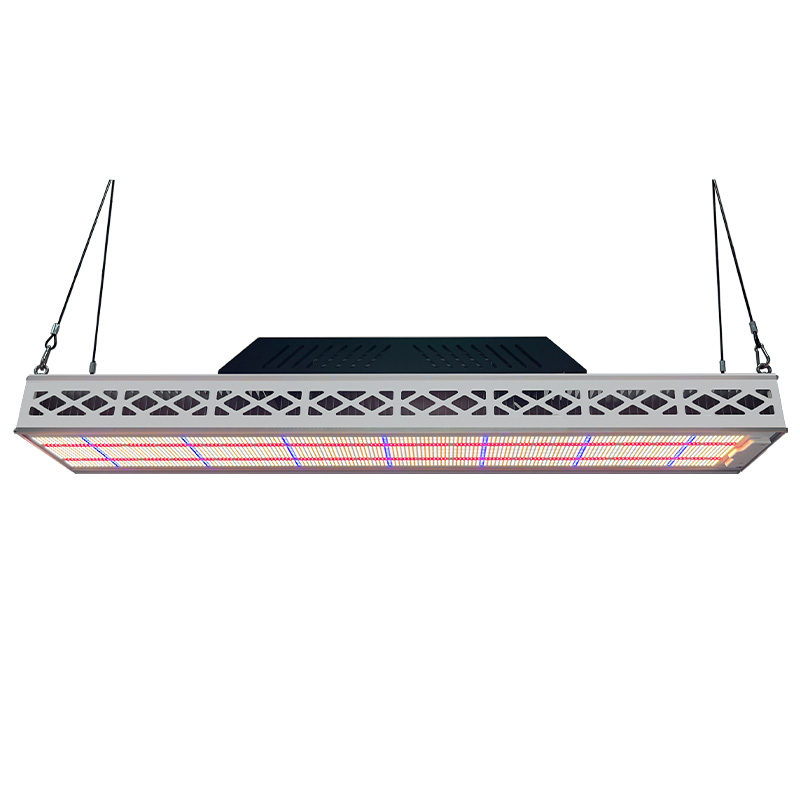
Raise output in measured steps as roots become active and the canopy expands. A Dimmable LED Grow Light should not jump to full power merely because a calendar date arrives. The 1000W 4x6ft LED Grow Light-AD10-1000-2C2-180 is one relevant commercial-scale fixture; its actual setpoint still needs to be confirmed at canopy level.
Reduce Late-Cycle Intensity When Crop or Room Conditions Change
Late flowering does not eliminate the need for adjustment. Crop maturity, canopy temperature, room stability, or a temporary HVAC constraint can make a lower setpoint useful. Operators can respond without choosing between full power and shutting a lighting zone off.
How Does Dimming Improve Consistency Across a Commercial Cannabis Farm?
Build Repeatable Light Recipes by Stage, Room, and Cultivar
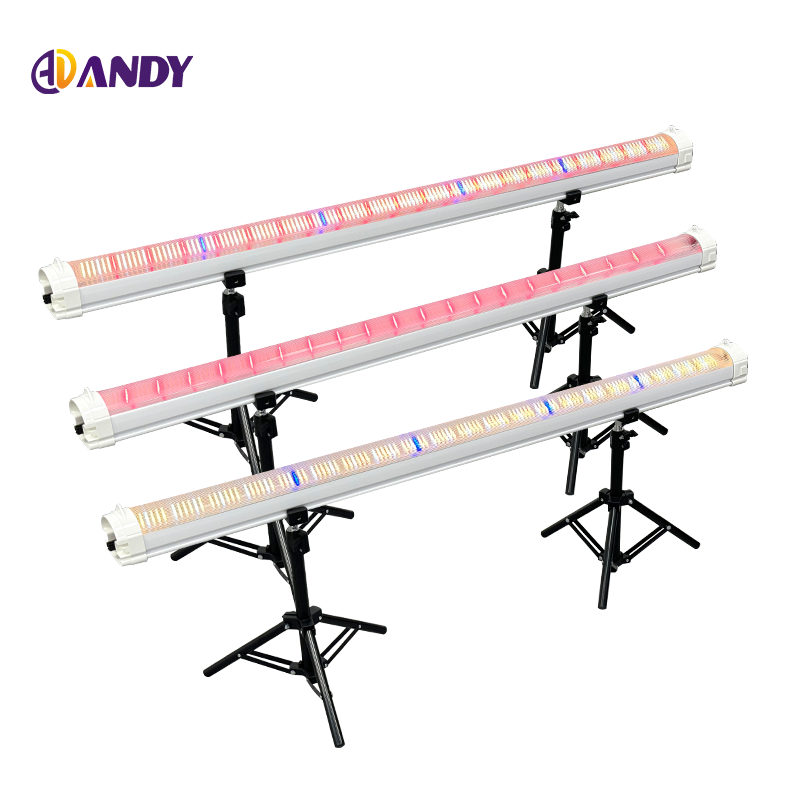
Record each recipe with the crop stage, target canopy intensity, execution time, and conditions that trigger a change. Include who approved the setpoint and when it was measured. At ANDYLED, our bar-style dimmable fixtures are intended for controlled growing environments, but the farm’s documented recipe—not the knob position alone—creates repeatability.
Use Independent Lighting Zones for Staggered Crops and Mixed Canopies
Separate zones allow staggered batches, cultivars, and canopy heights to run different outputs without forcing the whole room to one level. Customer product material describes two-channel dimming, 0-10V adjustment, parallel connection, and scheduling options. Exact group capacity depends on the fixture and controller, so zoning architecture should be verified before installation.
Confirm Every Dimming Setpoint With Canopy-Level Measurements
A dial marked “60%” reports a control command, not the PPFD every leaf receives. Measure multiple canopy points, including center, edges, and known low areas. Compare average, minimum, and uniformity, then save the map with the recipe. This turns dimming from a subjective adjustment into a traceable production control.
How Should Dimmable LED Grow Lights Work With Climate and Irrigation?
Coordinate Intensity With Temperature, Humidity, and Airflow
Higher output can change fixture temperature, canopy temperature, and room load. Customer guidance notes that growers operate humidifiers and fans with the lights, and that aluminum speeds heat dissipation without holding temperature constant. Coordinate each lighting step with air movement, humidification, dehumidification, and HVAC observation rather than treating light as an isolated setting.
Adjust Irrigation as Dimming Changes Transpiration Demand
When intensity changes, inspect substrate dry-back, plant water use, and irrigation timing. A lower setpoint may reduce demand; a higher one may increase it if the crop and climate can support the added light. Do not change the lamp while automatically preserving the old irrigation schedule. Adjust from measured crop response, not from a generic percentage.
Avoid Unnecessary Electrical and Cooling Load When Full Output Is Not Needed
Seedlings and lower-demand zones do not need maximum output simply because the fixture can provide it. Operating at the stage-appropriate setpoint avoids adding light and heat that the canopy cannot use. This practical control principle complements an energy-efficient LED grow-light overview without requiring an electricity-price or payback model.
Create Safe Lighting Responses for Environmental Instability
Define a lighting response for temperature, humidity, or HVAC excursions before they occur. The plan can specify which zones reduce output, how low they go, who receives an alert, and what conditions allow recovery. Use time limits and canopy checks so an emergency reduction does not quietly become an unreviewed long-term recipe.
What Should a Commercial Cannabis Farm Test Before Scaling Dimmable LED Grow Lights?
Check the Usable Dimming Range and Low-Output Stability
Test the full claimed range, especially the low end. Look for flicker, unexpected shutoff, unstable output, audible behavior, and fixture-to-fixture variation at the same command. Confirm that the useful range is wide enough for propagation and early vegetative work, not merely that the driver has a dimming label.
Test Group Control, Scheduling, and Power-Restart Behavior
Send commands to the intended group size, confirm timing, interrupt communication, and restore power. Record whether fixtures resume the previous state, follow a schedule, or default elsewhere. Flowering rooms need special attention: a restart must not unintentionally illuminate the protected dark period.

Map PPFD Uniformity at More Than One Dimming Level
Do not accept only a full-power PPFD map. Map the settings planned for propagation, vegetative growth, and flowering, checking averages, edges, and uniformity at each level. A full-spectrum commercial cultivation guide can frame fixture selection, but room-specific maps must establish the working setpoints.
Validate One Production Zone Before Farm-Wide Deployment
Run one representative zone through a complete cycle before scaling. Track plant response, canopy PPFD, climate data, irrigation changes, controller logs, restarts, and staff feedback. Use the results to revise recipes and training. This staged approach is consistent with a practical commercial cannabis farm lighting guide and exposes control problems while the affected area is limited.
FAQ
Q: Is a Dimmable LED Grow Light worth using in a Commercial Cannabis Farm?
A: Yes, when the farm uses dimming as a measured production control. It supports stage changes, zoning, environmental responses, and lower output when full intensity is unnecessary. The value depends on a stable usable range, reliable controls, and verified canopy PPFD.
Q: How should a Commercial Cannabis Farm adjust a Dimmable LED Grow Light through each growth stage?
A: Start lower for young plants, increase output in measured steps as roots and canopy capacity develop, and retain the option to reduce intensity later. Use stage references as a starting point, then adjust from canopy measurements, crop response, and room capability.
Q: How does a Dimmable LED Grow Light affect PPFD and DLI in a Commercial Cannabis Farm?
A: Reducing output generally reduces canopy PPFD. If the photoperiod stays unchanged, that also reduces DLI; changing both intensity and hours changes DLI together. Measure PPFD at the canopy and calculate DLI from the actual setpoint and schedule rather than using the knob percentage.
Q: Can a Commercial Cannabis Farm control multiple Dimmable LED Grow Lights from one system?
A: Yes, when compatible fixtures, controllers, and wiring support group control. Because published group limits can vary by configuration, verify the exact fixture count, zoning, scheduling, communication-loss behavior, and restart state for the selected system.
Q: What should a Commercial Cannabis Farm test before buying a Dimmable LED Grow Light?
A: Test low-output stability, dimming consistency, PPFD uniformity at several settings, group commands, schedules, communication interruption, and power recovery. Confirm the dark-period response and complete a representative production-zone trial before approving a farm-wide rollout.


