
How to Test LED Grow Light Samples Before Placing a Bulk Order
Testing a sample LED Grow Light is a purchasing control step, not a casual product trial. The buyer needs to know which configuration is being approved, whether measured output matches the submitted data, and whether multiple units can repeat the result.
What Should You Define Before Testing an LED Grow Light Sample?
Identify the Exact LED Grow Light Configuration Being Tested
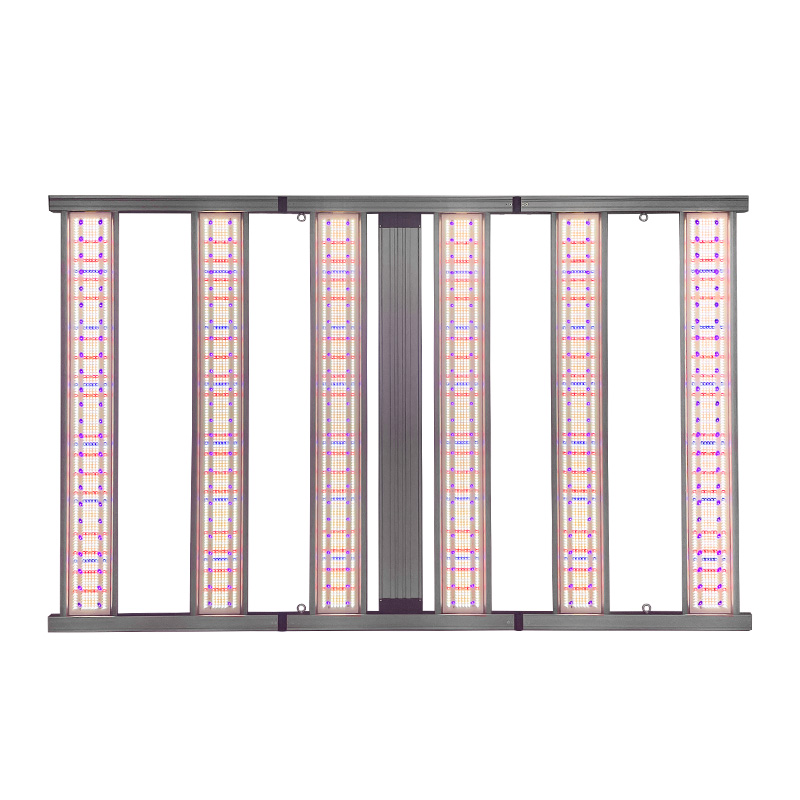
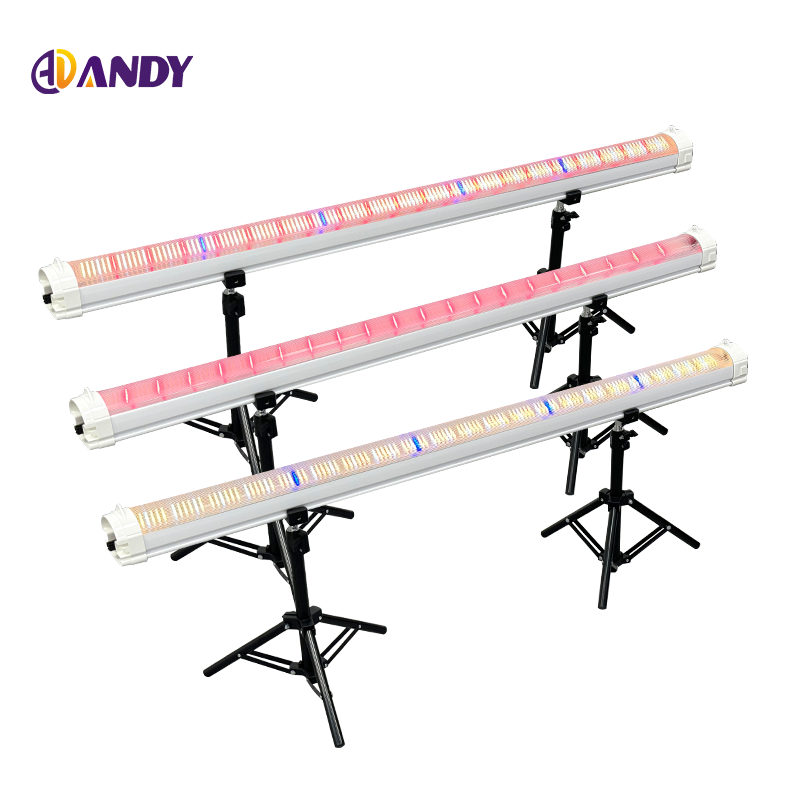
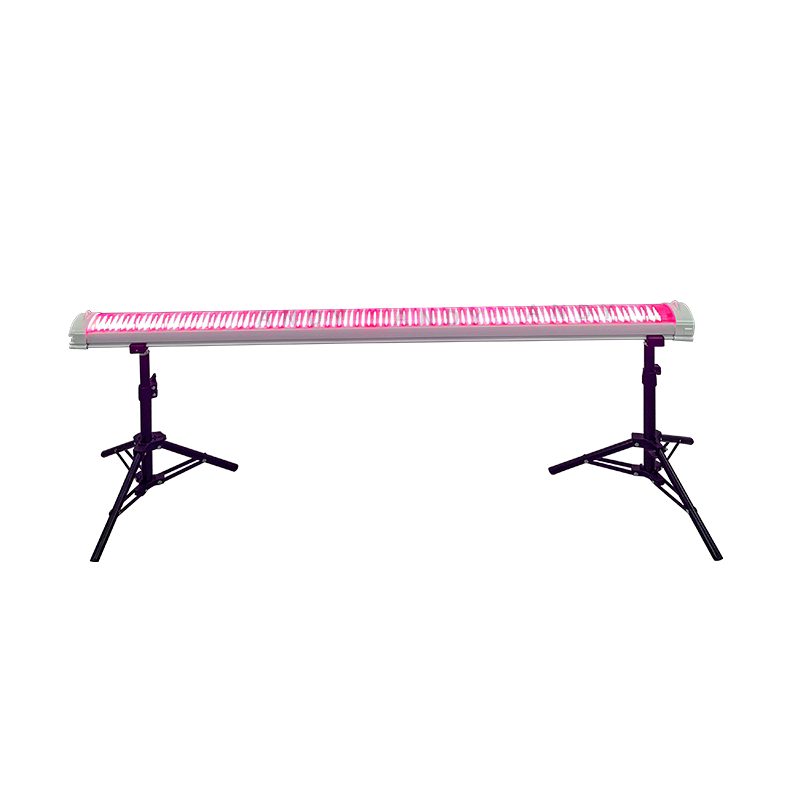
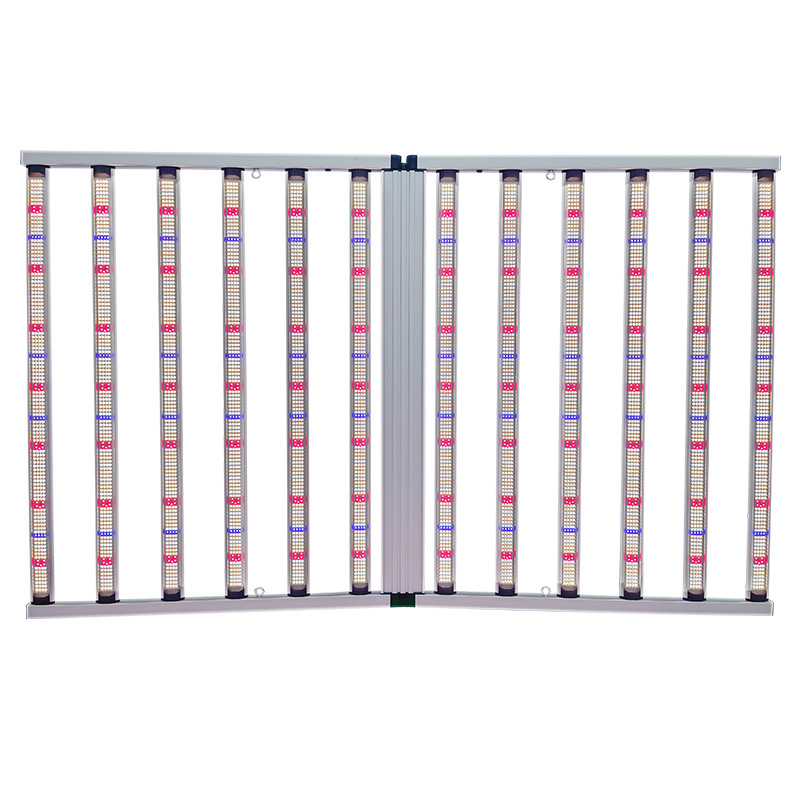
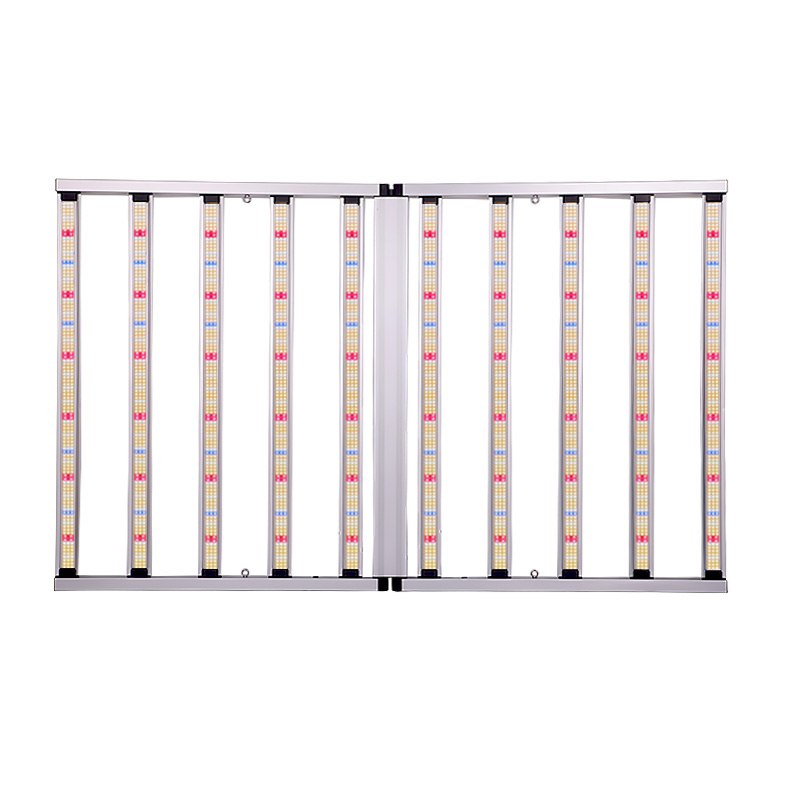
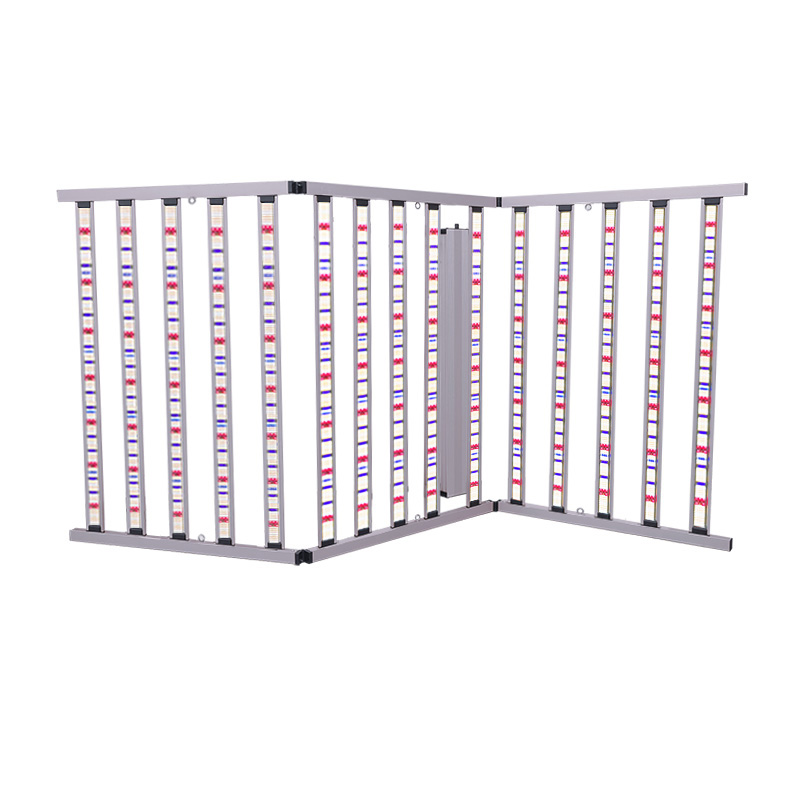
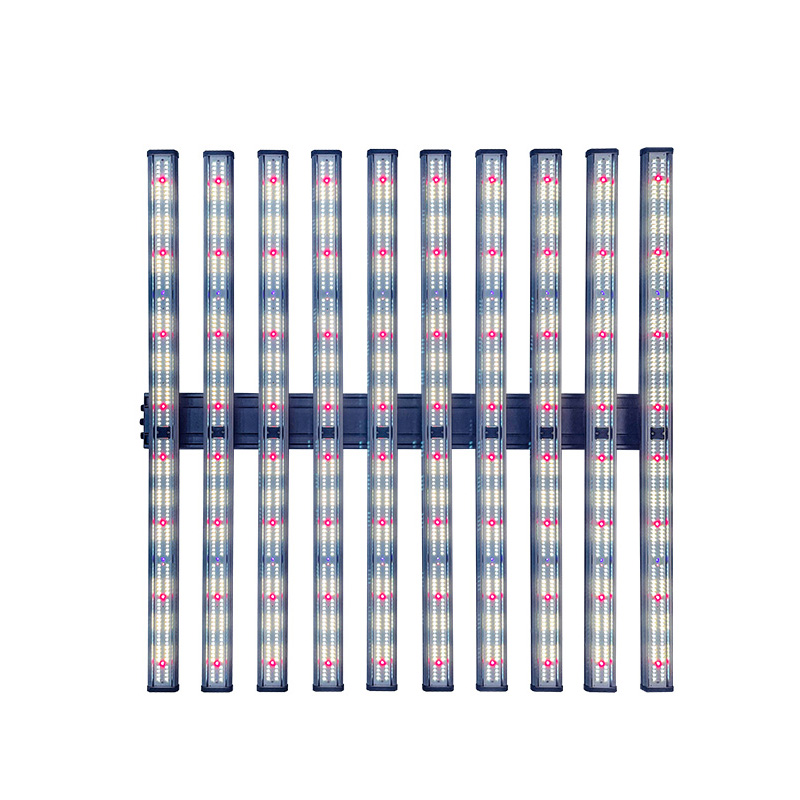
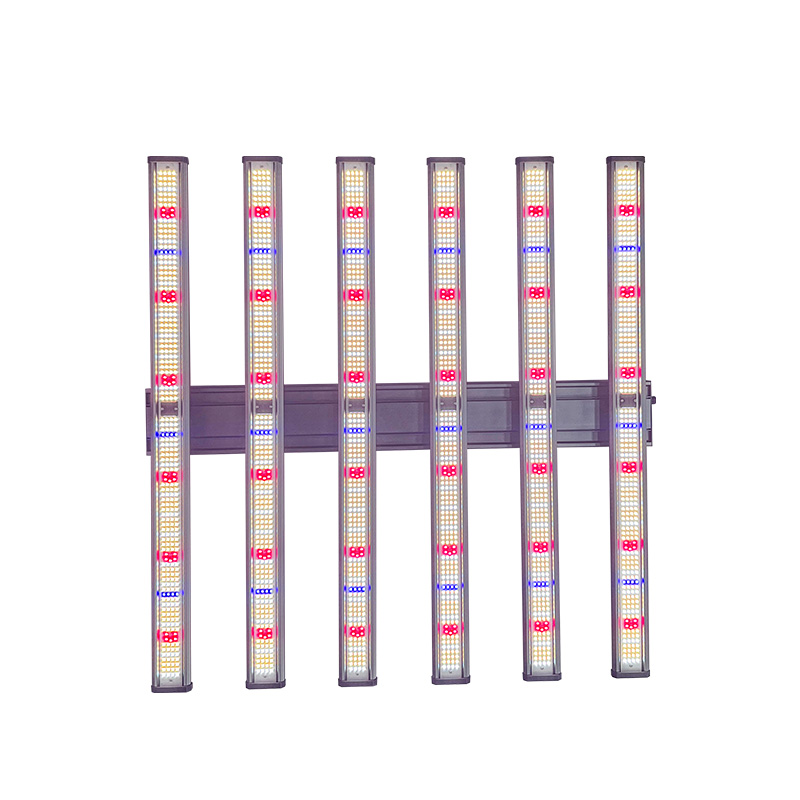
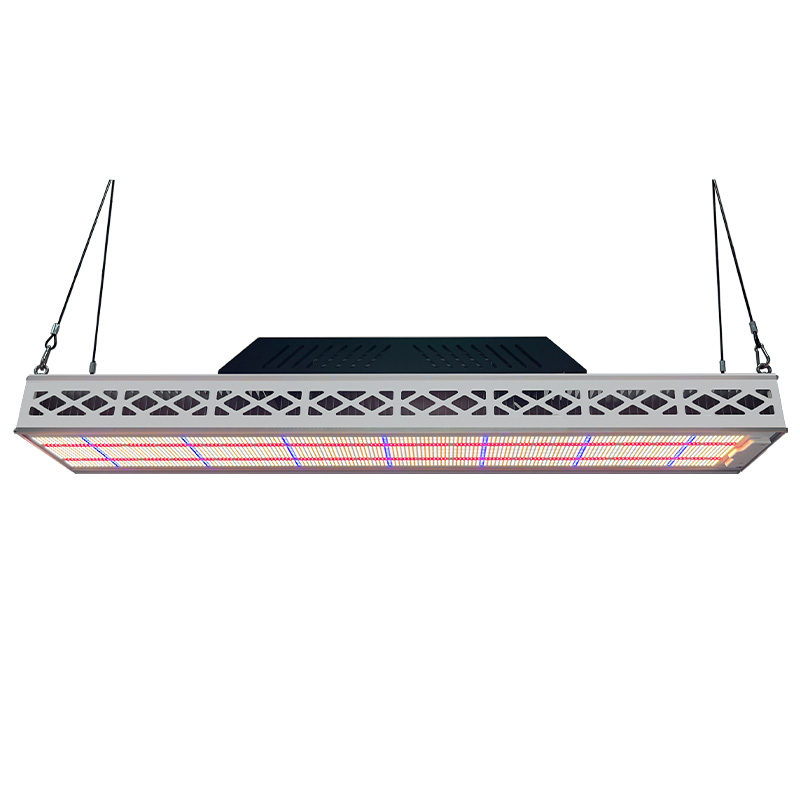
Start by naming the exact fixture version. Record wattage class, input voltage, spectrum package, dimming or control configuration, plug, cable set, mounting hardware, and accessories. In an ANDYLED sample review, we keep the question narrow: what exact version is being approved? Use a bar-style model page only to confirm product family.

Match the Physical Sample to the Datasheet, Label, and Submitted Documents
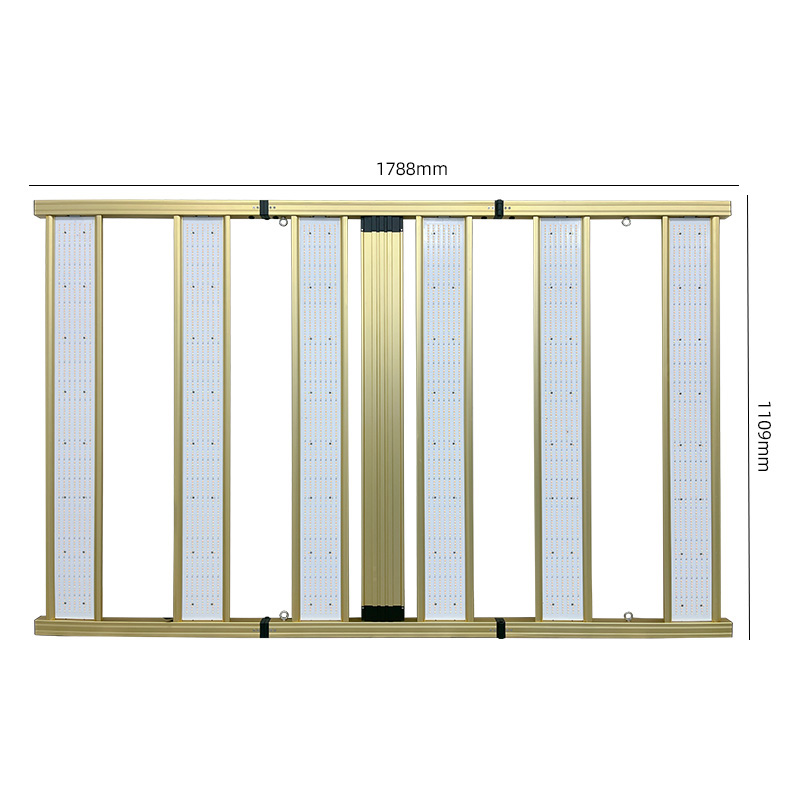
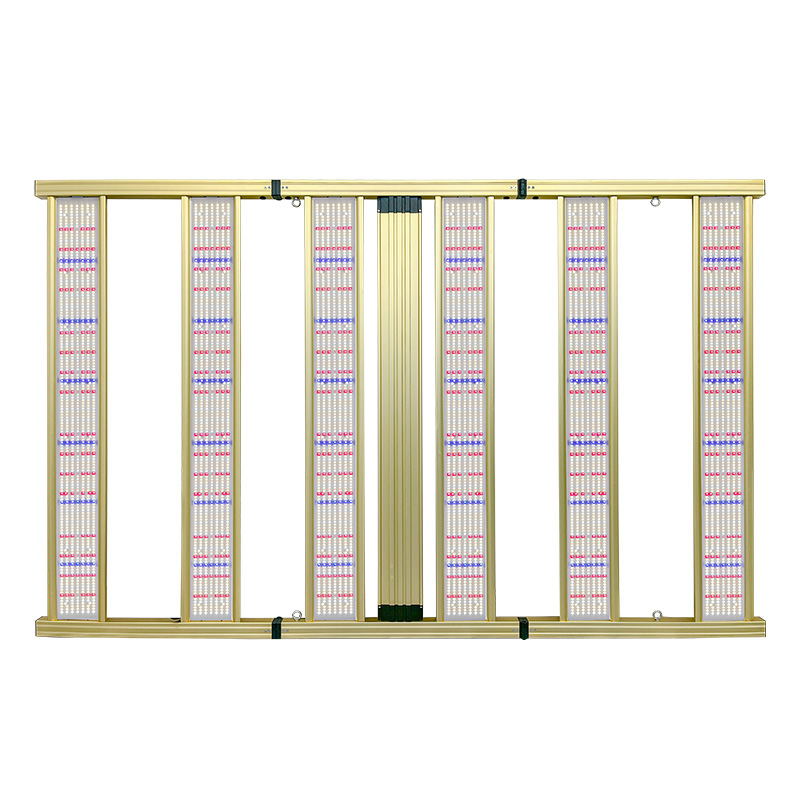
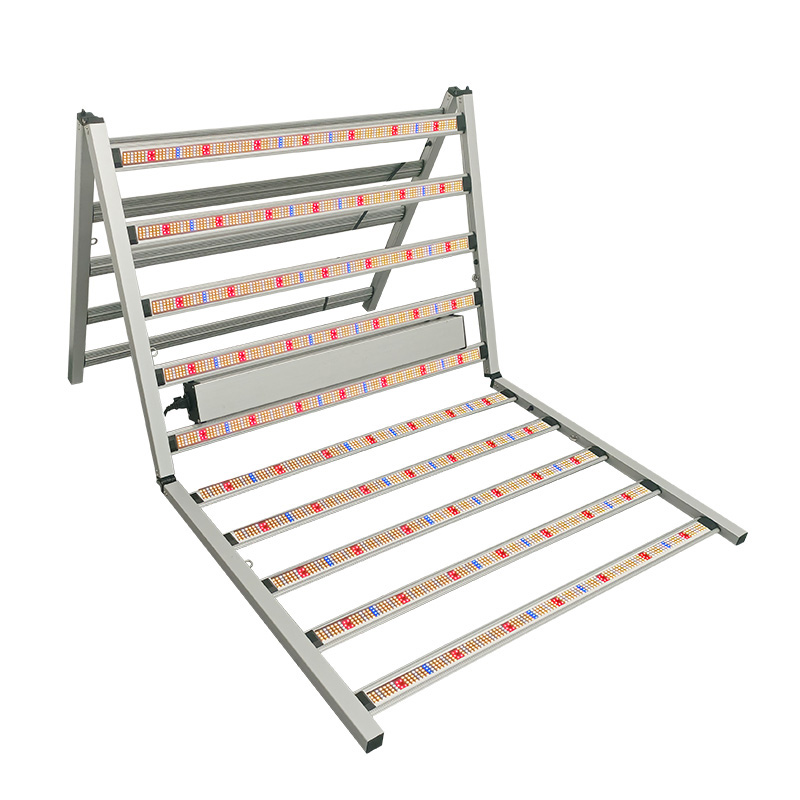
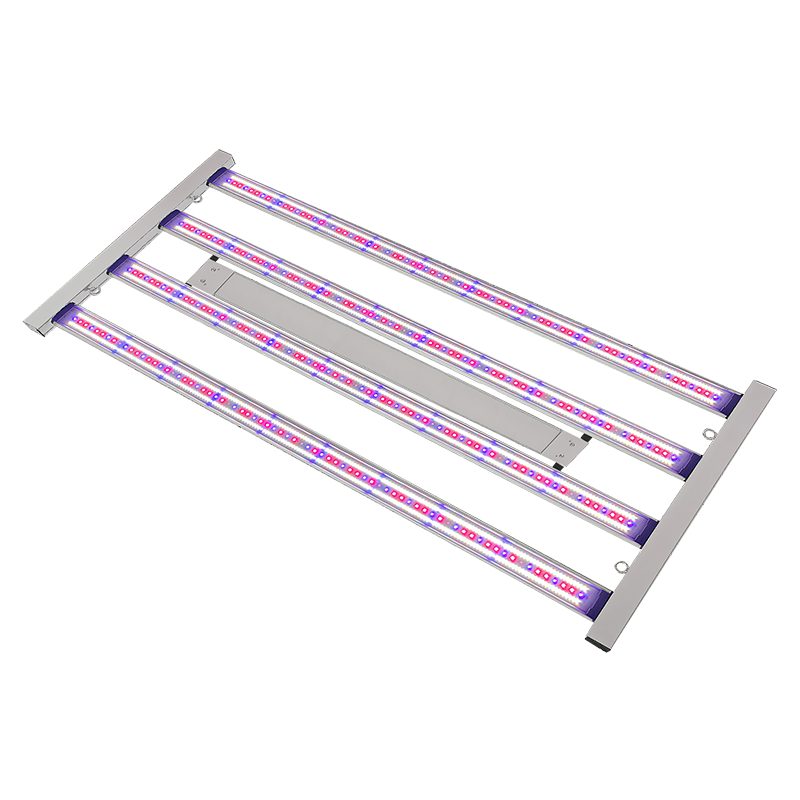
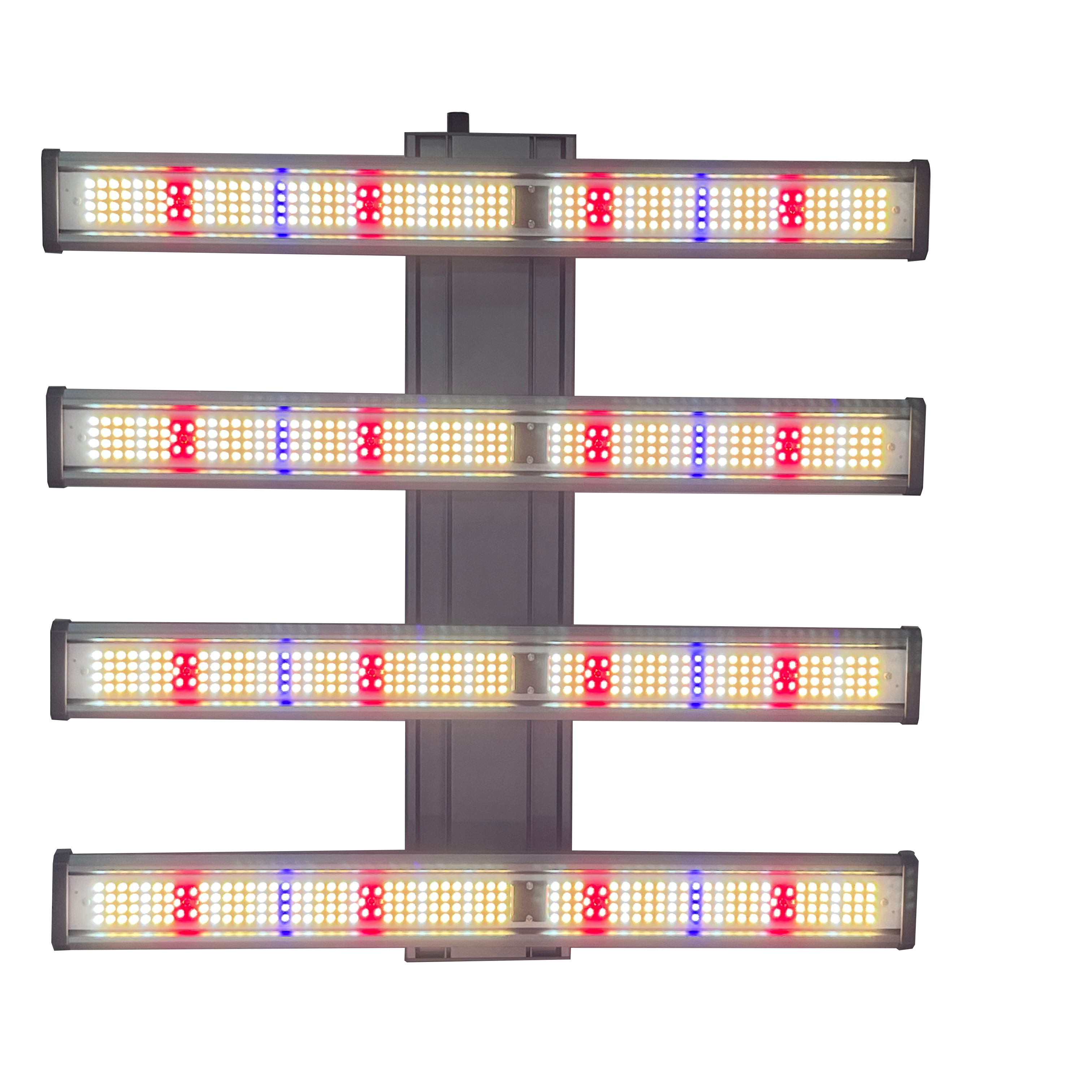
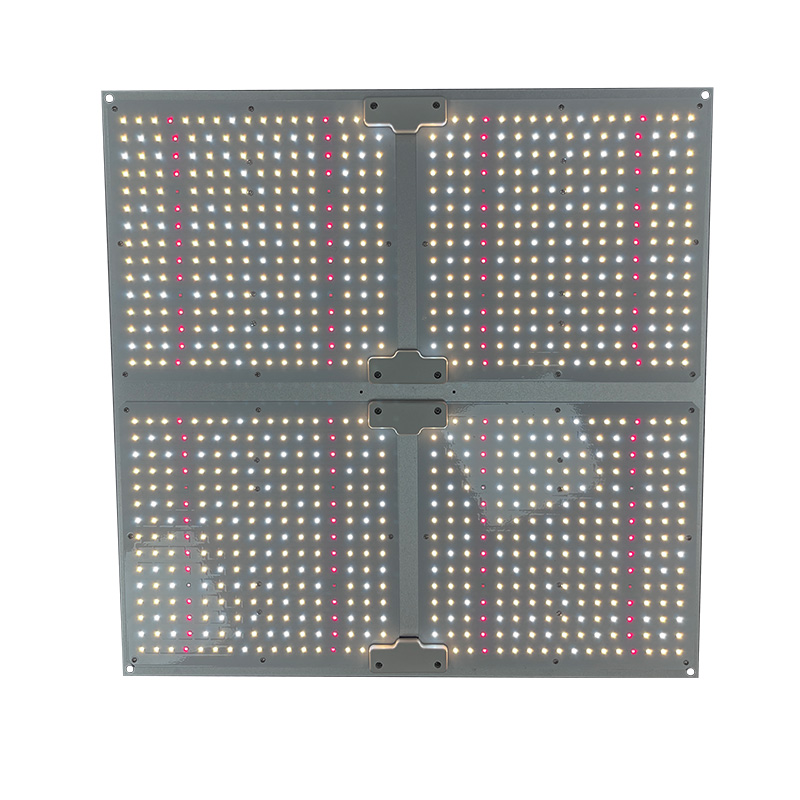
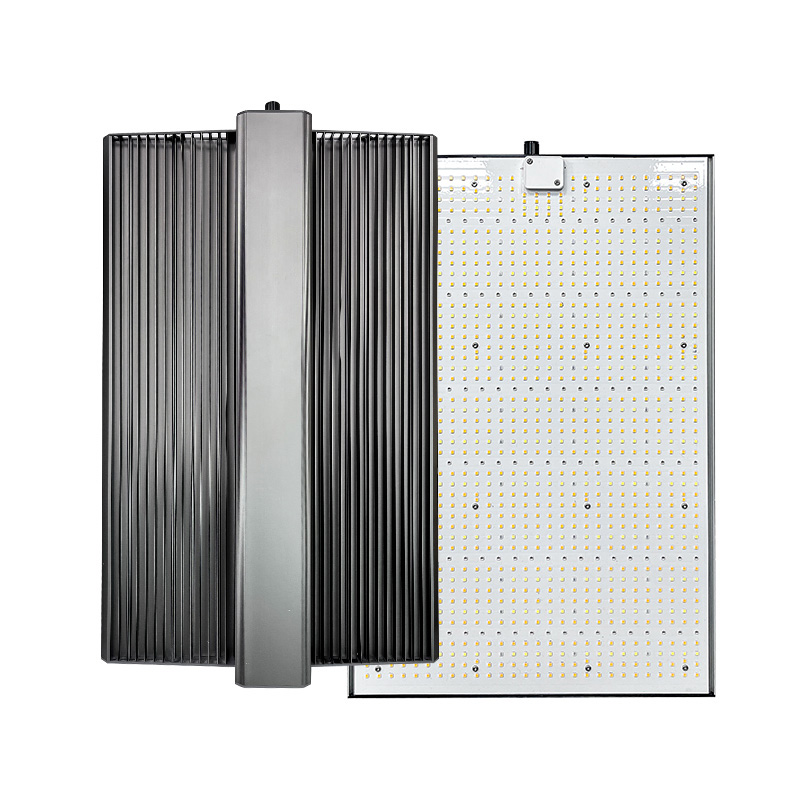
Before testing performance, match the physical unit against the label, datasheet, quotation, and submitted documents. They should all describe the same build. If the label says one driver or control option while the paperwork describes another, the sample is not a clean approval candidate. A large-format model page is only a reference; the sample must match its own documents.
Turn the LED Grow Light Specification Into Pass-or-Fail Criteria
Convert the specification into pass-or-fail rules before testing begins. Define which measurements must pass, which deviations are acceptable, which findings require correction, and which failures require a new sample. This turns purchase requirements into approval checkpoints before any results are reviewed.
Decide Which Order Variants Need Separate Sample Approval
One sample cannot automatically approve every variant in a bulk order. Separate approval may be needed when wattage class, voltage, spectrum, dimming configuration, control method, cable length, plug, or accessory package changes. If the change can affect performance, installation, or inspection, treat it as a separate approval item.
How Do You Verify LED Grow Light Output and Canopy Coverage?
Measure Actual Input Power Against the Declared Specification
First, check whether the sample consumes power within the declared range. This answers a simple acceptance question: is the unit operating as the supplied specification says it should? It does not prove canopy performance by itself; wattage alone should not be treated as usable plant light.
Map PPFD Across the Full Intended Canopy, Not Just the Center
Create a measurement grid that matches the intended canopy footprint and record PPFD at the center, edges, corners, and other representative points. Review the average PPFD, lowest readings, and overall uniformity rather than relying on the highest center value. A sample should pass only if it delivers usable, reasonably even light across the crop area it is expected to cover.
Cross-Check Measured Output Against the Supplier’s Test Data
Compare your results with the supplier’s datasheet and test report under equivalent conditions, including hanging height, coverage area, input power, and dimming level. The submitted data and the physical sample should show consistent performance. If measured output is materially lower, or the supplier’s test conditions do not match the claimed application, resolve the discrepancy before approving the sample.
Verify Spectrum or Additional Channels Only When Included in the Order
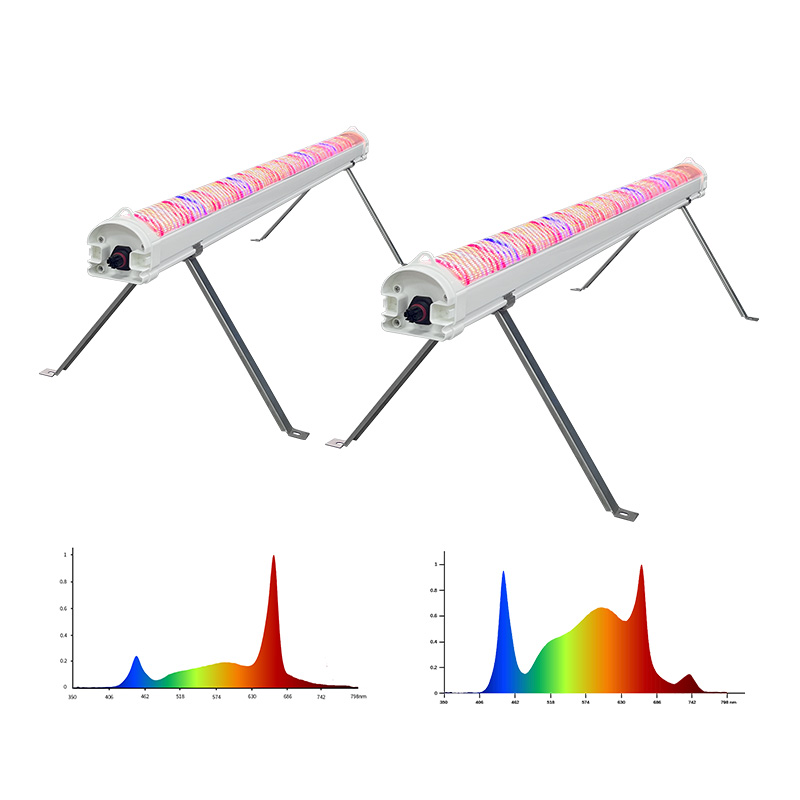
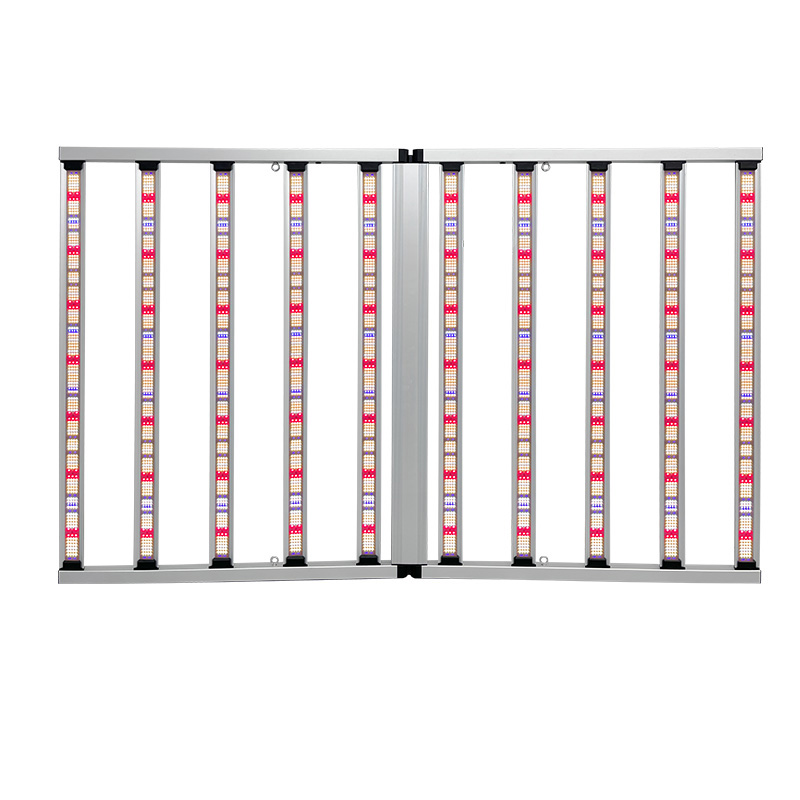
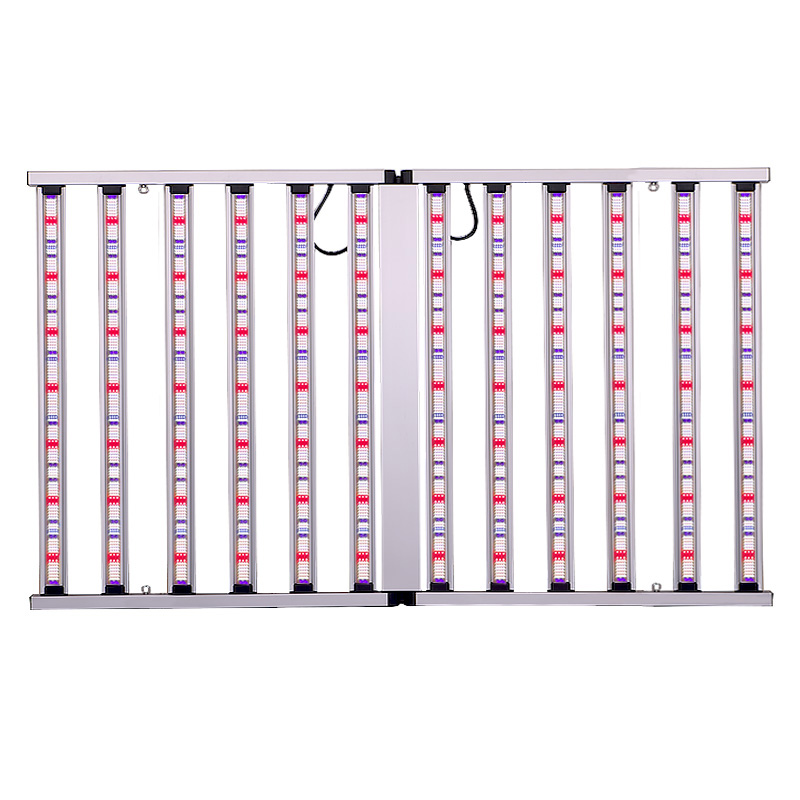
Do not add tests for features the order does not include. If the purchase includes extra spectrum channels, separate channel control, or special dimming behavior, verify them directly. If the order is a fixed-spectrum fixture, such as a 720W 4x4ft LED Grow Light, keep the test scope focused on the ordered configuration. This prevents unnecessary rejection criteria and keeps the approval record clean.
What Functional and Reliability Tests Should an LED Grow Light Sample Pass?
Test Startup, Shutoff, Flicker, and Dimming Behavior
Check startup, shutoff, visible flicker, low-output stability, dimming transitions, and restart behavior. The sample should respond predictably rather than jumping, buzzing, failing to restart, or drifting at low output. If dimming is part of the purchase, compare behavior with this dimmable grow light guide and test the actual ordered controls.
Run the LED Grow Light Until It Reaches Stable Operating Conditions
Run the fixture long enough to reach stable operating conditions, then check output stability, temperature behavior, abnormal shutdown, unusual noise, and smell. A sample that looks fine at turn-on may behave differently after warm-up. The approval should reflect steady operation, not only a short power-on check.
Repeat Key Functions After Extended Operation
After the extended run, repeat the key functions. Check dimming, restart, and output behavior while the fixture is warm. This second pass catches issues that do not appear cold. If a function becomes inconsistent after operation, record it as an approval problem.
Test Group Control and Scheduling Only When Required by the Bulk Project
If the bulk project includes group control, schedule programming, or coordinated command behavior, test those functions directly. Check group response, dimming consistency, scheduling, communication recovery, and power recovery. If those features are not included in the order, do not make them sample acceptance requirements.
How Do You Check LED Grow Light Sample-to-Sample Consistency?
Test Multiple LED Grow Light Samples Under the Same Conditions
After one unit passes, test multiple samples under the same conditions. Use the same grid, settings, operating time, and acceptance rules. The purpose is to move from “this unit can pass” to “this sample set can repeat the result.” That distinction matters before releasing a bulk order.
Compare Unit-to-Unit Variation Against the Approved Tolerances
Compare optical output, input power, dimming behavior, and temperature behavior across units. The sample set should remain inside the tolerances defined before testing. If the spread is wider than expected, the approval record is not ready for production use.
Inspect Mechanical Fit, Connectors, Cables, and Accessories for Consistency
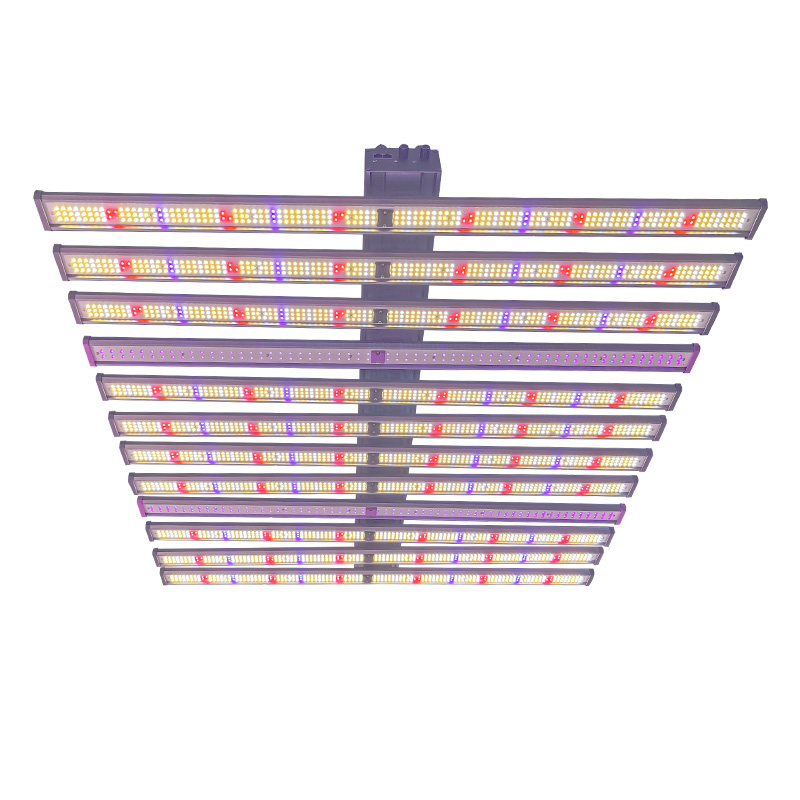
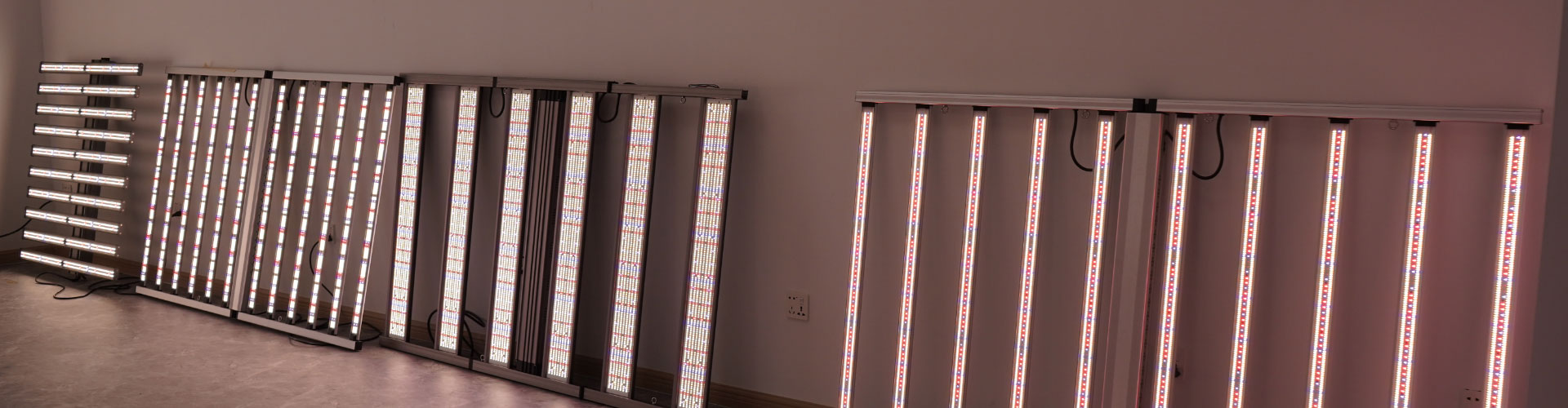
Optical and electrical results do not prove assembly consistency. Check dimensions, frame fit, connectors, cables, suspension parts, labels, and supplied accessories across all samples. Commercial rooms depend on repeatable installation. A bar-style grow room guide gives useful context for why fixture form and installation details matter.

Investigate Any Outlier Before Approving the Sample Set
If two samples are close and one is clearly different, do not average the result and move on. Investigate the outlier. It may be a test error, a wrong version, or an early sign of production inconsistency. Approval should explain the difference before the sample set is accepted.
How Do You Turn an Approved LED Grow Light Sample Into a Bulk-Order Standard?
Create an Approved Golden Sample and Test Record
When the sample set passes, create a golden sample record. Include sample ID, version, photos, measured results, accepted deviations, and approval date. This gives procurement, quality control, and production a shared reference instead of a verbal approval.
Freeze the Approved Specification Before Mass Production
Freeze the approved configuration before mass production starts. Lock the fixture version, performance criteria, accessories, labeling, and packaging requirements. The frozen specification becomes the basis for the purchase order and production inspection.
Require Approval Before Any Performance-Affecting Substitution
Any substitution that can affect light output, electrical behavior, controls, thermal performance, or installation compatibility should be approved before use. Do not treat a supplier-labeled minor change as equivalent.
Define How Production Units Will Be Checked Against the Approved Sample
Connect sample approval to production control. Define first-article checks, production sampling, functional testing, aging checks, and final inspection against the golden sample. The core question is whether bulk units still match what was approved.
Close Critical Sample Failures Before Releasing the Bulk Order
Do not release the bulk order while critical sample issues remain open. Performance mismatch, unstable dimming, abnormal thermal behavior, sample variation, or connector problems should be closed first. “Fix it during production” is not sample approval.
FAQ
Q: How do I test an LED Grow Light sample before placing a bulk order?
A: Verify the exact ordered configuration, then test input power, PPFD distribution, dimming or control functions, thermal stability, and sample-to-sample consistency. Compare the results with the supplier’s datasheet and test reports, and approve the sample only after all critical requirements are met.
Q: How many LED Grow Light samples should I test before a bulk order?
A: Test multiple LED Grow Light samples under the same conditions rather than relying on a single unit. The goal is to confirm that key optical, electrical, thermal, and functional results are repeatable within the agreed tolerance before mass production.
Q: What PPFD measurements should I take from an LED Grow Light sample?
A: Measure PPFD across a grid that matches the intended canopy footprint, including the center, edges, corners, and representative low-light areas. Review average PPFD and overall uniformity as well as individual readings, because one high center value does not show full-canopy performance.
Q: How long should I run an LED Grow Light sample before approving it?
A: Run the LED Grow Light long enough to reach stable operating conditions, then recheck output, temperature behavior, dimming, startup, and restart performance. A short power-on test is not sufficient to confirm how the fixture behaves during sustained operation.
Q: How can I make sure bulk LED Grow Light units match the approved sample?
A: Create a documented golden sample and freeze the approved specification before production. Define acceptable tolerances, require approval for performance-affecting substitutions, and compare production samples or final inspection units against the approved reference before shipment.


