
Best Grow Light for Indoor Plants: What Features Really Matter
The top grow light is not just the one with maximum wattage. It is not the brightest lamp. It also does not come from the longest list of claims. Indoor plants react well to usable light that reaches the canopy. A more useful buying formula looks like this. Best Grow Light = Right Plant Demand + Usable Light + Even Coverage + Efficient Operation. Once those four parts become clear, choosing a grow light turns into a practical comparison.
What Makes the Best Grow Light for Indoor Plants?
Start With Your Plants’ Light Needs, Not Wattage
To pick the right grow light for indoor plants, begin with the crop and growth stage. Foliage plants, seedlings, herbs, flowering crops, fruiting crops, and high-light indoor crops do not need the same intensity.
Wattage affects power draw and possible output. Yet higher wattage does not automatically mean a better grow light. ANDYLED stage references change output, height, PPFD, and light schedule as plants move from seedling/germination to vegetative growth, bloom, and harvest.

Match the Grow Light to Your Actual Growing Area
Measure the grow area before buying an indoor plant grow light. Check canopy dimensions, plant density, fixture height, and whether plants sit in one group or spread across benches, racks, or a room. A fixture can be powerful. Still, it can fail if it creates a bright center with weak edges.
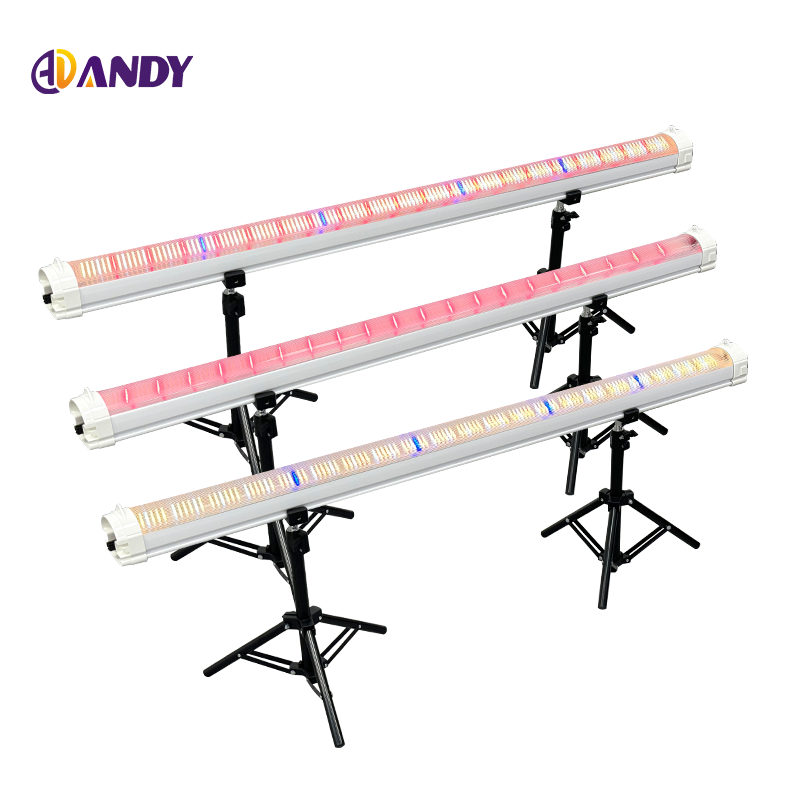
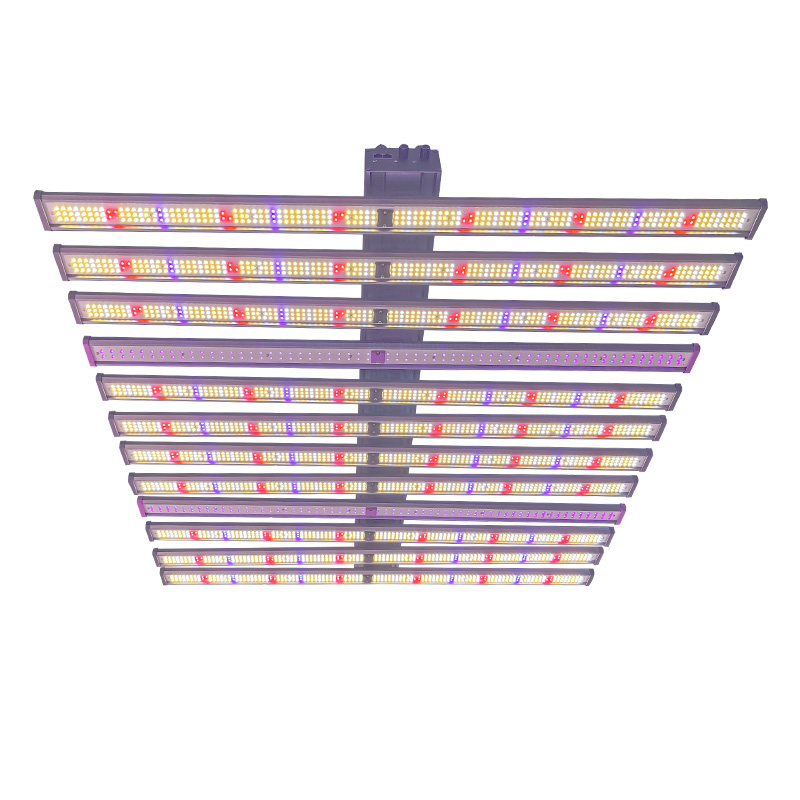
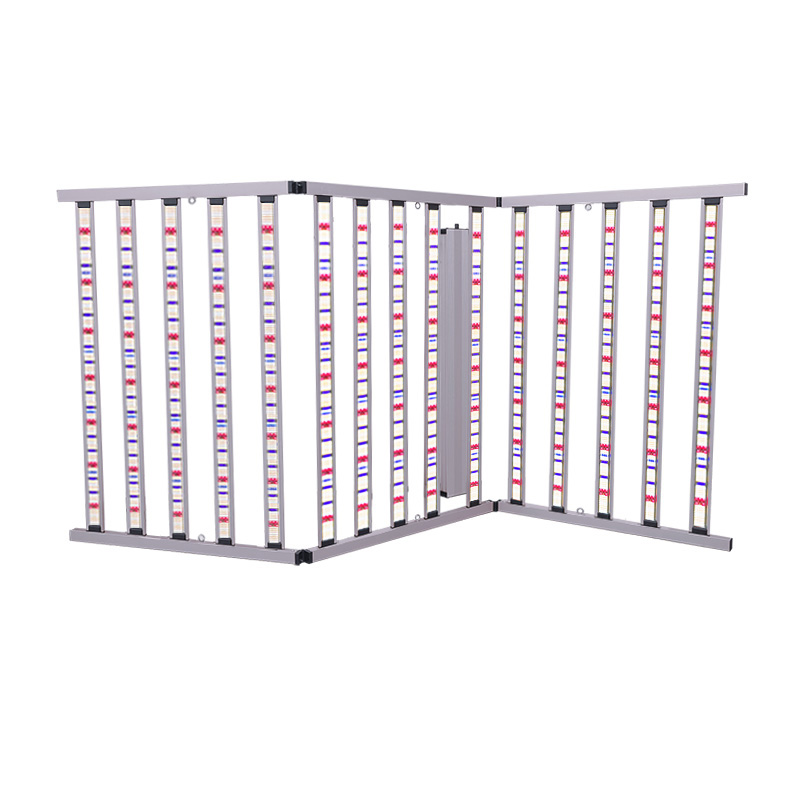
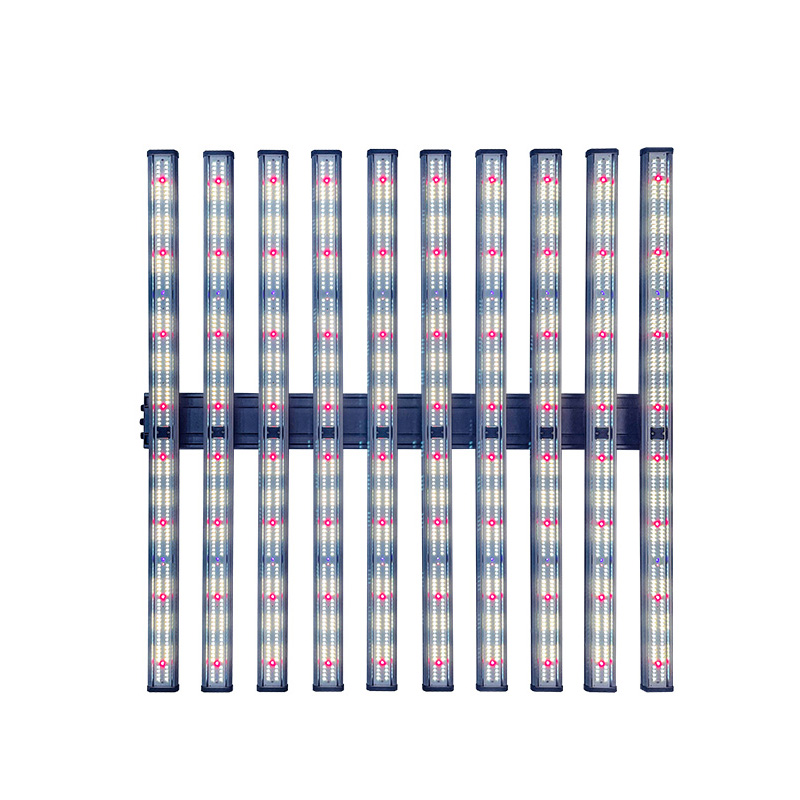
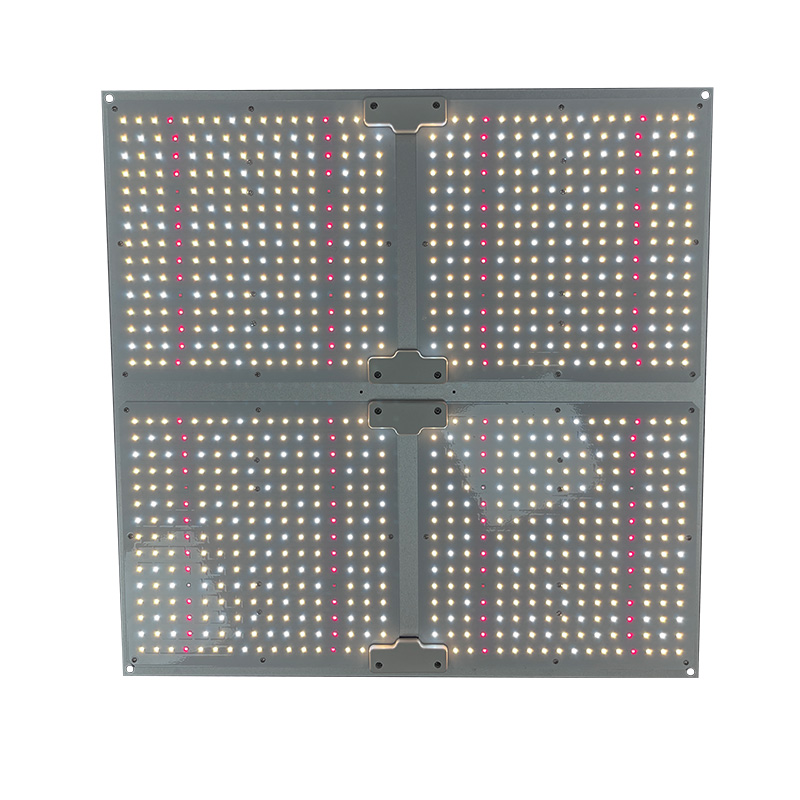
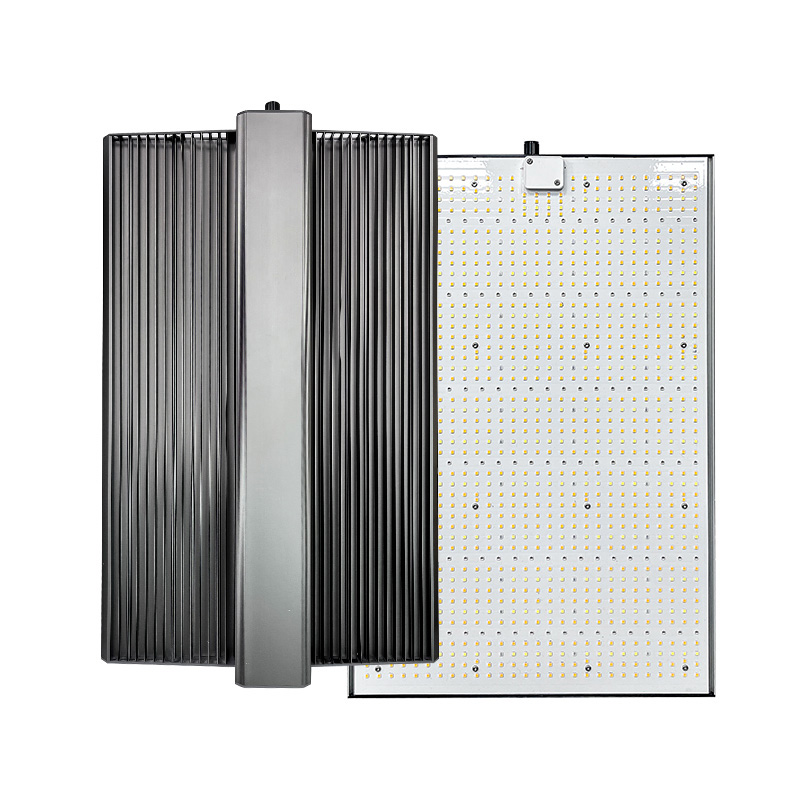
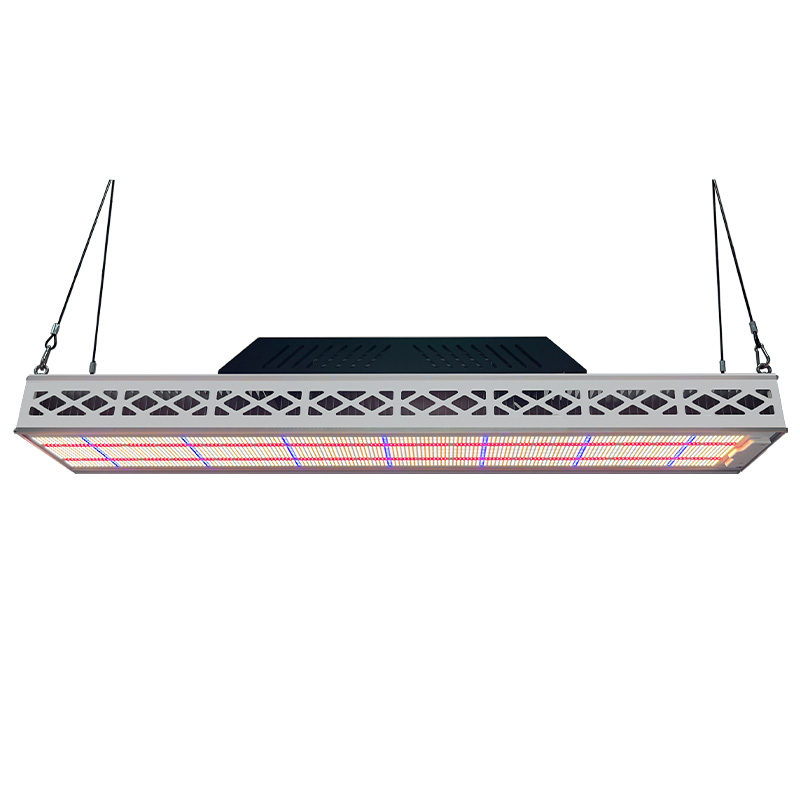
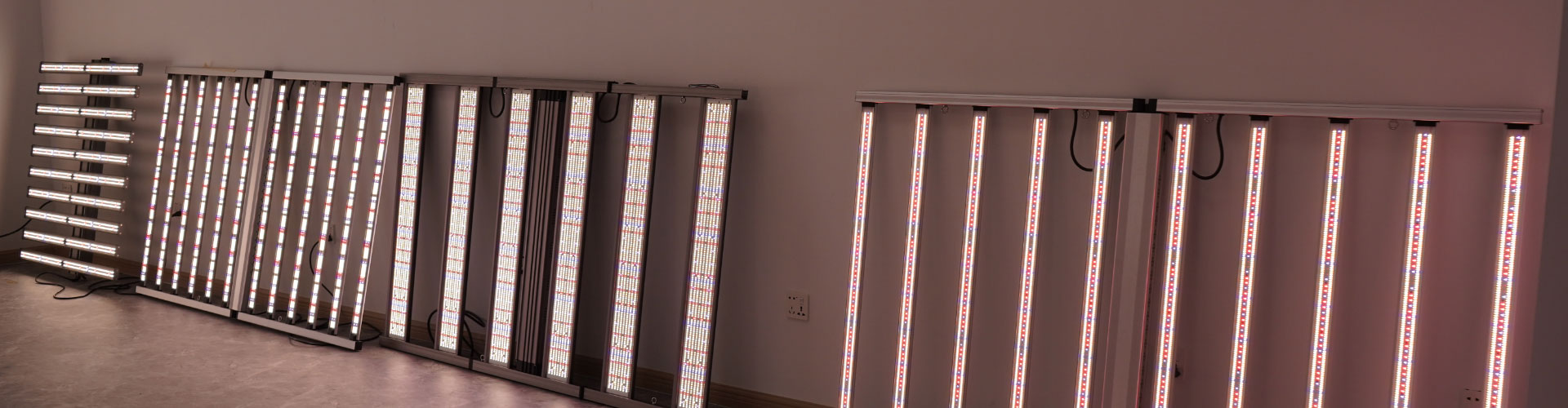
The ANDYLED LED Grow Light range shows bar-style, detachable, under-canopy, channel-control, quantum board, and top-fill categories. The real question is whether the layout fits the area you need to illuminate.
Which Grow Light Features Actually Matter Most?
Full-Spectrum Light Supports Different Growth Stages
A full spectrum grow light matters. Plants need more than one strong color. Blue wavelengths help guide vegetative development. Red wavelengths support photosynthesis and flowering. Broader spectrum planning helps growers work across a whole cycle.
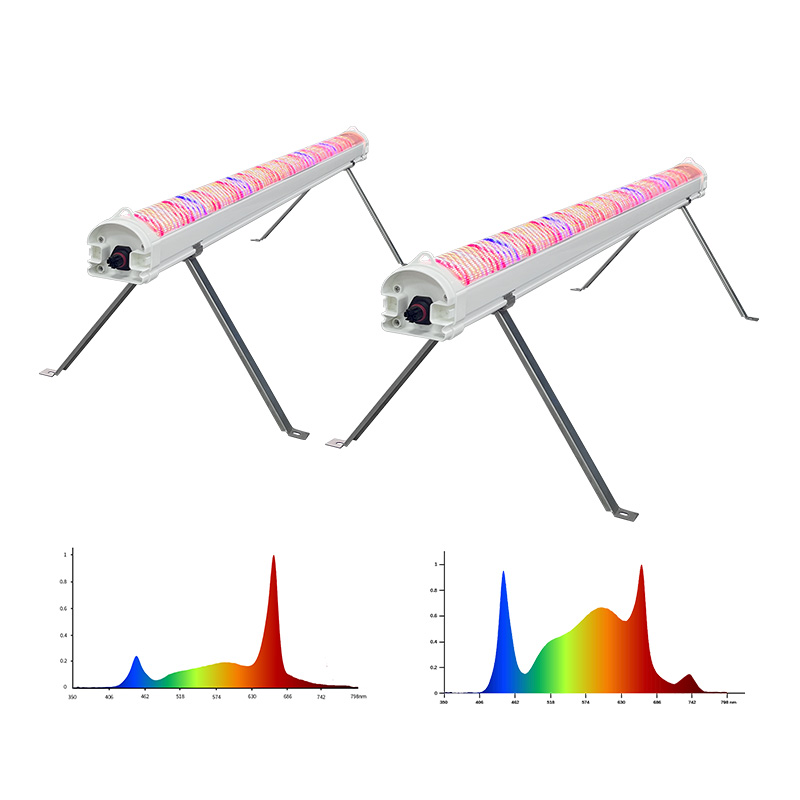
ANDYLED source knowledge describes red energy around 640nm and 660nm. It notes blue peaks around 437nm and 450nm. It also mentions green light that can reach deeper canopy layers than red or blue. Use spectrum with PPFD, photoperiod, DLI, crop stage, and room conditions together.
PPFD and Uniform Coverage Matter More Than Visible Brightness
Watts describe electricity consumption. Lumens describe brightness for human eyes. PPFD describes usable photons reaching plants. Grow light PPFD and uniform light coverage usually tell you more than visible brightness.
Do not stop at the highest center-point PPFD. Check the center, edges, corners, and canopy uniformity at the planned hanging height. ANDYLED validation knowledge recommends measuring canopy PPFD, edge values, and uniformity across operating settings. These checks should not occur only at full power or at one center point.
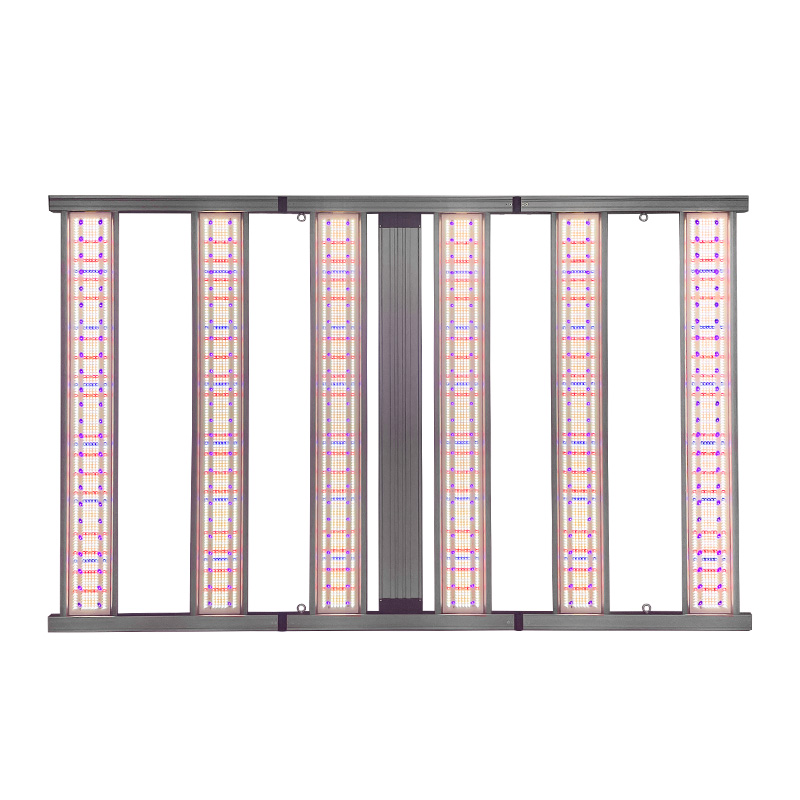
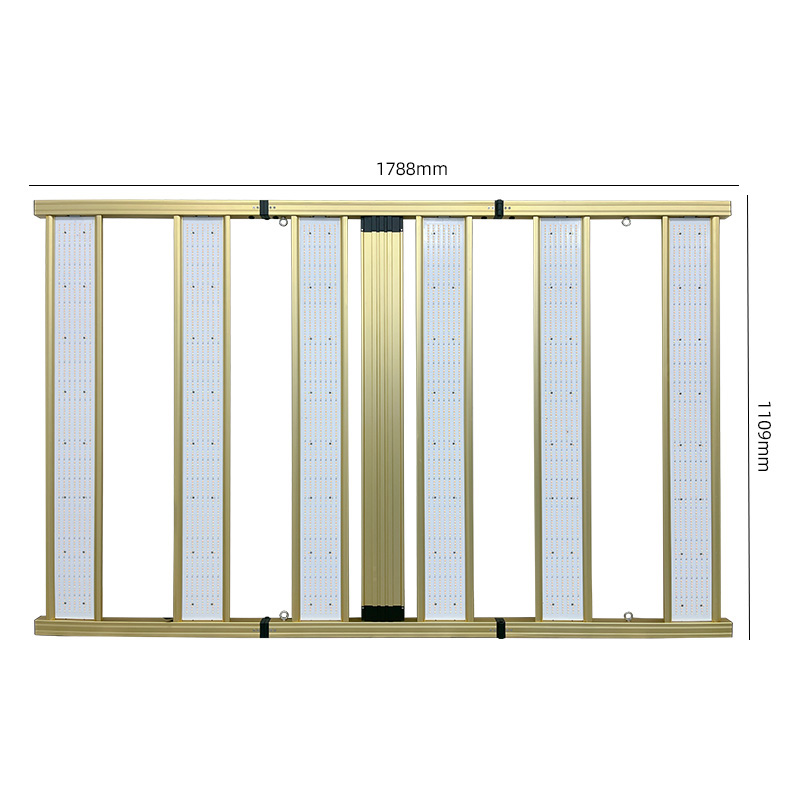
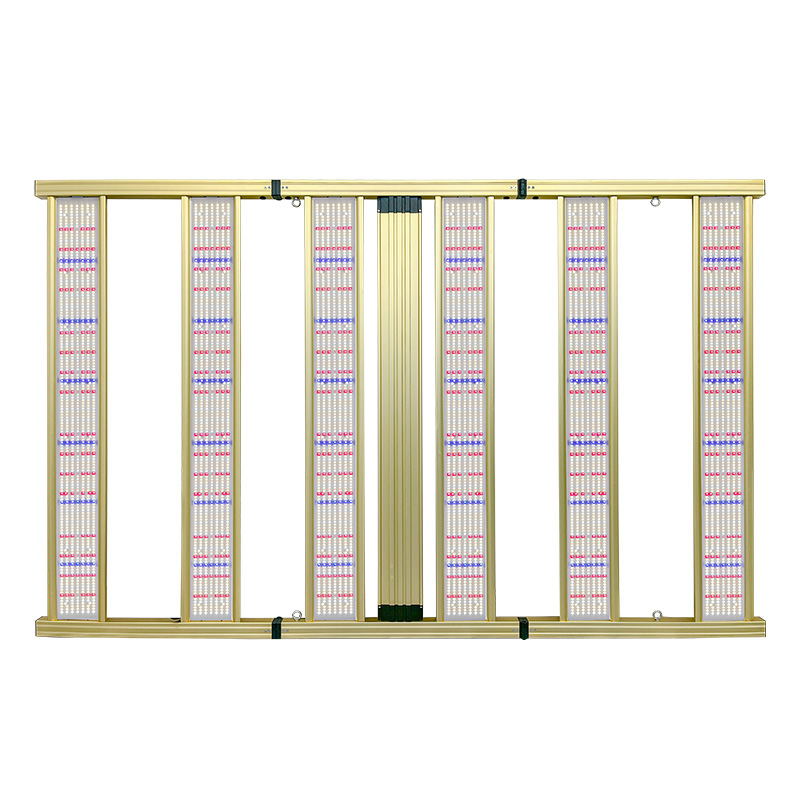
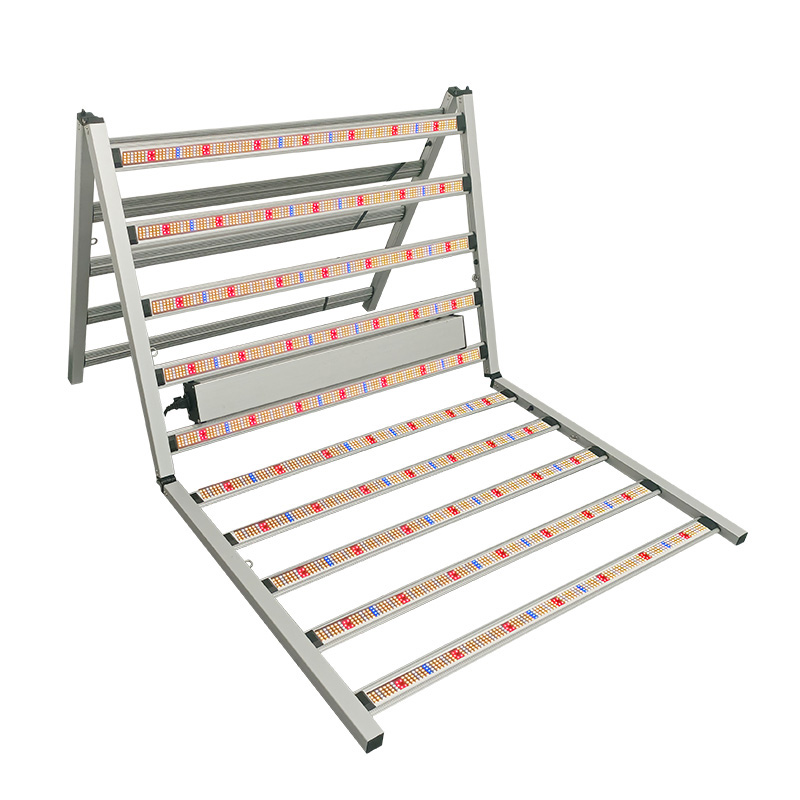
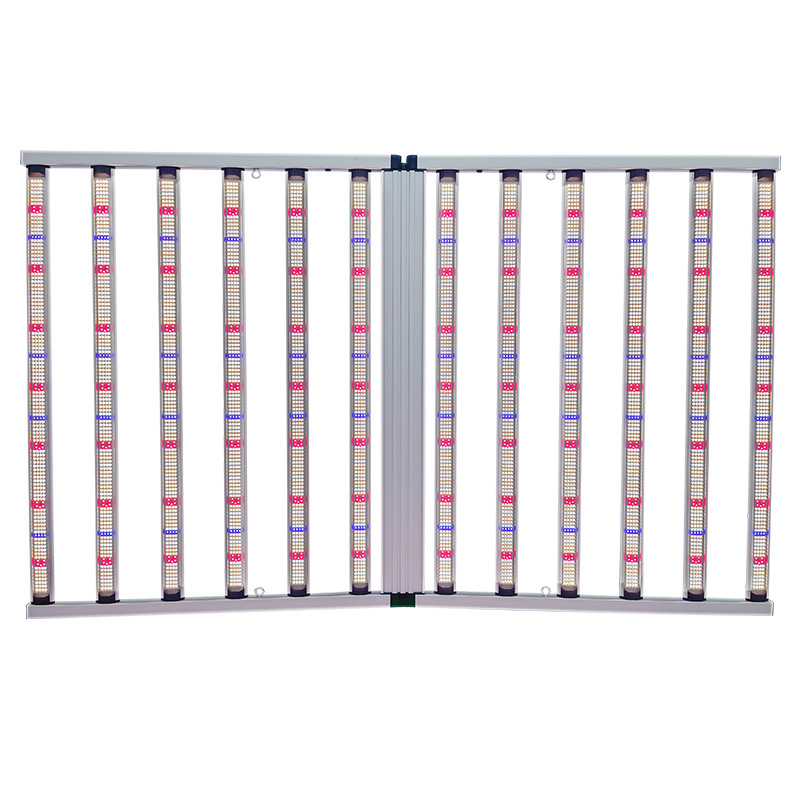
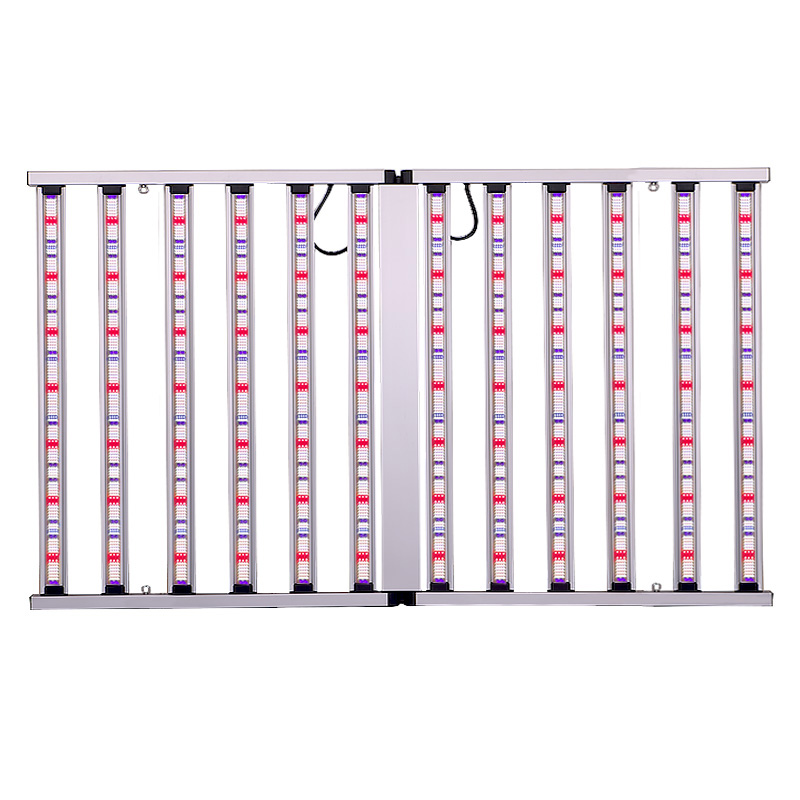
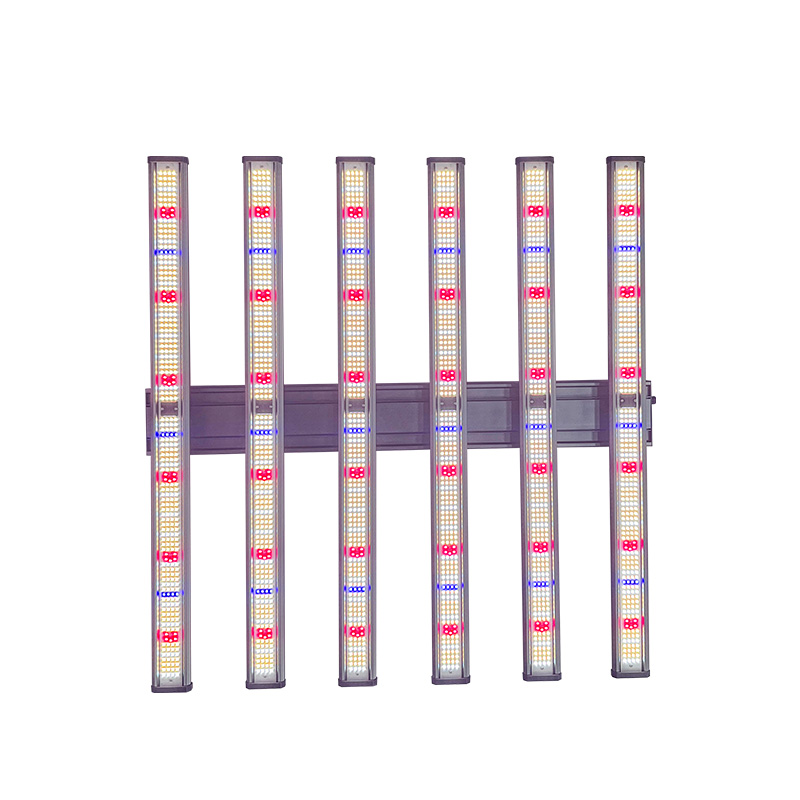
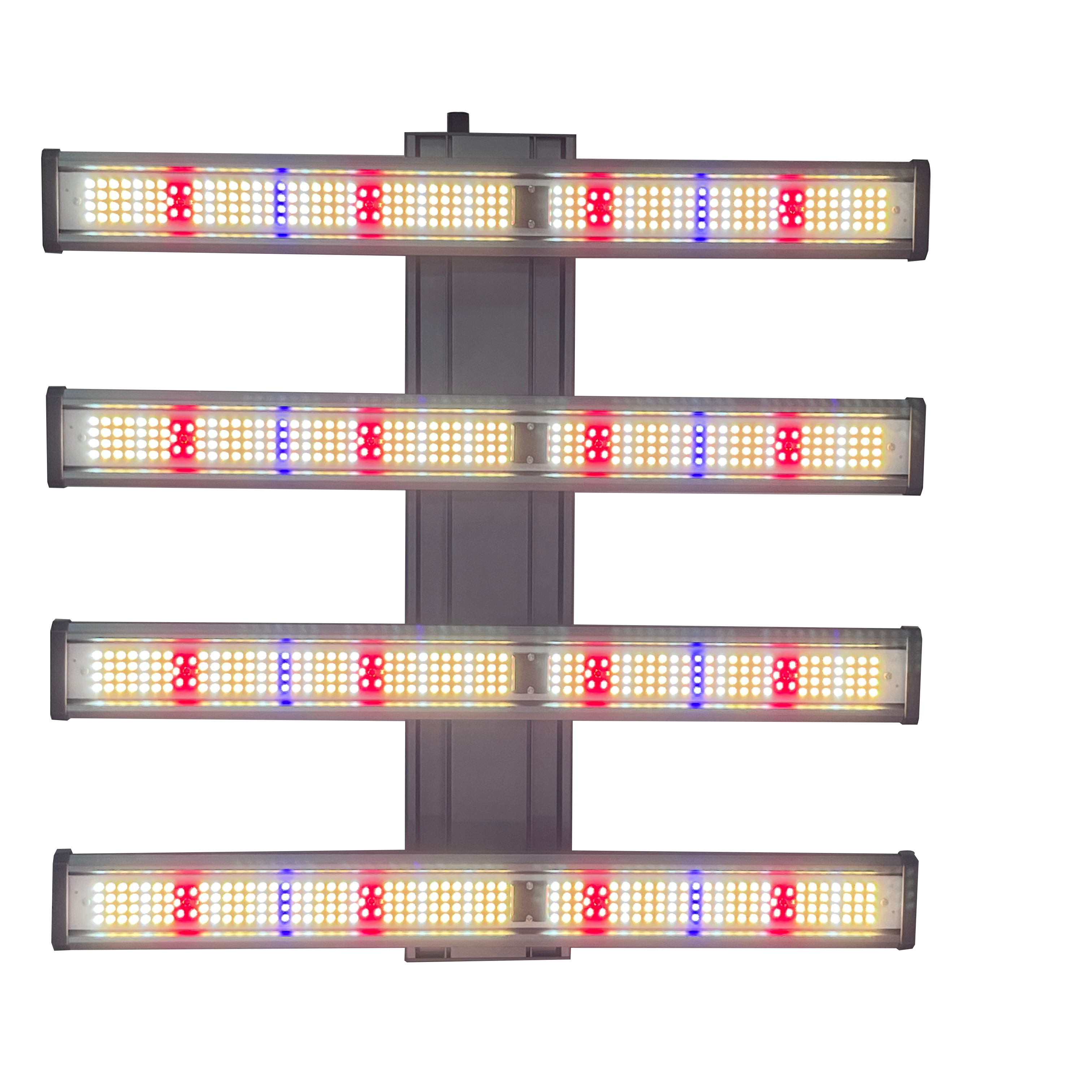
The 1500W 6 Bar 4x6ft Wide Full Spectrum LED Plant Grow Lights-AD6-1500-3AI3-180 illustrates why bar spacing and wide fixture format matter for larger indoor canopies.
Energy Efficiency and Heat Management Affect Long-Term Performance
An energy-efficient grow light affects electricity costs. It influences usable light per watt. It changes cooling demand and long-term commercial operating cost. ANDYLED uses 3.0 µmol/J as a public efficiency metric for commercial bar-style LED grow lights. This approach makes efficiency easier to compare than wattage alone.
Heat management matters too. Aluminum fixture bodies help heat dissipation. Yet they do not keep fixture temperature constant. Longer operation can still raise temperature. Growers should consider airflow, humidity, canopy temperature, irrigation response, and room heat load. The LED grow light efficiency guide explains why wattage alone is a weak shortcut.
How Should the Best Grow Light Match Different Indoor Plants?
Seedlings and Leafy Plants Need Controlled Light Intensity
Seedlings and leafy plants usually reward control more than brute force. Young plants can start under lower output. They receive more light as roots, leaf area, and the environment improve.
ANDYLED operating references show a 1000W 4x6ft seedling/germination reference starting at 20%-40% output and 400-500 µmol/m²/s PPFD. Those numbers are context-specific starting references. They are not universal rules.
Flowering and Fruiting Plants Need More Usable Light
Flowering plants, fruiting plants, herbs, vegetables, and other high-light crops generally need more usable light than seedlings or low-light foliage plants. As demand rises, coverage becomes more important.
A high-intensity grow light should still be judged by its PPFD map, fixture layout, efficiency, and heat behavior.
Dense Indoor Canopies Need Consistent Light Across the Grow Area
Dense indoor canopies, hydroponic facilities, greenhouses, and vertical farms need consistent light across the grow area. A bright center is not enough. Production depends on uniform benches, room zones, and repeatable batches.
At ANDYLED, we focus on commercial and professional cultivation using bar-style dimmable LED grow lights, room zones, group control, and repeatable canopy management. The vertical farming full-spectrum LED grow lights article applies the same logic to stacked farms.
Which Practical Features Make a Grow Light Easier to Use?
Dimming and Scheduling Help You Adjust Light as Plants Grow
Dimming lets young plants start lower. It allows intensity to rise gradually. It helps match light to growth stages. Scheduling reduces manual errors. Light programs can run more consistently than hand switching.
Selected ANDYLED configurations may provide two-channel dimming, 0-10V output-current adjustment, AC parallel connection, and controller timing or scheduling. These functions can support room zones and repeatable light recipes. The fixture, driver, cable, controller, and wiring architecture should be verified before purchase.
Fixture Layout and Light Distribution Help Reduce Hot Spots
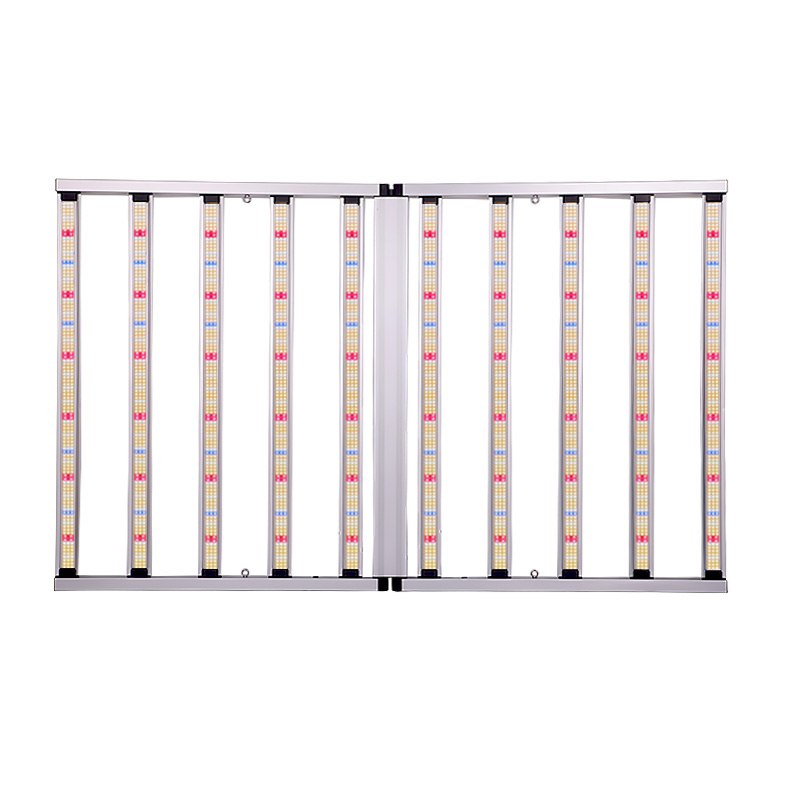
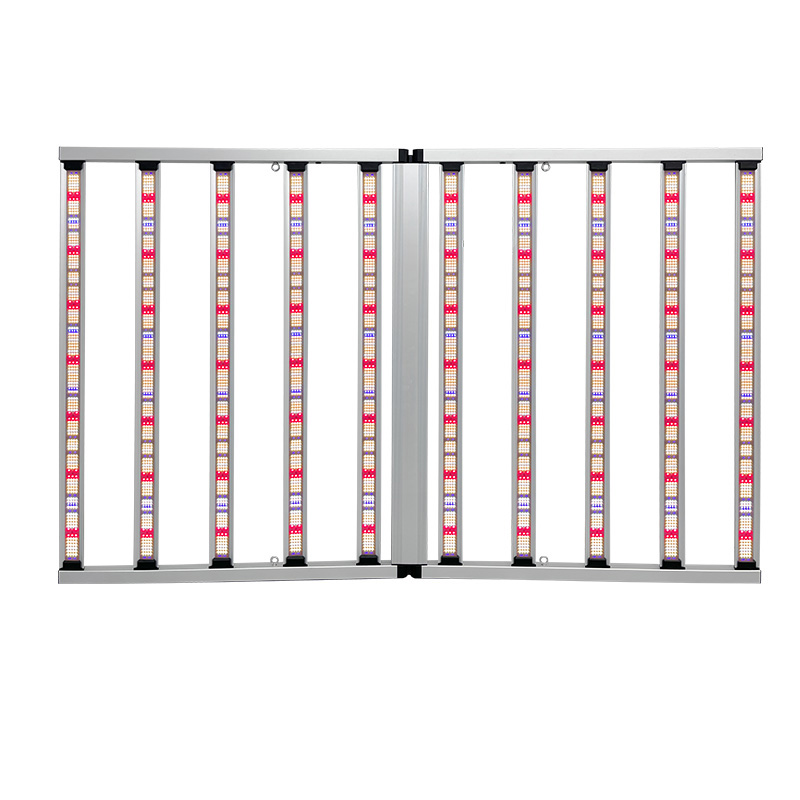
Fixture layout affects grow light distribution. Source spacing, bar distance, and planned fixture height shape how evenly light reaches the canopy. A bar-style layout can spread output across a rectangular area. It does not rely on one intense center spot.
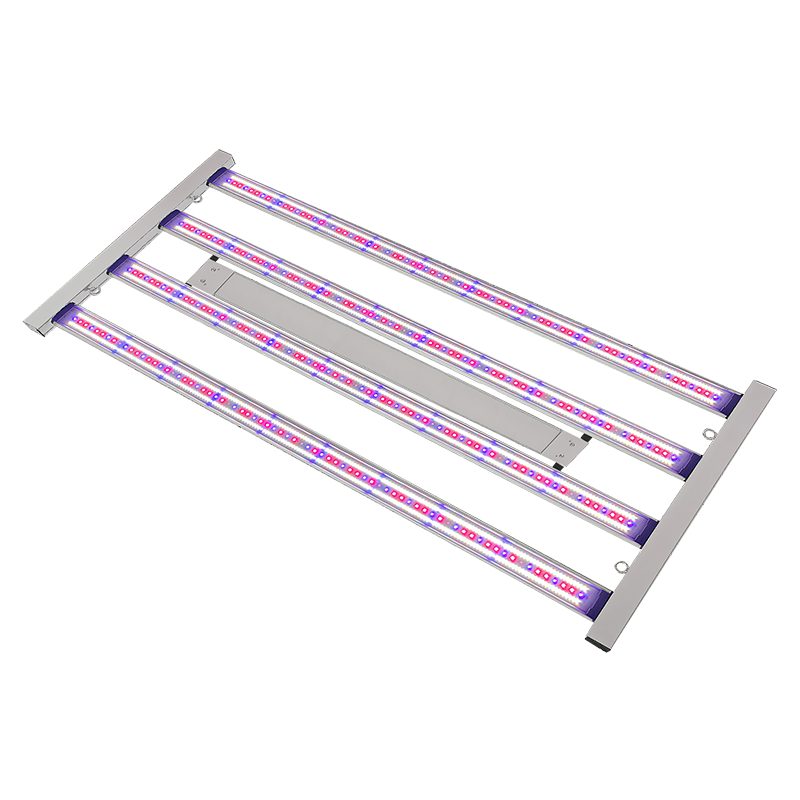
For even grow light coverage, the 500W 3x3ft Detachable LED Grow Light-AD6-500W-D30-084 is a relevant model reference for a defined 3x3ft coverage class. At any scale, match fixture size, canopy size, plant density, and hanging height.
Durability and Moisture Resistance Matter in Indoor Grow Spaces
Indoor grow spaces expose equipment to humidity, irrigation, daily operation, and repeated heat cycles. Buyers should review construction, moisture resistance, warranty terms, certifications, service life, and maintenance fit.
For commercial grow light decisions, a practical fixture is one the team can run, adjust, inspect, and maintain consistently.

What Should You Check Before Buying the Best Grow Light?
Check Published PPFD Data and the Real Coverage Area
Ask for the grow light PPFD chart at the intended canopy height. Look for usable coverage, center-to-edge consistency, and corner performance. A PPFD map is more useful than a single maximum number. Plants occupy an area, not one point.
Compare Efficiency and Operating Cost, Not Just Purchase Price
Initial cost is not total cost. Compare efficiency, electricity use, cooling demand, lifespan, maintenance, and usable light per watt.
Avoid Marketing Claims Based Only on Watts or Lumens
The buying checklist should follow this order. It starts with plant demand. Then it covers PPFD, coverage, spectrum, efficiency, control, and durability. Watts and lumens can appear in specifications. They should not lead the decision.
FAQ
Q: What is the best grow light for indoor plants?
A: The best grow light for indoor plants matches plant demand. It delivers usable PPFD at canopy height. It spreads light evenly. It uses energy efficiently. It offers practical control for the growing area.
Q: Which features matter most when choosing the best grow light?
A: The most important grow light features are full-spectrum output, PPFD data, uniform coverage, efficiency, heat management, dimming or scheduling control, and durable construction.
Q: Is a full-spectrum LED the best grow light for indoor plants?
A: A full-spectrum LED grow light is often a strong choice. It can support different stages. Still, it needs the right PPFD, coverage, efficiency, and distance.
Q: How much PPFD should the best grow light provide for indoor plants?
A: PPFD depends on plant type and stage. Seedlings usually need lower controlled intensity. Flowering and fruiting crops need more usable light. Check the fixture’s PPFD map at canopy height.
Q: How far should the best grow light be from indoor plants?
A: Grow light height depends on light fixture intensity, bar spacing, the growth stage of plants, and their responses. Begin with the recommended height by the manufacturer. Then check PPFD, plant orientation, color, and canopy temperature.


