
Why Are Plant Leaves Turning Yellow Under LED Grow Lights
LED Grow Lights can give plants the energy they need. Yet yellow leaves may show up when light strength, spectrum, distance, or growing conditions are not in balance. Yellow leaves under LED grow lights can result from not enough light, too much light, an uneven schedule, or issues with watering, roots, nutrition, or climate. Check the system first. Do this before you replace it.
Why Plant Leaves Turn Yellow Under LED Grow Lights
Can Insufficient Light Cause Yellow Leaves?
Yes. Not enough light for plants cuts photosynthesis and chlorophyll production. When LED grow lights are not strong enough, too far from the canopy, poorly placed, or used for too short a time, plants may show pale color, slow growth, long internodes, and low light, causing yellow leaves.
This often happens when a lamp looks bright to people but delivers weak PPFD at the leaf surface. Lower leaves may yellow first. They receive less usable light. Compare center and edge PPFD instead of judging brightness by eye. Indoor room light is usually too weak for seedlings and production crops. A grow light spectrum guide for preventing etiolation is relevant when stretching and yellowing appear together.
Can LED Grow Lights Be Too Strong for Plants?
Yes. LED grow lights that are too powerful will cause light stress in plants. Light stress in plants occurs when there is too close proximity to the fixture, too much light, or increased intensity post-transplantation. Indicators of light stress include yellow patches, curling leaves, dried leaf margins, leaf position, and dehydration.
Judge LED grow light intensity at the plant level. Do not judge from wattage alone. If yellowing begins after lowering the fixture or raising output, reverse that change first. Check airflow too. Check humidity, irrigation response, and canopy temperature as well.

How LED Grow Light Schedule and Spectrum Affect Yellow Leaves
How Many Hours Should LED Grow Lights Run?
There is no universal answer to how many hours LED grow lights should run. A steady LED grow light schedule matters. Daily light depends on PPFD and time. A longer light cycle can increase exposure, heat, and water demand.
Use a timer. Change one variable at a time. If plants are yellow, do not automatically add hours. Check PPFD first. Check temperature, humidity, and crop stage too. Early seedlings generally need lower intensity than mature plants.
ANDYLED commercial cannabis references start seedlings at lower output with an 18-hour-on, 6-hour-off schedule. Later stages use different height, output, PPFD, and photoperiod settings. These are starting references for that setup. They are not universal instructions. We recommend validating the schedule with canopy measurements and plant response.
Why Spectrum Balance Matters for Healthy Leaves
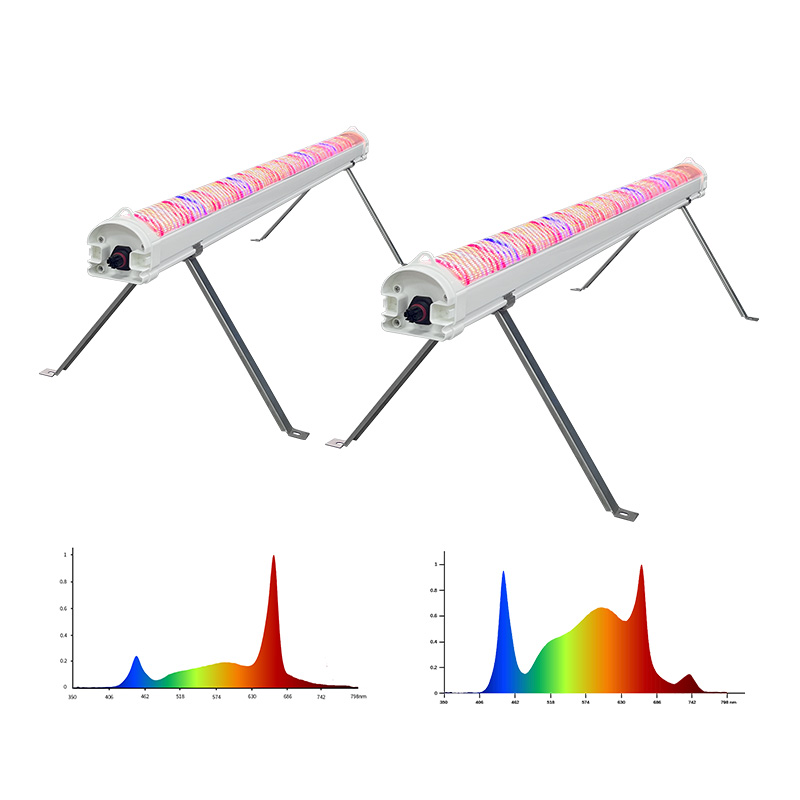
The LED grow light spectrum affects energy capture and plant structure. Red light supports photosynthetic activity. Blue light helps with leaf structure and compact growth. Green light can reach deeper into a dense canopy. Lower leaves may receive little usable light there. This is why full spectrum LED grow lights are often easier to manage than a lamp built around one color.
The goal is a balanced plant light spectrum. It is not one wavelength that promises to fix yellow leaves. Enhanced spectrum designs can improve light-use efficiency and growth performance. Spectrum must be judged with PPFD, photoperiod, DLI, crop stage, and room conditions.
How to Diagnose Yellow Leaves Under LED Grow Lights
Check Whether the Yellowing Starts on Old or Bottom Leaves
To diagnose yellow leaves, record where the change begins. Note how quickly it spreads. Bottom leaves turning yellow or old leaves turning yellow may indicate shading, normal aging, low light, root stress, or a nutrition problem. Yellowing on new growth can have a different cause than yellowing in older leaves.
Inspect both sides of the canopy. Note leaf texture. Note vein color, stem stretch, fixture-edge patterns, growing-medium moisture, root smell, and recent fertilizer changes. Do this before labeling the issue an LED grow light problem.
Compare Signs of Too Much Light and Insufficient Light
Signs of not enough light include stretching, thin stems, slow leaf expansion, leaning, and pale lower growth. Signs of too much light more often include bleaching, curling, dry margins, rapid moisture loss, and yellowing in upper leaves nearest the source.
These are clues. They are not a diagnosis. If all plants yellow, investigate watering, roots, nutrition, humidity, and grow room conditions. If only the center or edges are affected, compare LED grow light coverage, intensity, temperature, and even light distribution.
How to Adjust LED Grow Lights Before Replacing Them
Set the Right LED Grow Light Distance and Height
LED grow light distance changes PPFD quickly. Moving a fixture closer raises canopy light. Moving it farther away lowers it and may increase stretching. The right grow light height depends on output, dimming, beam design, canopy size, plant stage, and plant response.
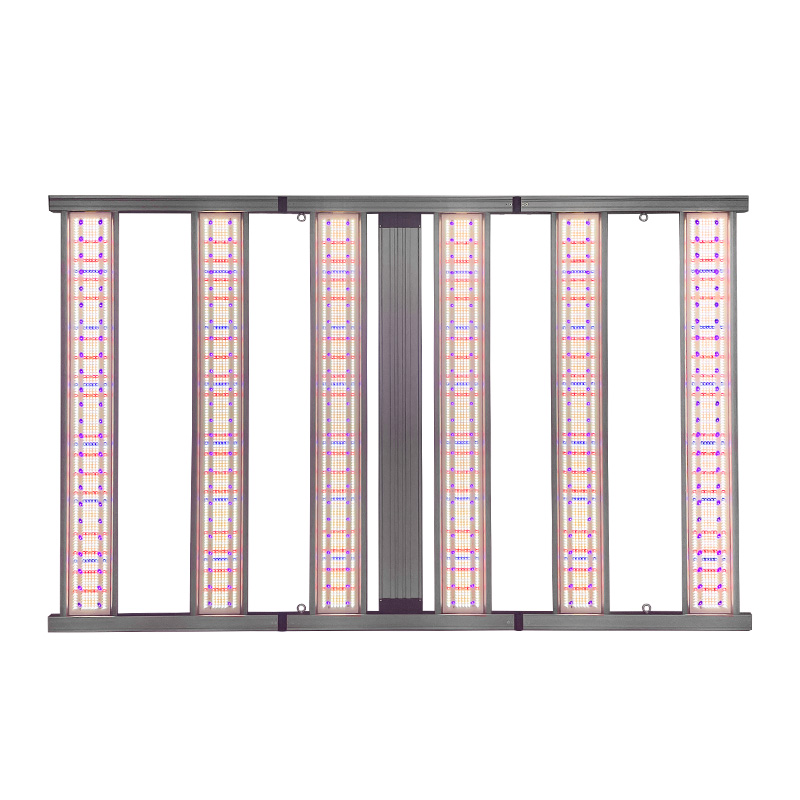
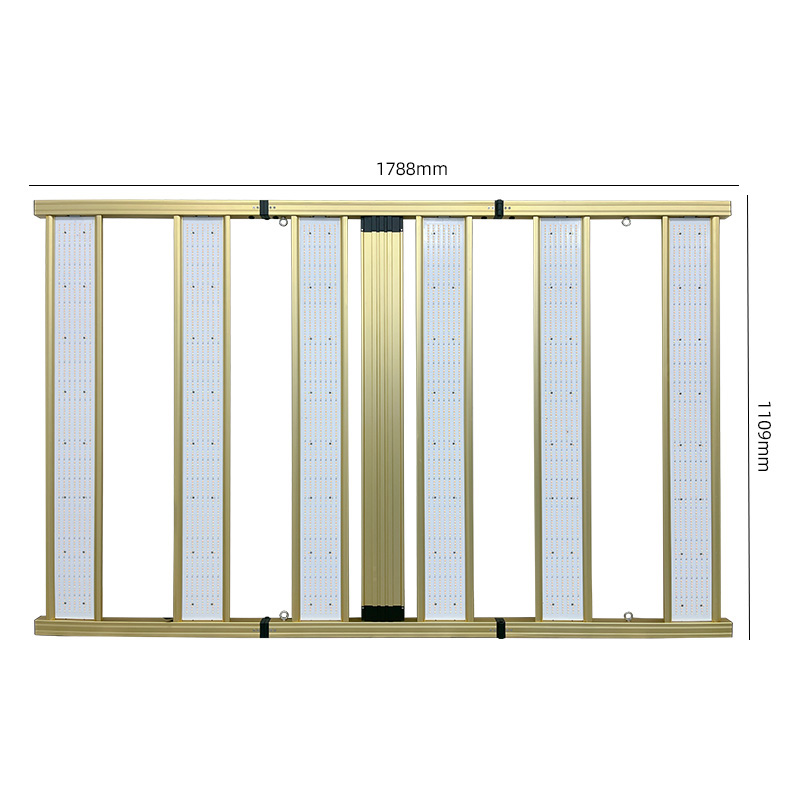
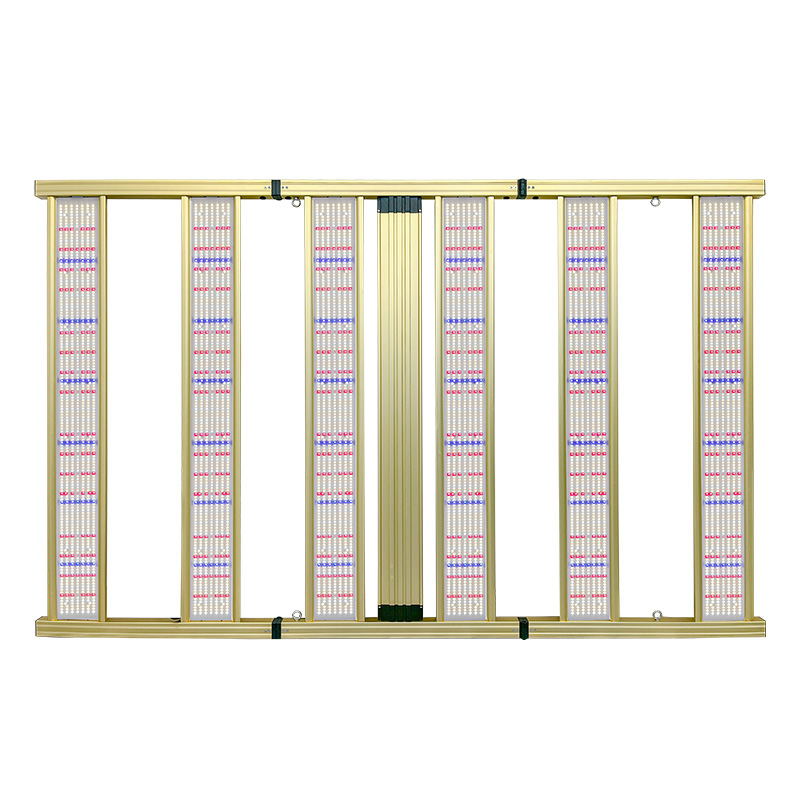
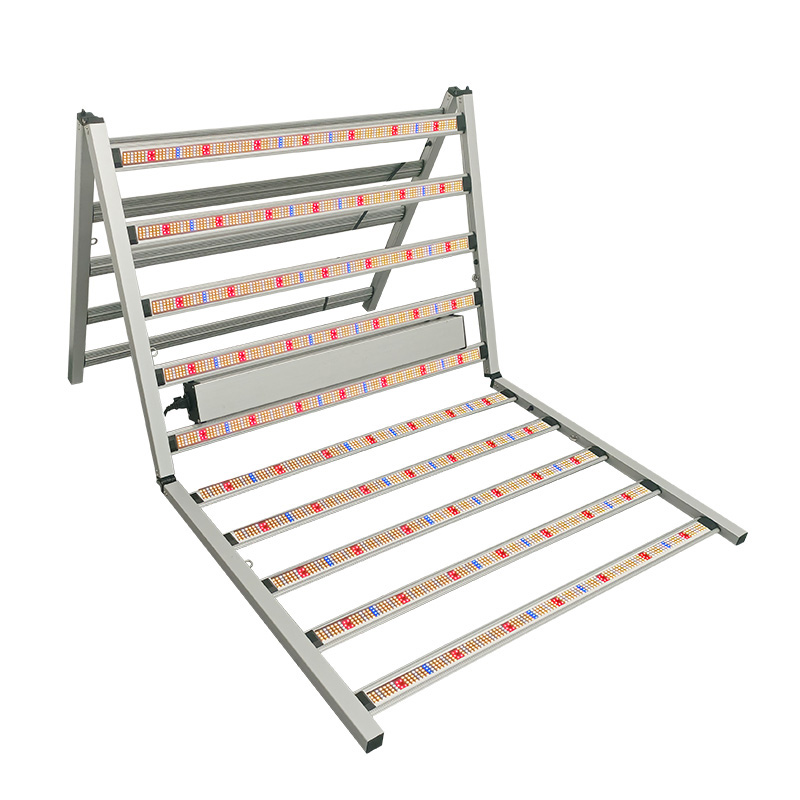
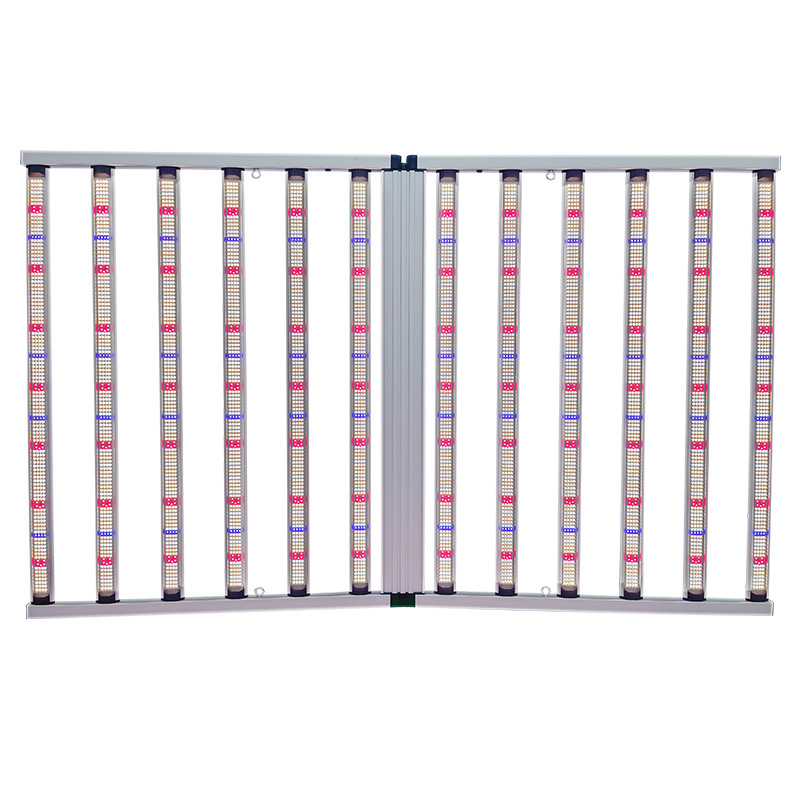
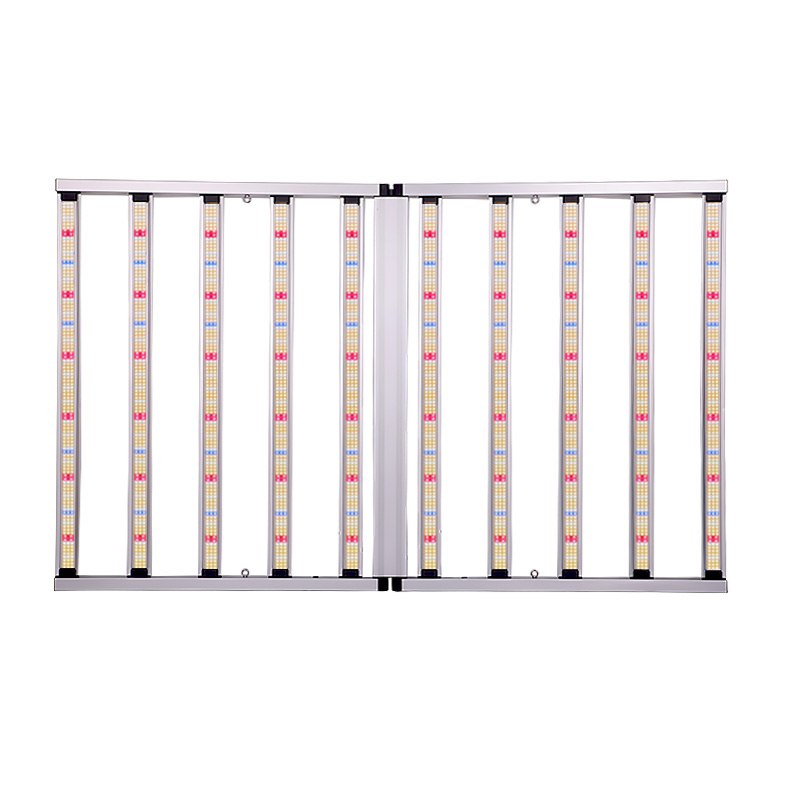
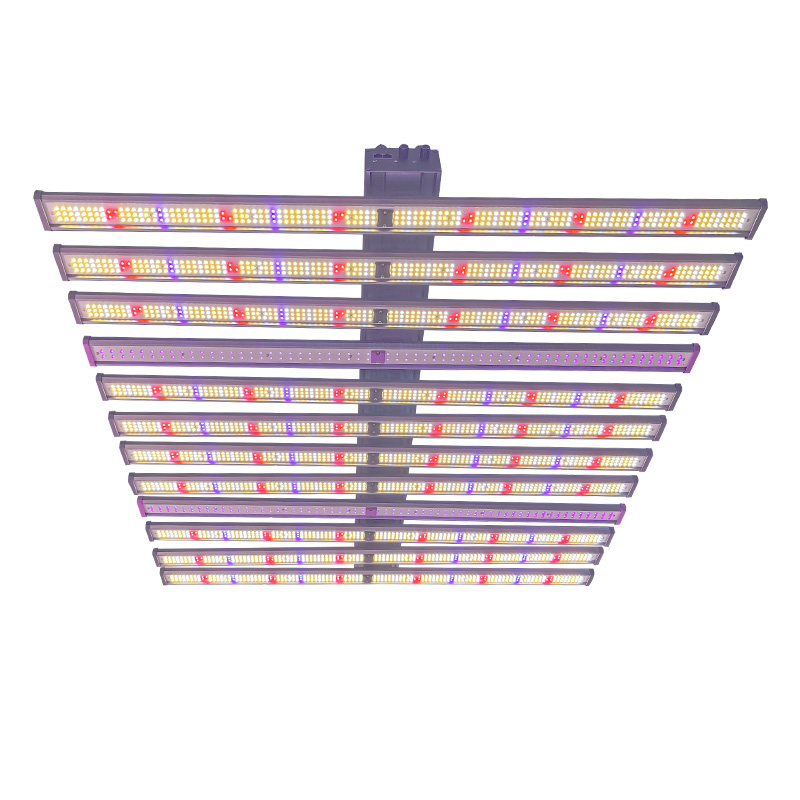
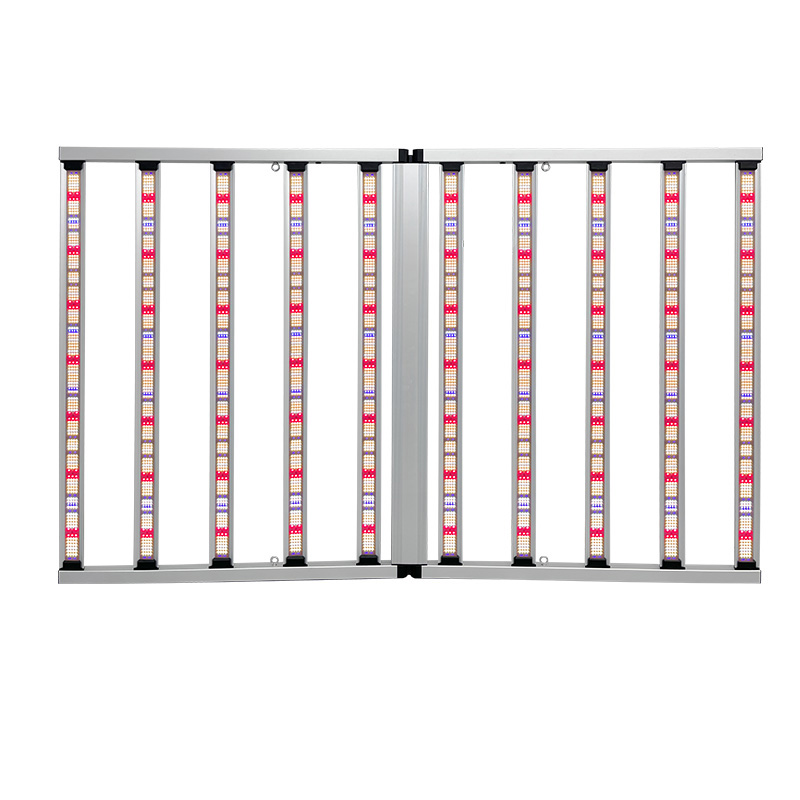
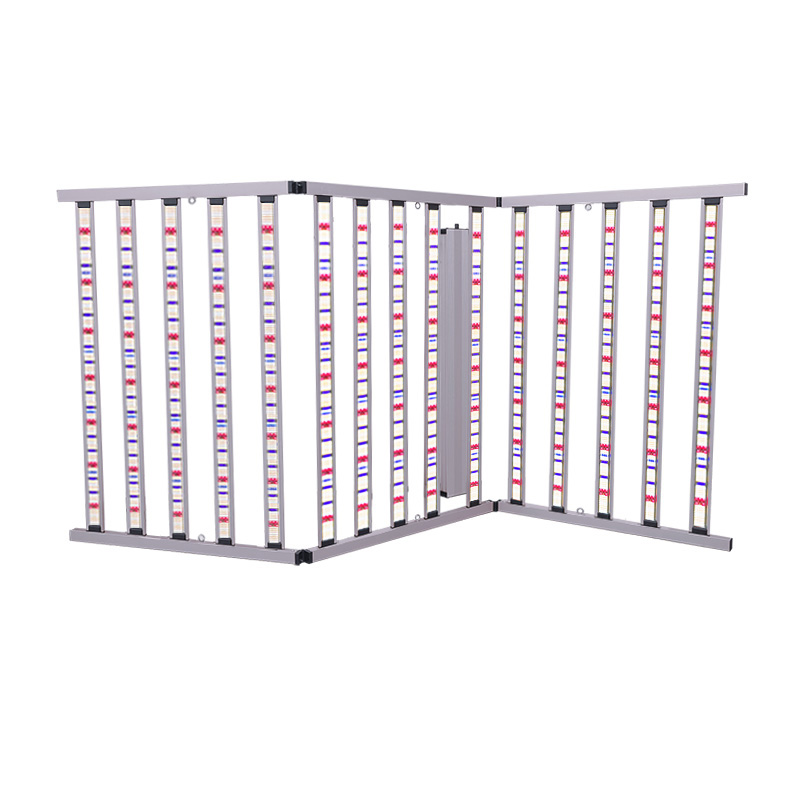
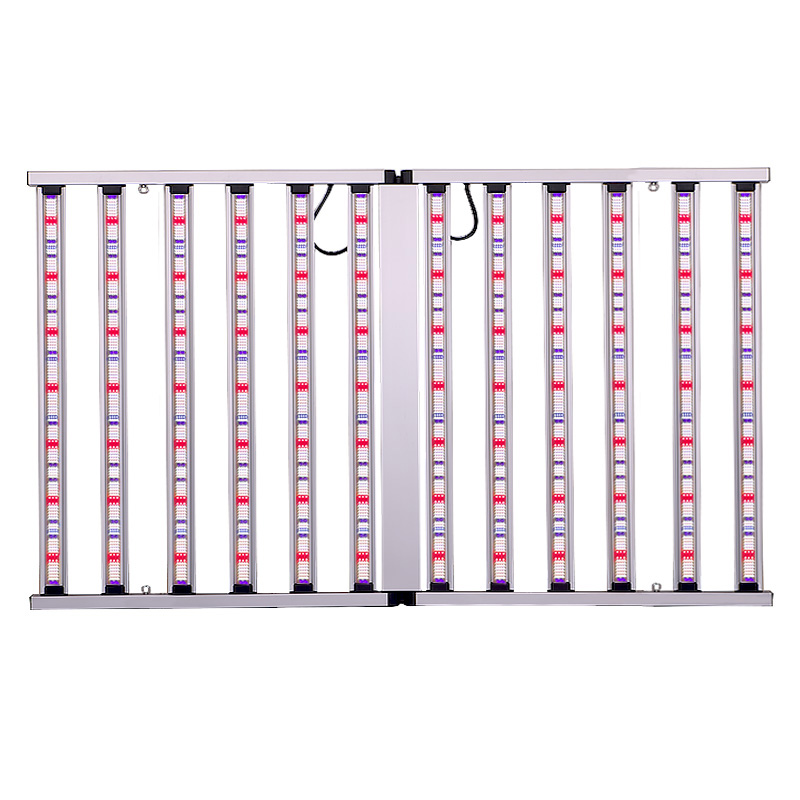
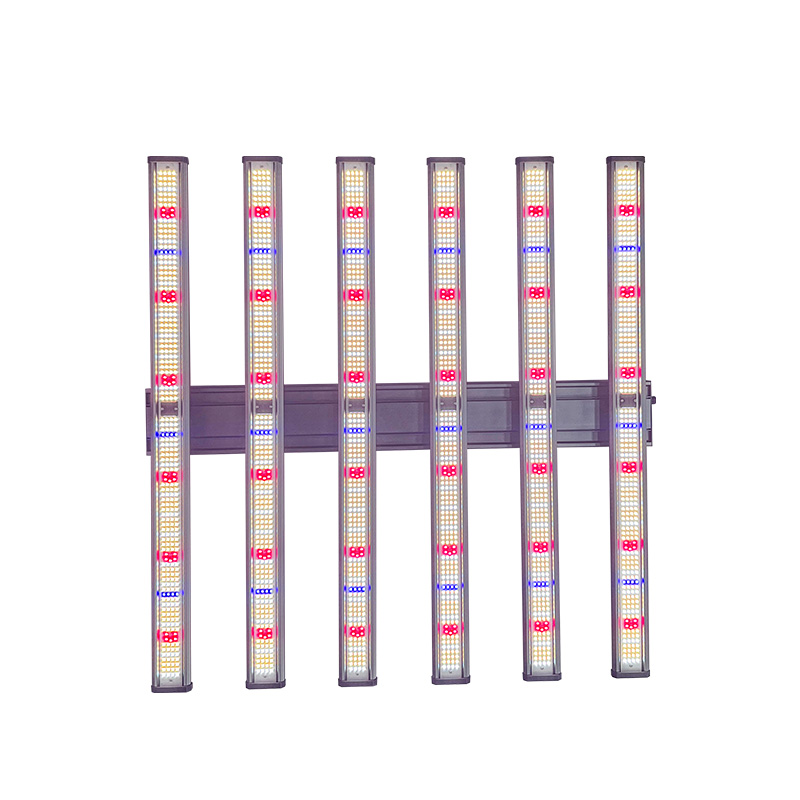
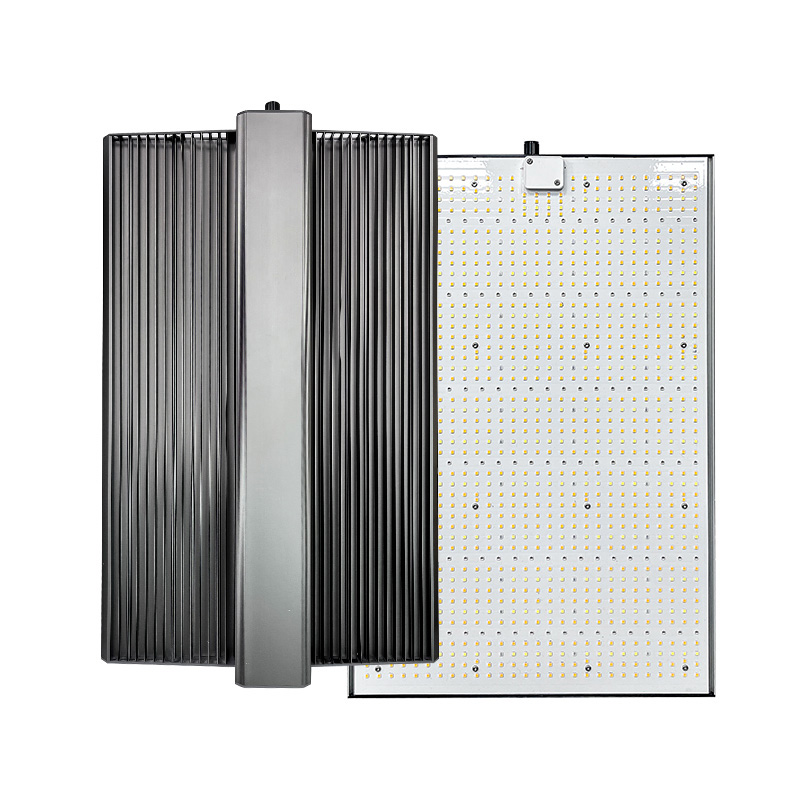
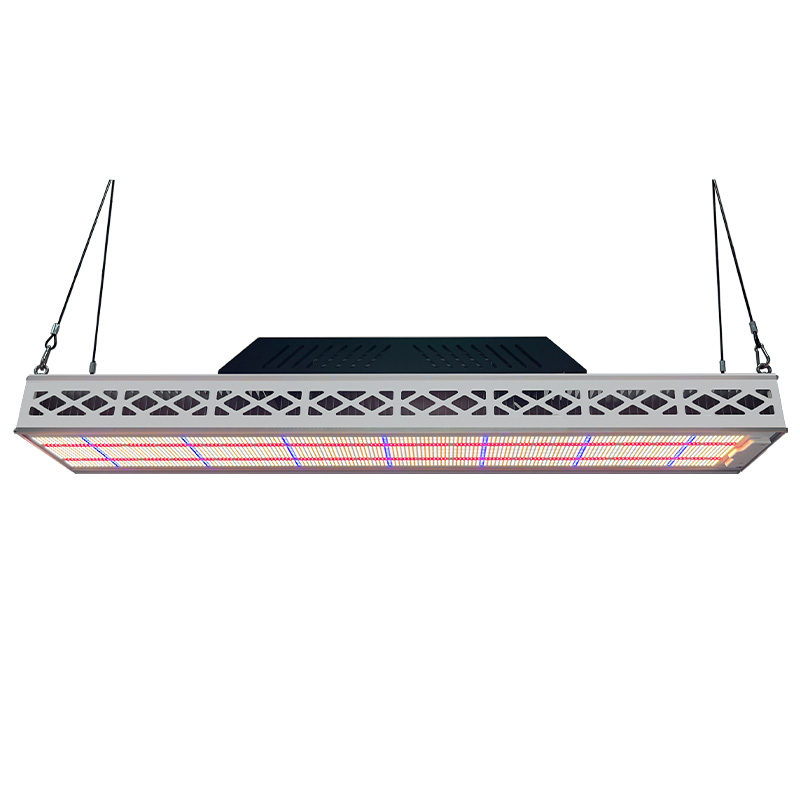
Make small changes. Raise the fixture or reduce output when upper leaves show stress. Lower it slightly or increase output gradually when plants stretch. A 1500W 6-bar full spectrum LED plant grow light illustrates why fixture shape and distribution matter together.
Improve Coverage, Placement, and Even Light Distribution
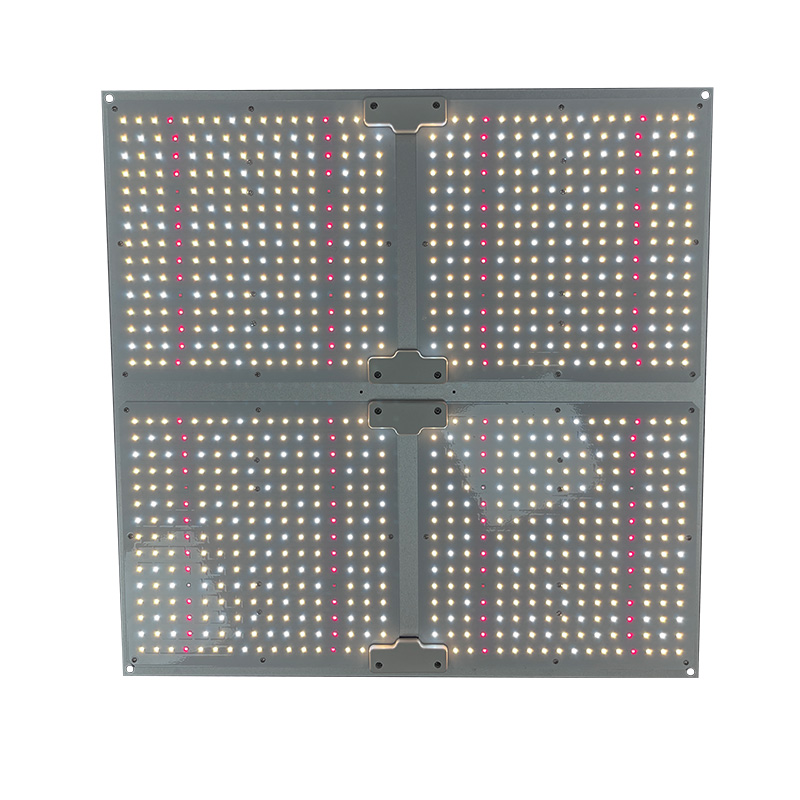
Do not buy a higher-wattage lamp first. Map center, corner, and edge PPFD. Then check shading and hot spots. A smaller, better-positioned source can outperform a larger source with weak zones.
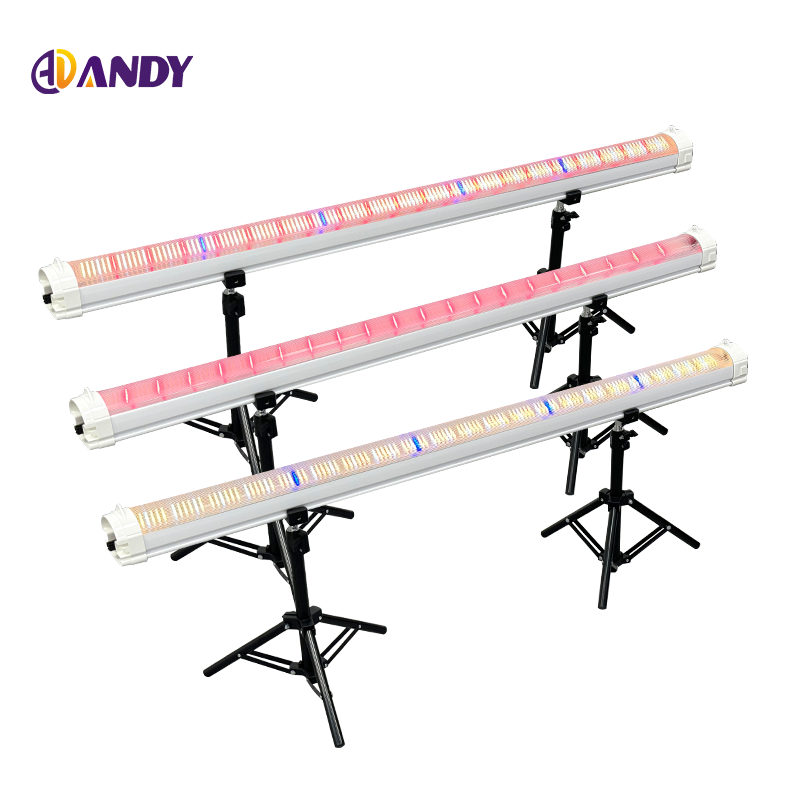
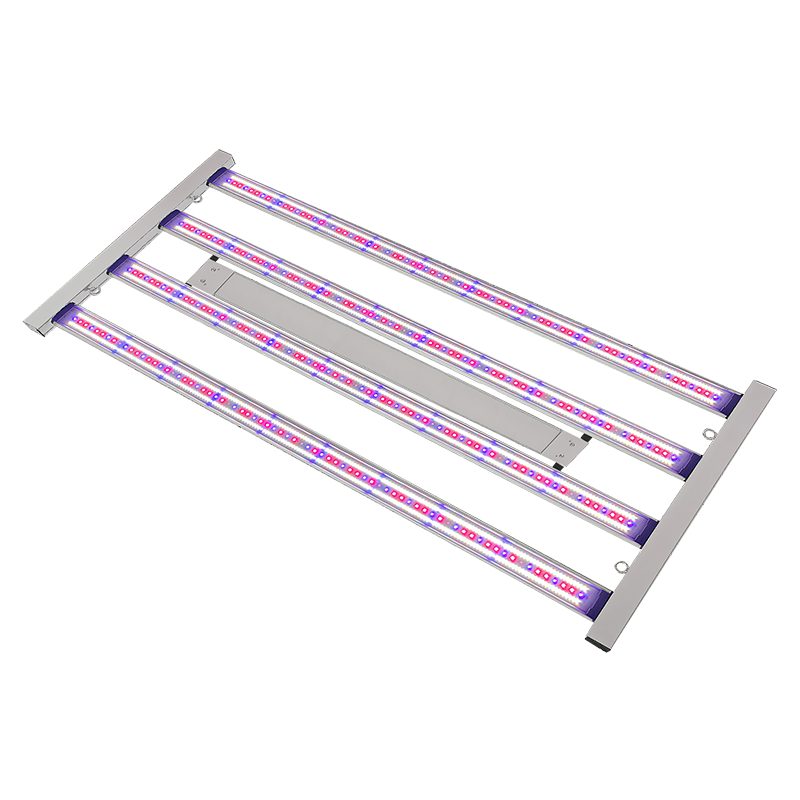
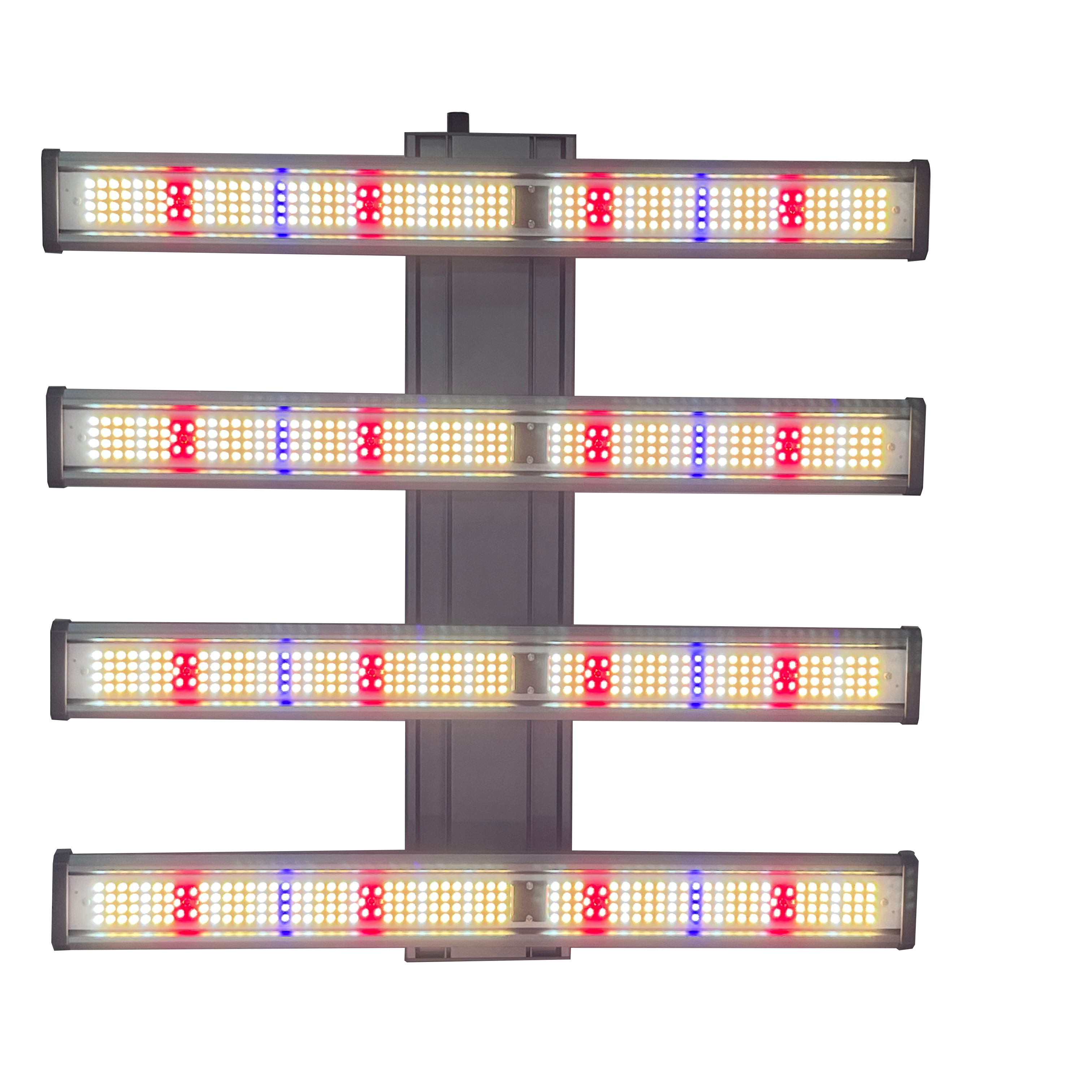
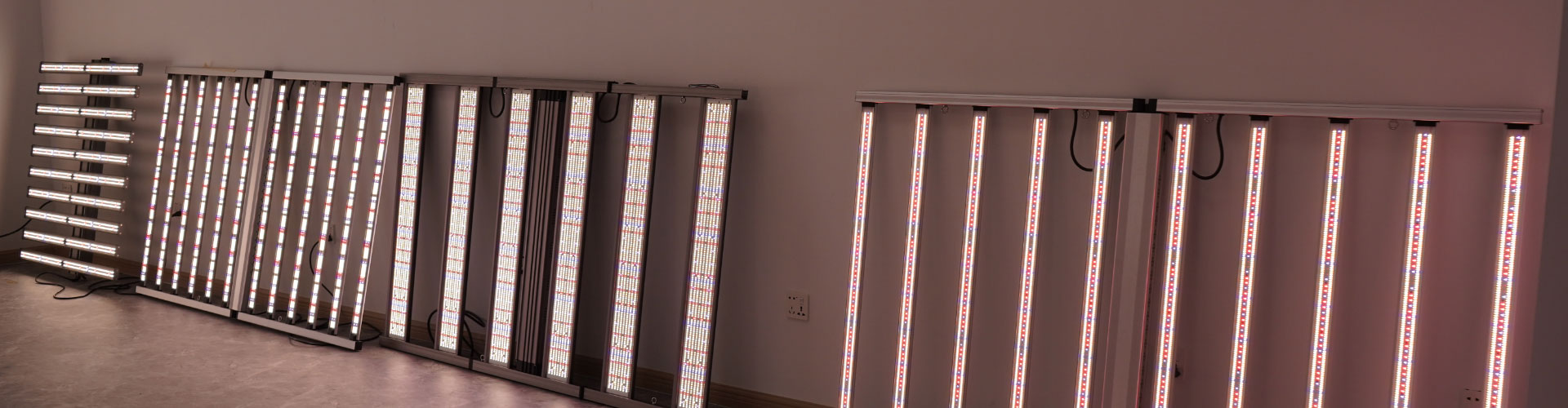
ANDYLED validation guidance treats canopy PPFD, edge values, fixture consistency, and uniformity as separate checks. A 120W 4FT full spectrum under-canopy LED grow light may help neglected lower areas. Placement must be evaluated with the main fixture.

What Else Can Cause Yellow Leaves Indoors?
Overwatering, Root Problems, and Plant Stress
Overwatering yellow leaves are often linked to oxygen-poor media and damaged roots. Check drainage. Check how long the medium stays wet. Check root color and odor.
Plant stress can follow transplanting, temperature changes, strong airflow, pests, or abrupt LED grow light setting changes. Correct the stressor. Avoid several large adjustments at once.
Nutrient Deficiency and Grow Room Conditions
Nutrient deficiency yellow leaves may result from insufficient feeding, nitrogen deficiency, incorrect pH, or poor root uptake. Do not diagnose plant nutrition problems from color alone. Compare new and old leaves. Review feeding records.
Indoor growing environment variables also matter. Changes in humidity, airflow, canopy temperature, and room heat load can alter leaf appearance. Review them whenever light output or photoperiod changes.
How to Choose LED Grow Lights That Reduce Yellow Leaf Problems
Look Beyond Wattage: Spectrum, Efficiency, and Coverage
The best LED grow lights are not automatically the highest-wattage models. An LED grow light buying guide should compare spectrum, PPFD maps, efficiency, coverage, dimming range, output stability, thermal behavior, and LED grow light lifespan. Wattage helps electrical planning but does not show canopy distribution.
ANDYLED uses 3.0 µmol/J as a commercial bar-style efficiency example. Verify the actual fixture and layout. A wide full spectrum LED grow light should still be judged by measured canopy performance. It should not be judged by headline wattage.
Match LED Grow Lights to Plant Stage and Growing Scale
Choose LED grow lights for indoor plants by matching the fixture to crop stage, canopy size, installation height, controls, and room capacity. Seedlings need lower starting intensity. Mature plants may need more light. Increases should follow plant response and environmental capacity.
Some ANDYLED configurations may support two-channel dimming, 0-10V adjustment, AC parallel connection, and controller scheduling. These depend on the selected model and wiring architecture. We treat them as items to verify during purchasing and testing. They are not automatic features of every commercial LED grow light.
For broader purchasing context, see this LED grow light efficiency guide.
FAQ
Q: Why are my plants yellow under LED lights?
A: Yellow leaves can result from not enough light, too much light, an unstable schedule, overwatering, root problems, nutrient deficiency, or room stress. Compare leaf position, posture, moisture, temperature, and PPFD before changing the fixture.
Q: Can low light cause yellow leaves under LED grow lights?
A: Yes. Low light can reduce photosynthesis and chlorophyll production. It causes pale growth, stretching, and yellowing. Check distance, output, schedule, and edge coverage rather than judging brightness by eye.
Q: Can LED grow lights burn plants and turn leaves yellow?
A: Excessive LED grow light intensity can create light stress. This looks like yellowing, bleaching, curling, or dry margins. Increase distance or reduce output gradually. Then review heat, humidity, and irrigation response.
Q: How far should LED grow lights be from plants with yellow leaves?
A: There is no universal distance. Set grow light height using fixture output, dimming, canopy size, plant stage, and measured or observed plant response. Change height in small steps.
Q: Should I change LED grow lights when leaves turn yellow?
A: Not immediately. First, check LED grow light settings, distance, coverage, uniformity, watering, roots, nutrients, humidity, and temperature. Replace a fixture only after the current system cannot provide the required coverage, control, efficiency, or stable output.


