
Grow Lights for Seedlings: How Much Light Do Young Plants Need
Young plants need adequate light. This light helps them develop short stems, healthy leaves, and strong early roots. Yet they do not need the high intensity meant for mature plants on the first day. A useful plan begins with a steady schedule. It also includes moderate PPFD. Growers must observe the plants carefully. They can then make slow increases as the plants move into vegetative growth.
How Much Light Do Seedlings Need From Grow Lights?
How Many Hours Should Grow Lights for Seedlings Run Each Day?
Most seedlings develop well with a steady light and dark cycle. In many indoor setups, 14 to 18 hours of light each day offers a good starting range. The goal is not to keep lamps on for the longest time possible. Instead, the goal is to supply enough daily light. At the same time, a predictable rest period must remain in place.
Light duration also affects DLI. DLI is the total light plants receive across a full day. ANDYLED stage references use 18 hours on and 6 hours off during seedling or germination in a commercial cannabis reference setup. However, that schedule is not a universal rule. Growers should adjust the seedlings’ light schedule. They need to consider plant response, temperature, humidity, and the crop’s next stage.

What Light Intensity Do Young Plants Need for Healthy Growth?
PPFD is more useful than wattage when judging light intensity for seedlings. It shows the photon flux that reaches the plant surface. Wattage only describes electrical input. It does not show how evenly light reaches trays. It also fails to confirm whether edge plants receive enough usable light.
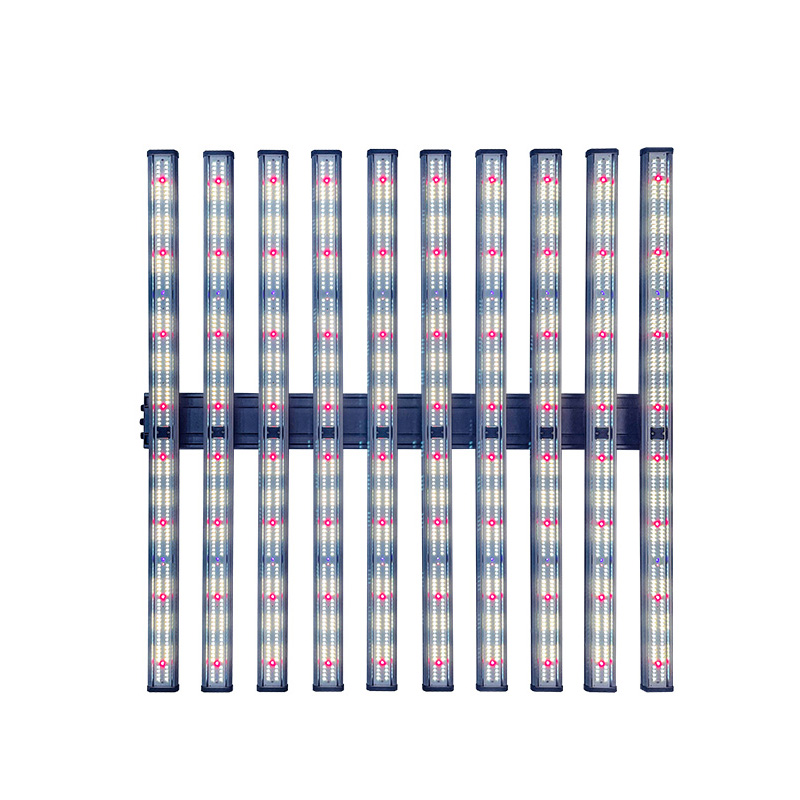
Young plants usually need lower intensity than established canopies. ANDYLED references for a commercial cannabis seedling or germination setting use 20%-40% output and about 400-500 µmol/m²/s PPFD in that context. Final settings must be confirmed by canopy PPFD measurement and plant response. A dimmable, detachable full spectrum LED grow light gives growers room to start lower. They can increase output as plants develop.
Why Do Seedlings Need Grow Lights Instead of Normal Indoor Light?
How Insufficient Light Causes Leggy Seedlings
Normal indoor light often looks bright to human eyes. However, it delivers weak plant-usable light at the leaf surface. When seedlings do not receive enough light, they stretch toward the source. Their stems become thin. Internodes lengthen, and leaves may stay small.
Weak seedlings can struggle after transplanting. Long, soft stems are easier to damage. Light-starved plants may need more time to adapt when light levels change.
How Grow Lights Support Strong Roots and Compact Plant Structure
Stable grow lights support photosynthesis. This process helps young plants build leaves, root activity, and compact structure. Light alone does not guarantee strong roots. It works together with moisture, airflow, temperature, and nutrition.
ANDYLED focuses on commercial and professional cultivation. In these settings, bar-style dimmable LED grow lights, zones, and repeatable canopy management matter. The approach treats seedling lighting as the first step in a staged program.
How to Choose the Best Grow Lights for Seedlings
Full Spectrum vs Single Color Grow Lights for Young Plants
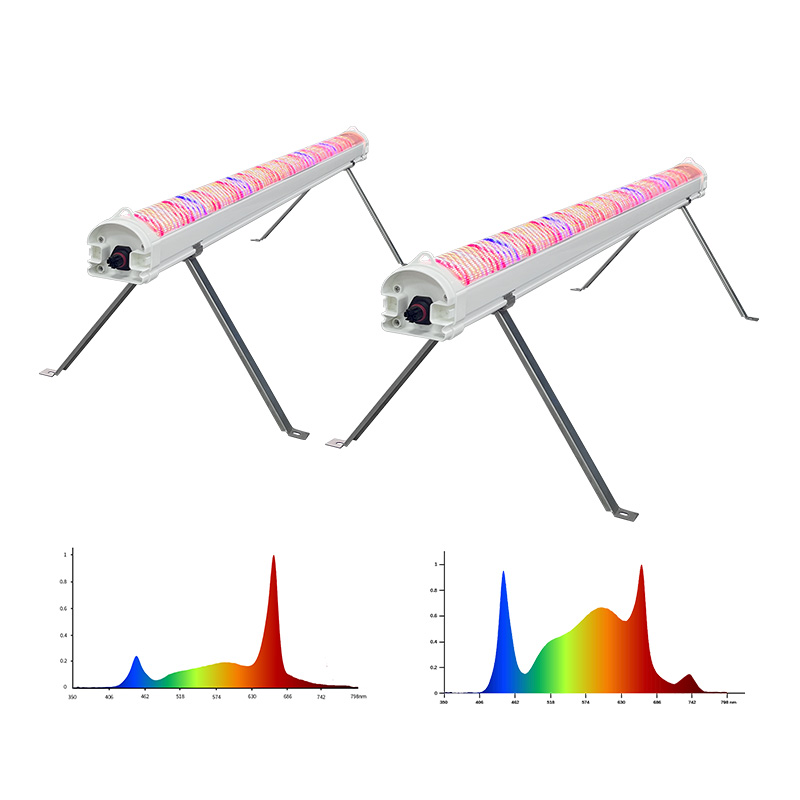
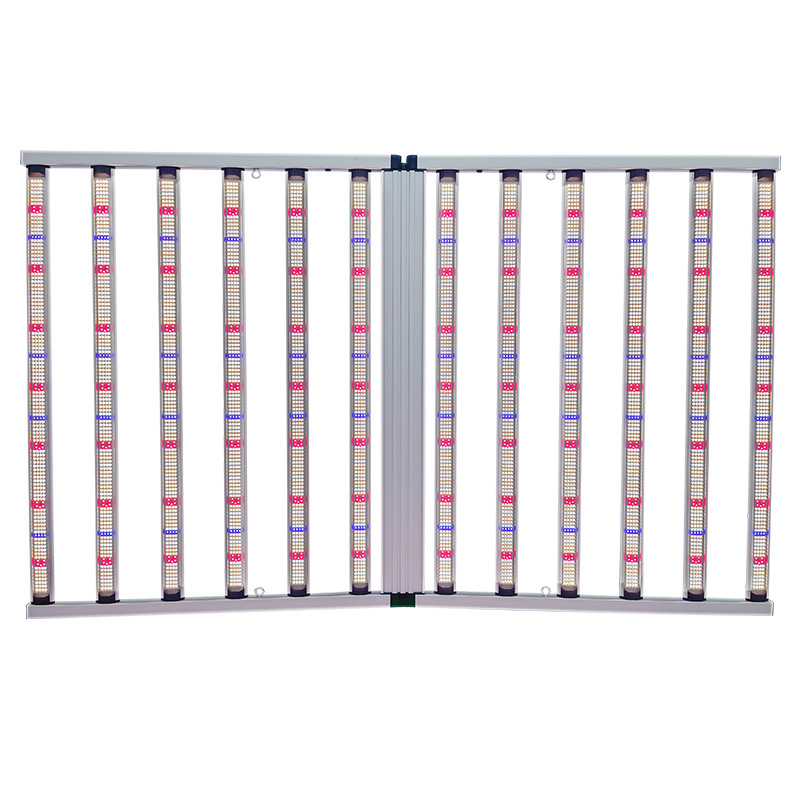
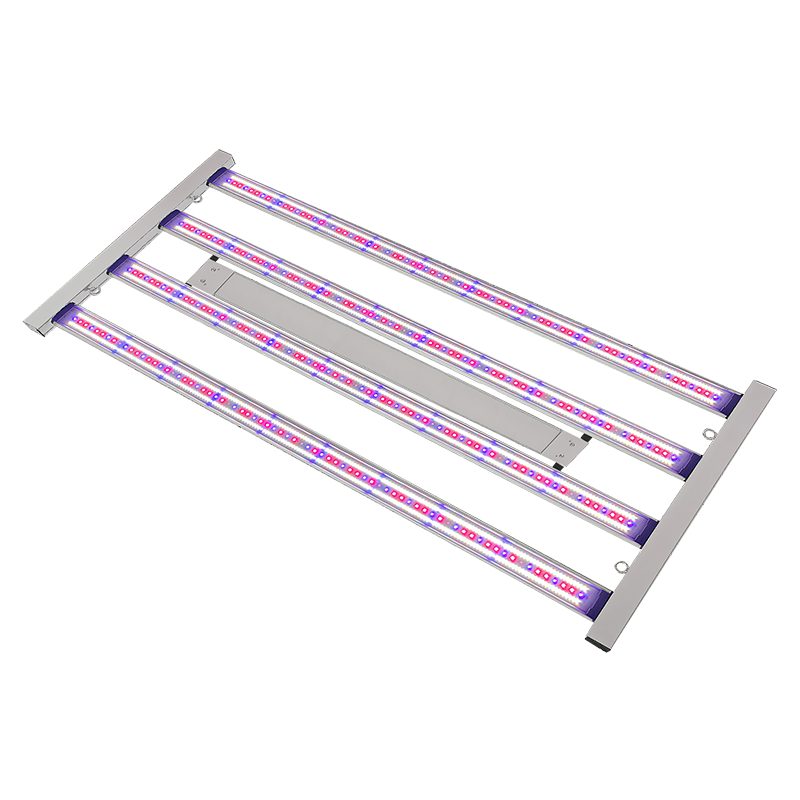
Full-spectrum grow lights for seedlings are usually easier to manage than single-color lamps. Seedlings need both photosynthetic energy and morphology control. Blue wavelengths help with compact growth and leaf structure. Red wavelengths support photosynthesis and later biomass development. ANDYLED design guidance also uses red energy around 640nm and 660nm and blue peaks around 437nm and 450nm as spectrum directions.
Single-color lights can support experiments. Yet they are less forgiving for routine seedling production. For growers moving from seedlings into larger rooms, our dual-channel spectrum control can separate early-growth settings from later-stage programs. This works when the selected architecture supports it.
Why Light Coverage and Uniformity Matter More Than Wattage
The best spectrum for seedlings still fails if the tray receives uneven light. A high-wattage fixture may leave weak corners if distribution is poor. A planned layout keeps seedlings more consistent. Growers should review grow light coverage for seedlings, center and edge PPFD, hanging height, and spacing before focusing on wattage alone.
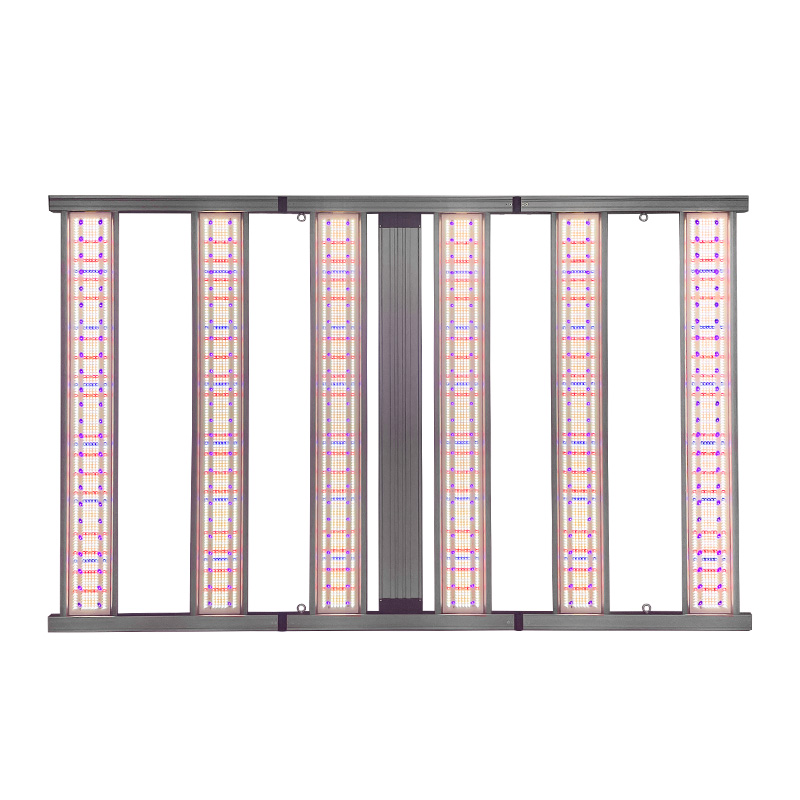
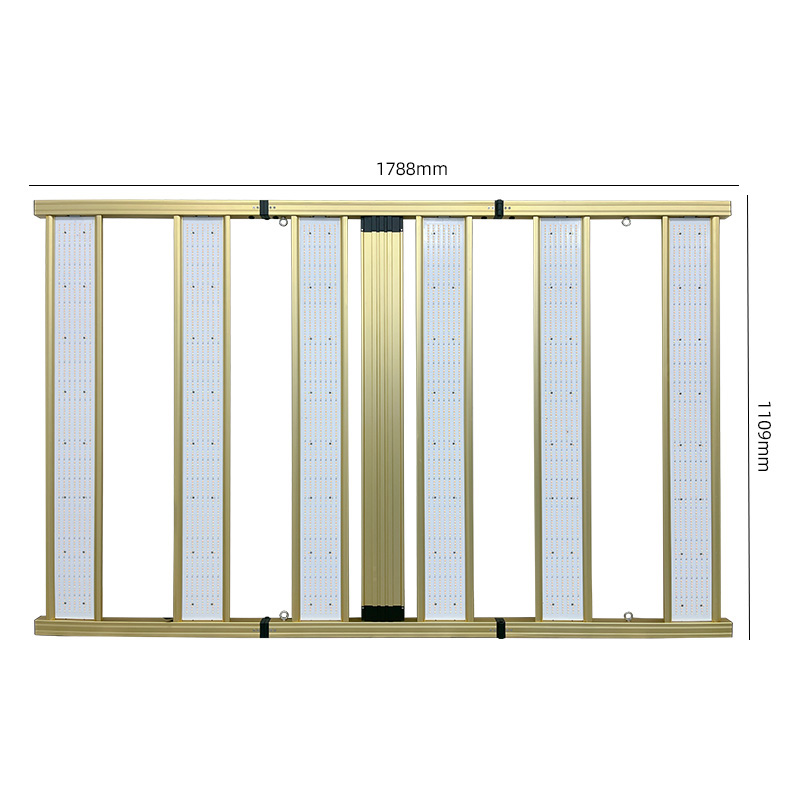
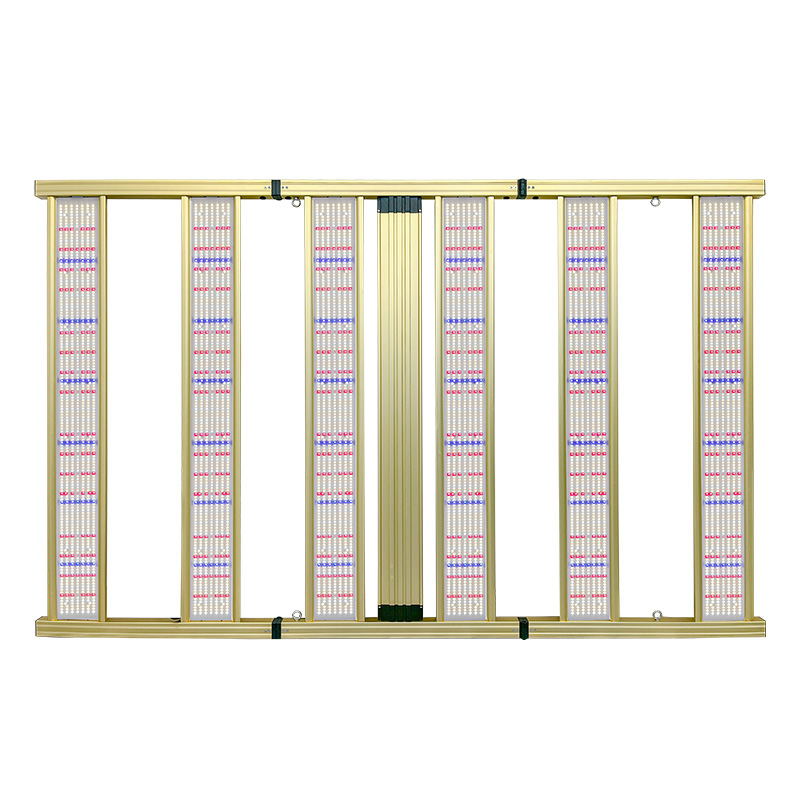
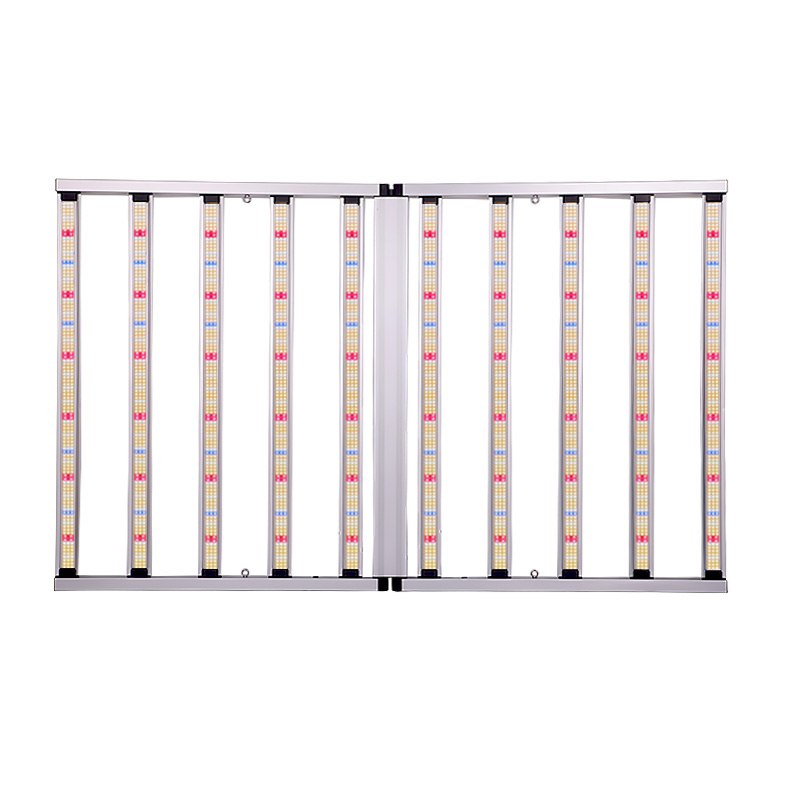
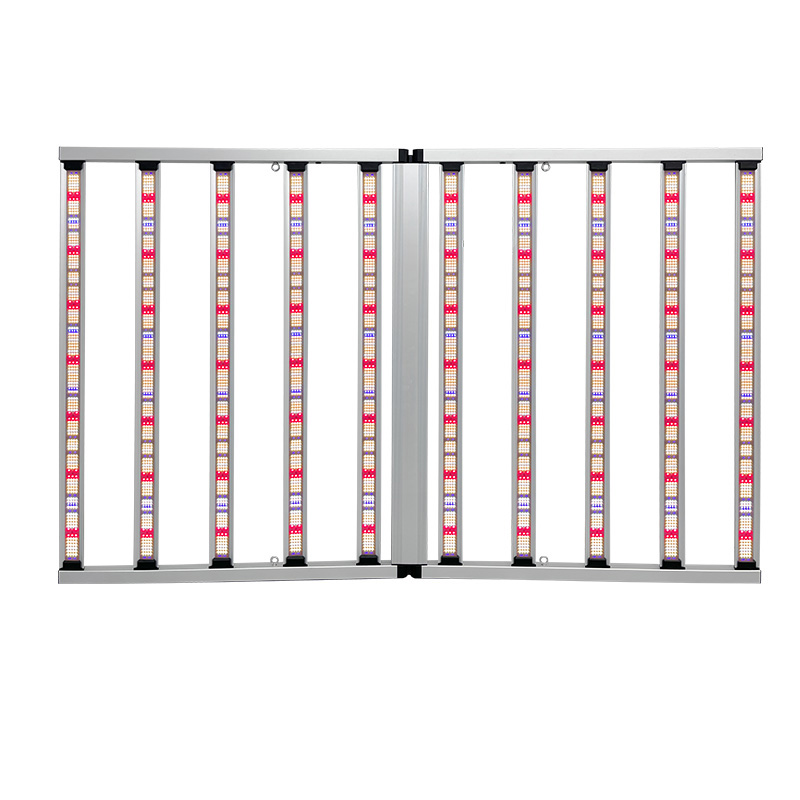
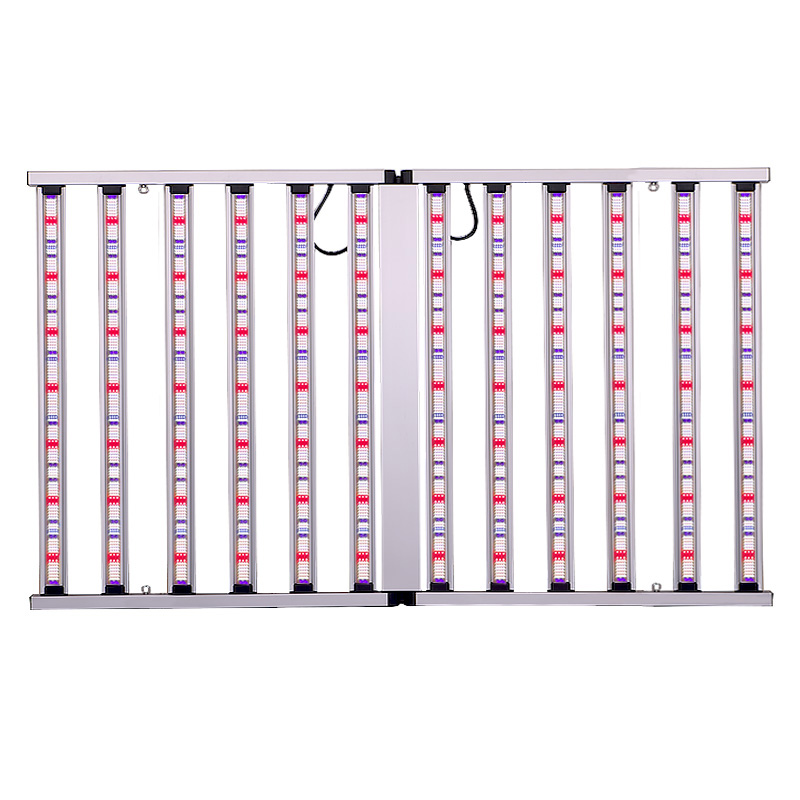
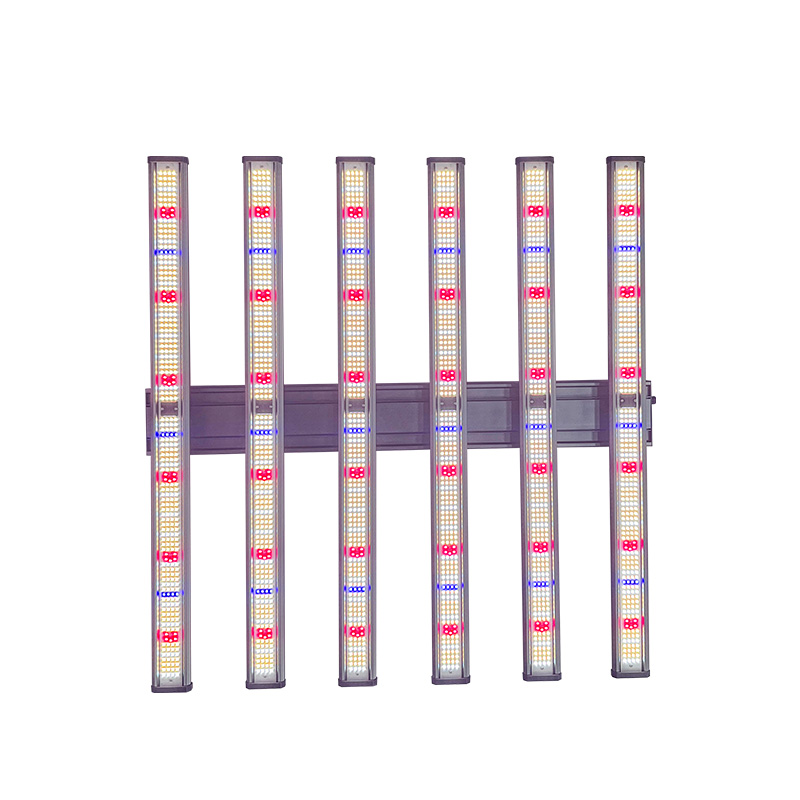
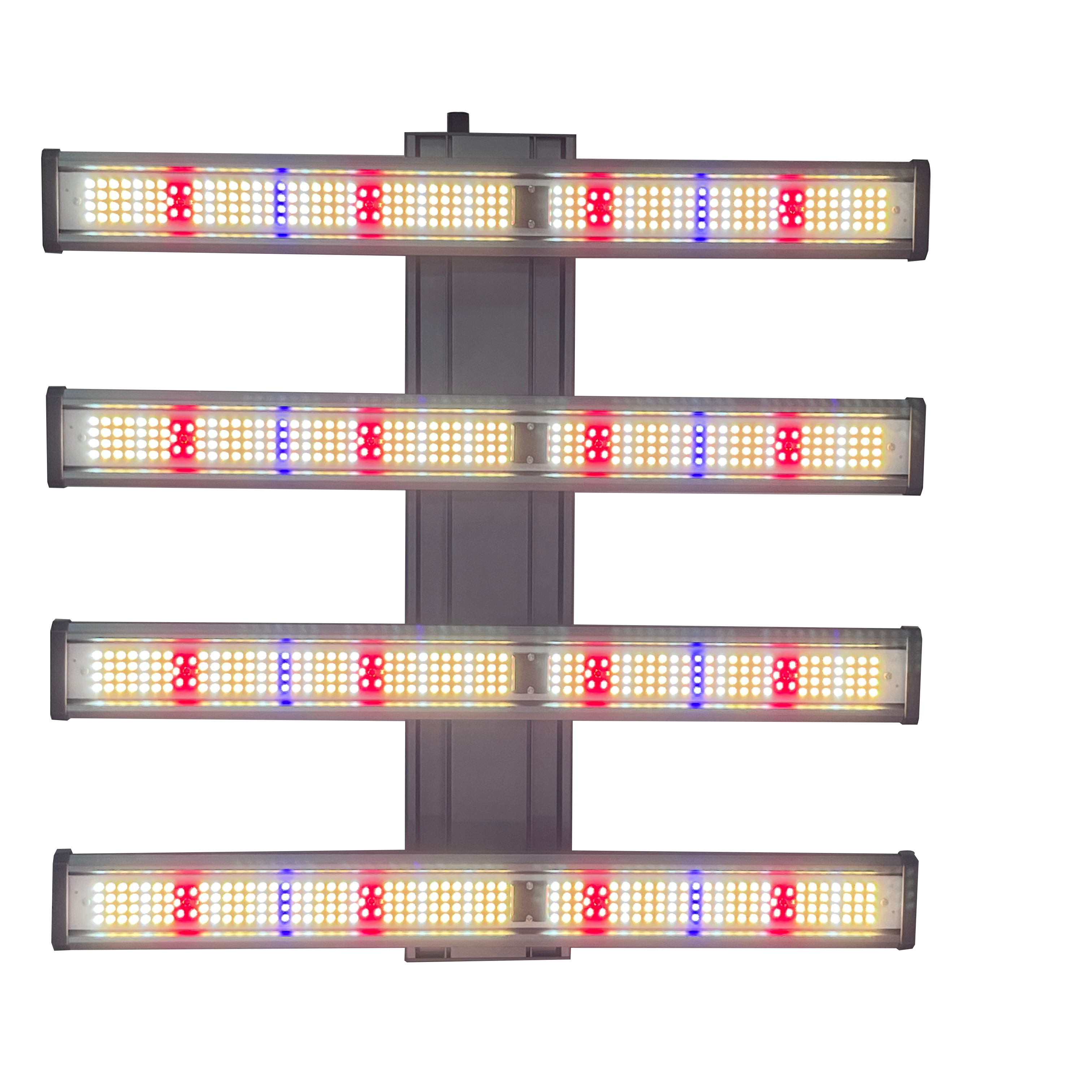
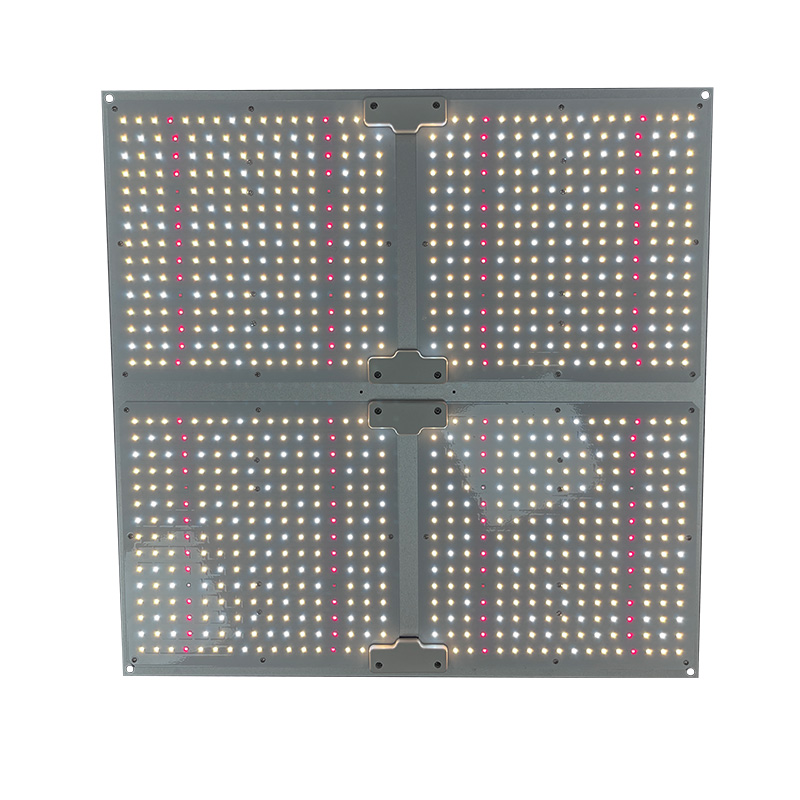
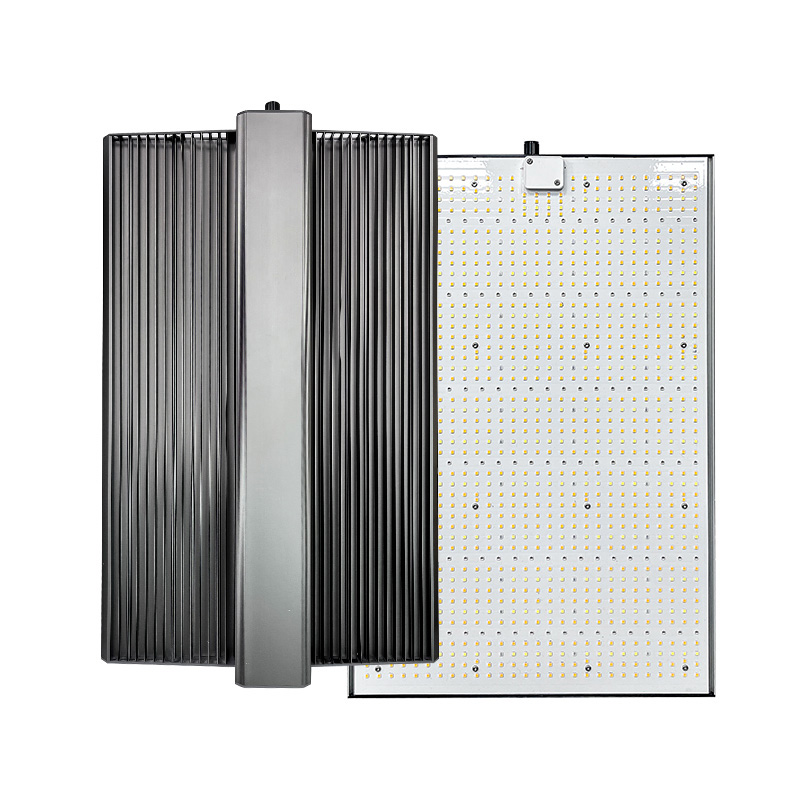
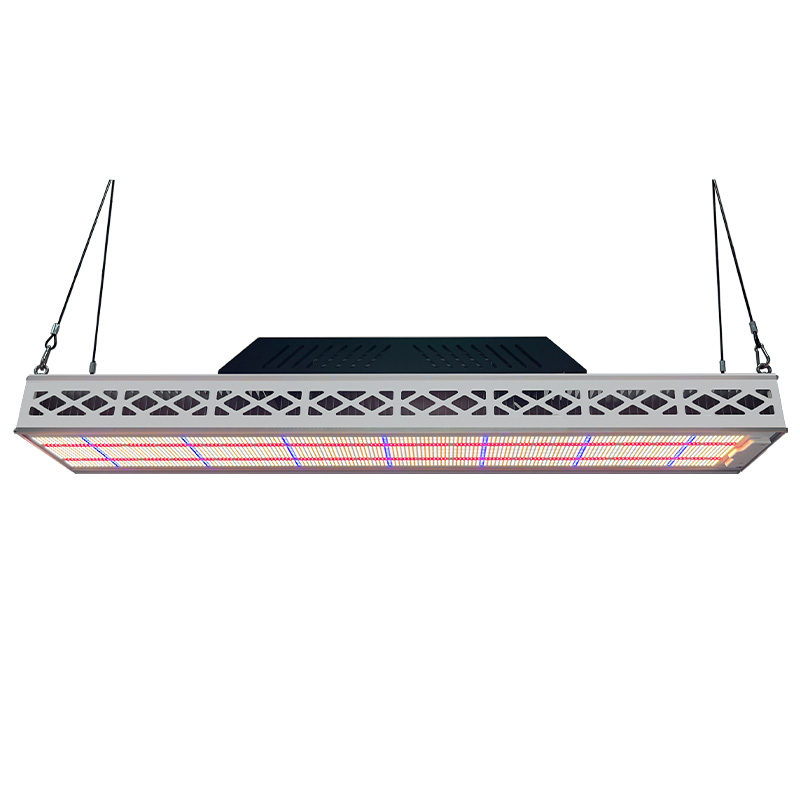
ANDYLED validation guidance emphasizes canopy PPFD, edge values, fixture consistency, and uniformity before farm-wide deployment. Uniform coverage helps reduce growth differences between plants. It also improves light-use efficiency. Product choices such as wide full spectrum LED grow lights should be evaluated by canopy distribution. They should not be judged only by headline power.

How Far Should Grow Lights Be From Seedlings?
Finding the Right Distance Between LED Grow Lights and Seedlings
Grow light distance for seedlings controls how much PPFD reaches the leaves. If growers move the same LED grow light closer, then PPFD rises. If they move it too far away, then seedlings may stretch. The correct distance depends on output, beam design, tray area, crop type, and dimming.
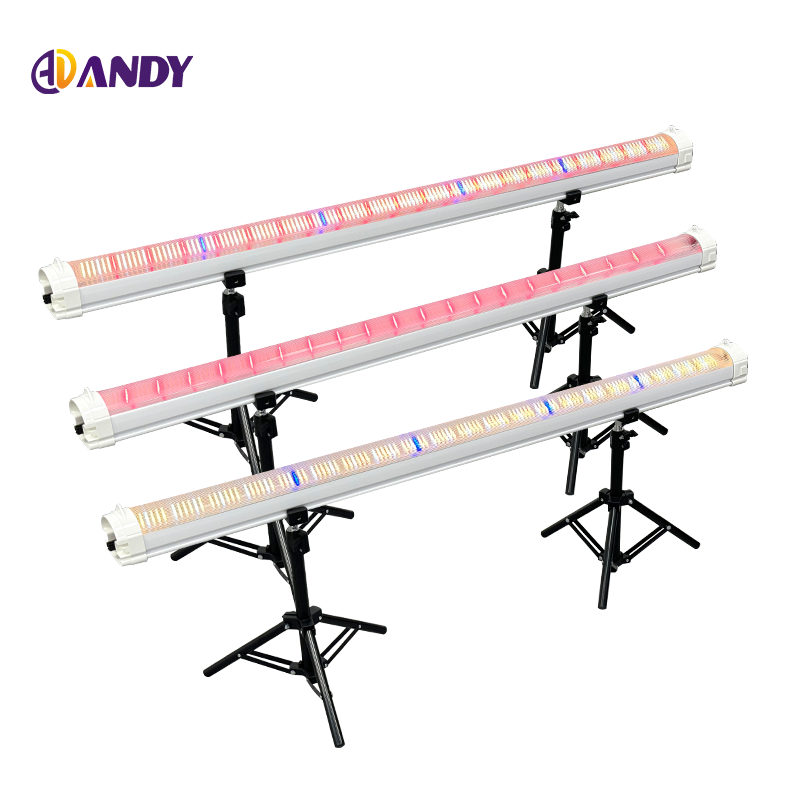
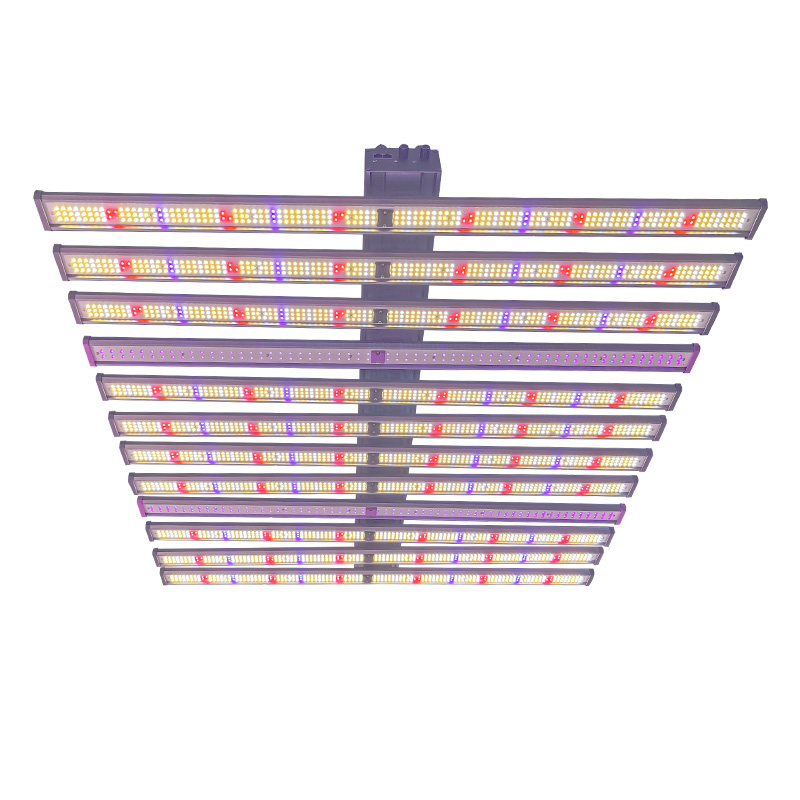
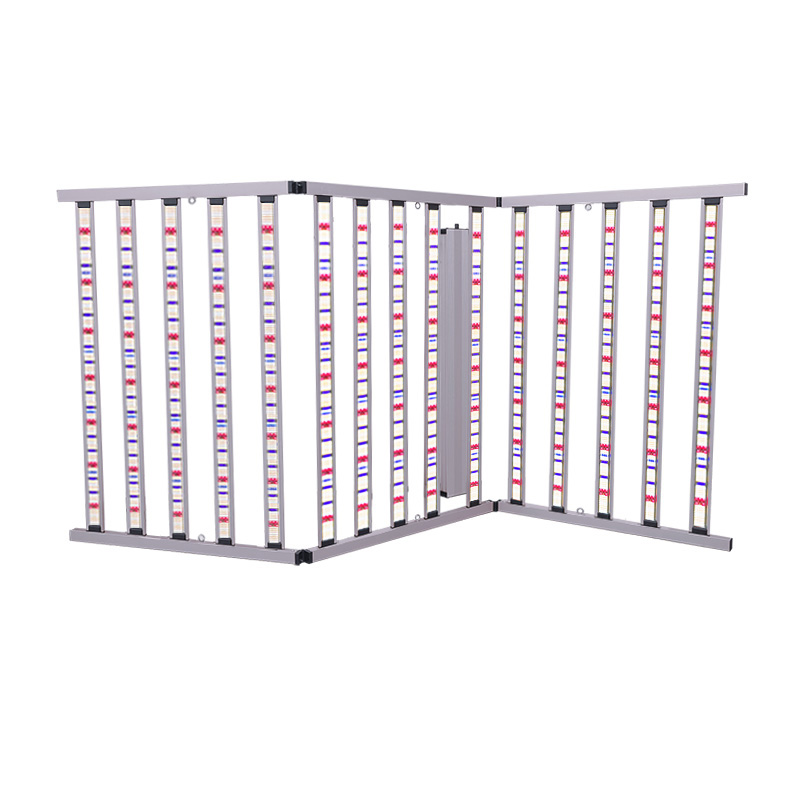
Instead of asking only how high grow lights should be above seedlings, measure or estimate PPFD at canopy level. Then adjust as plants grow. ANDYLED references treat mounting height, output, PPFD, and schedule as linked settings. Growers should raise or dim fixtures gradually. A top fill full spectrum LED grow light shows why fixture shape and mounting position should be reviewed together.
Signs Your Grow Lights Are Too Close or Too Far Away
Not enough light seedlings symptoms include stretching, thin stems, pale or undersized leaves, and leaning toward the fixture or window. In that case, the fixture may be too far away. It could also be too weak, poorly distributed, or used for too short a daily schedule.
Too much light seedlings symptoms look different. Leaves may curl, bleach, discolor, or look stressed. Strong light can also increase canopy temperature and water demand. Growers should change one variable at a time, such as distance, dimming, or schedule.
How to Create the Right Lighting Schedule for Different Seedling Stages
Lighting Requirements During Early Seedling Growth
Early seedlings need controlled intensity and a stable light-dark period. Growers should not start with mature-plant output. In ANDYLED stage references, cannabis seedlings begin at lower output than vegetative and bloom stages. Later increases are tied to root recovery, canopy development, and environmental capacity.
Selected ANDYLED configurations may support two-channel dimming, 0-10V output adjustment, AC parallel connection, and controller scheduling. These capabilities can support repeatable stage plans. Exact fixture, driver, cable, controller, group size, timing, interruption handling, and restart state should be verified before purchase.
When Should Growers Increase Light Levels as Plants Mature?
Growers should increase light when seedlings have true leaves, stronger stems, active root growth, and stable moisture use. The seedling-to-vegetative stage is a transition. It is not a sudden switch to full output. Watch leaf posture, color, canopy temperature, irrigation response, and root recovery before changing settings.
For commercial rooms, adjusting grow lights should include airflow, humidity, heat load, and energy planning. A related LED grow light efficiency guide explains why higher wattage does not automatically mean better plant light.
Common Mistakes When Using Grow Lights for Seedlings
Using Wattage Instead of Measuring Actual Plant Light
The most common mistake is buying by wattage. Many assume the number proves seedling performance. LED grow light efficiency depends on usable light per watt. It also depends on how that light lands on the tray. ANDYLED public wording uses 3.0 µmol/J as a commercial bar-style LED example. Final setup still needs canopy-level measurement.
Keeping Lights Too Far Away From Young Plants
Keeping lights too far away reduces the light seedlings receive. The result can be weak seedlings even under an expensive fixture. Growers should start at a moderate level. They must observe plant response. Then they can adjust height or dimming gradually. For seedlings, controlled consistency beats sudden high intensity.
FAQ
Q: How many hours should Grow Lights for Seedlings be on every day?
A: Most seedlings can begin with 14 to 18 hours as the range for a start. Some industrial cannabis references provide 18 hours on and 6 hours off for the seedling or germinating phase. Adjusting the timing of lights will depend on the type of crops, PPFD, and temperature.
Q: What PPFD do Grow Lights for Seedlings need?
A: Seedling PPFD should be moderate. It should not reach mature-canopy intensity. ANDYLED cannabis seedling references use about 400-500 µmol/m²/s in the stated setup. Other crops may need less. Measure at canopy level and adjust gradually.
Q: How far should Grow Lights for Seedlings be from plants?
A: The right distance depends on output, dimming, beam angle, tray size, and plant response. If seedlings stretch, the light may be too far or too weak. If leaves discolor or curl, the light may be too close or too intense.
Q: Can Grow Lights for Seedlings prevent leggy growth?
A: Grow lights can help prevent leggy growth. They do this when they provide enough PPFD, even coverage, and a stable schedule. They should also work with suitable temperature, air movement, moisture, and nutrition.
Q: Are full-spectrum grow lights for Seedlings better for young plants?
A: Full-spectrum grow lights are usually easier. They provide balanced wavelengths instead of one color. Blue light helps compact structure. Red light supports photosynthesis. Final settings still need PPFD and plant-response checks.


